These 14 Quirky Florida Museums Are Worth Going Out of Your Way For
Florida is famous for beaches, theme parks, and sunshine, but tucked between the palm trees and tourist traps is a whole other side of the Sunshine State that most people never see. From wax figures frozen in time to pirate loot and Bigfoot research stations, Florida’s oddest museums punch way above their weight.
Whether you’re a curious local or a road-tripper looking for something genuinely surprising, these spots deliver. Pack your sense of wonder and maybe a little extra time, because once you start exploring, it’s hard to stop.
1. Potter’s Wax Museum
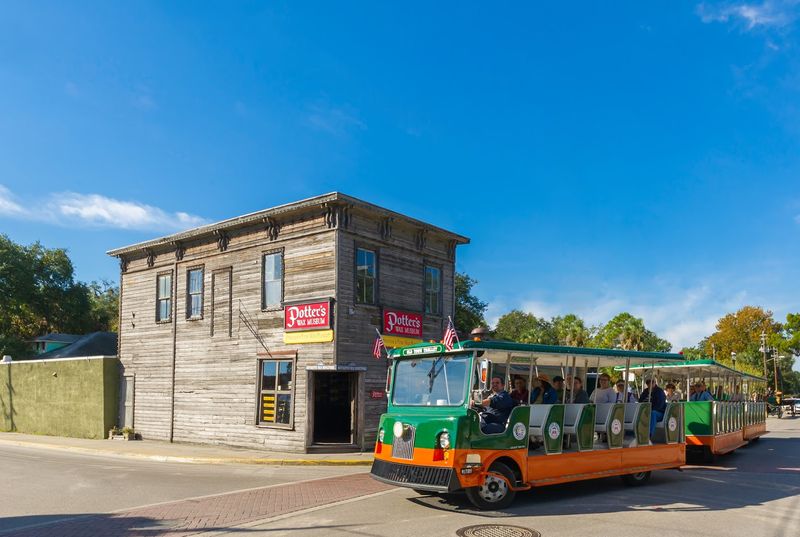
Wax museums get a bad reputation for being cheesy, but Potter’s Wax Museum in St. Augustine earns its legendary status with figures so detailed they’ll make you do a double-take. Established in 1949, it holds the title of the oldest wax museum in the United States, and that history alone makes it worth a stop.
Walking through its halls feels like flipping through a living history book, one where the pages stare back at you.
The collection spans centuries and genres, featuring everyone from world leaders and royalty to pop culture icons and Hollywood legends. Each figure is crafted with serious attention to detail, from facial expressions down to the stitching on period-accurate costumes.
Kids tend to lose their minds over the more dramatic displays, while adults find themselves genuinely impressed by the craftsmanship on show.
Located in the heart of the nation’s oldest city, Potter’s fits perfectly into a full day of St. Augustine exploring. Pair it with a ghost tour or a walk down St. George Street and you’ve got a memorable afternoon.
Admission is affordable, making it a solid value for families or solo travelers who want something beyond the usual sightseeing checklist.
What really sets this place apart from newer wax attractions is its old-school charm. There’s no flashy digital gimmickry competing for your attention, just the figures, the stories behind them, and your own imagination filling in the gaps.
It’s refreshingly straightforward. The museum also updates its collection periodically, so even repeat visitors might spot a new face or two.
If you’ve written off wax museums as tourist traps, Potter’s might just change your mind entirely.
2. Ripley’s Believe It or Not!
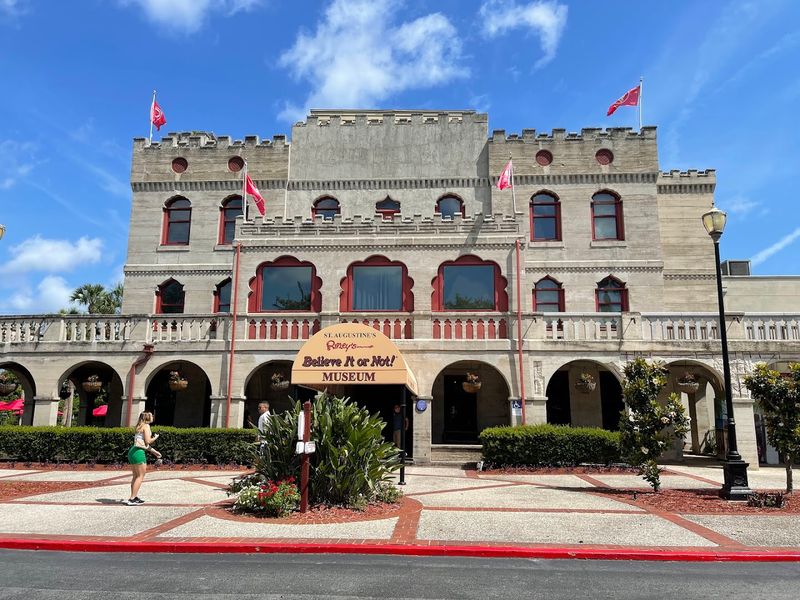
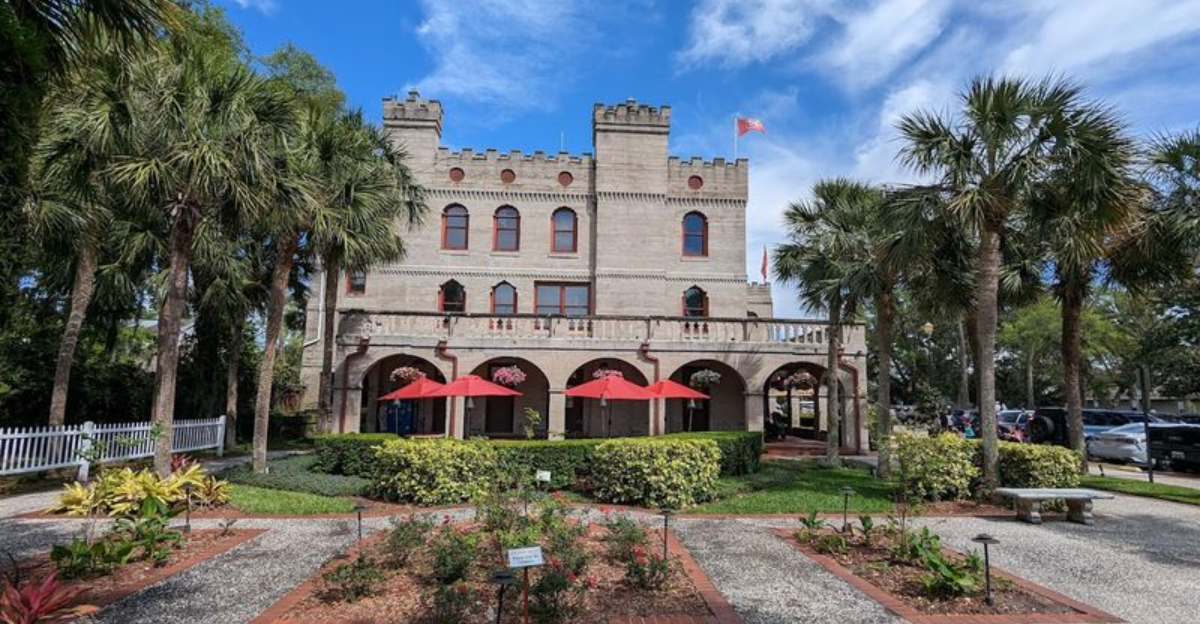
Robert Ripley spent decades traveling the globe collecting the strangest, most unbelievable things he could find, and St. Augustine’s version of his famous museum houses an impressive chunk of that obsession. Housed in a historic castle-like building right in the middle of downtown, the St. Augustine location has a dramatic setting that matches the wild content inside.
The building itself is a conversation starter before you even buy a ticket.
Inside, the exhibits range from shrunken heads and two-headed animals to interactive optical illusions and jaw-dropping feats of human endurance. Some displays are genuinely hard to look at, while others are so fascinating you’ll find yourself reading every word of the placard.
The mix of the grotesque and the genuinely remarkable is what keeps visitors moving from room to room, always curious about what’s around the next corner.
One of the underrated highlights here is how the museum blends education with entertainment. You’re learning real facts about real people and real phenomena, just packaged in the most outrageous way possible.
It’s the kind of place where you walk out with a handful of wild trivia that you’ll be repeating at dinner parties for years.
Families with older kids especially tend to love this one since the exhibits spark real curiosity and plenty of conversation. The interactive elements keep younger visitors engaged without dumbing anything down.
St. Augustine’s location also adds a layer of intrigue because the building reportedly has its own ghost stories, adding to the overall atmosphere.
Ripley’s isn’t trying to be a traditional museum, and that’s exactly the point. It’s a celebration of the bizarre and the extraordinary, and Florida’s version delivers that promise with genuine enthusiasm.
3. International Independent Showmen’s Museum
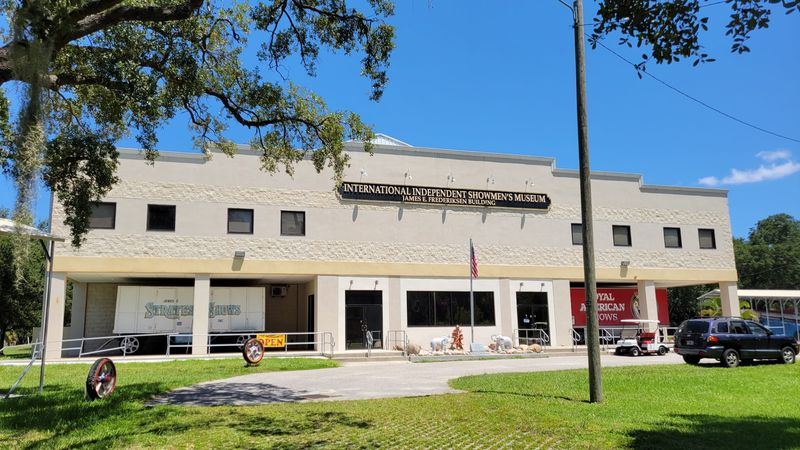
Somewhere in Riverview, Florida, there’s a museum dedicated entirely to the world of carnivals, fairs, and traveling shows, and it is every bit as wild and wonderful as that sounds.
The International Independent Showmen’s Museum is operated by the Showmen’s Association and preserves the history of an industry that shaped American entertainment for over a century.
Most people have never heard of it, which makes finding it feel like discovering a hidden gem.
The collection inside is massive and genuinely impressive. Vintage carousel horses, sideshow banners, antique midway games, and rare photographs fill the space with a nostalgic energy that’s hard to replicate anywhere else.
There’s a real love for the subject matter evident in how the exhibits are arranged and maintained, this isn’t just a storage room with labels, it’s a thoughtful tribute to an entire way of life.
What makes this museum especially compelling is the human story at its core. Carnival and fair workers lived and traveled together as communities, raising families on the road and building careers in a world most people only saw from the outside.
The museum captures that insider perspective with artifacts and personal histories that bring real depth to what might otherwise seem like a novelty stop.
Getting here requires a bit of intentional effort since it’s not on the main tourist circuit, but that’s part of its appeal. The staff tends to be knowledgeable and enthusiastic, happy to share stories and context that you won’t find in any guidebook.
Call ahead to confirm hours before you make the trip. Visiting feels less like a museum outing and more like being welcomed into a very specific, very passionate community’s living room.
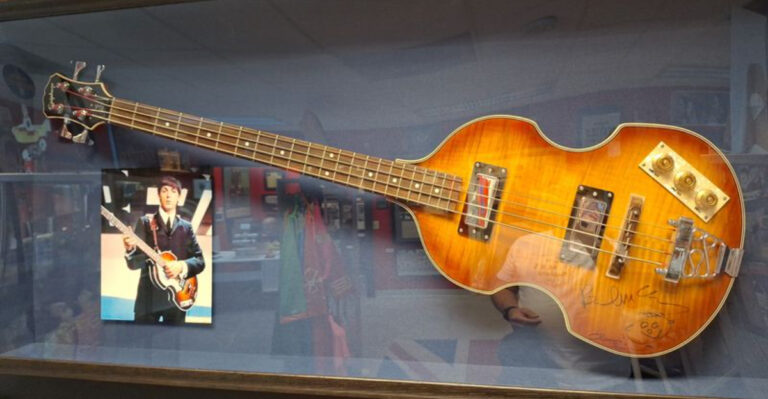
4. Penny Lane Beatles Museum
Orlando has no shortage of attractions competing for your attention, but tucked away from the theme park chaos is a Beatles-dedicated museum that fans of the Fab Four absolutely should not skip.
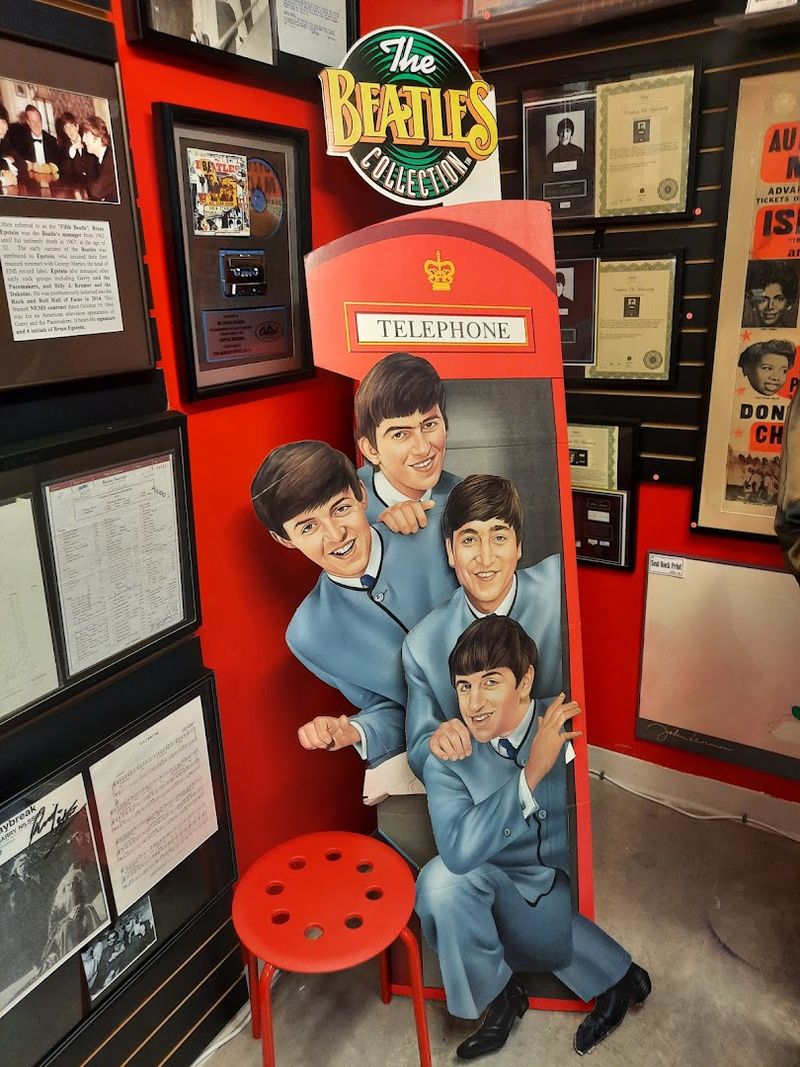
Penny Lane Beatles Museum is a love letter to John, Paul, George, and Ringo, assembled with the kind of obsessive dedication that only true fans understand.
The moment you walk in, the music hits you and the mood shifts immediately.
The collection features an impressive range of Beatles memorabilia including rare records, original photographs, concert programs, vintage magazine covers, and personal items connected to the band’s history.
Every corner of the space has something worth stopping for, and the curation makes it feel less like a random pile of stuff and more like a carefully told story.
Even casual fans tend to get pulled in deeper than they expected.
What’s genuinely surprising about this museum is how it captures the cultural impact of the Beatles beyond just the music. The exhibits touch on the band’s influence on fashion, politics, youth culture, and the global entertainment industry.
Seeing it all laid out in one place gives you a new appreciation for just how much four guys from Liverpool changed the world.
The atmosphere is warm and inviting rather than stuffy, with music playing throughout the space and a vibe that encourages you to linger. Staff members are typically knowledgeable and happy to chat about their favorite pieces in the collection.
It’s a refreshing break from the sensory overload of the rest of Orlando’s tourist scene.
Whether you grew up with the Beatles or discovered them later, this museum offers something genuinely meaningful. It’s the kind of place you recommend to friends who think they’ve already seen everything Orlando has to offer.
5. Skunk Ape Research Headquarters
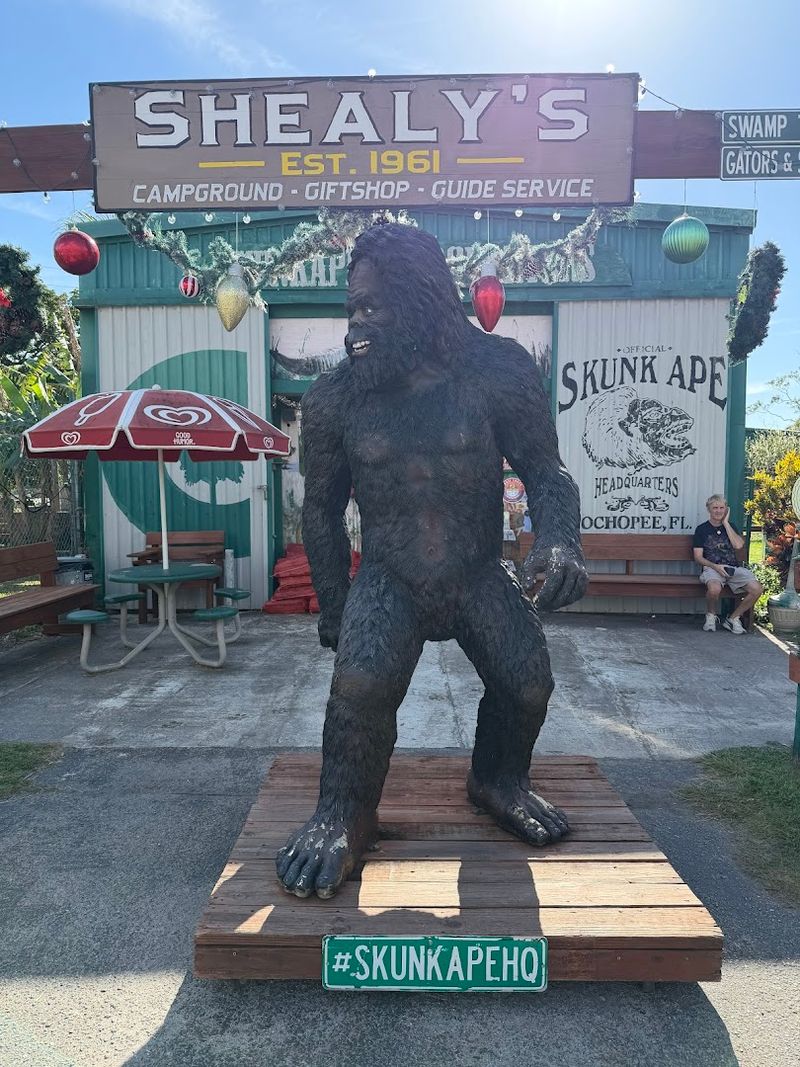
Deep in the Florida Everglades near Ochopee, there’s a roadside headquarters dedicated to tracking down Florida’s own version of Bigfoot, the Skunk Ape. Named for its reportedly terrible smell and ape-like appearance, the Skunk Ape has been a fixture of Florida folklore for decades.
This research headquarters takes the legend seriously enough to maintain a museum, gift shop, and even a small wildlife sanctuary on the property.
Run by the Shealy family for years, the operation has a genuine passion behind it that makes the whole experience more charming than campy. Inside, you’ll find plaster casts of alleged footprints, eyewitness accounts, photographs of questionable clarity, and enough background lore to keep you entertained for well over an hour.
The exhibits are presented with just enough straight-faced sincerity to make you wonder if maybe, just maybe, something is out there in those swamps.
Beyond the cryptid content, the property also houses a collection of reptiles and birds that are worth the stop on their own. Alligators, snakes, and various Everglades wildlife are kept in enclosures that give visitors a close look at the creatures that actually do roam those wetlands.
It adds a layer of legitimate wildlife education to what could have been a purely novelty experience.
The gift shop is one of the better roadside souvenir spots in the state, stocked with Skunk Ape merchandise ranging from shirts to plush toys that make perfect Florida gifts. The whole vibe of the place is self-aware but sincere, like the owners know it’s a bit outrageous but genuinely love what they’ve built.
Located along the Tamiami Trail, it’s an easy and highly recommended add-on to any Everglades adventure.
6. Pirate & Treasure Museum
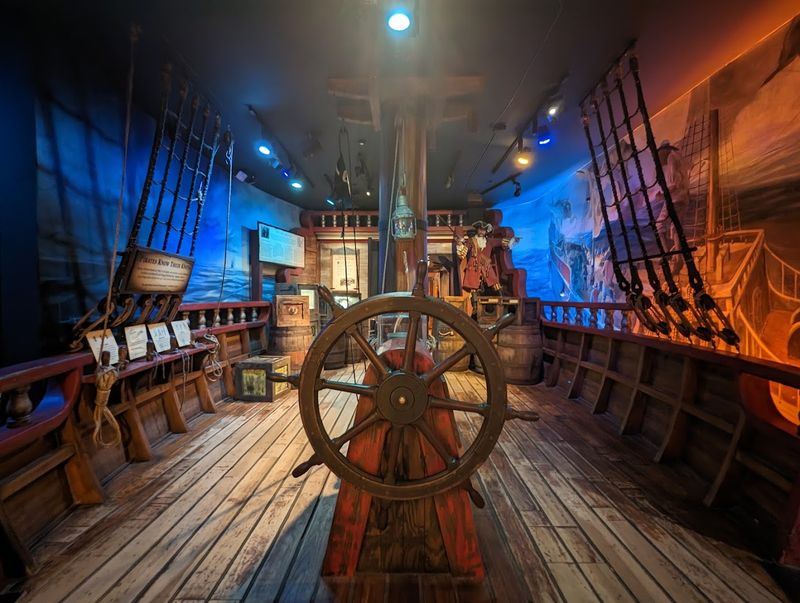
St. Augustine and pirates go together like salt water and old rope, so it makes perfect sense that the city is home to one of the most entertaining pirate-focused museums in the country. The Pirate and Treasure Museum isn’t just a collection of plastic swords and costume props.
It houses genuinely authentic artifacts from the golden age of piracy, including items that have been featured on major television programs and verified by historians.
Walking through the exhibits feels like stepping onto the deck of an old ship. Cannons, weapons, navigational tools, and personal effects from real pirates give the collection a weight that separates it from theme park versions of the same subject.
The storytelling throughout is strong, connecting objects to actual historical events and real people who sailed these waters centuries ago.
One of the standout pieces is a treasure chest that dates back to the 1600s, one of the few surviving examples of its kind anywhere in the world. Finding something like that in a relatively small museum is genuinely remarkable and worth the price of admission on its own.
The museum does a great job of building excitement around each exhibit rather than letting the artifacts speak for themselves in silence.
Interactive elements are woven throughout the space, making it a strong choice for families with kids who might struggle to stay engaged in a more traditional museum setting. There are photo opportunities, hands-on displays, and enough dramatic storytelling to keep even restless visitors moving forward with genuine interest rather than obligation.
Located conveniently in the heart of St. Augustine’s historic district, this museum pairs naturally with the city’s other historical attractions. Block out at least an hour and a half to do it proper justice.
7. American Space Museum
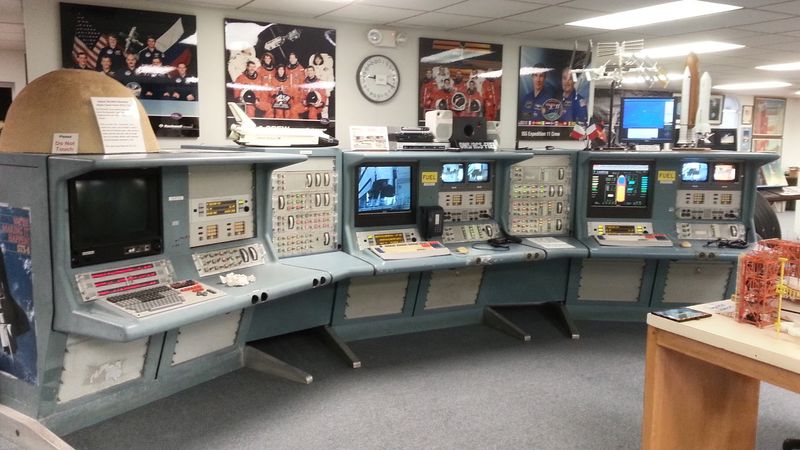
Titusville sits directly across the water from Kennedy Space Center, and that proximity has shaped the town’s identity in ways that are still visible today. The American Space Museum captures that legacy with a collection of authentic NASA hardware, mission memorabilia, and personal stories from the men and women who made space exploration possible.
It’s a community-driven institution with a heart that larger, more commercial attractions often lack.
The exhibits here feel personal in a way that’s hard to explain without visiting. Many of the artifacts were donated by actual astronauts, engineers, and NASA workers who lived and worked in the area during the space race.
Signed photographs, mission patches, flight suits, and equipment that was actually used in space programs give the collection a tangible connection to history that you can almost feel through the display cases.
One of the things that makes this museum stand out is its focus on the human side of space exploration. Beyond the hardware, there are stories about the challenges, the failures, and the personal sacrifices that went into getting humans off the planet.
It’s a more complete picture than you typically get from glossy, big-budget space attractions.
The museum is volunteer-run for the most part, which gives it a friendly, community-center energy. Staff members are often passionate locals with firsthand connections to the space industry, and their enthusiasm is contagious.
Don’t be surprised if a conversation at the front desk turns into a twenty-minute deep dive into a mission you never knew existed.
Admission is very reasonably priced, making it an excellent complement to a Kennedy Space Center visit without the heavy ticket cost. For space enthusiasts of any age, this is a mandatory stop in Titusville.
8. Old Jail Museum

Most museums celebrate achievement, art, or history’s greatest moments. The Old Jail Museum in St. Augustine takes a different angle entirely, offering visitors a look at the grimmer, grittier side of life in the late 1800s.
Built in 1891 and designed by the same architect responsible for several of Henry Flagler’s grand hotels, this former county jail operated for over sixty years and housed some genuinely dangerous characters in its time.
The building itself is deceptively attractive from the outside, almost resembling a Victorian-era hotel rather than a place where criminals were locked away. That contrast is part of what makes it so interesting.
Step inside and the reality of nineteenth-century incarceration becomes very clear, very quickly. The cells are small, the conditions were harsh, and the stories attached to the place are equal parts fascinating and sobering.
Guided tours are the way to go here, and the guides tend to be theatrical and well-informed, bringing characters from the jail’s history to life with genuine storytelling flair. You’ll hear about infamous prisoners, escape attempts, and the daily realities of life for both inmates and the sheriff’s family, who actually lived on the property.
That last detail alone adds a layer of strangeness that sticks with you long after the tour ends.
The Old Jail is part of a larger historic complex in St. Augustine that includes other attractions, making it easy to combine with a full day of exploring the city. It’s particularly popular during evening ghost tours, which take on a different atmosphere after dark.
History fans, true crime enthusiasts, and curious travelers all tend to leave impressed by how much story is packed into a relatively small space.
9. International Swimming Hall of Fame

Fort Lauderdale has deep roots in competitive swimming, and the International Swimming Hall of Fame is the sport’s most comprehensive museum anywhere in the world. Established in 1965, it honors athletes from across the globe who have made significant contributions to swimming, diving, water polo, synchronized swimming, and open-water competition.
The facility sits right on the waterfront, which feels entirely appropriate given what it celebrates.
The museum’s collection is staggering in its scope. Olympic medals, world record documentation, vintage swimwear, historic photographs, and personal equipment from some of the greatest aquatic athletes in history fill the exhibits.
Names like Mark Spitz, Janet Evans, and Johnny Weissmuller are represented alongside dozens of international champions whose stories deserve far more recognition than they typically receive.
What makes this museum genuinely interesting even for non-swimmers is how well it captures the evolution of the sport over time. Early swimwear looks almost comically different from modern racing suits, and the progression of pool technology and training methods tells a broader story about how athletic science has advanced.
There’s more depth here than you might expect from a sport-specific museum.
The facility also includes an aquatic complex with pools that have hosted major competitions over the years, giving the whole property a sense of living history rather than just archived nostalgia. On certain days you can watch swimmers training, which adds an energetic, real-world dimension to the museum experience.
Admission is affordable, and the museum is genuinely kid-friendly without being dumbed down. Athletes, history buffs, and families with kids who swim competitively will all find plenty to engage with here.
Fort Lauderdale visitors who skip this one are genuinely missing out on something special.
10. Ernest Hemingway Home & Museum
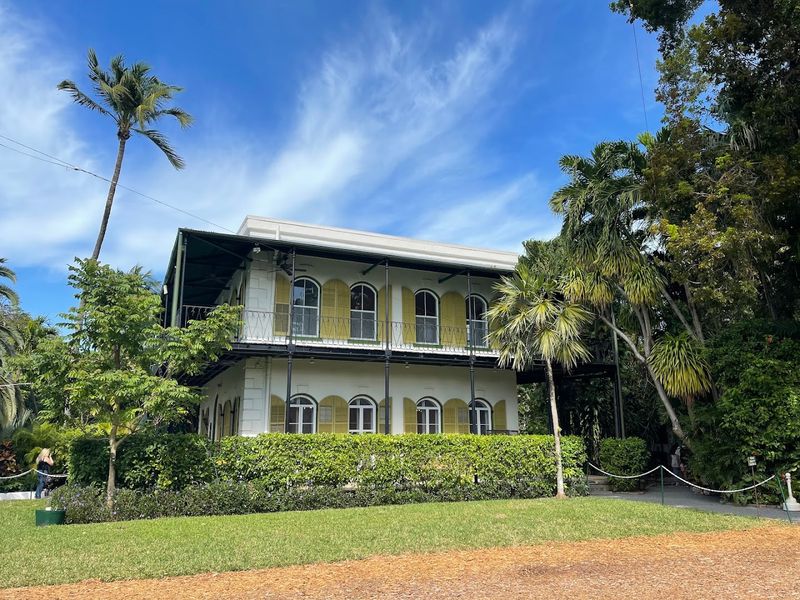
Key West has no shortage of colorful history, but few addresses carry as much literary weight as the home where Ernest Hemingway lived and wrote during the 1930s. The Ernest Hemingway Home and Museum is one of the most visited sites in Florida, and it earns that status not through gimmicks but through genuine historical significance and a whole lot of six-toed cats.
Yes, the cats are a real part of the experience and they absolutely steal the show.
The Spanish Colonial house was built in 1851, and Hemingway moved in after his second wife, Pauline, purchased it in 1931. During his years there, he wrote some of his most celebrated works, including A Farewell to Arms and For Whom the Bell Tolls.
The house is preserved with period-appropriate furnishings that give you a real sense of how Hemingway lived, not as a myth, but as an actual human being with a writing studio, a pool, and an affection for polydactyl cats.
Guided tours run throughout the day and are led by enthusiastic docents who clearly love the subject matter. They share stories about Hemingway’s personality, his relationships, his drinking habits, and his writing process with a balance of reverence and honest humor.
The tour manages to humanize a figure who can feel larger than life on the page.
The lush tropical garden surrounding the house is beautiful in its own right, and the cats, descendants of Hemingway’s original polydactyl feline, roam freely throughout the property. Each one carries a celebrity name, which adds a playful layer to the otherwise literary atmosphere.
Budget at least ninety minutes and bring your camera because every corner of this property is worth photographing.
11. Fort East Martello Museum
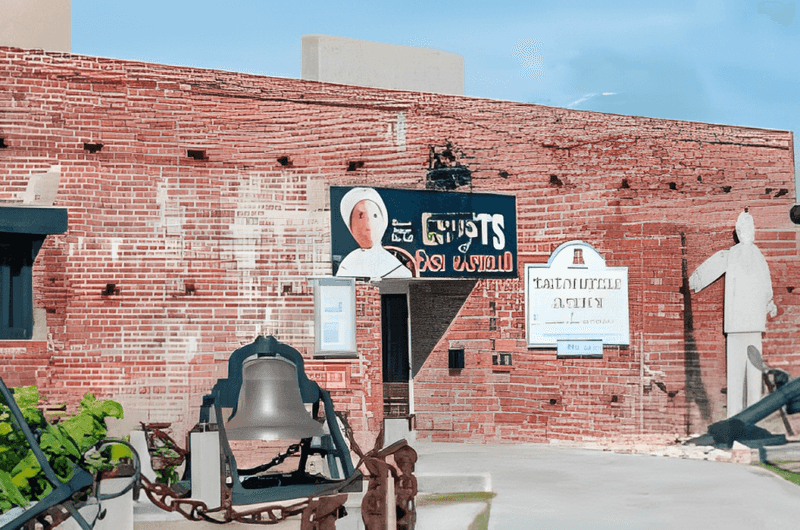
Built during the Civil War era and never actually used in combat, Fort East Martello has found its purpose as one of the most atmospheric and genuinely unsettling museums in all of Florida. The brick fortress itself is impressive, a well-preserved example of mid-nineteenth century military architecture sitting quietly on the edge of Key West.
But what draws most visitors isn’t the history of the fort, it’s what’s inside one particular room.
Robert the Doll lives here. A century-old stuffed toy with a disturbing reputation, Robert is said to be haunted, and the museum leans into that legend without making it feel cheap or exploitative.
The doll belonged to artist Gene Otto, who reportedly treated it as a companion and confidant throughout his life. After Otto’s death, stories of strange occurrences surrounding the doll multiplied, and today Robert sits in a glass case surrounded by letters from visitors who claim to have been cursed after disrespecting him.
Reading those letters is one of the strangest and most compelling museum experiences you’ll have in Florida. Some are apologetic, some pleading, and some genuinely distressed.
Whether you believe in the supernatural or not, the accumulated weight of human belief on display is fascinating. Robert himself just stares back at you with that unsettling expression, unmoved by your skepticism.
Beyond Robert, the museum houses a strong collection of Key West art and local history exhibits that give visitors real context for the island’s unique cultural identity. The fort’s architecture encourages exploration, with open courtyards and brick archways that make for excellent photography.
Admission is very reasonable, and the combination of history, art, and outright weirdness makes Fort East Martello one of the most memorable stops on any Key West itinerary.
12. Lightner Museum
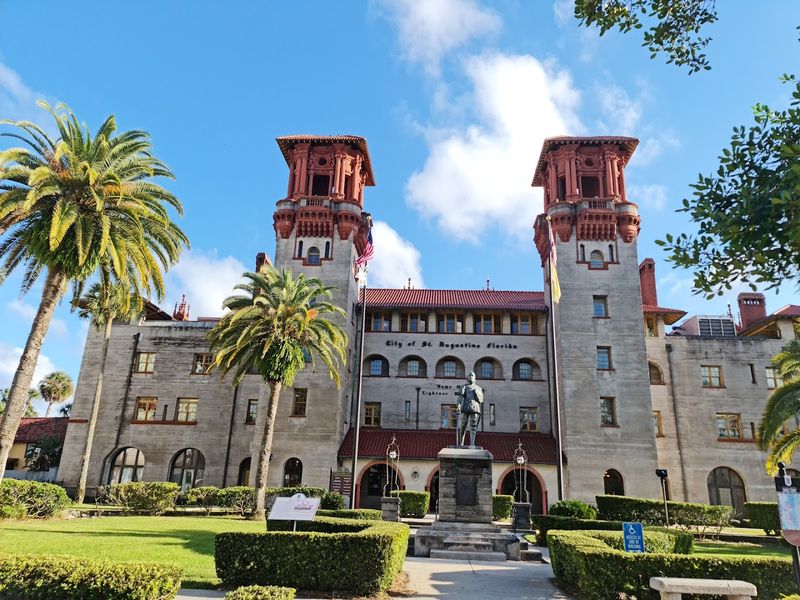
Otto Lightner had a gift for collecting beautiful and bizarre things, and the museum bearing his name in St. Augustine is the permanent home of that eclectic obsession. Housed inside the former Alcazar Hotel, a stunning Gilded Age building constructed by Henry Flagler in 1889, the Lightner Museum is a visual feast before you even look at a single exhibit.
The architecture alone justifies the trip, with grand arched windows, soaring ceilings, and ornate details that transport you directly to the 1890s.
The collection inside is wonderfully varied. Victorian-era furniture, art glass, mechanical musical instruments, cigar store figures, and decorative objects from across the Western world fill three floors of exhibition space.
Lightner had a particular fondness for the unusual and the ornate, and that sensibility gives the collection a personality that more conventionally curated museums sometimes lack. You’ll find yourself stopping in front of things you never expected to find interesting.
One of the highlights is the music room, where antique instruments including orchestrions, pipe organs, and music boxes are demonstrated periodically for visitors. Hearing a massive mechanical instrument fill that grand space with sound is an experience that’s hard to forget.
It adds an element of performance to what is otherwise a contemplative, visually rich environment.
The building’s former swimming pool has been converted into a cafe, which is one of the more charming dining spots in all of St. Augustine. Having lunch in what was once a Gilded Age pool is the kind of detail that makes a visit feel genuinely memorable rather than just educational.
The Lightner Museum rewards slow, unhurried visitors who are willing to look closely and let the collection surprise them at every turn.
13. Charles Hosmer Morse Museum of American Art
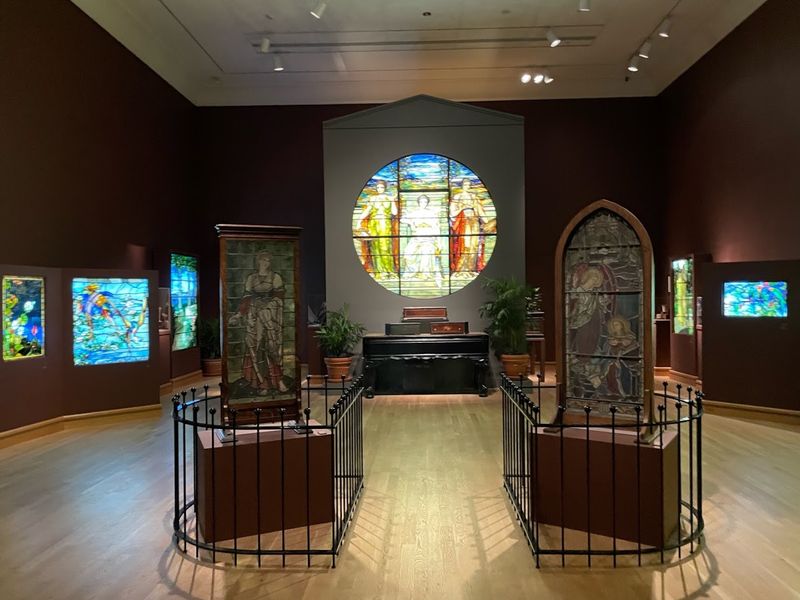
Winter Park is one of those Florida towns that surprises people with its sophistication, and the Charles Hosmer Morse Museum of American Art is a big reason for that reputation. Home to the world’s most comprehensive collection of works by Louis Comfort Tiffany, this museum is a genuine cultural treasure hiding in plain sight in Central Florida.
If you associate Tiffany only with jewelry, prepare to have your understanding completely expanded.
The stained glass work on display is breathtaking in the most literal sense. Walking into a room filled with Tiffany windows and lamps, light filtering through thousands of pieces of hand-selected colored glass, is a sensory experience that photographs cannot fully capture.
The colors shift depending on the light, and the craftsmanship involved in each piece becomes more impressive the longer you stand and look. It’s the kind of art that rewards patience.
The crown jewel of the collection is the reconstructed Tiffany Chapel, originally created for the 1893 World’s Columbian Exposition in Chicago.
Having that level of historical significance housed in a relatively small museum in Winter Park is genuinely remarkable, and the chapel itself is stunning enough to stop even the most casual museum visitor in their tracks.
Beyond Tiffany, the museum’s broader American art collection spans the late nineteenth and early twentieth centuries, with paintings, pottery, and decorative objects that provide rich context for the era.
The galleries are thoughtfully arranged and never feel overwhelming, making it an accessible experience for visitors of all ages and art backgrounds.
Admission is very affordable, and free admission is offered on Friday evenings, making it one of the best cultural deals in the state. The surrounding Winter Park neighborhood, with its brick streets and boutique shops, makes for a perfect complementary afternoon out.
14. Medieval Torture Museum
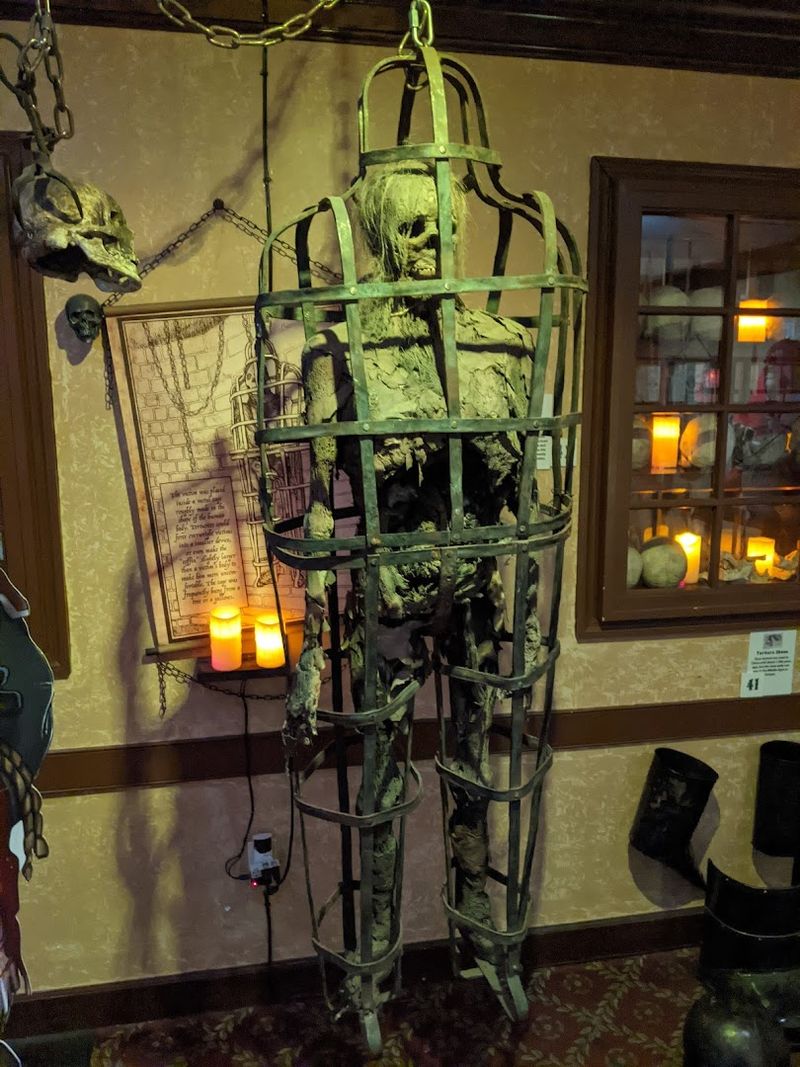
St. Augustine clearly has a thing for the dark and the dramatic, and the Medieval Torture Museum fits right into the city’s reputation for attracting the unusual.
This is not a museum for the faint-hearted or the easily squeamish, but for visitors with a genuine curiosity about the grimmer chapters of human history, it offers a surprisingly educational and thought-provoking experience.
The exhibits cover centuries of punishment practices across Europe with more historical context than you might expect from the name alone.
The collection includes both authentic period pieces and detailed replicas of devices used in medieval and early modern Europe for punishment, interrogation, and public spectacle. Each exhibit is accompanied by explanatory text that places the instruments in their historical and social context, explaining not just what they did but why they existed and what they reveal about the societies that used them.
It transforms what could have been pure shock value into something genuinely informative.
Particularly compelling are the exhibits dealing with the Inquisition and the role of public punishment in pre-modern European society. Understanding that these devices were often used in front of crowds, as a form of social control and public theater, shifts your perspective on human history in ways that stick with you.
It’s uncomfortable knowledge, but it’s real knowledge.
The museum is not recommended for young children, and the staff is upfront about that. For teenagers and adults, however, it offers a genuinely different kind of museum experience, one that challenges you to sit with difficult history rather than sanitize it.
The atmosphere inside is appropriately moody and atmospheric without crossing into cheap horror territory. St. Augustine’s Medieval Torture Museum is unusual, yes, but it’s also legitimately educational and worth the visit for the right audience.