Florida Has A Park So Peaceful, It Was Ranked Among The Calmest Places In America
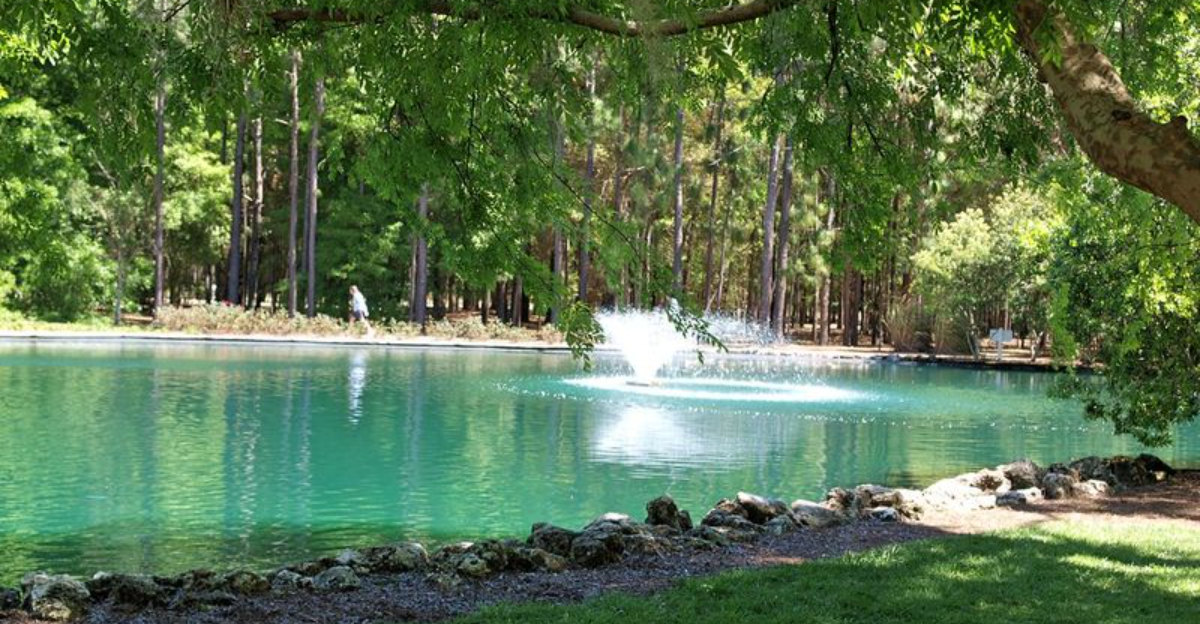
Sholom Park has earned national recognition as one of America’s most peaceful destinations. This 44-acre sanctuary offers visitors a rare escape from daily chaos with its Japanese-inspired gardens, winding trails, and meditation spaces. Whether you need to clear your head, reconnect with nature, or simply breathe easier for an afternoon, this privately owned gem delivers tranquility without charging a dime for entry.
1. A Zen Garden That Actually Lives Up To The Hype
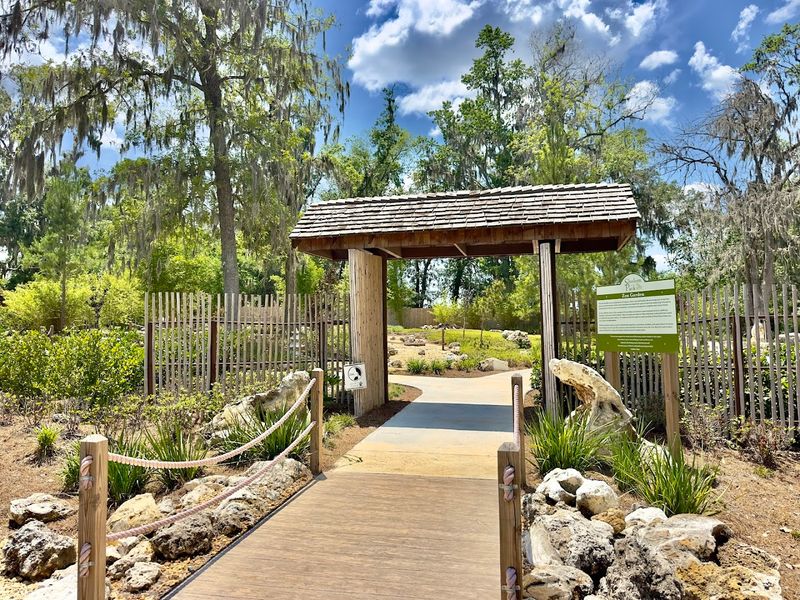
Most zen gardens feel like rushed tourist traps, but Sholom Park’s version gets it right. Visitors can grab one of two rakes provided on-site and create their own patterns in the carefully arranged pebbles and stones. Soft instrumental music drifts through speakers, turning a simple activity into genuine meditation.
The garden stays surprisingly peaceful even during busy weekends because people naturally lower their voices here. Families take turns raking while others sit on benches watching the process unfold. It’s hands-on relaxation that works for skeptics who think meditation sounds boring.
What makes this spot special is how accessible it feels. You don’t need prior experience or fancy equipment—just show up and start moving rocks around. The repetitive motion combined with the music creates an almost hypnotic state that melts stress away.
Regulars say the zen garden represents one of the park’s best recent additions. Some visitors spend their entire visit here, while others use it as a starting point before exploring the trails. Either way, it delivers exactly what the park promises: authentic calm in a world that rarely slows down.
2. Koi Pond That Turns Feeding Time Into Therapy
Watching massive koi glide through crystal-clear water hits different than scrolling through your phone. Sholom Park’s pond hosts dozens of these graceful fish, some stretching over a foot long. Drop a quarter in the dispenser, sprinkle the food, and watch the water erupt as they rush to the surface.
Kids love this part, but adults find it surprisingly soothing too. The fish move with unhurried confidence, creating ripples that catch sunlight in mesmerizing patterns. Even without food, they’ll swim close to the edge, almost posing for photos with their orange, white, and gold scales.
The pond sits centrally located, making it an easy stop during any walk through the grounds. Benches line the water’s edge, offering perfect spots for extended observation sessions. Some visitors bring journals and sketch the fish, while others simply sit and let their thoughts drift.
Regulars recommend bringing extra quarters because one feeding session never feels like enough. The landscaping around the pond changes with seasons—azaleas in spring, different blooms throughout summer. This feature alone justifies the drive, especially for anyone who finds traditional meditation challenging but responds well to gentle natural distractions.
3. Walking Labyrinth That Guides Your Thoughts
Forget complicated apps or expensive retreats—Sholom Park’s labyrinth offers moving meditation that makes sense. Unlike mazes designed to confuse, this single winding path leads you to the center and back out again. Signs along the route prompt reflection without getting preachy or prescriptive.
The geometric design looks simple from above but walking it creates a surprisingly profound experience. Your pace naturally slows as you follow the curves, giving your brain permission to process thoughts you’ve been avoiding. Some people walk it multiple times, finding new insights with each loop.
What separates this from gimmicky wellness trends is the lack of pressure. Nobody’s timing you or judging your technique. Bring a journal if you want, or just walk and see what bubbles up mentally.
The path accommodates wheelchairs and walkers, making it genuinely accessible.
First-timers often feel skeptical—how can walking in circles actually help? But the combination of gentle physical movement, intentional space, and permission to think freely works better than expected. Regulars treat it like a reset button, arriving stressed and leaving noticeably lighter.
The labyrinth proves that sometimes the simplest tools create the deepest shifts in perspective and mood.
4. Paved Trails Perfect For Every Mobility Level
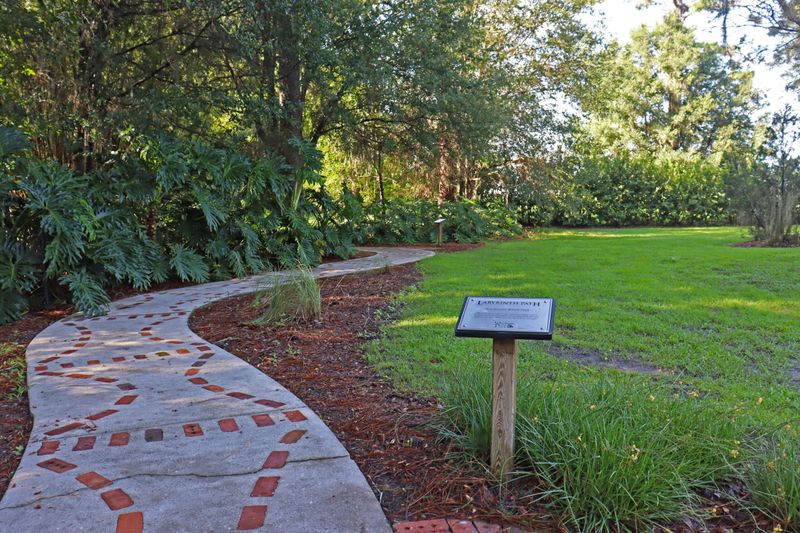
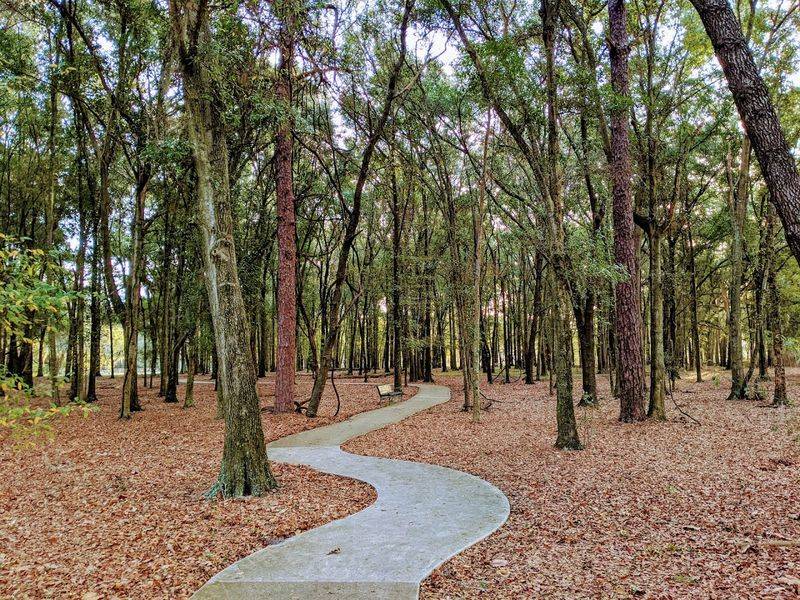
Sholom Park designed its two miles of trails with actual humans in mind, not just athletic hikers. The paved surfaces stay smooth and level, accommodating wheelchairs, strollers, walkers, and anyone who finds uneven terrain challenging. Benches appear frequently enough that you’re never far from a rest spot.
Different trail sections offer distinct vibes without requiring serious navigation skills. One loop winds past native Florida plants with identification markers. Another passes through more formal garden areas with seasonal blooms.
You can customize your walk based on energy levels and interests.
The flat terrain surprises visitors expecting typical Florida humidity to make walking miserable. Mature trees provide shade along most routes, and the park’s design channels breezes effectively. Morning walks feel especially pleasant when the air stays cool and wildlife becomes most active.
Families appreciate how the trails work for mixed-age groups. Grandparents keep pace with grandkids without anyone feeling rushed or held back. The paths connect all major features—zen garden, koi pond, labyrinth—so you naturally encounter variety without backtracking.
For anyone intimidated by rugged hiking trails or worried about accessibility, these paths prove you don’t need wilderness challenges to find outdoor peace and genuine connection with nature.
5. Free Admission That Actually Means Free
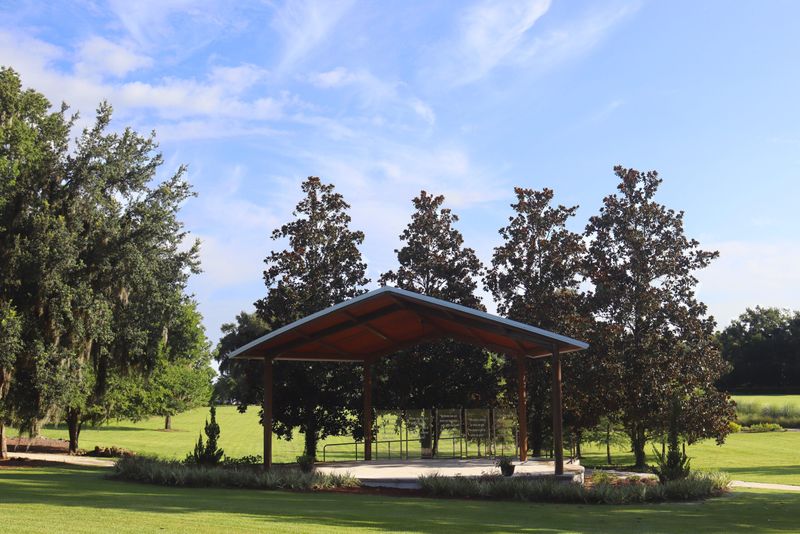
In a world where every attraction nickel-and-dimes visitors, Sholom Park charges absolutely nothing. Zero entrance fees, zero parking charges, zero hidden costs except optional fish food quarters. This privately owned sanctuary stays open to the public seven days a week, proving that generosity and quality can coexist.
The free admission removes barriers that keep families from outdoor experiences. Parents don’t need to budget or justify the expense—just show up whenever the mood strikes. This accessibility matters especially for people managing tight finances or wanting to visit frequently without guilt.
What’s remarkable is how the park maintains pristine conditions despite charging nothing. Landscaping stays immaculate, restrooms remain clean, and features get regular updates like the zen garden addition. Visitors respond by respecting the space, picking up trash, and treating it like the gift it represents.
The no-cost model also encourages spontaneous visits. Feeling stressed after work? Swing by for thirty minutes without calculating whether it’s worth the money.
Need a midday reset? Stop in without checking your budget. This freedom to access peace whenever you need it—not just when you can afford it—transforms the park from occasional destination to genuine community resource that serves Ocala residents and travelers equally well.
6. Seasonal Azalea Blooms Worth Planning Around
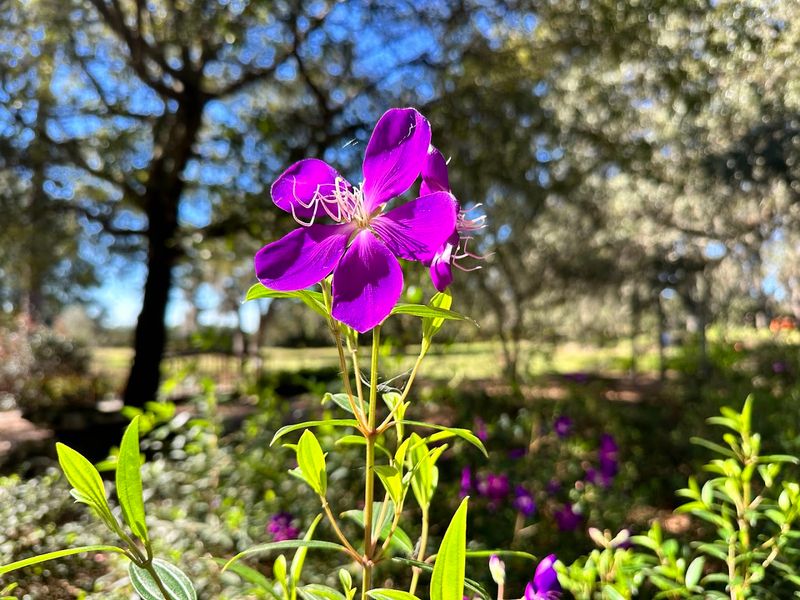
Spring transforms Sholom Park into something almost unreal when azaleas explode across the grounds. Visitors drive 45 minutes specifically for this annual show, returning year after year because photos never quite capture the intensity of color in person. Pinks, purples, and whites blanket sections of the park in waves that shift with sunlight.
The blooms typically peak in late winter through early spring, though exact timing varies with weather patterns. Smart visitors check the park’s social media or call ahead to catch the display at maximum glory. Even slightly past peak, the flowers create stunning backdrops for photos, proposals, and simple appreciation.
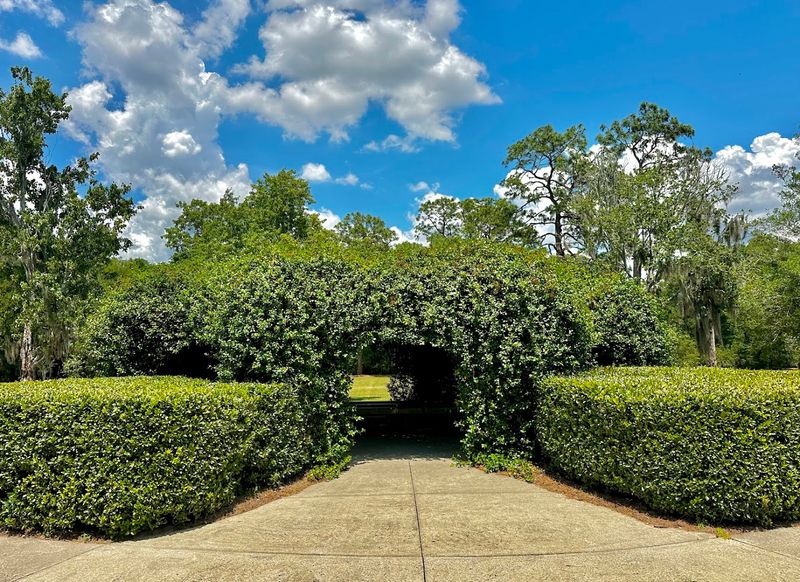
What makes the azalea season special is how the park’s design showcases them. The blooms frame pathways, cluster around the koi pond, and create natural archways over walking routes. Combined with the park’s existing tranquility, the explosion of color adds an almost dreamlike quality to visits.
Expect bigger crowds during peak bloom, but the 44 acres absorb people well enough that you’ll still find quiet corners. Arrive early for the best light and fewer visitors. The seasonal spectacle reminds everyone that nature’s free shows often outperform anything humans create artificially, delivering beauty that justifies building your spring calendar around a single park visit.
7. Wildlife Watching Without Leaving Civilization
Sholom Park hosts a surprising variety of wildlife without requiring binoculars or wilderness skills. Multiple bird houses attract native species that flit between trees and feeders. A dedicated bat house provides habitat for these misunderstood creatures that devour mosquitoes by the thousands each night.
The park’s design creates habitat corridors that wildlife actually uses. Visitors regularly spot cardinals, blue jays, woodpeckers, and various songbirds going about their business. Butterflies patrol the flowering plants, while dragonflies patrol the pond.
Even the occasional turtle makes appearances near the water.
What’s refreshing is how the wildlife integration feels natural rather than forced. The park didn’t create a zoo—it simply provided quality habitat and let nature respond. Birds nest in protected areas, bats roost safely, and the whole ecosystem benefits from thoughtful planning and pesticide-free maintenance.
For families, this offers educational opportunities without feeling like homework. Kids observe real wildlife behaviors in a safe setting where they can ask questions and take their time. The bat house alone sparks conversations about ecosystem balance and the importance of protecting all creatures, not just the cute ones.
It’s proof that you don’t need remote wilderness to experience genuine nature—sometimes you just need humans willing to share space thoughtfully and create conditions where wildlife thrives alongside people.
8. Saturday Morning Yoga Sessions Under The Trees
Every Saturday at 9 AM, Sholom Park hosts free yoga sessions that combine movement with the park’s natural serenity. Participants spread mats on grass under shade trees, practicing poses while birds provide the soundtrack. It’s yoga without the studio pressure or the membership fees.
The outdoor setting changes everything about the practice. Fresh air replaces recycled AC, natural light eliminates harsh fluorescents, and the ground beneath you feels more grounding than rubber mats on concrete. Instructors adapt sessions for various skill levels, welcoming complete beginners alongside experienced practitioners.
What makes these sessions special is the community that’s formed around them. Regular attendees have created a supportive group that celebrates the park as much as the practice. Newcomers find genuine welcome rather than cliquish exclusivity.
After class, people often explore the park together or share recommendations for other peaceful spots.
The timing works perfectly—early enough to beat Florida heat, late enough to sleep in slightly on weekends. Participants leave feeling energized rather than exhausted, ready to enjoy the rest of their Saturday. The combination of structured movement, outdoor space, and zero cost removes common barriers to trying yoga.
For anyone curious about the practice but intimidated by studios, these park sessions offer the perfect low-pressure introduction that respects both your budget and your comfort level.