This 2-Mile Florida Nature Trail Is The Summer Escape You’ve Been Looking For
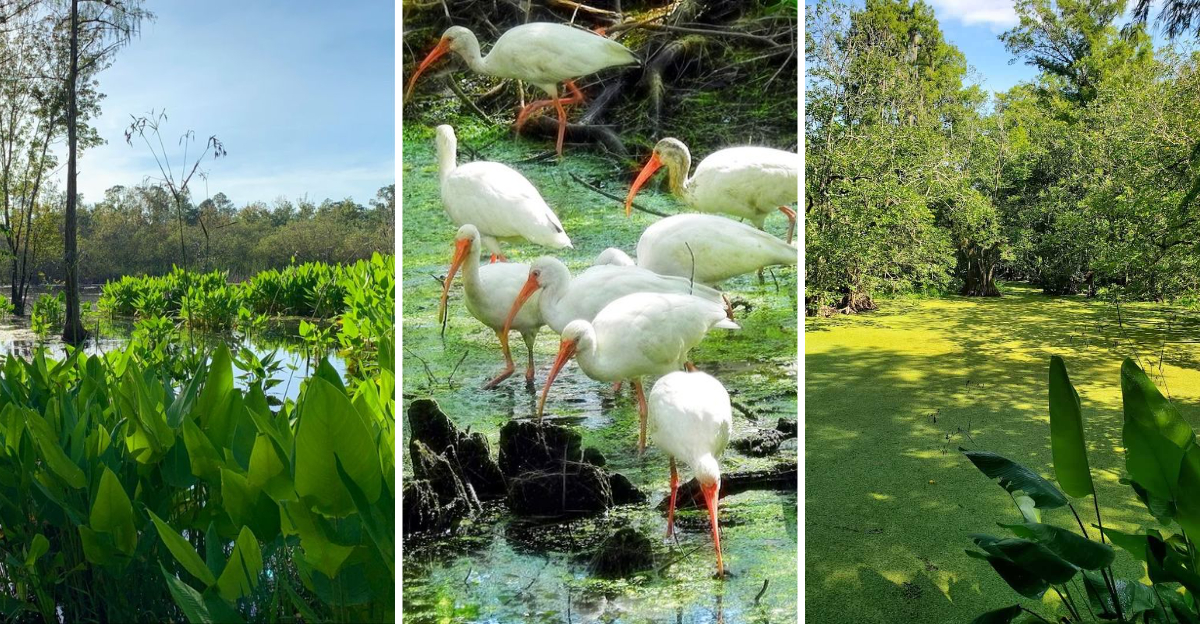
Finding a peaceful escape in Florida doesn’t require booking a flight or driving for hours. Just outside Naples lies a hidden gem where ancient cypress trees tower overhead and wildlife roams freely through protected wetlands.
The Audubon Corkscrew Swamp Sanctuary offers a 2-mile boardwalk journey through one of the state’s last remaining old-growth forests, where every step reveals something remarkable about the natural world most Floridians never get to experience.
Ancient Cypress Giants That Have Witnessed Centuries
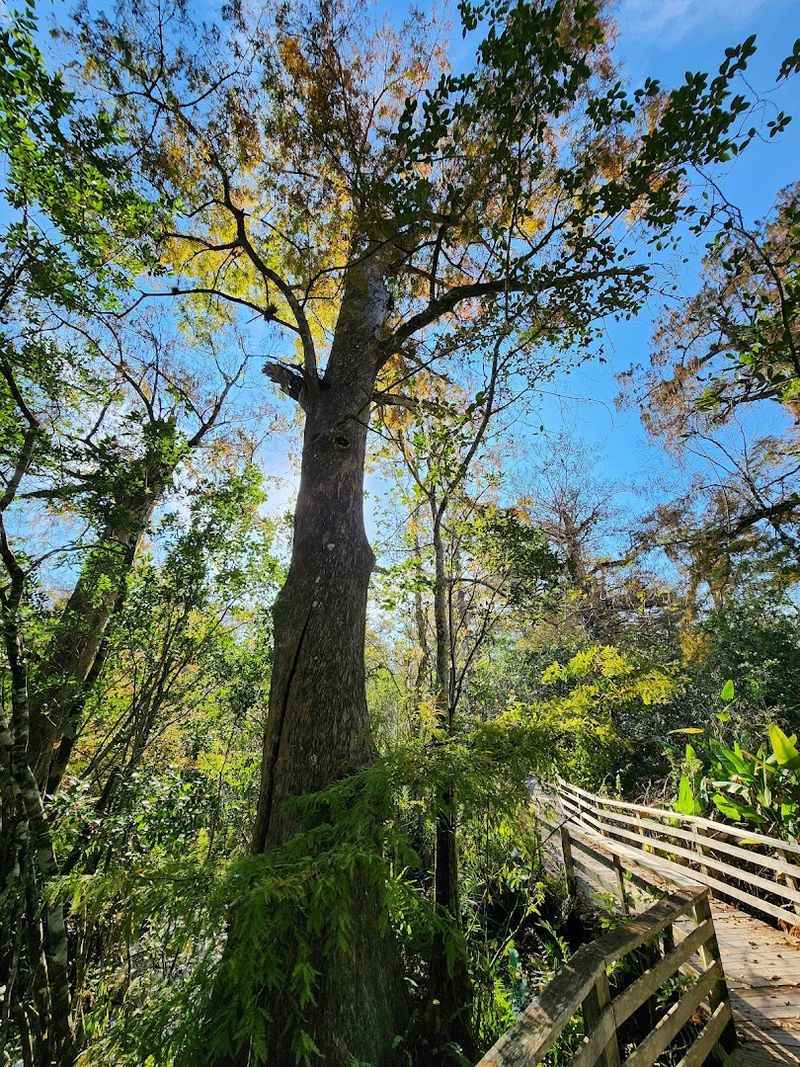
Walking beneath trees that were already towering when your great-great-grandparents were born changes your perspective on time. The old-growth cypress forest at Corkscrew isn’t just impressive—it’s humbling.
Some of these massive trees have stood for 500 years or more, their thick trunks and sprawling canopies creating a cathedral-like atmosphere that no artificial structure could replicate.
Unlike the younger cypress forests you’ll find elsewhere in Florida, these giants survived because they were too remote to log easily. Their bark tells stories through every groove and pattern, while their roots create intricate mazes in the dark swamp water below.
The way sunlight filters through their branches creates constantly shifting patterns on the boardwalk, making every visit feel different from the last.
Bringing binoculars helps you appreciate the full height of these trees, though honestly, craning your neck works just fine. The sheer scale becomes more apparent the further you walk into the sanctuary.
Kids especially love trying to wrap their arms around the trunks—spoiler alert, it takes several people to circle even the smaller ones.
Photography enthusiasts find endless inspiration here, particularly in early morning when mist rises from the water and catches in the Spanish moss. The natural drama of these ancient sentinels needs no filter or editing.
Just standing quietly among them for a few minutes can reset your entire mood, reminding you that some things are worth preserving exactly as they are.
Visiting during different seasons reveals how these trees adapt and thrive. Dry season exposes more of their impressive root systems, while wet season shows them standing strong in several feet of water.
Either way, you’re witnessing a living connection to Florida’s wild past.
Two Miles of Boardwalk That Never Gets Boring
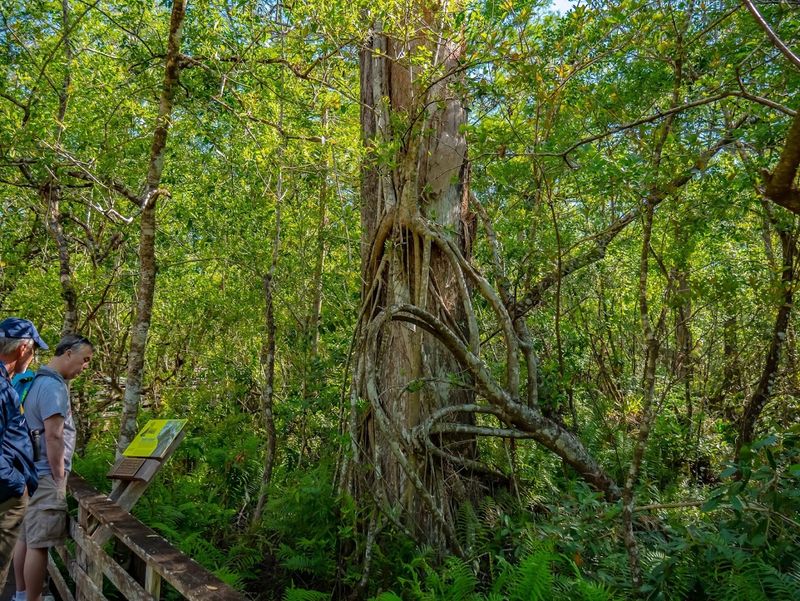
Forget everything you think you know about nature trails. This isn’t some rough dirt path where you’re dodging roots and getting your shoes muddy.
The entire 2.25-mile loop runs on a sturdy wooden boardwalk that keeps you comfortably above the swamp while giving you front-row seats to everything happening below, beside, and above you.
The boardwalk’s design deserves serious credit—it’s wide enough that people can pass each other easily, yet it feels intimate with the landscape. Wheelchair users and stroller-pushing parents navigate it without issues, making this one of the most accessible wild places in Southwest Florida.
Several covered pavilions along the route provide shade and seating, which you’ll definitely appreciate during summer visits.
What makes this walk genuinely engaging is how the scenery constantly changes. You’ll move from open wet prairie to dense forest to the heart of the old-growth cypress strand, with each zone supporting completely different wildlife communities.
The sanctuary wisely placed interpretive signs at key spots, but they’re informative rather than overwhelming—you won’t feel like you’re on a forced educational march.
Most visitors finish the loop in 90 minutes to two hours, though wildlife photographers and serious birders can easily spend three or four hours here. There’s no wrong pace.
Some people power-walk for exercise while others pause every few feet to watch a turtle or study a particular tree. The boardwalk’s one-way design during busy times keeps traffic flowing smoothly.
Rain doesn’t necessarily ruin your visit either. Those covered rest areas become observation posts where you can watch the swamp come alive during a shower.
Just pack a light rain jacket and embrace the experience. The bugs might be fierce in summer, so covering up with light long sleeves beats relying solely on repellent.
Wildlife Encounters That Feel Like Winning the Lottery
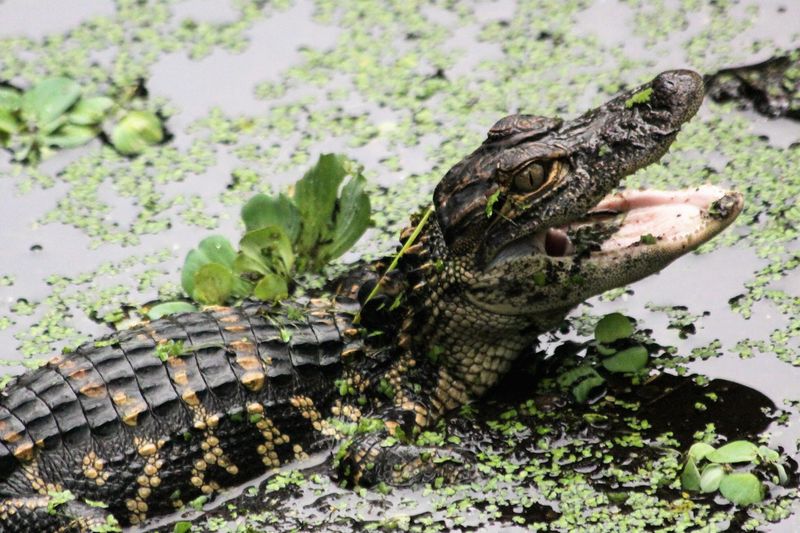
Nobody guarantees you’ll see specific animals on any given day, which somehow makes every sighting feel more special. One morning might gift you a massive alligator hunting and eating right beside the boardwalk, while another visit could be all about a raccoon family going about their business completely unbothered by human observers.
That unpredictability keeps people coming back.
Alligators are the headliners here, and you’ve got excellent odds of spotting at least one. They sun themselves on logs, glide through the water, or simply float motionless like prehistoric statues.
The boardwalk keeps you at a safe distance while still offering incredible views—close enough for great photos without telephoto lenses, far enough that everyone stays comfortable and safe.
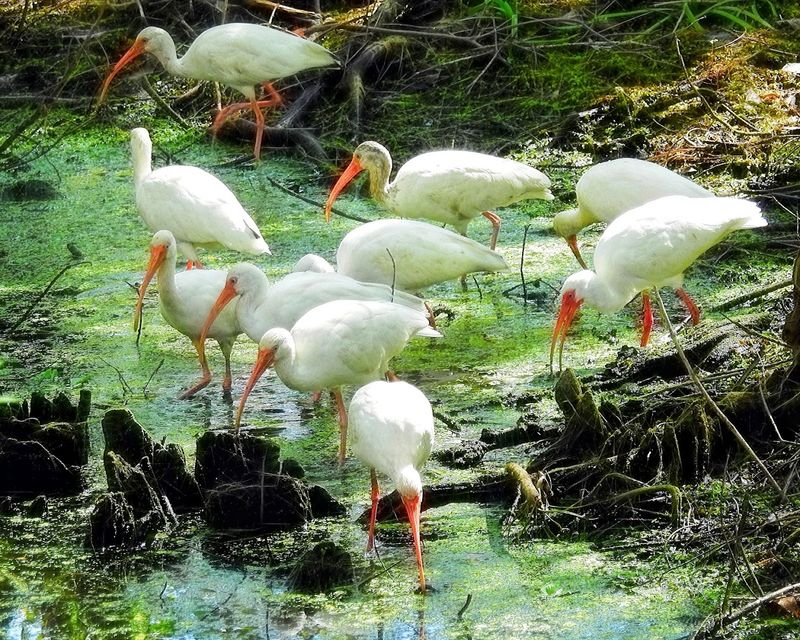
Bird diversity here is legitimately remarkable. Great egrets, wood storks, anhingas, ibises, roseate spoonbills, and dozens of other species treat the sanctuary as home.
Serious birders arrive with life lists and binoculars, but you don’t need to identify every species to appreciate watching a heron spear a fish or an anhinga spread its wings to dry. The observation tower provides elevated views perfect for scanning the canopy and distant wetlands.
Smaller creatures deserve attention too. Turtles stack themselves on logs in absurd towers, snakes occasionally cross the path, and if you’re lucky, otters might make an appearance.
Even the insects tell important ecological stories, though the deer flies and yellow flies in warmer months will make you wish they’d tell those stories somewhere else.
Early morning visits typically yield the best wildlife activity, plus fewer crowds means animals behave more naturally. That chalkboard near the entrance listing daily sightings creates friendly competition among visitors—everyone wants to add something special to the day’s tally.
A Price Tag That Actually Makes Sense
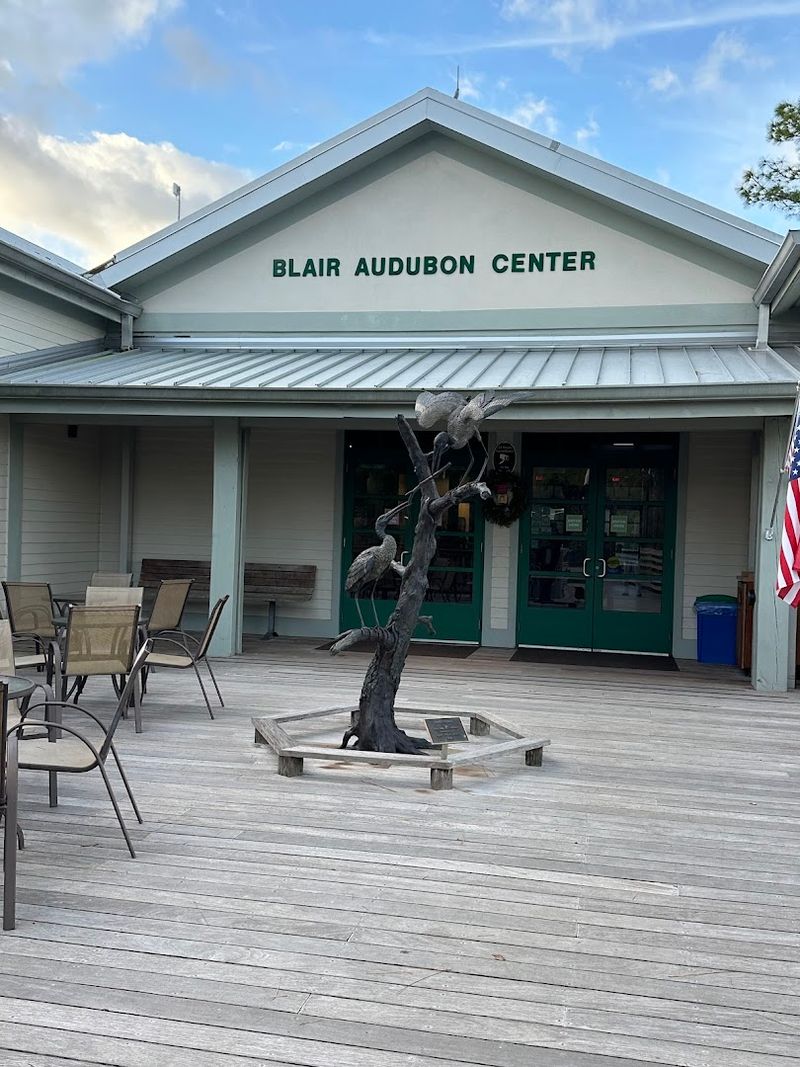
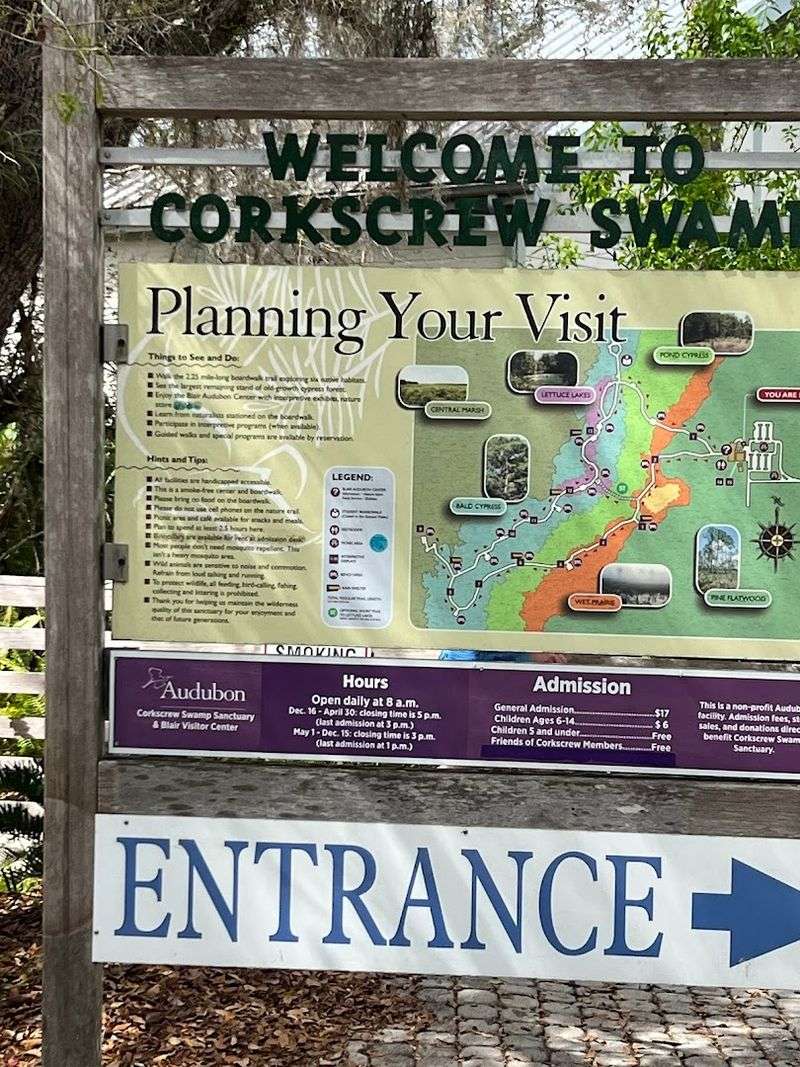
Let’s talk money for a minute. Seventeen dollars might initially seem steep for a nature walk, but context matters.
This isn’t a state park funded by taxpayer dollars—it’s a privately managed conservation area run by the National Audubon Society. That admission fee directly supports habitat protection, research, education programs, and the maintenance that keeps this place pristine.
Compare seventeen bucks to what you’d spend on other tourist activities around Naples and it suddenly looks reasonable. A movie ticket costs nearly as much and lasts two hours in a dark room.
Here you get a morning or afternoon immersed in one of Florida’s most significant ecological treasures, plus you’re contributing to conservation work that extends far beyond your visit.
Frequent visitors should definitely consider the annual membership option. If you live locally or visit Southwest Florida regularly, the membership pays for itself in just two trips while giving you unlimited access year-round.
Members also support the sanctuary’s broader mission of protecting wetlands and wildlife across the region.
The facilities your admission supports are genuinely well-maintained. Clean restrooms appear at multiple points along the trail—a bigger deal than you might think when you’re two miles from the parking lot.
The small café offers reasonably priced sandwiches and snacks so you can refuel without leaving. The gift shop stocks quality nature-themed items rather than cheap tourist junk, and proceeds fund educational programs.
Kids often get a pen and activity map included with admission, turning the walk into an engaging scavenger hunt rather than a boring parent-forced march. That small touch shows the sanctuary understands how to create positive experiences for families.
When organizations invest admission fees back into visitor experience and conservation, that seventeen dollars becomes an investment rather than an expense.
Morning Magic That Beats Afternoon Heat
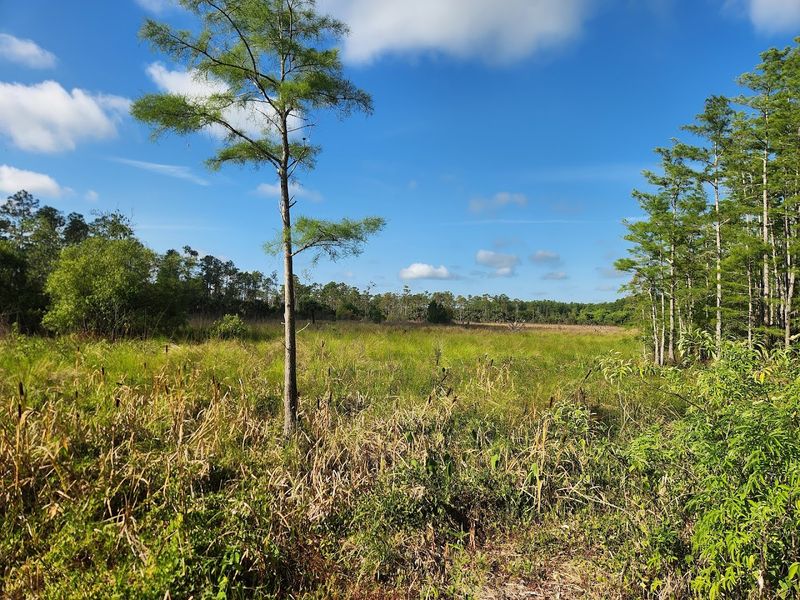
Timing your visit correctly transforms the experience from good to extraordinary. Early morning—right when the sanctuary opens at 8 AM—delivers the best combination of active wildlife, comfortable temperatures, and smaller crowds.
Those first few hours before noon offer conditions that afternoon visits simply can’t match, especially during Florida’s warmer months.
Wildlife operates on a schedule largely dictated by temperature. Birds are most active in early morning when they’re hunting breakfast.
Alligators haven’t yet retreated to deeper water to escape midday heat. Even the light itself cooperates better, providing that golden-hour glow photographers love rather than the harsh overhead sun that washes out colors and creates unflattering shadows.
Summer visitors really need to take the morning recommendation seriously. By noon, temperatures and humidity can make the walk genuinely uncomfortable despite all the shade.
The sanctuary closes at 1 PM partly for this reason—protecting both visitors and wildlife from the most brutal heat. Starting your walk at 8 AM gives you a full five hours to explore at whatever pace suits you.
Weekday mornings offer the most solitude, though even weekend mornings see lighter traffic than afternoons. That matters more than you might expect.
Wildlife behaves differently when dozens of people are constantly passing by. The boardwalk can feel crowded when you’re trying to photograph a bird or simply soak in the peaceful atmosphere, and constant foot traffic means you’re always stepping aside to let others pass.
Post-rain visits reward early risers with especially lush scenery and active wildlife. Everything smells richer, colors appear more vibrant, and animals emerge to take advantage of the cooler, damper conditions.
Just check the weather before heading out—lightning is the one thing that should keep you away.
Educational Opportunities Disguised as Fun
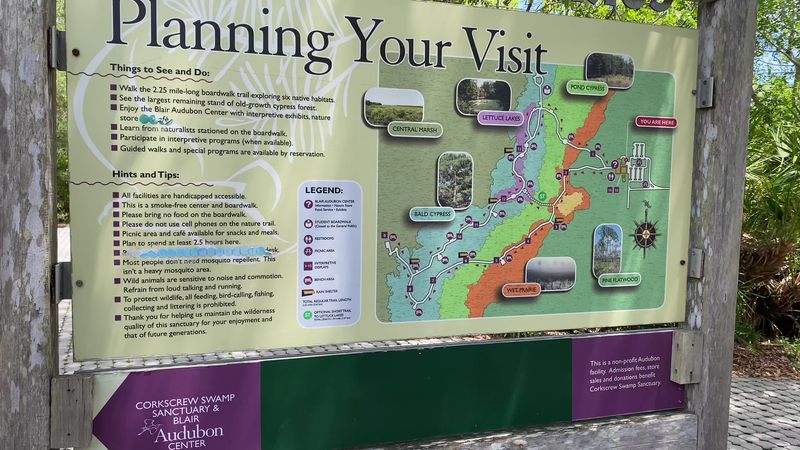
The sanctuary sneaks learning into your visit so smoothly you barely notice you’re being educated. The Discovery Center near the entrance sets the stage with exhibits explaining wetland ecology, cypress forest biology, and the wildlife you might encounter.
Interactive elements keep kids engaged while adults get fascinating context that makes the upcoming walk more meaningful.
Throughout the boardwalk, strategically placed interpretive signs deliver bite-sized information about specific trees, plants, animals, or ecological processes. They’re short enough that people actually read them instead of walking past, and they answer questions right when curiosity strikes.
Seeing a massive cypress trunk, then immediately reading about how these trees survive centuries in standing water, creates connections that stick with you.
The sanctuary regularly hosts guided walks, bird walks, photography workshops, and special programs that dive deeper into specific topics. Rangers and naturalists leading these events bring expertise that transforms casual observation into genuine understanding.
They’ll point out details you’d miss on your own and answer questions you didn’t know you had. Check the website for current programming—some events require advance registration.
School groups frequently visit for field trip programs designed around Florida science standards. Teachers appreciate having a real-world laboratory where students can observe concepts they’ve studied in textbooks.
The sanctuary’s education staff understands how to balance structured learning with the freedom to explore and discover. Those kids often drag their parents back for return visits.
Even without formal programs, families create their own educational adventures using the activity maps provided at admission. Spotting and identifying different bird species, comparing tree sizes, or tracking animal signs turns the walk into an engaging game.
Parents love when kids willingly put down devices and engage with the natural world, and this place makes that transition surprisingly easy.
Seasonal Changes That Reward Return Visits
First-time visitors often assume the sanctuary looks basically the same year-round. Wrong.
Seasonal shifts create dramatically different landscapes, wildlife patterns, and experiences. What you see in January bears little resemblance to July or October, making this one of those rare places that justifies multiple visits across different times of year.
Dry season, roughly November through April, concentrates wildlife around remaining water sources. This makes animal spotting easier since everything congregates in predictable areas.
Water levels drop significantly, exposing the incredible root systems of cypress trees and creating walking conditions many visitors prefer. Cooler temperatures make the walk more comfortable, and bug populations stay manageable without chemical warfare.
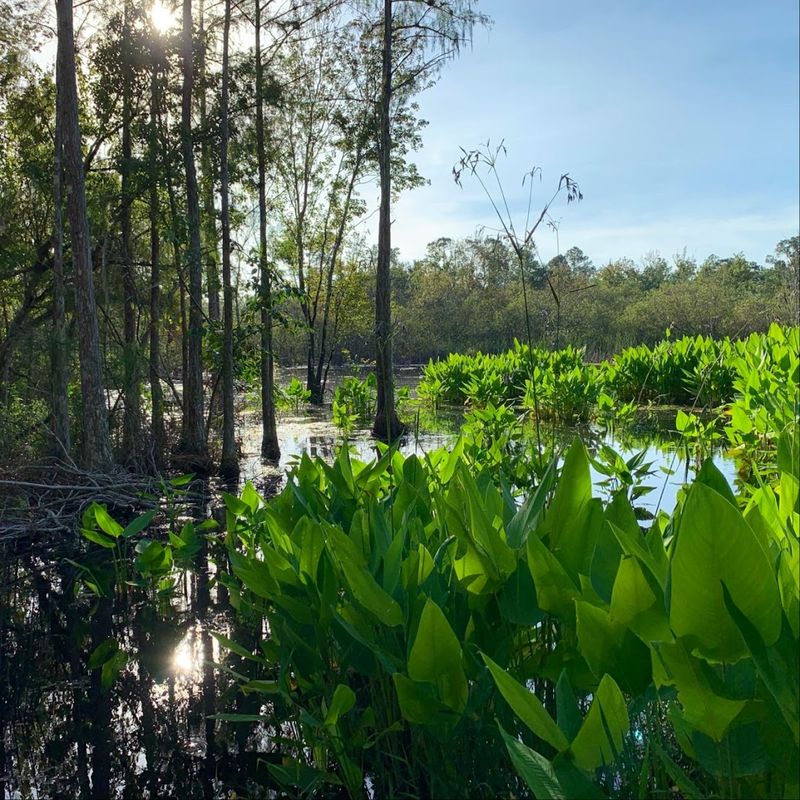
Wet season transforms the sanctuary into a true swamp with water levels rising several feet. The boardwalk seems to float through an endless watery world where cypress trees stand knee-deep in their element.
This is when you really understand how these ecosystems function. Wet season also brings migrating birds, baby animals, and lush vegetation growth that makes everything feel more alive and vibrant.
Spring migration periods bring serious birders from around the country. Species passing through Florida on their way north create temporary population explosions of warblers, tanagers, and other colorful visitors.
The sanctuary becomes a crucial rest stop for these travelers, and you benefit from their brief layovers. Fall migration reverses the pattern with different species heading south.
Summer visits require more bug protection and heat tolerance, but they also offer the most solitude. Fewer tourists mean more peaceful walks and better chances of wildlife behaving naturally.
If you can handle the conditions and dress appropriately, summer reveals aspects of the sanctuary that winter crowds never experience. Each season has trade-offs, which is exactly why locals with annual memberships visit repeatedly.
Accessibility That Welcomes Everyone
Too many beautiful natural areas remain off-limits to people with mobility challenges, but Corkscrew breaks that pattern. The entire boardwalk meets accessibility standards, allowing wheelchair users, people with walkers, and parents pushing strollers to experience the full loop without obstacles or dead ends.
This isn’t some token quarter-mile accessible section—it’s the complete 2.25-mile journey.
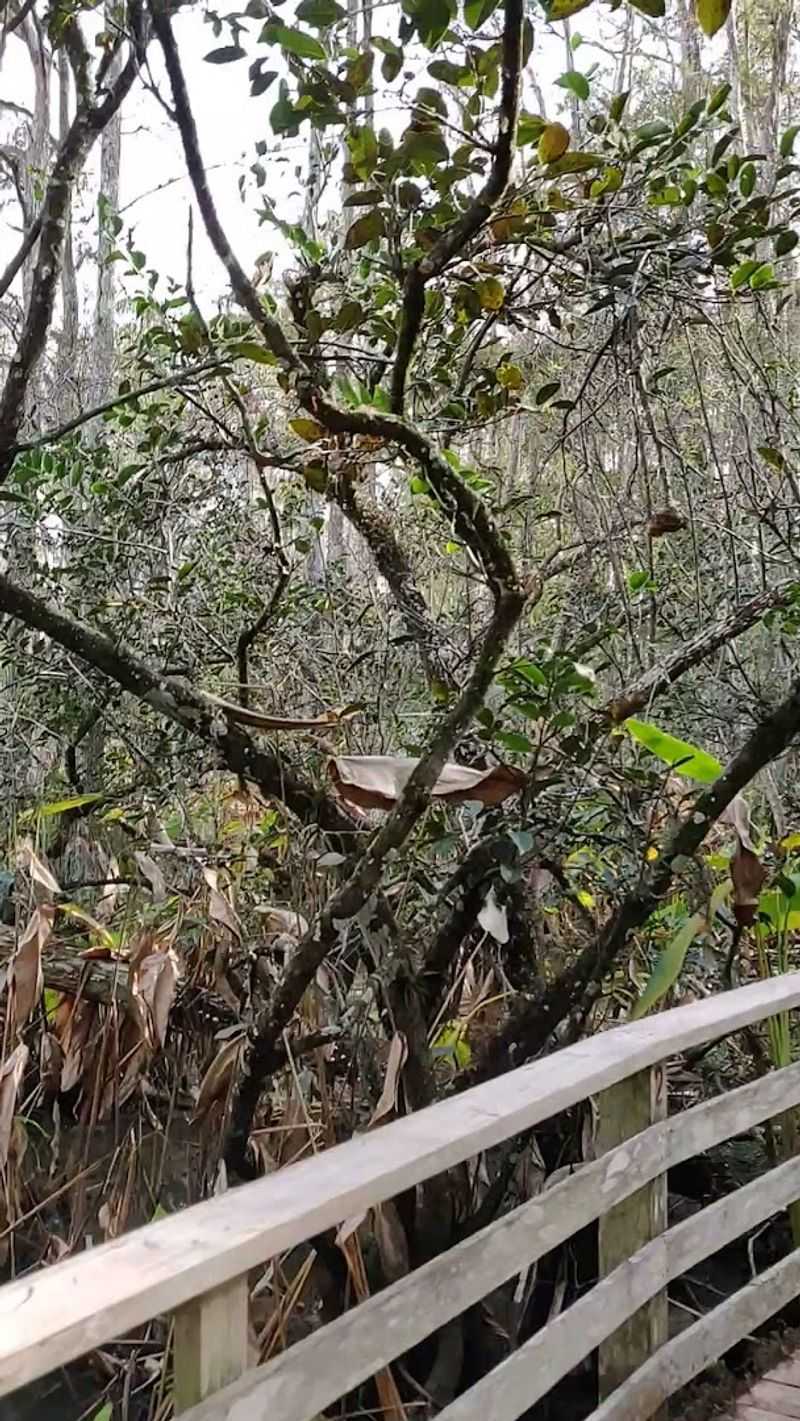
The boardwalk’s smooth, level surface eliminates the roots, rocks, and uneven terrain that make traditional nature trails challenging for many visitors. Railings provide support where needed without obstructing views.
The width accommodates wheelchairs comfortably while still allowing other visitors to pass. Rest areas with benches appear frequently enough that people can pace themselves without feeling rushed or exhausted.
Several reviewers specifically mentioned successfully navigating the entire trail while pushing wheelchairs, noting it required effort but remained entirely doable. That matters tremendously for families who want to share experiences together regardless of mobility differences.
Grandparents who might skip rougher trails can fully participate here. People recovering from injuries don’t have to sit out while others explore.
The sanctuary’s accessible design extends beyond the boardwalk itself. Parking lots offer designated accessible spaces close to the entrance.
Restrooms throughout the facility meet ADA standards. The visitor center, gift shop, and café all accommodate wheelchairs easily.
Even the observation tower includes ramps rather than stairs, providing elevated views to everyone.
This level of accessibility required intentional design and ongoing maintenance investment. Boardwalks need regular inspection and repair to stay smooth and safe.
The sanctuary deserves recognition for prioritizing universal access rather than treating it as an afterthought. When organizations remove barriers—literal and figurative—they expand who gets to experience and care about conservation.
That creates broader support for protecting places like this for future generations.
Photography Gold Mine for Every Skill Level
Whether you’re shooting with a professional DSLR setup or just using your phone, this sanctuary delivers photographic opportunities that make your friends wonder if you hired a professional. The combination of dramatic landscapes, accessible wildlife, and perfect natural lighting creates conditions where even casual snapshots turn out remarkably well.
The ancient cypress trees alone provide endless compositional possibilities. Their massive trunks create natural leading lines, while Spanish moss adds texture and atmosphere to every frame.
The way light filters through the canopy changes throughout the day, offering different moods and color temperatures. Photographers who arrive early catch that magical golden hour when everything glows.
Wildlife photography here doesn’t require expensive telephoto lenses, though they certainly help. Animals often come close enough to the boardwalk that you can capture frame-filling shots with modest equipment.
Alligators sunning themselves, birds fishing in shallow water, turtles stacked on logs—these subjects stay relatively still and tolerate human presence at reasonable distances. Patient photographers who wait quietly often get rewarded with exceptional behavior shots.
The boardwalk itself becomes part of your compositions, creating depth and leading viewers’ eyes into scenes. Its weathered wood contrasts beautifully with the dark water and green vegetation.
Reflections in still water double your creative options, especially during calm morning conditions. Even the shadows cast by the boardwalk railings add interesting patterns to work with.
Serious photographers should plan multiple visits across different seasons, times of day, and weather conditions. Misty mornings create ethereal atmospheres.
Stormy skies add drama. Bright midday sun presents challenges but also opportunities for high-contrast work.
The sanctuary’s photographic potential is genuinely limitless, which explains why it appears constantly in nature photography competitions and publications. Just remember to stay on the boardwalk—getting that perfect shot isn’t worth disturbing wildlife or damaging habitat.
Small Comforts That Make Big Differences
The little details often determine whether a place becomes somewhere you visit once or somewhere you recommend enthusiastically to others. Corkscrew nails these details.
Clean, well-maintained restrooms appear at multiple points along the trail—not just at the entrance. When you’re an hour into your walk and nature calls, you’ll appreciate this planning more than any scenic vista.
The small on-site café serves better food than you’d expect at a nature sanctuary. Real sandwiches with decent ingredients, not just vending machine snacks.
Cold drinks when you need them. Reasonable prices that don’t feel like tourist-trap gouging.
You can refuel without leaving the sanctuary or hauling a full cooler from your car. The outdoor seating area provides a pleasant spot to rest and discuss what you’ve seen so far.
Gift shop merchandise leans toward quality over quantity. Field guides actually useful for identifying what you’ve photographed.
Nature-themed items kids genuinely want rather than cheap plastic junk that breaks before you reach the parking lot. Books about Florida ecology written by people who know their subjects.
When gift shops curate thoughtfully, browsing becomes enjoyable rather than something to endure while waiting for others.
The staff and volunteers consistently earn praise in reviews for being friendly, helpful, and genuinely enthusiastic about the sanctuary. They’ll explain the trail layout clearly, suggest optimal routes based on your interests and time available, and share recent wildlife sightings to help you know what to watch for.
That personal touch transforms a good visit into a memorable one.
Covered pavilions along the boardwalk provide crucial shade and rain shelter. Florida weather changes quickly, and getting caught in a downpour far from shelter can ruin your day.
These rest areas also offer seating where you can simply sit quietly and observe—something our overscheduled lives rarely allow. Sometimes the best wildlife viewing happens when you stop moving and let the swamp reveal itself at its own pace.
Conservation Success You Can Actually See
Visiting Corkscrew isn’t just recreational—it’s witnessing conservation done right. This sanctuary protects the largest remaining virgin bald cypress forest in North America, a distinction that carries genuine ecological significance.
Without Audubon’s acquisition and protection starting in the 1950s, these ancient trees would have fallen to logging like nearly all their counterparts across the Southeast.
The sanctuary’s 13,000 acres extend far beyond what visitors see from the boardwalk, protecting crucial habitat for endangered species like the wood stork. These large wading birds nest here in significant numbers, and the sanctuary’s management directly supports their recovery.
Scientists study nesting patterns, water levels, and food availability here, generating research that informs conservation efforts across Florida and beyond.
Water quality monitoring, prescribed burns, exotic species control, and countless other management activities happen behind the scenes. Your admission fee funds this work directly.
The sanctuary doesn’t just preserve what exists—it actively manages ecosystems to maintain their health and resilience against threats like climate change, invasive species, and altered water flows from surrounding development.
Educational programs reaching thousands of students annually create the next generation of conservation supporters. Kids who experience this place develop connections to wild Florida that last lifetimes.
They grow up understanding why protecting wetlands matters, why old-growth forests deserve preservation, and why supporting conservation organizations makes practical sense. That cultural shift toward valuing natural systems is arguably as important as the physical habitat protection.
The sanctuary also serves as a living laboratory where scientists study everything from cypress tree biology to alligator behavior to climate change impacts on wetland ecosystems. Research conducted here gets published in scientific journals and influences policy decisions affecting wetlands across Florida.
You’re not just looking at pretty scenery—you’re standing in an active conservation success story that proves protection works when done thoughtfully and consistently.
Practical Tips for Your Best Visit
Smart preparation transforms good visits into great ones. First rule: dress for the conditions, not the Instagram photos.
Long, lightweight sleeves and pants provide better bug protection than any repellent, especially during summer when deer flies and yellow flies turn aggressive. DEET helps but won’t save you if you’re wearing shorts and tank tops.
Light colors also attract fewer biting insects than dark clothing.
Bring water, even though the café sells drinks. Two miles of walking in Florida humidity dehydrates you faster than you’d expect, and having your own supply means you can sip continuously rather than waiting until you’re already thirsty.
A small backpack or crossbody bag keeps your hands free for cameras and binoculars while carrying essentials like sunscreen, bug spray, and snacks.
Binoculars genuinely enhance the experience, especially for bird watching or examining distant alligators. You don’t need expensive optics—basic 8×42 binoculars work perfectly fine.
They let you appreciate details you’d otherwise miss and help identify species from safe distances. Many visitors regret not bringing them once they see what others are observing.
Check the daily sightings board near the entrance before starting your walk. It tells you what other visitors spotted that morning, giving you a target list and helping you know what to watch for.
If someone saw a roseate spoonbill near marker 12, you’ll pay extra attention when you reach that area. The board creates a sense of community among visitors all searching for the same wildlife.
Take your time and embrace spontaneity. The estimated 90-minute to two-hour completion time assumes a steady pace with occasional stops.
If you want to sit quietly at an observation point for 20 minutes watching birds, do it. If a particularly photogenic alligator demands a full photo session, indulge yourself.
This isn’t a race or an obligation—it’s an opportunity to disconnect from schedules and reconnect with natural rhythms. Your best memories will come from moments you didn’t plan.