This Florida Beach Has Cannons, Tunnels, and Centuries of History
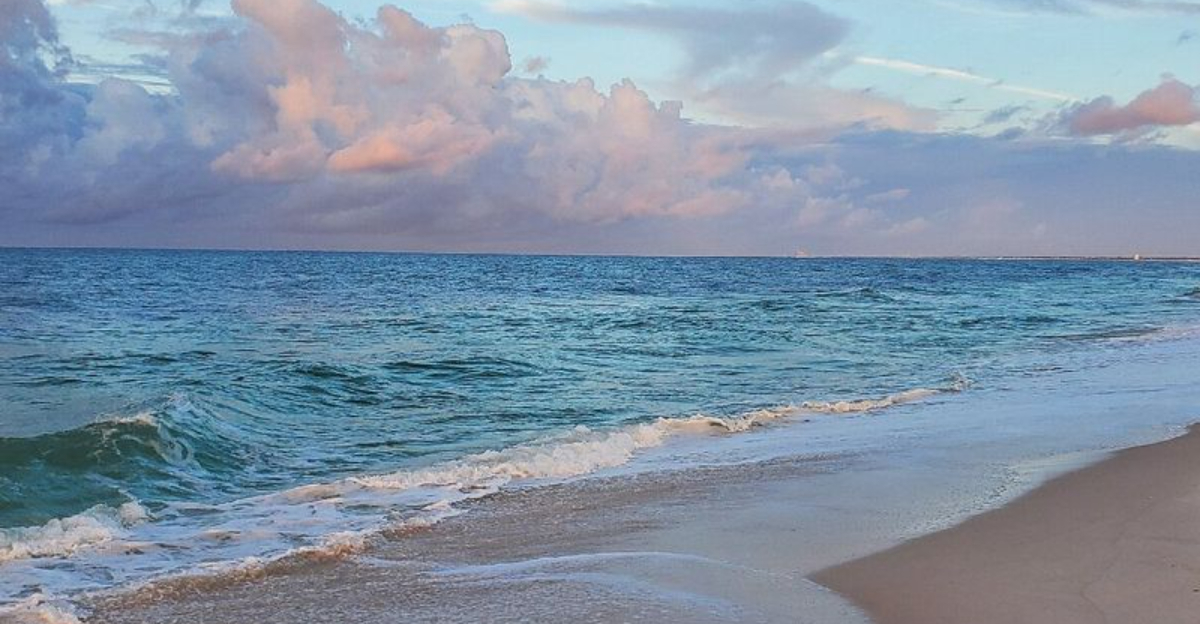
Most people think of Florida beaches as nothing more than sunshine and waves, but Fort Pickens on Pensacola Beach tells a completely different story. Built in the 1830s to guard Pensacola Bay, this massive brick fortress has witnessed everything from the Civil War to World War II. Walking through its dark tunnels and standing beside century-old cannons feels like stepping into a history book, except you can actually touch the walls and explore the same rooms where soldiers once lived and worked.
1. A Fort Built to Last Over 21 Million Bricks Strong
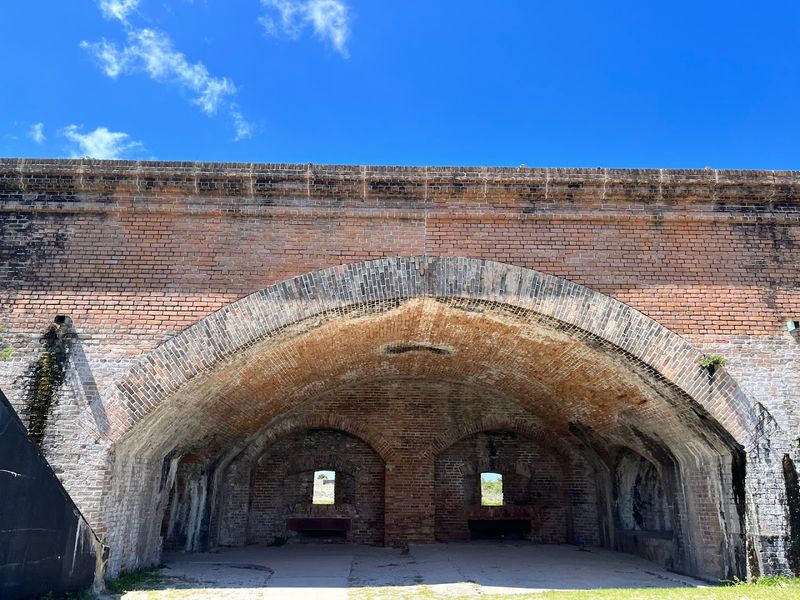
When construction crews started building Fort Pickens in 1829, they hauled over 21 million bricks to this remote barrier island. The fort took five years to complete, and every single brick was carefully placed to create walls that could withstand cannon fire from enemy ships. Standing in front of these massive structures today, you can still see the incredible craftsmanship that went into every archway and corridor.
The fort was designed as part of a coastal defense system protecting Pensacola’s deep-water harbor, which the military considered one of the most valuable ports in the Gulf. Its pentagonal shape allowed soldiers to defend from multiple angles, and the thick walls provided shelter during attacks. Walking around the perimeter takes a good chunk of time because this place is absolutely huge.
What makes Fort Pickens really special is how well it’s held up after nearly 200 years of hurricanes, storms, and saltwater exposure. Sure, some sections show their age with crumbling mortar and weathered bricks, but the main structure remains incredibly solid. You can climb staircases, walk through barracks, and explore ammunition rooms that look almost exactly as they did when soldiers called this place home.
2. Geronimo’s Prison Cell Where Legend Met Captivity
Between 1886 and 1888, Fort Pickens became home to one of America’s most famous prisoners. Geronimo, the legendary Apache leader, spent nearly two years locked inside these walls along with other Apache warriors. The military chose this isolated location specifically because escape would be nearly impossible from a fort surrounded by water on three sides.
Walking into the cell where Geronimo was held gives you chills, even on hot Florida days. The small room with its thick walls and tiny window opening feels claustrophobic and sad. Imagine going from the wide-open deserts of the Southwest to this cramped brick space with nothing but the sound of waves and seabirds outside.
During his imprisonment, Geronimo and the other Apache prisoners were sometimes allowed to walk the grounds and even pose for photographs with curious visitors. These photos, which you can still find in historical archives, show a proud man adapting to circumstances completely foreign to everything he’d known. The experience here shaped the final chapter of his life before he was eventually moved to Fort Sill in Oklahoma, where he died in 1909.
3. Massive Cannons That Never Fired in Anger
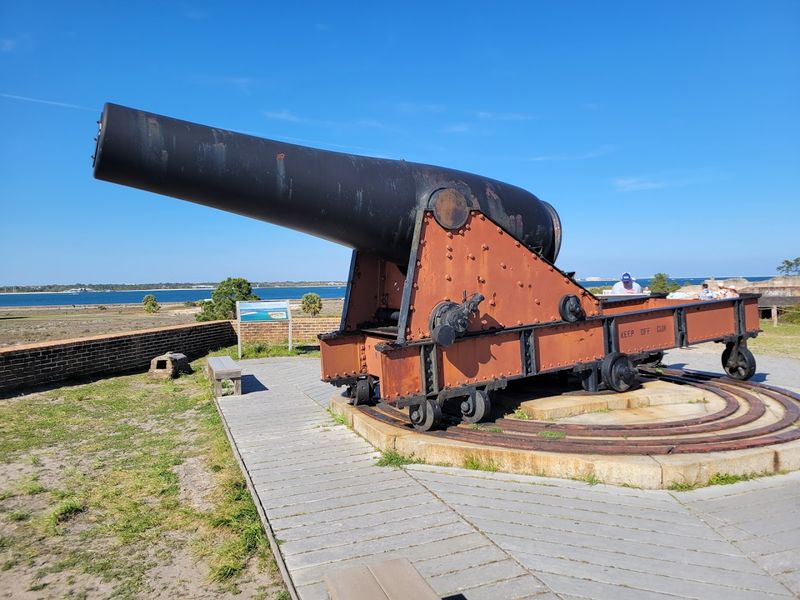
Fort Pickens bristles with some seriously impressive artillery. Huge Rodman cannons, disappearing guns, and mortars sit positioned throughout the fort and surrounding battery areas, their iron barrels still pointing toward the Gulf. The really cool part?
Despite being built specifically for coastal defense, these particular guns never actually fired a shot at an enemy vessel during any war.
The largest cannons could fire projectiles weighing over 400 pounds across several miles of open water. Soldiers would have needed teams of men just to load and aim these beasts, following carefully choreographed procedures to avoid accidents. Standing next to one today, you can peek down the barrel and imagine the explosive power these weapons represented during their prime years of service.
Battery Pensacola and Battery Worth, located near the main fort, showcase different generations of coastal artillery. You can walk right up to most of these weapons and really appreciate their size and engineering. Some cannons sit on disappearing carriages, which would drop the gun below the protective wall after firing to shield the crew from return fire.
Kids absolutely love climbing around these areas, though parents should definitely keep a close eye since there aren’t railings everywhere.
4. Underground Tunnels and Shadowy Passageways
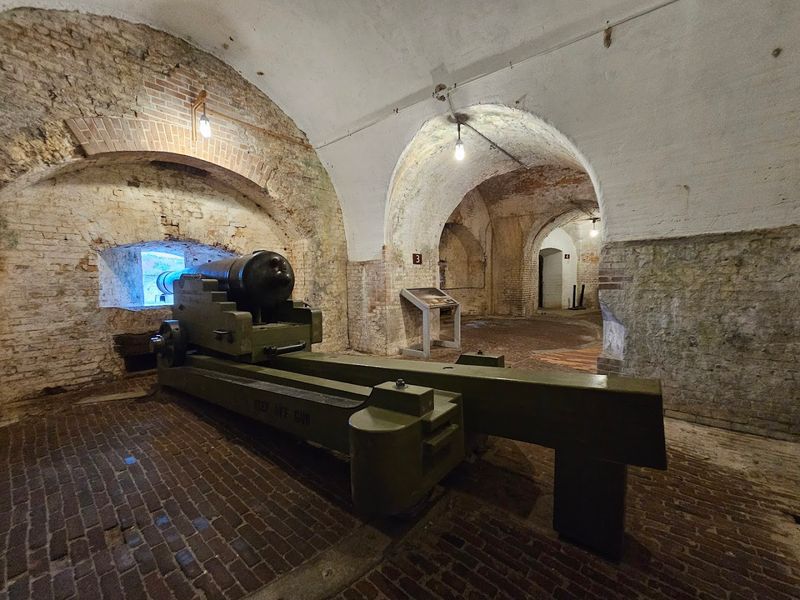
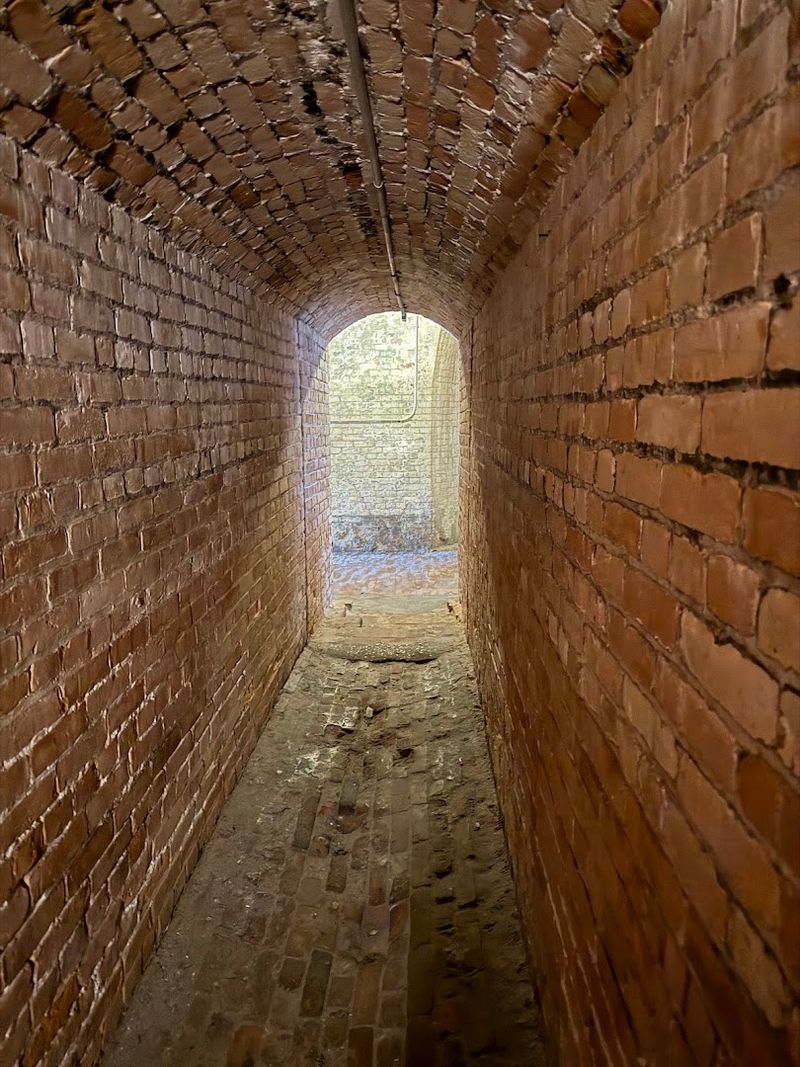
Bring a flashlight, because Fort Pickens is basically a maze of dark tunnels connecting different sections of the fort. These corridors allowed soldiers to move ammunition, supplies, and troops without exposing themselves to enemy fire. Walking through them today feels like exploring a giant underground labyrinth, with your footsteps echoing off brick walls that have stood for generations.
The tunnels stay surprisingly cool even during scorching summer days, making them a welcome escape from Florida heat. Some passages are well-lit by openings to the outside, while others stay pitch black unless you bring your own light source. The smell of old brick and salt air fills these spaces, creating an atmosphere that’s both eerie and fascinating.
Parents need to watch young children carefully in the tunnel areas since floors can be uneven and some staircases lack handrails. The National Park Service has done a decent job marking safe routes, but this is still a 19th-century military installation, not a modern theme park. That authentic, slightly rough-around-the-edges quality is exactly what makes exploring these tunnels so memorable.
You’re walking the same paths that soldiers used during the Civil War and both World Wars.
5. Civil War History Union Stronghold in Confederate Territory
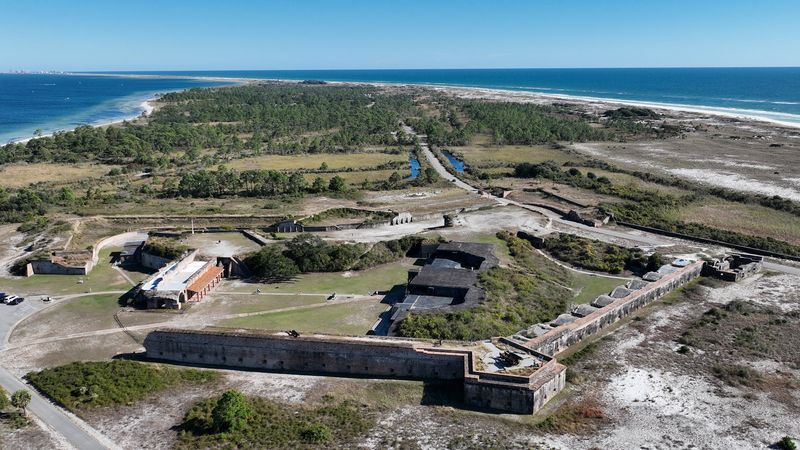
When Florida seceded from the Union in January 1861, Fort Pickens found itself in a really unique situation. Union forces under Lieutenant Adam Slemmer refused to surrender the fort, making it one of only four Southern forts that remained in Union hands throughout the entire Civil War. Confederate forces controlled the mainland just across the bay, creating a tense standoff that lasted years.
The fort endured two days of heavy bombardment in November 1861 when Confederate batteries opened fire from the mainland. Union forces returned fire, and the exchange could be heard for miles around. While the fort suffered some damage, its thick walls held strong, proving the soundness of its original design.
Soldiers on both sides gained new respect for brick fortifications after witnessing how well Fort Pickens absorbed punishment.
Throughout the war, Fort Pickens served as a crucial Union base for blockading Confederate ports and launching raids along the Gulf Coast. The garrison here never fell, never surrendered, and never wavered, making it a symbol of Union determination in the Deep South. Walking around the fort today, you can still see damage from Confederate artillery fire on some of the outer walls.
6. Pristine Beaches Where History Meets Paradise
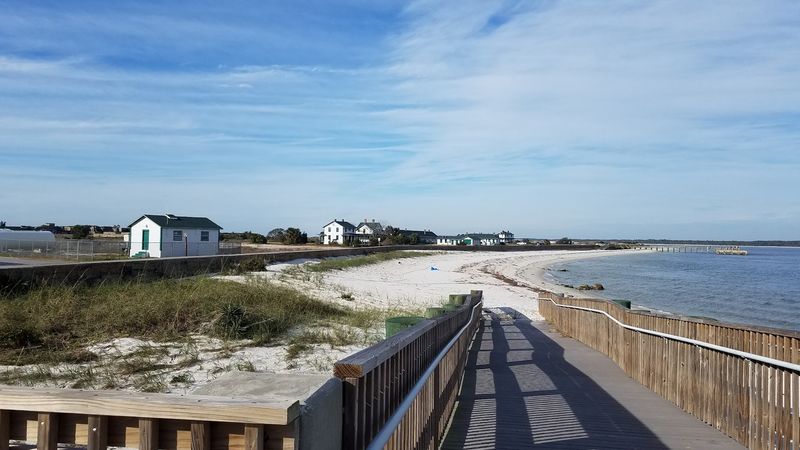
Here’s something you don’t find every day: world-class beaches literally steps away from a massive historical fort. The shoreline around Fort Pickens features the same powdery white sand and emerald-green water that make Pensacola Beach famous, except with way fewer crowds than the main beach areas closer to town. You can explore centuries-old military history in the morning, then spend your afternoon swimming and sunbathing.
The Gulf Islands National Seashore manages both the fort and the surrounding beaches, so your entrance fee gets you access to everything. Families spread out blankets on sand so white it almost glows, while kids splash in gentle waves that stay relatively calm most days. The water clarity here is outstanding, letting you see your feet even in waist-deep water.
Fishing off the pier doesn’t require a license, which saves you some money and paperwork if you want to try your luck. People regularly catch pigfish, pinfish, and various other species right from shore. The beaches on the bay side offer different scenery with calmer water, perfect for paddleboarding or kayaking.
Watching the sunset from these beaches, with the historic fort silhouetted against the colorful sky, creates photo opportunities you won’t find anywhere else in Florida.
7. Self-Guided Tours Explore at Your Own Pace
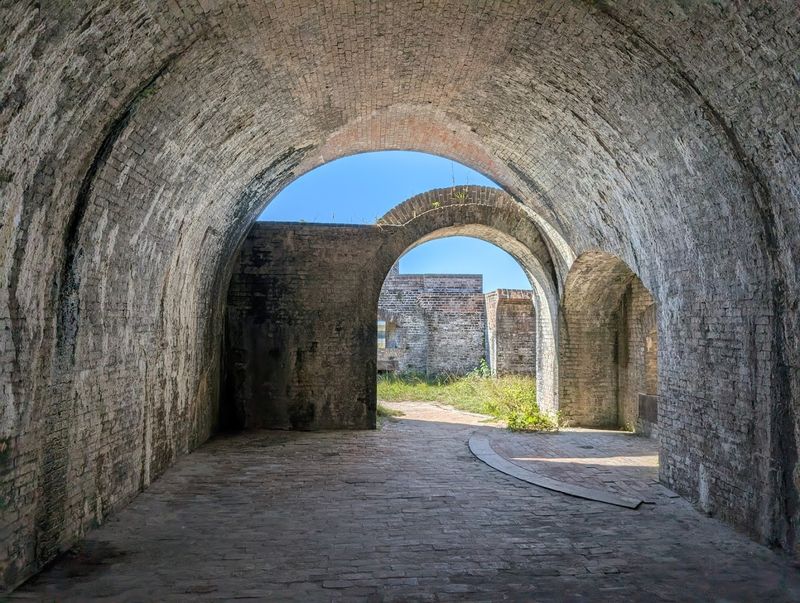
Nobody rushes you through Fort Pickens because there aren’t any formal guided tours on most days. The National Park Service has set up excellent informational signs throughout the fort explaining what you’re looking at, but you’re free to wander wherever the paths lead. Some people zip through in 30 minutes, while history enthusiasts easily spend three or four hours exploring every nook and cranny.
The self-guided approach means you can focus on whatever interests you most. Want to spend 20 minutes examining the same cannon? Go for it.
Fascinated by the brick arches in the ammunition storage rooms? Take all the photos you want. Kids can run around (carefully) and explore at their own speed instead of being dragged through a boring lecture about military architecture.
Volunteers and park rangers are usually available at the visitor center to answer questions and share stories about the fort’s history. These folks really know their stuff and love talking about everything from construction techniques to famous prisoners to battle damage. The gift shop sells books and souvenirs if you want to take home something beyond photos and memories.
Just remember to wear comfortable shoes because you’ll be doing plenty of walking on uneven surfaces and staircases.
8. Battery Positions Spanning Multiple Wars
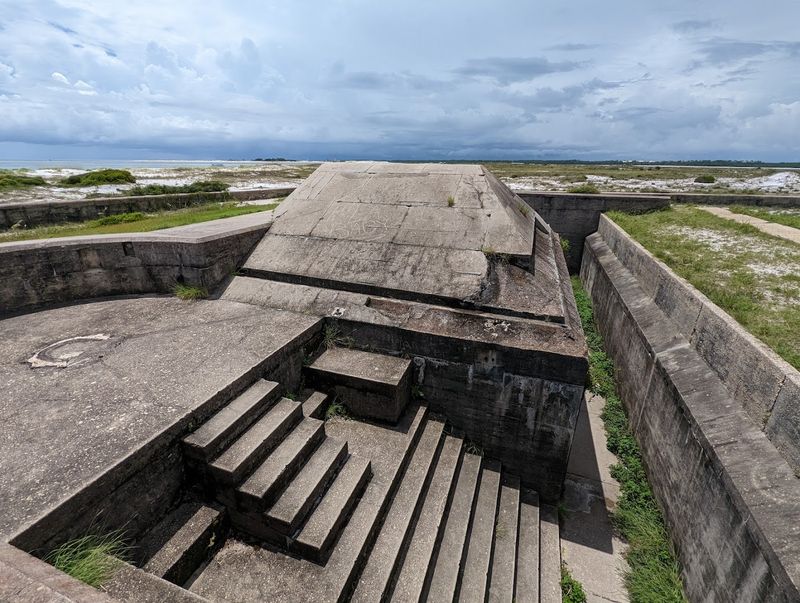
Fort Pickens didn’t stop evolving after the Civil War ended. The military continued updating and modernizing the defenses well into the 20th century, adding new battery positions as artillery technology advanced. Walking around the area, you can literally see the progression of American coastal defense through different eras, from Civil War-era smoothbore cannons to World War II concrete bunkers.
Battery Pensacola, built in 1898, features massive 12-inch disappearing rifles that could hit targets over 8 miles away. These engineering marvels used counterweights and hydraulic systems to raise the gun for firing, then automatically lower it back behind protective walls for reloading. Battery Worth and Battery Cullum represent even later periods, with their reinforced concrete construction designed to withstand modern naval bombardment.
The fort remained an active military installation until 1947, meaning it served during both World Wars even though no enemy ever actually attacked Pensacola. Soldiers stationed here during WWII would have scanned the Gulf for German U-boats, which did prowl these waters attacking merchant shipping. Exploring these different battery positions gives you a complete picture of how coastal defense evolved over more than a century of American military history.