This Stunning Florida Getaway Looks More Like A Caribbean Island Than The Gulf Coast

Just seven miles from downtown Miami sits a barrier island that feels worlds away from mainland Florida. Key Biscayne wraps you in turquoise waters, swaying palms, and powdery beaches that rival anything you’d find in the Bahamas or Turks and Caicos.
While the rest of the Gulf Coast has its charms, this little slice of paradise operates on island time with a distinctly tropical vibe that makes you forget you’re still in the continental United States.
Crandon Park Beach Feels Straight Out Of The Tropics
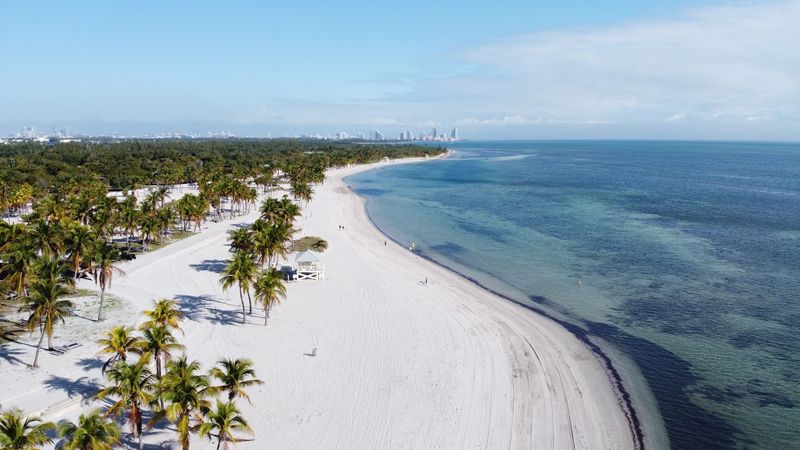
Crandon Park Beach stretches for nearly two miles along the northern end of Key Biscayne, and the moment your toes hit that sand, you’ll swear someone transported you to a private Caribbean resort. The water here glows in shades of blue and green that don’t seem real, thanks to the shallow sandbar that extends way out from shore.
Families absolutely love this spot because kids can wade out pretty far without the water getting deep. The sandbar creates a natural lagoon effect that keeps the waves gentle and the water bath-warm most of the year.
You’ll see toddlers splashing around while parents relax on the beach without that constant worry about undertow or rough surf.
The beach itself curves in a graceful arc, lined with Australian pines and coconut palms that provide natural shade. Unlike some Florida beaches that feel crowded and commercial, Crandon maintains a laid-back island atmosphere.
There’s plenty of space to spread out, even on busy weekends.
Facilities here go beyond basic beach amenities. You’ll find cabanas available for rent, outdoor showers, clean restrooms, and a nature center that teaches visitors about the local ecosystem.
The park also includes a vintage carousel and a roller rink, throwback attractions that kids still find charming.
Parking costs a small fee, but it’s worth every penny for the quality of beach you’re getting. Arrive early on weekends during peak season, as the lot does fill up.
Locals know to claim their spots before 10 a.m., especially during spring break and summer months.
The northern section of the beach tends to be quieter, while families with young children gravitate toward the middle area near the main facilities. If you’re looking for a spot to read a book in peace, head toward the southern end where the beach transitions into a more secluded stretch.
The vibe here truly mimics those exclusive island getaways where the biggest decision of your day is whether to nap in the shade or take another dip in those impossibly clear waters.
Bill Baggs Cape Florida State Park Offers Untouched Island Beauty
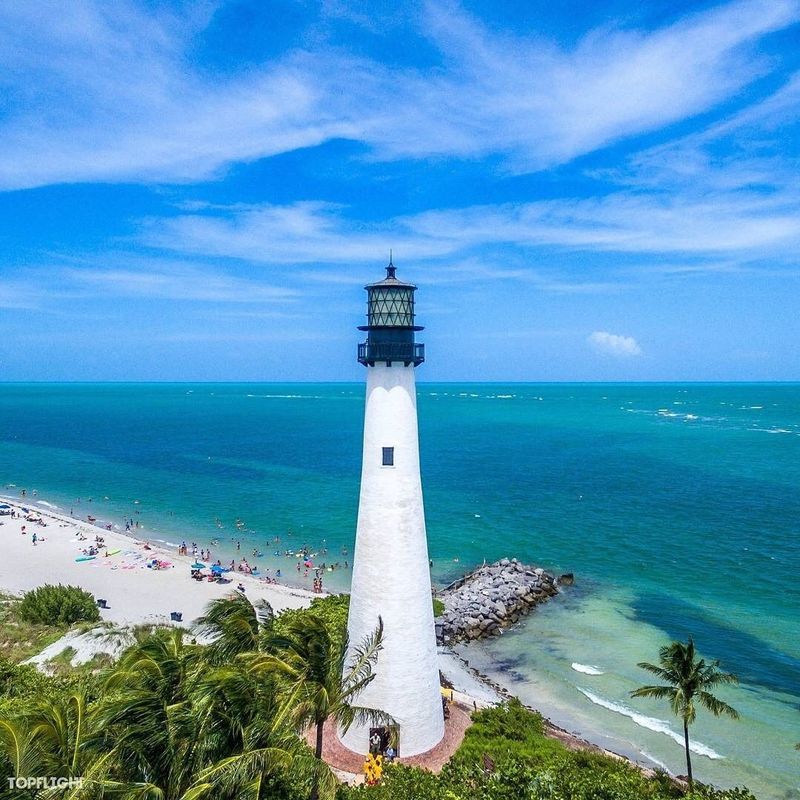
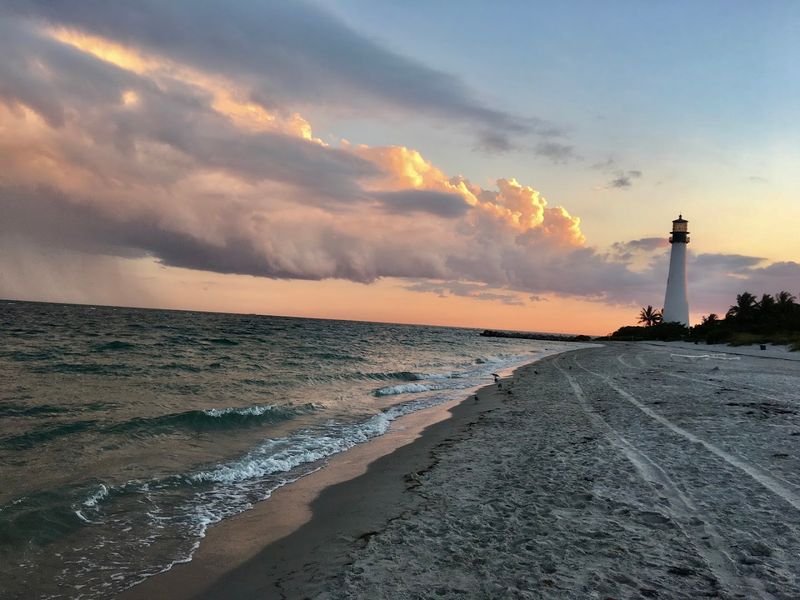
At the southern tip of Key Biscayne, Bill Baggs Cape Florida State Park protects some of the most pristine coastline you’ll find anywhere in South Florida. The park’s crown jewel is the 1825 Cape Florida Lighthouse, a historic beacon that still stands watch over the Atlantic and Biscayne Bay.
Climbing to the top rewards you with panoramic views that stretch all the way to Miami’s skyline on one side and endless ocean on the other.
The beaches here feel wilder and more natural than their northern neighbor. Dense mangrove forests edge portions of the shoreline, creating habitats for wading birds, crabs, and juvenile fish.
You might spot an osprey diving for its lunch or a great blue heron stalking the shallows.
Nature trails wind through the park’s interior, offering a break from beach time. These paths take you through coastal hammock forests where gumbo limbo trees twist skyward and sea grapes provide shade.
Butterflies flutter between native wildflowers, and if you’re lucky, you might catch a glimpse of a loggerhead turtle during nesting season from May through October.
The park’s beach on the Atlantic side delivers that classic Caribbean look with clear water and soft sand. Waves here tend to be a bit livelier than at Crandon, making it popular with bodyboarders and swimmers who want a little more action.
The bay side offers calmer conditions perfect for kayaking and paddleboarding.
Lighthouse Cafe sits near the historic lighthouse, serving up casual fare with waterfront views. It’s nothing fancy, but enjoying a cold drink and some conch fritters while watching sailboats glide past captures that island restaurant vibe perfectly.
The outdoor seating puts you right in the tropical breeze.
Bike rentals are available at the entrance, and pedaling through the park on two wheels is genuinely the best way to explore. The paved paths make it easy, and you can stop wherever something catches your eye.
Sunset here is spectacular, with the sky turning shades of orange and pink that reflect off the water. The park stays open until sundown, so plan to stick around for the show.
Village Atmosphere Keeps Things Small And Charming
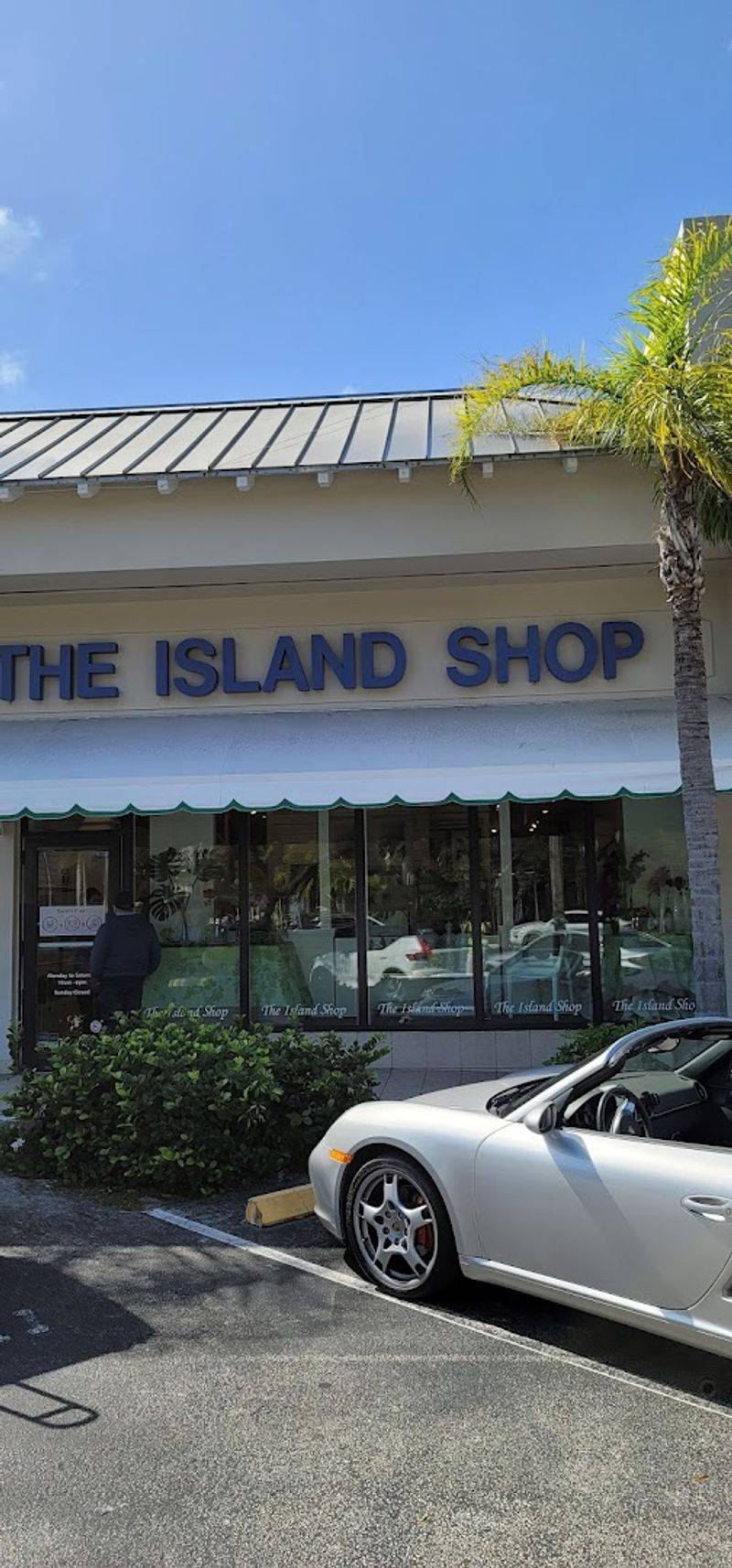
Key Biscayne operates as an actual incorporated village, and that small-town structure preserves a character you won’t find in most South Florida beach communities. No high-rise hotels dominate the skyline here.
No massive shopping complexes or chain restaurant rows interrupt the residential feel. The village has strict building codes that maintain its low-key tropical atmosphere.
The commercial district centers around a compact area where locally-owned restaurants, cafes, and shops create a neighborhood vibe. You’ll see the same faces serving your morning coffee or ringing up your beach supplies, and people actually stop to chat rather than rushing past each other.
It’s refreshingly unhurried compared to the hustle across the causeway in Miami.
Families on bikes cruise the quiet streets, and golf carts are a common sight. The village maintains excellent bike paths that connect residential areas to the beaches and parks, making car-free exploring totally feasible.
Kids ride their bikes to get ice cream or meet friends at the beach, the kind of freedom that feels increasingly rare.
Local restaurants reflect the island’s laid-back personality. You’ll find everything from casual sandwich shops to upscale dining, but even the fancier places keep things relaxed.
Flip-flops at dinner? Absolutely acceptable.
Many establishments feature outdoor seating where you can enjoy your meal surrounded by tropical landscaping and ocean breezes.
The village hosts community events throughout the year that bring residents together. Weekend farmers markets, outdoor movie nights, and holiday celebrations maintain that small-town connection.
Visitors are always welcome at these gatherings, and locals are genuinely friendly about sharing their island paradise.
Shopping here focuses on practical beach needs and local boutiques rather than tourist trap souvenir shops. You can pick up quality sunscreen, beach gear, or a sundress without wading through rows of cheap trinkets.
The grocery stores stock everything you need if you’re renting a place with a kitchen.
What really sets the village apart is what it doesn’t have. No boardwalk carnival atmosphere.
No spring break party scene. No aggressive timeshare salespeople.
Key Biscayne chose to develop as a residential community first, and that decision preserved an authentic island character that feels increasingly precious in overdeveloped Florida.
Water Sports Scene Rivals Any Caribbean Destination

Surrounded by water on all sides, Key Biscayne naturally became a paradise for anyone who loves getting out on the waves. The island’s unique position creates diverse water conditions perfect for different activities.
The Atlantic side brings rolling waves for surfing and bodyboarding, while the bay side offers calm, protected waters ideal for beginners trying stand-up paddleboarding or kayaking for the first time.
Several outfitters along the island rent equipment and offer lessons. You don’t need to haul your own gear or have previous experience.
Instructors will get you comfortable on a board or in a kayak within an hour, and then you’re free to explore the coastline at your own pace.
Kayaking through the mangrove channels feels like paddling through a nature documentary. The twisted roots create tunnels and passages where you’ll spot fish, crabs, and birds going about their daily routines just feet away.
The water is so clear you can see straight to the sandy bottom, watching rays glide beneath your kayak.
Windsurfing and kiteboarding enthusiasts flock to Hobie Beach on the island’s western shore. The consistent breezes and open water create ideal conditions, and on any given afternoon you’ll see colorful sails and kites dotting the bay.
Even if you’re not participating, watching the action from the beach is entertaining.
Snorkeling and diving opportunities abound in the waters surrounding Key Biscayne. Several artificial reefs have been established offshore, creating habitats for tropical fish, sea turtles, and coral.
The warm, clear water provides excellent visibility most of the year. Dive shops can arrange boat trips to the best spots.
Fishing from shore or by boat is hugely popular. The variety of species you can catch is impressive, from snapper and grouper to tarpon and bonefish.
Charter boats leave from marinas on the island, offering half-day and full-day trips. If you prefer to stay on land, the piers and beaches offer solid shore fishing opportunities.
Jet ski rentals and boat charters are available for those wanting to cruise the coastline or island-hop to nearby sandbars. The protected waters of Biscayne Bay make for smooth rides, and you can easily spend a day exploring hidden beaches and anchoring for a swim in secluded spots.
Wildlife Encounters Happen Daily
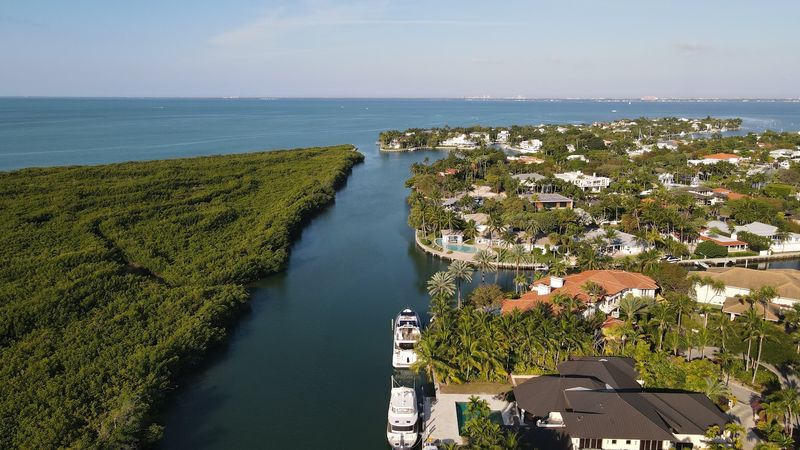
Living on a barrier island means sharing space with some pretty amazing wildlife, and Key Biscayne takes its conservation responsibilities seriously. The island serves as crucial habitat for several species, and respectful encounters happen regularly if you know when and where to look.
Loggerhead sea turtles nest on Key Biscayne’s beaches from May through October. During these months, volunteers patrol the sand at dawn, marking and protecting nests.
If you’re visiting during turtle season, join one of the guided walks offered by the local conservation groups. Watching a mother turtle haul herself ashore to lay eggs is genuinely moving, and witnessing hatchlings make their dash to the ocean will stick with you forever.
The island’s position along major bird migration routes makes it a hotspot for birdwatchers. Over 200 species have been documented here, from tiny warblers to massive frigate birds soaring overhead.
The mangrove forests and coastal hammocks provide essential stopover habitat for birds traveling between North and South America.
Manatees frequently visit the warm, shallow waters around Key Biscayne, especially during cooler months. These gentle giants munch on seagrass in the bay, and kayakers occasionally find themselves sharing the water with these curious creatures.
Keep your distance and never touch or feed them, but feel free to admire from your boat.
Dolphins are year-round residents, and spotting their fins cutting through the waves never gets old. They often hunt in pods near the beaches, and if you’re patient, you might see them leaping clear of the water.
Early morning and late afternoon seem to be their most active feeding times.
The butterfly population explodes during certain times of year, with monarchs and swallowtails among the most striking species. Native plant gardens throughout the island provide food and habitat, and simply walking the nature trails can put you in the middle of a colorful flutter of wings.
Iguanas have established a population on the island, and while they’re actually an invasive species, seeing these prehistoric-looking lizards basking in the sun or munching vegetation is still pretty cool. They’re harmless unless cornered, so just give them space.
The island’s ecosystem supports a remarkable diversity of life, and that abundance contributes significantly to Key Biscayne’s tropical island atmosphere.
Rickenbacker Causeway Builds The Anticipation
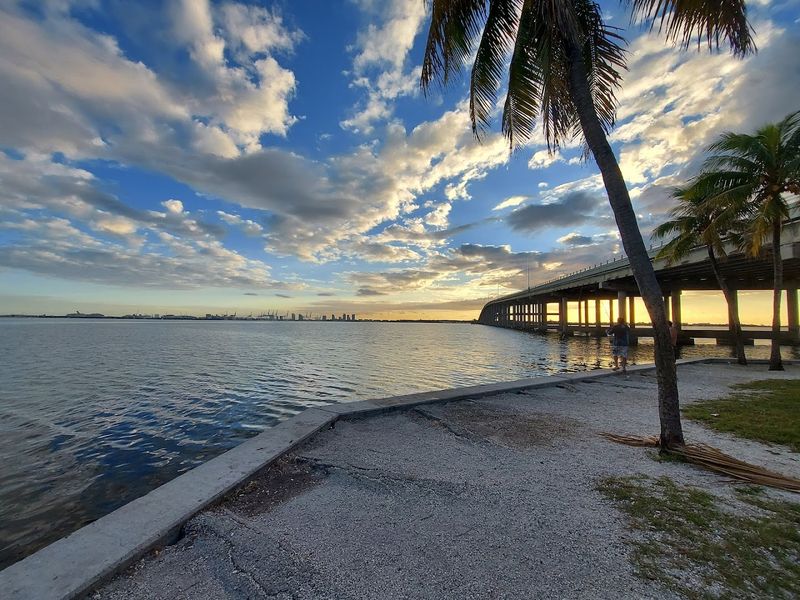
Getting to Key Biscayne is half the fun, and the Rickenbacker Causeway delivers one of the most scenic drives in South Florida. This elevated roadway arcs across Biscayne Bay, lifting you above the water and offering sweeping views that immediately shift your mindset from mainland hustle to island time.
The causeway stretches about three miles, connecting the mainland near Coconut Grove to Virginia Key and then Key Biscayne. As you climb the bridge’s apex, downtown Miami’s skyline spreads out behind you while the green ribbon of Key Biscayne beckons ahead.
The contrast between urban density and tropical escape couldn’t be more dramatic.
Virginia Key sits midway along the causeway and offers its own attractions worth exploring. The historic Miami Marine Stadium, though currently closed for renovations, stands as a unique piece of architectural history.
Virginia Key Beach Park preserves an important site in civil rights history as Miami’s first beach open to African Americans during segregation.
Cyclists and runners love the causeway for its dedicated paths and relatively flat profile. Weekend mornings bring out hundreds of fitness enthusiasts who make the round trip from Miami to Key Biscayne and back.
The views make the workout feel less like exercise and more like a moving meditation.
There’s a toll to cross the causeway, currently just a few dollars, but it helps maintain the roadway and arguably serves as a subtle filter that keeps the island from becoming overrun with day-trippers. The small fee is a bargain considering the experience waiting on the other side.
Fishing from the causeway is permitted in designated areas, and you’ll see anglers lined up with their rods, hoping to hook snapper, snook, or tarpon. The deep channel created by the causeway construction attracts fish, making it a productive spot despite the traffic overhead.
Sunset drives across the causeway rank among Miami’s most romantic experiences. The western sky lights up in brilliant colors that reflect off the bay’s surface, and the city lights begin twinkling in the distance.
Coming back from a day at the beach with this view spread before you creates the perfect ending to an island adventure. That transition from Key Biscayne back to Miami always feels a little bittersweet, like leaving a tropical vacation even though you’ve only traveled a few miles.
Year-Round Perfect Weather Seals The Deal
South Florida’s subtropical climate gets all the credit for making Key Biscayne feel perpetually vacation-ready, but the island’s position gives it a slight edge over mainland areas. Ocean breezes moderate temperatures year-round, keeping things comfortable even during the height of summer when inland areas swelter.
Winter months from December through March bring what locals call “perfect weather.” Temperatures hover in the mid-70s to low 80s during the day, dropping to the 60s at night. Humidity stays low, and rain becomes rare.
This is peak season when northerners escape the cold, and honestly, you can’t blame them. Beach days feel ideal without being scorching.
Summer brings warmer temperatures and afternoon thunderstorms, but even this has its charm. Morning beach sessions under clear skies give way to dramatic afternoon cloud buildups and brief, intense downpours that cool everything off.
The storms typically pass quickly, and then the sun returns for golden evening hours. The ocean water warms to bathtub temperatures, perfect for extended swimming sessions.
Hurricane season runs from June through November, with peak activity in September and October. Key Biscayne takes storm preparation seriously, and the island has weathered its share of hurricanes over the years.
Modern building codes ensure structures can handle high winds, and the village has excellent emergency management. Most years pass without any direct impacts.
Fall and spring shoulder seasons offer fantastic weather with fewer crowds. September and October can be warm and humid, but the beaches feel less packed.
April and May deliver gorgeous conditions as temperatures climb but before summer’s humidity fully arrives.
The island’s tropical latitude means lush vegetation stays green year-round. There’s no dreary brown dormant season like northern climates endure.
Palm trees sway, flowers bloom, and everything maintains that verdant tropical appearance regardless of the calendar.
Sea temperatures rarely drop below the low 70s, even in the coolest winter months. Most people find the water swimmable all year, though locals might complain when it dips into the 60s during a cold snap.
Compared to Caribbean destinations at similar latitudes, Key Biscayne’s weather patterns are remarkably consistent. You can plan a trip any time of year with confidence that beach-worthy conditions will greet you, that rare combination of accessibility and reliability that makes this island getaway feel like a secret tropical paradise hiding in plain sight.