11 Florida Beaches Where You Can Find Beautiful Shells Without The Crowds
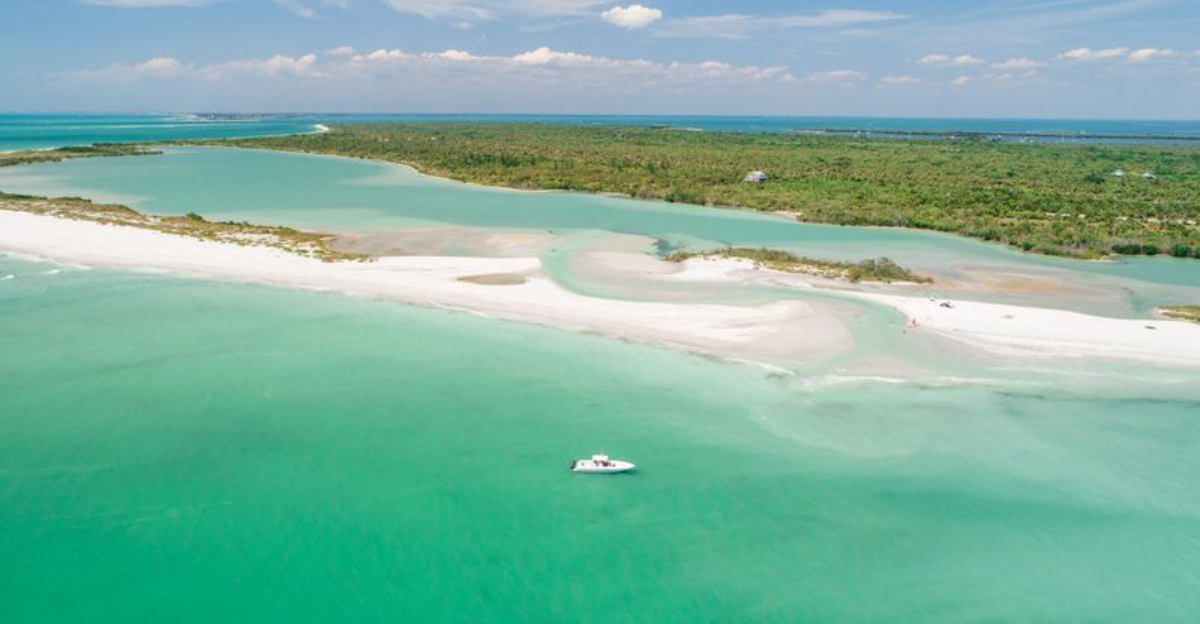
Florida’s coastline stretches over 1,300 miles, yet most visitors flock to the same handful of beaches. If you’re tired of fighting for elbow room while searching for shells, you’re in luck. Scattered along Florida’s shores are hidden gems where you can hunt for treasures in peace, discovering everything from delicate coquinas to rare junonia shells without dodging beach umbrellas every three feet.
1. Cayo Costa State Park (Boca Grande)
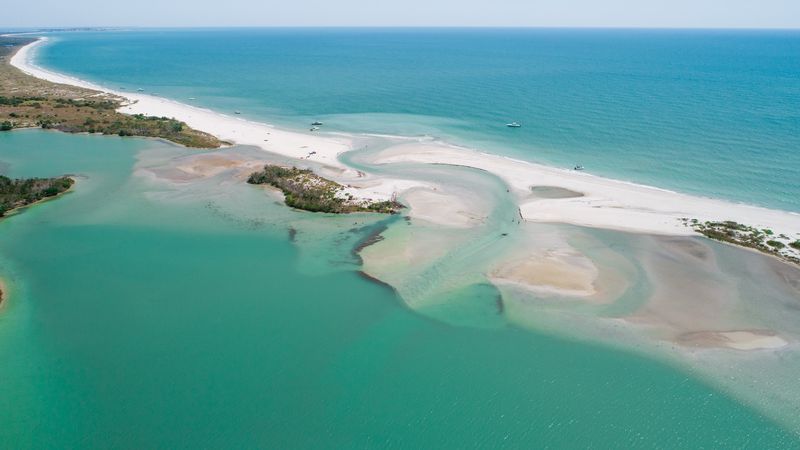
Getting to this barrier island requires a ferry ride or private boat, which immediately filters out the casual beachgoer. That journey across the water is part of the magic—you arrive feeling like you’ve discovered something secret. The island remains completely undeveloped, with no roads, no restaurants, and certainly no high-rise hotels blocking your view.
The western shore facing the Gulf delivers exceptional shelling, especially after storms churn up the ocean floor. Whelks, sand dollars, and olive shells appear regularly, though the real prize here is variety. You might find fighting conchs one day and lightning whelks the next, depending on what the tide decides to share.
Early morning visits offer the best finds before other shellers arrive. The park allows overnight camping, giving you first access at sunrise when shells are most abundant. Pack everything you need since facilities are basic—portable restrooms and outdoor showers are your only amenities.
The nine-mile stretch of beach means you can walk for hours without retracing your steps. Most visitors cluster near the dock area, so heading north or south guarantees solitude. Bring sturdy water shoes since shells can be sharp, and don’t forget sun protection because shade is scarce on this exposed coastline.
2. Don Pedro Island State Park (Placida)
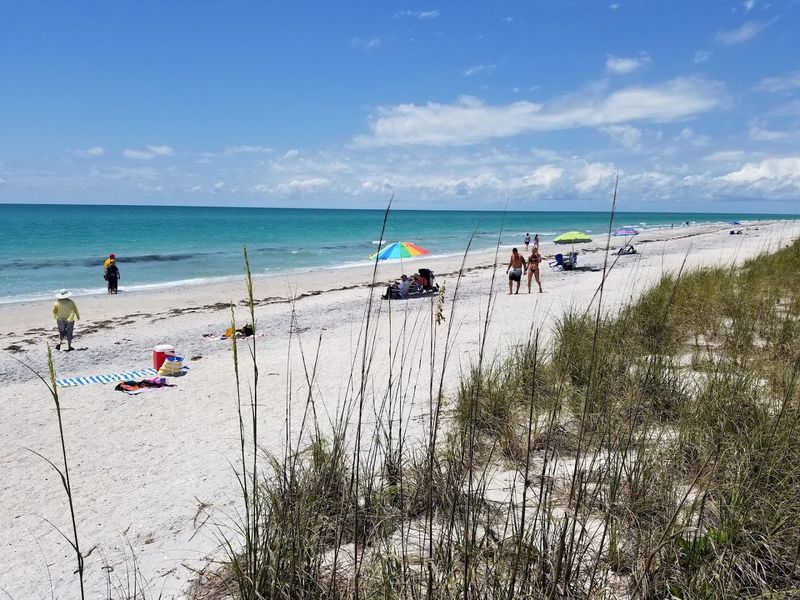
Accessible only by boat, this 130-acre island park keeps visitor numbers naturally low. Most people never even hear about Don Pedro, which works perfectly for those seeking uncrowded shelling territory. The northern end of the island belongs to the state park, while private homes occupy the southern portion, but the public beach stretches long enough that you’ll rarely see neighbors.
Shelling here peaks during winter months when cold fronts push shells ashore. Scallop shells arrive in rainbow colors—pinks, oranges, purples—creating natural art along the waterline. Whelks and murex shells also show up frequently, along with the occasional horse conch that makes collectors’ hearts race.
The beach faces southwest, catching shells from multiple current patterns. This positioning creates diverse finds compared to beaches facing directly west. Low tide exposes sandbars where shells accumulate in concentrated piles, making your search more productive than random beach walking.
Launch from the Placida boat ramp or hire a water taxi if you don’t own a boat. The park provides picnic shelters and restrooms but nothing fancy. Bring drinking water and snacks since you can’t just walk to a convenience store.
The isolation might seem inconvenient until you’re standing alone on a shell-covered beach, realizing you’ve found exactly what you were seeking.
3. Stump Pass Beach State Park (Englewood)
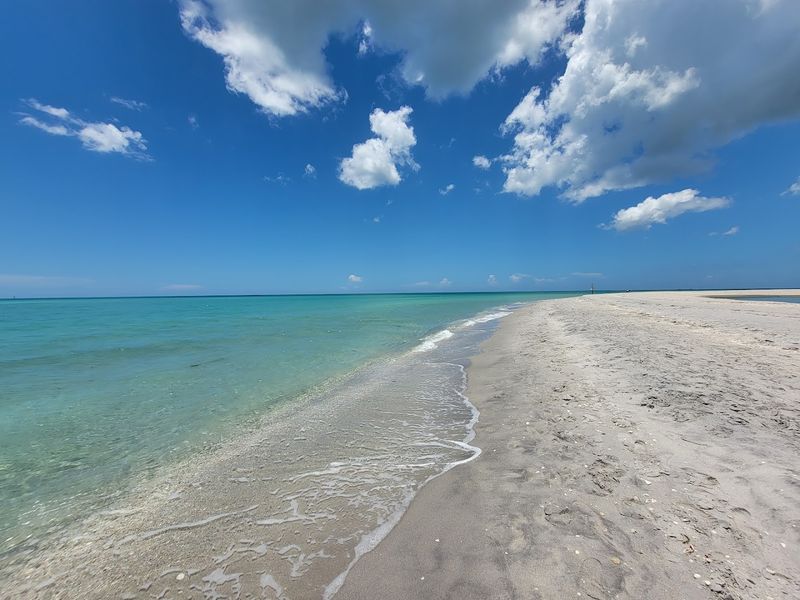
Wedged between Manasota Key and Knight Island, this 344-acre park occupies a skinny barrier island that most tourists bypass completely. The beach sits right where Stump Pass connects Lemon Bay to the Gulf, creating strong tidal flows that deposit shells in predictable patterns. Smart shellers learn to read these patterns, checking specific spots where currents naturally concentrate treasures.
Unlike crowded resort beaches, you’ll find mostly locals here who know the shelling schedule. They arrive at low tide, work the waterline efficiently, then disappear before the parking lot fills. Join this rhythm and you’ll collect fighting conchs, alphabet cones, and colorful cockle shells without competing for space.
The pass itself creates unique hunting grounds where freshwater and saltwater species mix. You might discover shells typically found in bays alongside Gulf varieties, expanding your collection in unexpected directions. Wading into the shallow pass during outgoing tides reveals shells tumbling along the sandy bottom.
Park facilities include restrooms, outdoor showers, and covered picnic areas—basic but sufficient. The beach faces west, delivering spectacular sunsets that reward afternoon visitors. Bring a mesh bag for shells since plastic buckets get heavy quickly.
The walk from parking to beach is short, making multiple trips to your car practical if you strike shelling gold.
4. Keewaydin Island (Naples)
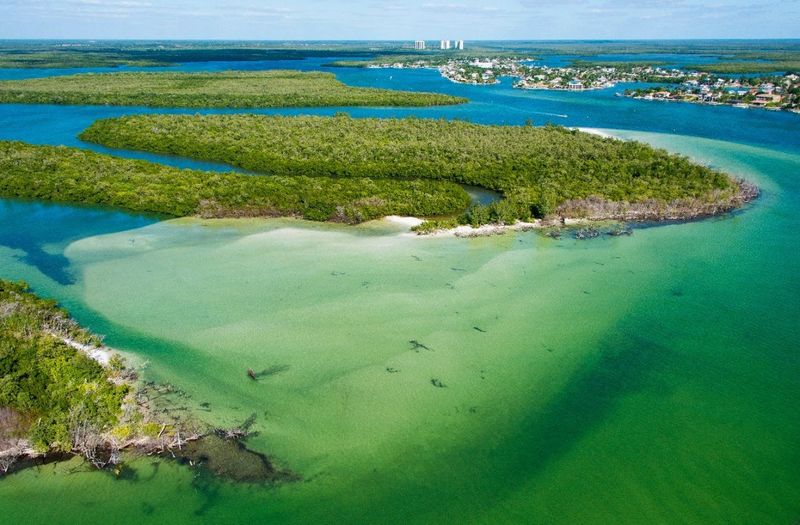
Stretching eight miles between Gordon Pass and Caxambas Pass, Keewaydin remains blissfully free of development. No bridges connect this barrier island to the mainland, keeping day-trippers away and preserving its wild character. The only way here is by boat or kayak, which means your biggest competition for shells comes from shorebirds, not other collectors.
The Gulf side delivers consistent shelling year-round, though winter cold fronts bring the most impressive hauls. Lightning whelks appear regularly, some reaching impressive sizes that make you wonder how they traveled so far. Tulip shells, cockles, and moon snails also wash up frequently, providing variety in your collection.
The island’s length means you can explore different sections on repeat visits, discovering how shell populations vary along the shore. Southern portions near Caxambas Pass often yield different species than northern areas near Gordon Pass. This variety keeps shelling interesting even if you visit multiple times per season.
Pack everything needed for your stay since the island offers zero amenities—no restrooms, no water fountains, no shade structures. Bring sun protection, drinking water, and snacks. Many visitors kayak from Naples launching points, turning the trip into an adventure that combines paddling with shelling.
The effort required to reach Keewaydin guarantees you’ll rarely share your finds with crowds.
5. Kice Island (Marco Island)
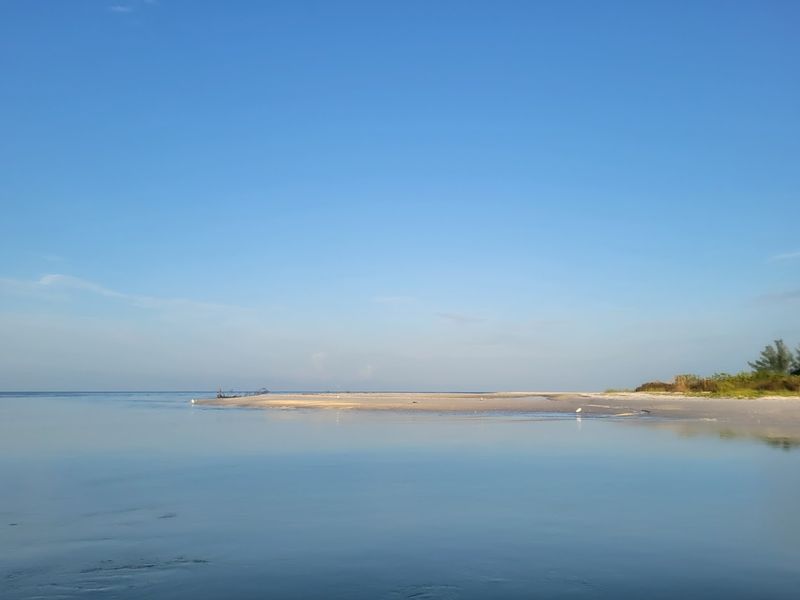
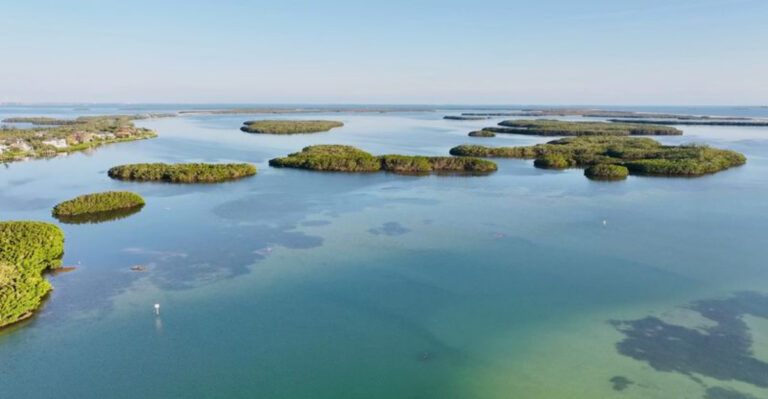
Tucked between Marco Island and Cape Romano, Kice Island remains one of Southwest Florida’s best-kept shelling secrets. The island belongs to Rookery Bay National Estuarine Research Reserve, protecting it from development while keeping visitor numbers remarkably low. Most Marco Island tourists never venture beyond their resort pools, leaving this treasure for those willing to explore.
Boat access only means you’ll need watercraft or a hired guide to reach the beaches. Once there, you’ll find shells accumulating along quiet shores where mangroves meet sand. The mix of Gulf and estuarine environments creates diverse shell populations—bay scallops, arks, and cockles appear alongside typical Gulf species.
The island’s protected status means collecting follows specific regulations, but observing and photographing shells remains unrestricted. Many visitors practice catch-and-release shelling, examining treasures before returning them to nature. This approach keeps populations healthy while still providing the thrill of discovery.
Northern beaches facing Caxambas Pass offer the most productive shelling, especially during falling tides when sandbars emerge. Southern shores stay quieter, perfect if you prioritize solitude over shell quantity. Wading birds often work the same tide lines you’re searching, creating wildlife-watching opportunities between shell finds.
Bring binoculars and a camera since Kice Island delivers more than shells. Dolphins patrol offshore waters, ospreys nest in mangroves, and manatees sometimes graze in shallow grass beds. The island rewards visitors seeking complete coastal experiences, not just bucket-filling shell hauls.
6. Tigertail Beach (Marco Island)
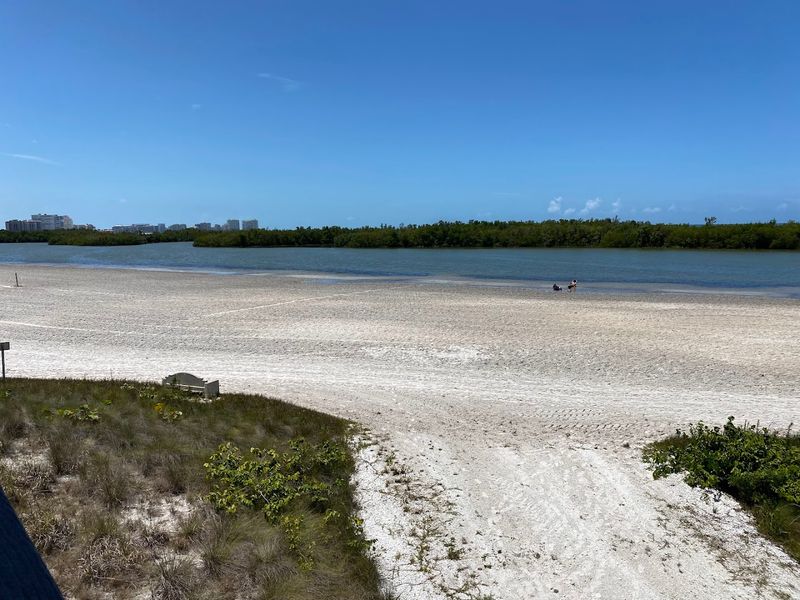
While technically on Marco Island, Tigertail Beach feels worlds away from the resort areas dominating the island’s western shore. A tidal lagoon separates the parking area from the Gulf beach, creating a natural buffer that discourages lazy beachgoers. Those willing to wade across the shallow lagoon discover excellent shelling grounds without the typical Marco Island crowds.
The lagoon itself changes dramatically with tides, sometimes forming a wide sandbar perfect for shelling, other times filling completely with water. Time your visit for low tide and you’ll find shells concentrated along the lagoon’s edges where currents deposit them. Lightning whelks, fighting conchs, and colorful coquinas appear regularly.
The Gulf beach beyond the lagoon stretches northward toward Caxambas Pass, offering long walks for dedicated shellers. Most visitors stay near the lagoon, meaning northern sections remain nearly empty. This pattern creates opportunities for those willing to walk farther than average tourists.
Park facilities include restrooms, outdoor showers, and a concession stand—more amenities than most boat-access islands provide. A playground keeps kids entertained, though serious shellers will head straight for the water. Beach wheelchairs are available, making Tigertail more accessible than remote barrier islands.
Morning visits offer the best combination of shells and solitude. Afternoon sun creates harsh glare that makes shell spotting difficult, and crowds increase as the day progresses. Bring water shoes since the lagoon bottom can hide sharp shells and rocks.
7. Caladesi Island State Park (Dunedin)
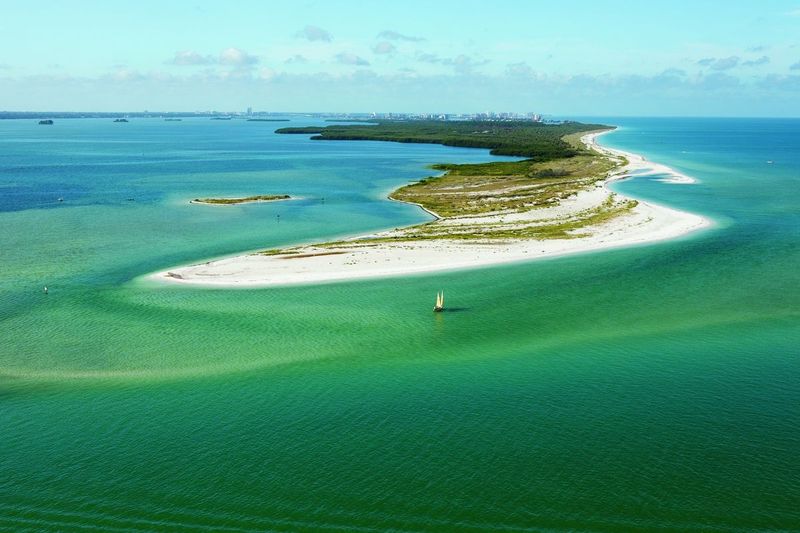
Consistently ranked among America’s best beaches, Caladesi somehow avoids the crushing crowds you’d expect from such recognition. The ferry-only access from Honeymoon Island keeps visitor numbers manageable, while the three-mile beach provides enough space that even busy days feel uncrowded. Shellers who arrive on the first morning ferry claim the best spots before others wake up.
The northern end near the ferry dock sees the most foot traffic, but walking south leads to increasingly isolated stretches. Shells accumulate along the entire beach, with variety changing as you move. Scallop shells dominate some sections while whelks concentrate in others, encouraging exploration rather than camping in one spot.
The park’s bayside offers different shelling opportunities than the Gulf beach. Mangrove-lined shores hide smaller shells and bay species that Gulf beaches rarely deliver. Kayakers who rent from the park can explore these quiet areas, discovering shells in calm waters perfect for beginners.
Park facilities exceed most barrier islands—restrooms, picnic pavilions, a café, and a nature center provide comfort between shelling sessions. The three-mile nature trail through interior forests offers shade when sun exposure becomes excessive. Swimming areas stay marked and lifeguarded during peak season, adding safety for families.
Ferry schedules limit your time on the island unless you arrive by private boat. Plan your visit around tide charts, targeting low tide for maximum shell exposure. Bring a cooler with drinks and snacks since café prices reflect the captive-audience situation.
8. Honeymoon Island State Park (Dunedin)
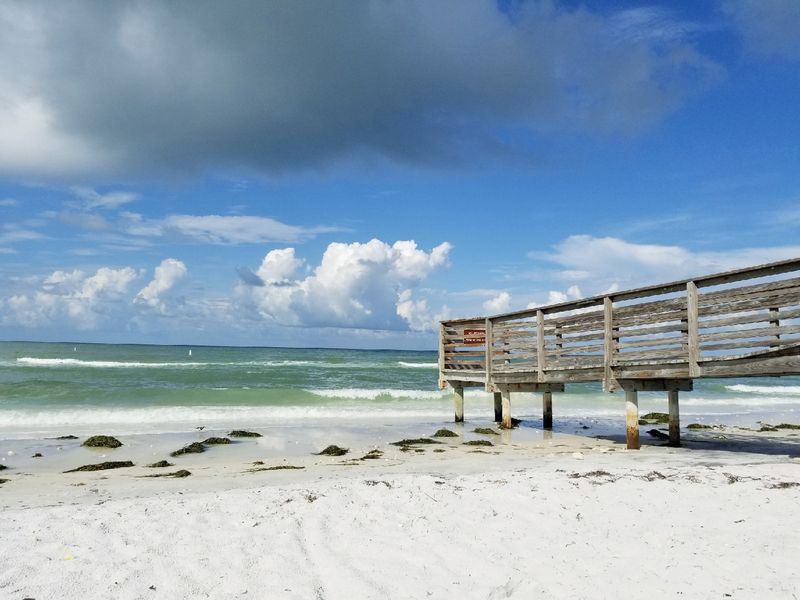
Connected to the mainland by causeway, Honeymoon Island offers easier access than most excellent shelling beaches. Don’t let the bridge fool you—this four-mile-long barrier island maintains a wild character despite vehicular access. The northern sections away from the main beach areas provide the solitude serious shellers crave.
The island’s unique geology creates varied shelling environments. Rocky areas along the northern shore trap shells differently than sandy southern beaches, producing diverse finds depending on where you search. Limestone outcroppings create tide pools where smaller shells accumulate, rewarding patient observers who examine these micro-environments.
Shells here include common Gulf species plus occasional surprises carried by currents from deeper waters. Sand dollars, olive shells, and various whelks appear regularly. The mix of sandy and rocky bottom offshore creates habitat for diverse mollusks, which eventually contribute their shells to your collection.
The park provides full amenities—restrooms, showers, picnic areas, and a nature center explaining local ecosystems. Rangers lead educational programs about shells and other coastal topics, adding learning opportunities to your collecting adventures. Pet-friendly areas let dog owners bring four-legged companions, though shelling beaches have pet restrictions.
Parking fills quickly on weekends and holidays, arriving early prevents frustration. The causeway toll is minimal, and annual passes make economic sense for frequent visitors. Honeymoon Island serves as the ferry departure point for Caladesi Island, letting ambitious shellers tackle both locations in one day.
9. Lovers Key State Park (Fort Myers Beach)
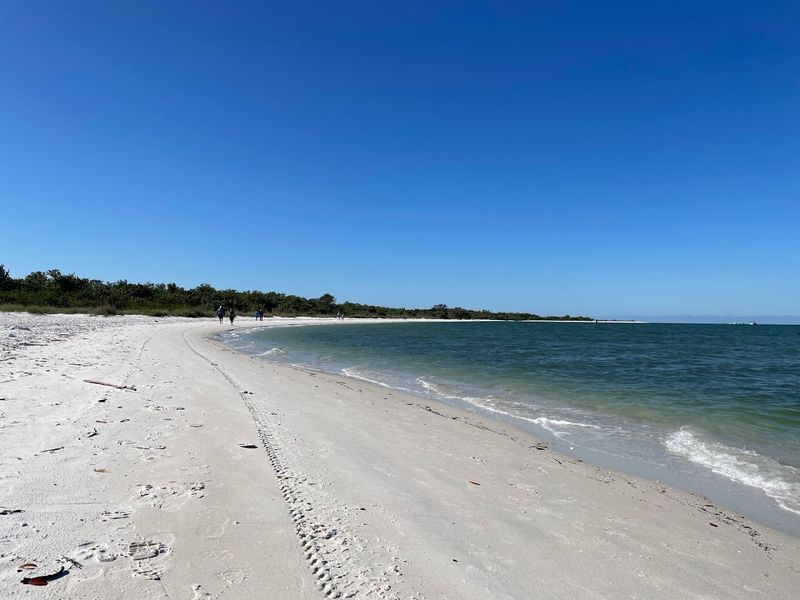
Sandwiched between Fort Myers Beach and Bonita Beach, Lovers Key somehow maintains a peaceful atmosphere despite its location between busy tourist areas. The park’s interior trails and canals create distance between parking and beach, filtering out visitors seeking easy access. Those willing to walk or take the park tram discover two-and-a-half miles of shell-rich shoreline.
The name comes from the island’s former isolation—only reachable by boat, making it a perfect lovers’ retreat. Today’s bridge access hasn’t ruined the romantic atmosphere or the shelling. Northern and southern beaches offer different experiences, with southern sections staying quieter throughout the day.
Shells concentrate along tide lines where wrack accumulates. Digging through seaweed piles reveals treasures other shellers miss—small colorful shells that blend with debris. Lightning whelks, fighting conchs, and various ark shells appear regularly, with seasonal variation keeping each visit interesting.
The park features extensive trails through mangrove forests and coastal hammocks, providing shade and wildlife viewing between beach sessions. Kayak and canoe rentals let you explore interior waterways where different shell species live. Fishing opportunities attract anglers, creating a multi-use destination that satisfies various outdoor interests.
Restrooms, outdoor showers, and picnic facilities serve visitors well. The park rarely feels overcrowded even during peak season since its size absorbs visitors effectively. Bring beach carts if you’re hauling gear since the walk from parking can be substantial.
Morning visits offer cooler temperatures and better shelling before afternoon crowds arrive.
10. Fort De Soto Park (Tierra Verde)
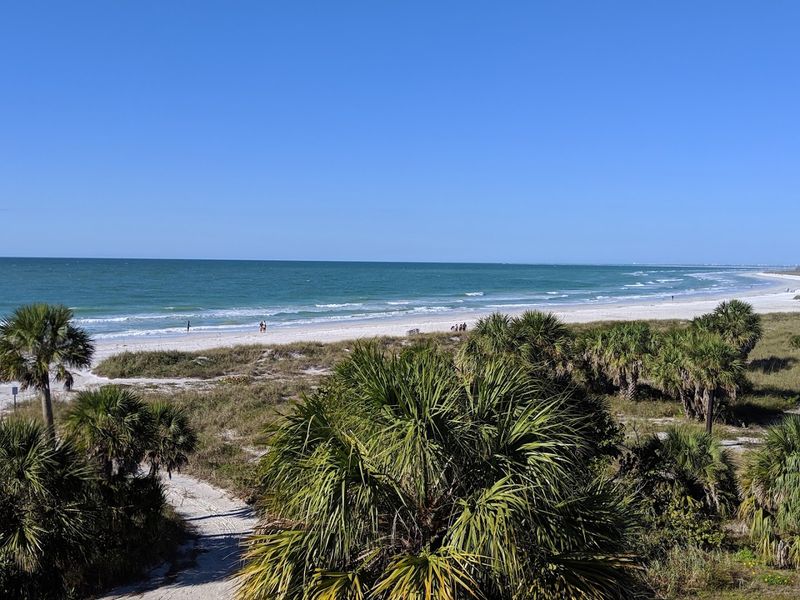
This 1,136-acre park spread across five connected islands offers more beach than most visitors can explore in a single day. Seven miles of waterfront include Gulf beaches, bay shores, and interior lagoons—each providing different shelling opportunities. The variety means you can return repeatedly without exhausting possibilities.
North Beach consistently ranks among Florida’s top beaches, yet it rarely feels overcrowded thanks to its length. Shellers who walk beyond the main access points discover quieter sections where shells accumulate undisturbed. The beach faces northwest, catching shells from unusual angles compared to west-facing shores.
Besides typical Gulf shells, the park’s bay areas hide species that prefer calmer waters. Exploring different environments expands your collection beyond standard beach finds. Low tide exposes extensive flats perfect for wading and shell hunting in shallow water.
Park facilities exceed typical beach standards—multiple restrooms, outdoor showers, picnic areas, playgrounds, and a historic fort to explore. Two fishing piers attract anglers, while kayak and bike rentals provide alternative activities. Camping facilities let you stay overnight, guaranteeing first access at sunrise when shelling is prime.
The park charges a small entrance fee that helps maintain facilities and natural areas. Annual passes offer value for frequent visitors. Arrive early on weekends since parking lots fill despite the park’s size.
Bring sun protection and drinking water—Florida sun reflects intensely off white sand. The park’s dog beach lets pets join the fun in designated areas, though shelling beaches restrict animals.
11. Amelia Island State Park (Fernandina Beach)
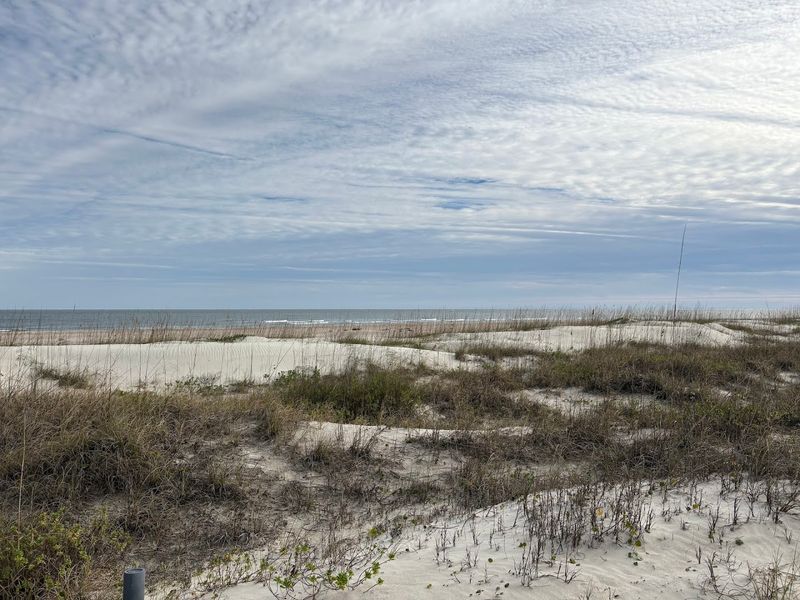
Way up on Florida’s northeastern coast, Amelia Island State Park offers Atlantic shelling experiences different from Gulf beaches. The shells here reflect different ocean currents and ecosystems, providing variety for collectors who’ve exhausted Southwest Florida’s barrier islands. Darker sand creates striking contrast with white shells, making them easier to spot.
The park protects 200 acres of coastal habitat where dunes meet maritime forest. Beaches remain undeveloped and uncrowded, especially on weekdays when you might walk for hours seeing more birds than people. The Atlantic’s stronger wave action tumbles shells differently than the Gulf’s gentle waters, creating worn specimens with unique character.
Shells here include Atlantic species rarely found on Florida’s Gulf Coast—Scotch bonnets, sharks eyes, and various Atlantic cockles. Seasonal variation brings different species depending on currents and storms. Winter cold fronts produce excellent shelling as weather churns offshore waters.
Park facilities are basic but functional—restrooms and outdoor showers serve visitors adequately. The horse trail through interior forests offers alternative activities, though serious shellers will focus on beaches. Fishing from the shore attracts anglers targeting species that cruise the surf zone.
Fernandina Beach’s historic downtown sits nearby, providing restaurants and shops for post-beach exploration. The town maintains an old Florida atmosphere that larger resort areas have lost. Combining beach time with downtown wandering creates satisfying day trips.
Bring sturdy shoes since Atlantic beaches often have more debris than Gulf shores, and pack drinking water since facilities are limited.