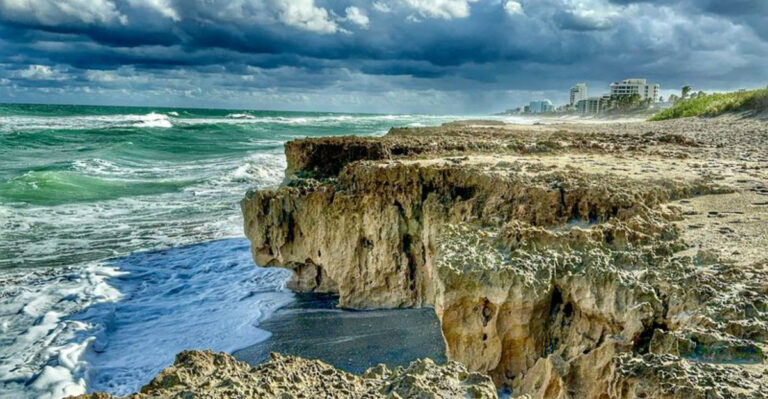
Take This Epic 338-Mile Drive To Experience Florida At Its Absolute Best
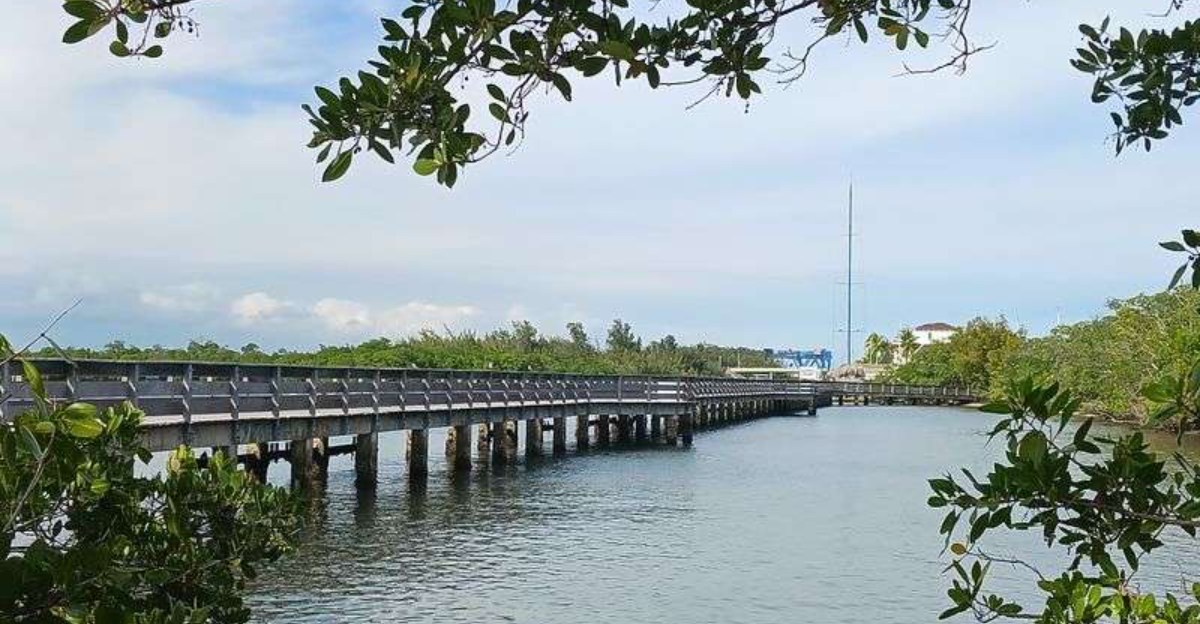
State Road A1A stretches 338 miles along Florida’s Atlantic coastline, offering one of America’s most spectacular coastal drives. This legendary highway connects Key West to Fernandina Beach near the Georgia border, hugging the ocean through historic towns, pristine beaches, and vibrant communities.
Whether you’re craving fresh seafood, stunning sunrises, or the feel of salt air through your windows, this route delivers an unforgettable Florida experience that captures the essence of the Sunshine State.
The Southern Keys Gateway
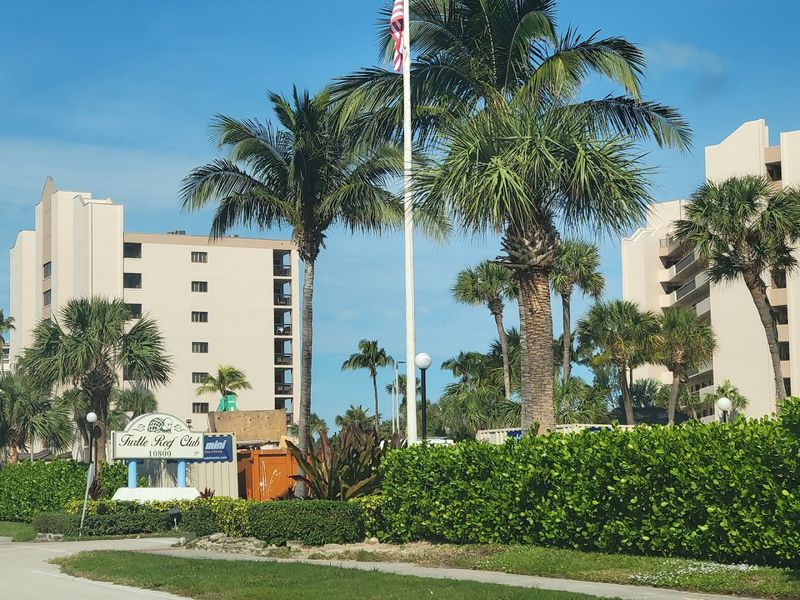
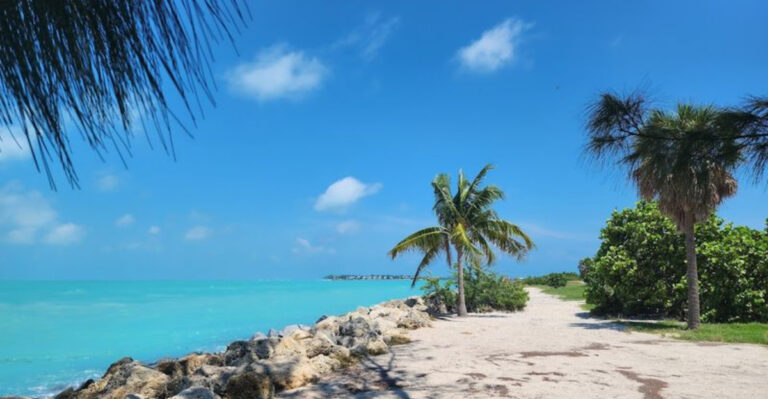
Starting your A1A adventure in the Florida Keys means beginning where the mainland meets the Caribbean spirit. The southernmost stretch of this highway offers views that look more like postcards than reality, with turquoise waters on both sides and fishing boats dotting the horizon.
Key West’s laid-back vibe sets the perfect tone for your coastal journey northward.
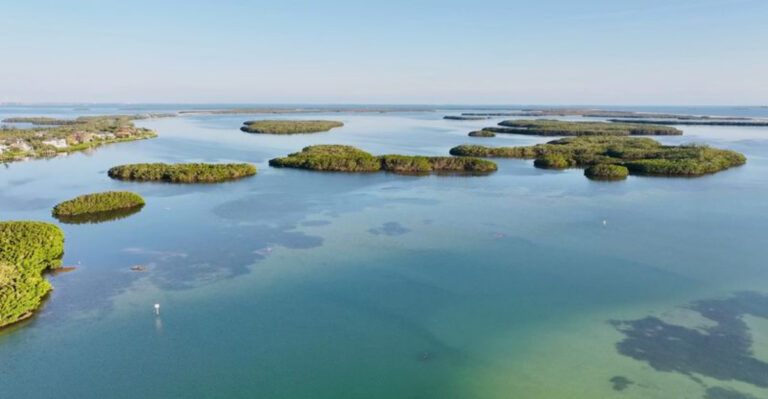
The Keys portion of A1A provides access to some of Florida’s most unique ecosystems. You’ll pass through areas where mangroves create natural tunnels and where the Atlantic Ocean meets the Gulf of Mexico in a swirl of blue and green.
Stopping at roadside fish shacks becomes a mandatory tradition, where conch fritters and key lime pie taste better than anywhere else on earth.
Wildlife watching reaches peak excitement here, with opportunities to spot dolphins, manatees, and countless tropical fish species. The shallow waters surrounding the highway make it easy to see marine life without even leaving your car.
Early morning drives reward you with spectacular sunrises that paint the sky in shades of orange and pink you didn’t know existed.
Small bridges connect the islands, each offering its own personality and attractions. Some islands host quirky art galleries, while others feature historic lighthouses or nature preserves.
The slower pace of life in the Keys reminds travelers that the journey matters more than the destination.
Fishing culture dominates this region, with charter boats available at nearly every marina. Even if you’re not an angler, watching the daily catch come in provides entertainment and fresh dinner options.
Local restaurants transform the day’s haul into mouthwatering dishes that showcase why Florida seafood enjoys worldwide fame.
The Keys section of A1A also offers incredible snorkeling and diving opportunities just offshore. Crystal-clear waters reveal coral reefs teeming with colorful fish and other marine creatures.
This southern gateway establishes the magic that continues for the next 338 miles northward along Florida’s stunning Atlantic coast.
Miami’s Iconic Ocean Drive
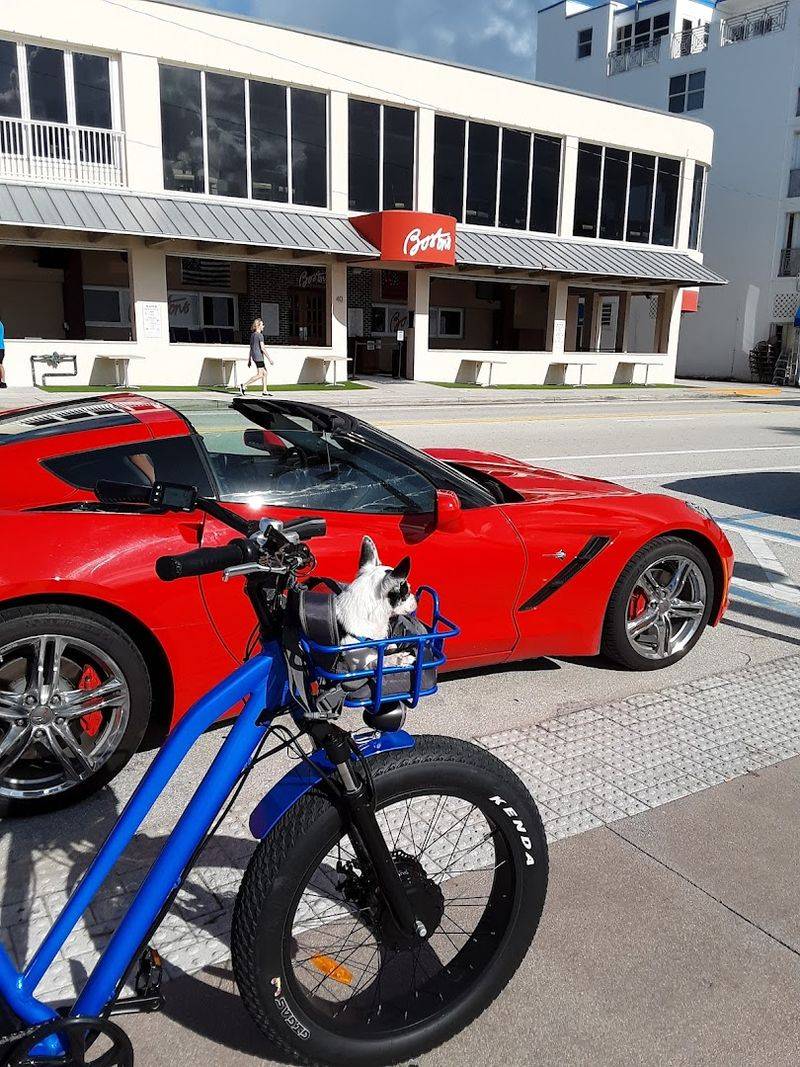
Ocean Drive through Miami Beach represents one of A1A’s most photographed and culturally significant stretches. Art Deco architecture from the 1930s and 1940s lines the street in pastel pinks, yellows, and blues that seem designed specifically for Instagram.
The energy here pulses day and night, with street performers, outdoor cafes, and people-watching opportunities that rival any city worldwide.
South Beach’s famous stretch combines history with modern beach culture in ways that feel uniquely Miami. Classic hotels like The Carlyle and The Colony have hosted celebrities for decades while maintaining their vintage charm.
Walking or driving this section feels like stepping into a time capsule that somehow stays eternally young and relevant.
The beach itself sits just steps from the road, offering easy access to some of Florida’s finest sand. Unlike more remote coastal areas, here you’ll find volleyball games, fitness enthusiasts, and families all sharing the same beautiful stretch of shoreline.
The proximity of urban amenities to natural beauty creates a combination that keeps visitors coming back year after year.
Food options explode with diversity along this section of A1A. Cuban cafes serve strong coffee and pressed sandwiches alongside upscale seafood restaurants featuring fresh catches prepared by award-winning chefs.
Food trucks and beachside grills add casual options that taste especially good when eaten with sand between your toes.
Nightlife transforms Ocean Drive after sunset into a neon-lit party zone. Music spills from clubs and restaurants, creating a soundtrack that mixes Latin rhythms with electronic beats.
Even if clubbing isn’t your scene, the evening atmosphere provides entertainment just by observing the parade of humanity.
Art galleries and boutiques occupy the ground floors of many historic buildings, offering shopping that ranges from high-end fashion to quirky local crafts. Museums dedicated to Art Deco design and Miami’s cultural history provide educational breaks from beach activities.
This urban section of A1A proves that Florida’s coastal drive offers much more than just natural scenery and quiet beach towns.
Fort Lauderdale’s Waterway Wonders
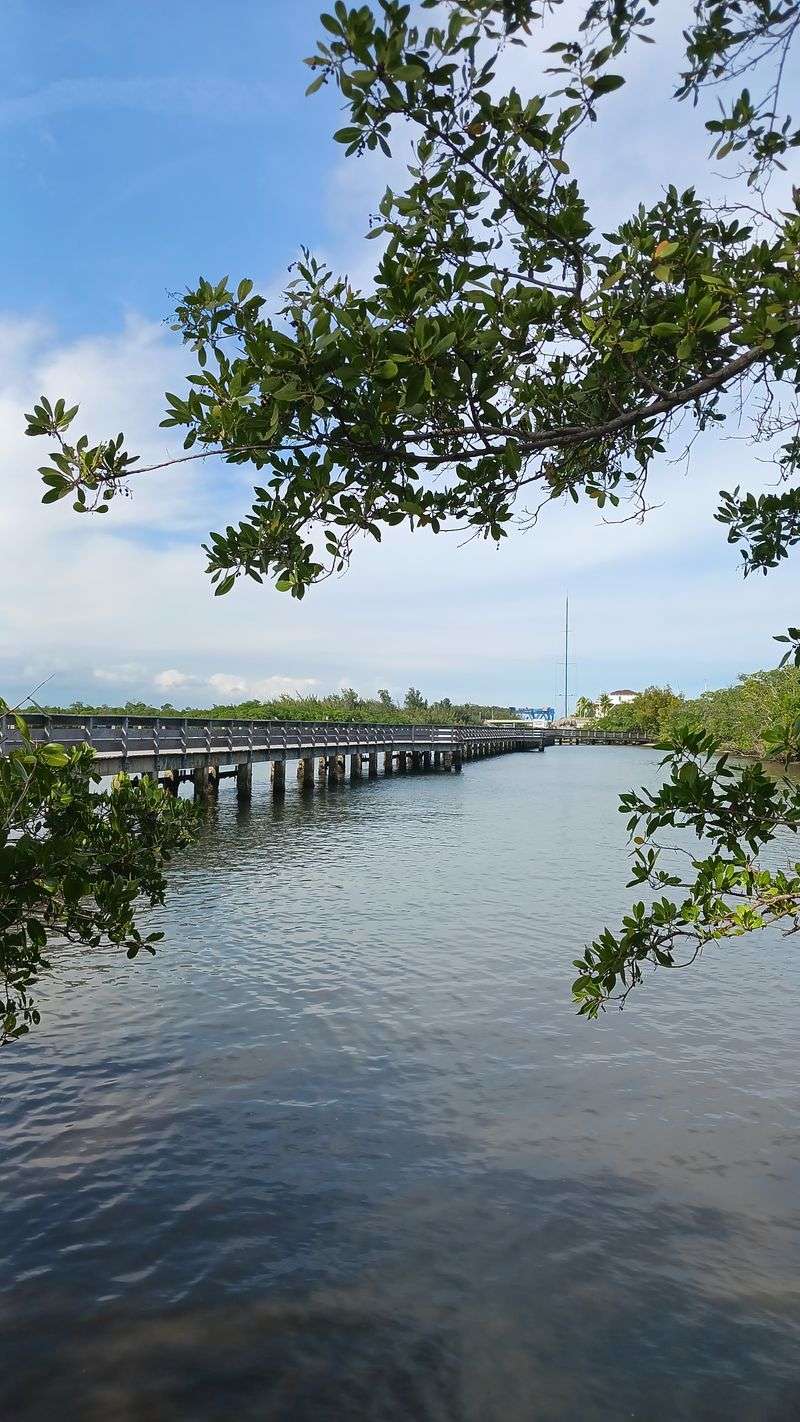
Fort Lauderdale earned its nickname “Venice of America” through an intricate system of canals and waterways that A1A runs alongside for miles. Mega-yachts worth millions float past waterfront mansions, creating a display of wealth and maritime engineering that fascinates even those who prefer simpler pleasures.
The contrast between the working-class roots and modern luxury defines this city’s character.
Beach access points appear frequently along Fort Lauderdale’s A1A stretch, each with its own personality. Some beaches attract families with calm waters and playground equipment, while others draw surfers seeking decent waves.
The consistency of the sand quality and water clarity makes choosing a bad beach virtually impossible in this area.
Las Olas Boulevard intersects with A1A, creating a hub of shopping, dining, and entertainment. Outdoor cafes serve everything from casual burgers to sophisticated international cuisine.
Street performers and musicians add atmosphere, especially during evening hours when temperatures cool and crowds gather to enjoy the Florida lifestyle.
Water taxis offer a unique perspective on Fort Lauderdale’s waterways, providing transportation that doubles as sightseeing. These boats connect various points along A1A and the Intracoastal, making car-free exploration surprisingly easy.
Watching the sunset from a water taxi while cruising past illuminated mansions creates memories that last long after your trip ends.
Hugh Taylor Birch State Park interrupts the urban landscape with 180 acres of coastal hammock and mangrove swamp. This oasis provides hiking trails, fishing spots, and picnic areas just minutes from busy A1A traffic.
The park demonstrates how Florida manages to preserve natural areas even within heavily developed regions.
Spring break brings college students by the thousands, transforming Fort Lauderdale’s beaches into party zones. While this seasonal influx changes the vibe considerably, visiting during other months reveals a more relaxed atmosphere.
Year-round residents and regular visitors often prefer the shoulder seasons when crowds thin but weather remains gorgeous. Fort Lauderdale’s section of A1A balances natural beauty with sophisticated urban amenities better than almost anywhere else on the coast.
Palm Beach’s Gilded Elegance
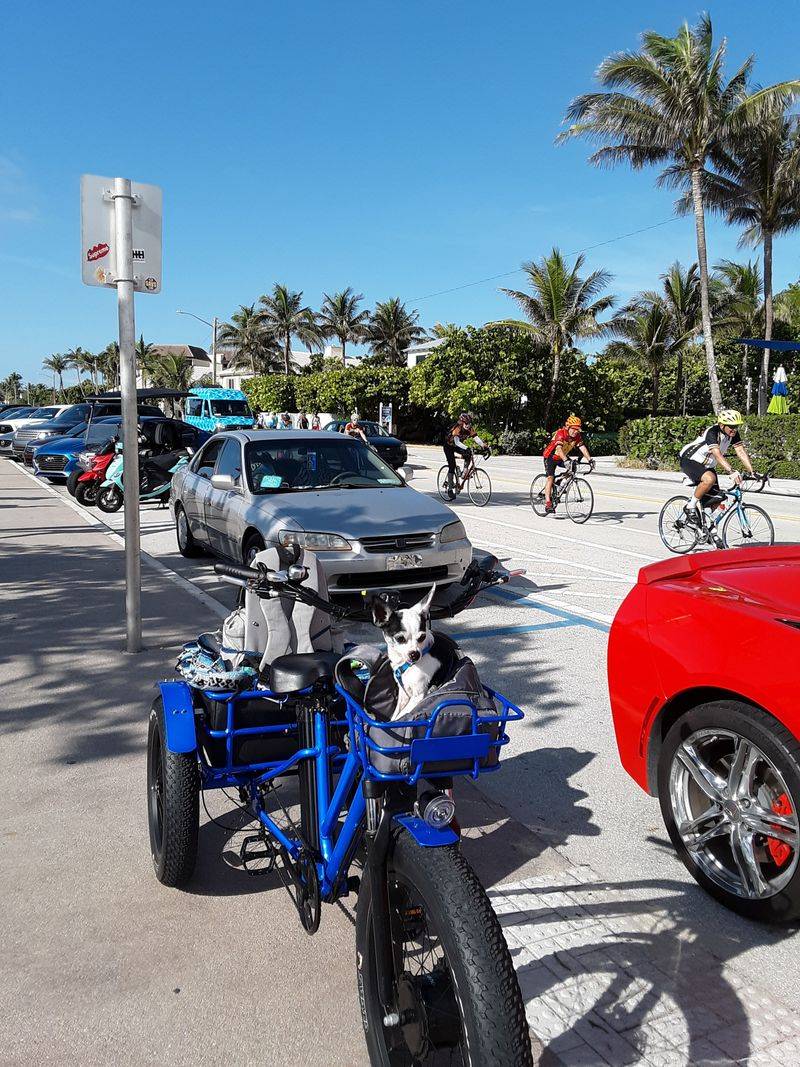
Palm Beach represents old money, carefully manicured landscapes, and architectural styles that transport visitors to Mediterranean villas. A1A through this barrier island community passes estates hidden behind perfectly trimmed hedges and gates that suggest secrets worth protecting.
The Breakers Hotel dominates the skyline, a Italian Renaissance palace that has hosted presidents and royalty since 1896.
Worth Avenue shopping rivals Rodeo Drive for luxury retail experiences. Designer boutiques from Chanel to Hermès line the street alongside local jewelers whose creations sparkle with precious stones.
Even window shopping here feels like an event, with displays that change seasonally and showcase craftsmanship at its finest.
The beaches in Palm Beach maintain pristine conditions through careful management and natural good fortune. White sand stretches for miles with minimal development blocking ocean views.
Public access points exist, though finding parking can challenge visitors during peak season when snowbirds flock south to escape northern winters.
Flagler Museum tells the story of Henry Flagler, the railroad magnate who essentially created modern Florida tourism. His former mansion, Whitehall, contains 75 rooms filled with Gilded Age treasures and offers tours that explain how one man’s vision transformed Florida’s east coast.
Understanding this history adds depth to your A1A journey and context for the development you see everywhere.
Bike trails run parallel to A1A through much of Palm Beach, offering an active way to explore without fighting traffic. Cycling past oceanfront estates while breathing salt air provides exercise with spectacular scenery.
Rental shops make getting equipped easy, and the flat terrain welcomes riders of all fitness levels.
Dining in Palm Beach ranges from white-tablecloth establishments requiring reservations weeks in advance to casual beachside grills serving burgers and beer. Fresh seafood dominates menus, prepared in styles ranging from classic Florida preparations to innovative fusion creations.
The culinary scene reflects the community’s sophisticated tastes while maintaining the relaxed atmosphere that defines Florida coastal living. Palm Beach’s stretch of A1A showcases how natural beauty and human achievement can coexist when done with taste and resources.
Space Coast’s Cosmic Connection
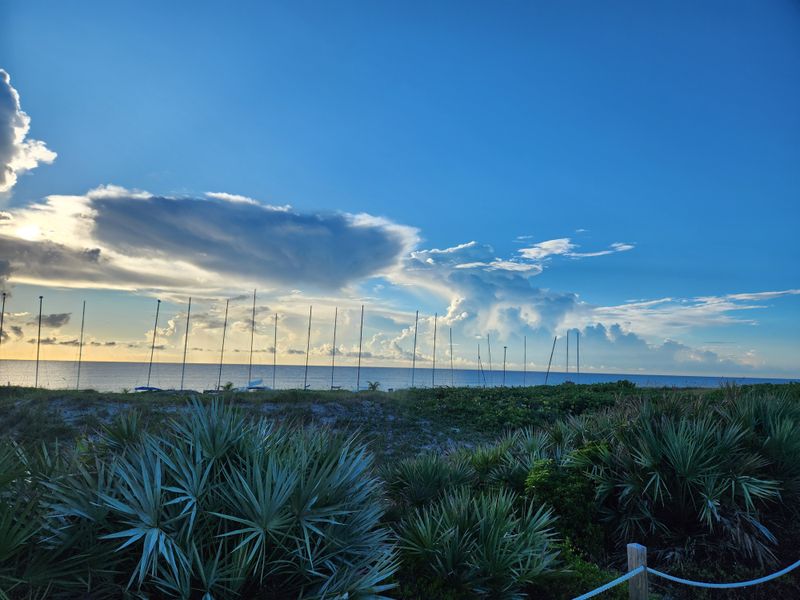
Kennedy Space Center dominates the Space Coast section of A1A, where rocket launches still occur regularly and space history comes alive. Watching a launch from nearby beaches creates an experience that combines raw power with human achievement in ways that leave spectators speechless.
The ground shakes, windows rattle, and flames shoot skyward as tons of metal and fuel defy gravity.
Cocoa Beach became famous through surfing culture and astronaut hangouts during the space race. Ron Jon Surf Shop, a massive retail temple to beach culture, stays open 24 hours and attracts visitors who may never touch a surfboard.
The town maintains a casual, slightly retro vibe that feels authentic rather than manufactured for tourists.
Wildlife refuges punctuate the developed areas along this section of A1A. Merritt Island National Wildlife Refuge provides habitat for endangered species including manatees, sea turtles, and countless bird species.
Driving the refuge roads offers chances to spot alligators sunning themselves and wading birds hunting for fish in shallow waters.
Canaveral National Seashore protects 24 miles of undeveloped beach, a rarity along Florida’s increasingly built-up Atlantic coast. These pristine shores look much as they did when Spanish explorers first arrived centuries ago.
Visiting this national seashore reminds travelers that not everything in Florida has been paved or developed.
Port Canaveral serves as a major cruise ship terminal, with massive vessels departing regularly for Caribbean adventures. Watching these floating cities navigate the port channel provides free entertainment.
Restaurants and shops near the port cater to cruise passengers but welcome day-trippers exploring A1A as well.
Fishing piers extend into the Atlantic at several points along the Space Coast section of A1A. These structures attract anglers targeting everything from small panfish to massive sharks and sailfish.
Even non-fishermen enjoy walking the piers for ocean views and chances to see what others catch. The Space Coast section of A1A uniquely combines cutting-edge technology with natural Florida beauty, creating contrasts that symbolize the state’s past, present, and future.
St. Augustine’s Historic Soul
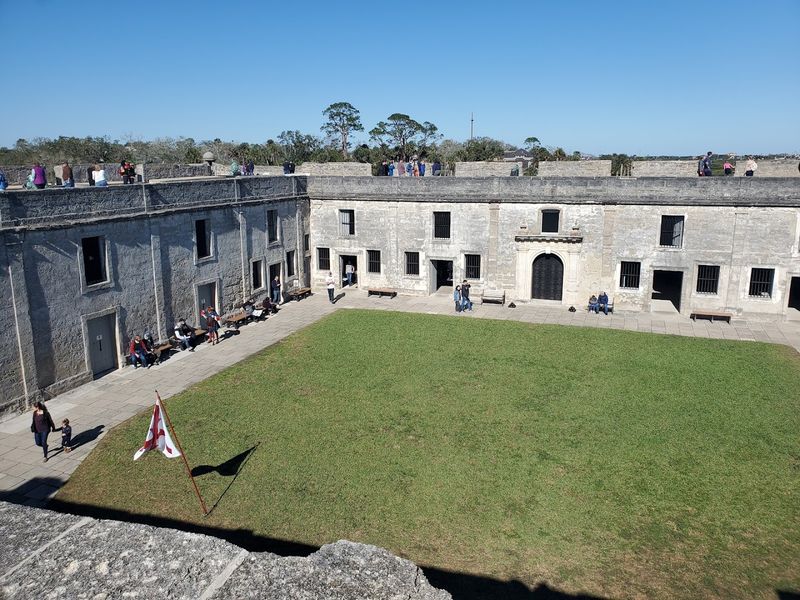
Founded in 1565, St. Augustine claims the title of America’s oldest continuously occupied European settlement. A1A runs through this living history museum where Spanish colonial architecture mixes with Victorian-era hotels and modern beach development.
Cobblestone streets and horse-drawn carriages transport visitors backward in time while modern amenities keep comfort levels high.
Castillo de San Marcos, a stone fortress built by the Spanish, still stands guard over Matanzas Bay. Walking through this military structure reveals centuries of conflict and strategy that shaped Florida’s development.
Cannon demonstrations occur regularly, bringing history to life with smoke and thunder that echo across the water.
Flagler College occupies the former Ponce de Leon Hotel, a stunning example of Spanish Renaissance architecture. The building’s rotunda, Tiffany stained glass, and ornate details make it one of America’s most beautiful college campuses.
Tours allow visitors to appreciate the craftsmanship and vision that created this masterpiece in the 1880s.
St. Augustine Beach provides a more relaxed atmosphere than the historic downtown area. Beach bars, surf shops, and casual restaurants create a laid-back vibe where flip-flops constitute formal wear.
The St. Augustine Beach Pier extends into the ocean, offering fishing opportunities and sunset viewing spots that attract photographers and romantics equally.
The historic district rewards exploration on foot, with narrow streets hiding courtyard restaurants, art galleries, and shops selling everything from tourist trinkets to genuine antiques. Ghost tours operate nightly, sharing stories of the city’s haunted past with theatrical guides who know how to spin a spooky tale.
Whether you believe in spirits or not, these tours entertain while teaching local history.
Alligator Farm Zoological Park has operated since 1893, making it one of Florida’s oldest continuously running attractions. Beyond alligators, the facility houses exotic birds, reptiles, and mammals from around the world.
A zip line course over alligator habitats provides thrills for adventure seekers. St. Augustine’s section of A1A offers the deepest historical context of any portion of this legendary highway, proving that Florida’s story extends far beyond modern beach resorts and theme parks.
Amelia Island’s Northern Finale
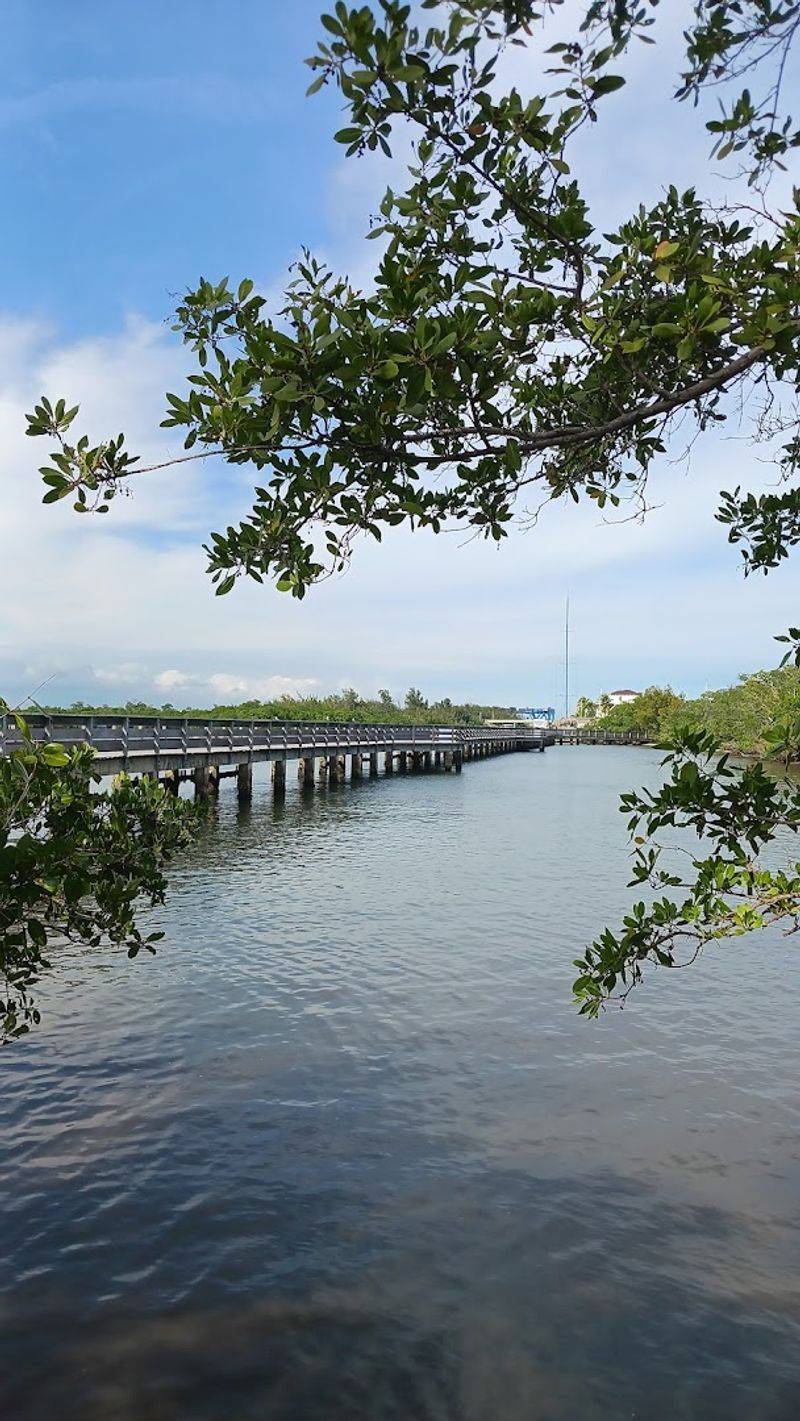
Amelia Island marks the northern terminus of A1A’s Florida journey, where the highway approaches the Georgia border near Fernandina Beach. This barrier island maintains a quieter, more refined atmosphere than many of Florida’s busier coastal destinations.
Victorian-era buildings in downtown Fernandina Beach house boutiques, galleries, and restaurants that feel more New England than Deep South.
Fort Clinch State Park occupies the island’s northern tip, featuring a well-preserved Civil War-era fort. Costumed interpreters recreate military life from the 1860s, demonstrating how soldiers lived and worked in this coastal fortification.
The park also offers beaches, fishing spots, and hiking trails through maritime forests that showcase native Florida ecosystems.
Amelia Island’s beaches rank among Florida’s finest, with wide expanses of firm sand perfect for walking, jogging, or horseback riding. Several companies offer guided horseback rides along the shore during low tide, creating romantic experiences that look like movie scenes.
The relative lack of high-rise development means beach views remain largely unobstructed by concrete towers.
The Fernandina Beach Historic District features fifty blocks of Victorian architecture dating from the late 1800s. Walking these streets reveals gingerbread trim, wraparound porches, and color schemes that showcase the era’s optimistic spirit.
Many historic homes now operate as bed-and-breakfasts, offering accommodations with more character than standard hotels.
Shrimping remains an active industry on Amelia Island, with boats departing daily from local docks. Waterfront restaurants serve the freshest possible seafood, often featuring shrimp caught that same morning.
Watching shrimp boats work the waters at sunrise or sunset provides glimpses into Florida’s working maritime heritage that tourism often overshadows.
Golf courses designed by famous architects dot Amelia Island, attracting players who appreciate challenging layouts with ocean views. The Ritz-Carlton resort anchors the island’s luxury accommodations, but smaller inns and rental homes provide options for various budgets.
As A1A’s northern endpoint, Amelia Island offers a fitting conclusion to this epic coastal journey, combining natural beauty with historic charm and modern amenities that represent the best of Florida’s Atlantic coast experience.