12 Florida Day Trips That Feel Like Mini Vacations
Sometimes you need a break but don’t have time for a full vacation. Florida is packed with places where a single day can feel like you’ve escaped to another world. From natural springs where manatees swim to quirky island towns and historic streets lined with centuries-old buildings, these destinations offer the perfect reset without requiring a hotel reservation or time off work.
1. Wekiwa Springs State Park (Apopka)
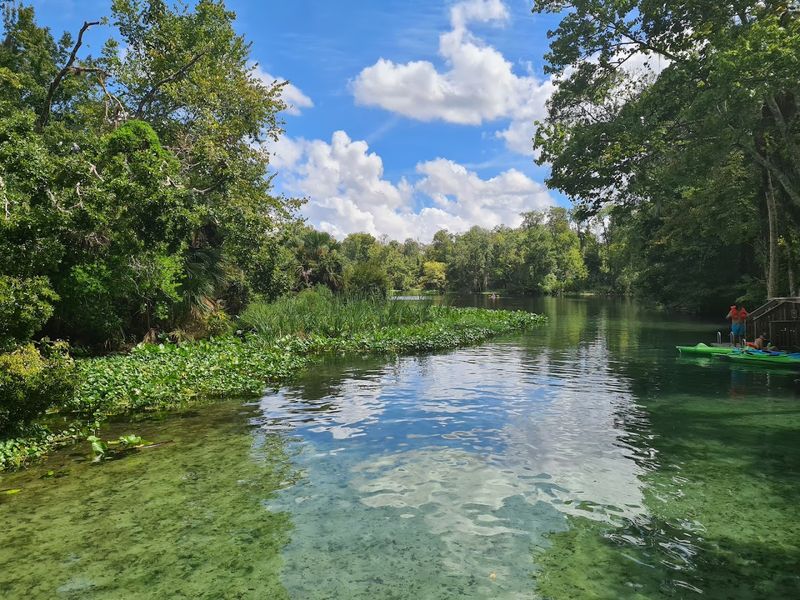
Wekiwa Springs pumps out 42 million gallons of crystal-clear water every single day, creating a year-round 72-degree swimming hole that feels like nature’s own infinity pool. The spring run stretches for miles through dense hardwood forest, and paddling it in a kayak or canoe makes you feel like you’ve time-traveled to old Florida.
Families spread out on the grassy areas near the spring head, kids splash in the shallow sections, and everyone marvels at how you can see straight to the sandy bottom even in the deepest parts. Hikers love the 13-mile trail system that winds through sand pine scrub and river swamps where you might spot deer, turkeys, or even a black bear if you’re lucky.
Pack a cooler because there are shaded picnic pavilions perfect for lunch after a morning swim. Rent tubes or bring your own and float lazily down the spring run, watching fish dart beneath you and turtles sunbathe on logs.
The park gets busy on weekends, so arriving early scores you better parking and a primo spot on the spring bank. It’s only 20 minutes from Orlando but feels like a different planet—no theme parks, no crowds, just pure Florida wilderness and water so clear it doesn’t seem real.
2. Mount Dora Historic District (Mount Dora)
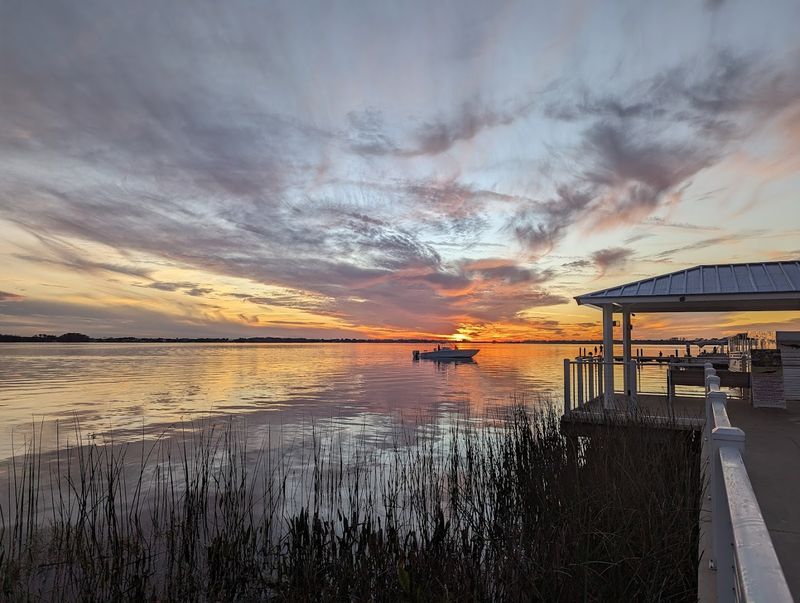
Mount Dora sits on a hill—yes, an actual hill in Florida—overlooking Lake Dora, and its downtown feels like it was plucked from a New England postcard and dropped into Central Florida. The historic district spans several walkable blocks packed with antique stores, art galleries, and locally owned cafes where you can actually sit and linger without feeling rushed.
Start at Donnelly Park by the lakefront, where massive live oaks drape Spanish moss over the waterfront and ducks waddle around looking for handouts. The downtown shops range from serious antique dealers with museum-quality furniture to quirky vintage spots selling everything from old postcards to mid-century lamps.
Coffee shops and bakeries dot almost every corner, and the restaurants lean heavily toward comfort food with a side of small-town hospitality. You’ll find everything from farm-to-table bistros to classic diners that haven’t changed their menu in decades.
Mount Dora hosts festivals nearly every month, but even on regular days the town buzzes with a relaxed energy that makes you want to slow down and browse. Climb the old lighthouse replica for lake views, poke through bookstores with creaky wooden floors, or grab ice cream and people-watch from a bench.
The whole experience feels refreshingly unhurried, like stepping back to when downtowns were actual gathering places instead of just shopping centers.
3. Cedar Key (Cedar Key)
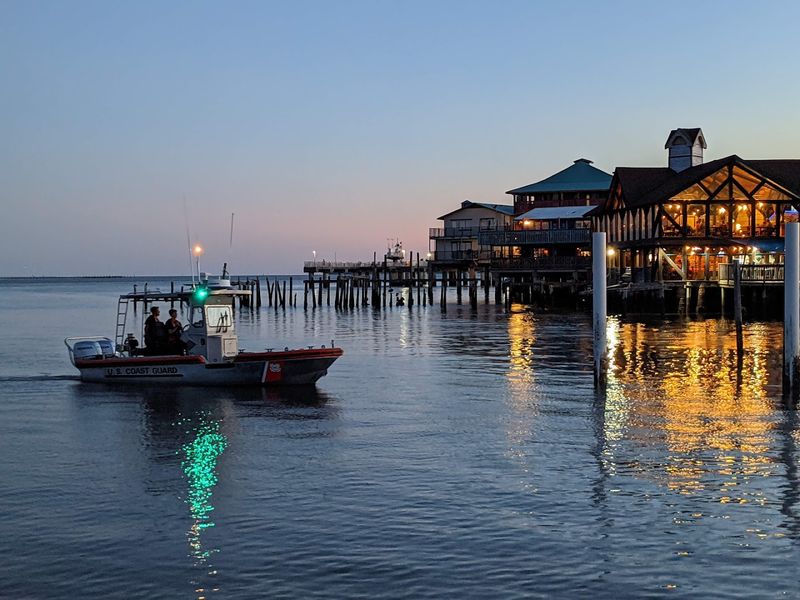
Cedar Key dangles off Florida’s Gulf Coast like a comma at the end of a long sentence, connected to the mainland by a single road that crosses salt marshes and feels like a bridge to another era. This fishing village operates on island time, where the biggest decision you’ll make is whether to eat oysters or clams for lunch.
The downtown strip stretches maybe three blocks along the waterfront, lined with seafood shacks, artist studios, and shops selling handmade soaps and local honey. Weathered docks jut into the bay where fishing boats bob and pelicans perch on pilings, eyeing anyone cleaning fish.
Rent a kayak and paddle through the maze of mangrove islands that surround the town, or just claim a spot at one of the waterfront restaurants and watch the sun melt into the Gulf while eating the freshest seafood you’ve ever tasted. The clam chowder here is legendary, and the stone crab claws when in season are worth the drive alone.
Cedar Key attracts artists and writers who appreciate its slightly ramshackle charm and complete lack of chain stores or tourist traps. Walk the nature trail on Snake Key, browse galleries featuring local painters and sculptors, or simply sit on a dock and do absolutely nothing.
Cell service can be spotty, which somehow adds to the appeal—you’re forced to disconnect and just be present in this salty, sun-bleached corner of old Florida.
4. St. Augustine Historic District (St. Augustine)
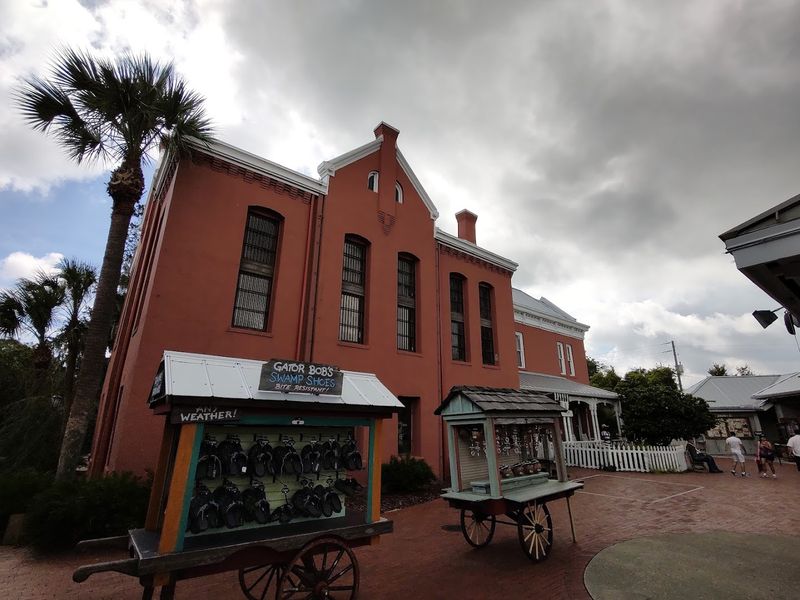
Walking through St. Augustine’s historic district is like flipping through a living history book where every chapter reveals a different era. Founded in 1565, this is the oldest continuously occupied European settlement in the continental United States, and the architecture proves it—coquina stone buildings, narrow brick lanes, and centuries-old churches create an atmosphere no theme park could ever replicate.
Start on St. George Street, the pedestrian-only thoroughfare lined with shops, restaurants, and historical sites where you can watch blacksmiths hammer iron or tour the oldest wooden schoolhouse in America. The Castillo de San Marcos, a massive Spanish fort built from coquina shells, sits at the waterfront and offers incredible views of the Matanzas Bay after you explore its dark gunpowder rooms and climb its ramparts.
Flagler College’s campus showcases stunning Spanish Renaissance architecture, and even if you’re not touring officially, you can admire the exterior and peek into the courtyard. Side streets reveal hidden courtyards, tiny museums, and cafes tucked into buildings that predate the American Revolution.
The restaurant scene mixes historic taverns serving colonial-inspired dishes with modern eateries offering fresh seafood and craft cocktails. Ghost tours run nightly if you’re into that, but honestly, just wandering the lamplit streets after dark creates its own eerie magic.
Plan at least four to five hours to properly explore, though you could easily fill an entire day and still not see everything. Parking can be tricky, so arrive early or use one of the trolley services that loop through the historic area.
5. Rainbow Springs State Park (Dunnellon)
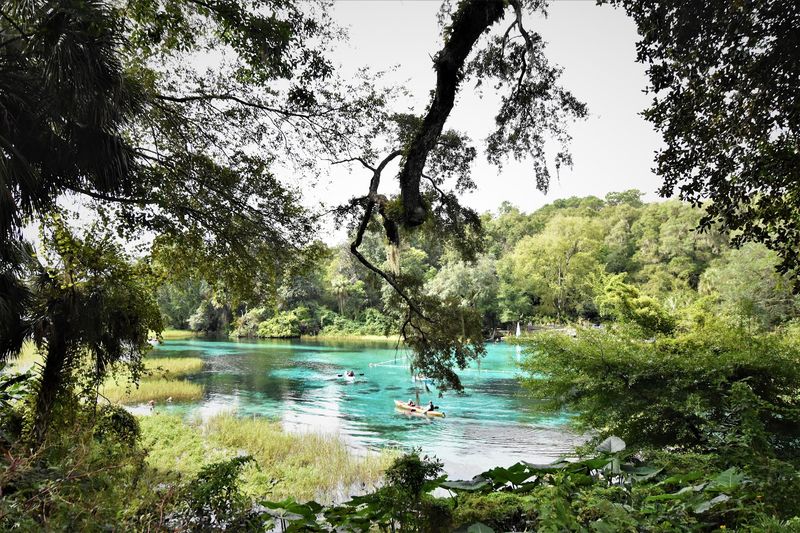
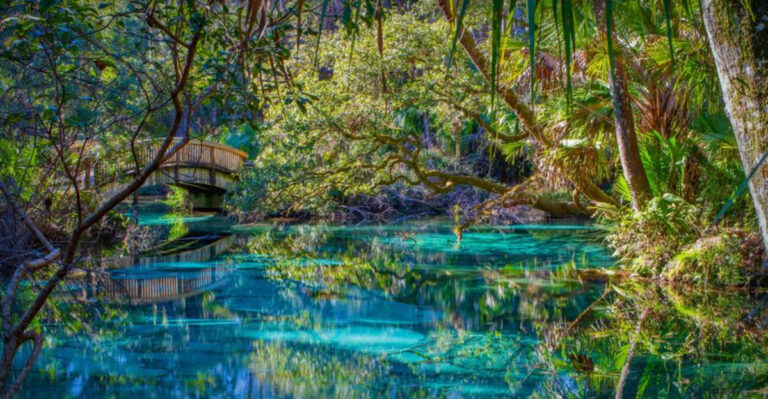
Rainbow Springs earned its name honestly—the water glows with such an intense turquoise color that first-time visitors often stop mid-step and just stare. This is one of Florida’s largest springs, pumping out nearly 500 million gallons daily of perfectly clear 72-degree water that creates a river so vivid it looks Photoshopped.
The main swimming area features a long, sandy-bottomed spring run perfect for wading, floating, or just cooling off on hot days. Families camp out under the massive live oaks that shade the picnic areas, while kids splash in the shallow sections where you can see every pebble on the bottom.
Tubing the Rainbow River is the main attraction for many visitors—you can launch from the park or from private outfitters upstream and float for hours through jungle-like scenery. Underwater, the spring vents create dancing patterns of sand, and if you bring a snorkel, you’ll spot fish, turtles, and the occasional eel.
The park also includes hiking trails through hardwood hammocks and along the riverbank, plus the ruins of an old resort from the 1930s that add a mysterious, forgotten vibe to your exploration. Gardens near the headspring showcase native plants and butterflies, creating perfect photo opportunities.
Weekends and holidays pack the park quickly, so weekday visits offer a more peaceful experience. Either way, the water’s clarity and color make this one of Florida’s most visually stunning natural areas—every photo looks like a postcard without any filters needed.
6. Pass-a-Grille Beach (St. Pete Beach)
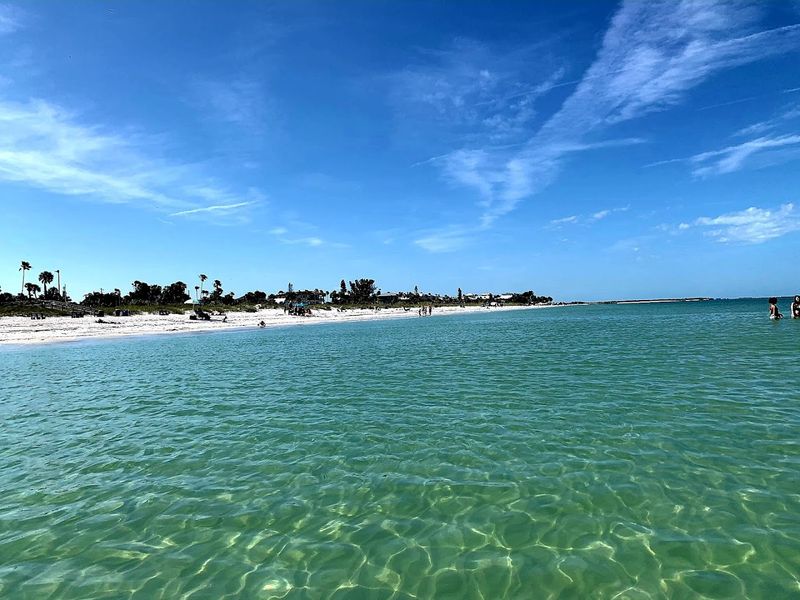
Pass-a-Grille occupies the southern tip of St. Pete Beach, and unlike its more developed neighbors, this little beach community has stubbornly refused to go high-rise. The vibe here is pure old Florida beach town—pastel cottages, mom-and-pop shops, and a beach so wide and white you could land a small plane on it.
Eighth Avenue serves as the main drag, lined with casual restaurants, ice cream shops, and beach stores that sell actual useful stuff instead of cheap souvenirs. Park anywhere you can find a spot (free street parking if you’re lucky) and walk the few blocks to the beach, where the Gulf of Mexico spreads out in shades of blue and green.
The beach itself stays relatively uncrowded even on busy days because there’s so much space. Families set up camp with umbrellas and coolers, couples walk the shoreline hunting for shells, and pelicans dive-bomb for fish just offshore. The southern end near the pass offers the best shelling, especially after storms stir things up.
Hurricane Seafood Restaurant sits right on the pass with outdoor seating where you can watch boats navigate the channel while eating grouper sandwiches and drinking cold beer. The sunsets here are ridiculous—the kind that make you stop talking mid-sentence and just watch.
There’s no boardwalk, no arcades, no beach clubs blasting music. Just sand, water, and a laid-back neighborhood that remembers when Florida beaches were about relaxation instead of entertainment. It’s refreshingly simple and absolutely perfect for a day of doing very little.
7. Blue Spring State Park (Orange City)
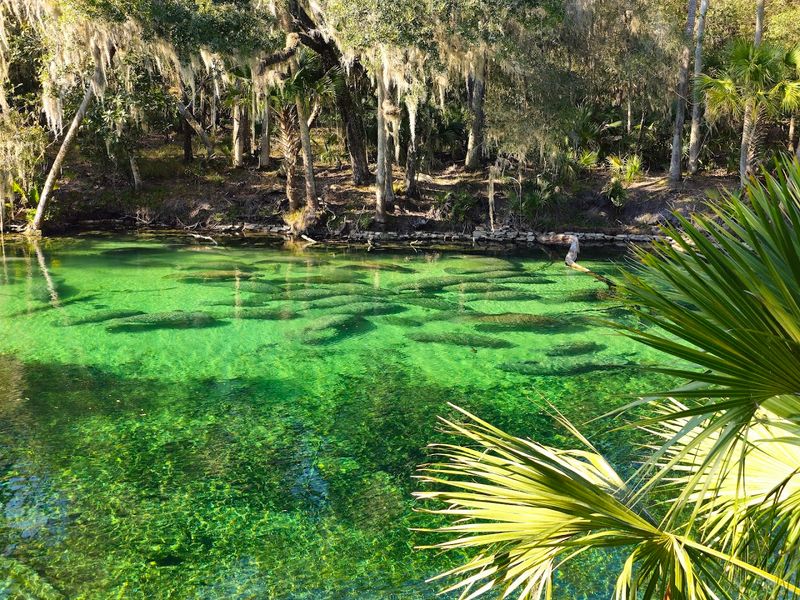
Between November and March, Blue Spring becomes Florida’s most important manatee sanctuary, with hundreds of these gentle giants crowding into the 72-degree spring water to escape the cold St. Johns River. Watching them from the boardwalk that runs along the spring is like having a front-row seat to a slow-motion underwater ballet performed by potato-shaped mammals.
The spring itself is stunning year-round—a deep blue pool that flows into a crystal-clear run where you can see every fish, every plant, every grain of sand on the bottom. During summer when manatees head back to the river, swimming and snorkeling are allowed, and floating through that impossibly clear water feels surreal.
A wooden boardwalk follows the spring run for half a mile, offering perfect viewing spots and interpretive signs explaining the ecosystem. Early morning visits during manatee season offer the best viewing—the manatees are most active, the light is gorgeous, and you’ll beat the crowds.
The park also features several hiking trails through pine flatwoods and along the river, plus picnic areas shaded by ancient oaks. Rent a canoe or kayak and paddle the St. Johns River, one of the few rivers in North America that flows north, watching for alligators, birds, and more manatees.
There’s something magical about seeing wild manatees in their natural habitat rather than in an aquarium. They surface to breathe with loud whooshes, mothers nurse calves in the shallows, and occasionally one will roll over and scratch its back on the sandy bottom, completely unbothered by the humans watching from above.
8. Bok Tower Gardens (Lake Wales)
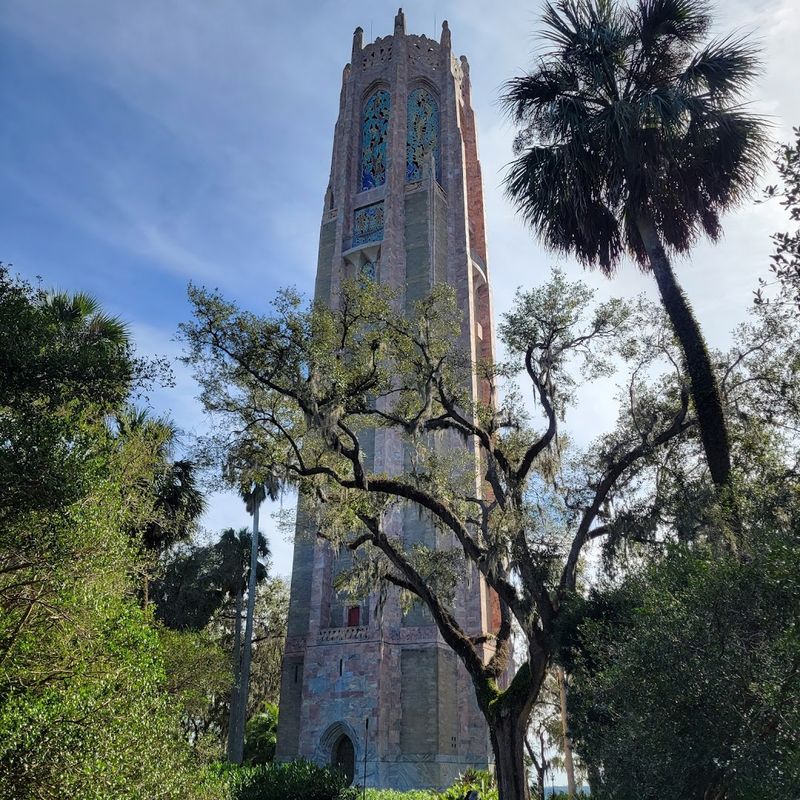
Bok Tower Gardens sits atop Iron Mountain, which at 298 feet is one of Florida’s highest points—not exactly mountain-like by most standards, but the elevation creates microclimates that allow plants from different regions to thrive. The centerpiece is a 205-foot Gothic Revival tower housing a carillon with 60 bronze bells that ring out concerts daily, filling the gardens with music that echoes through the oak canopy.
Edward Bok created this National Historic Landmark in the 1920s as a gift to the American people, and the gardens maintain that spirit of peaceful contemplation. Winding paths lead through different garden rooms—azaleas, camellias, ferns, palms—each designed to create its own mood and showcase different plant collections.
The reflecting pool in front of the tower creates perfect mirror images on calm days, and the surrounding lawn invites picnicking and lounging under massive live oaks. A nature preserve with additional trails surrounds the formal gardens, offering a wilder experience through pine forests and wetlands where you might spot wild turkeys, armadillos, or various birds.
The on-site Pinewood Estate, a 20-room Mediterranean Revival mansion, offers tours that showcase 1930s Florida luxury and architecture. The visitor center includes a cafe serving lunch and the gift shop stocks garden-related items and local products.
Time your visit around one of the daily carillon concerts (check the schedule) and find a spot on the lawn to listen—the music floating through the gardens creates an almost meditative atmosphere. This isn’t a place to rush through; it’s designed for slow wandering and quiet reflection, making it the perfect antidote to Florida’s usual high-energy attractions.
9. Anna Maria Island (Anna Maria)
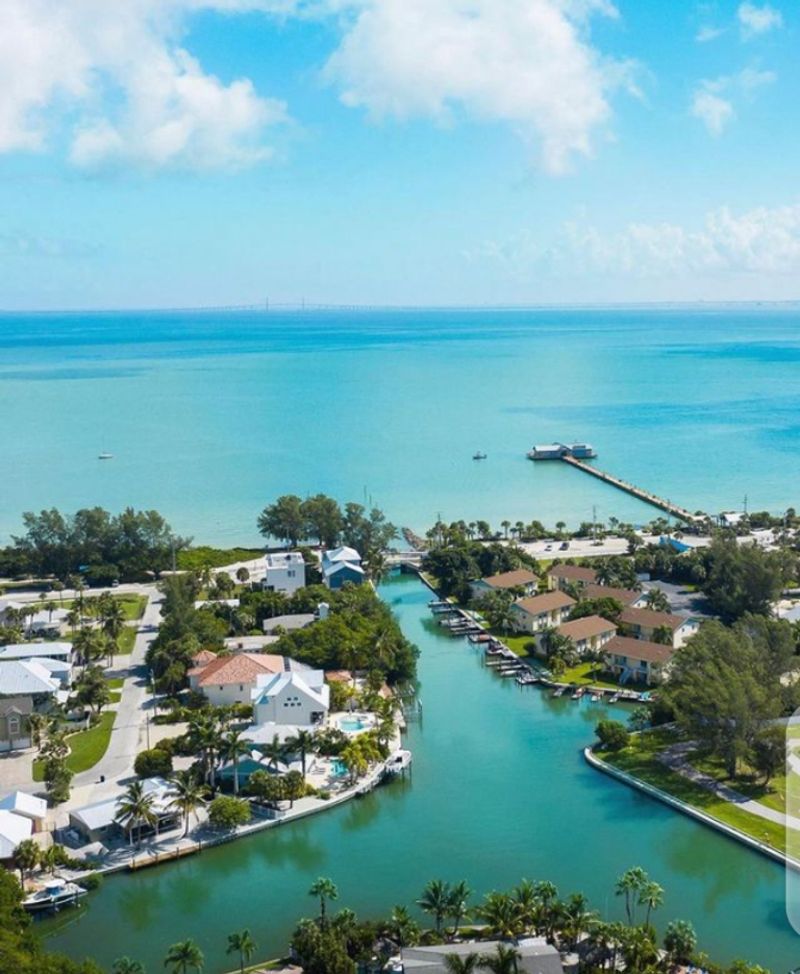
Anna Maria Island manages to feel like a secret even though it’s not—this seven-mile barrier island on Florida’s Gulf Coast has somehow maintained its Old Florida charm despite being surrounded by development. No high-rises block the view, no chain restaurants dominate the dining scene, and golf carts outnumber cars in many neighborhoods.
The island actually includes three small towns—Anna Maria, Holmes Beach, and Bradenton Beach—each with its own personality but all sharing the same laid-back, beach-town vibe. Pine Avenue in Anna Maria features colorful shops, cafes, and restaurants within easy walking distance of the beach, while the historic Bridge Street pier in Bradenton Beach offers free fishing and stunning sunset views.
Beaches here are wide, white, and perfect for shelling, with calm Gulf waters that stay warm most of the year. Rent bikes or a golf cart and cruise the island, stopping at beach accesses, waterfront restaurants, or the quirky shops selling everything from handmade jewelry to vintage surfboards.
The food scene punches above its weight for such a small island—fresh seafood dominates, but you’ll also find excellent breakfast spots, beachfront bars, and farm-to-table restaurants. The Sandbar Restaurant sits right on the beach with outdoor seating where you can dig your toes in the sand while eating grouper tacos.
There’s no boardwalk entertainment or beach clubs here—just pure beach-town simplicity. Families return year after year, often renting the same cottage, because Anna Maria represents what Florida beaches used to be before they got overdeveloped. A day trip gives you a taste, but fair warning: you’ll probably start planning a longer stay before you even leave.
10. Tarpon Springs Sponge Docks (Tarpon Springs)
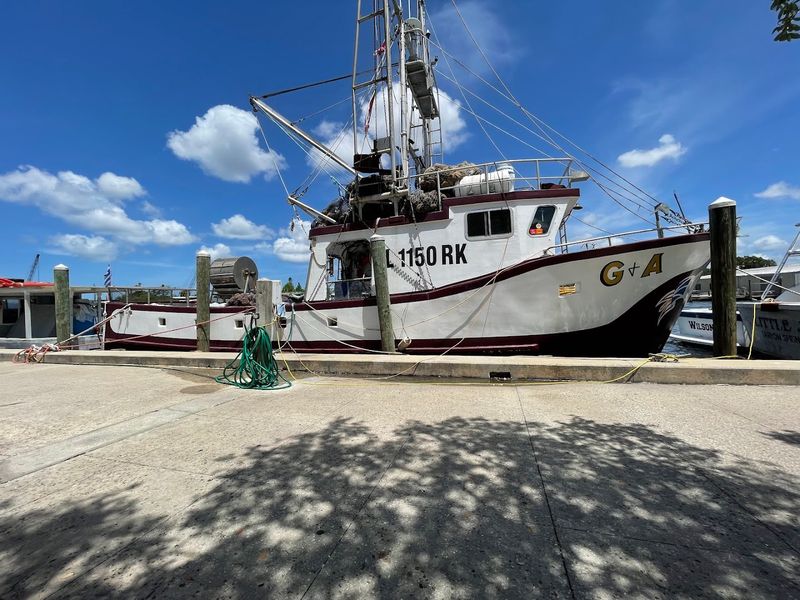
Tarpon Springs claims the highest percentage of Greek Americans of any U.S. city, and nowhere is that heritage more visible than at the Sponge Docks. This working waterfront district still harvests natural sponges the way Greek immigrants did when they arrived in the early 1900s, and the whole area smells like salt water, grilled octopus, and adventure.
Sponge boats bob in the harbor while shops along Dodecanese Boulevard sell every type of natural sponge imaginable, from tiny face sponges to massive bath sponges that look like they came from a cartoon. Demonstrations show how sponges are harvested and processed, and you can watch sponge divers suit up in old-fashioned diving gear for tourist shows that are genuinely interesting.
The Greek restaurants here serve some of the most authentic Greek food in Florida—saganaki flamed tableside, tender lamb, fresh calamari, and baklava dripping with honey. Hellas Restaurant and Bakery has been family-owned for decades, and the pastry case alone is worth the trip.
Beyond the main dock area, the historic downtown features more restaurants, shops, and the St. Nicholas Greek Orthodox Cathedral with its stunning Byzantine architecture and beautiful interior. Take a boat tour through the bayous and canals that surround the town, watching for dolphins and manatees while learning about the sponge industry’s history.
The whole experience feels wonderfully specific and authentic—this isn’t a recreated theme park version of Greek culture, but a real working community that’s maintained its traditions while welcoming visitors. Come hungry, leave with a bag of sponges and a belly full of spanakopita, and marvel at this unexpected pocket of Greece on Florida’s Gulf Coast.
11. Silver Springs State Park (Ocala)
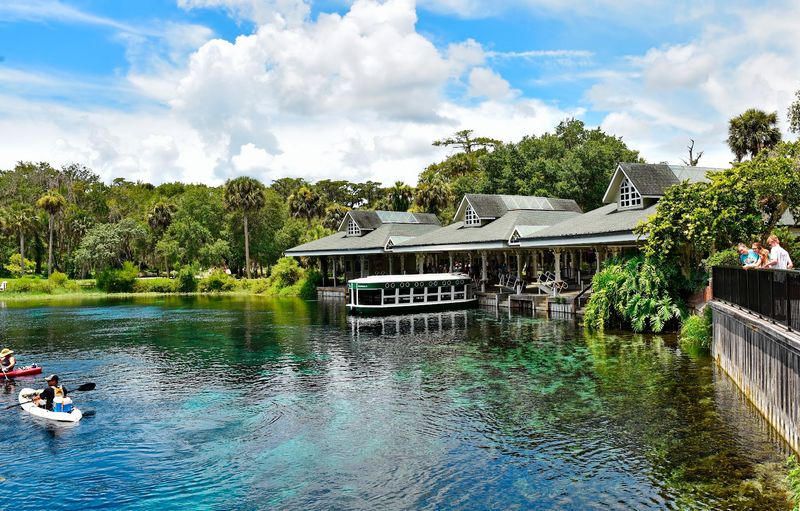
Silver Springs has been attracting visitors since the 1800s, and the glass-bottom boat tours that made it famous still run today, now operated by the state park. Floating above the spring vents while looking through the glass floor at the underwater world below feels like hovering over an aquarium—you’ll see fish, turtles, and the spring boils that pump out 550 million gallons of clear water daily.
The Silver River flows from the springs through a jungled corridor that feels prehistoric, with massive cypress trees draped in Spanish moss and alligators sunning on every available log. Kayaking or canoeing the river is like paddling through a nature documentary, and the water stays so clear you can see bass swimming beneath your boat.
Several hiking trails wind through different ecosystems—river swamps, sandhills, and hardwood forests where white-tailed deer are common sightings. The park also includes a museum showcasing Silver Springs’ history as one of Florida’s original tourist attractions, with vintage photos of Tarzan movies filmed here and glass-bottom boats from decades past.
Pack a picnic because the riverside spots under the oaks are perfect for lunch, and you’ll probably spot wildlife while you eat. The park gets busy on weekends, especially when the glass-bottom boats fill up, so arriving early or visiting on weekdays offers a more relaxed experience.
What makes Silver Springs special is that it’s been a protected natural area for so long—there’s no development crowding the springs, no hotels blocking the view, just pure Florida wilderness and water so clear it seems impossible. It’s a glimpse of what much of Florida looked like before the bulldozers arrived, preserved for everyone to enjoy.
12. Matlacha (Matlacha)
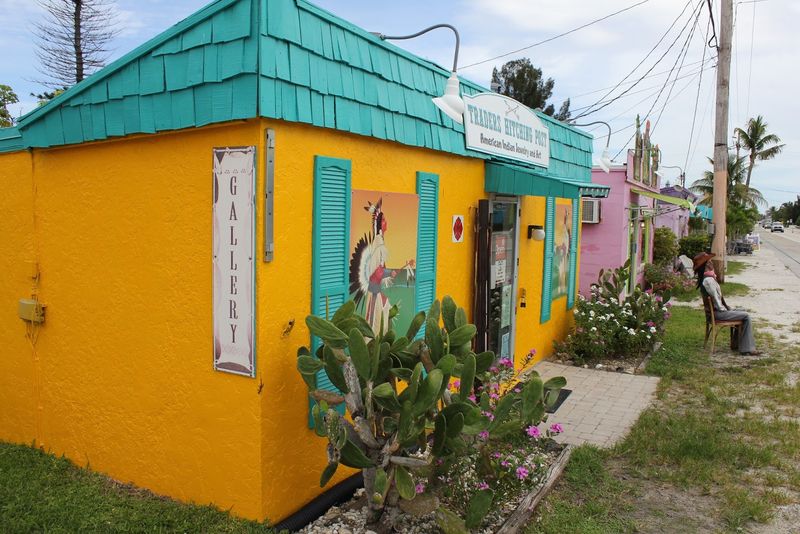
Matlacha is pronounced MAT-luh-shay, and if you can get past that tongue-twister, you’re in for one of Florida’s most colorful surprises. This tiny fishing village sits on a narrow island connected to the mainland and Pine Island by a single bridge, and every building seems to have been painted by someone who discovered a clearance sale on neon paint.
Art galleries, fish shacks, and quirky shops line the main road, each one more vibrantly colored than the last—hot pink next to lime green next to electric blue, all weathered by salt air into a perfectly sun-bleached palette. Artists have colonized the town, turning old fishing cottages into studios where they paint tropical scenes, make jewelry from shells, or sculpt driftwood into fish.
Stop at one of the waterfront restaurants for fresh grouper or stone crab, and watch pelicans dive for fish while you eat. The fishing is legendary here—both from shore and from the many guides who’ll take you into the backcountry for snook, redfish, and tarpon. Even if you don’t fish, just walking the village and browsing the galleries makes for a fun few hours.
There’s no beach, no resort, nothing polished or planned about Matlacha. It’s authentically funky and unapologetically weird, the kind of place where a building might be a gallery, a tackle shop, and someone’s home all at once. The whole village is maybe a mile long, so you can park once and walk everywhere.
Matlacha represents Old Florida at its most eccentric—a working fishing village that embraced its artsy side without losing its salty soul. It’s proof that Florida’s most interesting places are often the smallest and least discovered.