This Secret Florida Island Is So Hidden, You Can Bike There Or Take A Tiny Train
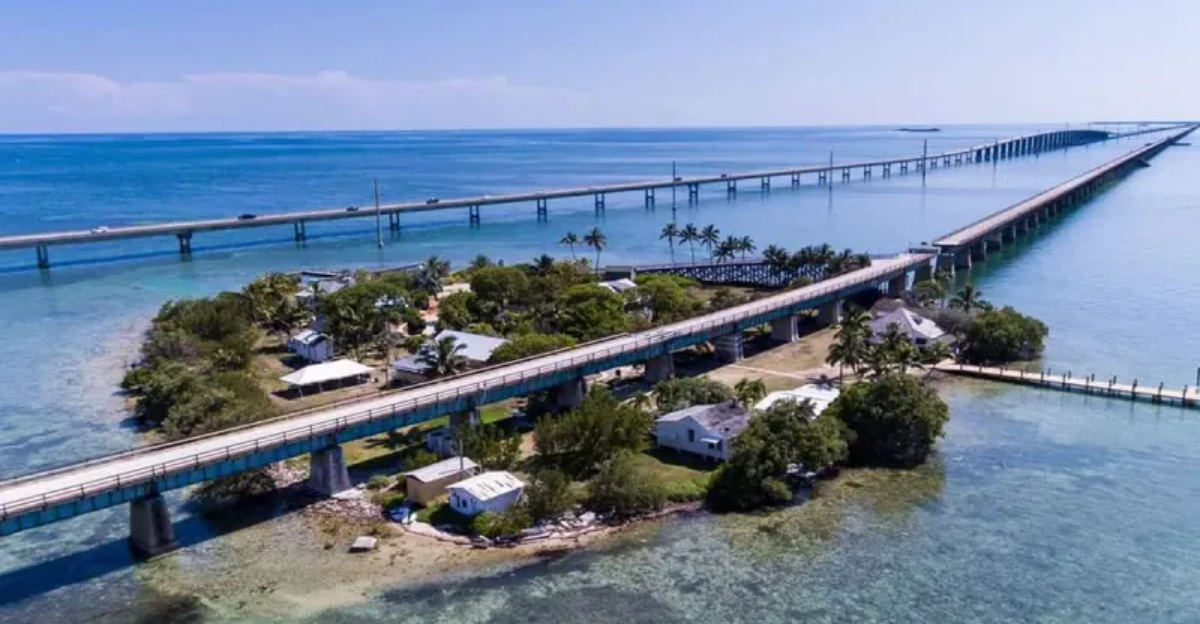
Tucked beneath the Old Seven Mile Bridge in the heart of the Florida Keys sits a five-acre treasure that most travelers zoom right past without ever knowing it exists. Pigeon Key is one of those rare places where history, nature, and adventure come together in the most unexpected way. You won’t find it on your typical tourist map, but once you discover how to get there—whether pedaling across an old bridge or hopping on a charming little train—you’ll wonder why you waited so long to visit.
1. A Tiny Island With A Giant Story
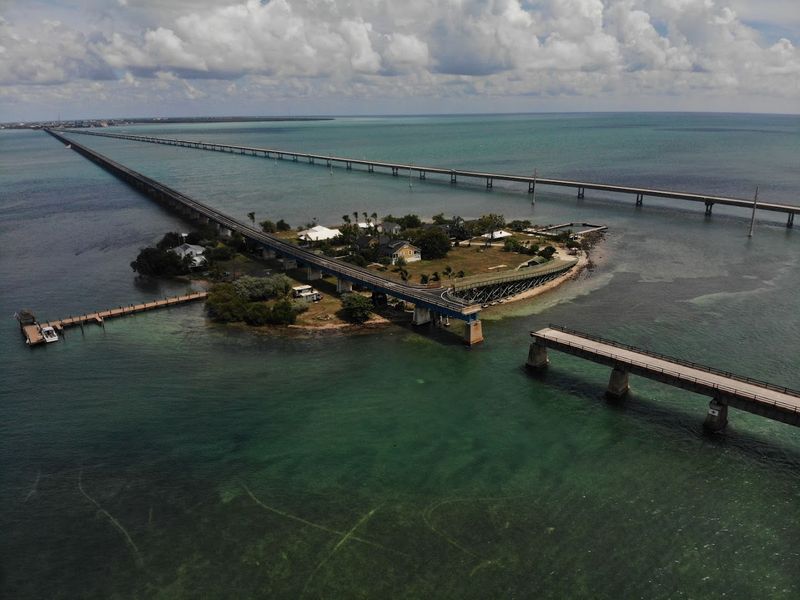
Most people drive over the modern Seven Mile Bridge without realizing there’s a slice of history floating just below. Pigeon Key served as the main work camp during the construction of Henry Flagler’s Overseas Railway between 1906 and 1912. Over 400 workers crammed onto this tiny island, enduring brutal heat, relentless mosquitoes, and devastating hurricanes to build what was considered the Eighth Wonder of the World at the time.
Today, eight historic buildings remain standing, each one whispering stories of sweat, determination, and engineering genius. One structure has been converted into a museum filled with photographs, artifacts, and dioramas that bring the railroad era back to life. Walking through these weathered buildings feels like stepping into a time capsule where you can almost hear the hammers ringing and smell the salt air that those workers breathed over a century ago.
The Pigeon Key Foundation now operates the island as a nonprofit educational site. Their passionate guides—many of them volunteers—share fascinating details about everything from construction techniques to the daily struggles of island life. Whether you’re a history buff or just curious about Florida’s past, this little island packs more stories per square foot than almost anywhere else in the Keys.
2. Getting There Is Half The Adventure
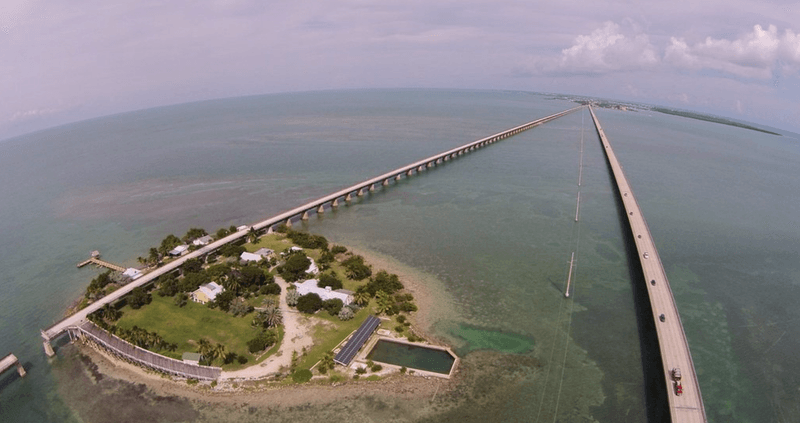
Reaching Pigeon Key isn’t your typical point-and-click GPS situation. The island sits about two miles out on the Old Seven Mile Bridge, accessible only by foot, bicycle, or a quirky little tram that locals affectionately call the train. This journey across the bridge is an experience all by itself, with endless turquoise water stretching out on both sides and pelicans gliding overhead.
The tram runs on a schedule throughout the day, departing from a parking area about a quarter-mile from the bridge entrance. Tickets sell out quickly, especially during peak season, so booking online ahead of time is basically mandatory if you want to ride. The tram ride takes about fifteen minutes and offers incredible photo opportunities as you roll across the historic bridge with the wind in your face and the Gulf of Mexico sparkling below.
If you prefer a more active approach, walking or biking the two miles is totally doable and gives you the freedom to stop whenever something catches your eye. Many visitors bring their own bikes or rent them in Marathon. The path is flat and well-maintained, making it perfect for families or anyone who wants to work up a little appetite before exploring the island.
3. Swimming And Snorkeling In Crystal Waters
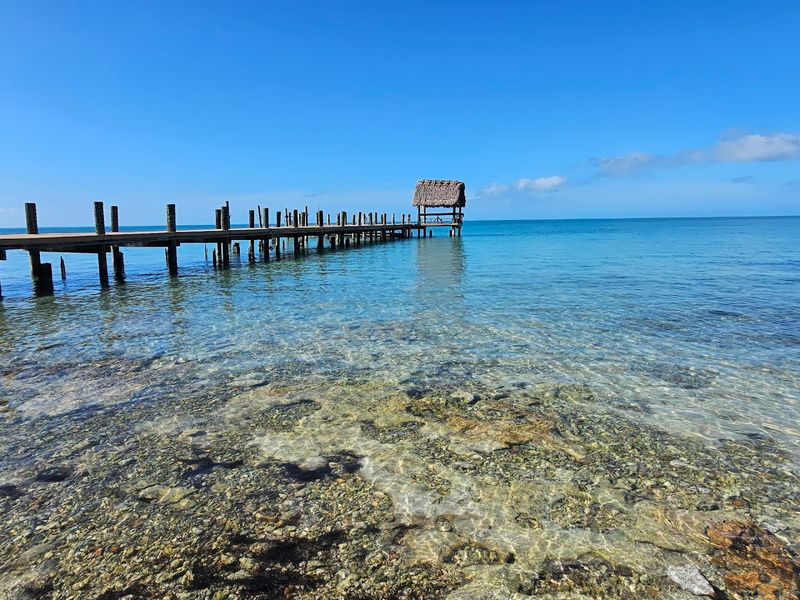
Once you’ve soaked up the history, it’s time to dive into the real reason many people keep coming back: the water. Pigeon Key is surrounded by some of the clearest, most inviting ocean you’ll find anywhere in the Keys. The visibility is often so good that you can spot fish, rays, and even small sharks right from the dock without getting wet.
There’s a small beach area perfect for wading and a designated swimming zone where the water stays relatively calm. Bring your snorkel gear because the marine life here is absolutely incredible. Visitors regularly spot colorful tropical fish, nurse sharks cruising the shallows, and massive tarpon hanging out near the pilings.
Water shoes are highly recommended since the bottom can be rocky in spots.
The island also features a unique rectangular pool area—originally built as a cistern for the railroad workers—that now serves as a natural aquarium. During the daily shark feeding at 3:30 PM, you can watch small hammerheads and other species gather for their afternoon snack. It’s a safe, educational experience that kids especially love.
Pack your lunch, claim a shady spot, and plan to spend several hours just enjoying the water and the peaceful island vibe.
4. Meet The Legendary Tour Guides
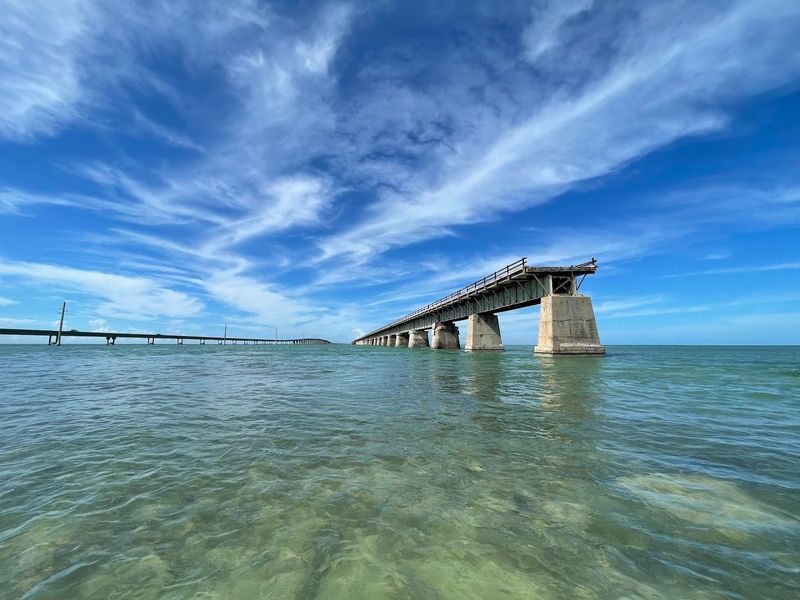
Ask anyone who’s visited Pigeon Key about their experience, and chances are they’ll immediately start talking about their tour guide. These aren’t your typical read-from-a-script operators—they’re passionate historians who genuinely love this island and everything it represents. Many reviewers specifically mention a guide named C.T., whose enthusiasm for Henry Flagler and the railroad’s history is downright contagious.
The guided tours typically last about an hour to an hour and fifteen minutes, covering the island’s buildings, construction history, and the incredible feat of engineering that connected the Keys to mainland Florida. These guides answer every question with detailed knowledge and often share personal stories that make the history feel immediate and real. Their passion transforms what could be a simple walk-around into an unforgettable educational experience.
Even if you’re not usually a fan of guided tours, this is one worth taking. The guides point out details you’d never notice on your own and explain the significance of structures that might otherwise seem like just old buildings. They’ll show you where workers slept, how they survived hurricanes, and what daily life looked like on this isolated speck of land.
Plus, these tours are included in your admission fee, so there’s really no reason to skip them.
5. Plan Ahead Or Miss Out
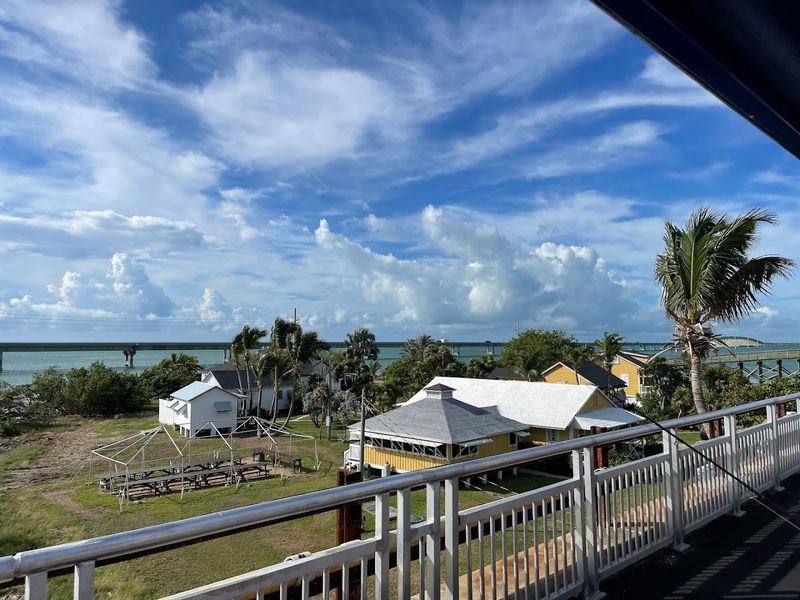
Here’s something that catches a lot of first-time visitors off guard: Pigeon Key operates on limited capacity, and spots fill up fast. The tram only runs at specific times—typically 10 AM, noon, and 2 PM—and each trip can only accommodate so many passengers. If you show up hoping to buy tickets on the spot, especially on weekends or during winter months, you’re probably going to be disappointed.
Booking online is absolutely essential, and you should do it at least a few days before your visit. The Pigeon Key website makes this easy, and knowing your spot is secured means you can actually relax and enjoy your Keys vacation instead of worrying about logistics. The admission fee is fifteen dollars per person, which includes the tram ride and the guided tour—honestly a steal considering everything you get.
Also worth noting: there are no food vendors or restaurants on the island. The only thing available is a water fountain, so pack snacks, sandwiches, and plenty of water. There’s also no cell service in some spots, so download any information you might need beforehand.
Restrooms are available on the island but not at the bridge entrance, which has caught more than a few unprepared visitors by surprise.
6. The Old Seven Mile Bridge Experience
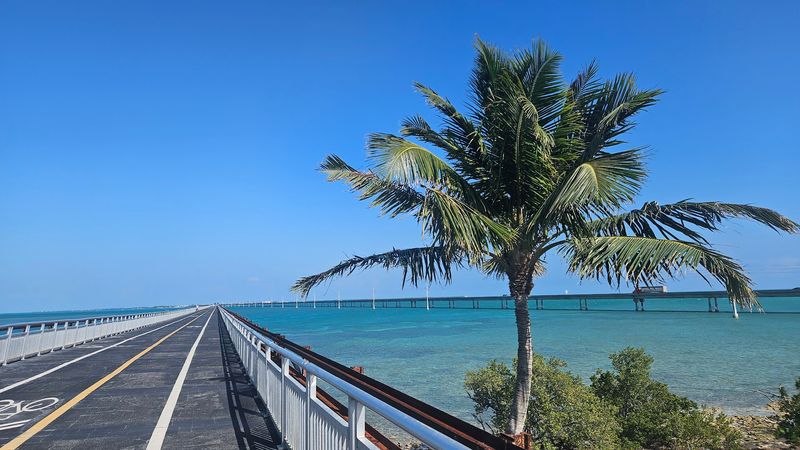
Even if you decide not to visit the island itself, the Old Seven Mile Bridge is worth experiencing. This historic structure once carried Flagler’s railway and later became part of the Overseas Highway before being replaced by the modern bridge running parallel to it. Now it serves as a pedestrian and bicycle path, offering some of the most spectacular views in all of Florida.
The four-mile round trip walk (two miles each way) provides constantly changing scenery as you move further from land and deeper into the heart of the Keys. On clear days, you can see for miles in every direction, with the water shifting through dozens of shades of blue and green. Sunrise and sunset are particularly magical times to make the crossing, though bring sunscreen because there’s zero shade out there.
Many locals use the bridge for their morning runs or evening bike rides, treating it as their personal gym with the world’s best view. Fishing is allowed from certain sections, and you’ll often see people trying their luck in the deep channels. Whether you’re heading to Pigeon Key or just want to experience this piece of history, walking the Old Seven Mile Bridge is one of those quintessential Keys activities that belongs on everyone’s bucket list.
7. Wildlife Watching Paradise
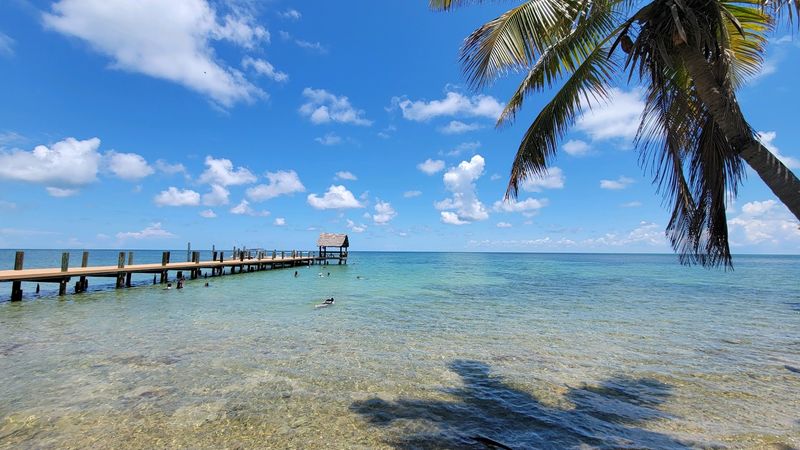
Beyond the human history, Pigeon Key is also home to an impressive variety of wildlife that calls this tiny island home. Ospreys nest in several spots around the island, and if you visit during breeding season, you might spot fluffy chicks peering out from their massive stick nests. These fish-hunting birds put on quite a show when they dive-bomb the water around the island.
The surrounding waters teem with marine life that’s easily visible from the docks and shoreline. Tarpon—massive silver fish that can grow over six feet long—regularly patrol the pilings, and watching them glide through the crystal-clear water is mesmerizing. Nurse sharks, stingrays, and countless tropical fish species create an ever-changing underwater show.
Some visitors report seeing sea turtles cruising past, especially in the early morning hours.
The island’s vegetation attracts numerous bird species beyond ospreys, including herons, egrets, and various migratory birds depending on the season. Butterflies flutter through the native plants, and iguanas occasionally sun themselves on the historic buildings’ steps. For nature photographers and wildlife enthusiasts, Pigeon Key offers incredible opportunities to observe Florida’s ecosystem in a relatively undisturbed setting.
Bring binoculars and a good camera—you’ll want to capture these moments.
8. Why This Hidden Gem Matters
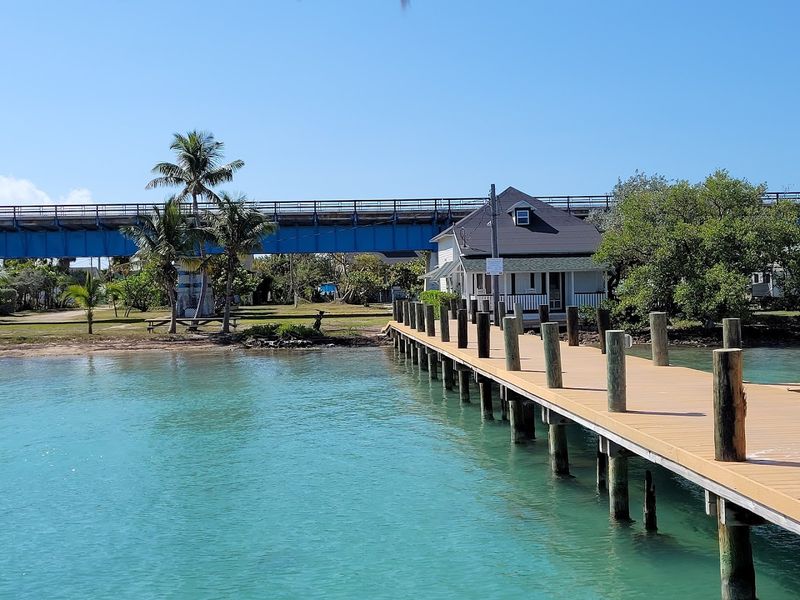
In an age where Florida’s coastline keeps getting more developed and commercialized, Pigeon Key stands as a beautiful exception. This five-acre island remains largely unchanged from its railroad days, protected by the nonprofit foundation that manages it. There are no high-rise condos, no chain restaurants, no jet ski rentals—just history, nature, and the kind of peace that’s increasingly hard to find.
The island serves an important educational purpose too, hosting school groups and university students who study marine biology, environmental science, and Florida history. Some of the historic buildings actually house students during their research stays, keeping the island actively used rather than turned into a museum piece. This living history approach makes Pigeon Key feel authentic rather than staged.
What makes this place truly special is how it rewards curiosity and effort. You can’t just drive up and snap a quick photo—you have to plan ahead, make the journey, and invest a few hours to really experience what Pigeon Key offers. That filter keeps the crowds manageable and ensures that the people who do visit genuinely appreciate what they’re seeing.
It’s a reminder that Florida still has secrets worth discovering, places where history and nature exist in perfect balance, waiting for those willing to look beyond the obvious tourist traps.