This Hidden Florida Wildlife Spot Has 1,700 Alligators and Costs Nothing to Explore
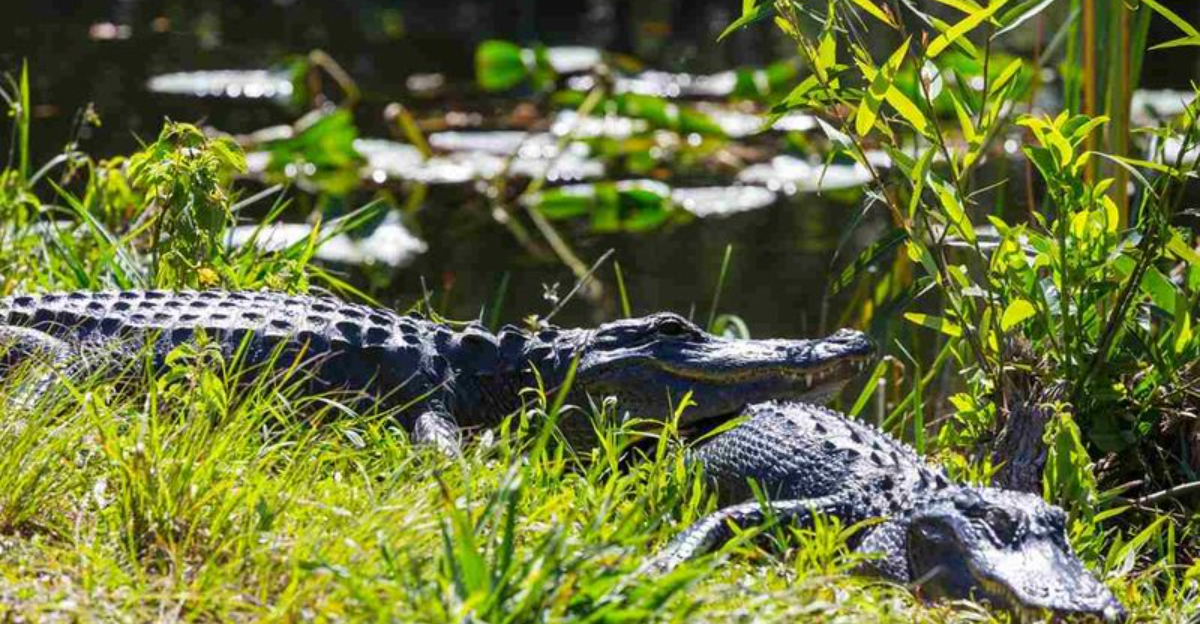
Tucked away in Christmas, Florida, the Orlando Wetlands Park offers one of the state’s most thrilling wildlife experiences without charging a single penny. This 1,650-acre nature preserve is home to roughly 1,700 alligators lounging along trails, plus hundreds of bird species nesting in the marshes. Whether you’re a seasoned birdwatcher or just looking for an adventure that won’t drain your wallet, this hidden gem delivers jaw-dropping encounters with Florida’s wildest residents.
1. Free Admission to a Wildlife Paradise
Most Florida nature parks slap you with entrance fees before you even glimpse a gator. Orlando Wetlands flips that script entirely. The park charges zero dollars for admission, parking, or trail access, making it one of Central Florida’s best-kept secrets for budget-conscious adventurers.
You’ll find ample free parking near the visitor center, with an overflow lot across the road when crowds gather on weekends. Restrooms and picnic pavilions sit steps from your car, so you can pack a lunch and make a full day of it without spending anything beyond gas money.
The park operates Tuesday through Sunday from 7 AM to 6 PM, staying closed only on Mondays. Arrive early if you want the trails less crowded and the wildlife more active. Morning light also makes for stunning photography as birds fish in the shallows and alligators bask on the banks.
Even the guided tram tours cost nothing, though donations help keep the program running. Rangers and volunteers share their passion for conservation without asking for tips or tour fees. It’s the kind of genuine Florida experience that reminds you the best things really can be free.
2. 1,700 Alligators Sunbathing Along the Trails
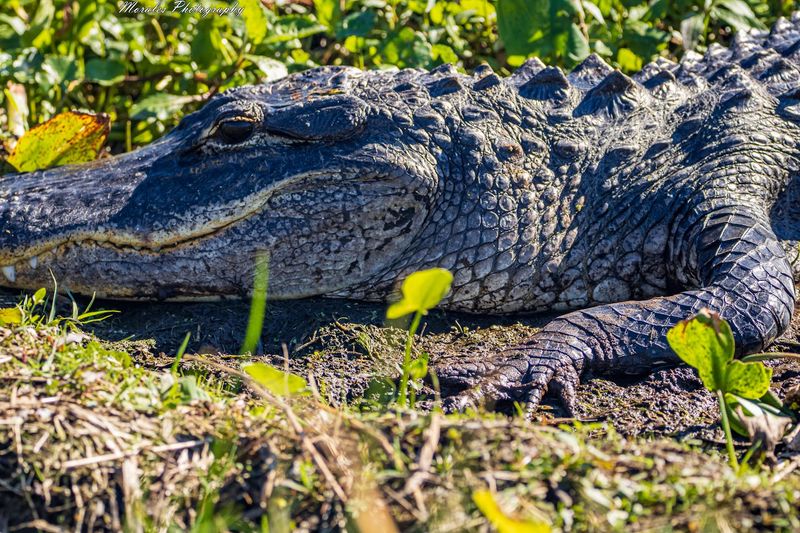
Walking past your twentieth alligator gets your heart racing in ways theme parks never could. The Lake Searcy Loop alone can put you face-to-face with dozens of gators, especially during cooler months when they crawl onto the banks to soak up sunshine. These aren’t distant specks you need binoculars to spot—many lounge just feet from the trail.
Winter brings the highest gator counts as cold-blooded reptiles seek warmth. You’ll spot everything from young three-footers to massive adults stretching over ten feet long. Summer heat drives more gators into the water, but you’ll still catch plenty lounging in shaded spots or gliding through the marsh.
Rangers emphasize keeping a respectful distance and never approaching for photos. The gators tolerate humans walking by but aren’t pets or props. Most visitors feel perfectly safe staying on marked paths, though the experience definitely isn’t for anyone squeamish about reptiles.
Photographers pack telephoto lenses to capture these prehistoric predators without getting dangerously close. The sheer number of alligators makes this park exceptional even by Florida standards. Where else can you count twenty gators on a single morning stroll without paying admission?
3. Boardwalk Access to Nesting Bird Colonies
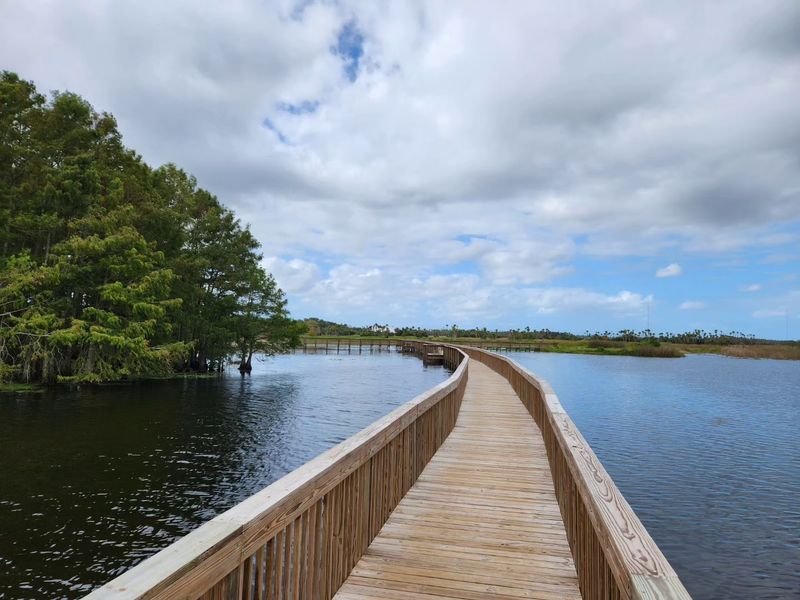
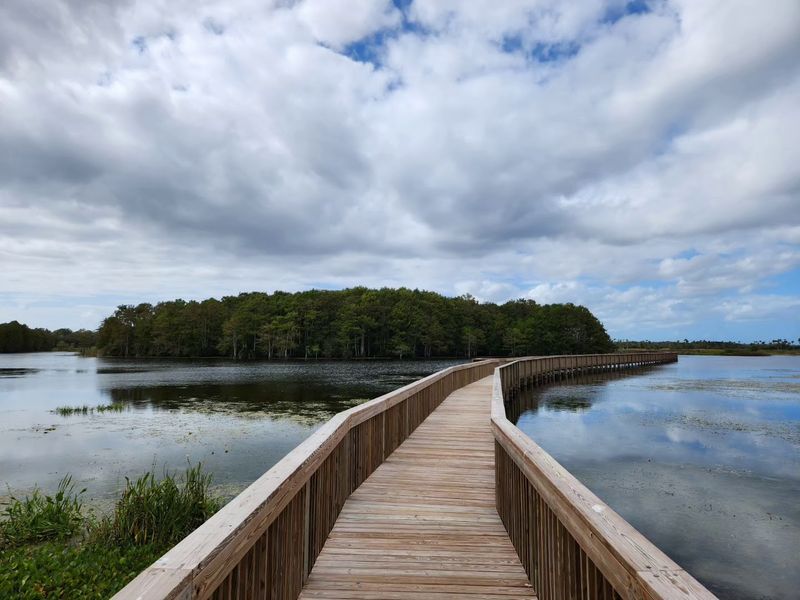
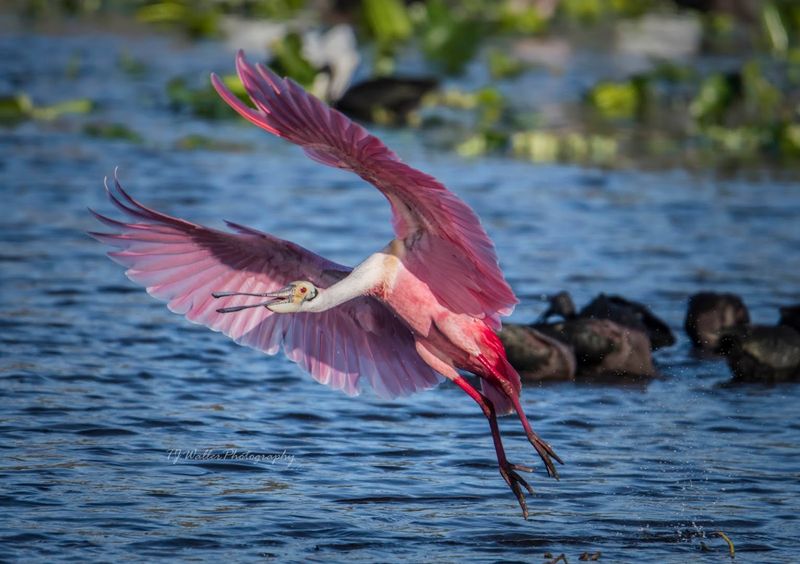
The elevated boardwalk delivers front-row seats to one of Florida’s most spectacular bird nurseries. Roseate spoonbills, wood storks, and great blue herons build massive nesting colonies in the trees overhanging the marsh. Spring transforms this area into a baby bird bonanza, with fuzzy chicks poking heads from nests while parents ferry food back and forth.
Just 1,100 feet from the visitor center, the boardwalk keeps you dry while putting you eye-level with nesting activity. Spoonbill babies with their pale plumage contrast beautifully against adult pink feathers. Wood stork parents, with their distinctive bald heads, tend to multiple chicks in sprawling stick nests.
Great egrets, tri-colored herons, and anhinga also claim prime real estate in these nesting trees. The cacophony of squawks, chirps, and wing flaps creates a soundtrack that drowns out any city noise. Serious birders arrive with field guides and cameras sporting lenses that cost more than most cars.
Even casual visitors leave impressed by the sheer density of bird life. The boardwalk’s sturdy construction means you can linger without disturbing the colonies. Volunteers at the visitor center track which species are nesting each season, so you’ll know exactly what feathered families to watch for during your visit.
4. Six Miles of Trails Through Pristine Marshland
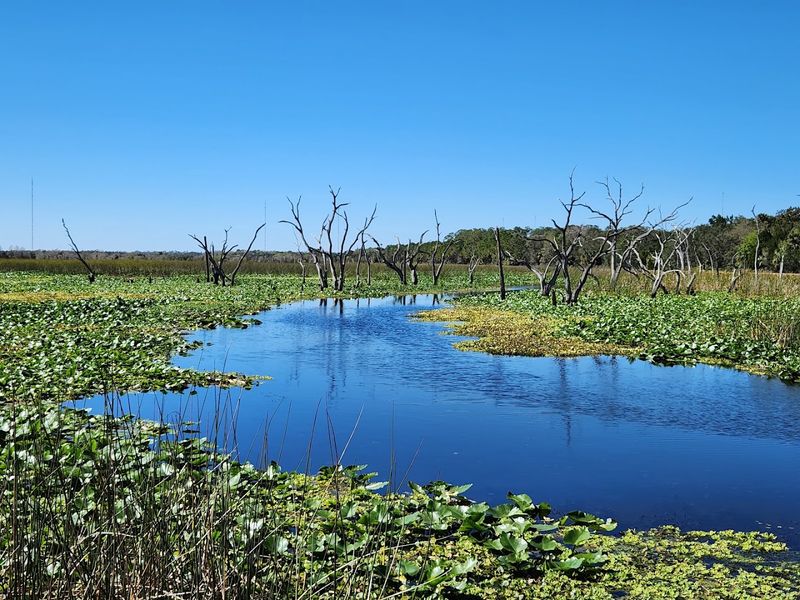
The perimeter trail stretches six miles around the wetlands, offering everything from quick walks to serious hikes. Well-maintained paths let you explore without specialized gear, though sturdy shoes beat flip-flops when you’re covering distance. Trail markers keep navigation simple even for first-time visitors.
Alligator Alley ranks as the most popular route, living up to its name with frequent reptile sightings. The Lake Searcy Loop provides a shorter option while still delivering impressive wildlife encounters. Multiple connecting trails let you customize your distance based on energy levels and available time.
Most of the route crosses open marsh on elevated pathways, meaning shade stays scarce. Summer hikers need hats, sunscreen, and plenty of water to handle the exposed conditions. Winter offers more comfortable temperatures, though you’ll still want sun protection during midday hours.
Benches appear at intervals, but mobility-challenged visitors should know they’re spaced far apart. The flat terrain helps, but the distances between rest stops can challenge anyone with endurance limitations. Tram tours provide an alternative for those who want the wildlife experience without the miles of walking.
Photographers and birders often spend hours covering just a fraction of the trails, stopping constantly for shots. You could walk the entire perimeter in a few hours or spend all day exploring every spur and observation point.
5. Free Guided Tram Tours with Wildlife Experts
Climbing aboard the free tram tour feels like winning the lottery without buying a ticket. Knowledgeable volunteers narrate two-hour rides through the wetlands, sharing insights about water filtration systems, wildlife behavior, and conservation efforts. Their passion for the ecosystem shines through every explanation and story.
The tram covers ground faster than walking, letting you see more wildlife in less time. Guides know where birds are nesting, which gators have claimed which territories, and when otters typically make appearances. They’ll stop for photo opportunities and answer questions about everything from Florida ecology to the park’s unique water reclamation purpose.
Tours operate on a first-come basis when volunteers are available, so check at the visitor center about scheduling. The open-air design puts you closer to nature than any enclosed vehicle could. You’ll hear bird calls clearly and catch the earthy scent of the marshes.
While the tours cost nothing, donations help maintain the program and support the volunteer network. Many visitors appreciate the guided experience so much they contribute generously. It’s a chance to learn from people who dedicate their time to protecting this incredible ecosystem.
Families with young children or elderly members find the tram tour perfect for experiencing the wetlands without physical demands. You still get close to wildlife while staying comfortable throughout the journey.
6. State-of-the-Art Visitor Center with Interactive Exhibits
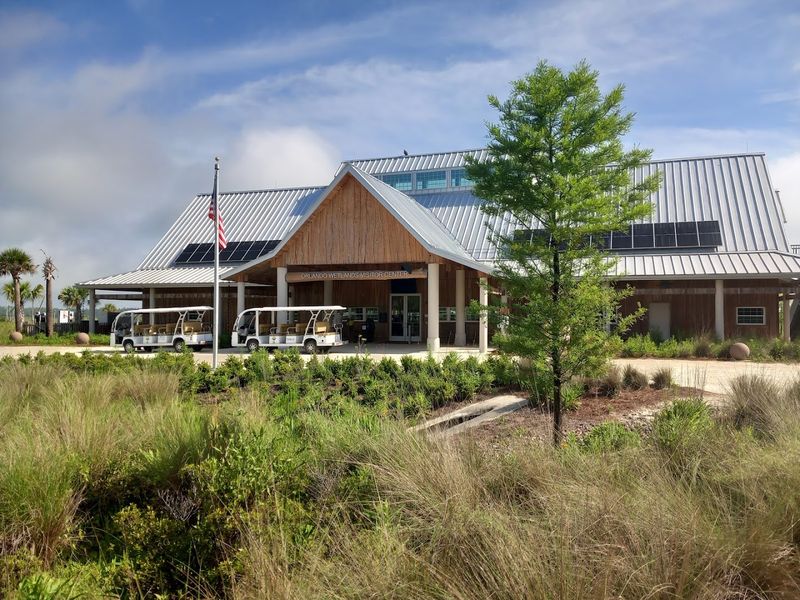
The visitor center opened in April 2024 and immediately became a destination in itself. Interactive exhibits explain how the wetlands filter Orlando’s water through natural processes, turning wastewater treatment into a fascinating environmental success story. Aquarium tanks showcase native fish and turtles up close, delighting kids who want to see underwater residents without getting wet.
Educational displays cater to all ages, from elementary students learning about food chains to adults discovering the engineering behind constructed wetlands. Touch-screen stations let you explore bird identification guides and track seasonal wildlife patterns. The center’s design maximizes views of the marsh through large windows, so you’re still watching wildlife even indoors.
Staff members answer questions about trail conditions, recent wildlife sightings, and the best spots for photography. They’ll point you toward nesting areas or explain why certain birds migrate through at specific times. Maps and brochures provide helpful orientation before you head out on trails.
The building includes clean restrooms and climate-controlled spaces perfect for cooling down between trail segments. Many visitors start their day here gathering information, then return afterward to ask follow-up questions or identify birds they photographed. It’s rare to find such a well-designed facility at a completely free park.
The back windows offer prime viewing of wetlands activity, making this an ideal spot for anyone who wants wildlife watching without walking miles of trails.
7. Year-Round Wildlife Photography Opportunities
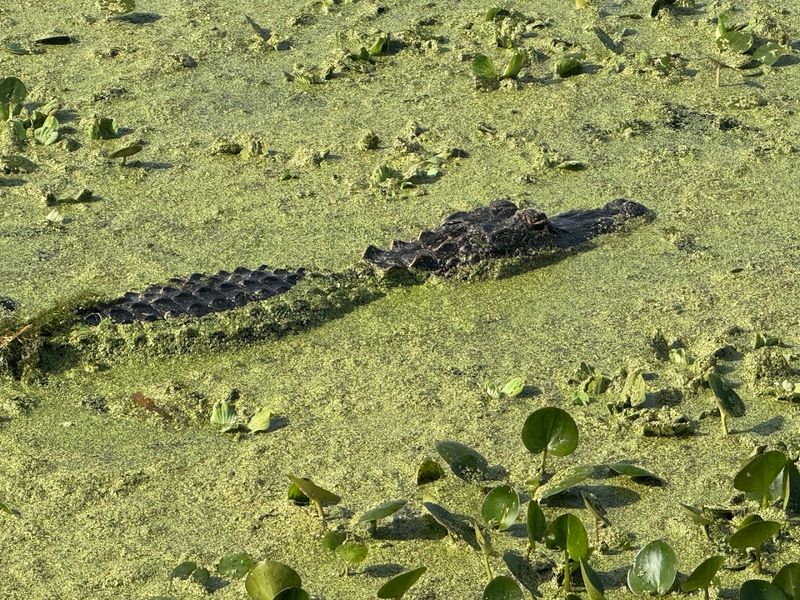
Sunrise at Orlando Wetlands transforms the marsh into a photographer’s dream. Soft golden light reflects off the water while birds fish in the shallows and alligators emerge from their nighttime spots. The magic hour delivers shots that could grace any nature magazine, and you don’t need a press pass to access these moments.
Serious photographers arrive with impressive telephoto lenses, tripods, and camera bags full of gear. The bird diversity means you might capture roseate spoonbills, wood storks, and painted buntings all in one morning. Alligator photos practically take themselves when dozens of reptiles pose along the trails.
Each season offers different subjects and lighting conditions. Spring brings baby birds and nesting activity. Summer heat creates dramatic storm clouds and afternoon thunderheads.
Fall migration pulls in species you won’t see other times of year. Winter’s cooler temperatures mean active gators and comfortable shooting conditions.
The park’s popularity among photographers has created an informal community of regulars who share tips about recent sightings and optimal shooting locations. You’ll blend right in wearing khaki and carrying camera equipment—it’s practically the unofficial uniform here.
Even smartphone cameras capture impressive images given the wildlife’s proximity and abundance. The key is patience and respect for the animals. The best shots come when you let nature unfold naturally rather than trying to force interactions or get dangerously close.
8. Diverse Ecosystems Beyond Just Alligators and Birds
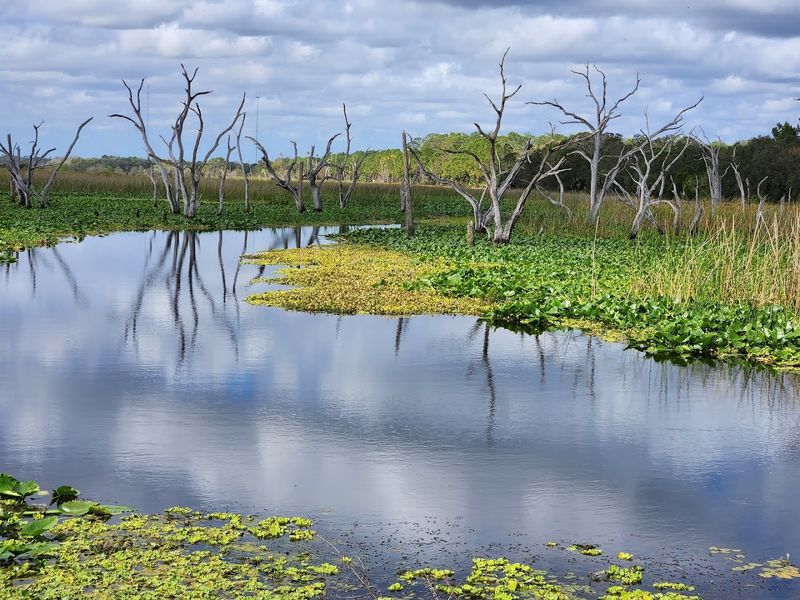
Alligators and birds steal the spotlight, but the wetlands support a surprisingly diverse cast of characters. River otters play in the waterways, their sleek bodies cutting through the marsh with playful energy. Turtles pile onto logs for sunbathing sessions, sometimes stacking three or four high in reptilian towers.
Raccoons prowl the edges at dawn and dusk, searching for crayfish and other snacks. Various snake species inhabit the area, from harmless water snakes to the occasional venomous cottonmouth. Fish swirl in the shallows, attracting the predators that make this ecosystem function.
Frogs provide a constant soundtrack, especially after summer rains when their choruses reach deafening volumes. Dragonflies and butterflies add splashes of color as they patrol the vegetation. The plant life itself deserves attention, from cypress trees draped in Spanish moss to colorful wildflowers dotting the marsh edges.
This ecological richness stems from the park’s unique origin as a water reclamation facility. The constructed wetlands filter Orlando’s water through natural processes, creating habitat that supports hundreds of species. What started as an engineering project evolved into one of Central Florida’s premier wildlife viewing destinations.
The diversity means every visit reveals something new. You might spot an otter one day, watch snakes hunt the next, and photograph rare butterflies on your third trip. This complexity makes the wetlands endlessly fascinating for anyone curious about Florida’s natural communities.