This Florida Marine Hospital Helps Rescue Dolphins And Has A Hollywood Connection
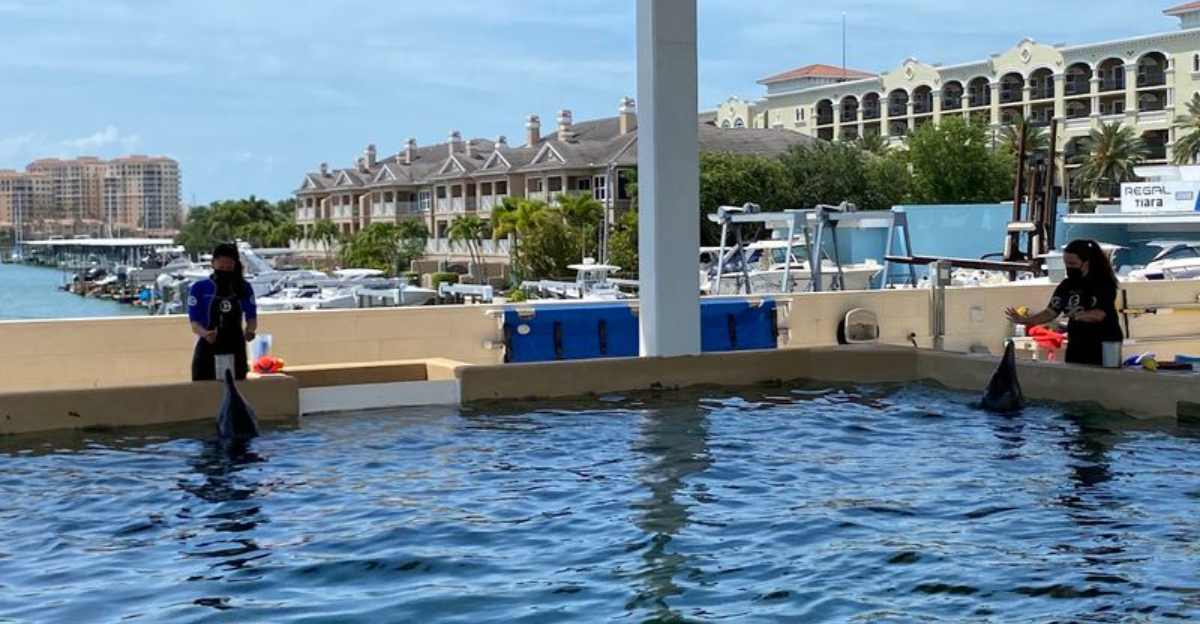
Tucked along the sparkling Clearwater coastline sits a marine facility that’s part hospital, part conservation center, and part movie star. The Clearwater Marine Aquarium isn’t your typical aquarium filled with exotic displays designed purely for entertainment.
Instead, it’s a working rescue hospital where injured dolphins, sea turtles, and other marine animals get a second chance at life. Plus, if you’ve ever watched the heartwarming Dolphin Tale movies, you’ve already met some of its most famous residents.
Winter’s Legacy Lives On Through Hope and Nicholas
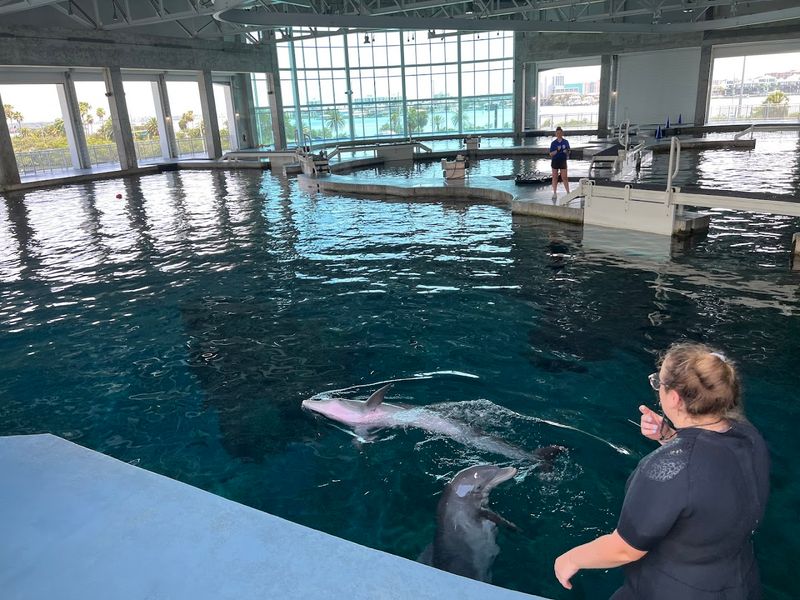
Walking through the aquarium today, you won’t find Winter—the tailless dolphin who captured hearts worldwide—but her story echoes through every corner of the facility. She passed away in 2021, yet her prosthetic tail remains on display as a symbol of innovation and resilience.
Visitors can explore beautifully designed memorial graphics that chronicle her rescue, rehabilitation, and the groundbreaking prosthetics that gave her mobility.
Winter’s pool mates, Hope and Nicholas, continue her mission of inspiring conservation efforts. Hope arrived as a young calf and grew up under the watchful care of trainers who’d learned invaluable lessons from Winter’s journey.
Nicholas joined more recently, adding youthful energy to the dolphin habitat. Watching these two glide through their wraparound tanks feels like meeting celebrities, especially for families who grew up with the Dolphin Tale films.
The dolphin presentations showcase the deep bonds between trainers and animals. Staff members demonstrate medical behaviors—the voluntary actions dolphins perform during health checks—that reveal just how much trust exists in these relationships.
You’ll see tail lifts, mouth opens, and even blood draws, all done without restraint. It’s educational, emotional, and utterly captivating.
The viewing areas offer multiple vantage points, from underwater windows where you can watch dolphins torpedo past to upper-level platforms where you catch them surfacing for breath. Early morning visits tend to be quieter, giving you more intimate moments with these incredible marine mammals.
The trainers rotate throughout the day, and each brings their own personality and knowledge to interactions with guests.
What makes this experience different from traditional aquarium dolphin shows is the authentic rehabilitation focus. These aren’t performing animals doing tricks for applause.
They’re rescued individuals who couldn’t survive in the wild, living their best possible lives while teaching millions about ocean conservation. That distinction matters, and you feel it the moment you arrive.
Behind-the-Scenes Hospital Access Shows Real Rescue Work
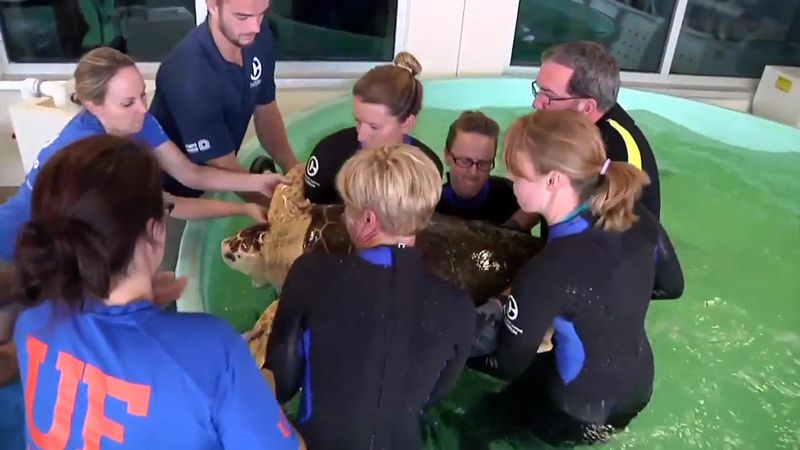
Most aquariums hide their medical facilities behind closed doors. Clearwater Marine Aquarium does the opposite, inviting guests to walk through active hospital spaces where life-saving work happens daily.
You’ll pass examination rooms with stainless steel tables, surgical suites with specialized equipment, and recovery pools where recently rescued animals receive round-the-clock monitoring. It feels refreshingly real in a world where so many attractions feel manufactured.
The transparency serves an important purpose beyond satisfying curiosity. Seeing the nitty-gritty details of marine rescue—the IV lines, the feeding tubes, the careful wound cleaning—drives home how much effort goes into saving a single sea turtle or dolphin.
Staff members stationed throughout the hospital eagerly answer questions, explaining procedures and sharing success stories. Their passion radiates through every conversation.
One particularly moving area showcases the intake process for new rescues. Information boards detail recent arrivals, their injuries, and treatment plans.
You might see a loggerhead turtle recovering from a boat strike or a young dolphin orphaned after becoming separated from its mother. These aren’t abstract conservation concepts; they’re individual animals with names, personalities, and fighting chances thanks to dedicated veterinary teams.
The hospital tour reveals equipment most people never associate with marine care. There’s a CT scanner for detailed internal imaging, a pharmacy stocked with specialized medications, and even a prosthetics workshop where custom devices get designed and fitted.
Seeing Winter’s revolutionary tail technology up close makes you appreciate the collaboration between marine biologists, engineers, and medical professionals.
What strikes visitors most is how seamlessly the hospital integrates with the public spaces. You’re not peeking through a single window at a sterile lab.
You’re walking the same hallways staff use, observing genuine medical care, and understanding that every ticket purchased helps fund these critical operations. It transforms a simple aquarium visit into meaningful participation in marine conservation.
Dolphin Tale Movie Props and Memorabilia Throughout the Facility
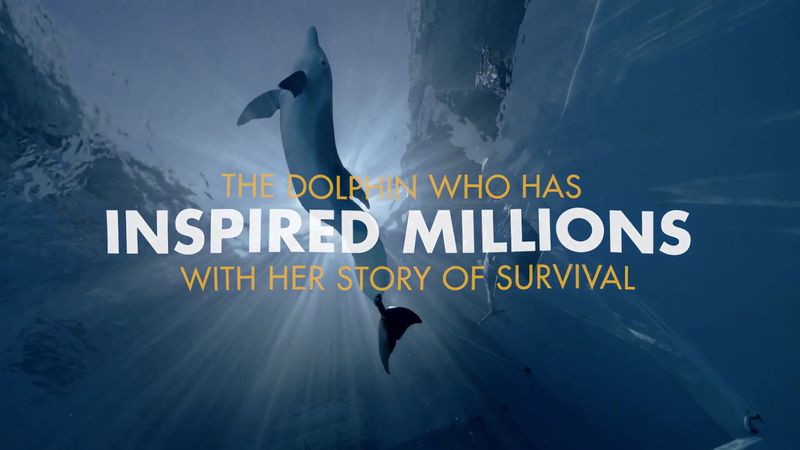
Hollywood doesn’t often shine its spotlight on real-world conservation heroes, but Dolphin Tale changed that equation. The 2011 film and its 2014 sequel introduced Winter’s story to millions, and the aquarium embraces this connection with pride rather than commercialism.
Original props from both movies appear throughout the facility, creating fun photo opportunities that blend entertainment with education.
Level four dedicates substantial space to the Dolphin Tale phenomenon, featuring movie posters signed by cast members, behind-the-scenes photographs from filming, and interactive displays explaining how Winter’s true story became a major motion picture. Kids who watched the films at home light up when they realize they’re standing in the actual locations where scenes were shot.
Parents appreciate how the movies serve as entry points for deeper conversations about marine biology and environmental stewardship.
The most powerful artifact remains Winter’s prosthetic tail, displayed in a climate-controlled case that allows close examination of its innovative design. Accompanying panels explain how prosthetist Kevin Carroll adapted human limb technology for a dolphin’s unique physiology.
The breakthrough didn’t just help Winter—it advanced prosthetics for human patients dealing with similar challenges. That cross-species medical innovation represents one of Winter’s greatest legacies.
Staff members often share anecdotes about the filming process, describing how actors like Harry Connick Jr., Ashley Judd, and Morgan Freeman interacted with the real dolphins and trainers. The production crew worked around the aquarium’s operational schedule, ensuring animal care always took priority over shooting schedules.
Those decisions reflect the facility’s core values, where animal welfare trumps everything else, including fame and profit.
Even visitors unfamiliar with the films find the Hollywood connection adds an extra layer of interest. It’s not every day you visit a working marine hospital that also happens to be a movie set.
The blend of scientific mission and pop culture relevance makes the aquarium accessible to broader audiences who might not typically seek out conservation-focused attractions.
Interactive Stingray Touch Pool Creates Memorable Encounters
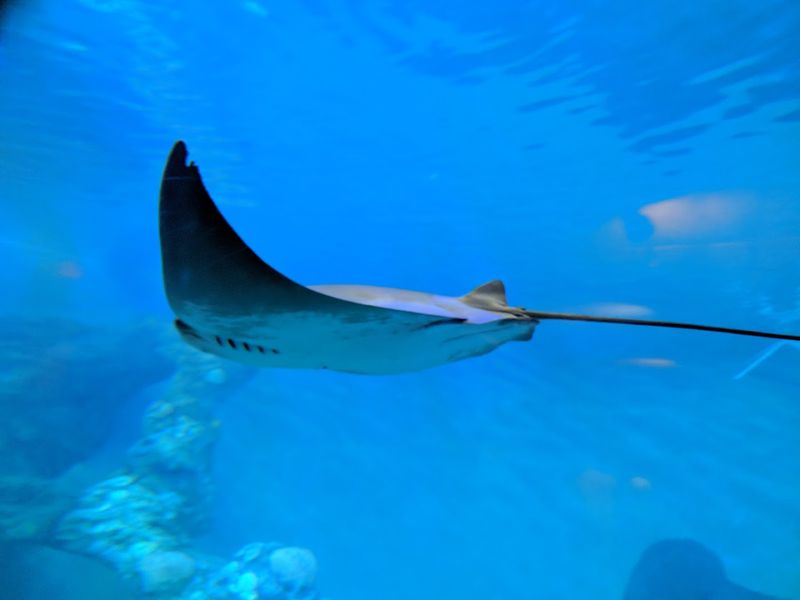
Stingrays possess a reputation that far exceeds their actual temperament. These gentle cartilaginous fish glide through shallow waters with balletic grace, and at Clearwater Marine Aquarium, they eagerly approach visitors for interaction.
The touch pool sits in a prime location where guests can spend as much time as they want running their hands along the stingrays’ velvety wings as they cruise past.
A passionate staff member typically mans this station, and according to multiple visitor accounts, his enthusiasm transforms a simple touch experience into an unforgettable educational session. He explains stingray anatomy, dispels myths about their danger, and encourages even hesitant guests to give it a try.
His knowledge runs deep, covering everything from their feeding habits to their role in coastal ecosystems.
The rays themselves seem to enjoy the attention, circling back repeatedly for more interaction. Their smooth skin feels unlike anything else—softer than you’d expect from a marine creature, almost like wet velvet.
Younger children squeal with delight when a ray surfaces directly beneath their fingertips, while adults find the experience surprisingly meditative. There’s something calming about watching these creatures move with such effortless fluidity.
Feeding opportunities sometimes become available for an additional cost, allowing guests to offer the rays small pieces of food. They vacuum up offerings with surprising speed, their mouths located on their undersides perfectly adapted for bottom feeding.
Watching them eat provides insight into their natural behaviors and dietary needs. Staff members use these moments to discuss conservation challenges stingrays face, including habitat loss and fishing net entanglement.
The touch pool exemplifies the aquarium’s interactive philosophy. Rather than simply observing animals through glass, visitors engage directly with marine life in controlled, respectful ways.
These hands-on experiences create lasting memories and foster genuine connections with ocean creatures. Kids who touch a stingray often leave with newfound respect for marine animals and increased interest in protecting their habitats.
Sea Turtle Hospital Reveals Heartbreaking Injuries and Hopeful Recoveries
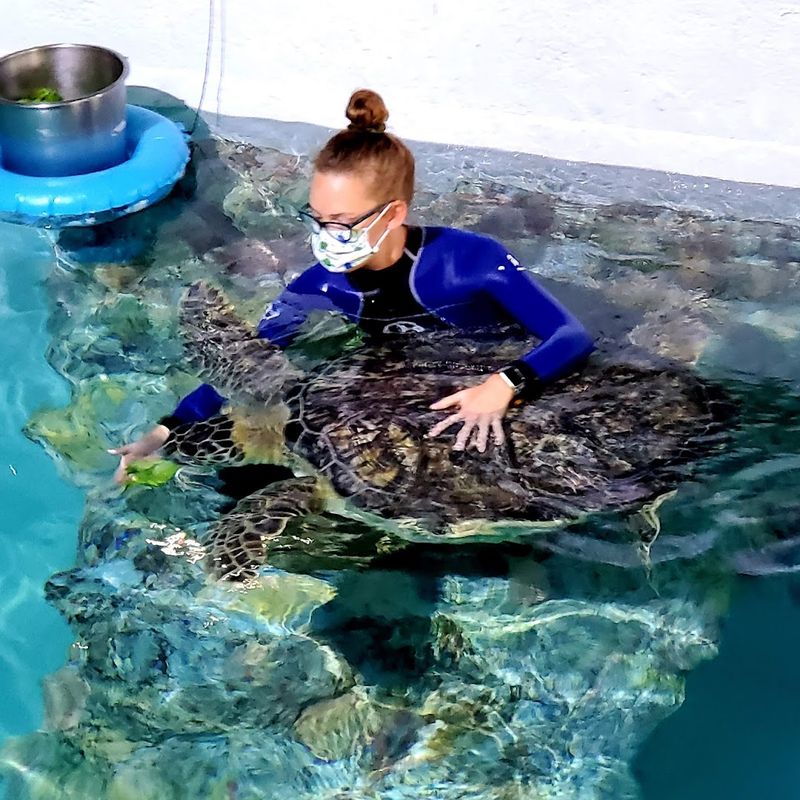
Sea turtles face a gauntlet of human-created hazards every time they swim through coastal waters. Boat propellers slice through shells, fishing lines entangle flippers, plastic bags get mistaken for jellyfish and cause intestinal blockages, and hooks lodge in throats and stomachs.
The sea turtle hospital at Clearwater Marine Aquarium treats all these injuries and more, providing visitors with sobering glimpses into the consequences of human activity on marine ecosystems.
Walking past the turtle tanks, you’ll notice many residents missing flippers, bearing shell damage, or exhibiting unusual swimming patterns. Information plaques detail each turtle’s rescue story, injury severity, and rehabilitation progress.
Some will eventually return to the ocean after months of treatment. Others sustained injuries too severe for survival in the wild and now serve as permanent ambassadors, educating the public about conservation needs.
The inability to dive properly represents one of the saddest outcomes. Turtles with shell damage or missing flippers often lose their ability to submerge, leaving them vulnerable to predators and unable to access food sources in deeper waters.
At the aquarium, these individuals receive specially designed habitats that accommodate their disabilities. They may not have the life nature intended, but they have safety, food, and expert medical care.
Watching staff members feed the turtles reveals the individual attention each animal receives. Some need hand-feeding due to injuries affecting their ability to hunt.
Others require medications hidden in their food. The dedication required for this level of care becomes immediately apparent.
These aren’t generic exhibits; they’re long-term patients with complex medical needs and distinct personalities.
The turtle hospital serves as a powerful call to action for ocean conservation. Seeing a beautiful green sea turtle missing half its flippers because of fishing line creates more impact than any lecture about marine debris.
Visitors leave with heightened awareness of how everyday choices—properly disposing of fishing gear, reducing plastic use, boating carefully in turtle habitats—directly affect these ancient creatures’ survival.
North American River Otters Steal the Show with Playful Antics
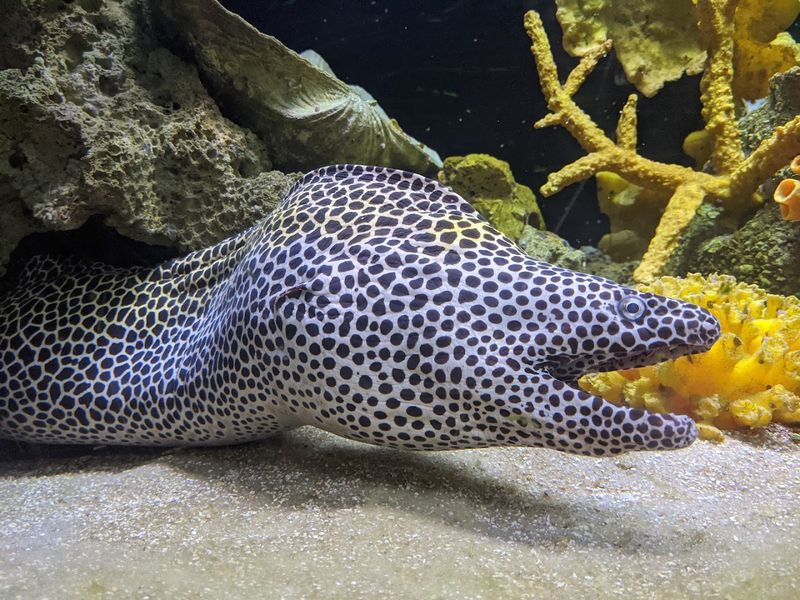
River otters operate on a frequency of pure joy. Their entire existence seems dedicated to play, whether they’re corkscrewing through water, wrestling with siblings, or investigating every corner of their habitat with boundless curiosity.
At Clearwater Marine Aquarium, the otter exhibit consistently draws crowds of delighted visitors who find themselves laughing at the animals’ nonstop antics.
These particular otters came to the facility after circumstances made wild release impossible. Rather than viewing captivity as a sad outcome, staff created an enriching environment that allows natural behaviors to flourish.
The habitat includes multiple water depths, rocky areas for sunbathing, underwater tunnels for exploration, and regular enrichment activities that keep the otters mentally stimulated. Watching them navigate their space reveals incredible agility and intelligence.
Feeding times transform into full-blown performances, though not by design. Otters don’t need training to entertain; they do it instinctively.
They’ll toss fish in the air, play keep-away with each other, and perform barrel rolls that would make fighter pilots jealous. Their whiskers twitch constantly, sensing vibrations in the water that help them locate prey.
Up close, you notice their dense fur—the thickest of any mammal—that traps air bubbles for insulation.
The viewing windows position guests at perfect vantage points for otter-watching. Sometimes an otter will swim right up to the glass, pressing its face close as if studying the humans studying it.
These moments of connection create magical memories, especially for children experiencing otters for the first time. The animals’ expressiveness—their bright eyes, twitching noses, and playful body language—makes them incredibly relatable.
Beyond entertainment value, the otters serve as ambassadors for freshwater ecosystems. Staff members discuss how river otters indicate environmental health, as they require clean water and abundant fish populations to thrive.
Pollution, habitat destruction, and water diversion projects threaten otter populations across North America. Seeing these charismatic creatures up close helps visitors understand what’s at stake when we neglect watershed protection.
Boat Tours Offer Wildlife Spotting on Clearwater Waters
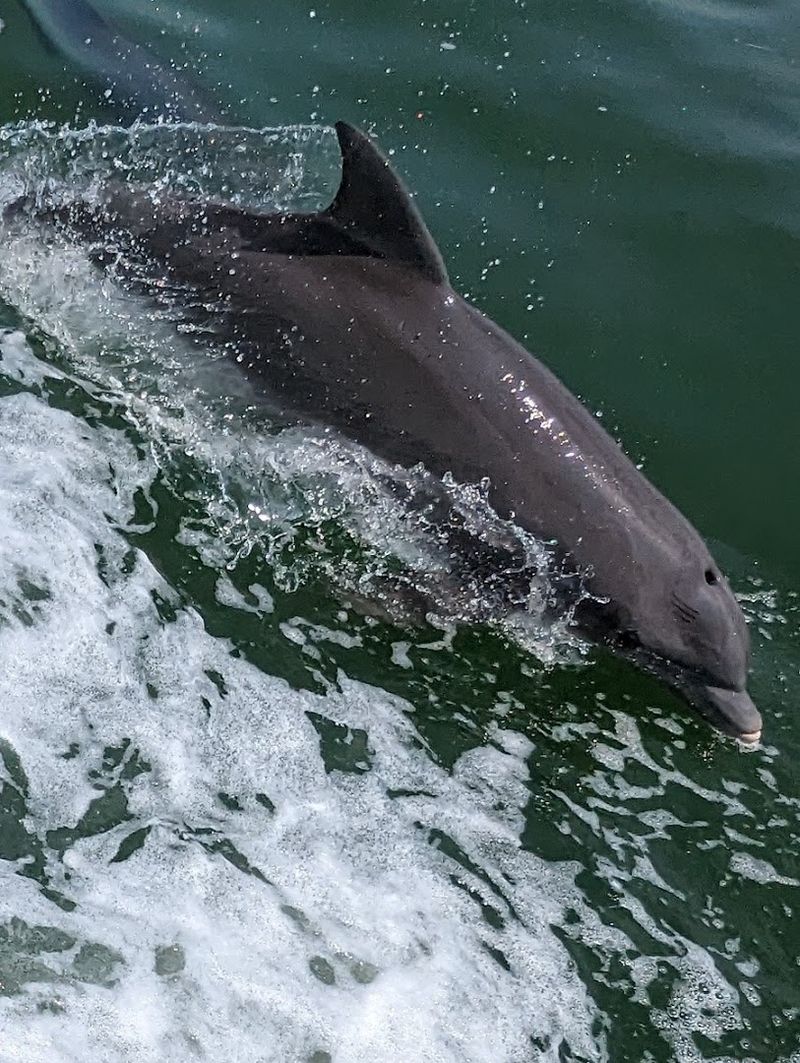
The aquarium experience extends beyond its walls through boat tours that cruise Clearwater’s intercoastal waterway. These hour-long excursions provide opportunities to spot wild dolphins, manatees, sea birds, and other marine life in their natural habitats.
The contrast between rescued animals receiving care inside and healthy populations thriving outside reinforces the aquarium’s conservation mission.
Tour guides bring encyclopedic knowledge of local ecosystems, pointing out landmarks while explaining how Clearwater’s waters support diverse marine life. They discuss seasonal migration patterns, feeding behaviors, and the delicate balance required to maintain healthy populations.
When wild dolphins appear—and they frequently do—the excitement on board becomes palpable. Seeing these animals swimming free after visiting their rescued counterparts inside creates a full-circle moment.
The boats themselves maintain excellent condition with safety as the top priority. Life jackets get distributed, safety demonstrations happen before departure, and crew members monitor conditions throughout the journey.
One visitor humorously noted the safety demonstration prop looked hilariously ancient, but the actual equipment and procedures were thoroughly professional. Bring a sweater or light jacket regardless of air temperature, as wind on the water can create surprising chill.
Photography enthusiasts love these tours for the wildlife shots they enable. Dolphins often swim alongside the boat, occasionally breaching or showing off with acrobatic displays.
Pelicans dive for fish, ospreys patrol from above, and if you’re lucky, a manatee might surface near the boat. The guides know the best spots and times for wildlife activity, maximizing your chances of memorable encounters.
Booking the boat tour in addition to aquarium admission creates a comprehensive marine experience. You see rehabilitation efforts up close inside, then witness the wild populations those efforts aim to protect.
The tours run multiple times daily, and reservations are recommended during peak seasons. The relatively small group sizes ensure everyone gets good views and opportunities to ask questions.
Many visitors rank the boat tour as a highlight of their entire Clearwater trip.
Manatee Viewing Areas Showcase Gentle Giants Up Close
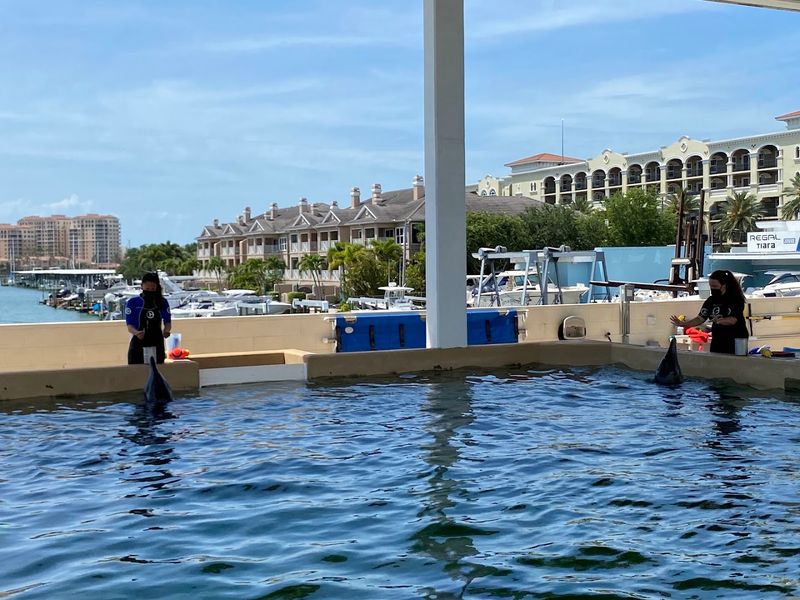
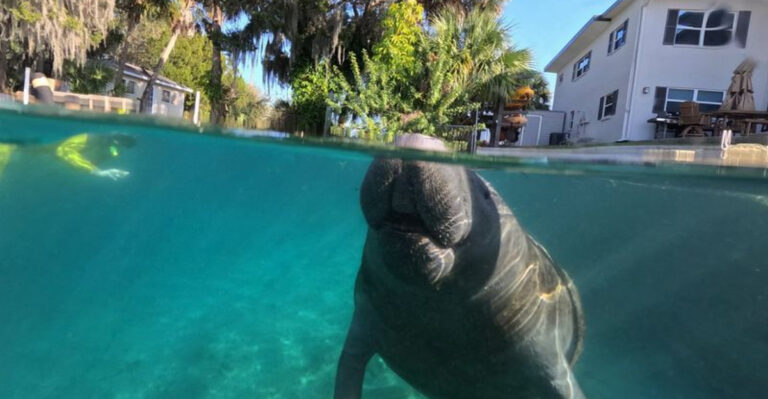
Manatees move through water with surprising grace for animals that can weigh 1,200 pounds. These herbivorous marine mammals spend their days munching vegetation, surfacing occasionally for air, and generally embodying a philosophy of peaceful existence.
Clearwater Marine Aquarium provides manatee residents with spacious habitats where visitors can observe them from multiple angles, including underwater viewing areas that reveal their full magnificence.
The manatees at the facility arrived due to injuries or circumstances preventing wild release. Some suffered boat strikes—a leading cause of manatee mortality in Florida—leaving them with propeller scars and internal injuries.
Others became orphaned as calves before learning survival skills from their mothers. Still others developed chronic health conditions requiring ongoing medical management.
Each has a story, and staff members share these narratives with visitors throughout the day.
Watching manatees eat provides unexpected entertainment. They’re surprisingly efficient at processing massive quantities of lettuce and other vegetables, their flexible lips manipulating food with dexterity.
Their whiskers—actually specialized hairs called vibrissae—help them navigate and locate food. Despite their size, they move with balletic precision, twisting and turning through their habitat with minimal effort.
The viewing platforms allow extended observation without disturbing the animals. You might spend five minutes or fifty, depending on how captivated you become by their gentle movements.
Children press against the glass, marveling at how something so large can seem so peaceful. Adults appreciate the meditative quality of manatee-watching, finding stress melting away as they observe these calm creatures.
Conservation messaging around the manatee exhibits emphasizes boating safety and habitat protection. Florida’s waterways face constant pressure from development and recreational use.
Manatees need warm water refuges, especially during winter months, and seagrass beds for feeding. When these habitats disappear or become degraded, manatee populations suffer.
The aquarium’s educational efforts aim to create advocates who’ll support policies protecting these vulnerable marine mammals.
Multiple Buildings and Levels Create Exploration Adventure
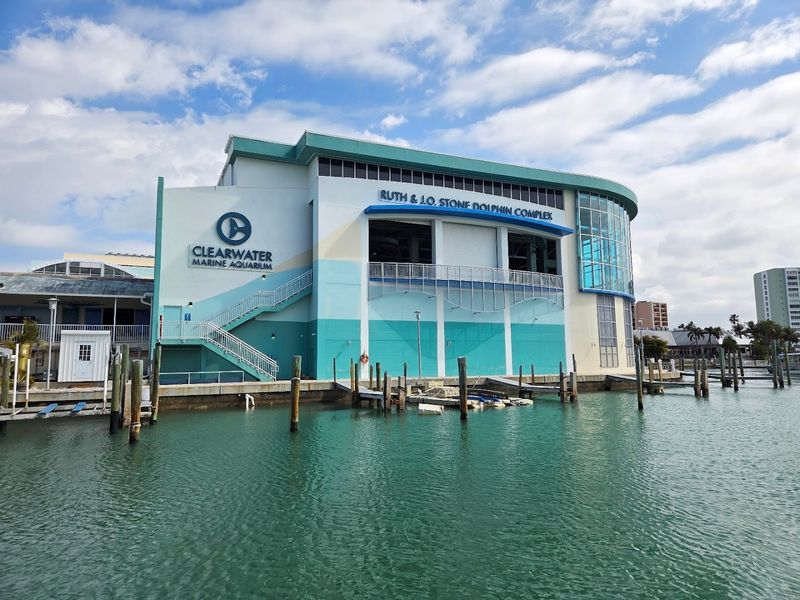
Clearwater Marine Aquarium’s layout sprawls across multiple buildings connected by walkways, creating an exploration adventure rather than a linear path. This design reflects the facility’s organic growth from small rescue center to major attraction.
Newer buildings showcase modern architecture and state-of-the-art exhibits, while older structures preserve the authentic, working-hospital atmosphere that makes this place special.
Some visitors note the layout can feel confusing initially, with occasional moments of wondering if you’ve already seen a particular area. The facility provides maps at entry, and staff members stationed throughout happily offer directions.
Rather than viewing the navigation challenges as flaws, consider them part of the adventure. You might discover a tucked-away exhibit or viewing area you’d have missed on a more obvious route.
The newest building houses expanded dolphin habitats, modern medical facilities, and improved guest amenities. Its balcony offers stunning intercoastal views, providing a perfect spot for a breather between exhibits.
The older buildings maintain their original character, giving visitors authentic glimpses into the aquarium’s humble beginnings as a small-scale rescue operation. This architectural timeline tells the story of the facility’s evolution and growing impact.
Vertical exploration adds another dimension, with exhibits distributed across multiple floors. Elevators accommodate strollers and wheelchairs, ensuring accessibility throughout the facility.
Upper levels often provide bird’s-eye views of dolphin and sea turtle habitats, while lower levels offer underwater perspectives. Moving between floors creates varied vantage points that enhance understanding of how these animals move through their three-dimensional aquatic environments.
The connected parking garage represents a major improvement over previous arrangements. No more circling for street parking or hiking from distant lots.
The garage links directly to the entrance, making arrival and departure straightforward. Parking does cost extra—$15 at current rates—but the convenience justifies the expense.
Plan to spend at least two to three hours exploring thoroughly, though true enthusiasts could easily fill four or five hours discovering every corner of this multi-building complex.
Knowledgeable Staff and Volunteers Enhance Every Visit
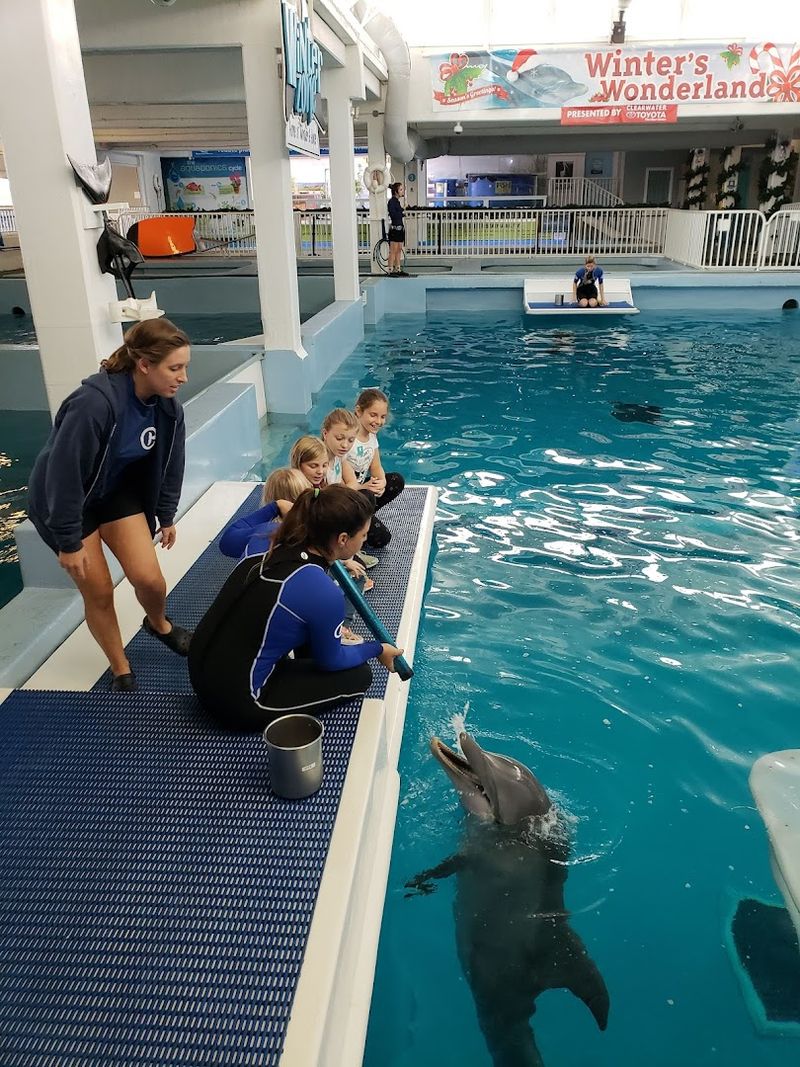
Facilities succeed or fail based on their people, and Clearwater Marine Aquarium employs and trains some of the most passionate, knowledgeable staff you’ll encounter anywhere. From the moment you pass through security, you’re met with genuine enthusiasm and helpfulness.
These aren’t minimum-wage employees counting minutes until their shift ends. They’re marine conservation advocates who view their roles as vocations rather than just jobs.
Staff members stationed at various exhibits eagerly engage with visitors, answering questions that range from basic to complex. They don’t recite memorized scripts; they have genuine conversations informed by deep knowledge and real passion.
Multiple visitors specifically mentioned extended discussions with staff about ocean conservation, animal rescue procedures, and the facility’s operations. That level of engagement transforms a simple visit into an educational experience.
The animal care teams deserve special recognition. Watching them interact with dolphins, otters, and other residents reveals relationships built on trust and mutual respect.
They know each animal’s personality quirks, medical history, and behavioral preferences. During training demonstrations, you see this knowledge in action as they communicate through hand signals, whistles, and body language.
The animals clearly trust their caregivers, participating voluntarily in medical behaviors that require significant cooperation.
Volunteers supplement the professional staff, bringing their own enthusiasm and knowledge to guest interactions. Many are retirees who dedicate significant time to supporting the aquarium’s mission.
They assist with crowd management during presentations, answer questions at exhibits, and share personal stories about their involvement with the facility. Their presence adds warmth and community connection to the experience.
Even positions not directly involving animals—admissions, gift shop, cafe—are staffed by people who understand and support the conservation mission. They’re ready to help, whether you need directions, recommendations for optimizing your visit, or information about membership benefits.
The consistently positive staff interactions mentioned in review after review aren’t accidents. They reflect an organizational culture that values both animals and people, creating an environment where excellence becomes the standard.
Clean Facilities and Quality Amenities Support All-Day Visits
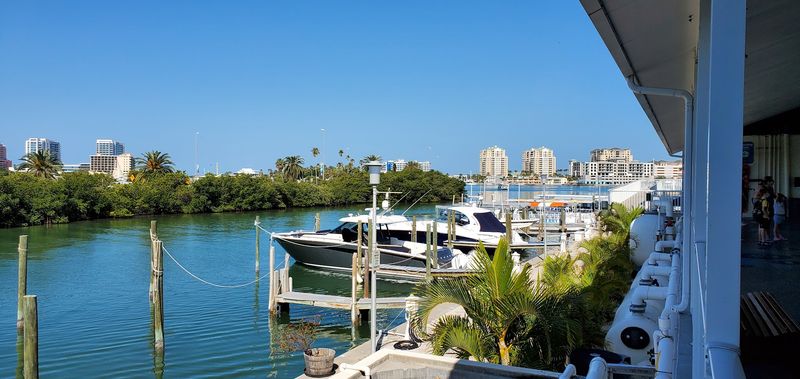
Practical amenities might not generate excitement in marketing materials, but they significantly impact visitor satisfaction. Clearwater Marine Aquarium maintains consistently clean facilities, from restrooms to dining areas to outdoor spaces.
This attention to basic comfort allows guests to focus on marine life rather than searching for functioning facilities or clean seating.
The indoor cafeteria provides welcome respite from Florida’s heat and humidity. It offers more than typical theme park fare, with options that accommodate various dietary preferences and restrictions.
Prices align with captive-audience expectations—not cheap, but not outrageously expensive either. The seating area stays clean thanks to attentive staff who clear tables and maintain the space throughout the day.
Large windows provide natural light, creating a pleasant atmosphere for a midday meal break.
Restroom facilities receive regular maintenance and cleaning, a detail visitors notice and appreciate. Changing tables accommodate families with young children, and accessibility features serve guests with mobility challenges.
These might seem like minimum requirements, but plenty of attractions fail to maintain basic standards. The aquarium’s consistency in this area reflects broader organizational attention to detail.
The gift shop stocks the usual array of plush animals and souvenirs, but also carries educational materials, books about marine biology, and items where proceeds support conservation efforts. It’s possible to leave with meaningful purchases beyond simple trinkets.
The shop layout allows easy browsing without feeling cramped, and staff members are helpful without being pushy.
Outdoor spaces include shaded seating areas where visitors can rest while enjoying views of the intercoastal waterway. These spots provide perfect breaks between indoor exhibits, allowing you to pace your visit comfortably.
Benches appear throughout the facility, acknowledging that not everyone moves at the same speed or has the same stamina. These small considerations add up to create an inclusive, comfortable experience for visitors of all ages and abilities.
The facility’s thoughtful design extends beyond flashy exhibits to encompass the practical elements that make or break a day-long visit.
Special Events and Private Functions Create Unique Experiences
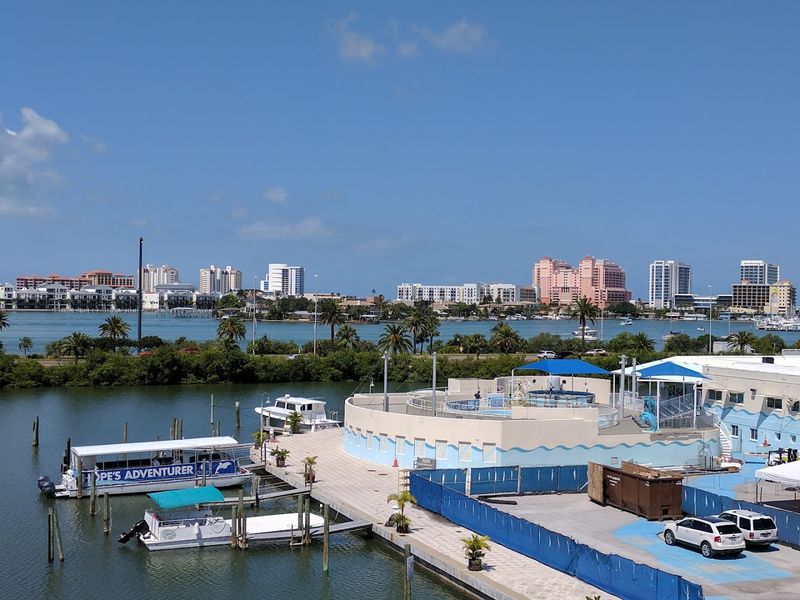
Beyond daily operations, Clearwater Marine Aquarium hosts special events that transform the facility into something even more memorable. Wedding receptions held with dolphin tanks as backdrops create unforgettable atmospheres that traditional venues can’t match.
Imagine exchanging vows or celebrating with guests while marine life glides past in beautifully lit habitats. The uniqueness factor alone makes these events conversation pieces for years.
The events team brings experience and flexibility to private functions, working closely with clients to customize experiences. They provide vendor recommendations based on successful past collaborations, taking guesswork out of planning.
The waterfront location offers stunning views, while the indoor spaces provide climate-controlled comfort. Guests at these events get the bonus of exploring the aquarium, often with special access or presentations arranged specifically for the occasion.
The aquarium also hosts concert series and other public events throughout the year. Recent reviews mentioned Coldplay and Imagine Dragons tribute performances in the auditorium space.
These events combine entertainment with the unique aquarium setting, attracting audiences who might not otherwise visit. A bar operates during events, and drinks can be brought into the auditorium, creating a relaxed, adult-friendly atmosphere.
Educational programs and summer camps utilize the facility for immersive learning experiences. Kids don’t just read about marine biology; they observe it firsthand while learning from experts who work with these animals daily.
These programs often include behind-the-scenes access and hands-on activities that create lasting impressions and potentially inspire future marine scientists.
The versatility of the space and the staff’s willingness to accommodate various event types demonstrate the aquarium’s commitment to community engagement beyond traditional admission-based visits. Whether you’re planning a wedding, corporate function, or simply attending a concert, experiencing the facility during a special event offers a different perspective on what makes this place special.
The combination of purpose-built event spaces, marine life backdrops, and dedicated staff creates possibilities limited only by imagination.