Once Known as the Pineapple Capital of the World, This Florida Town Still Feels Timeless
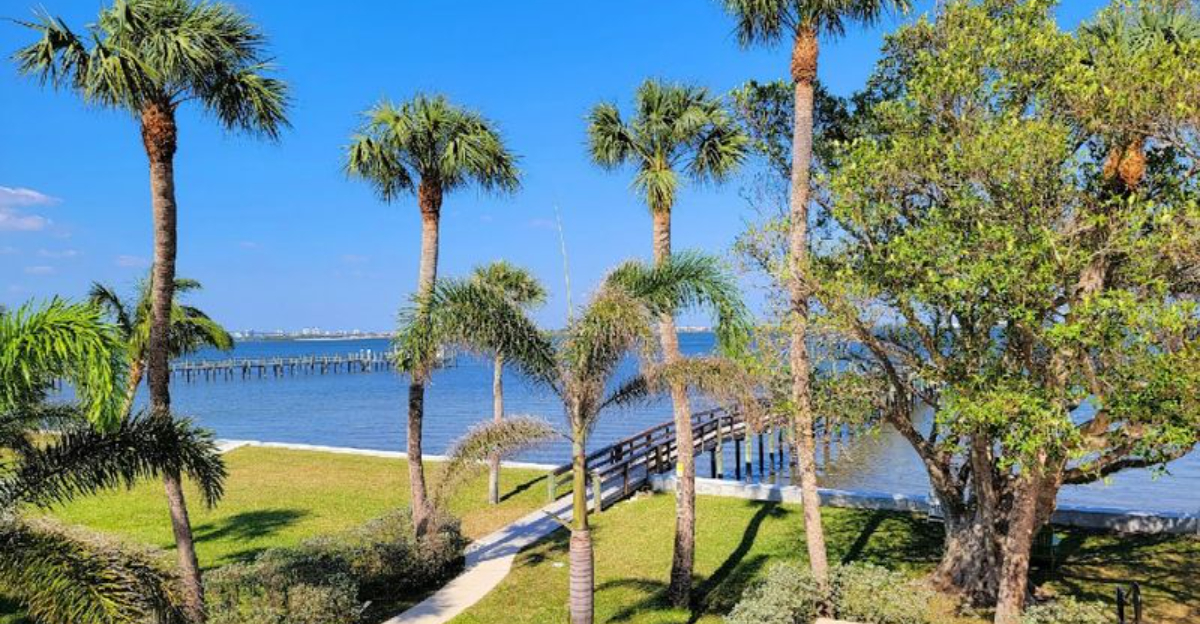
Tucked along Florida’s Treasure Coast, Jensen Beach carries a quiet charm that modern development hasn’t managed to erase. This small coastal community once earned fame as the Pineapple Capital of the World during the late 1800s, when golden fruit covered the landscape and brought prosperity to early settlers. Today, the pineapple fields are gone, but the town’s laid-back spirit remains intact, offering visitors and locals a genuine slice of Old Florida that feels refreshingly unhurried.
1. The Historic Pineapple Legacy Lives On
Walk through Jensen Beach today and you’ll spot pineapples everywhere—on signs, sculptures, and business logos—but few realize this wasn’t always just decorative nostalgia. Between 1880 and 1895, this sleepy stretch of coast produced more pineapples than anywhere else in the country, shipping the tropical fruit north by steamship to hungry markets.
The industry started almost by accident when early settlers discovered the sandy soil and warm climate created perfect growing conditions. Within years, thousands of acres transformed into neat rows of spiky plants, and the sweet smell of ripening fruit filled the air. Fortunes were made quickly, and the town buzzed with activity as workers packed crates bound for distant cities.
Then came the Great Freeze of 1895, which devastated crops and convinced many growers to abandon the business. Competition from Cuba and changing economics finished what the cold started. Yet the pineapple’s legacy stuck around, becoming part of the town’s identity in ways that outlasted the actual farms.
Today, you can learn about this golden era at local historical societies and through preserved photographs that show just how dramatic the landscape once looked, covered in endless pineapple plants stretching toward the horizon.
2. Downtown Feels Like Stepping Back Decades
Forget the cookie-cutter chains and massive shopping complexes that dominate most Florida towns. Downtown Jensen Beach runs just a few blocks, but those blocks pack in more character than developments ten times the size. Family-owned restaurants sit next to art galleries, surf shops share walls with bookstores, and everything moves at a pace that feels decidedly un-Floridian in the best possible way.
The architecture tells its own story—low-slung buildings with tropical colors, awnings providing shade, and plenty of outdoor seating where locals actually recognize each other. You won’t find aggressive marketing or pushy salespeople here. Instead, shop owners chat about the weather, remember your name on a second visit, and genuinely seem to enjoy what they’re doing.
Thursday evenings bring out the community for a farmers market that’s refreshingly authentic, with actual farmers selling produce they grew themselves. Musicians play under the palms while kids run around and neighbors catch up on the week’s happenings. It’s the kind of scene that feels increasingly rare in modern Florida.
Park anywhere—spaces are plentiful and free—then wander without a plan. The whole downtown can be explored in an hour, but most visitors find themselves lingering far longer, drawn in by the unhurried atmosphere and genuine friendliness.
3. The Beach Itself Remains Blissfully Uncrowded
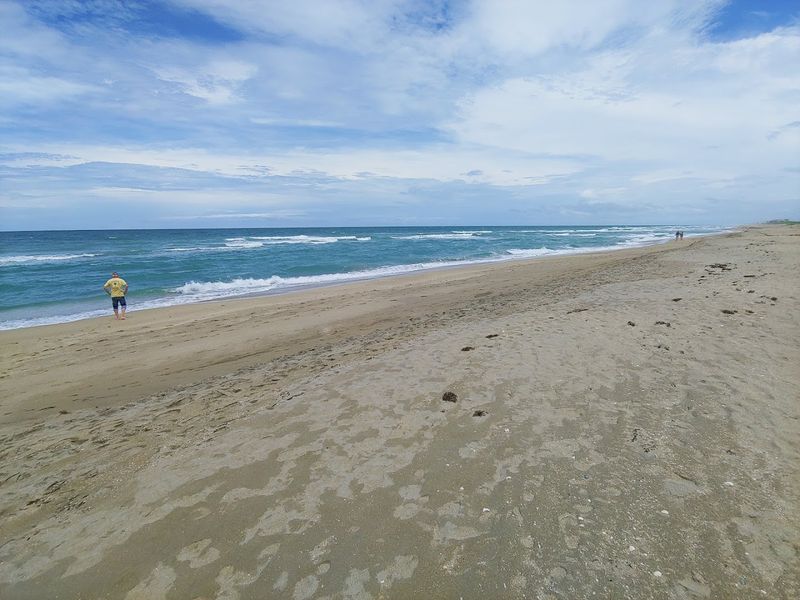
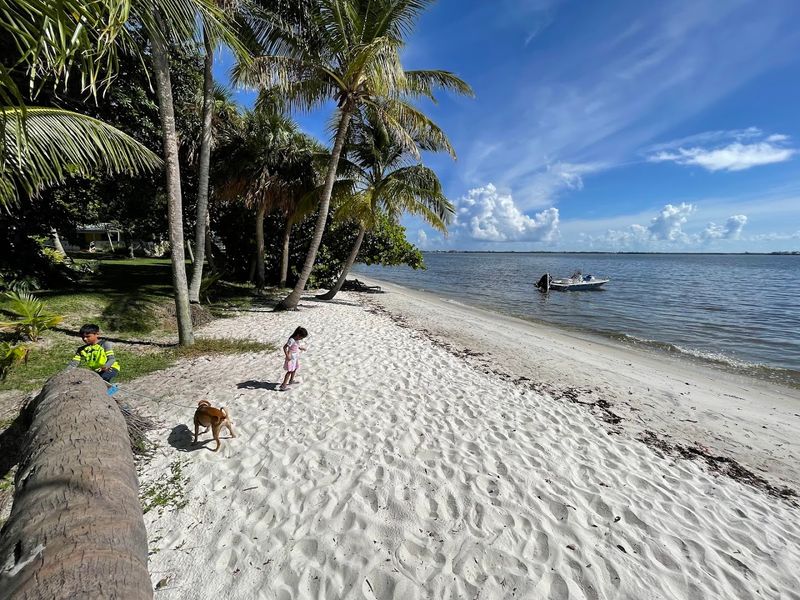
While beaches just miles south get packed shoulder-to-shoulder with tourists, Jensen Beach maintains an almost secret quality. The sand stretches wide and clean, the water stays relatively calm thanks to offshore reefs, and even on busy weekends you can find stretches where the only sounds are waves and seabirds. No high-rise condos loom overhead, no beach clubs blast music, and no vendors constantly interrupt your relaxation.
Local families claim their favorite spots year after year, setting up simple umbrellas and coolers without the elaborate production you see at more commercial beaches. Kids build sandcastles, couples walk the waterline, and fishermen try their luck from the shore. Everything feels low-key and genuine rather than staged for Instagram.
The beach access points come with basic facilities—showers, restrooms, and parking—but nothing fancy or overbuilt. That simplicity is actually part of the appeal for people who remember when all Florida beaches felt this way. You bring what you need, enjoy the natural setting, and leave without fighting crowds or traffic.
Sunrise here deserves special mention, painting the sky in colors that seem almost unreal while dolphins often cruise just beyond the breakers. Early risers have the sand practically to themselves, watching the day wake up in peaceful solitude that’s become increasingly precious along Florida’s developed coastline.
4. Indian River Lagoon Creates Natural Wonder
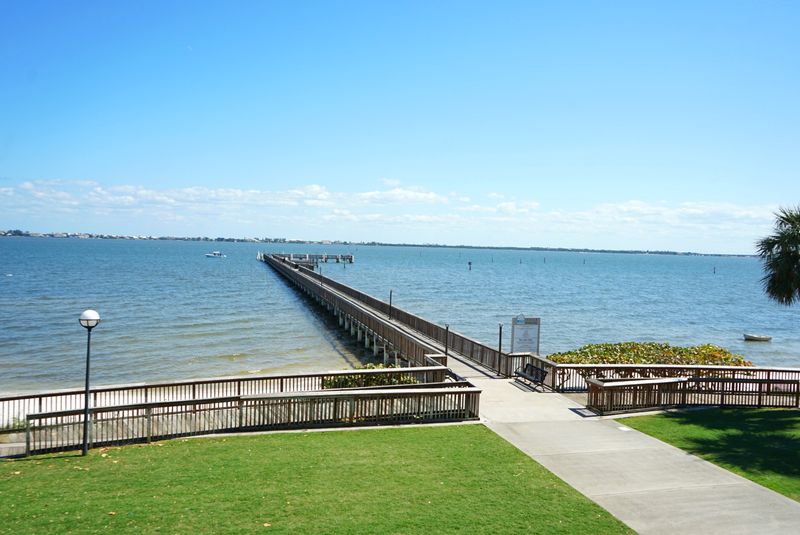
Behind the barrier island where Jensen Beach sits, the Indian River Lagoon creates one of North America’s most biodiverse estuaries—though you’d never know it from the lack of crowds. This shallow waterway hosts more species than almost anywhere else on the continent, from manatees and dolphins to countless fish, birds, and sea turtles. Paddle through its calm waters and you’re exploring an ecosystem that’s remained largely unchanged for centuries.
The lagoon’s mixture of fresh and saltwater creates unique conditions where species from different environments mingle. On any given morning, you might spot a manatee grazing on seagrass while herons stalk the shallows and pelicans dive for breakfast. The mangrove forests lining the shores provide nurseries for baby fish and shelter for wading birds, creating scenes that feel genuinely wild despite being minutes from town.
Kayakers and paddleboarders have endless territory to explore, with winding channels through mangrove tunnels and open water offering different experiences. The lagoon rarely gets choppy, making it perfect for beginners or anyone seeking peaceful time on the water. Several local outfitters offer rentals and guided tours that reveal hidden spots most visitors never discover.
Fishing here can be spectacular, with snook, redfish, and sea trout drawing anglers who appreciate the lagoon’s healthy populations and scenic setting. Whether you’re after dinner or just enjoying the pursuit, the experience feels authentic and unhurried.
5. Local Restaurants Serve Real Florida Flavor
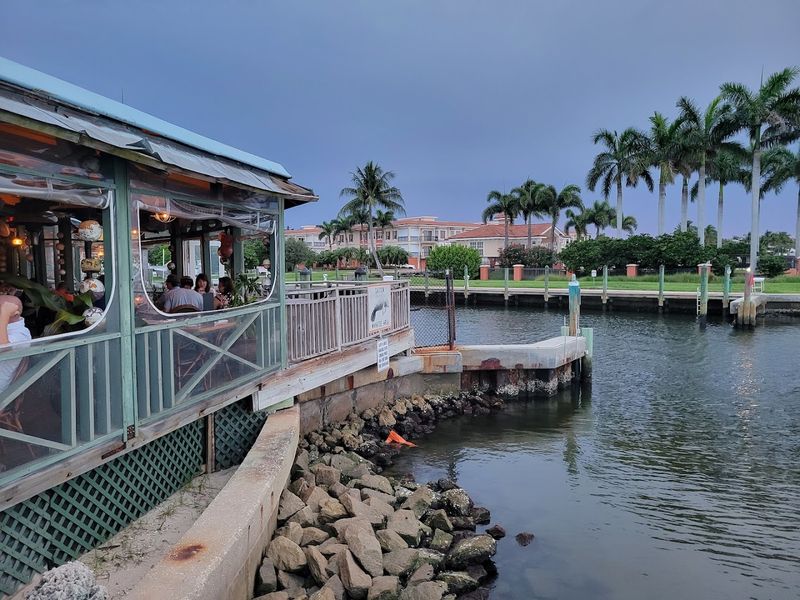
Corporate chains haven’t colonized Jensen Beach’s dining scene, leaving room for restaurants with actual personality and menus that change based on what’s fresh. Waterfront spots serve fish that was swimming hours earlier, prepared simply because quality ingredients don’t need elaborate disguises. Prices stay reasonable, portions come generous, and the atmosphere feels welcoming rather than pretentious.
Several longtime favorites have served locals for decades, building reputations on consistency and honest cooking rather than trendy concepts. You’ll find grouper sandwiches that actually taste like grouper, conch fritters made from scratch, and key lime pie with the perfect balance of tart and sweet. Servers often know regulars by name and treat newcomers like potential friends rather than transaction numbers.
The casual dress code means showing up in beach clothes or fishing gear raises zero eyebrows. Many places offer outdoor seating with water views, where the entertainment comes from watching boats pass and pelicans hunt rather than from screens or loud music. Conversations happen easily, and the pace allows for lingering without feeling rushed.
Breakfast spots open early to feed fishermen heading out and stay busy with locals who’ve made morning coffee there a daily ritual. Lunch crowds include workers from nearby businesses mixing with beach visitors, creating the kind of democratic atmosphere where everyone’s welcome. Dinner brings families, couples, and groups of friends who clearly come here often, a sign the food and vibe keep people returning.
6. Fishing Culture Runs Deep and Authentic
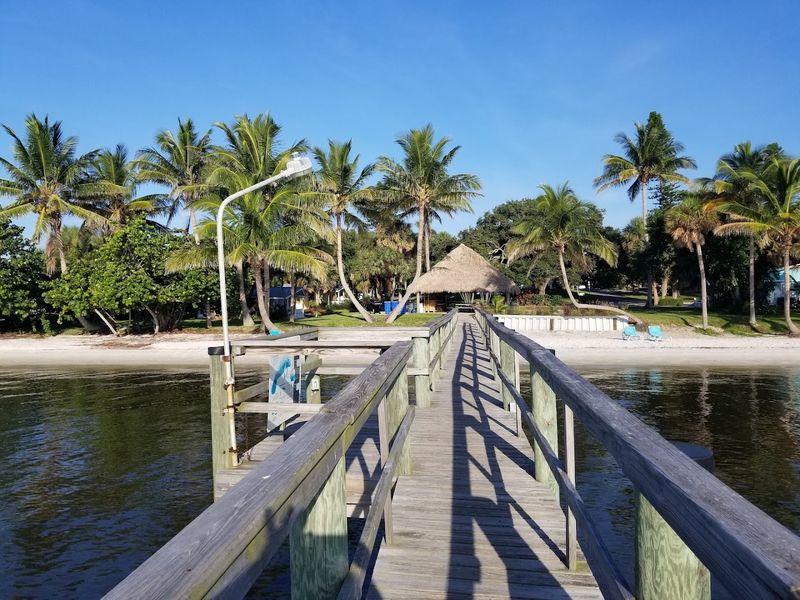
Before Jensen Beach became known for pineapples, fishing sustained the earliest inhabitants, and that tradition continues strong today. Walk the beach at dawn and you’ll see serious anglers working the surf, their lines stretching into deeper water where pompano, whiting, and occasional tarpon cruise. No fancy equipment required—many locals fish with simple rods and time-tested techniques passed down through generations.
The causeway bridges attract fishermen day and night, their lights illuminating the water where snook and redfish hunt. Strangers share tips about what’s biting, help untangle lines, and celebrate catches together with genuine enthusiasm. Competition exists, but it’s friendly rather than cutthroat, and experienced anglers often mentor newcomers without being asked.
Charter boats leave daily for offshore adventures, but the captains here tend to be working fishermen rather than tourism operators playing a role. They know the reefs, wrecks, and seasonal patterns from years of experience, and they’re more interested in putting clients on fish than providing luxury amenities. Expect honest assessments of conditions and realistic expectations rather than guaranteed results.
Bait shops function as community centers where fishing reports get shared, stories get swapped, and local knowledge flows freely. The guys behind the counter actually fish themselves and offer advice based on recent personal experience rather than generic suggestions. It’s this authentic culture that keeps fishing feeling like a genuine pursuit rather than a commodified tourist activity.
7. Sea Turtle Nesting Season Brings Natural Magic
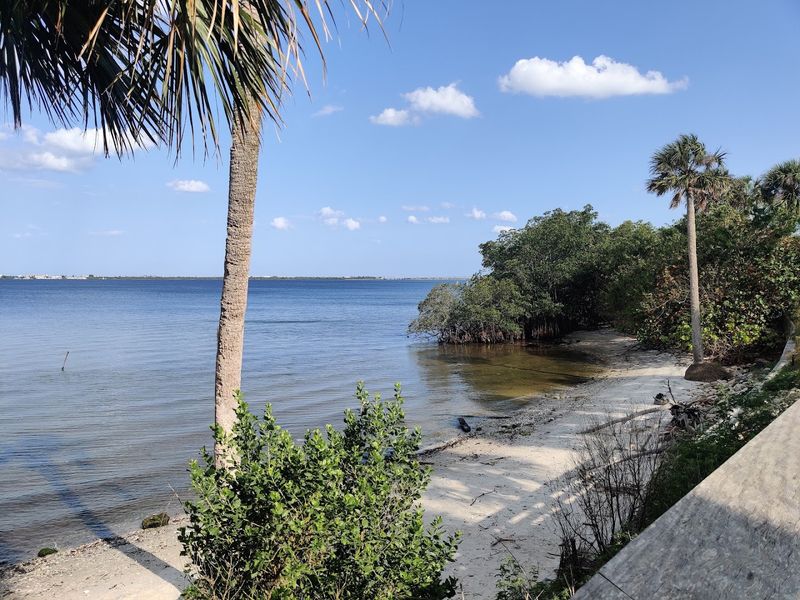
Something remarkable happens along Jensen Beach each summer when female sea turtles lumber ashore under cover of darkness to lay eggs in the same sand where they were born decades earlier. Loggerheads, greens, and occasional leatherbacks follow ancient instincts, digging chambers above the high tide line and depositing dozens of ping-pong ball eggs before returning to the ocean. Witnessing this process feels like glimpsing something timeless and sacred.
Local volunteers mark and monitor nests throughout the season, protecting them from predators and accidental disturbance. Their dedication has helped turtle populations recover from dangerously low numbers, proving that conservation efforts actually work when communities commit to them. Many residents adjust their beachfront lighting and modify evening beach walks to avoid disrupting nesting mothers or disorienting hatchlings.
When eggs hatch roughly two months later, tiny turtles emerge together and scramble toward the ocean in a frantic dash that’s both adorable and perilous. Birds, crabs, and fish await these vulnerable babies, meaning only a fraction will survive to adulthood. Watching hatchlings make their journey creates an emotional connection to nature that statistics and documentaries can’t match.
Organized turtle walks let visitors observe nesting under expert guidance, following strict protocols that minimize disturbance. These experiences book up quickly, as word spreads about how moving and memorable they are. Even without joining official walks, respectful observers can sometimes witness nests hatching during evening beach strolls, creating unexpected moments of natural wonder.
8. Small-Town Events Keep Community Connected
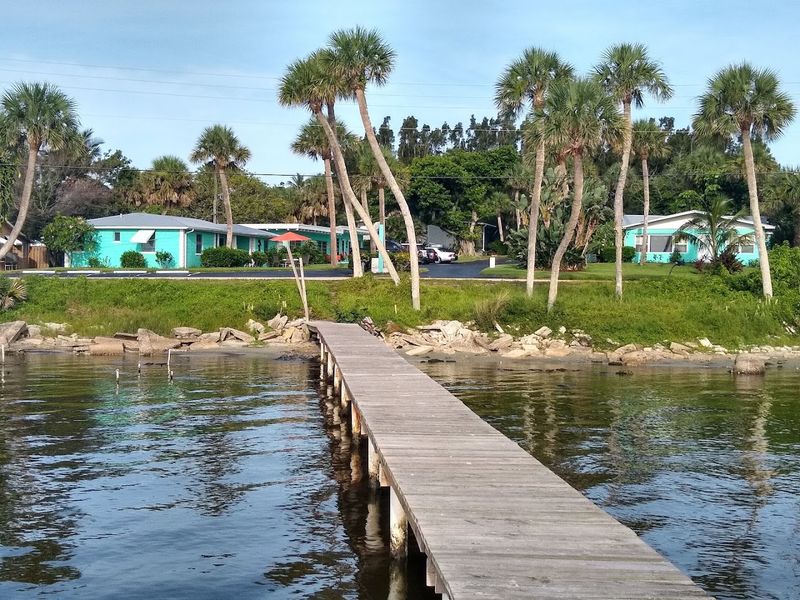
Rather than staging elaborate tourist attractions, Jensen Beach celebrates with events that actually bring the community together. The annual Pineapple Festival honors the town’s agricultural heritage with local crafts, food vendors, and entertainment that feels homegrown rather than professionally produced. People come to see neighbors, catch up with friends, and enjoy simple pleasures without the overwhelming crowds or commercial feel of bigger festivals.
Art walks happen regularly, turning downtown galleries and shops into a self-guided tour where local artists display their work and often hang around to discuss their process. The atmosphere stays relaxed and approachable, with wine and snacks flowing freely while conversations develop naturally. You don’t need to be an art expert or serious collector to enjoy these evenings—just curiosity and appreciation for creativity.
Holiday celebrations maintain old-fashioned charm, with boat parades on the water drawing spectators to the waterfront and tree lightings bringing families downtown. No elaborate productions or expensive tickets required—just show up and enjoy the festive atmosphere that emerges when communities gather with genuine seasonal spirit.
Weekly farmers markets and occasional street fairs provide regular opportunities for locals to connect and visitors to experience authentic small-town life. Musicians play for tips rather than big paychecks, vendors sell items they actually made or grew, and the whole scene feels refreshingly real in an increasingly manufactured world. These gatherings remind everyone why small-town life still appeals to people seeking genuine human connections.