You Can See the Bottom of This Stunningly Clear Florida Spring
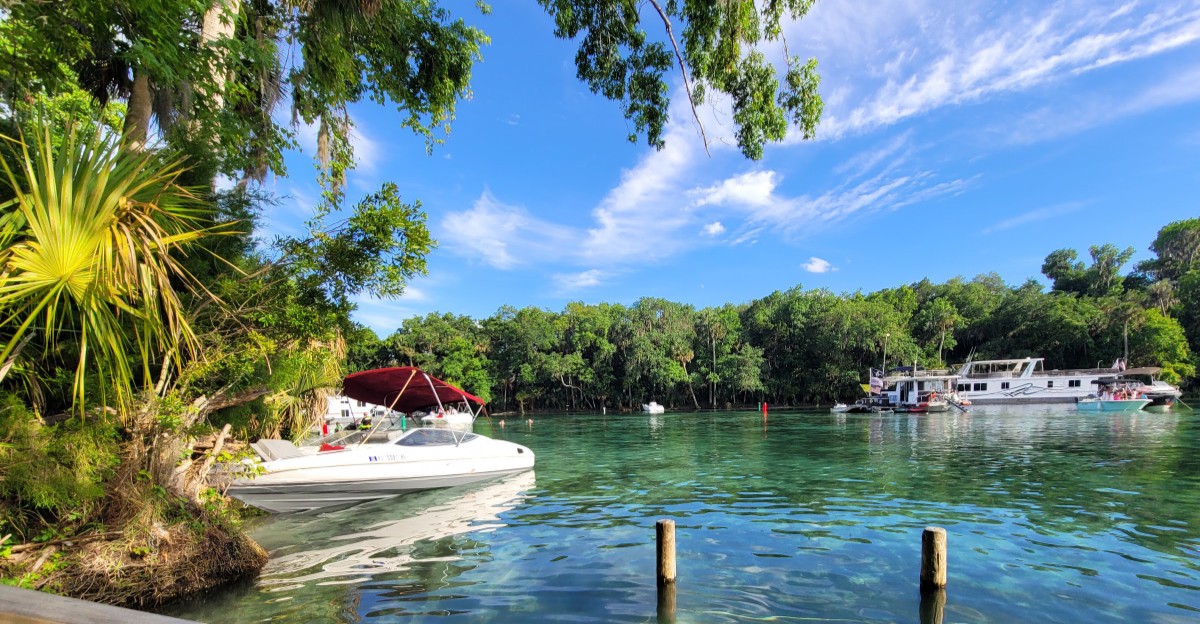
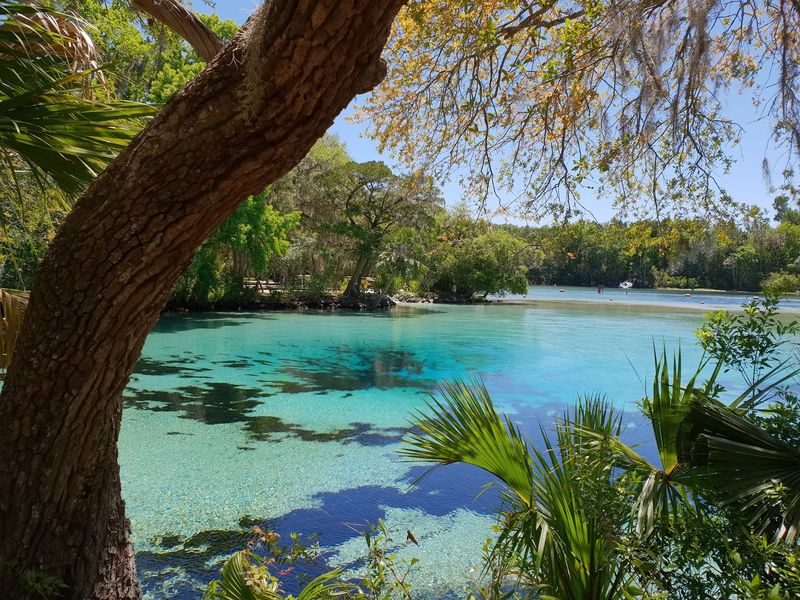
Peering down through water so clear you can count every grain of sand and watch fish glide past your toes like you’re looking through glass. Silver Glen Springs Recreation Area in Salt Springs delivers exactly that kind of magic, tucked away in the Ocala National Forest where spring-fed water stays a crisp 72 degrees year-round. This isn’t some overhyped tourist trap – it’s a genuine slice of old Florida where families spread out under ancient oaks, kayakers explore winding waterways, and snorkelers float above a world that looks almost too perfect to be real.
Whether you’re planning your first visit or you’ve been a dozen times, there’s always something new to discover in this stunning natural playground.
Crystal Clear Water That Lives Up to the Hype
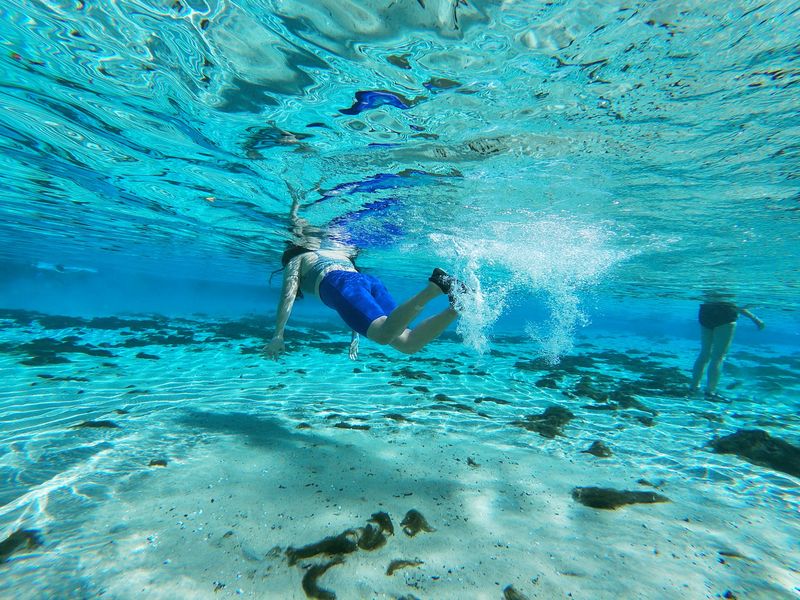
Most springs promise clarity, but Silver Glen actually delivers on that promise in ways that’ll make you question if your eyes are working properly. The visibility here stretches 50 feet or more on a good day, meaning you can stand waist-deep and watch minnows darting around your ankles with the same detail you’d get from an aquarium. That constant 72-degree temperature keeps the water refreshingly cool even when July heat turns the parking lot into a griddle.
The spring pumps out millions of gallons daily, creating a current strong enough to carry you gently toward Lake George if you let it. Families with young kids appreciate the gradual depth changes, though fair warning – there’s no beach-style entry here. You’re stepping into waist-deep water right from the shore, which catches some visitors off guard on their first visit.
Snorkelers get the best show, floating face-down to watch sunfish, bass, and the occasional turtle cruising past limestone formations below. Bring goggles or a mask because squinting through the surface doesn’t do this place justice. The water stays so pristine partly because rangers enforce strict rules – no glass bottles, no alcohol, and definitely no sunscreen that isn’t reef-safe.
Weekends turn the spring into a social scene with boats anchored offshore and families claiming their favorite spots early. If you want that peaceful, meditative experience where it’s just you and nature, aim for a weekday morning when the gates open at 8 AM. You’ll have the place nearly to yourself for a couple hours before the crowds roll in.
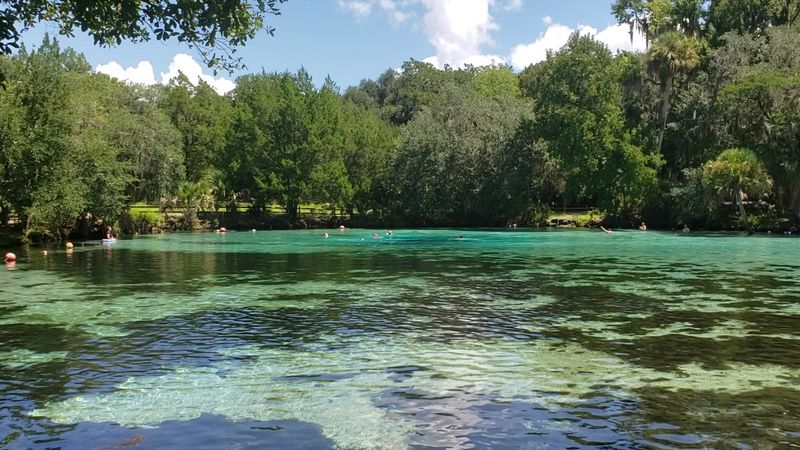
The spring basin itself is surprisingly spacious, accommodating dozens of swimmers without feeling cramped. Rocky outcroppings provide natural gathering spots, and the deeper sections near the spring vent attract confident swimmers who enjoy the extra challenge. Just remember that current – it’s gentle but persistent, so keep an eye on younger swimmers who might drift farther than they intended.
Manatee Encounters That Feel Like Nature Documentary Moments
Between November and March, Silver Glen transforms into a manatee sanctuary that rivals any paid attraction in the state. These gentle giants migrate up from Lake George seeking the spring’s warm water, and suddenly you’re sharing swimming space with creatures that look like swimming potatoes with the sweetest faces imaginable. Seeing one manatee is memorable – spotting 15 in a single morning paddle is the kind of experience that makes you boring at dinner parties because you won’t shut up about it.
The manatees here seem remarkably unbothered by human presence, though federal law requires you keep your distance and definitely resist any urge to touch them. Kayakers and paddleboarders get the best vantage point, gliding quietly above as manatees surface for air with that characteristic whoosh of breath. Early morning visits during cold snaps practically guarantee sightings since the spring’s constant temperature becomes even more appealing when lake water drops into the 60s.
Rangers take manatee protection seriously, and you’ll see posted guidelines everywhere reminding visitors that these are wild animals deserving respect. The spring run connecting to Lake George serves as a manatee highway, so position yourself there if you’re specifically hoping for encounters. Patience pays off – sometimes you’ll wait 20 minutes between sightings, other times three will cruise past within minutes.
Photographers love the clarity here because you can capture incredible underwater shots without expensive equipment. The manatees’ slow, deliberate movements make them surprisingly easy subjects if you’ve got a waterproof camera or phone case. Just remember that harassing wildlife for the perfect Instagram shot isn’t just rude, it’s illegal and can result in hefty fines.
Kids absolutely lose their minds over manatee sightings, and honestly, adults aren’t much better. There’s something profoundly moving about watching a 1,200-pound animal glide past with such grace and apparent contentment. The experience connects visitors to Florida’s wild side in ways that theme parks simply can’t replicate, reminding us why protecting these natural spaces matters so much.
Kayaking and Paddleboarding Through Florida’s Hidden Waterways
Renting a kayak here opens up a completely different Silver Glen experience, taking you beyond the main swimming area into winding channels that feel like something from a nature documentary. The spring run stretches roughly a mile before emptying into Lake George, creating a paddle route that showcases Florida ecosystems most visitors never see. Rental rates hit $45 for two hours, which sounds steep until you realize you’re getting access to some of Central Florida’s most pristine waterways.
The kayak launch sits a decent walk from the parking area, but the facility provides pull carts that make the trek manageable even when you’re hauling coolers and gear. Staff members are genuinely helpful, offering route suggestions and wildlife spotting tips that enhance your adventure. Weekday paddlers enjoy relatively quiet conditions, while weekend warriors navigate around anchored boats and floating party scenes that can disrupt the wilderness vibe.
Paddling toward Lake George reveals a landscape of cypress trees, wading birds, and occasionally alligators sunning themselves on distant banks. The current works in your favor heading out, then provides a mild workout on the return trip – nothing exhausting, but enough to remind you this counts as exercise. Beginners handle the route fine, though paddling experience helps you maintain better control and avoid bumping into limestone walls in narrower sections.
Bring your own paddleboard if you’ve got one, since the rental selection can be limited and equipment quality varies. The spring’s glass-smooth surface on calm mornings creates ideal SUP conditions, letting you stand tall and scan for fish and turtles below. Advanced paddlers sometimes venture into Lake George itself, though that’s serious business requiring navigation skills and awareness of boat traffic.
Photographers should absolutely bring waterproof bags because the scenery demands documentation. Spanish moss draped over water oaks, sudden clearings where sunlight pierces the canopy, and wildlife encounters that happen when you’re patient and quiet – these moments justify every penny of the rental fee. Just remember that two hours passes faster than you’d think once you’re out there exploring.
Picnic Areas That Actually Deliver on the Relaxation Promise
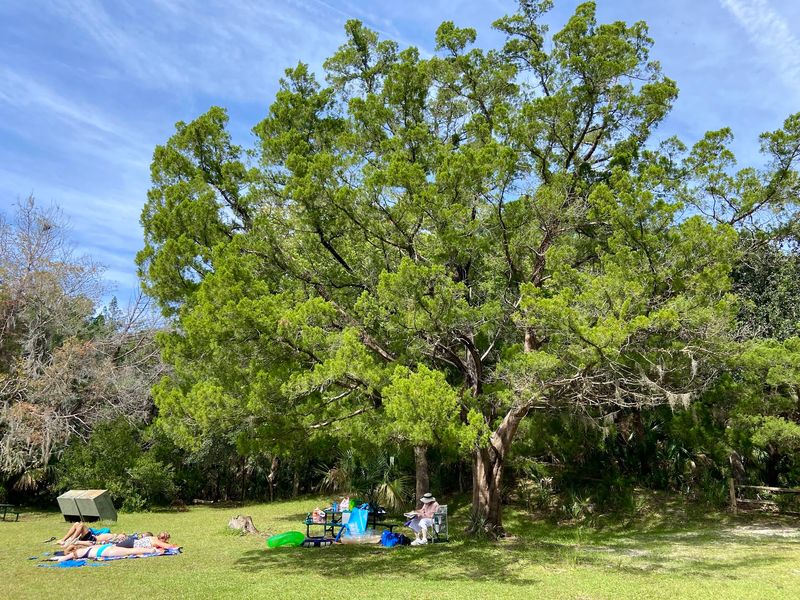
Silver Glen’s picnic setup proves that not all outdoor dining areas are created equal. Massive live oaks provide genuine shade, not that sad, spotty coverage you get at some parks where you’re still baking by noon. The tables are well-spaced, giving groups actual privacy instead of forcing you to eavesdrop on neighboring family drama.
Designated grilling areas let you cook up lunch without setting off any ranger alarms, though you’ll need to bring your own charcoal and equipment.
Smart visitors claim their picnic spots early on busy days, especially during spring break and summer weekends when the place fills to capacity. Arriving by 9 AM usually guarantees your pick of locations, while late arrivals might find themselves squeezing into whatever’s left or eating lunch standing up. The tables closest to the water get snatched first, offering prime views of swimmers and easy access for kids bouncing between eating and splashing.
The facilities here lean rustic, meaning porta-potties instead of proper restrooms with running water. They’re maintained reasonably well, but if you’re expecting modern amenities, adjust those expectations now. Hand sanitizer becomes your best friend, and the walk back from the water to the facilities feels longer when you’re dripping wet and a kid announces an urgent bathroom need.
Vultures have apparently decided Silver Glen picnic areas are prime real estate, and they’re not shy about investigating unattended food. Multiple reviews mention these birds as persistent nuisances, so keep coolers closed and don’t leave your lunch spread out while you swim. They’re not dangerous, just opportunistic and surprisingly bold about testing your defenses.
The small store near the entrance sells cold drinks, snacks, and basic supplies for reasonable prices considering the captive audience situation. Still, packing your own cooler makes more sense financially and gives you better food options. Remember that glass containers are prohibited, so transfer anything in bottles to approved containers before arrival.
Rangers actually check coolers at entry, and they’ll make you leave banned items in your car or toss them entirely.
The Entry Fee Reality and What You’re Actually Paying For
Let’s address the elephant in the spring – that $15 per person entry fee catches people off guard, especially families watching costs multiply faster than they’d like. It’s not cheap, particularly compared to the $6 per vehicle rate from state park days before private management took over. Whether you think it’s worth it depends entirely on your expectations and how long you plan to stay.
The fee covers access to pristine water, maintained grounds, and facilities that require ongoing upkeep in a heavily-used natural area. What it doesn’t cover is upgraded infrastructure – you’re still using porta-potties, parking on the same lot, and hiking trails that show hurricane damage from years past. Some visitors feel they’re paying premium prices for basic amenities, while others argue that protecting and maintaining a place this beautiful justifies the cost.
Weekend visits require advance reservations during peak season, adding a planning layer that spontaneous day-trippers find frustrating. Show up without a reservation on a Saturday in July and you’re getting turned away, period. The system prevents dangerous overcrowding, but it also means you can’t just decide that morning to head over if the weather looks perfect.
Frequent visitors should definitely consider the park hopper pass, which pays for itself after five visits. At roughly $75 annually, it makes sense for anyone living within an hour’s drive who plans regular trips. The math works especially well for families since the pass covers the named holder, making per-visit costs drop dramatically with repeated use.
America the Beautiful Senior and Access passes get you 50% off, bringing the price to a more manageable level for qualifying visitors. Regular annual passes don’t receive the same discount, which confuses people who assume all federal passes work the same way. Call ahead or check the website for current pricing since rates and policies seem to shift periodically.
The pricing debate rages in reviews, with some calling it highway robbery and others insisting that experiences this special warrant premium fees. Your mileage will vary based on personal budget, how crowded it is during your visit, and whether you’re comparing it to free swimming holes or expensive theme parks.
Timing Your Visit to Avoid the Weekend Madness
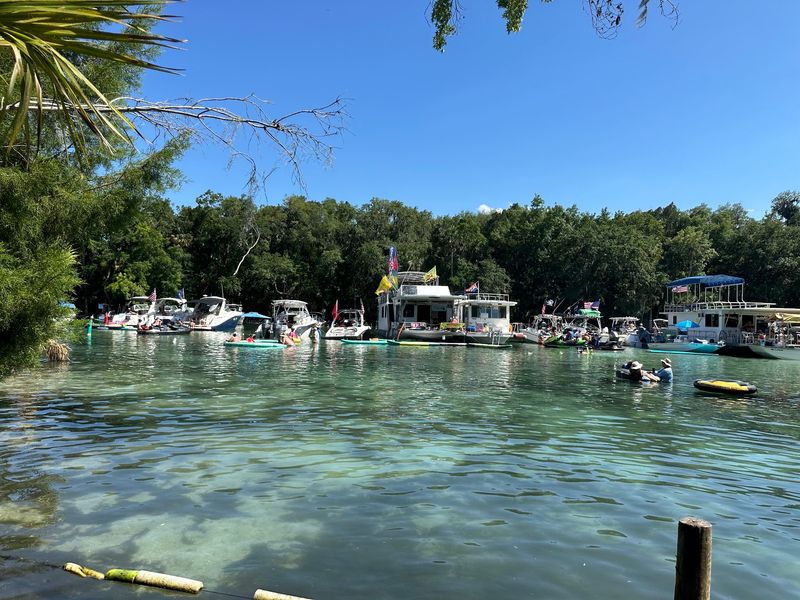
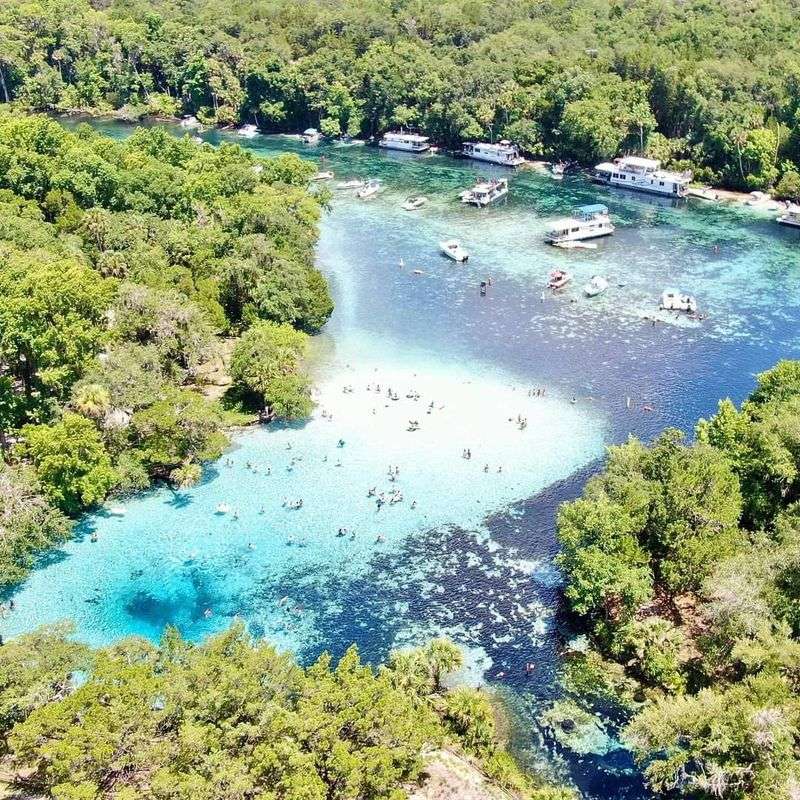
Silver Glen operates on a Jekyll and Hyde schedule where weekday serenity transforms into weekend chaos faster than you can say “boat traffic.” Arriving on a Tuesday morning feels like discovering a secret paradise, with maybe a dozen other visitors sharing the entire spring. Roll up on Saturday afternoon and you’re joining what looks like a floating tailgate party complete with hundreds of boats, wall-to-wall swimmers, and noise levels that chase away any peaceful nature vibes.
The 8 AM opening time is your golden ticket to the best experience, especially on weekends when you absolutely must visit. Gates open and the first hour stays relatively calm before the crowds descend around 10 AM. By early afternoon, parking lots fill completely and cars line up on the road waiting for spaces to open.
That 6 PM closing time comes as a relief to rangers managing what’s essentially crowd control by late afternoon on busy days.
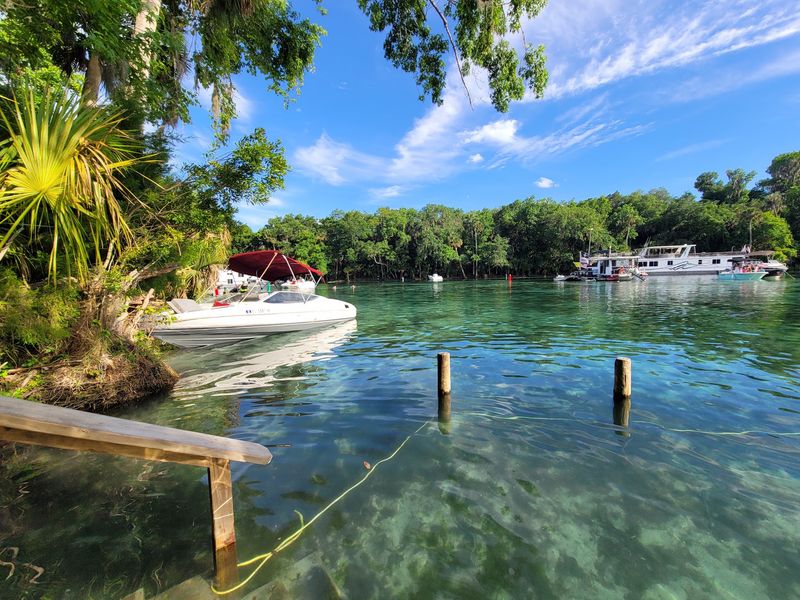
Boat traffic represents the biggest complaint among kayakers and swimmers seeking tranquility. Motorboats have legal access to the spring via Lake George, and boaters take full advantage, anchoring in the basin and turning the area into an aquatic social scene. Weekday visits dramatically reduce boat numbers, letting you actually hear birds and enjoy conversations without shouting over engine noise.
Shoulder seasons – late fall and early spring – offer the sweet spot of decent weather without summer’s overwhelming crowds. You’ll trade guaranteed warm air temperatures for quieter conditions and easier parking. Winter visits provide the manatee bonus, though you’ll want a wetsuit if you plan extended time in that 72-degree water when air temps drop into the 50s.
Weather impacts vary by season, with summer afternoon thunderstorms clearing the park quickly and creating opportunities for latecomers to snag entry spots. Rangers monitor lightning and will close the water during storms, so flexibility in your schedule helps when Mother Nature throws curveballs. Spring break weeks are absolutely packed regardless of day, so avoid mid-March entirely if crowds stress you out.
Consider that Monday visits work brilliantly since most tourists pack weekend trips and head home Sunday night. You’ll find lighter crowds, better parking, and staff who aren’t completely exhausted from managing weekend chaos.
What to Bring and What to Leave Home
Packing smart makes the difference between a great day and a frustrating experience where you’re kicking yourself for forgetting essentials. Start with reef-safe sunscreen because rangers enforce this rule and regular sunscreen damages the spring’s delicate ecosystem. Multiple stores near the entrance sell approved brands, but you’ll pay tourist-trap prices for forgetting to bring your own.
Snorkel gear transforms a good visit into an unforgettable one, letting you properly appreciate the underwater world that makes this spring special. The facility sells masks and snorkels, but quality varies and prices run high. Invest in your own equipment if you plan multiple Florida spring visits, or grab decent gear from a sporting goods store before your trip.
Floats and water shoes rank high on the recommended list since entry points drop to waist depth immediately and limestone can be rough on bare feet. The current makes floating downstream effortless and fun, though you’ll need to swim or walk back upstream afterward. Cheap pool floats work fine, but the on-site store stocks options if you arrive empty-handed.
Coolers are essential for all-day visits, but remember the no-glass rule that rangers actually enforce during entry inspections. Transfer drinks from bottles to plastic containers or cans before arrival. Ice stays frozen surprisingly well in the shade, and having cold drinks available beats paying store prices every time someone gets thirsty.
Leave alcohol at home entirely since it’s prohibited and rangers don’t mess around with violations. Same goes for pets, which aren’t allowed in the recreation area despite how much your dog would probably love the water. The rules exist to protect water quality and wildlife, so respect them even if they seem inconvenient.
Bring more towels than you think you’ll need because that walk from water to parking lot leaves you dripping and wishing for extra coverage. A change of clothes prevents the miserable drive home in wet swimsuits, and waterproof bags protect phones and valuables from inevitable splashing. Trash bags help you pack out everything you brought in, since garbage cans are surprisingly scarce for a facility this size.