Most Floridians Have No Idea These 10 Places Are Hiding in Their Own State
Florida is famous for beaches, theme parks, and alligators, but some of its most incredible spots remain completely under the radar. Even locals who have lived here their whole lives often miss these hidden gems tucked away in quiet corners of the state. From underground caves to mysterious stone castles, these ten places prove that Florida has way more surprises than most people realize.
Get ready to discover a side of the Sunshine State you never knew existed.
1. Devil’s Den Prehistoric Spring (Williston)
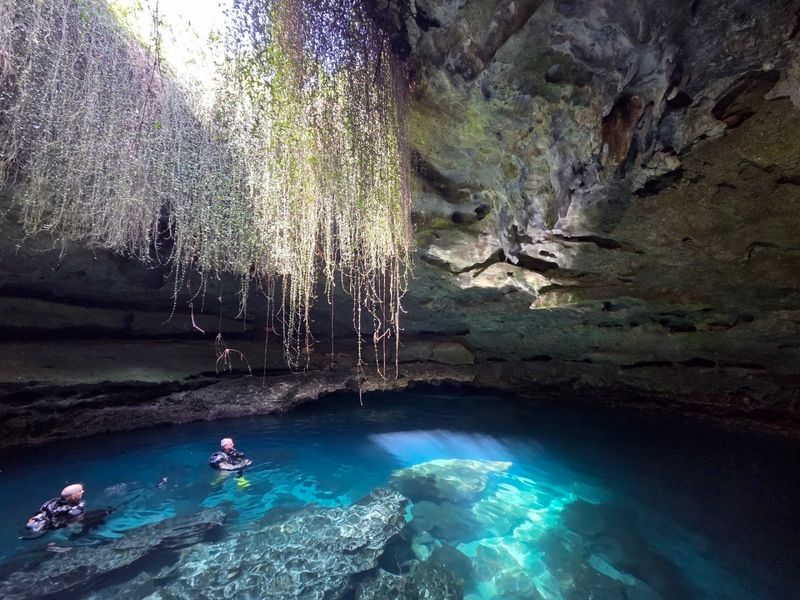
Walking down a wooden staircase into the earth feels like stepping back thousands of years. Devil’s Den isn’t your typical Florida swimming hole—it’s an ancient underground cavern where crystal-clear water stays a comfortable 72 degrees year-round. Natural light pours through an opening in the ceiling, creating an almost magical glow across the blue water below.
Snorkelers float along the surface while scuba divers explore deeper sections of the spring. The water is so clear you can see ancient rock formations that have been developing for millennia. Fossils from prehistoric creatures have been discovered here, adding to the site’s mysterious atmosphere.
Visitors need to make reservations ahead of time since space inside the cavern is limited. The experience feels worlds away from Florida’s typical outdoor activities. You’re literally swimming in a cave that formed during the last ice age.
Gear rentals are available on-site if you don’t have your own snorkel or dive equipment. The temperature inside stays cool even during Florida’s hottest months, making it a perfect escape from summer heat. Most people drive right past Williston without realizing this prehistoric wonder sits just off the highway, hidden beneath their feet.
2. Florida Caverns State Park (Marianna)
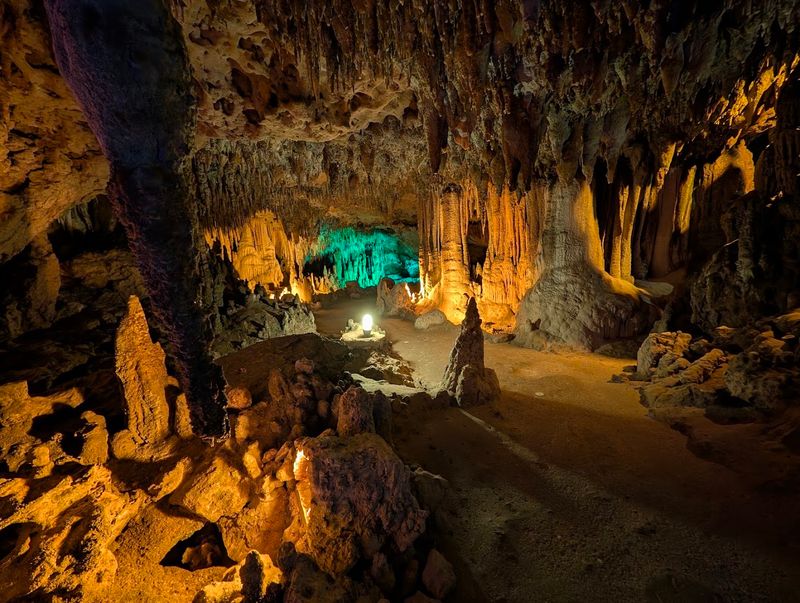
Most people think Florida is too flat and wet for caves, but Marianna proves them completely wrong. Florida Caverns State Park offers the only public tours through dry limestone caves in the entire state. Massive stalactites hang from ceilings like stone icicles, while stalagmites rise from the ground in bizarre and beautiful shapes.
The guided tour takes visitors deep underground where the temperature drops noticeably. Flowstone formations look like frozen waterfalls made of rock. Some sections feature columns where stalactites and stalagmites have connected over thousands of years.
Rangers explain how these caves formed millions of years ago when this part of Florida sat beneath an ancient sea. The mineral deposits create stunning colors—whites, oranges, and browns streak across the formations. Photography is allowed, though the dim lighting makes it challenging without proper equipment.
Above ground, the park offers hiking trails, canoeing on the Chipola River, and camping facilities. But the caves remain the main attraction, drawing geology enthusiasts and curious families alike. Tours run daily but can fill up during peak season, so arriving early helps.
The Panhandle location means it’s far from most Florida population centers. That distance keeps crowds manageable and preserves the sense of discovery when you first glimpse these underground wonders.
3. Solomon’s Castle (Ona)
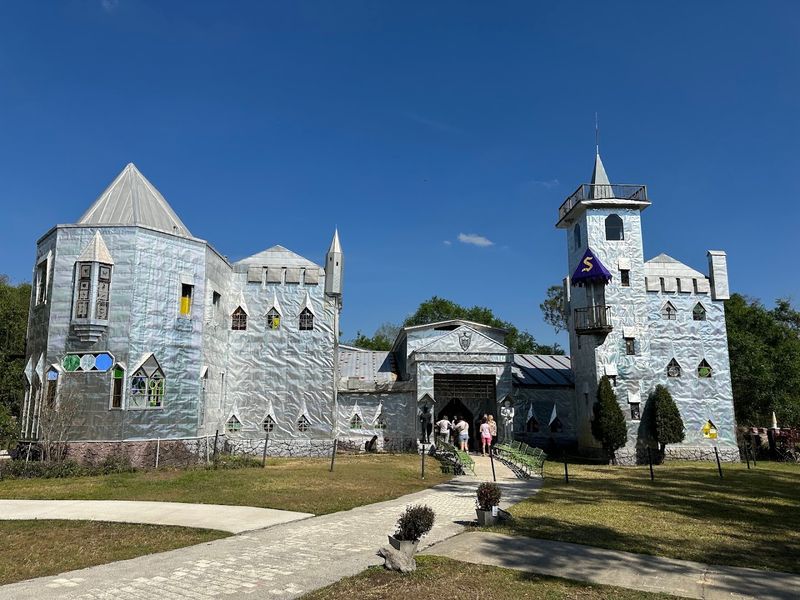
Driving through rural Hardee County, a shimmering castle suddenly appears among the oak trees like something from a fever dream. Howard Solomon built this three-story wonder almost entirely by himself, using aluminum printing plates to cover the exterior. The result catches sunlight and gleams like a knight’s armor.
Inside, every room overflows with Solomon’s eccentric creations—sculptures made from found objects, paintings, and inventions that blur the line between art and engineering. A stained glass window depicts a boat made entirely from old neckties. Another room features furniture crafted from car parts and industrial scraps.
Solomon, who passed away in 2016, spent decades collecting materials and transforming them into whimsical artwork. His daughter now maintains the castle and gives tours that reveal her father’s incredible sense of humor. The Boat in the Moat restaurant sits beside the castle, serving lunch in a structure designed to look like a Portuguese galleon.
This isn’t a polished museum experience—it’s wonderfully rough around the edges. Tools, materials, and half-finished projects create an atmosphere of ongoing creativity. Visitors often describe feeling like they’ve stumbled onto a secret that most Floridians will never discover.
The remote location in Ona (population: very few) means you won’t accidentally pass by. Getting here requires intention, which makes the discovery feel even more rewarding.
4. Blowing Rocks Preserve (Hobe Sound)
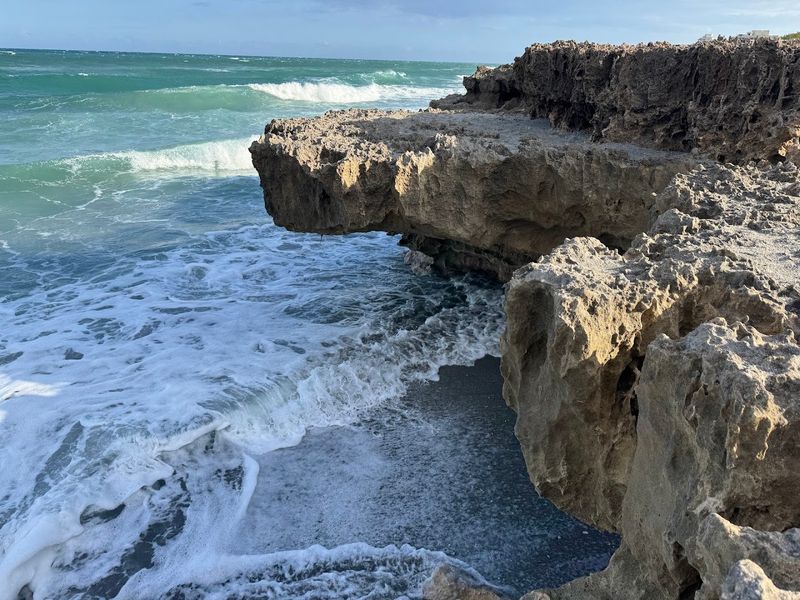
Florida’s coastline is mostly sand, but Blowing Rocks Preserve reveals a dramatically different shore. Here, rare exposed limestone formations meet the Atlantic Ocean in spectacular fashion. When waves crash against these ancient rocks during high tide or storms, water explodes upward in geysers that can reach 50 feet high.
The preserve protects one of the largest nearshore reef formations on Florida’s east coast. Walking along the rocky shore feels nothing like strolling a typical Florida beach. Tidal pools form between the limestone ledges, creating miniature ecosystems filled with sea life.
The “blowing rocks” phenomenon happens most dramatically during rough surf conditions. Winter cold fronts and tropical storms produce the most impressive displays. Even on calm days, the unique geology makes this preserve worth exploring.
Native coastal vegetation covers the inland portions of the 73-acre site. Gopher tortoises dig burrows in the sandy areas behind the rocks. Sea turtles nest here during summer months, taking advantage of the protected habitat.
The Nature Conservancy manages the preserve and offers guided walks during sea turtle nesting season. Parking is limited, which helps maintain the area’s peaceful atmosphere. Sunrise visits provide the best light for photography and fewer crowds.
Most beach-goers stick to the sandy shores just miles away, completely unaware that this rocky wonderland exists. The preserve feels more like coastal Maine than coastal Florida.
5. Morikami Museum and Japanese Gardens (Delray Beach)
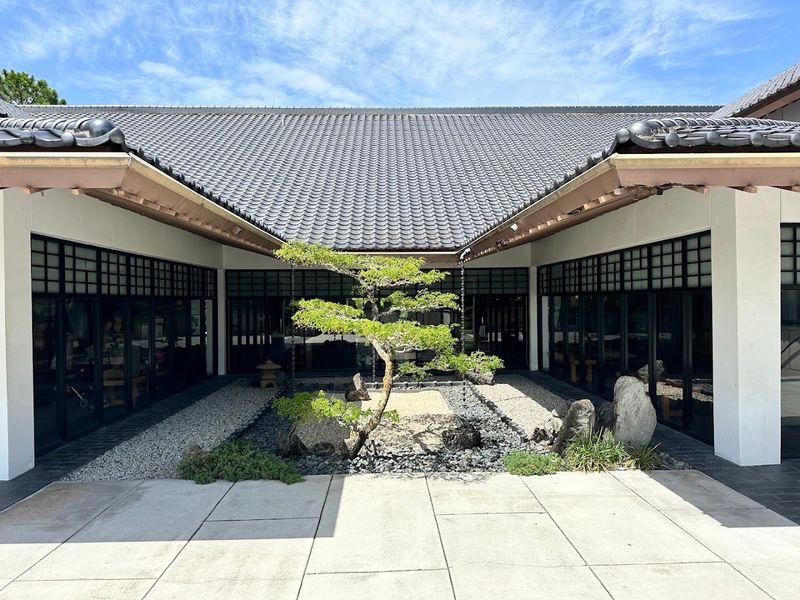
Stepping through the entrance transports you roughly 7,000 miles away from South Florida. Morikami Museum and Japanese Gardens spreads across 200 acres, offering six distinct garden areas inspired by different periods of Japanese history. Each garden presents a unique design philosophy, from the simple elegance of early paradise gardens to the elaborate landscapes of later periods.
Koi swim lazily in ponds crossed by red wooden bridges. Carefully pruned pine trees lean at artistic angles. Stone lanterns and bamboo water features add authentic touches throughout the grounds.
The museum building houses rotating exhibits of Japanese art and artifacts. A permanent collection tells the story of the Yamato Colony, a group of Japanese farmers who settled in this area in the early 1900s. Most of the colonists eventually left, but their legacy lives on through this remarkable cultural center.
The on-site Cornell Café serves Japanese-inspired cuisine with views overlooking the gardens. Bonsai demonstrations, tea ceremonies, and cultural festivals happen regularly throughout the year. The gift shop stocks items imported directly from Japan.
Despite being located in busy South Florida, the gardens maintain an atmosphere of complete tranquility. Visitors often spend hours wandering the paths, discovering new details with each turn. The sound of traffic fades completely once you’re inside the grounds.
Many locals have lived in the area for years without realizing this peaceful escape exists just off Jog Road.
6. Coral Castle (Homestead)
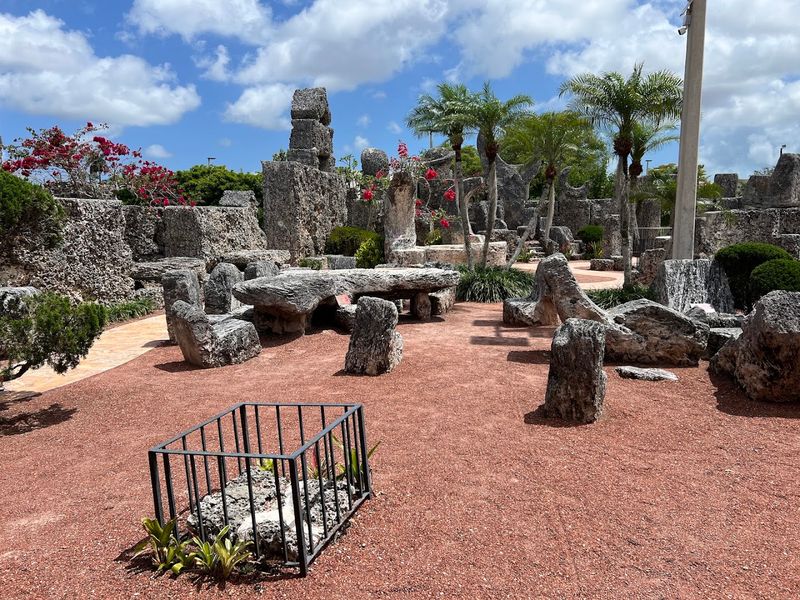
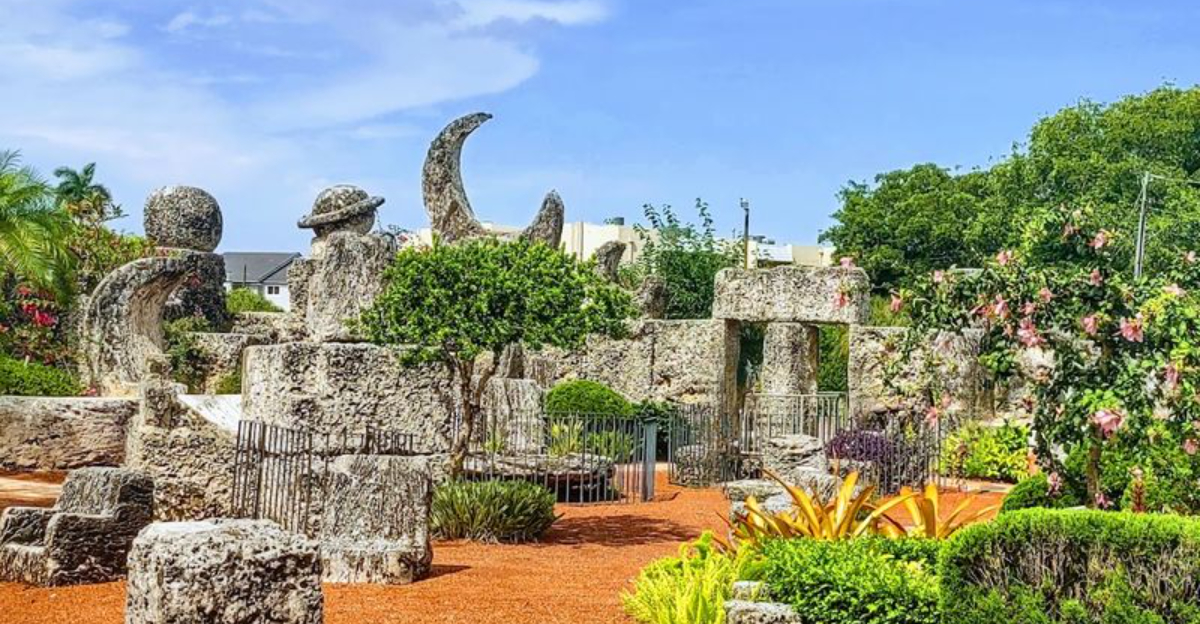
Edward Leedskalnin carved, moved, and assembled more than 1,000 tons of coral rock entirely by himself over 28 years. How he managed this feat without modern machinery remains hotly debated. Some blocks weigh several tons each, yet this five-foot-tall man somehow quarried, transported, and positioned them with precision.
The castle includes massive walls, a two-story tower, furniture carved from stone, and various sculptures—all made from coral rock. A nine-ton gate is so perfectly balanced it can be pushed open with one finger. Leedskalnin claimed to understand the secrets of the ancient pyramid builders.
He worked mostly at night, refusing to let anyone watch his methods. When asked how he moved the massive stones, he cryptically mentioned understanding the laws of weight and leverage. Theories range from the practical (he used pulleys and physics) to the wildly speculative (he discovered anti-gravity).
Leedskalnin built the entire structure as a monument to a lost love who left him before their wedding. The romantic tragedy adds emotional depth to the engineering mystery. Tours guide visitors through the complex while explaining both the known facts and enduring questions.
The castle sits along South Dixie Highway, easy to miss among the commercial sprawl. Inside the walls, however, you enter a world of obsession, heartbreak, and inexplicable achievement. Coral Castle has baffled engineers and inspired conspiracy theories for decades, yet most Floridians have never heard of it.
7. Falling Waters State Park (Chipley)
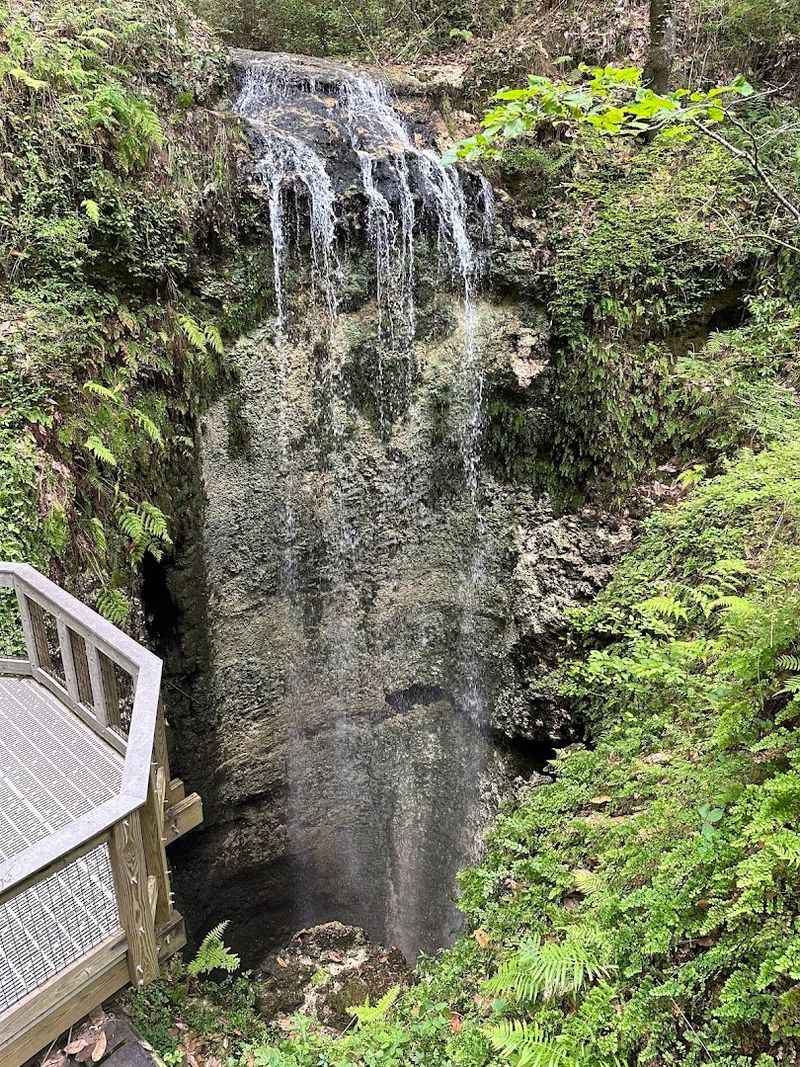
Florida isn’t exactly known for dramatic waterfalls, which makes Falling Waters all the more remarkable. After sufficient rainfall, water plunges more than 70 feet down into a cylindrical sinkhole before vanishing into an underground cave system. The waterfall becomes the state’s tallest, though it can slow to a trickle during dry periods.
The sinkhole itself measures 100 feet deep and 20 feet wide. Observers can walk around the rim on a viewing platform, peering down into the mysterious depths. No one knows exactly where the water goes after it disappears underground.
Geologists believe the sinkhole formed when an underground cave ceiling collapsed thousands of years ago. The park’s 155 acres include other sinkholes, though none as dramatic as the main attraction. Hiking trails wind through hardwood forests filled with native plants.
A small lake offers swimming and fishing opportunities. Picnic areas and campgrounds make this a pleasant overnight destination. But the waterfall draws most visitors, especially after heavy rains when the flow becomes most impressive.
The Panhandle location puts Falling Waters far from Florida’s major population centers. Many residents from South Florida have no idea their state contains a 70-foot waterfall. Even people living in Tallahassee sometimes haven’t made the hour-long drive to see it.
Timing your visit after rainy weather produces the best experience. During droughts, the waterfall can disappoint. Checking recent rainfall before making the trip helps set appropriate expectations.
8. Skunk Ape Research Headquarters (Ochopee)
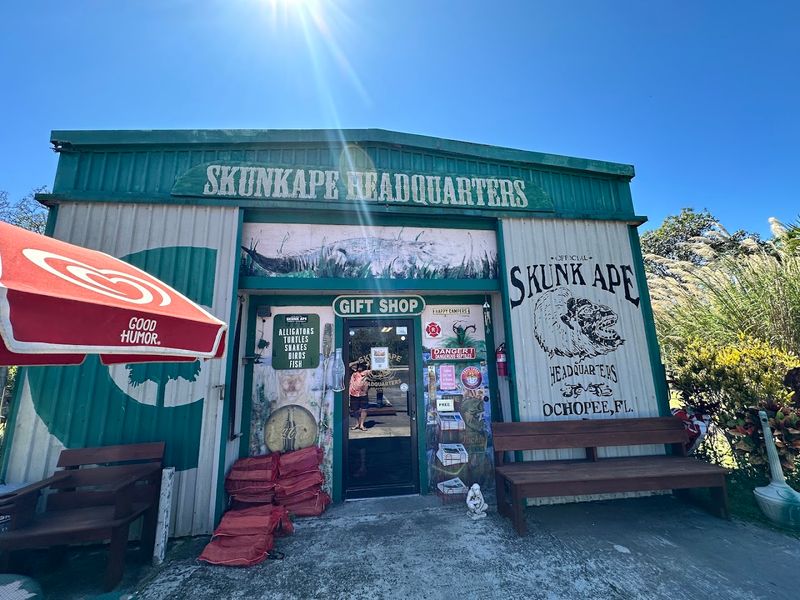
Deep in the Everglades along Tamiami Trail, a small building covered in hand-painted signs announces itself as the Skunk Ape Research Headquarters. The Skunk Ape is Florida’s version of Bigfoot—a large, hairy, foul-smelling creature reportedly lurking in the swamps. This attraction takes the legend seriously (or at least enthusiastically).
Inside, owner Dave Shealy displays photographs, plaster casts of supposed footprints, and newspaper clippings documenting Skunk Ape sightings. Shealy claims to have seen the creature himself multiple times. His passion for the subject is genuine, even if visitors remain skeptical about the evidence.
The facility also functions as a small wildlife attraction, housing rescued animals including alligators, turtles, and various reptiles. These real creatures provide entertainment beyond the cryptozoological claims. The gift shop sells Skunk Ape t-shirts, bumper stickers, and other souvenirs celebrating Florida’s most elusive resident.
The location couldn’t be more fitting—surrounded by vast wetlands where anything could potentially hide. The remoteness adds to the mystique. Whether you believe in the Skunk Ape or not, the headquarters offers a genuinely quirky Florida experience.
Shealy’s enthusiasm is infectious during his tours. He’ll share stories of encounters, explain the difference between Skunk Apes and their Pacific Northwest cousins, and point out where sightings have occurred nearby.
Most people drive past on their way to more conventional Everglades attractions, missing this wonderfully weird piece of Florida folklore.
9. Bok Tower Gardens (Lake Wales)
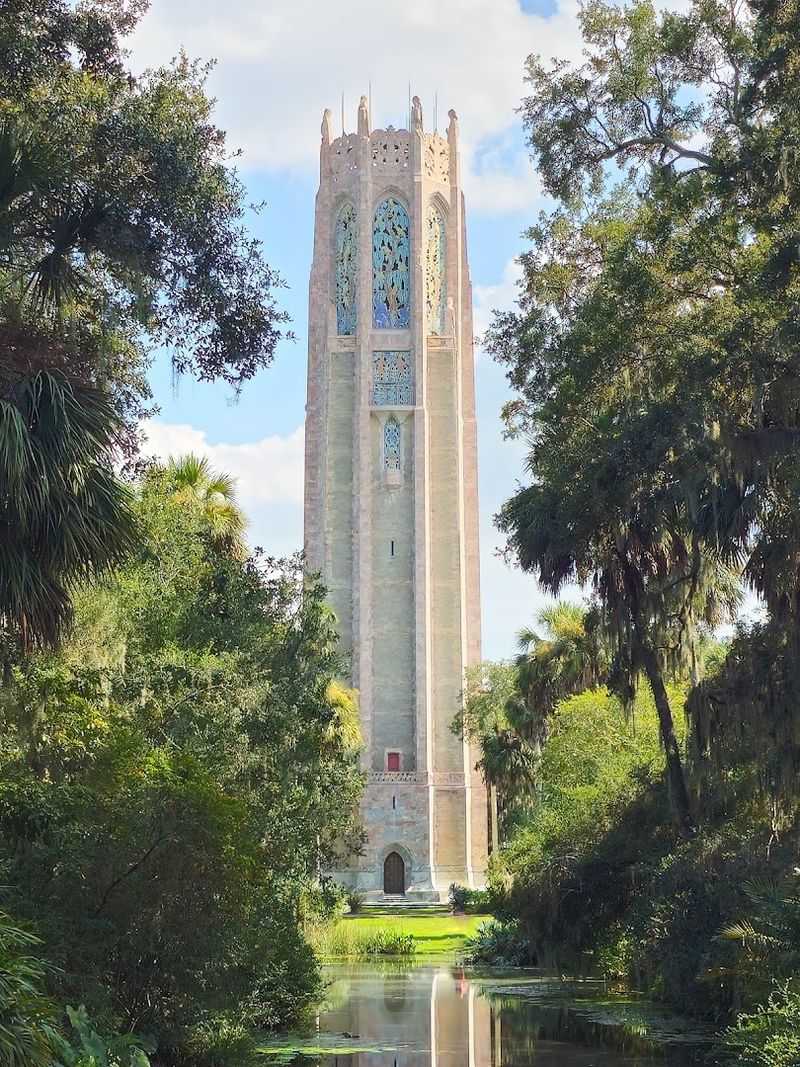
Rising 205 feet above one of Florida’s highest points, the Bok Tower looks like it belongs in a European city rather than central Florida. This neo-Gothic and art deco masterpiece houses a 60-bell carillon that rings out concerts daily. The tower’s pink and gray marble exterior features intricate carvings of Florida wildlife and plants.
Edward Bok, a Dutch immigrant who became a successful magazine editor, commissioned the tower as a gift to the American people. He wanted to create a place of beauty and tranquility. The tower was dedicated in 1929 by President Calvin Coolidge.
The surrounding 250-acre gardens showcase native plants, azaleas, camellias, and magnolias. Paths wind through different garden areas, each offering peaceful spots to sit and listen to the carillon music. A reflection pool mirrors the tower’s image on calm days.
Live carillon concerts happen at 1 and 3 p.m. daily, with special holiday performances throughout the year. The carillonneur climbs to the playing cabin and performs on a keyboard connected to the bells. Visitors can’t go inside the tower, but the music carries across the entire garden.
The gardens also include Pinewood Estate, a 20-room Mediterranean Revival mansion open for tours. The combination of tower, gardens, and estate creates a remarkably sophisticated attraction that many Floridians don’t know exists. Lake Wales sits between Tampa and Orlando, yet this landmark remains relatively undiscovered.
10. Dry Tortugas National Park (Key West)
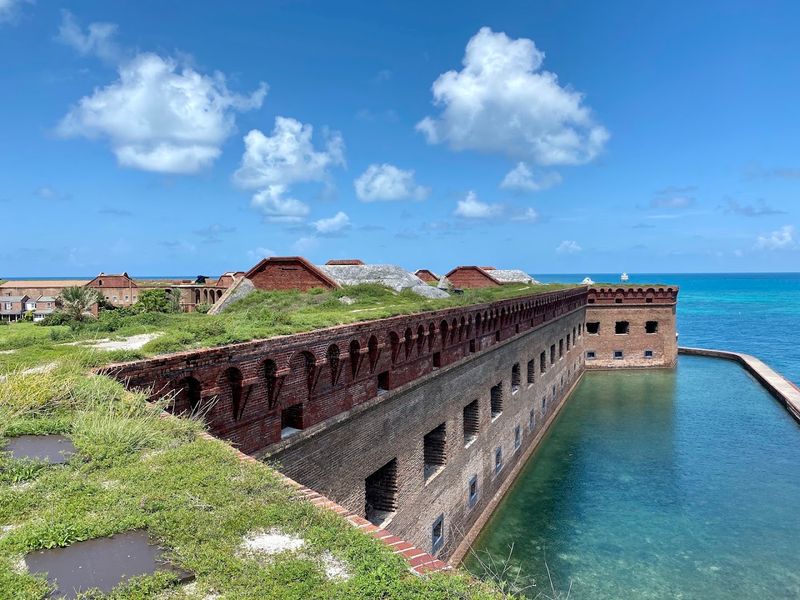
Nearly 70 miles west of Key West, seven small islands rise from turquoise waters in the middle of nowhere. Fort Jefferson dominates Garden Key—an enormous hexagonal fortress built with 16 million bricks. The fort never saw battle but served as a prison during and after the Civil War, most famously holding Dr. Samuel Mudd, who treated John Wilkes Booth’s broken leg.
Getting here requires either a two-hour ferry ride or a seaplane flight. The journey is part of the adventure. Once you arrive, the isolation becomes immediately apparent—no stores, no restaurants, just the fort, the beach, and endless ocean views.
The water surrounding the islands is absurdly clear. Snorkeling reveals coral reefs teeming with tropical fish, sea turtles, and occasionally even sharks. The marine life here rivals anything in the Caribbean.
Camping is allowed on Garden Key for those wanting to experience the park after day-trippers leave.
The fort itself is massive yet only partially completed. Visitors can explore the walls, cells, and gun emplacements while learning about its fascinating history. Bird watching is exceptional—the islands serve as a rest stop for migrating species.
Despite being technically part of Florida, Dry Tortugas feels completely separate from the mainland. Most Florida residents have never made the journey. The park sees only about 75,000 visitors annually compared to millions at other Florida attractions, keeping it remarkably pristine.