Parents Love These 11 Florida Museums Almost as Much as the Kids Do
Finding a place where both parents and kids walk away happy can feel like winning the lottery. Florida’s museum scene delivers exactly that rare combination of education and entertainment that keeps everyone engaged.
From hands-on science exhibits to art galleries that spark creativity, these eleven museums prove that learning doesn’t have to be boring for anyone in the family.
1. Orlando Science Center — Orlando, Florida
Walking through four floors of interactive exhibits means nobody gets bored here. The Orlando Science Center turns abstract concepts into tangible experiences that parents find just as fascinating as their children do.
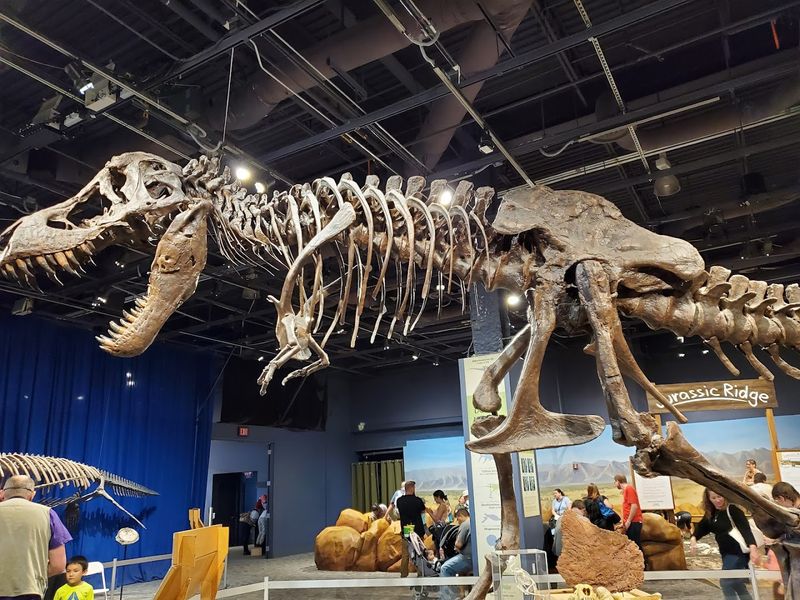
Giant dinosaur skeletons tower overhead while planetarium shows transport visitors millions of miles into space without leaving central Florida.
What makes this place special is how it sneaks learning into pure fun. Adults discover themselves equally captivated by the physics demonstrations and live animal encounters.
The rooftop observatory offers telescope viewing that appeals to stargazers of all ages, especially during special celestial events.
Seasonal exhibits rotate regularly, giving families reasons to return throughout the year. One visit might feature the human body’s inner workings, while another explores weather patterns through hands-on storm simulations.
Parents appreciate how these changing displays keep the experience fresh and relevant.
The science center doesn’t talk down to kids or bore adults with oversimplification. Instead, it presents complex ideas through engaging activities that spark curiosity across generations.
Whether you’re launching air rockets, exploring ecosystems, or experimenting with simple machines, everyone leaves with new knowledge.
Located in the heart of Orlando, this museum provides a welcome break from theme park crowds. Families can easily spend half a day here without anyone checking their watch.
The combination of education and entertainment creates memories that stick long after vacation photos fade.
2. Museum of Discovery and Science — Fort Lauderdale, Florida
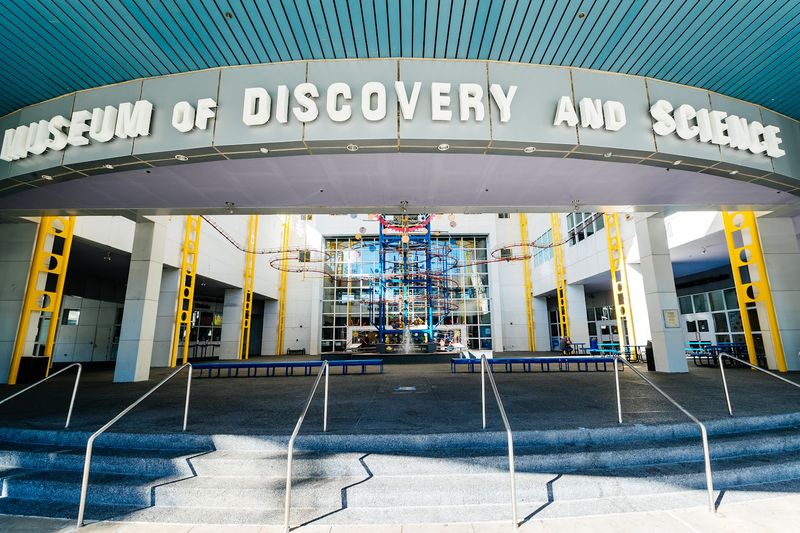
Fort Lauderdale’s gem sits along the Riverwalk, combining natural history with cutting-edge technology. The Museum of Discovery and Science houses everything from living coral reefs to flight simulators that let visitors pilot virtual aircraft.
Parents often find themselves racing their kids to try the next interactive station.
The two-story living coral reef aquarium mesmerizes everyone who stops to watch. Tropical fish dart between formations while sharks glide past viewing windows.
This isn’t just pretty scenery—it’s a working ecosystem that teaches conservation through direct observation rather than lectures.
EcoDiscovery Center brings the Everglades indoors with live otters, alligators, and native Florida wildlife. Watching river otters play during feeding time entertains adults just as much as children.
The naturalists share fascinating facts that even Florida residents don’t know about their own backyard ecosystems.
The IMAX theater towers multiple stories high, showing nature documentaries and Hollywood blockbusters on a screen that fills your entire field of vision. Parents appreciate having comfortable seating while kids stay glued to images of deep-sea creatures or distant galaxies.
Temporary exhibits bring fresh experiences throughout the year, from dinosaur animatronics to space exploration displays. The museum strikes that perfect balance between permanent favorites and new attractions.
You can visit multiple times without seeing the same thing twice, making annual memberships worthwhile for local families.
3. Glazer Children’s Museum — Tampa, Florida
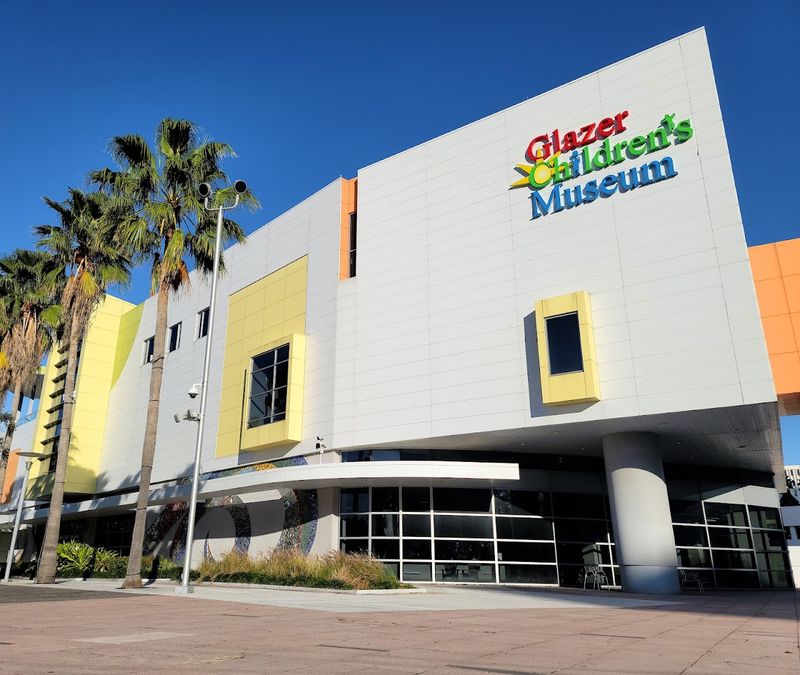
Downtown Tampa’s waterfront houses this seventeen-exhibit wonderland designed specifically for younger explorers. The Glazer Children’s Museum focuses on kids under ten, but parents discover themselves getting pulled into pretend grocery shopping, veterinary clinics, and miniature fire stations.
Every corner invites participation rather than passive observation.
The water play area alone justifies the admission price on hot Florida days. Kids can build dams, redirect currents, and experiment with flow while parents relax on nearby benches.
Smart design means children get soaked while parents stay dry—unless they choose to join the fun.
What sets this museum apart is its emphasis on real-world skills through play. The mock cruise ship teaches navigation and maritime careers, reflecting Tampa’s port city identity.
A kid-sized Publix supermarket lets children scan groceries and manage registers, making everyday errands suddenly exciting.
The engineering zone provides materials for building bridges, towers, and contraptions that actually work. Parents often find themselves problem-solving alongside their kids, rediscovering the satisfaction of hands-on creation.
These aren’t dumbed-down activities—they’re genuine challenges that require creative thinking.
Located near the Tampa Riverwalk, the museum fits perfectly into a full day of downtown exploration. The building’s architecture itself teaches lessons about light, space, and sustainable design.
Families can easily spend three hours here before anyone asks to leave, which says everything about how engaging these exhibits truly are.
4. Miami Children’s Museum — Miami, Florida
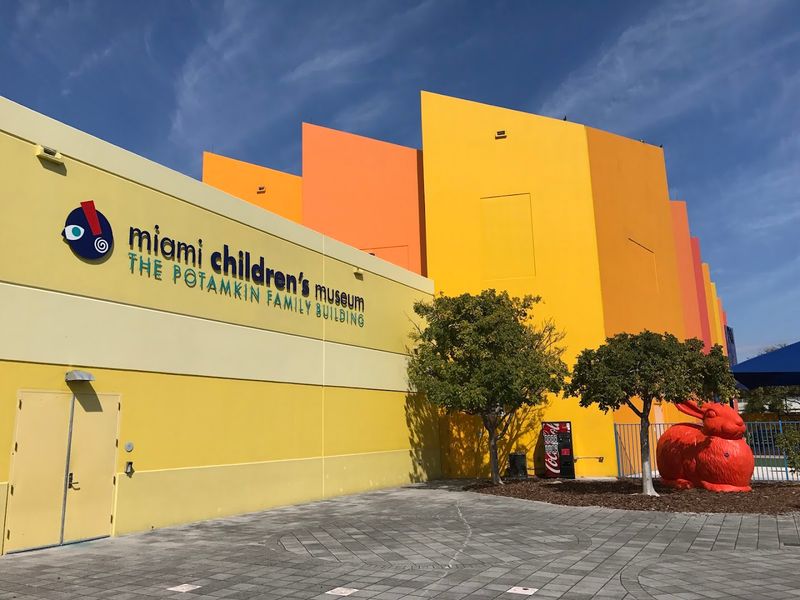
Sitting on Watson Island between Miami and Miami Beach, this museum occupies a prime location with skyline views. The Miami Children’s Museum spreads across 56,000 square feet of interactive exhibits that celebrate South Florida’s multicultural heritage.
Parents enjoy learning about different cultures through the same hands-on approach their children experience.
The miniature grocery store stocks products from various Latin American countries, introducing families to foods they might not encounter otherwise. A functioning television studio lets kids produce their own news broadcasts while parents watch from the control room.
These aren’t simplified versions—they’re realistic setups that mirror actual professional environments.
The ocean-themed exhibits reflect Miami’s coastal identity perfectly. Children can climb aboard a two-story cruise ship, complete with a captain’s bridge and engine room to explore.
Parents appreciate how these displays connect to Miami’s role as a major cruise port, making abstract concepts concrete.
Art studios offer drop-in activities where families create together using techniques from different cultures. One day might feature Caribbean mask-making, while another explores Mexican folk art traditions.
These rotating programs mean repeat visits always offer something new to discover and create.
The outdoor playground provides a shaded space where kids can burn energy between indoor exhibits. South Florida’s heat makes air-conditioned museum time appealing, but the thoughtfully designed outdoor areas let children move freely.
The museum understands that learning happens through movement just as much as through structured activities.
5. The Crayola Experience — Orlando, Florida
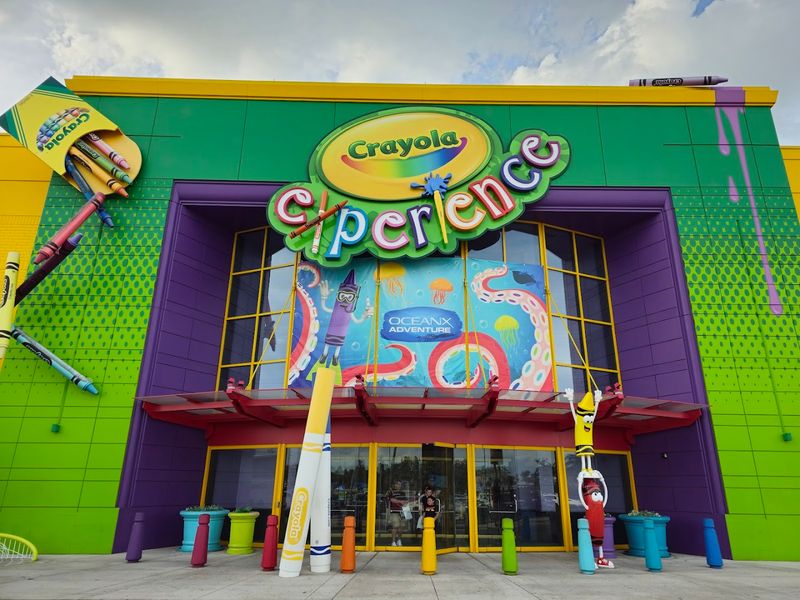
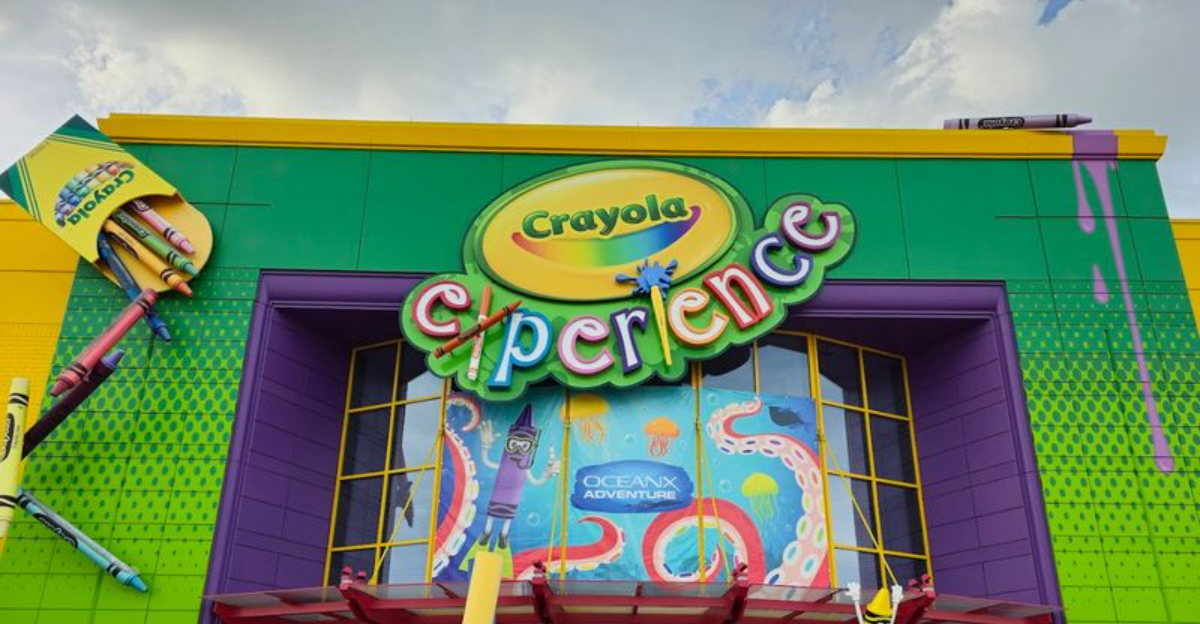
Anyone who grew up with a 64-count crayon box will feel nostalgic walking into this attraction. The Crayola Experience at Florida Mall transforms the simple act of coloring into a multi-sensory adventure spanning 70,000 square feet.
Parents rediscover childhood joy while kids explore twenty-five hands-on activities that celebrate creativity in every form.
Creating your own custom crayon color and label becomes a treasured souvenir that beats any generic gift shop purchase. The process lets you choose wrapper designs and name your unique shade, turning a simple crayon into a personalized keepsake.
Adults get just as excited about this as children do.
The digital coloring stations project your artwork onto massive screens where it comes alive and moves. Watching your two-dimensional drawing transform into an animated character creates genuine magic that transcends age.
Parents find themselves spending extra time perfecting their creations just to see them dance across the wall.
Melted wax drips down a two-story tower in a mesmerizing rainbow display that hypnotizes visitors of all ages. The rainbow effects room uses light and color to create photo opportunities that fill up phone storage quickly.
Every corner offers Instagram-worthy moments without feeling forced or artificial.
Unlike traditional museums, this space encourages touching, creating, and experimenting with everything. The mess stays contained within activity zones, so parents don’t worry about cleanup.
You’ll leave with multiple handmade creations, from spin art to melted crayon masterpieces, making this more than just an experience—it’s a take-home memory factory.
6. Florida Museum of Natural History — Gainesville, Florida
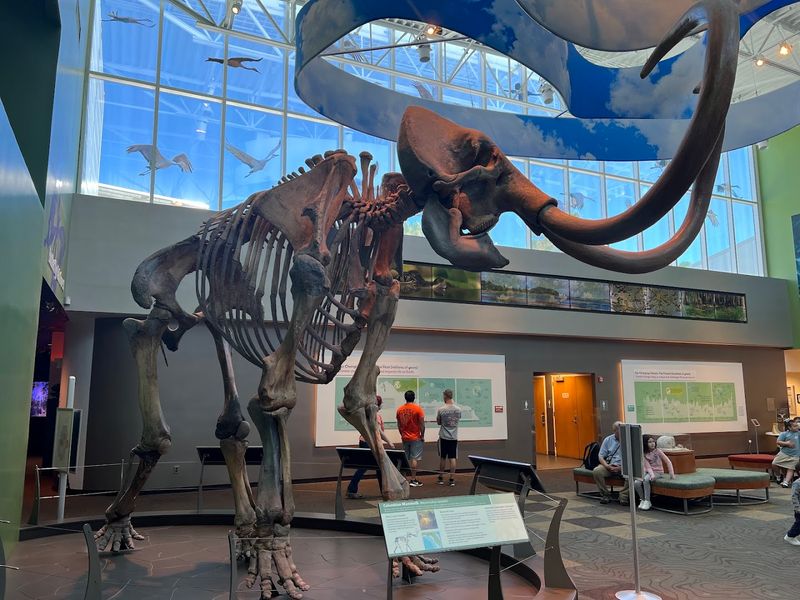
Nestled on the University of Florida campus, this museum houses the state’s official natural history collection. The Florida Museum of Natural History goes deep into ecosystems, fossils, and cultural artifacts that shaped the Sunshine State.
Parents with curious minds appreciate the academic rigor presented in accessible ways that don’t require advanced degrees to understand.
The Butterfly Rainforest steals the show with hundreds of live butterflies flying freely around visitors. Walking through this screened habitat while colorful wings flutter past your face creates an unforgettable sensory experience.
The controlled environment maintains tropical conditions year-round, offering a warm escape even during Florida’s mild winters.
Fossil galleries showcase Florida’s ancient past when the peninsula looked nothing like today’s beaches and theme parks. Megalodon teeth and giant sloth bones remind visitors that this landscape constantly evolves.
The displays explain how rising and falling sea levels repeatedly reshaped Florida’s geography over millions of years.
The cultural exhibits honor Florida’s indigenous peoples and early settlers with respect and depth. Rather than glossing over complex histories, the museum presents nuanced perspectives on colonization, trade, and cultural exchange.
Parents find these galleries spark important conversations with older children about history’s complexities.
Being part of a major research university means the museum stays current with scientific discoveries. New findings from ongoing research projects regularly update exhibits, keeping content fresh and accurate.
The combination of permanent collections and rotating displays ensures that even locals find reasons to return regularly throughout the year.
7. The Bishop Museum of Science and Nature — Bradenton, Florida
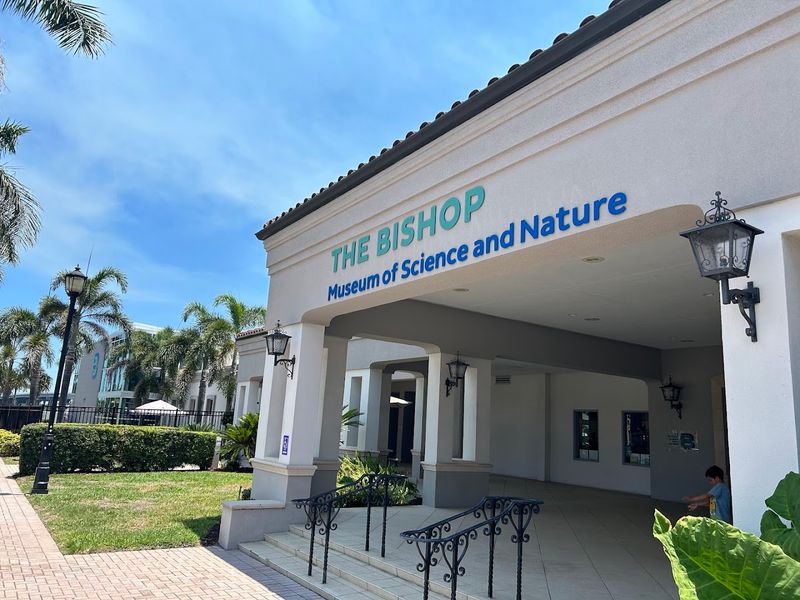
Bradenton’s hidden treasure sits on the Manatee River, offering a uniquely Floridian museum experience. The Bishop Museum combines natural history with a planetarium and archaeological collections that focus on Southwest Florida’s ecosystems.
Parents discover that smaller museums often provide more intimate experiences than massive institutions where crowds overwhelm exhibits.
The Parker Manatee Aquarium houses rehabilitating manatees in a massive 60,000-gallon tank viewable from multiple levels. Watching these gentle giants glide past the glass while learning about rescue efforts makes conservation tangible and personal.
The museum’s partnership with rescue organizations means the manatee residents change periodically as animals return to the wild.
Mosaic Backyard Universe Planetarium presents shows under a state-of-the-art digital dome that rivals much larger facilities. The intimate setting means every seat offers clear views without neck strain.
Programs range from preschool-friendly constellation stories to detailed astronomical presentations that challenge adult understanding of the cosmos.
The Spanish Plaza recreates a 16th-century settlement, complete with archaeological artifacts from actual Florida excavation sites. This isn’t generic history—it’s the specific story of Spanish exploration along Florida’s Gulf Coast.
Parents interested in local history find depth here that broader museums can’t match.
Nature trails wind through the museum’s riverside property, letting families explore native habitats firsthand. The outdoor component extends learning beyond climate-controlled galleries into Florida’s actual environment.
Combining indoor exhibits with outdoor exploration creates a fuller understanding of the region’s natural systems and how they interconnect.
8. The Charles Hosmer Morse Museum of American Art — Winter Park, Florida
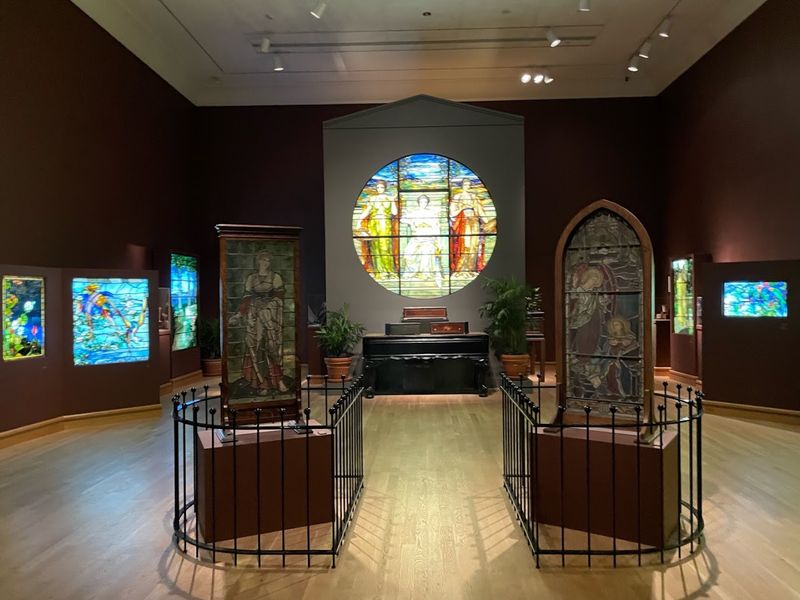
Winter Park’s cultural centerpiece houses the world’s most comprehensive collection of Louis Comfort Tiffany works. The Morse Museum proves that art museums don’t need to be stuffy or boring for families.
Even kids who claim to hate museums find themselves captivated by luminous stained glass and shimmering mosaics that seem to glow from within.
Tiffany’s chapel from the 1893 Chicago World’s Fair sits fully reconstructed inside the museum, creating an immersive experience unlike typical gallery displays. The interplay of light through colored glass creates an almost magical atmosphere that transcends artistic appreciation.
Parents watch their children stand mesmerized by how light transforms simple materials into something extraordinary.
Beyond Tiffany, the collection includes American art pottery, paintings, and decorative arts from the late 19th and early 20th centuries. The variety prevents museum fatigue that strikes when viewing too much of one style.
Each gallery offers different colors, textures, and artistic approaches that maintain visual interest.
The museum’s manageable size means families can see everything without exhausting young legs or attention spans. You can thoroughly explore the collection in about ninety minutes, making this an ideal morning or afternoon activity.
The intimate scale also means you can actually see the artwork without fighting crowds or peering over shoulders.
Located in charming Winter Park, the museum sits near excellent restaurants and Park Avenue shopping. Combining cultural enrichment with lunch and a stroll creates a well-rounded day that satisfies everyone’s interests.
The surrounding neighborhood’s beauty makes the entire outing feel special rather than just another museum obligation.
9. Kennedy Space Center Visitor Complex — Merritt Island, Florida
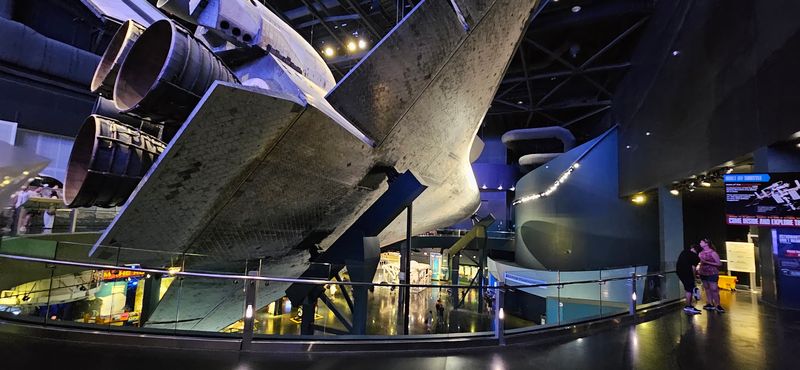
Standing beneath actual rockets that flew to the moon creates perspective that photos can’t capture. Kennedy Space Center Visitor Complex offers the rare opportunity to witness where human space exploration happens in real time.
Parents who grew up watching shuttle launches find themselves sharing that wonder with a new generation, while kids realize space travel isn’t just science fiction.
The Space Shuttle Atlantis exhibit presents the orbiter suspended at an angle, revealing its payload bay and heat-resistant tiles up close. Walking around this vehicle that actually orbited Earth thirty-three times feels surreal.
The interactive displays explain complex engineering through hands-on demonstrations that make rocket science approachable for everyone.
The Rocket Garden displays genuine Mercury, Gemini, and Apollo-era rockets standing vertically as they once did on launch pads. These aren’t replicas—they’re the real machines that carried astronauts beyond Earth’s atmosphere.
Parents find themselves explaining Cold War history while kids focus on the sheer size and power of these incredible machines.
If you time your visit right, you might witness an actual rocket launch from nearby pads. The ground shakes, the air vibrates, and everyone watching shares a moment of collective awe.
Even without a launch, the center offers daily presentations by veteran astronauts who share firsthand stories from space.
The complex requires a full day to properly explore, with bus tours taking visitors to restricted areas including the massive Vehicle Assembly Building. Seeing where rockets are prepared for launch adds context that purely historical displays can’t provide.
This isn’t just a museum—it’s an active spaceport where the future is being built right now.
10. Children’s Museum of the Treasure Coast — Jensen Beach, Florida
Jensen Beach’s community treasure focuses entirely on hands-on learning for children under twelve. The Children’s Museum of the Treasure Coast may be smaller than Miami or Tampa’s offerings, but its intimate size creates advantages that larger institutions can’t match.
Parents appreciate how uncrowded exhibits mean children actually engage with activities rather than waiting in lines.
The agricultural exhibit teaches where food comes from through a miniature farm complete with play crops and market stand. South Florida’s agricultural heritage comes alive when kids harvest pretend vegetables and stock grocery shelves.
These practical life skills disguised as play resonate with parents who value teaching self-sufficiency.
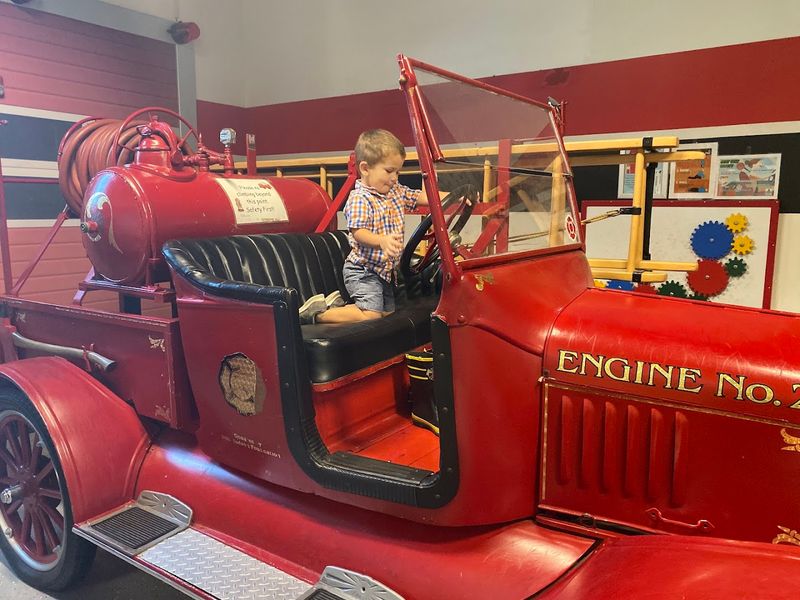
A full-size fire truck lets kids climb into the cab, work the controls, and imagine fighting fires. The realistic setup—donated by local fire departments—makes pretend play feel authentic.
Parents often climb aboard too, rediscovering childhood dreams of heroic careers.
The ocean room reflects the Treasure Coast’s maritime identity with a boat, fishing equipment, and marine life displays. Children learn about local ecosystems while parents appreciate the regional focus that connects museum learning to their actual surroundings.
Understanding your own backyard often proves more valuable than generic knowledge.
Art studios offer daily projects using various materials and techniques that change weekly. Unlike some museums where art activities feel like afterthoughts, this museum integrates creativity throughout the experience.
Parents love that kids create tangible items to take home, transforming abstract learning into concrete memories.
The museum’s location in Jensen Beach makes it a perfect rainy-day alternative for families visiting the Treasure Coast’s beaches. Admission prices remain reasonable, and the staff’s genuine enthusiasm for children’s learning shows in every interaction.
11. Exploration Tower — Cape Canaveral, Florida
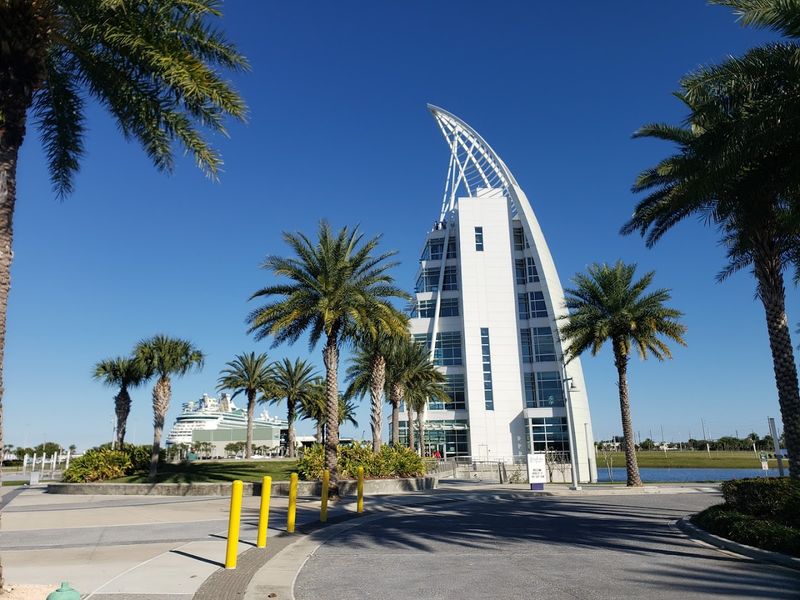
Rising seven stories above Port Canaveral, this architectural landmark offers panoramic views that stretch from the Atlantic Ocean to Kennedy Space Center. Exploration Tower combines observation decks with interactive exhibits that tell the story of space exploration, maritime history, and coastal ecosystems.
Parents discover that the journey upward through each floor provides as much education as entertainment.
Each floor focuses on different themes—from sea turtles to rocket launches to cruise ship operations. The variety prevents the monotony that plagues some single-theme museums.
Touchscreens, videos, and hands-on displays present information in multiple formats that accommodate different learning styles.
The seventh-floor observation deck provides 360-degree views that let you watch cruise ships departing, spot dolphins in the channel, and sometimes see rocket launches from Kennedy Space Center. Bringing binoculars enhances the experience, turning casual observation into active exploration.
The outdoor deck means you feel the ocean breeze and hear seabirds, engaging senses beyond just vision.
Interactive simulators let visitors pilot ships through the port or launch virtual rockets into orbit. These aren’t simplistic games—they’re realistic simulations that teach the complexity of maritime navigation and space flight.
Parents find themselves competing with their kids for simulator time.
The tower’s location at Port Canaveral makes it easy to combine with beach time or watching cruise ships come and go. The relatively quick visit time—about ninety minutes covers everything—fits well into vacation schedules without consuming an entire day.
Admission prices remain modest compared to major theme parks, offering significant educational value without breaking vacation budgets.