The Rest of Florida Changed, but These 10 Downtowns Barely Did
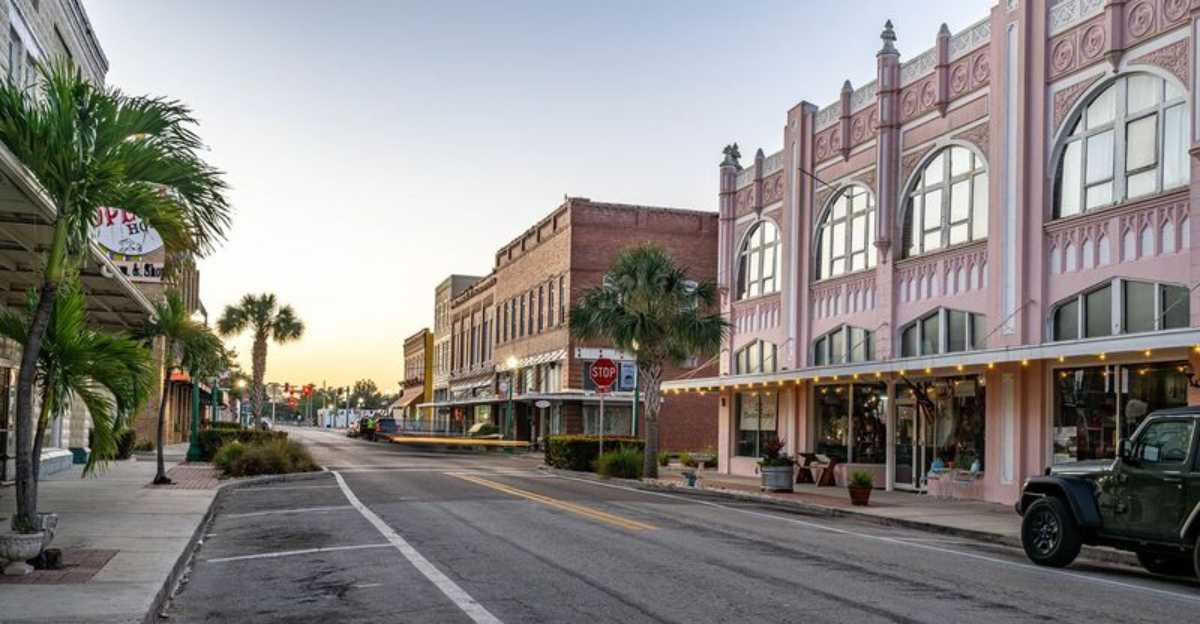
Florida has transformed into a land of highways, strip malls, and sprawling developments that look almost identical from coast to coast. But scattered across the state are downtown districts that refused to follow the script. These places held onto their historic buildings, their oak-lined streets, and their small-town rhythms while the rest of Florida raced toward the future.
Walking through them feels like stepping back decades, sometimes even centuries, into a version of Florida most people assume disappeared long ago.
1. Micanopy
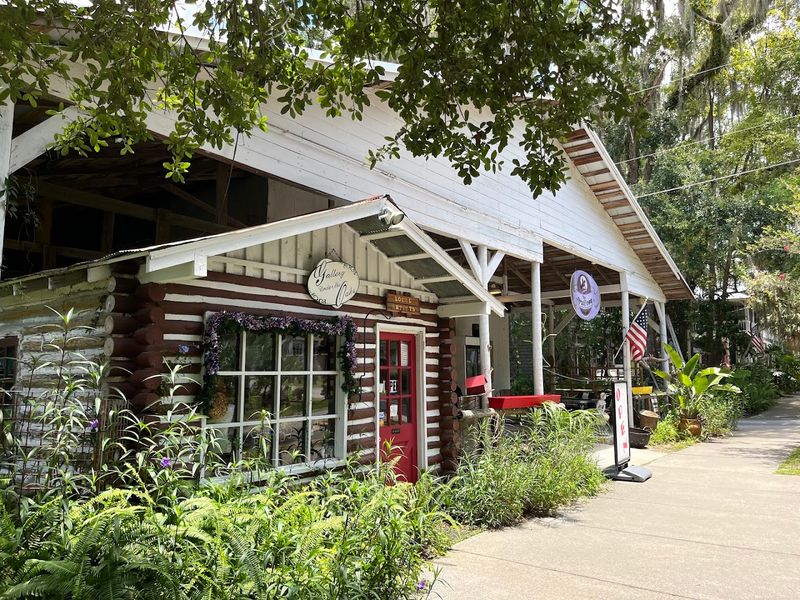
Cholokka Boulevard runs through Micanopy like a portal to another era. Weathered wooden storefronts stand shoulder to shoulder with brick buildings that have housed the same antique dealers for decades. Spanish moss drapes from massive oaks that shade the sidewalks, creating a canopy that filters the Florida sun into dappled patterns.
The town barely spans a few blocks, but every inch feels deliberately preserved. Old homes with wrap-around porches sit just steps from the commercial district. There are no chain stores, no modern facades trying to mimic old architecture—just the real thing, aged and authentic.
Micanopy became famous as the filming location for Doc Hollywood, and it’s easy to see why directors chose it. The place looks camera-ready without any set dressing. Local shops sell vintage finds, handmade goods, and books in buildings that creak with history.
Visitors often walk the entire downtown in fifteen minutes, then circle back because they can’t believe that’s all there is. But that’s precisely the point. Micanopy never tried to become anything bigger, and that restraint saved it from the development that swallowed so many Florida towns.
2. Apalachicola
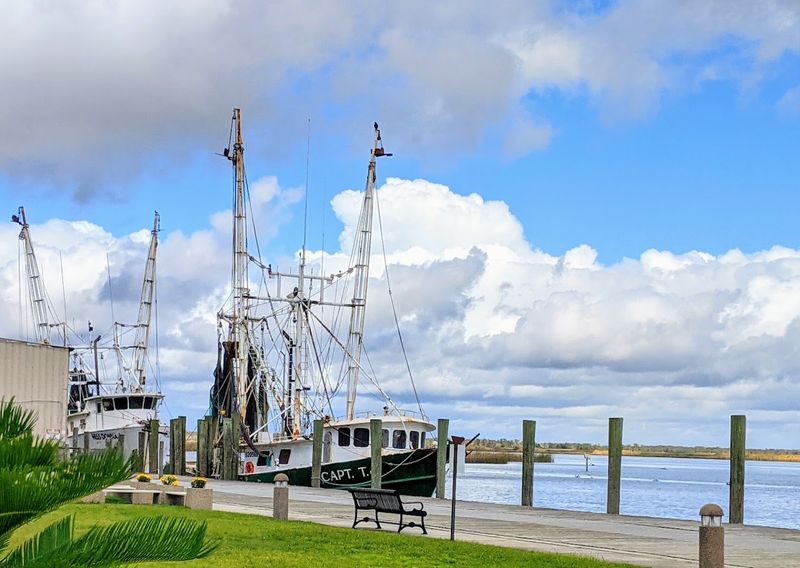
Apalachicola’s waterfront still operates the way it did generations ago. Fishing boats tie up at weathered docks, oyster houses process the day’s catch, and the smell of salt water mixes with diesel fuel and fresh seafood. Brick buildings from the 1800s line the streets, their original facades intact, housing restaurants and shops that cater to locals as much as tourists.
The downtown core stretches along the Apalachicola River, where old warehouses have been converted into galleries and eateries without losing their industrial bones. Wide wooden floors, exposed brick, and high ceilings remind you these buildings once stored cotton and lumber bound for distant ports.
Avenue E remains the heart of town, where Victorian storefronts cast shadows on sidewalks that have seen countless fishing seasons come and go. There’s no boardwalk lined with souvenir shops, no high-rise condos blocking the water views. Just working businesses serving a working waterfront.
The John Gorrie Museum honors the town’s connection to the inventor of air conditioning, but most visitors come for the oysters and the atmosphere. Apalachicola never became Panama City Beach, and the people who live here prefer it that way.
3. Mount Dora
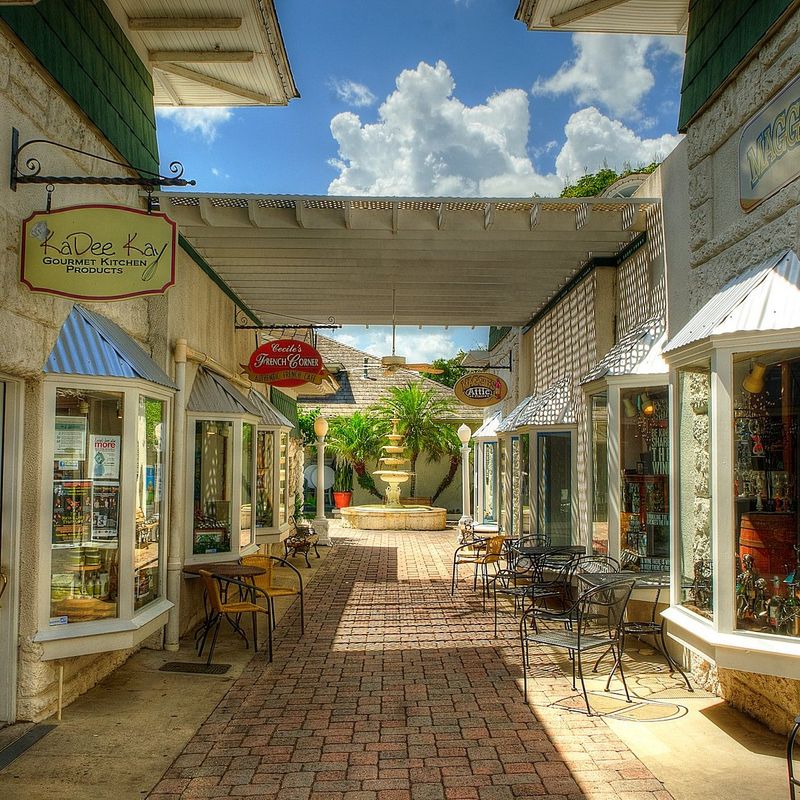
Mount Dora sits on the shores of Lake Dora with a downtown that could pass for a New England village if not for the palm trees. Early-20th-century buildings house independent bookstores, cafes, and galleries. Tree-lined streets invite wandering, and everything worth seeing clusters within a few walkable blocks.
Donnelly Street anchors the commercial district, where two-story brick buildings sport colorful awnings and hand-painted signs. The Lakeside Inn, operating since 1883, overlooks the water with the same white clapboard elegance it’s always had. Guests rock on the front porch watching boats drift past, a scene unchanged for over a century.
The town hosts antique fairs and art festivals that draw crowds, but even during events, Mount Dora maintains its unhurried pace. Shops stay locally owned, restaurants serve food made from scratch, and nobody seems in a rush to tear down old buildings for parking lots.
Fifth Avenue slopes gently toward the lake, lined with homes that became bed-and-breakfasts without losing their residential character. Sidewalks remain wide, benches appear under shade trees, and the whole downtown feels designed for strolling rather than driving through. That pedestrian-friendly layout is original, not retrofitted, which gives Mount Dora an authenticity many Florida towns lost decades ago.
4. Fernandina Beach
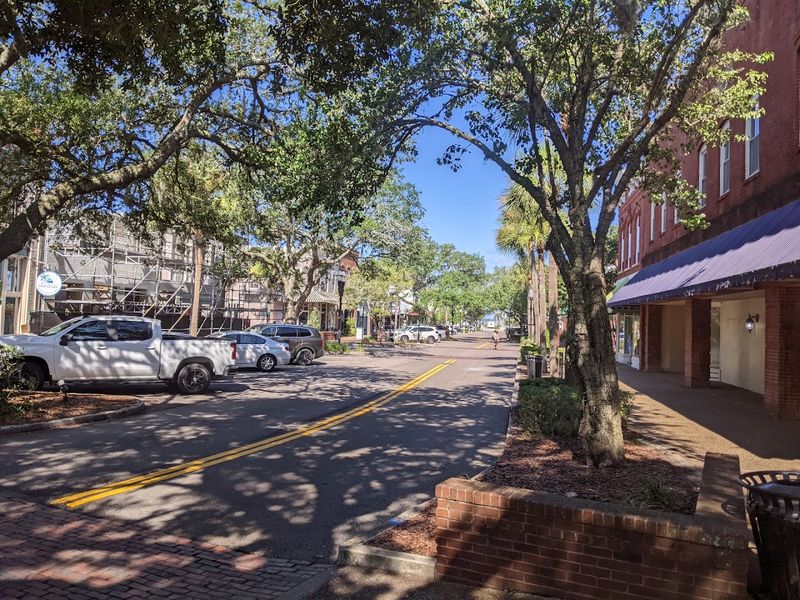
Centre Street runs straight from the waterfront into the heart of Fernandina Beach, lined with Victorian buildings that look like they belong in a different century—because they do. Brick storefronts rise two and three stories, many with iron balconies and decorative cornices. Mature oaks arch over the street, their branches draped with Spanish moss that sways in the Atlantic breeze.
The Palace Saloon has poured drinks since 1903, its original bar and pressed-tin ceiling still intact. Next door and down the block, buildings from the same era house restaurants, boutiques, and galleries. The architecture varies—Italianate, Queen Anne, Second Empire—but everything dates from roughly the same period, creating a cohesive historic streetscape.
Fernandina Beach was once a booming port town, and that prosperity built Centre Street. When the shipping industry moved elsewhere, the town never had the money to tear everything down and rebuild. That economic stagnation accidentally preserved one of Florida’s best collections of Victorian commercial architecture.
Modern businesses occupy these old buildings, but they adapt to the spaces rather than remodeling them beyond recognition. High ceilings, wooden floors, and tall windows remain. Walking Centre Street feels like visiting a coastal town from the 1890s that somehow kept operating into the present.
5. Arcadia
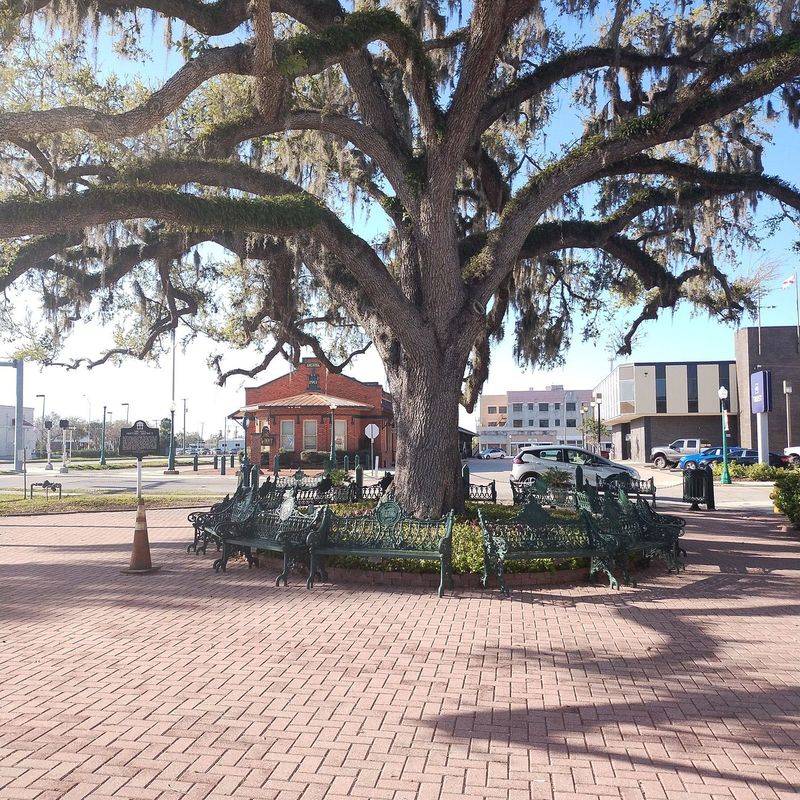
Arcadia grew up around cattle ranching, and downtown still reflects that cowboy heritage. Oak Street is lined with brick buildings from the early 1900s, most now housing antique stores packed with furniture, collectibles, and vintage finds. The old DeSoto County Courthouse anchors the district, while the Arcadia Opera House stands as a reminder of when this cattle town had cultural ambitions.
The Western feel isn’t manufactured for tourists. Arcadia hosts one of the country’s largest rodeos, and working ranches still surround the town. Downtown storefronts display saddles alongside antiques, and pickup trucks outnumber sedans on the street.
Most buildings retain their original facades, with tall windows and decorative brickwork typical of early-20th-century commercial architecture. Nobody tried to modernize them with aluminum siding or stucco. The result is a downtown that looks remarkably consistent, as if development froze around 1920 and nobody bothered to restart it.
Antique shopping drives much of the foot traffic, and Oak Street has become known among collectors as a place to find genuine deals. But even if you’re not hunting for vintage treasures, the street itself is worth seeing. It’s one of the few Florida downtowns where the Old West meets Old Florida, and both remain visible in the architecture and atmosphere.
6. DeLand
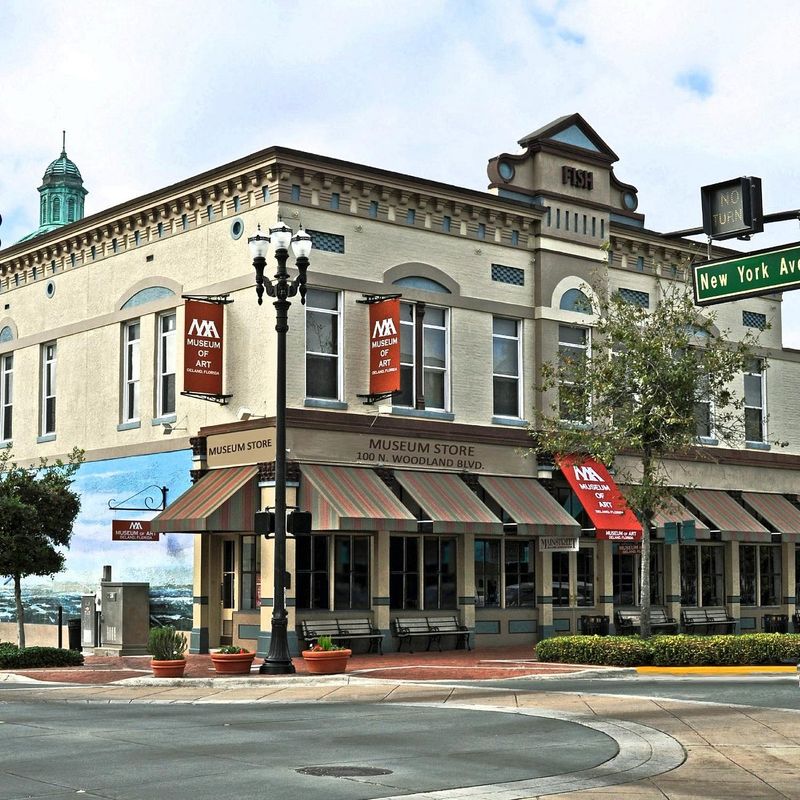
Woodland Boulevard cuts through downtown DeLand with a vibrancy that feels both historic and alive. Colorful storefronts from the early 1900s house coffee shops, restaurants, and boutiques. Murals cover brick walls, adding art to architecture that already deserves attention.
The Athens Theatre’s vintage marquee lights up at night, advertising films and live performances in a building that opened in 1921.
Stetson University sits at one end of Woodland Boulevard, its students keeping downtown busy and helping preserve the independent businesses that give DeLand its character. Brick-lined sidewalks remain wide and walkable, with benches under oak trees that have shaded generations of shoppers.
The downtown doesn’t feel frozen in time so much as continuously inhabited. Buildings get painted in fresh colors, but they keep their original windows, cornices, and proportions. New businesses move into old spaces and work with what’s there rather than gutting everything for a modern interior.
DeLand’s preservation happened partly by design—the city created a historic district—and partly by economics. Like many Florida towns, DeLand struggled when shopping moved to malls and highways. But instead of demolishing downtown, residents waited it out.
When people started valuing walkable, historic districts again, DeLand already had one intact and ready to welcome them back.
7. Dade City
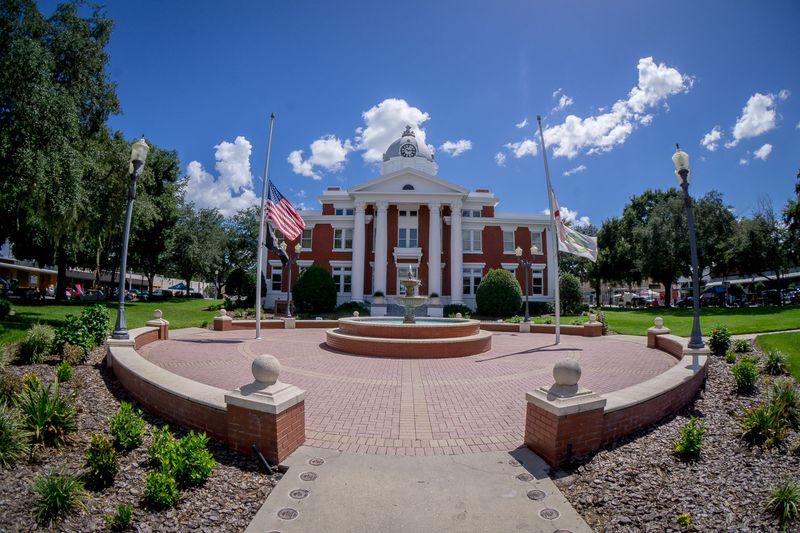
Dade City’s downtown radiates from the Pasco County Courthouse, a classic square layout that organized countless American towns. Locally owned businesses surround the courthouse in buildings that have housed shops for decades. Antique stores occupy several storefronts, while longtime restaurants serve the same recipes they’ve made for generations.
Shade trees line the streets, their canopies meeting overhead to create natural tunnels of green. Sidewalks remain wide enough for window shopping and conversation. There are no parking garages or one-way streets complicating the grid—just a simple layout that works as well today as it did a century ago.
The Lunch Box has served breakfast and lunch since 1976, its booths filled with regulars who know each other by name. Other restaurants have similar stories, family-owned places that never franchised or moved to the highway. They stayed downtown because that’s where Dade City’s heart has always been.
The courthouse-square model fell out of favor as Florida grew, replaced by strip malls and sprawling developments. But Dade City kept its square functioning, and that continuity preserved not just buildings but the social patterns that make a downtown feel like a community center rather than a shopping district. People still meet for coffee, catch up on courthouse steps, and shop locally because those patterns never got interrupted.
8. Brooksville
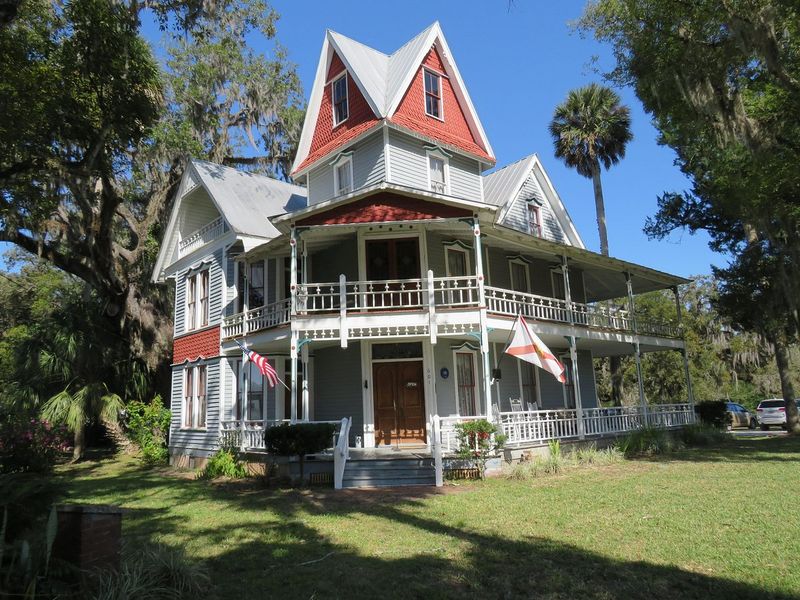
Brooksville sits on hills—a rarity in Florida—and those slopes give downtown an unexpected topography. Streets rise and fall past the historic courthouse, old commercial buildings, and Victorian homes that surround the downtown core. Spanish moss hangs from oaks that have witnessed the town’s entire history.
The Hernando County Courthouse dominates the skyline, a 1913 building with a clock tower visible from blocks away. Around it, commercial buildings from roughly the same era house small businesses that serve locals more than tourists. There’s no theme here, no carefully curated historic district designed for visitors—just a working downtown that happens to be old.
Victorian homes line the residential streets surrounding the commercial core, many converted to offices or bed-and-breakfasts. Their wrap-around porches and gingerbread trim represent Florida before air conditioning, when architecture had to work with the climate rather than fight it.
Brooksville’s preservation came partly from being bypassed. When highways routed traffic around rather than through town, Brooksville lost some business but kept its buildings. Developers looked elsewhere for flat land and highway access.
The town that got left behind ended up saving exactly what makes it worth visiting today—a glimpse of rural Florida before the state became synonymous with beaches and theme parks.
9. Tarpon Springs
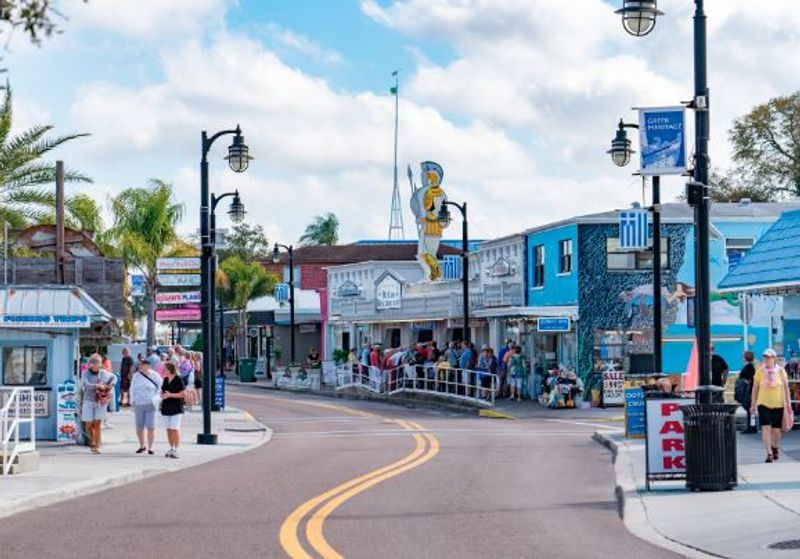
Tarpon Springs became home to Greek sponge divers over a century ago, and that heritage still defines the town. The Sponge Docks remain a working waterfront where boats tie up after harvesting natural sponges using techniques passed down through generations. Nearby, Greek bakeries sell baklava and galaktoboureko, restaurants serve authentic Greek food, and markets stock imported goods from the Mediterranean.
Downtown Tarpon Springs, centered along Tarpon Avenue, showcases early-20th-century architecture with a distinctly Mediterranean flavor. Buildings painted in warm colors house businesses run by families with roots in Greece. The Epiphany celebration each January draws thousands to watch divers retrieve a cross from the bayou, continuing a tradition over a century old.
The Greek influence isn’t a tourist attraction grafted onto an American town—it’s the foundation of Tarpon Springs’ identity. Greek is still spoken in shops and restaurants, recipes remain authentic, and the sponge industry continues even as it’s declined elsewhere. This isn’t a theme park version of Greek culture but a living community that maintained its heritage while the rest of Florida homogenized.
Walking from the Sponge Docks into downtown feels like traveling between two eras of the same story. Both areas preserve Tarpon Springs’ identity through architecture, business, and tradition that refused to fade even as Florida transformed around them.
10. St. Augustine
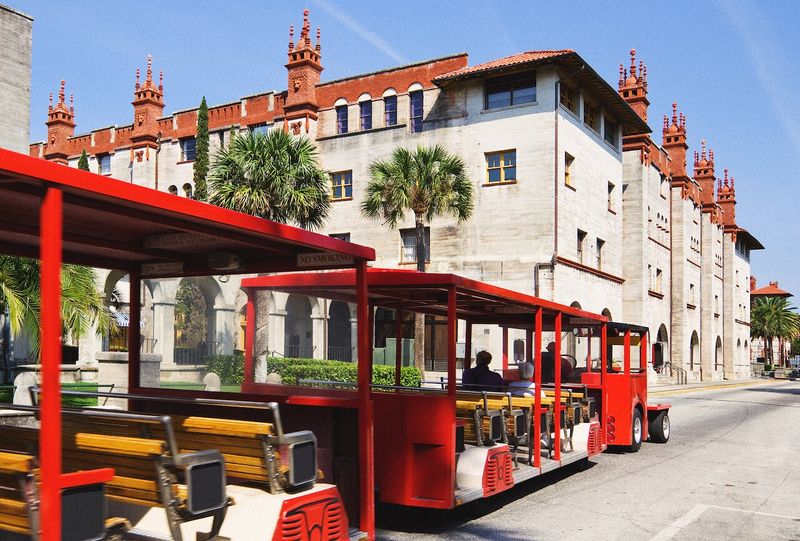
St. Augustine predates most American cities by centuries, and its downtown proves it. Narrow streets wind past buildings constructed from coquina stone in the 1700s. Hidden courtyards reveal themselves through wooden doors and archways.
The Castillo de San Marcos guards the waterfront, its walls built between 1672 and 1695, still standing after hurricanes, wars, and centuries of Florida weather.
St. George Street runs through the heart of the historic district, closed to cars and lined with colonial buildings that now house shops, restaurants, and museums. The street layout follows Spanish colonial planning, with buildings set close together and streets designed for walking, not driving. Modern businesses occupy centuries-old structures, adapting to spaces never meant for retail as we know it.
The preservation in St. Augustine goes deeper than any other Florida town because there’s simply more history to preserve. Structures dating to Spanish colonial rule, British occupation, and early American statehood all stand within blocks of each other. The city has protected this heritage through strict preservation ordinances and continuous restoration efforts.
Walking through downtown St. Augustine means stepping past layers of history—Spanish, British, American—all visible in the architecture. It’s the only Florida downtown where you can touch walls built before the United States existed, where the past isn’t recreated but genuinely present in stone, wood, and street patterns unchanged for centuries.