These 11 Florida Bars Have Old Roots, Local Legends, and Stories Worth Hearing
Florida’s bar scene isn’t just about tropical cocktails and sunset views. Scattered across the state are watering holes that have witnessed decades of history, served generations of locals, and collected enough wild tales to fill a library. These aren’t your cookie-cutter tourist traps with manufactured charm.
They’re authentic survivors with creaky floors, vintage neon, and bartenders who remember your grandfather’s favorite drink.
1. Palace Saloon – Fernandina Beach
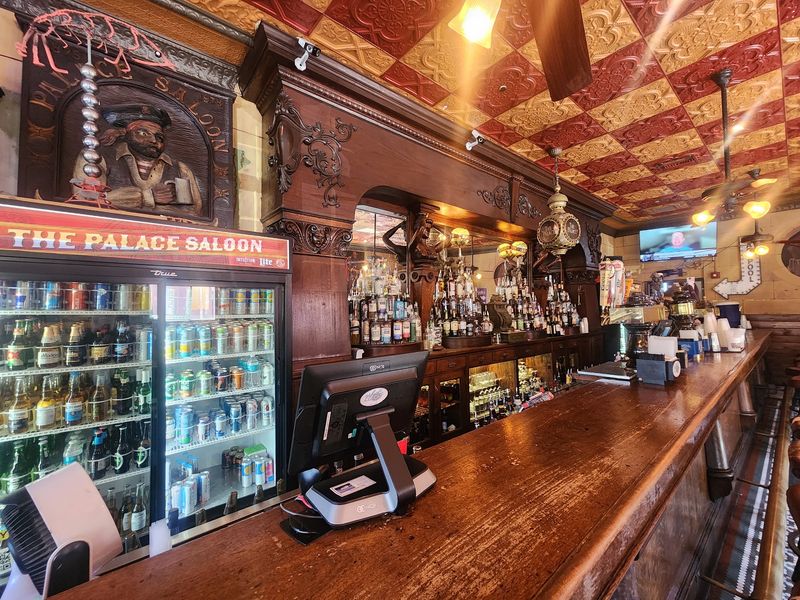
Walking into this place feels like stepping through a time portal straight into the 1800s. The Palace Saloon opened its doors in 1903, making it Florida’s oldest continuously operating bar, and the interior hasn’t forgotten a single year of that journey. Original hand-carved mahogany woodwork lines the walls, while the stunning 40-foot bar stretches across the room like a polished monument to drinking history.
Louis G. Hirth built this establishment during Fernandina Beach’s golden age as a bustling port town. The ornate pressed-tin ceiling overhead has watched everything from Victorian gentlemen sipping brandy to modern-day tourists ordering craft beers.
Murals depicting local history cover the walls, telling stories without saying a word.
The building survived Prohibition by cleverly transforming into an ice cream parlor and cigar shop. Rumor has it that the real business continued in back rooms, though nobody’s confirming that officially. When the 18th Amendment finally got repealed, the Palace wasted no time returning to its original purpose.
Today’s menu features burgers and seafood alongside an impressive drink selection, but the real attraction is the atmosphere. Every scratch on the bar, every creak in the floorboards, every faded photograph on the wall represents a chapter in Florida’s coastal history. Locals and visitors alike belly up to that magnificent bar, adding their own stories to a collection that’s been growing for over 120 years.
2. Captain Tony’s Saloon – Key West
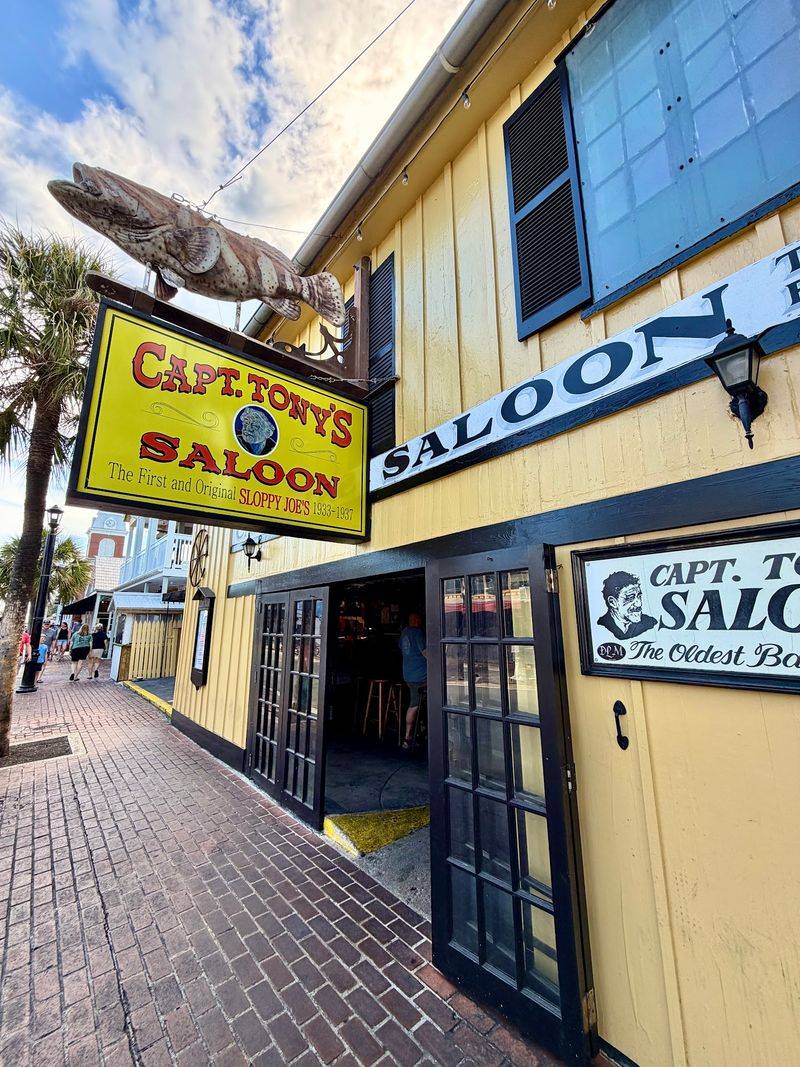
Before Jimmy Buffett made it famous next door, this gritty little dive was already a Key West institution with a reputation for attracting characters who made the island weird and wonderful. Captain Tony’s occupies the original Sloppy Joe’s location where Ernest Hemingway actually drank during the 1930s. The building itself dates back to 1851 when it served as the city morgue and icehouse, which explains some of the ghost stories.
Captain Tony Tarracino bought the place in 1958 and transformed it into the quintessential sailor’s bar. The ceiling became a tapestry of bras, business cards, and dollar bills left by visitors from every corner of the globe. A massive tree grows right through the roof because nobody bothered moving it when they built the bar around it decades ago.
Hemingway’s presence still haunts every corner, though he never actually met Captain Tony. The author drank here when it operated under different ownership, crafting stories between rum drinks and watching Key West’s most colorful residents stumble through the door. The bar proudly displays photographs and memorabilia from those literary days.
Captain Tony himself became a local legend, serving as Key West’s mayor and inspiring that famous Buffett song. He passed away in 2008, but his spirit lives on in the laid-back, anything-goes atmosphere. This isn’t a polished tourist attraction.
It’s authentically grungy, genuinely historic, and refreshingly unconcerned with modern expectations of what a bar should be.
3. Sloppy Joe’s Bar – Key West
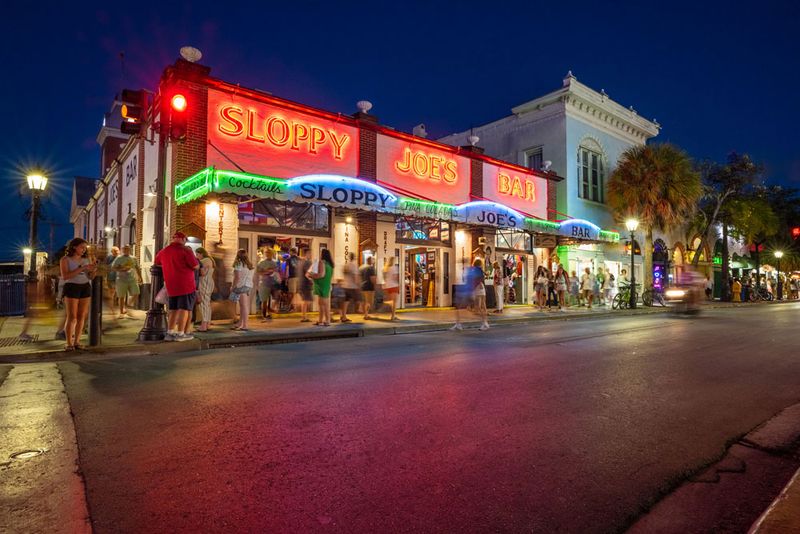
Hemingway didn’t just drink here occasionally. He practically lived at Sloppy Joe’s during his Key West years, making this bar as much a part of his legend as his novels. Joe Russell opened the original location in 1933, the day Prohibition ended, and Papa Hemingway showed up ready to celebrate.
The two became fast friends, with Joe even joining Hemingway on fishing expeditions that inspired some of his greatest work.
The bar moved to its current Duval Street location in 1937 after a rent dispute. According to local lore, Hemingway and friends literally carried the bar stools and furniture down the street to the new building in one boozy afternoon. That same mahogany bar Hemingway leaned against still serves drinks today, polished smooth by millions of elbows over the decades.
Live music blasts from the stage nearly every hour the place is open. The walls display Hemingway photographs, vintage fishing gear, and memorabilia from Key West’s glory days as a haven for writers, smugglers, and adventurers. An annual Hemingway Look-Alike Contest packs the bar with white-bearded men trying to channel Papa’s spirit through sheer force of facial hair.
Sure, it’s touristy now. Duval Street guarantees that. But underneath the T-shirt sales and frozen daiquiris beats the heart of a genuine historic watering hole where one of America’s greatest writers found inspiration at the bottom of countless glasses.
The ghosts here are literary, and they’re still thirsty.
4. Green Parrot Bar – Key West
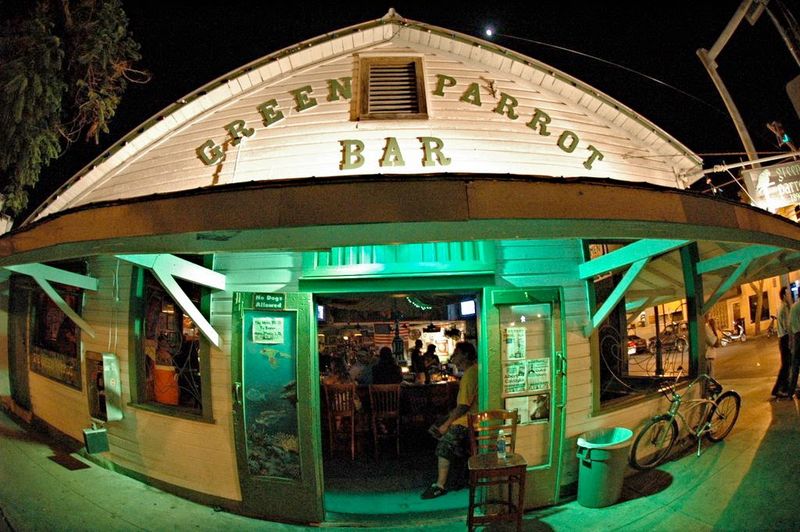
Forget the Hemingway hype for a minute. The Green Parrot opened in 1890 as a grocery store and gambling hall, making it older than most of the tourist traps claiming historic status. This Southernmost City landmark has survived hurricanes, economic crashes, and countless attempts to gentrify it into something respectable.
It remains gloriously, defiantly itself.
The building started life serving cigar factory workers and sailors looking for cheap drinks and cheaper entertainment. Gambling ran openly in the back rooms until reformers shut it down, though card games among friends never really stopped. The green parrot logo appeared sometime in the 1970s when the bar embraced its role as Key West’s favorite dive.
Local musicians discovered the Parrot decades before tourists did. The stage has hosted everyone from unknown folkies to famous rockers slumming it for fun. The jukebox rivals any museum collection, stuffed with classics that span generations of American music.
Pool tables occupy the back, where locals hustle unsuspecting visitors with practiced ease.
The walls tell stories through layers of stickers, graffiti, and photographs documenting decades of debauchery. A sign outside declares it “A Sunny Place for Shady People,” which pretty much nails the vibe. Unlike the Duval Street circus a few blocks away, the Green Parrot caters to locals first, tourists second.
You’ll find fishing guides, artists, construction workers, and trust-fund dropouts all mixing together under ceiling fans that barely move the humid air. Authenticity doesn’t get much rawer than this.
5. Mac’s Club Deuce – Miami Beach
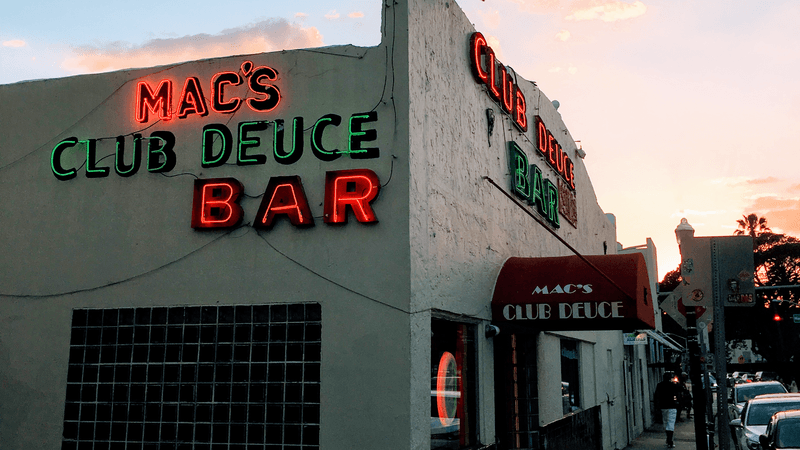
South Beach glitters with velvet ropes, bottle service, and people who spend more on a single drink than most folks spend on dinner. Then there’s Mac’s Club Deuce, which has been ignoring Miami’s fashion obsession since 1926. This gloriously unpretentious dive sits on 14th Street like a time capsule from an era when Miami Beach meant retirees and working-class families, not supermodels and crypto bros.
The bar claims the oldest liquor license in Miami Beach, a distinction it wears with zero fanfare. Dark wood paneling, red vinyl stools, and a pool table occupy the cramped interior. The lighting stays dim enough to hide hangovers and bad decisions.
Regulars range from construction workers stopping by after their shift to artists nursing inspiration and locals who remember when this neighborhood was actually affordable.
Mac’s survived Miami’s endless reinventions by simply refusing to change. While surrounding blocks transformed into luxury condos and trendy nightclubs, this place kept serving stiff drinks at reasonable prices to people who valued conversation over Instagram opportunities. The jukebox plays everything from classic rock to salsa, depending on who feeds it quarters.
Movie scouts love Mac’s authentic grittiness. It’s appeared in films and TV shows needing a real dive bar instead of a Hollywood set. Celebrities occasionally wander in after hours, discovering that fame means nothing to bartenders who’ve seen it all.
The magic here isn’t manufactured nostalgia. It’s genuine survival, a working-class bar that somehow outlasted the developers and trend-chasers trying to erase everything that made Miami Beach interesting.
6. Elbo Room – Fort Lauderdale
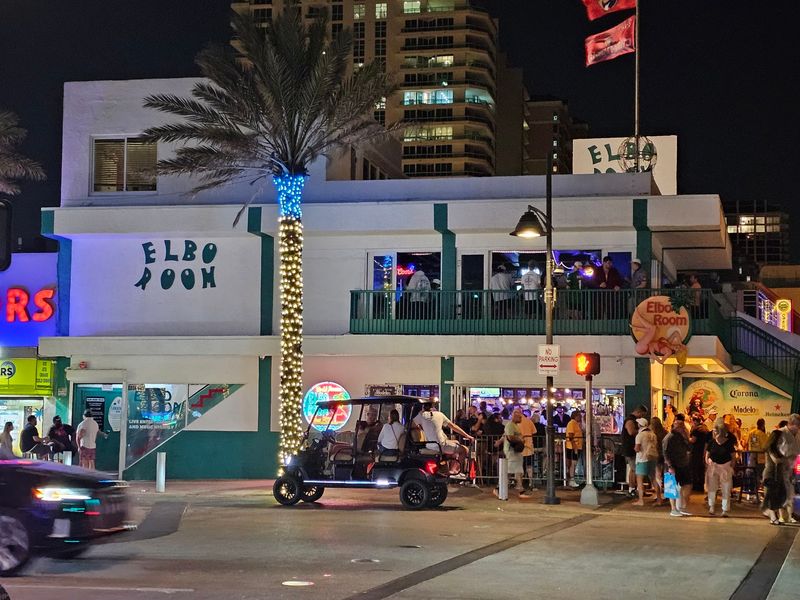
Spring break basically started here. During the 1960s, when college kids discovered Fort Lauderdale as the ultimate party destination, the Elbo Room became ground zero for the chaos. The bar opened in 1938, but it achieved immortality in 1960 when the movie “Where the Boys Are” featured it prominently, triggering decades of spring break invasions that transformed Fort Lauderdale forever.
The location made it inevitable. Sitting right at the corner of Las Olas Boulevard and A1A, the Elbo Room occupies prime beachfront real estate with an outdoor patio that spills onto the sidewalk. Students packed this place shoulder-to-shoulder during spring break’s glory years, creating scenes of drunken mayhem that eventually prompted the city to crack down on the tradition.
Those wild days are mostly memory now. Fort Lauderdale deliberately killed spring break culture in the 1980s, tired of the destruction and bad publicity. But the Elbo Room survived the transition, evolving into a more mature beach bar that still honors its rowdy heritage.
Vintage photographs covering the walls document the madness, showing crowds that modern fire codes would never allow.
Today’s crowd mixes tourists, locals, and the occasional nostalgic visitor reliving college memories. The drinks flow strong, the music plays loud, and the ocean breeze keeps things comfortable. It’s calmer than the old days but still knows how to party.
Every bar stool has supported countless stories over the decades. Some involved arrests. Most involved regret.
All of them involved this historic corner of Fort Lauderdale beach where American spring break culture was born.
7. Old Key Lime House – Lantana
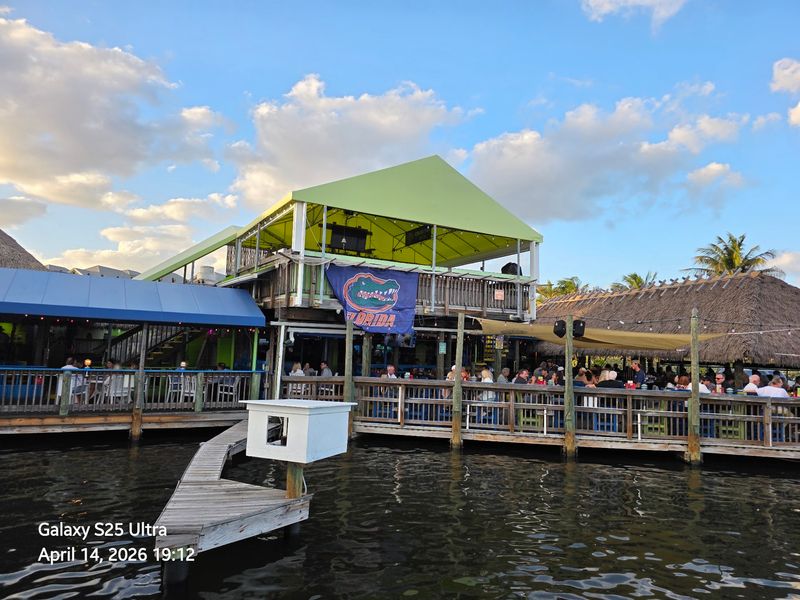
Built in 1889 as a private home, this waterfront property has witnessed Florida’s transformation from frontier territory to tourist paradise. The house originally belonged to a family that farmed key limes along the Intracoastal Waterway, back when Lantana was just a tiny settlement surrounded by wilderness. Those lime groves are long gone, replaced by development, but the house remains as a reminder of Old Florida’s agricultural roots.
The building’s transformation into a restaurant and bar happened gradually over decades. Different owners added tiki huts, expanded the dock, and built outdoor seating areas that take full advantage of the spectacular water views. Boats pull right up to order drinks, making it a favorite stop for weekend cruisers exploring the Intracoastal.
Manatees occasionally surface near the dock, delighting diners who weren’t expecting wildlife with their seafood.
The menu naturally emphasizes key lime pie, served in portions generous enough to share, though most people don’t. Fresh seafood dominates the offerings, with daily catches prepared in styles ranging from classic Florida fish fry to more contemporary preparations. The bar mixes tropical drinks that taste like vacation regardless of whether you’re actually on one.
Live music fills the outdoor spaces on weekends, with local bands playing everything from reggae to classic rock. Sunset draws crowds who pack the waterfront tables, cameras ready to capture the sky’s transformation. The atmosphere stays casual and welcoming, a family-friendly spot during the day that shifts slightly rowdier as evening progresses.
History here isn’t preserved behind glass. It’s lived in, drank in, and celebrated with every meal served overlooking the water.
8. Gator Joe’s Beach Bar & Grill – Ocklawaha
Ocklawaha sits deep in Central Florida’s backwoods, where the Ocklawaha River winds through cypress swamps and Spanish moss hangs heavy from ancient trees. This isn’t tourist Florida. This is the real deal, where locals still hunt, fish, and live close to the land.
Gator Joe’s fits perfectly into this environment, a riverside bar that celebrates Florida’s wild side without apology.
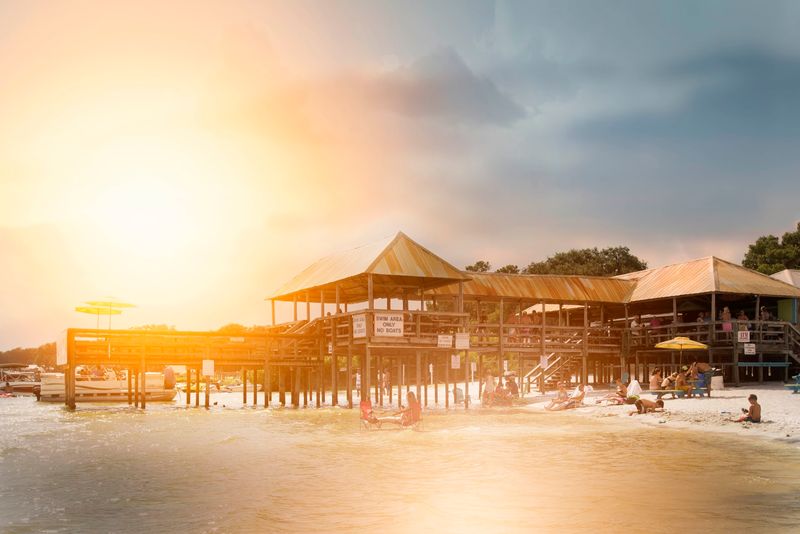
The bar started as a fishing camp decades ago, serving cold beer to anglers pulling bass from the river. Over time it evolved into a full restaurant and entertainment venue, but the fishing camp spirit never left. Boats still dock right outside, with customers arriving by water as often as by road.
The outdoor deck stretches over the river, offering views of wildlife that include actual alligators sunning themselves on the banks.
Live music happens regularly, with bands playing country, rock, and Southern rock to crowds that know how to two-step. The dance floor fills up on weekend nights with a mix of bikers, fishermen, river guides, and anyone else looking for a good time away from city pretension. The dress code is nonexistent.
Flip-flops and tank tops work just fine.
The menu features fried everything, as God intended for riverside bars in Florida. Gator tail makes an appearance because of course it does. The drinks come cold and strong, prices staying reasonable because this isn’t some resort town trying to fleece tourists.
Gator Joe’s survives by serving locals first, which means maintaining the authentic, unpretentious atmosphere that makes it special. You’ll find more pickup trucks than sports cars in the parking lot, exactly as it should be.
9. Bougainvillea’s Old Florida Tavern – South Miami
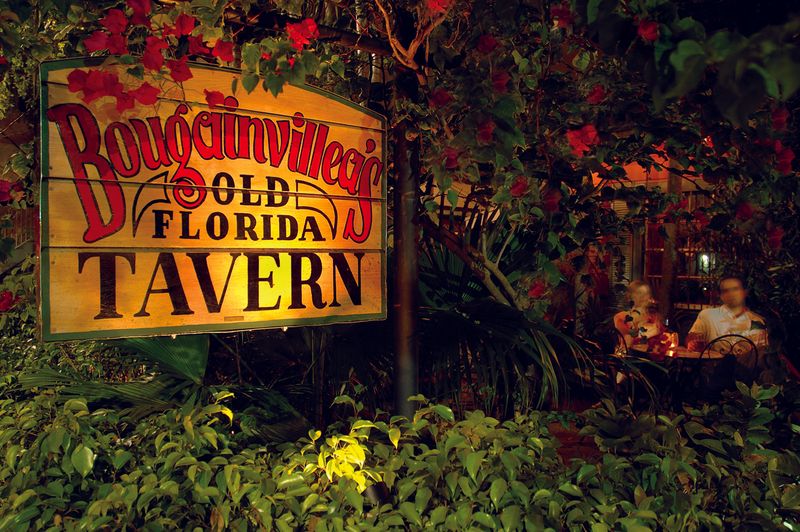
South Miami’s rapid development has erased most traces of what the area looked like before air conditioning and interstate highways made South Florida livable for the masses. Bougainvillea’s Old Florida Tavern somehow survived the transformation, occupying a building that predates most of the surrounding neighborhood. The structure itself tells stories about Miami’s evolution from sleepy Southern town to international metropolis.
The tavern embraces its Old Florida identity without turning it into a theme park attraction. Vintage photographs line the walls, showing South Miami when dirt roads outnumbered paved ones. The bar itself is solid wood, worn smooth by generations of elbows and spilled drinks.
Ceiling fans turn slowly overhead, fighting the heat the way Floridians did before central air became standard.
The clientele reflects the neighborhood’s diversity. University of Miami students mix with longtime residents who remember when this area was considered the suburbs. Families come for dinner, while late-night crowds gather for drinks and conversation.
The menu covers classic American tavern food with a few Cuban influences thrown in, acknowledging Miami’s cultural reality.
Locals appreciate having a place that doesn’t try too hard. No trendy cocktails with foam and tweezers. No velvet ropes or dress codes.
Just a honest neighborhood bar that happens to occupy a piece of history. The bougainvillea plants that give the place its name bloom year-round outside, adding splashes of purple and pink to the exterior.
Walking into Bougainvillea’s feels like visiting a friend’s house, assuming your friend has a liquor license and a really good jukebox. The atmosphere stays comfortable and familiar, a refuge from Miami’s constant hustle and reinvention.
10. Harry’s Banana Farm – Lake Worth Beach
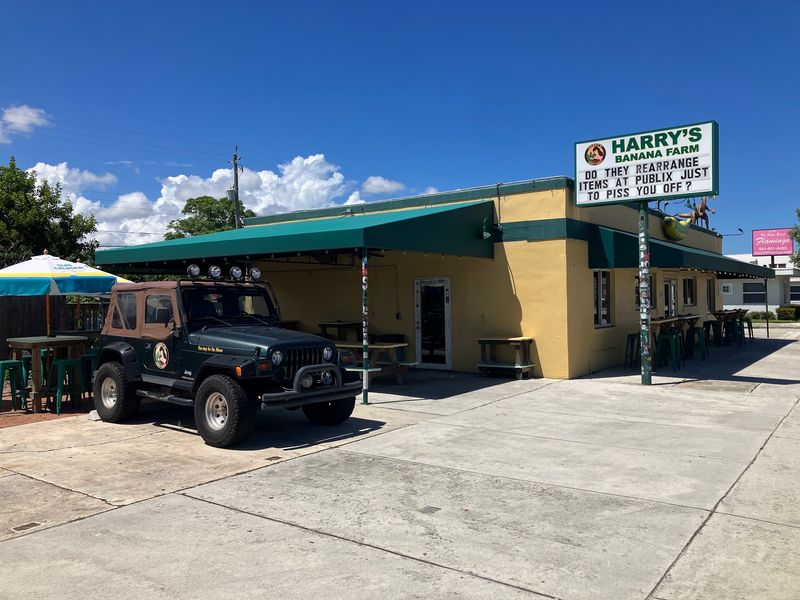
The name sounds like a joke, but Harry’s Banana Farm takes its tropical theme seriously. This Lake Worth Beach institution has been serving drinks under thatched roofs since the early 1990s, creating an island escape that feels authentically Caribbean despite being firmly planted in Palm Beach County. The outdoor setting, complete with actual banana trees growing throughout the property, transports visitors somewhere more exotic than a beach town parking lot should manage.
Harry himself was a local character who believed life was too short for boring bars. He created a space where flip-flops were formal wear and frozen drinks flowed like water. The multiple tiki huts scattered across the property offer different vibes, from quiet corners for conversation to party zones near the live music stage.
String lights crisscross overhead, creating magic when the sun goes down.
Live music happens almost constantly, with local and touring bands playing reggae, rock, and island-inspired sounds. The dance floor fills with people who don’t care about looking cool, they just want to move. The crowd skews toward locals who discovered this place years ago and never found a reason to leave.
Tourists stumble in occasionally, usually by accident, and immediately understand why the parking lot stays packed.
The drink menu emphasizes rum in all its glorious variations. Bartenders mix tropical concoctions that taste like vacation, even if you’re just stopping by after work. Food trucks often park outside, providing sustenance for the drinking marathon.
Harry’s doesn’t pretend to be anything fancy. It’s a party in a parking lot with better atmosphere than most resort bars charging triple the prices. Sometimes the best bars are the ones that don’t take themselves seriously.
11. JR’s Old Packinghouse Cafe – Sarasota
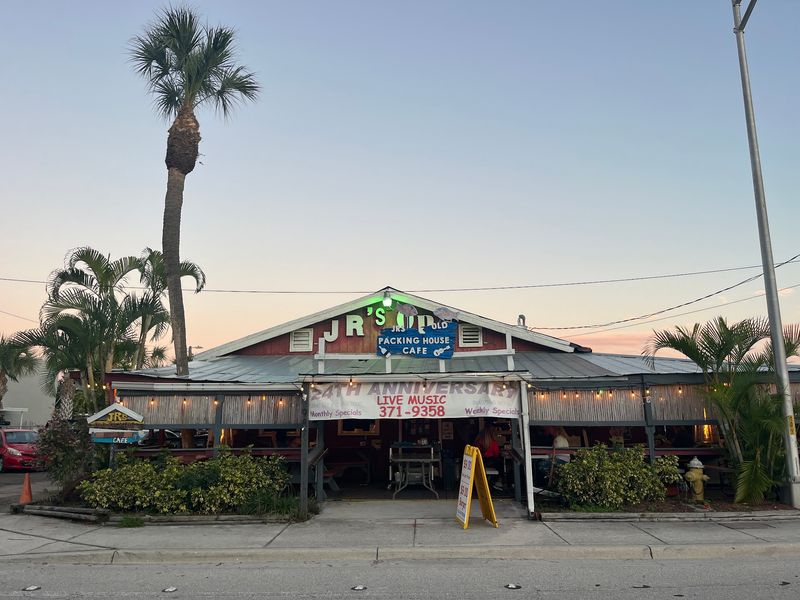
Sarasota’s waterfront has transformed into luxury condos and upscale dining, but JR’s Old Packinghouse Cafe remembers when this area was a working fishing village. The building actually served as a fish packinghouse back when commercial fishing dominated Sarasota’s economy. Boats would pull up to unload their catch, which got processed and shipped to markets across Florida.
The structure’s bones still reflect that industrial past, now repurposed into one of the area’s most atmospheric dining and drinking spots.
The transformation preserved the building’s character while adapting it for restaurant use. Exposed beams, weathered wood, and maritime artifacts create an environment that feels genuinely historic rather than manufactured. Large windows and outdoor seating areas overlook Sarasota Bay, offering views that have drawn people to this coastline for generations.
Pelicans dive for fish in the same waters where commercial boats once worked.
The bar serves a solid mix of locals and tourists who appreciate authenticity over polish. The drink menu covers classics without trying to reinvent the wheel. Cold beer, properly mixed cocktails, and Florida wines satisfy most requests.
The food menu emphasizes fresh seafood, naturally, with daily specials depending on what’s running.
Live music enhances the waterfront experience on weekends, with acoustic acts and small bands that don’t overpower conversation. Sunset draws predictable crowds, but the view justifies the popularity. Unlike some historic buildings that feel frozen in amber, JR’s maintains a living connection to Sarasota’s past while serving present-day customers.
The packinghouse may not process fish anymore, but it still feeds people and tells stories about when Florida’s coast belonged to fishermen instead of developers.