It Blows My Mind That People Leave Florida for Clear Water When These 11 Rivers Exist
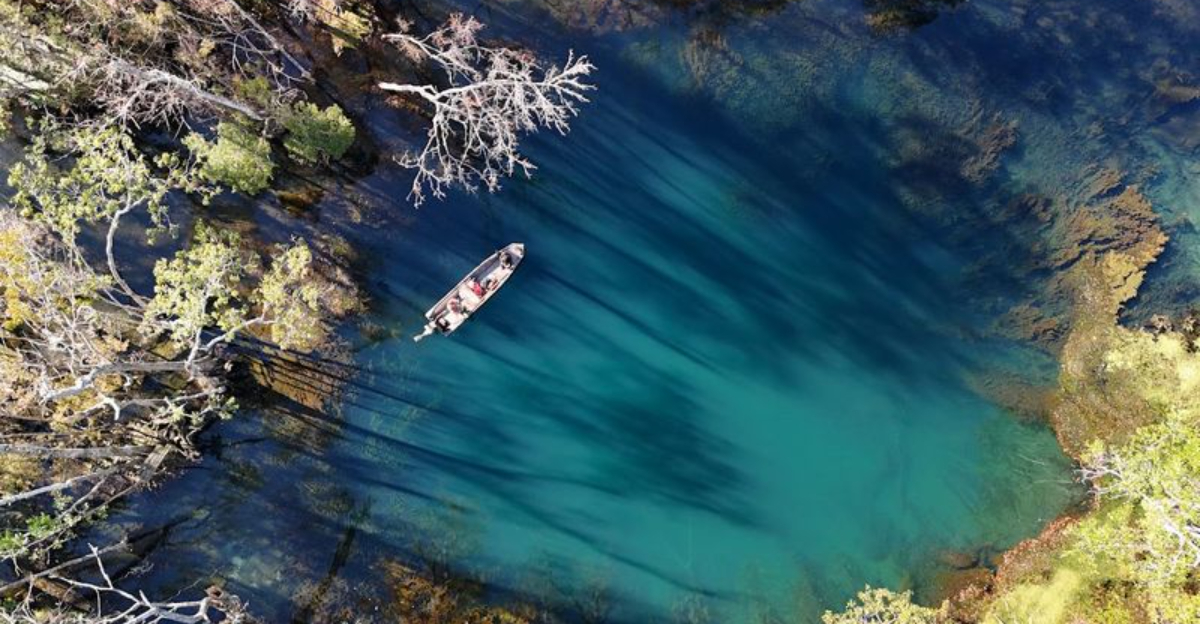
People book expensive trips to tropical islands searching for crystal-clear water, completely ignoring the fact that Florida has some of the most transparent rivers on the planet. We’re talking about water so clear you can count fish from your kayak, spot turtles basking twenty feet below the surface, and watch sunlight dance across white sand bottoms. These spring-fed rivers stay cool year-round, wind through wild cypress forests, and offer the kind of water clarity that makes the Caribbean jealous—all without leaving the Sunshine State.
1. Ichetucknee River (Fort White)
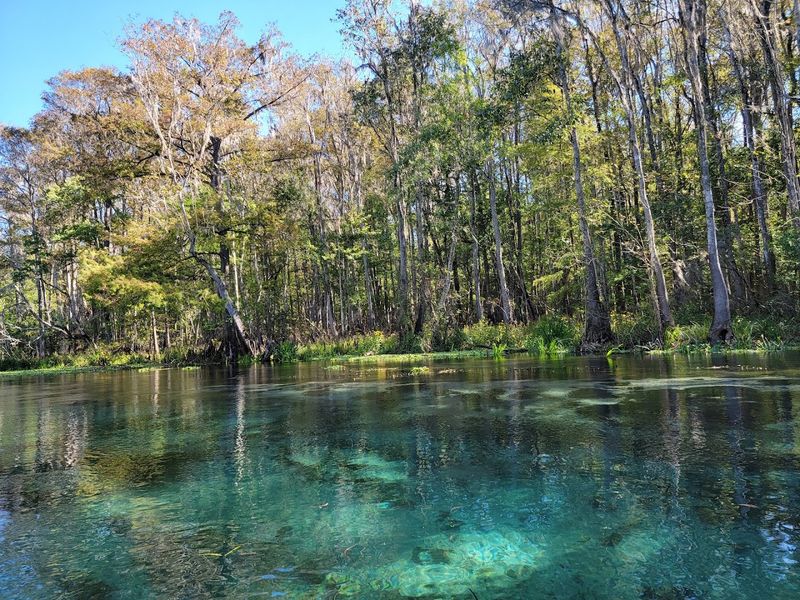
Six miles of spring-fed perfection wind through North Florida wilderness, creating what might be the state’s most famous tubing destination. The water stays a constant 72 degrees whether it’s January or July, fed by nine named springs that pump millions of gallons of transparent water into the river every single day.
Swaying turtle grass carpets the sandy bottom, and you’ll spot fish darting beneath your tube with such clarity it feels like watching an aquarium from above. Turtles sun themselves on logs while you float past, completely unbothered by the parade of tubes drifting downstream. The entire route stays shaded by towering cypress and hardwood trees, creating natural tunnels of green that keep the experience cool even during peak summer.
The upper run offers a wilder, more secluded experience with tighter curves and overhanging branches, while the lower section opens up into wider channels perfect for families. Either way, you’re floating through water so clear that every pebble, every plant, and every swimming creature remains visible from surface to bottom. Rangers patrol regularly to protect the ecosystem, so the pristine conditions continue year after year without the degradation that plagues less-protected waterways.
2. Rainbow River (Dunnellon)
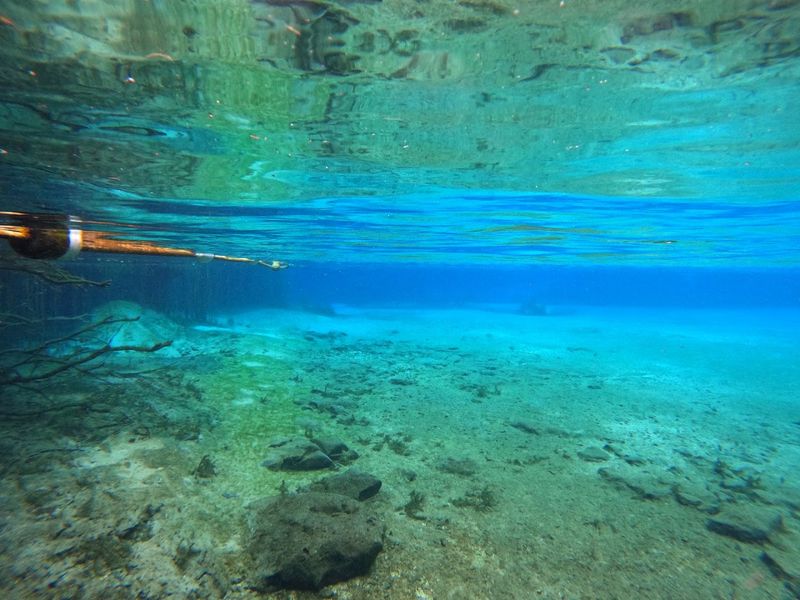
Brilliant blue-green water flows from Rainbow Springs with such intensity that first-time visitors often assume the color has been digitally enhanced in photos. It hasn’t. The river genuinely glows with that otherworldly turquoise shade, created by sunlight filtering through limestone-filtered spring water that’s been underground for decades.
Sandy patches alternate with forests of submerged aquatic plants, creating an underwater landscape you can study in detail from your kayak or paddleboard. The clarity extends all the way to the bottom even in deeper sections, letting you watch bass cruise beneath your boat and turtles paddle along the riverbed. Locals know the best time to visit is weekday mornings when the crowds thin out and you can drift for long stretches without seeing another soul.
The four-mile paddle from the headspring to the Withlacoochee River takes roughly two hours at a leisurely pace, though most people stretch it longer because they keep stopping to stare into the water. Unlike some Florida rivers that turn tannic and dark as they flow downstream, Rainbow maintains its crystalline quality for the entire route. The state park at the headspring offers swimming areas if you want to experience the 72-degree water from a stationary position before launching downstream.
3. Weeki Wachee River (Weeki Wachee)
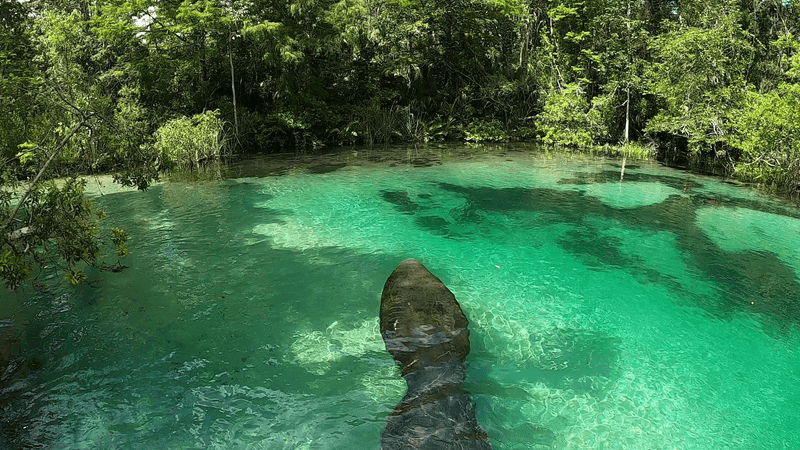
This narrow waterway winds through a landscape that looks more like a movie set than a real Florida river. Palm trees and cypress create a tropical canopy above water so clear and turquoise that it resembles a swimming pool more than a natural spring system. The entire river stretches just over seven miles before emptying into the Gulf, but those seven miles pack more visual punch than rivers twice the length.
Manatees drift upstream during winter months, taking refuge in the warm spring water when Gulf temperatures drop. You’ll spot them surfacing to breathe, their massive gray forms perfectly visible beneath the transparent water even when they’re several feet below the surface. The spring pumps out 170 million gallons daily, maintaining that signature clarity and cool temperature regardless of season or weather.
Paddling here feels like gliding through liquid glass, with every underwater detail remaining sharp and defined from your seat in the kayak. The famous mermaid shows at the spring’s headwater get all the tourist attention, but locals know the real magic happens when you push away from the crowded swimming area and head downstream into the wild sections. Osprey nest in dead snags, herons stalk the shallows, and the whole ecosystem operates at a pace that makes modern life feel unnecessarily frantic.
4. Silver River (Silver Springs)
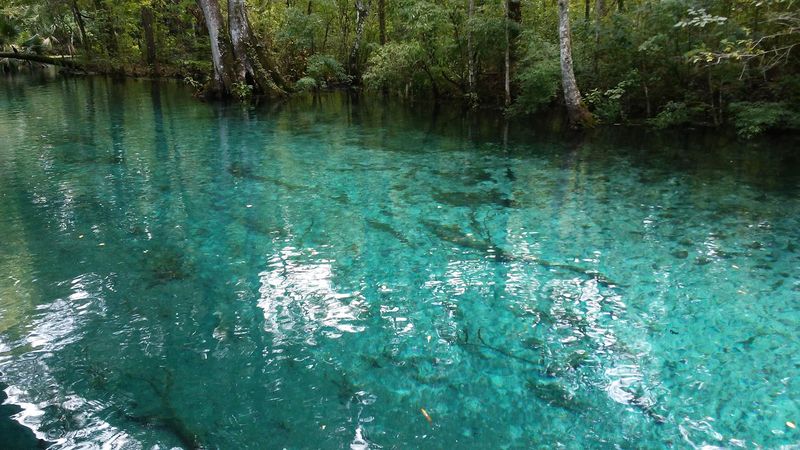
Glass-bottom boats have cruised these waters since the 1870s, which tells you everything you need to know about the transparency levels here. The water clarity doesn’t just allow you to see the bottom—it creates an optical experience where depth perception becomes almost impossible because everything looks close enough to touch. Underwater limestone formations, schools of fish, and ancient spring vents all appear with such definition that passengers regularly gasp during tours.
The Silver River flows from Silver Springs, once Florida’s original tourist attraction long before Disney arrived. The spring system ranks among the largest artesian springs on Earth, pumping out roughly 550 million gallons of crystal-clear water every single day. That massive volume creates a river that maintains its clarity for miles downstream, even as it widens and slows on its journey to the Ocklawaha River.
Wild monkeys inhabit the riverbanks, descendants of animals released during old Tarzan movie productions in the 1930s. They’re an invasive species technically, but they’ve become part of the Silver River experience, swinging through trees and occasionally swimming between shores. The combination of transparent water, abundant wildlife, and old Florida history makes this river feel like a time capsule, preserving what the entire state looked like before development transformed so much of the landscape into suburbs and strip malls.
5. Wakulla River (Wakulla Springs)
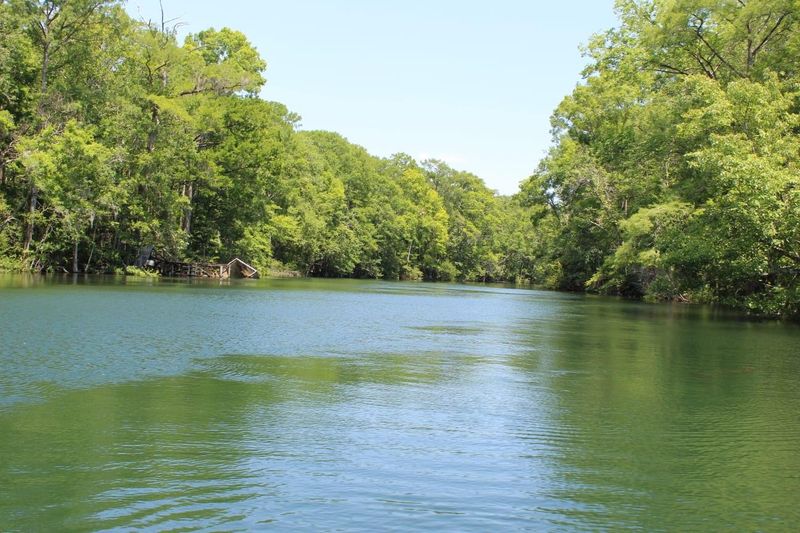
Sapphire might be the only word that accurately captures the water color here. The spring boils up from one of the world’s deepest freshwater cave systems, creating a pool of water so intensely blue it almost hurts to look at on sunny days. From there, it flows into the Wakulla River, maintaining that remarkable clarity as it winds through ancient cypress forest toward the St. Marks River.
The historic riverboat tours remain one of Florida’s best wildlife-viewing experiences, with guides pointing out manatees, alligators, turtles, and countless bird species along the forested banks. The transparency lets you spot wildlife underwater long before they surface, watching manatees graze on aquatic plants or alligators drift past like floating logs. During winter, the warm spring water attracts so many manatees that the swimming area sometimes closes to protect the animals.
Wakulla Springs Lodge sits at the headspring, a 1930s hotel that’s hosted everyone from movie stars to scientists studying the spring’s underground cave system. The entire area maintains a deliberately old Florida atmosphere, with minimal development and maximum wilderness. The spring has appeared in numerous movies over the decades, standing in for African rivers and prehistoric landscapes because the setting looks that wild and untouched.
Modern visitors get that same experience, floating through scenery that’s barely changed since humans first arrived here thousands of years ago.
6. Crystal River (Crystal River)
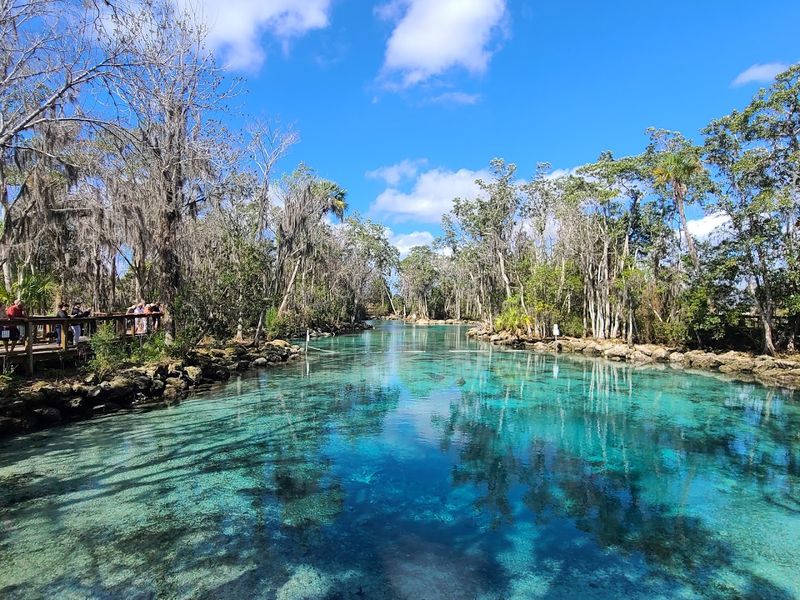
This coastal spring system connects Kings Bay to the Gulf of Mexico through channels filled with water so clear that manatee-watching becomes absurdly easy. During winter, hundreds of manatees crowd into the springs, seeking refuge from cold Gulf temperatures in the constant 72-degree spring water. You can see every detail of every animal from your kayak or paddleboard, watching them interact, rest, and occasionally surface to breathe right beside your boat.
Three Sisters Springs serves as the system’s crown jewel, a collection of spring vents that pump crystal-clear water into a swimming area that’s become world-famous for manatee encounters. The water clarity here borders on unreal, creating conditions where underwater photography requires no special equipment beyond a waterproof camera. Everything from tiny fish to massive manatees appears in perfect definition, suspended in water so transparent it barely seems to exist.
Summer brings fewer manatees but better swimming conditions, with the springs offering cool relief from Florida’s brutal heat and humidity. The entire river system remains surprisingly undeveloped considering its coastal location, with regulations protecting water quality and limiting boat traffic in critical manatee zones. Local guides offer tours that focus on education and conservation, teaching visitors about spring ecology while paddling through some of the state’s most pristine aquatic habitat.
The town of Crystal River has built its entire identity around these springs, creating an economy based on protecting rather than destroying the natural resource that draws visitors from around the world.
7. Homosassa River (Homosassa)
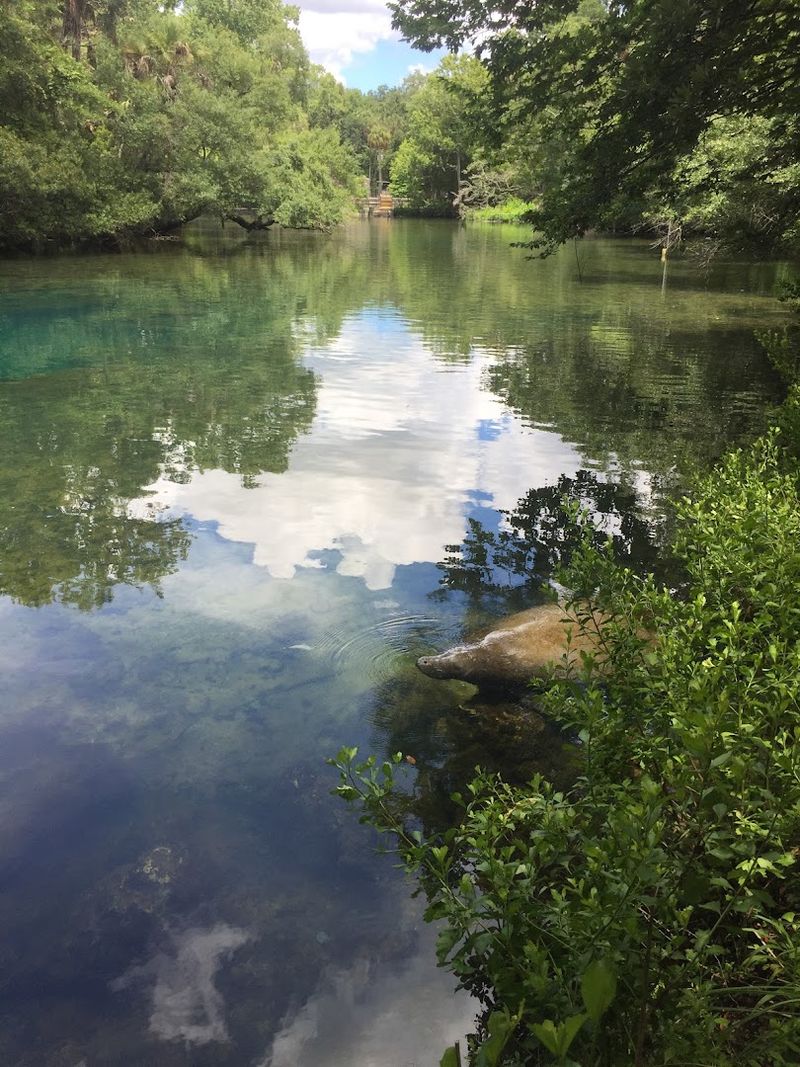
Millions of gallons of transparent water pour from the Homosassa Springs every hour, creating a river that flows crystal-clear all the way to the Gulf. The spring rates as a first-magnitude system, meaning it discharges at least 100 cubic feet of water per second—a volume that maintains remarkable clarity even as the river widens and mixes with tidal influences near the coast.
The Homosassa Wildlife State Park sits at the headspring, offering underwater viewing windows where you can watch the spring boil from below the surface. It’s a surreal experience, seeing the water emerge from limestone fissures with such force that it creates visible currents and bubbles. Manatees gather here year-round, but winter brings the largest concentrations when every available space fills with gray bodies seeking warm water.
Paddling downstream from the spring takes you through gradually changing ecosystems, from pure freshwater near the source to brackish conditions closer to the Gulf. The clarity persists longer than you’d expect, with the spring’s massive output pushing clear water miles downstream before saltwater intrusion finally clouds the mix. Old Florida fishing camps and waterfront homes line parts of the river, but much of the corridor remains wild and undeveloped.
Fishing guides work these waters constantly, taking advantage of the exceptional visibility to spot redfish, snook, and tarpon cruising the shallows. The combination of spring clarity and coastal ecosystems creates habitat diversity that supports an incredible range of species.
8. Chassahowitzka River (Homosassa)
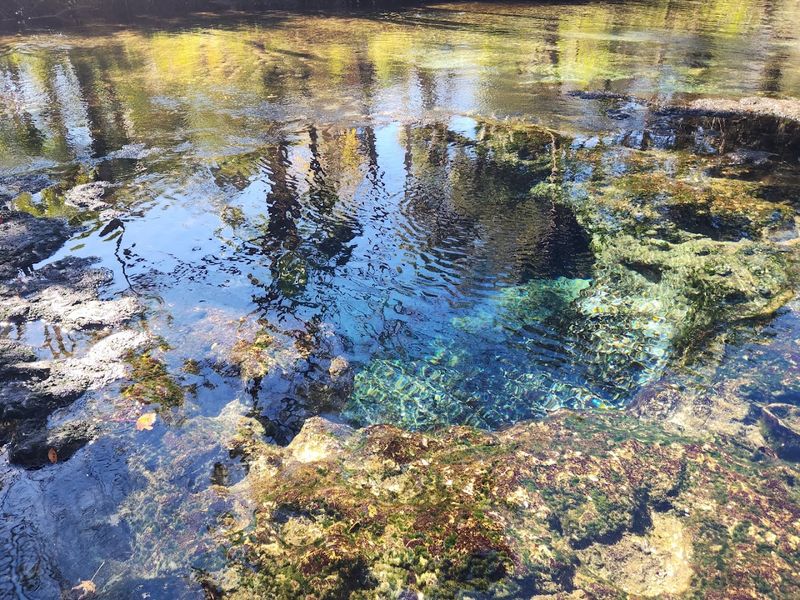
Hidden spring vents appear around nearly every bend in this winding river, each one releasing intensely blue water that creates swimming holes so clear and vibrant they look Photoshopped. The main channel stays narrow for much of its length, creating an intimate paddling experience where overhanging branches form tunnels and side channels tempt you to explore every possible route downstream.
Underwater caves dot the river bottom, some shallow enough to peer into from your kayak, others dropping to depths that attract technical cave divers from around the world. The transparency lets you spot these openings easily, watching water boil up from underground passages that connect to vast aquifer systems beneath Florida’s limestone foundation. Local paddlers know dozens of small springs along the route, each with its own character and clarity level.
The remoteness here exceeds most other Florida spring rivers, with limited access points and minimal development keeping crowds smaller than more famous destinations. You’ll share the water with more wildlife than people on most days, watching otters play in the current and birds fish the shallows while you drift through water clear enough to count individual grains of sand on the bottom. The paddle from the headspring to the Gulf covers roughly nine miles, winding through salt marsh and coastal forest that feels completely removed from modern Florida.
No bridges cross the river, no roads run alongside it, and cell service disappears shortly after launch—making this one of the state’s best options for anyone seeking genuine wilderness along with world-class water clarity.
9. Wacissa River (Wacissa)
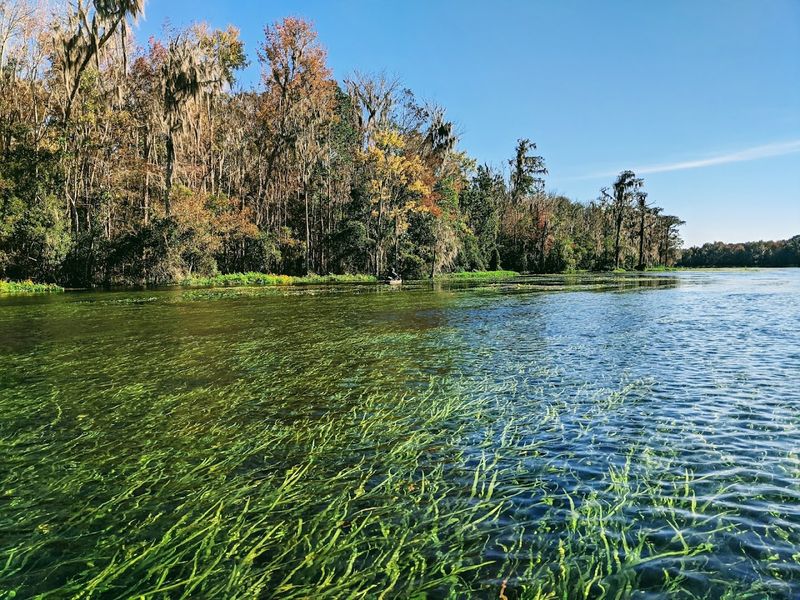
Numerous springs feed this secluded North Florida river, creating a paddling route that strings together one clear-water swimming hole after another. The main river maintains excellent clarity, but the real magic happens when you detour into the side springs, each offering water so transparent and blue that you’ll want to stop and swim at every single one. Big Spring, Cassidy Spring, Blue Spring—the names tell you what to expect before you even arrive.
Thick aquatic plants carpet much of the river bottom, creating underwater forests that sway in the current and harbor incredible numbers of fish, turtles, and invertebrates. The clarity lets you study this submerged ecosystem in detail, watching bass hunt among the vegetation and turtles paddle along the bottom. Cypress trees tower over the water, their knees creating natural obstacles and their shade keeping the entire experience cool even during summer.
The Wacissa flows into the Aucilla River eventually, but most paddlers turn around before reaching that confluence, preferring to stay in the clear spring-fed section rather than continuing into the darker tannic water downstream. Weekend mornings bring local families who’ve been visiting these springs for generations, setting up at favorite spots and spending entire days swimming and picnicking. The abundance of springs means you can always find a quiet spot even when the main launch area gets busy, paddling upstream into side channels that feel completely private despite being just minutes from the parking area.
10. Rock Springs Run (Apopka)
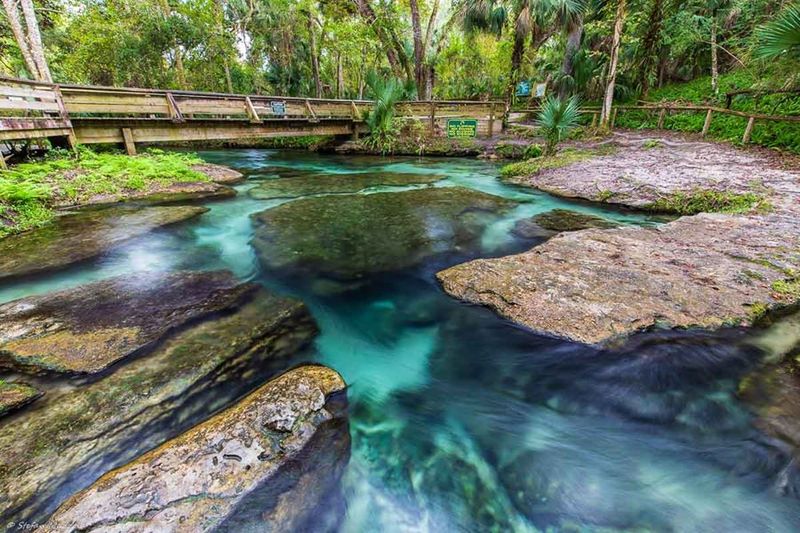
Clear spring water flows through what looks like a jungle movie set, creating one of Central Florida’s most visually dramatic paddling experiences. The corridor stays narrow and wild, with palm fronds and cypress branches creating a canopy so thick that sunlight filters through in scattered beams. The water maintains its clarity for the entire eight-mile route to the Wekiva River, letting you watch fish and turtles navigate the current below your kayak.
Rock Springs itself pumps out roughly 26,000 gallons of water per minute, feeding the run with a constant supply of cool, transparent water that stays 68 degrees year-round. Swimming at the spring provides a refreshing break before or after the paddle, with the deep pool offering plenty of space even when crowds gather on hot weekends. The run proper sees less traffic than you’d expect given its proximity to Orlando, probably because the narrow channel and occasional fallen trees require more paddling skill than wider rivers.
Wildlife thrives in the protected corridor, with otters, alligators, turtles, and countless bird species making regular appearances. The clarity lets you spot alligators from a safe distance, watching them rest on the bottom or cruise just below the surface. The meeting point with the Wekiva River creates a visible line where clear spring water mixes with the Wekiva’s darker tannic flow, demonstrating just how different these water sources really are despite flowing through similar landscapes.
11. Econfina Creek (Youngstown)
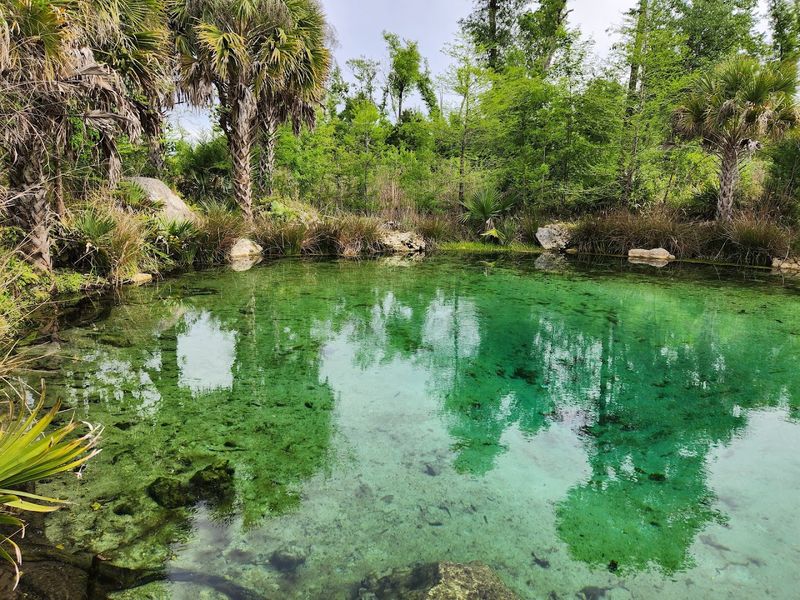
Technically classified as a creek rather than a river, but the water clarity here demands inclusion on any list of Florida’s most transparent waterways. Limestone springs pour blue water into the winding channel, creating swimming holes and natural slides that have attracted locals for generations. The remote Panhandle location keeps crowds manageable even during peak season, with many visitors never making it past the first few springs near the main access point.
The creek tumbles over limestone shelves in some sections, creating small rapids and slides that add variety to what’s otherwise a gentle float. The clarity persists even in moving water, with the limestone-filtered spring water maintaining its transparency despite the turbulence. Deeper pools alternate with shallow riffles, giving you options for both swimming and paddling depending on your mood and skill level.
Sandbars appear along the route, offering perfect spots for picnic breaks and extended swimming sessions. The surrounding forest remains largely undeveloped, creating a wild atmosphere that feels far removed from tourist-heavy Florida destinations. Locals guard this place somewhat protectively, wanting to preserve its low-key character and pristine water quality.
The paddle covers roughly eleven miles from Gainer Springs to Scott Road, though most people tackle shorter sections, focusing on the spring-fed upper reaches where clarity peaks and the water stays coolest throughout the year.