Florida Natives Are Quietly Moving To This Canal City Where Home Prices Just Fell 10%
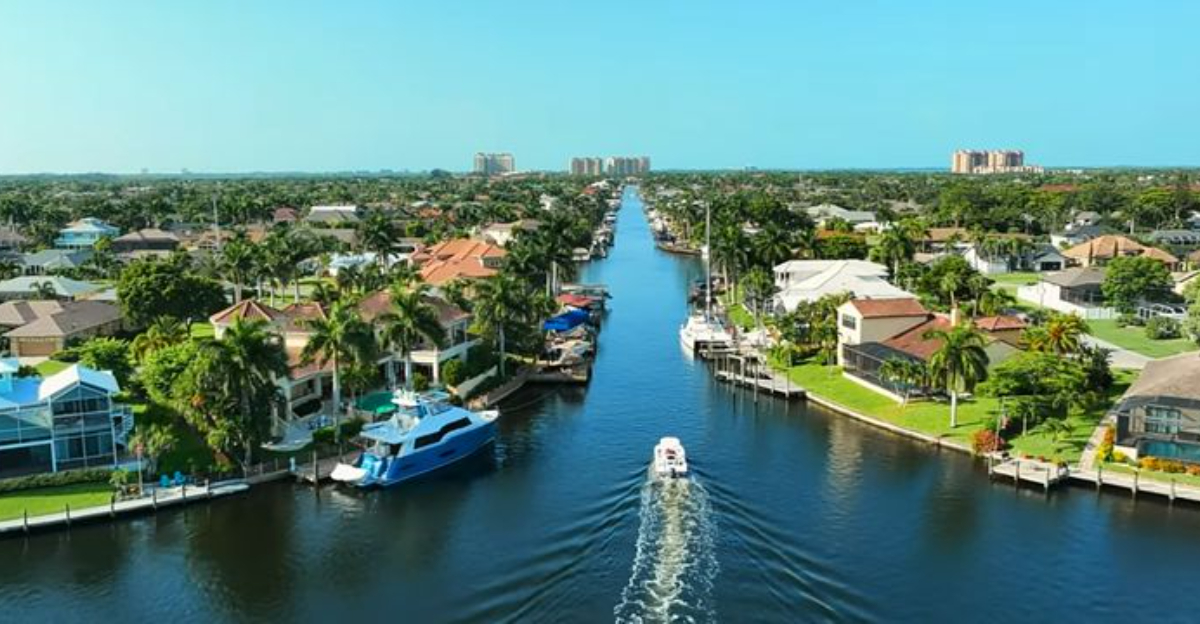
Cape Coral is making waves among Floridians looking for a fresh start without leaving the Sunshine State. This waterfront city, famous for having more canals than Venice, just saw home prices drop by 10 percent, creating a rare opportunity for buyers who’ve been priced out of other Florida markets. With its laid-back vibe, boating lifestyle, and growing job scene, Cape Coral is quickly becoming the place where locals are quietly planting roots.
1. Affordable Waterfront Living Finally Within Reach
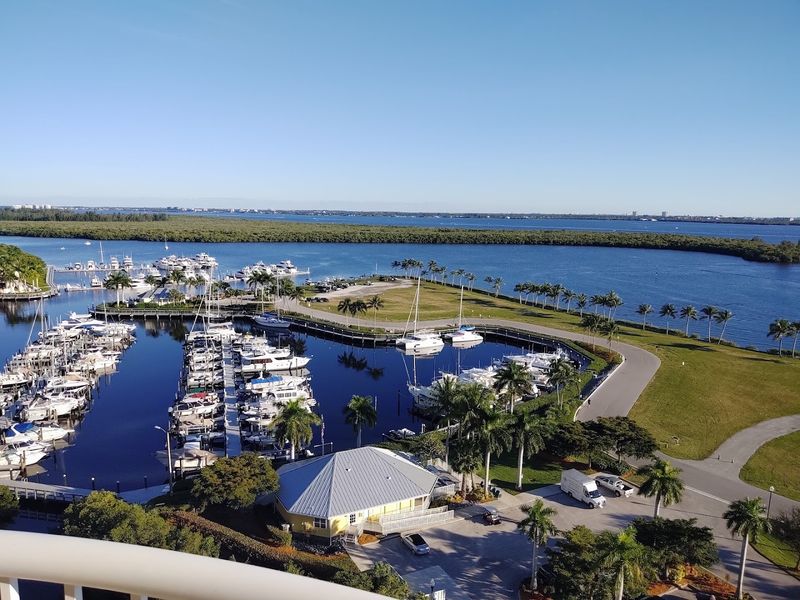
Most Floridians dream of waking up to water views, but in cities like Miami or Naples, that dream costs a fortune. Cape Coral changes the game. The recent 10 percent dip in home prices means you can snag a canal-front property for what you’d pay for a landlocked house elsewhere in the state.
Imagine having your own dock, launching a kayak before breakfast, or watching manatees glide past your backyard. That’s not fantasy here—it’s Tuesday. The city has over 400 miles of navigable waterways, and many homes come with direct Gulf access, meaning you can boat straight out to the open water without trailering anything.
Buyers are jumping on this window before prices bounce back. Real estate agents report that inventory is moving faster than expected, especially for homes with boat lifts and covered docks. The combination of lower prices and waterfront perks makes Cape Coral one of the smartest moves for Florida natives tired of renting or overpaying inland.
Even if you’re not a boater yet, owning waterfront property here opens up a lifestyle most people only see on vacation. Fishing from your dock, paddleboarding at sunset, or just sipping coffee while dolphins cruise by—it’s all part of the daily routine.
2. Job Growth Is Booming Beyond Tourism
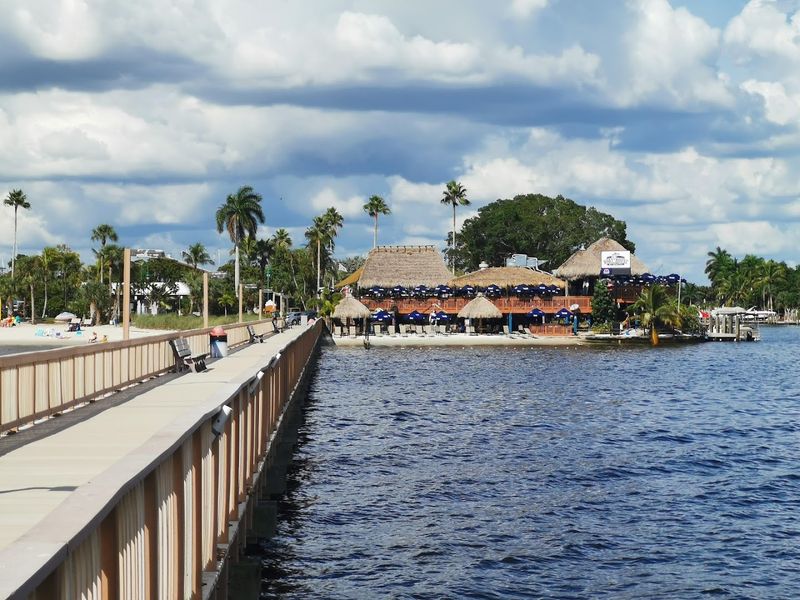
Florida’s economy usually leans heavily on tourism, but Cape Coral is building something different. Healthcare, construction, and tech sectors are expanding fast, creating jobs that don’t disappear during slow travel seasons. Lee Health, one of the region’s largest employers, keeps hiring nurses, technicians, and administrative staff year-round.
Construction crews are everywhere, building new neighborhoods, schools, and commercial centers to keep up with the population surge. That means steady work for electricians, plumbers, project managers, and designers. Unlike the boom-and-bust cycles in other Florida cities, Cape Coral’s growth feels more stable and planned.
Small businesses are thriving too. New restaurants, fitness studios, and retail shops pop up regularly, and owners say the local support is strong. People here actually shop local instead of driving to Fort Myers for everything.
That community vibe helps entrepreneurs succeed where they might struggle in bigger, more saturated markets.
Remote workers are also flocking here, drawn by the lower cost of living and the ability to work from a lanai overlooking a canal. Coworking spaces are opening up, and the internet infrastructure is improving to support the digital nomad crowd. Whether you’re climbing the corporate ladder or launching a side hustle, Cape Coral offers opportunities that go way beyond serving tourists.
3. Outdoor Recreation That Doesn’t Cost a Fortune
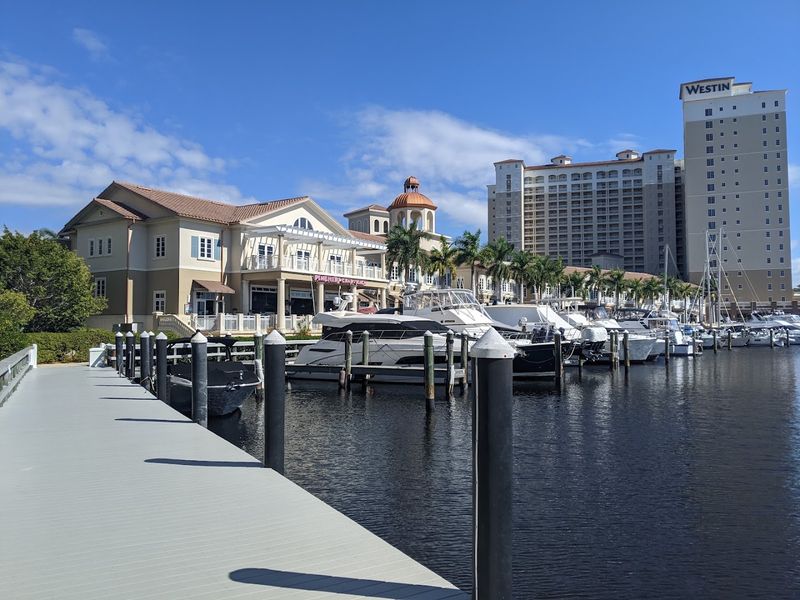
Forget paying theme park prices to have fun. Cape Coral hands you nature’s playground for free or close to it. Four Mile Cove Ecological Preserve offers miles of kayak trails through mangroves where herons, ibis, and the occasional otter make appearances.
Rent a kayak for twenty bucks or buy your own and paddle whenever the mood strikes.
Sirenia Vista Park is another local favorite, especially for families. The park provides kayak launches leading straight into Matlacha Pass Aquatic Preserve, where manatees hang out during cooler months. Kids lose their minds spotting these gentle giants up close, and parents love that the experience costs nothing but time.
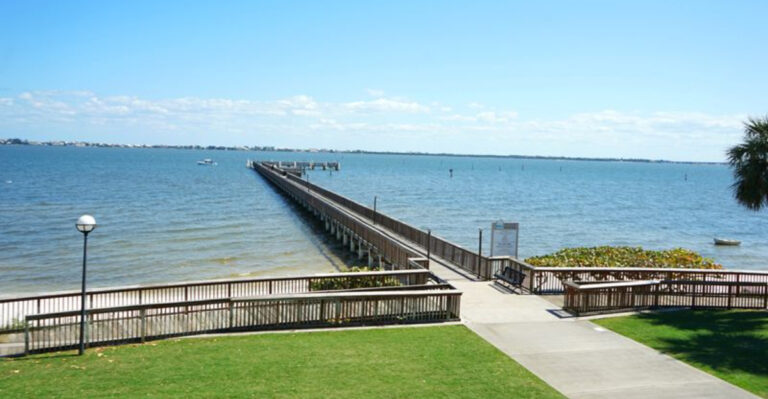
Yacht Club Community Park gives you a real beach on the Caloosahatchee River, complete with a fishing pier and picnic areas. It’s where locals gather for sunset, and the vibe is totally chill—no crowds, no parking nightmares, just good times by the water. Fishing from the pier is free, and people regularly catch snook, redfish, and tarpon.
Biking is huge here too. The city keeps adding paths and trails, making it easy to cruise around without hopping in the car. Between the parks, preserves, and waterways, you can fill every weekend with adventure without draining your wallet.
That’s a big reason families are choosing Cape Coral over pricier coastal towns.
4. Schools Are Improving and Expanding Fast
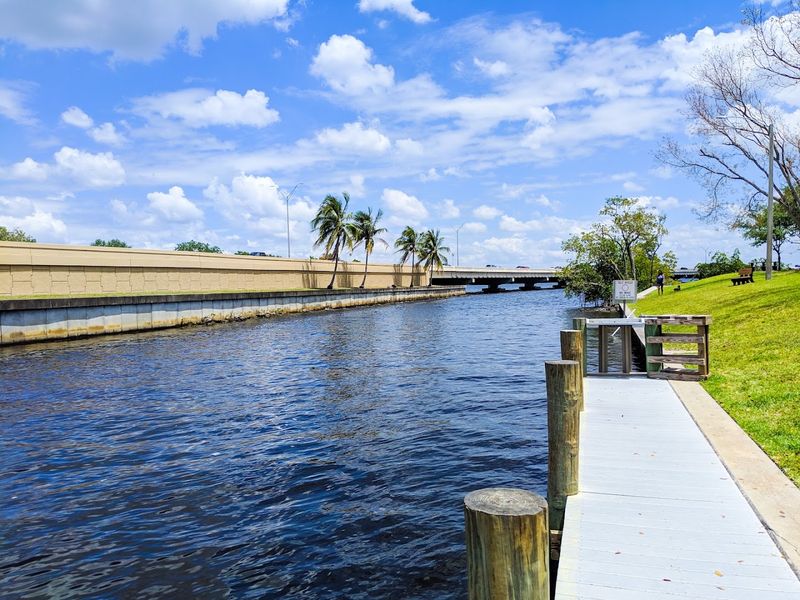
Parents moving to Cape Coral often worry about school quality, but the district is stepping up in a big way. New schools are under construction to handle the population boom, and existing campuses are getting upgrades in technology, sports facilities, and arts programs. Lee County Schools invested millions into making sure kids here get a solid education without the overcrowding seen in other fast-growing Florida cities.
Charter and magnet schools offer specialized programs in STEM, arts, and international studies, giving families options beyond traditional zoning. Cape Coral Technical College provides career training for high schoolers, so teens can graduate with certifications in fields like nursing, welding, or IT. That kind of head start matters when college isn’t the only path to success.
Extracurriculars are thriving too. Youth sports leagues, debate teams, and robotics clubs give kids ways to explore interests and build friendships. The community shows up for school events, creating a supportive environment where teachers and parents actually know each other’s names.
Test scores are trending upward, and teacher retention is improving as the district offers competitive pay and benefits. For Florida natives tired of struggling school systems elsewhere, Cape Coral represents a chance to give their kids a better shot without paying private school tuition. Education might not be perfect here yet, but the momentum is clearly moving in the right direction.
5. Small-Town Feel With Big-City Conveniences
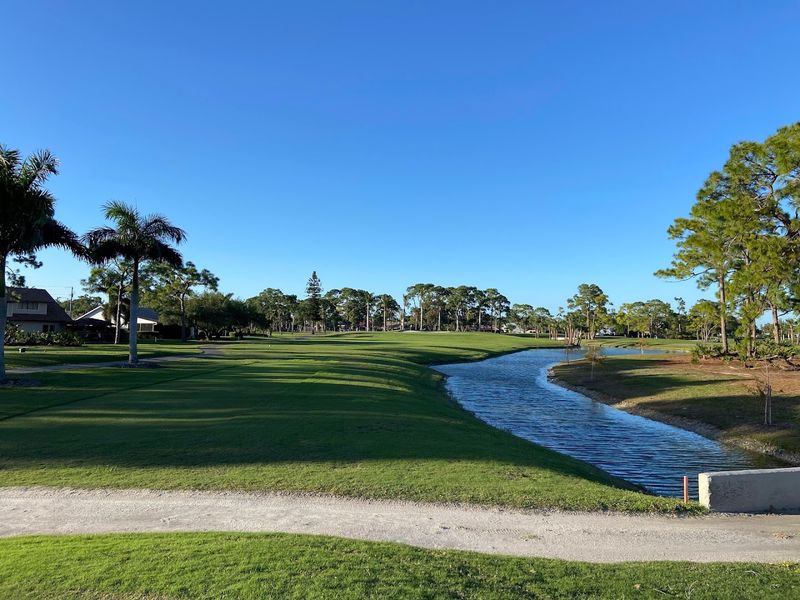
Cape Coral pulls off a tricky balance—it feels like a small town where neighbors wave and know your dog’s name, but you’re never far from shopping, dining, or entertainment. The downtown area along Cape Coral Parkway keeps growing, adding breweries, farm-to-table restaurants, and boutique shops that give the city its own identity instead of just being Fort Myers’ little sibling.
Chain stores and big-box retailers are here if you need them, but locals prefer supporting homegrown spots. Farmers markets happen weekly, food trucks gather at parks, and festivals celebrate everything from seafood to art. That community connection makes Cape Coral feel less like a sprawling suburb and more like a real hometown.
Fort Myers sits just across the bridge, so when you need a Target run or want to catch a concert at a bigger venue, it’s a quick trip. But most days, you won’t need to leave Cape Coral because everything you actually use is right here. Grocery stores, urgent care, gyms, pet supply shops—it’s all within a few miles no matter where you live.
The vibe is casual and unpretentious. People wear flip-flops to nice restaurants, and nobody judges. It’s Florida living without the stuffiness you find in wealthier coastal towns.
That laid-back energy attracts folks who want quality of life without the social pressure or keeping-up-with-the-Joneses mentality.
6. Hurricane Preparedness Taken Seriously
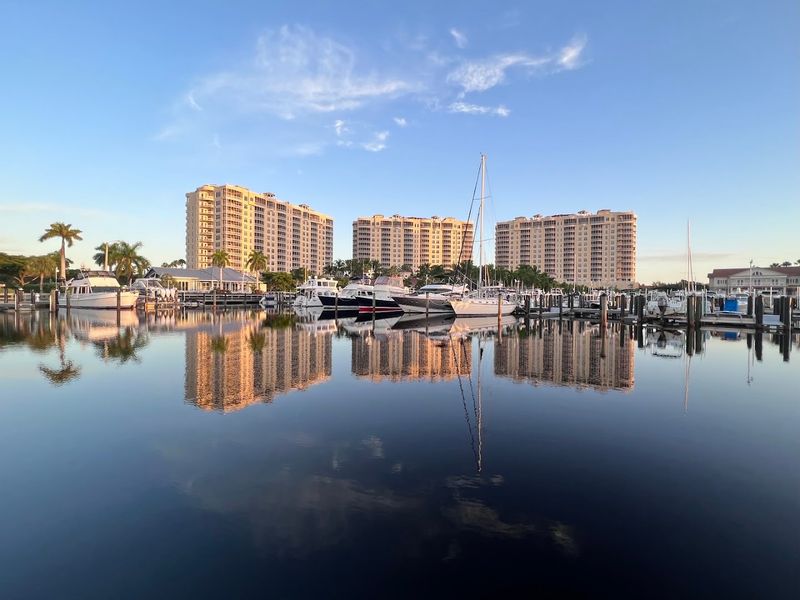
Living in Florida means respecting hurricane season, and Cape Coral residents don’t mess around. The city learned hard lessons from past storms and now prioritizes preparedness through better building codes, drainage improvements, and community education. New construction must meet stricter wind and flood standards, giving buyers more peace of mind than older coastal properties offer.
The stormwater management system gets constant upgrades. Engineers are working to prevent the street flooding that plagued certain neighborhoods during heavy rains. While no system is perfect, the progress is noticeable, and residents report fewer issues than five years ago.
The city also cleared canals and waterways to improve flow during major weather events.
Community centers serve as shelters, stocked with supplies and staffed by trained volunteers. Neighborhood apps and alert systems keep everyone informed when storms approach. Locals share generator tips, sandbag locations, and post-storm cleanup help.
That sense of looking out for each other makes hurricane season less scary, especially for newcomers.
Insurance costs are real, but they’re comparable to other Florida coastal areas, and many homeowners bundle flood and wind coverage to save money. The key is buying smart—higher elevation, newer construction, and homes farther from direct Gulf access typically cost less to insure. Cape Coral’s government is transparent about flood zones and risks, so buyers can make informed decisions instead of getting surprised after closing.
7. Boating Culture Is the Heart of the Community
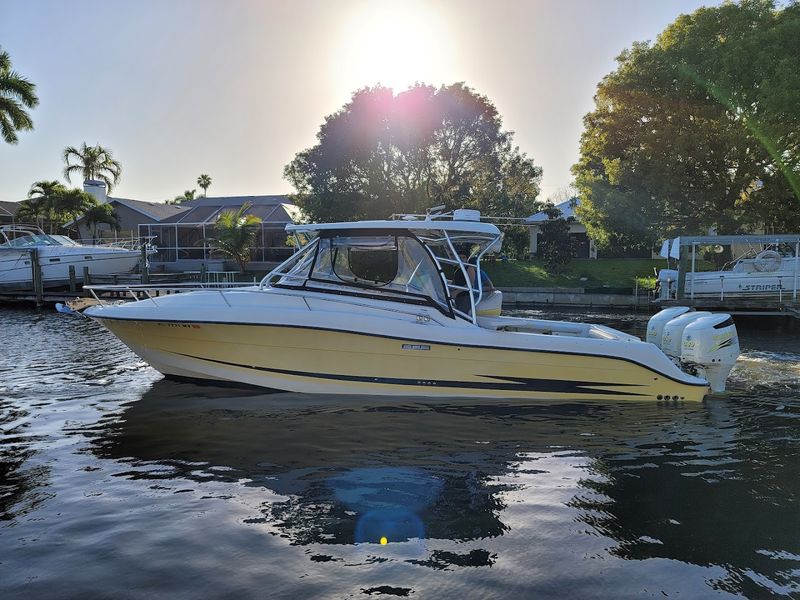
Owning a boat in Cape Coral isn’t a luxury—it’s practically a requirement for getting the full experience. The city’s 400-plus miles of canals mean your backyard is your marina, and weekend plans usually involve untying from the dock and heading somewhere new. Sanibel Island, Captiva, and countless sandbars are just a short cruise away, making every Saturday feel like a mini vacation.
Boat clubs and fishing tournaments bring people together. Whether you’re into offshore fishing, flats wading, or just cruising for dolphins, you’ll find your crew here. Marinas offer fuel, repairs, and supplies, but most boaters handle basic maintenance themselves, swapping tips over beers at dockside hangouts.
The Gulf of Mexico is accessible from many canals, turning your home into a launching point for saltwater adventures. Catch grouper, snapper, or tarpon depending on the season, then grill your haul on the lanai. Non-boaters can still enjoy the lifestyle by renting pontoons or joining friends who always have room for one more.
Sunset cruises become a weekly ritual. Grab a cooler, invite the neighbors, and float around watching the sky turn pink and orange. It’s the kind of simple pleasure that makes Cape Coral addictive.
Even if you’ve never driven a boat before, the community is welcoming and eager to teach. Boating here isn’t about showing off—it’s about enjoying Florida’s natural beauty from the best possible seat.
8. Real Community Spirit and Local Pride
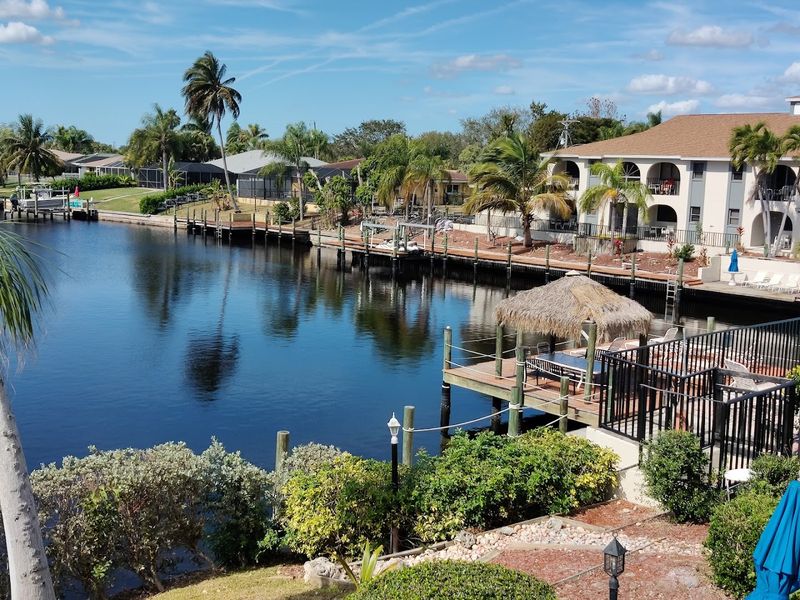
Cape Coral doesn’t feel like a transient town where people disappear after a few years. Folks put down roots, join civic groups, and actually care about making the city better. Neighborhood associations stay active, organizing cleanups, holiday events, and safety initiatives.
That involvement creates a sense of ownership you don’t find in places where everyone’s just passing through.
Veterans make up a significant portion of the population, and the community honors that service through parades, memorials, and support programs. Military families say Cape Coral feels welcoming and respectful, a place where sacrifice is recognized and appreciated. That patriotic spirit runs deep without being performative or over-the-top.
Diversity is growing as people from all over Florida—and beyond—discover the city’s appeal. You’ll hear different languages at the grocery store, see various cuisines at restaurants, and meet neighbors with wildly different backgrounds. That mix adds flavor and perspective, making Cape Coral feel more cosmopolitan than its size might suggest.
Local pride shows up in small ways. Residents wear Cape Coral gear, support high school sports teams, and defend the city when outsiders dismiss it as boring. They know what they have—a waterfront lifestyle, affordable living, and genuine community—and they’re not keeping it secret anymore.
That’s why Florida natives are quietly making the move, telling friends to follow, and building lives they’re proud to call home.