8 Terrifying Florida Destinations That Feel Straight Out of a Horror Movie
Florida might be famous for sunshine and theme parks, but lurking beneath the tropical surface are places that could easily serve as backdrops for your favorite scary films. From crumbling forts to haunted lighthouses, the Sunshine State hides a darker side that horror fans absolutely love to explore. Whether you’re drawn to creepy dolls, abandoned ruins, or ghostly legends whispered through centuries-old corridors, these eight destinations deliver genuine chills that’ll make your heart race long after you’ve left.
1. The Old Jail (St. Augustine)
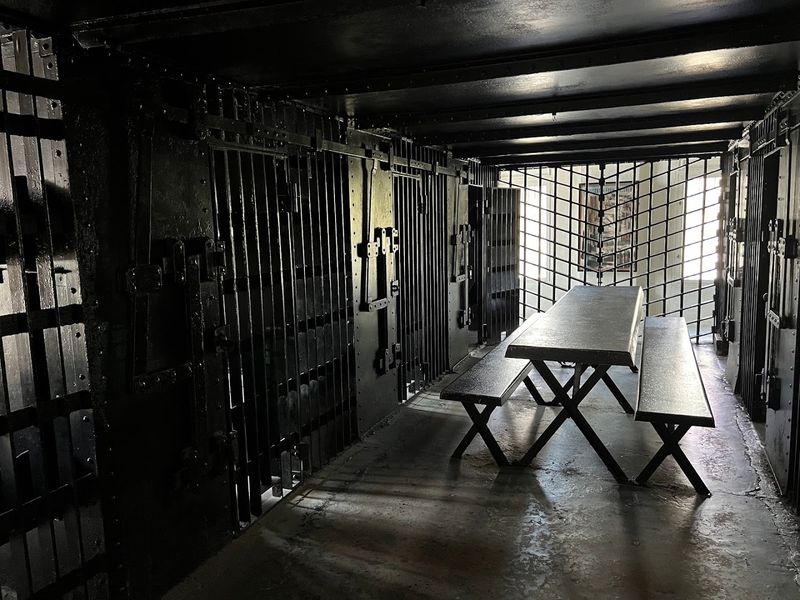
Walking into this 1891 lockup feels like stepping onto a movie set, except everything here is disturbingly real. The maximum-security cages weren’t designed for comfort—they were built to contain the most dangerous criminals Florida had to offer during a time when justice was harsh and unforgiving.
Rusted iron bars line cramped corridors where prisoners once spent years in conditions we’d consider inhumane today. The cells are so small you can barely stretch your arms out, and the heavy metal doors still clang shut with a sound that echoes through your bones. Tour guides share stories of executions, violence, and desperation that unfolded within these walls.
The building’s original structure remains largely intact, preserving the oppressive atmosphere that made incarceration here a nightmare. Dim lighting casts shadows across peeling paint and weathered stone, creating an environment that horror directors would kill to replicate. You can almost feel the weight of suffering that accumulated over decades.
Even on bright Florida afternoons, stepping inside transports you to a much darker time. The jail operated until 1953, meaning relatively recent history still clings to every surface. Visitors often report feeling watched or experiencing sudden temperature drops in certain cells, adding supernatural speculation to an already unsettling experience that needs no embellishment to disturb you.
2. Fort East Martello Museum (Key West)
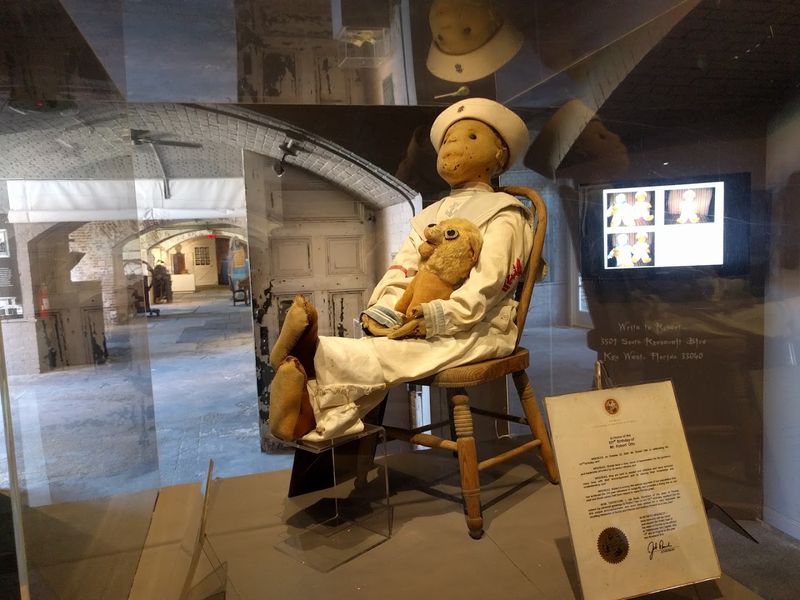
Robert sits behind glass, staring at you with button eyes that seem to follow your movement no matter where you stand. This sailor-suited doll has terrorized visitors for generations, and the museum walls surrounding him are plastered with handwritten apology letters from people who photographed him without permission and later experienced bizarre misfortunes.
The fort itself amplifies Robert’s creepiness with its Civil War-era architecture—thick brick walls, shadowy corridors, and rooms that feel like they’re holding secrets from another century. Built in the 1860s but never seeing actual combat, the structure served various military purposes before becoming this peculiar museum. The combination of historical grimness and supernatural legend creates an atmosphere that’s hard to shake.
Beyond Robert, the museum houses military artifacts and local history exhibits, but let’s be honest—everyone comes for the doll. His origin story involves a disgruntled servant, alleged voodoo practices, and decades of strange occurrences in the home of his original owner, artist Robert Eugene Otto. Whether you believe in cursed objects or not, standing in front of Robert generates an undeniable discomfort.
The fort’s isolation on the southern edge of Key West adds to the experience. Surrounded by tropical vegetation and positioned away from the island’s party atmosphere, Fort East Martello feels disconnected from the rest of the Keys, like a pocket of darkness the sunshine can’t quite reach.
3. May-Stringer House (Brooksville)
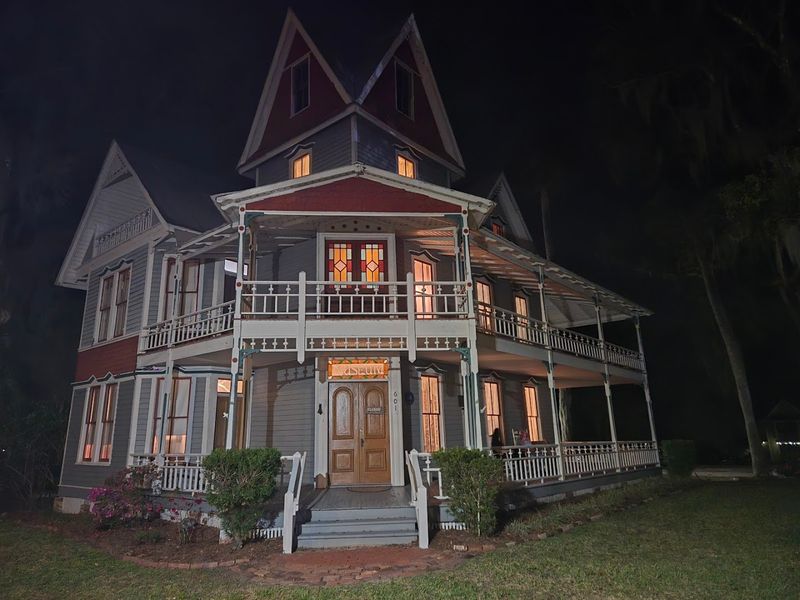
Seven gables rise against the sky like something straight out of Nathaniel Hawthorne’s imagination, but this Victorian mansion in Brooksville carries its own genuine history of tragedy and mystery. Built in the 1850s, the towering structure served as both a family home and a doctor’s office, meaning suffering and death occurred regularly within its walls during an era when medicine was primitive and mortality rates were high.
Inside, antique furniture fills rooms that look frozen in time. The old doctor’s office still contains medical instruments that would horrify modern patients—bone saws, primitive surgical tools, and equipment used before anesthesia became standard. Walking through these spaces, you can almost hear the screams of patients enduring procedures we can barely imagine today.
The house gained its reputation through decades of reported paranormal activity. Staff and visitors describe unexplained footsteps, doors opening on their own, and the sensation of being touched by invisible hands. Whether these stories reflect genuine hauntings or the power of suggestion amplified by genuinely creepy surroundings is up for debate.
Nighttime ghost tours lean fully into the mansion’s dark reputation, guiding groups through dimly lit rooms while sharing tales of former residents who may never have left. The experience combines historical education with theatrical horror, creating an evening that’s equal parts informative and unsettling for anyone brave enough to explore after sunset.
4. St. Augustine Lighthouse & Maritime Museum (St. Augustine)
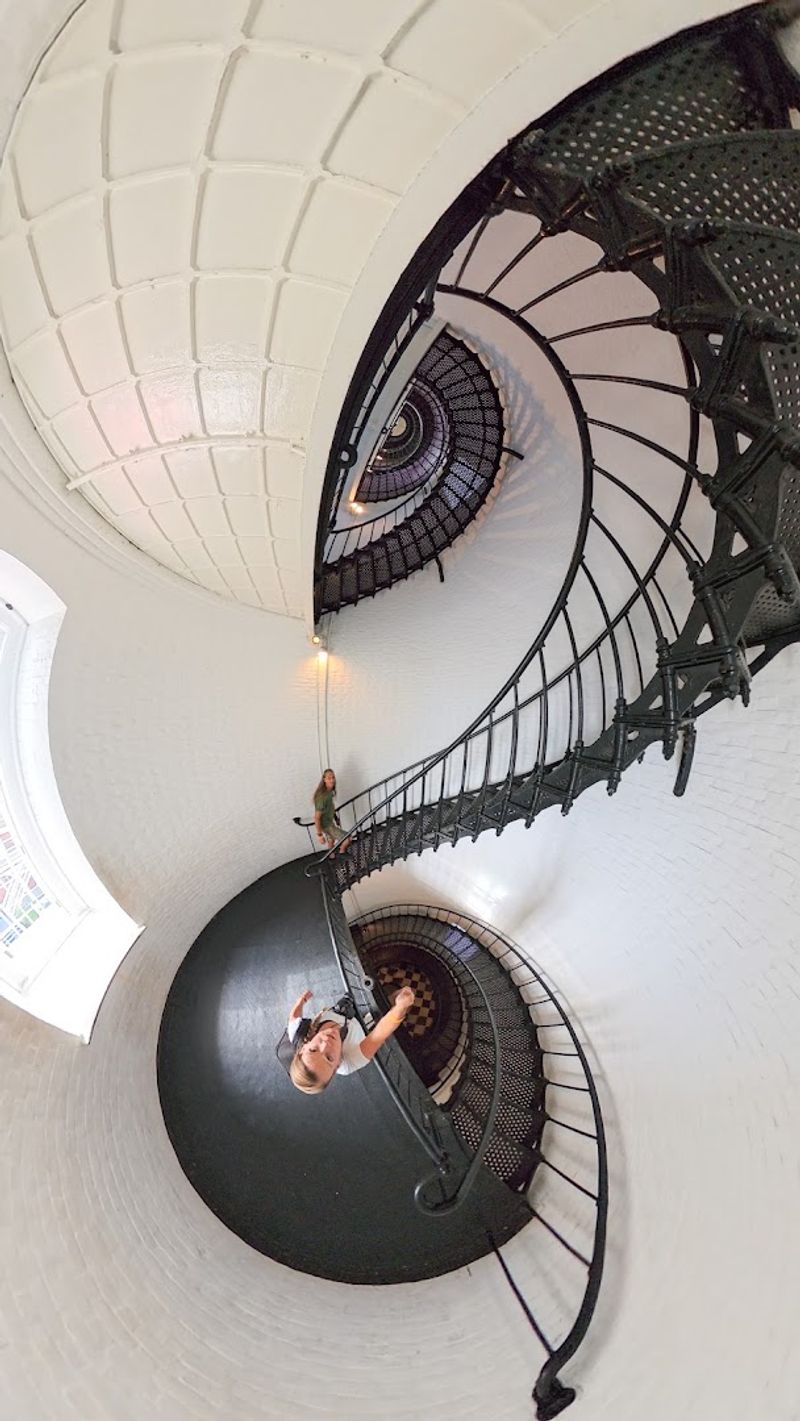
Climbing 219 steps in complete darkness armed with nothing but a glowstick sounds like the setup for a horror film, but that’s exactly what happens during the lighthouse’s paranormal experiences. The spiral staircase winds upward through tight, claustrophobic space where your footsteps echo off brick walls and every shadow seems to move independently.
The 165-foot tower has stood since 1874, replacing an earlier lighthouse that collapsed into the sea. During construction, tragedy struck when three young girls drowned near the site, and their presence allegedly lingers in the keeper’s house below. Visitors report hearing children’s laughter, seeing small figures darting between rooms, and experiencing unexplained cold spots in specific locations.
After-dark tours transform the normally picturesque landmark into something genuinely eerie. With minimal artificial lighting and the Atlantic Ocean crashing against rocks below, the isolation becomes palpable. The keeper’s house contains period furnishings and maritime artifacts, but at night, these ordinary objects take on sinister qualities when illuminated only by your small light source.
The museum doesn’t oversell the ghost angle—they present historical facts and let visitors draw their own conclusions. This restraint actually makes the experience more effective because the building’s authentic history provides enough genuine tragedy and death to fuel speculation without needing embellishment. Whether spirits haunt the lighthouse or not, exploring it after dark delivers legitimate chills that daylight visits simply can’t match.
5. Bulow Plantation Ruins Historic State Park (Flagler Beach)
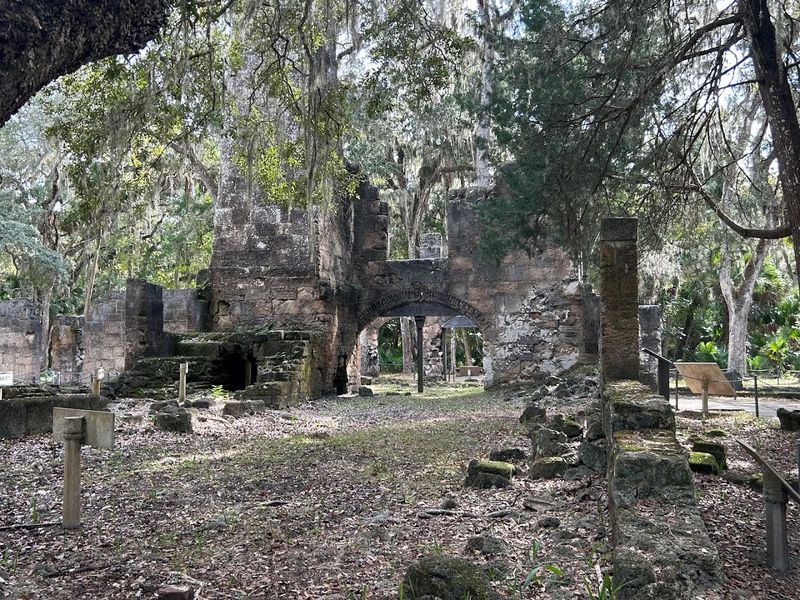
Nature has reclaimed what humans once built, and the result looks like civilization suddenly vanished mid-sentence. Crumbling coquina walls rise from the forest floor, their surfaces covered in moss and vines that seem determined to pull the remaining structures back into the earth. Ancient live oaks form a canopy so thick that sunlight barely penetrates, creating perpetual twilight even at noon.
The plantation operated in the early 1800s before being destroyed during the Second Seminole War in 1836. What remains are the sugar mill ruins, foundation walls, and a well—all sitting silent beneath trees that have grown massive in the nearly two centuries since the site was abandoned. The atmosphere suggests apocalypse rather than simple historical decay.
Walking the trails feels like exploring a lost world where the forest swallowed human ambition whole. The coquina stone, made from compressed shells, weathers in ways that create faces and figures in the walls—pareidolia that adds to the unsettling vibe. No interpretive signs clutter the ruins; the park lets the remains speak for themselves.
The isolation amplifies everything. Located off the beaten path near Flagler Beach, the park sees relatively few visitors compared to more famous Florida attractions. This means you might find yourself completely alone among the ruins, surrounded by sounds of rustling leaves and distant birds, wondering what really happened here and whether the forest will eventually erase all evidence that humans ever existed on this spot.
6. Pensacola Lighthouse and Maritime Museum (Pensacola)
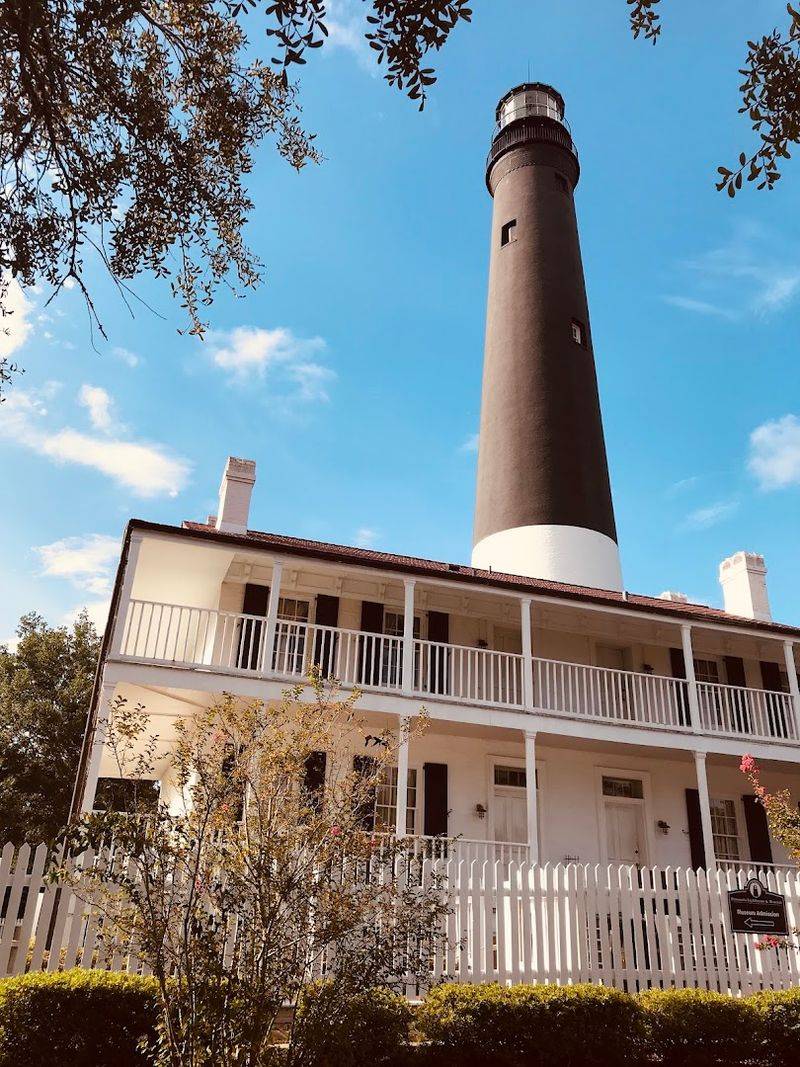
Built in 1859, this 191-foot tower offers more than just coastal views—it provides after-hours ghost hunts and paranormal investigations that attract believers and skeptics alike. The 177-step climb through narrow, confined passageways becomes genuinely challenging in darkness, and the isolation of the location adds psychological weight to the physical exertion required to reach the top.
The lighthouse sits on a military installation, which means you’re already passing through security checkpoints just to access the property. This separation from civilian areas creates a sense of entering restricted territory where normal rules don’t quite apply. The surrounding grounds include the keeper’s quarters and various outbuildings, all contributing to a compound-like atmosphere.
Stories of paranormal activity center on a former keeper’s daughter who fell from the tower, though historical records don’t definitively confirm this tale. Regardless of factual accuracy, the legend persists, and participants in ghost hunts report unexplained phenomena—footsteps on the metal stairs when no one else is climbing, voices echoing from empty rooms, and equipment malfunctions that can’t be easily explained.
The investigation experiences provide electromagnetic field detectors, digital recorders, and other ghost-hunting equipment, letting visitors conduct their own searches for evidence. Whether you encounter anything supernatural or simply experience the legitimate creepiness of exploring a 19th-century lighthouse in darkness, the program delivers an adventure that’s far removed from typical tourist activities and feels genuinely adventurous rather than manufactured for entertainment.
7. Fort Clinch State Park (Fernandina Beach)
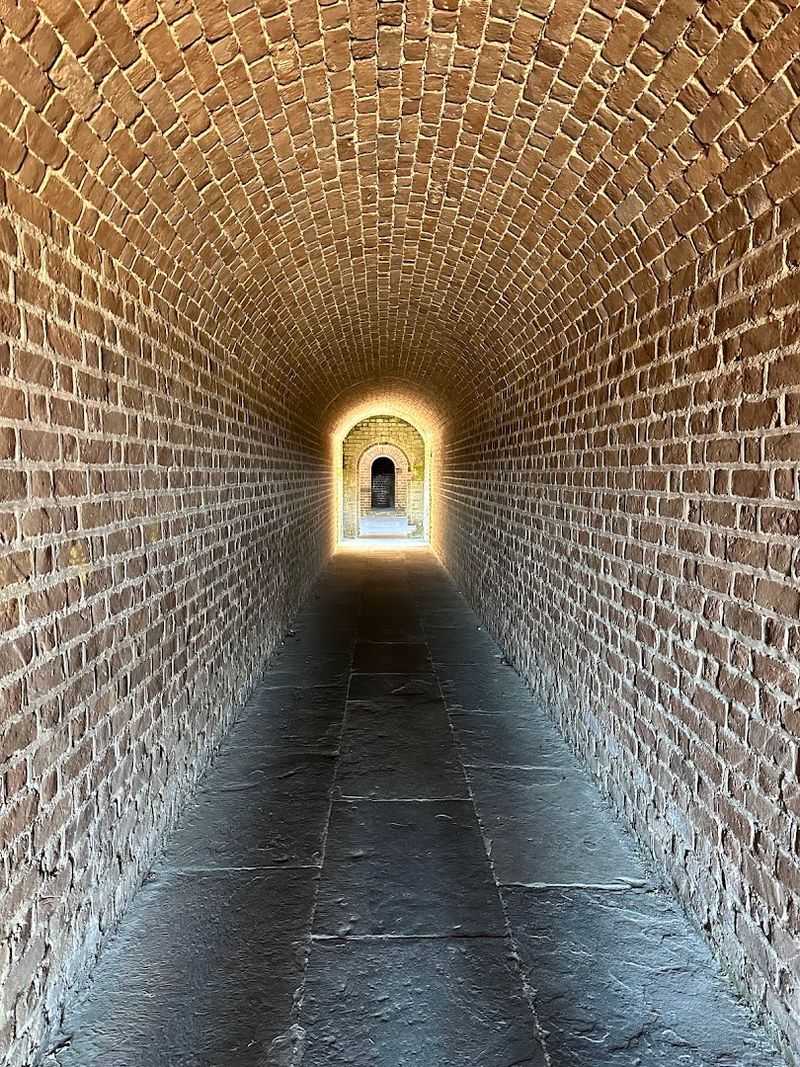
Heavy iron doors swing open to reveal brick tunnels that stretch into darkness, and suddenly you’re walking through corridors designed for war. Fort Clinch was built in the mid-1800s to protect the southeastern coastline, and its preservation means you’re experiencing military architecture in its original, unmodernized state—no electric lighting softening the atmosphere, no climate control removing the dampness from the air.
The barracks sit empty now, but you can imagine soldiers sleeping in tight quarters, preparing for battles that might arrive at any moment. Narrow windows designed for cannon placement create dramatic shafts of light that only emphasize how dark the interior spaces remain. The fort saw limited actual combat, but its design was meant for serious warfare, and that purpose shows in every architectural decision.
Exploring the tunnels and casements feels like navigating a maze where every turn looks identical to the last. The brick walls absorb sound, creating an acoustic deadness that makes even your own footsteps seem distant and wrong. During living history demonstrations, costumed interpreters add life to the spaces, but when you visit outside those programs, the emptiness becomes the main attraction.
The fort’s location on the northern tip of Amelia Island adds to its isolated atmosphere. Surrounded by beaches and maritime forest, Fort Clinch exists in its own pocket of preserved history where the modern world feels temporarily suspended. Walking through these military spaces designed to withstand siege warfare generates respect for historical engineering while also producing genuine unease about the violence they were built to facilitate.
8. Chestnut Street Cemetery (Apalachicola)
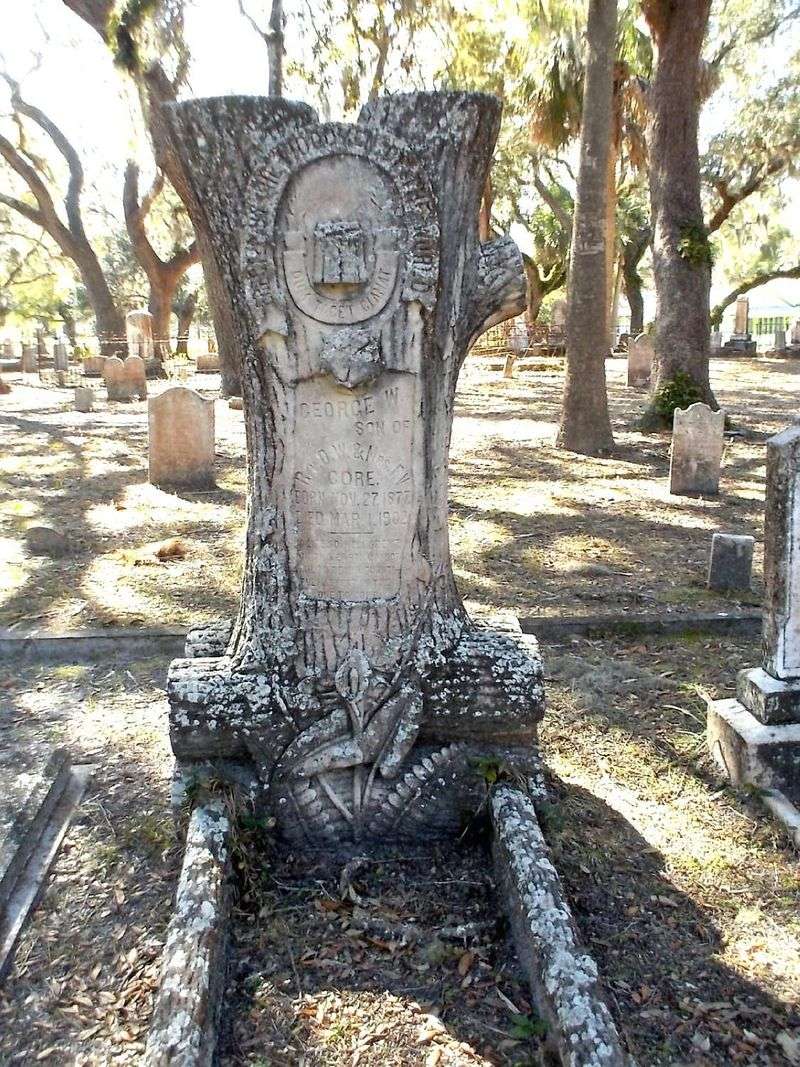
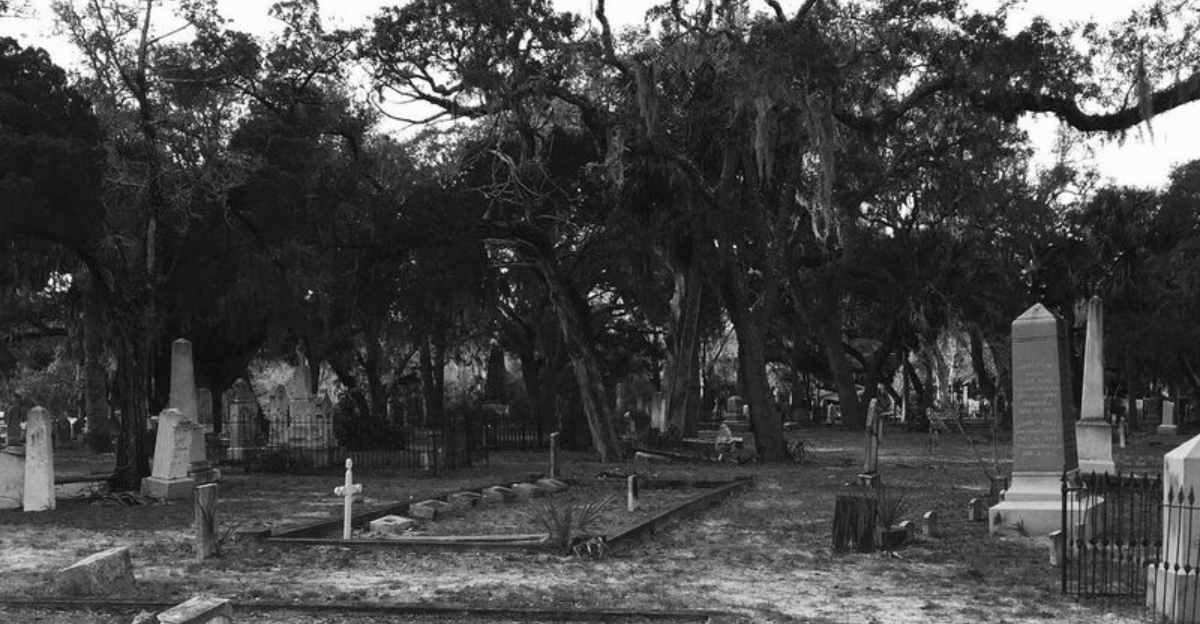
Spanish moss drapes from ancient oaks like funeral shrouds, creating natural curtains between you and the weathered gravestones marking plots from the 1830s. Chestnut Street Cemetery embodies Southern Gothic atmosphere so perfectly it seems almost theatrical, except everything here developed organically over nearly two centuries without any attempt to manufacture spookiness.
The wrought-iron fences surrounding family plots have rusted into delicate lace patterns, and many gravestones lean at angles that suggest the earth beneath is slowly reclaiming what was buried. Victorian-era monuments feature angels, urns, and elaborate inscriptions that reflect attitudes toward death very different from our modern squeamishness. Reading the stones reveals patterns—yellow fever epidemics, childhood mortality, maritime disasters—that remind you how fragile life was in 19th-century Florida.
Apalachicola’s location on the Forgotten Coast means fewer tourists discover this cemetery compared to more famous graveyards in places like Savannah or New Orleans. The relative obscurity preserves an authentic quality; you’re not fighting crowds or navigating commercial ghost tours. Instead, you can wander quietly among the graves, letting the atmosphere work on you without manufactured drama.
The cemetery remains active, meaning new burials occur alongside centuries-old graves, creating layers of history that span Florida’s entire modern existence. This continuity adds depth—death hasn’t stopped coming to Apalachicola, and the cemetery keeps expanding to accommodate new residents. On foggy mornings or during golden-hour sunsets, the combination of aged monuments, drooping moss, and filtered light creates scenes that could illustrate any Southern Gothic novel ever written.