This Historic Florida Mansion Serves Gatsby-Era Glamour Without The Price Tag
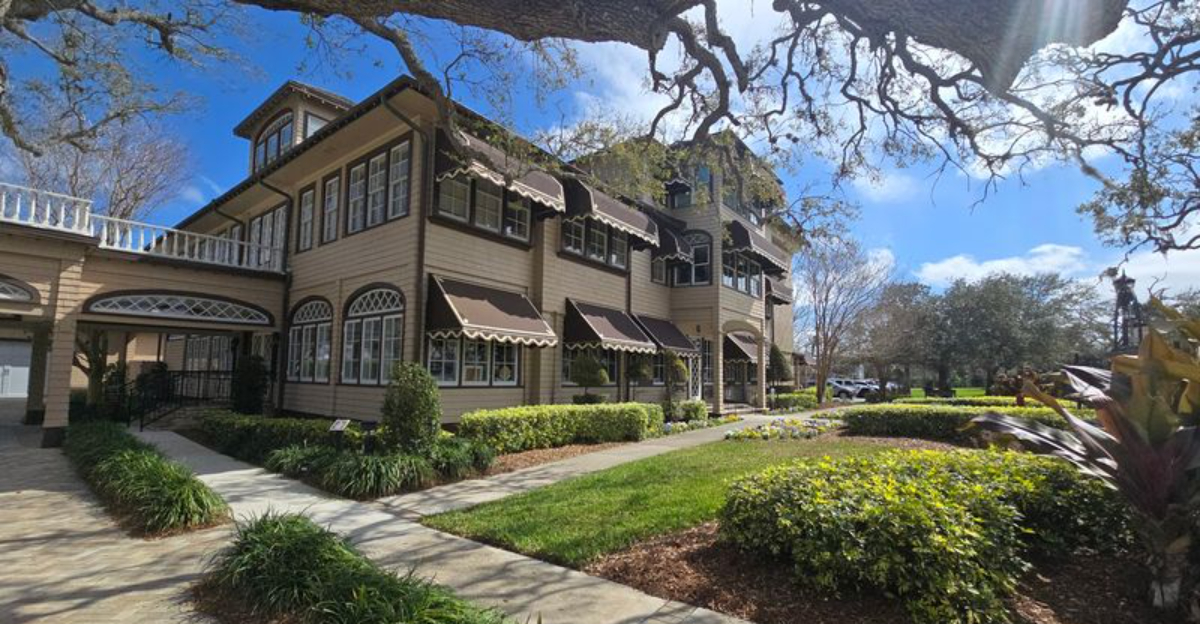
Step inside The Casements in Ormond Beach and you’ll feel like you’ve walked straight into a chapter of American history. This stunning riverside mansion once belonged to John D. Rockefeller, the country’s first billionaire, who spent his final winters here soaking up Florida sunshine.
Best of all, this slice of Gilded Age grandeur won’t cost you a dime to explore, making it the perfect stop for history buffs and curious travelers alike.
1. A Billionaire’s Winter Retreat With a Humble Vibe
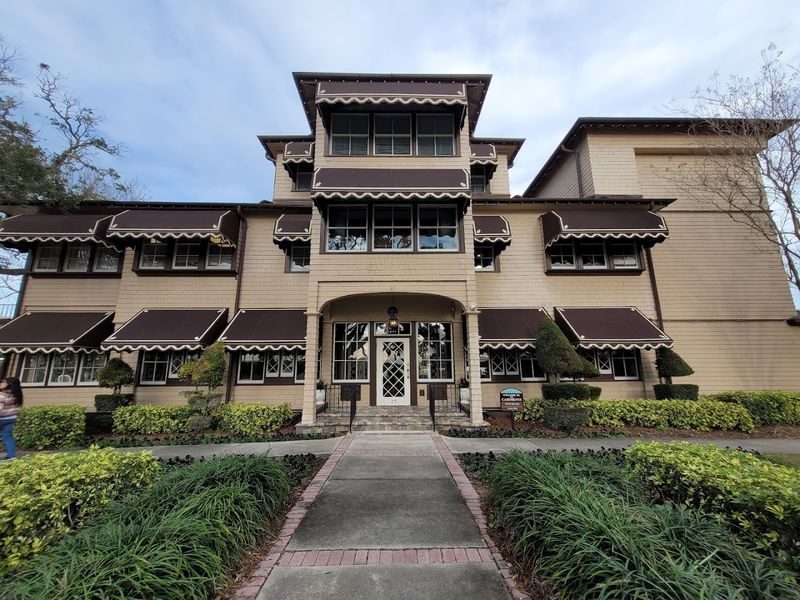
John D. Rockefeller could have built anything he wanted, but when he chose The Casements as his winter home in 1918, he picked something surprisingly understated. The mansion sits quietly along the Halifax River, its hand-carved windows giving it the name locals still use today.
Rockefeller spent his winters here from age 79 until his death at 97, playing golf, handing out dimes to children, and living a surprisingly simple life for someone who’d built an oil empire.
What makes this place special isn’t just the Rockefeller connection. Walking through the rooms feels personal, like you’re visiting a real home rather than a stuffy museum. You can actually enter most of the spaces instead of peering through velvet ropes.
The river breeze still flows through those famous windows just like it did when Rockefeller sat on the porch.
The mansion’s history stretches beyond its most famous resident too. Originally built in 1912, it survived a devastating fire and complete restoration. Today it serves as a cultural center owned by the city, hosting everything from art classes to outdoor movie nights.
That community connection keeps the place feeling alive rather than frozen in time, exactly the kind of accessible history Florida does best.
2. Free Admission Makes History Accessible to Everyone
Here’s something you don’t hear often: this incredible piece of American history costs absolutely nothing to visit. While other historic mansions charge twenty or thirty bucks per person, The Casements opens its doors for free every weekday and Saturday morning. Donations are welcomed and appreciated, but nobody’s checking your wallet at the entrance.
That’s pretty remarkable when you consider you’re touring a place where the richest man in America once lived.
The free admission policy reflects the building’s current role as a community cultural center rather than a private attraction. This isn’t some dusty relic preserved under glass. It’s an active space where locals take art classes, attend concerts, and gather for events.
Visitors benefit from that living, breathing atmosphere while getting to explore genuine Gilded Age opulence.
Tours run throughout the day, either self-guided via a phone app or led by knowledgeable volunteer docents who really know their stuff. Most guided tours last about an hour and cover not just Rockefeller’s story but the broader history of Ormond Beach’s development. Several reviewers mentioned docents by name, praising guides like Mare, Lydia, Paula, and Jade for making the experience memorable.
That personal touch transforms a simple house tour into something genuinely engaging without costing you anything but time.
3. Racing History That Roared Along the Beach
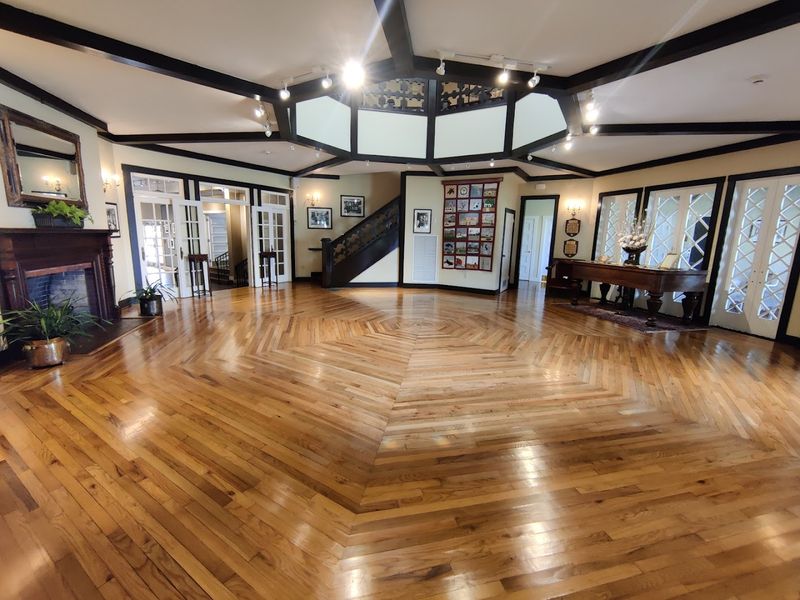
Before Daytona became synonymous with NASCAR, Ormond Beach was where speed demons came to break records. One entire room at The Casements celebrates this wild chapter of Florida history with photographs and memorabilia from the days when racers tore down the hard-packed sand at jaw-dropping speeds. We’re talking about a 1935 record of 276 mph, which sounds insane even by today’s standards, let alone nearly ninety years ago.
Rockefeller and his wealthy friends like Henry Flagler and the Vanderbilts weren’t just lounging around. They were front-row spectators to this emerging automotive age, watching as their beach became the proving ground for speed innovation. The exhibits connect these industrial titans to the technological revolution happening literally in their backyard.
The racing displays offer a fascinating contrast to the mansion’s genteel interior. You’ll see images of daredevils pushing primitive machines to their limits while reading about Rockefeller’s quiet, disciplined lifestyle just steps away. That juxtaposition captures something essential about the era when old money met new technology.
It’s also a reminder that Florida’s been attracting thrill-seekers and record-breakers for over a century. The beach may not host races anymore, but that legacy of speed and innovation still runs through the region’s DNA.
4. Hungarian Folk Art Adds an Unexpected Twist
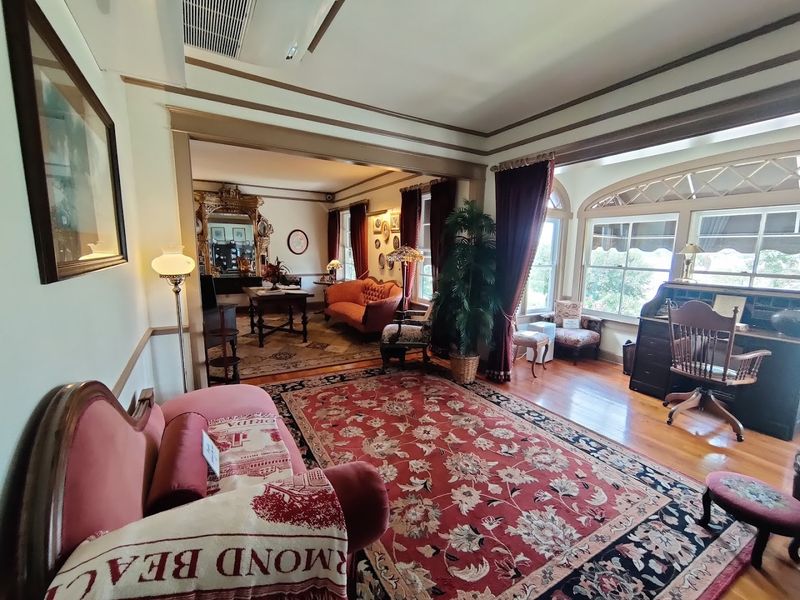
Just when you think you’ve got The Casements figured out, you climb the stairs and discover an entire collection of Hungarian folk art. Wait, what? Yes, this American industrialist’s former home now houses vibrant Eastern European textiles, pottery, and traditional costumes that seem completely out of place until you learn the backstory.
The collection was donated to the cultural center and has become one of its most beloved features.
The Hungarian exhibit sprawls across the upper floor with intricate embroidery, hand-painted ceramics, and folk costumes that burst with color against the mansion’s more subdued American architecture. It’s genuinely unexpected, which makes it memorable. Several visitors specifically mentioned loving this collection, calling it a pleasant surprise that added cultural depth to their visit.
This quirky addition actually demonstrates what makes The Casements work as a modern cultural center rather than just a historic house museum. Instead of rigidly preserving everything exactly as Rockefeller left it, the space evolves and embraces new stories. The Hungarian collection coexists with Rockefeller memorabilia and racing history without diminishing any of them.
That flexibility keeps repeat visitors coming back because there’s always something fresh to discover. It’s proof that historic buildings can honor their past while staying relevant to present-day communities, creating layers of meaning instead of a single frozen narrative.
5. Knowledgeable Docents Bring Stories to Life
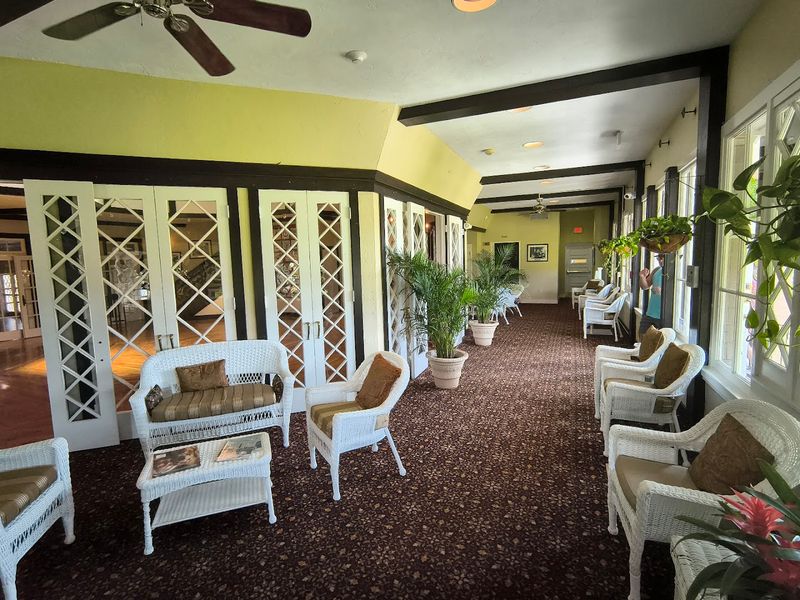
Anyone can read plaques on a wall, but a great tour guide transforms facts into stories you’ll actually remember. The Casements lucked out in the docent department, with volunteers who genuinely love sharing this place’s history. Reviews consistently praise specific guides by name, which tells you something special is happening beyond the standard museum spiel.
These aren’t bored employees reading from scripts. They’re locals who’ve invested time learning not just about Rockefeller but about Ormond Beach’s broader development, the Flagler connection, the Vanderbilt visits, and countless anecdotes that make the past feel present. They welcome questions, adapt to different interests, and even let latecomers join tours already in progress.
That warmth and flexibility creates an inviting atmosphere rather than an intimidating academic experience.
The self-guided option via phone app works perfectly fine if you prefer exploring at your own pace. But multiple reviewers specifically recommended timing your visit to catch a docent-led tour, usually offered on the hour. The human connection makes a difference.
You’ll hear stories about Rockefeller handing out shiny dimes to local kids, learn why he chose this particular spot, and understand how this mansion fits into Florida’s larger history. That context enriches everything you see, turning a pretty house into a window onto an entire era worth understanding.
6. Architectural Details That Reward Close Attention
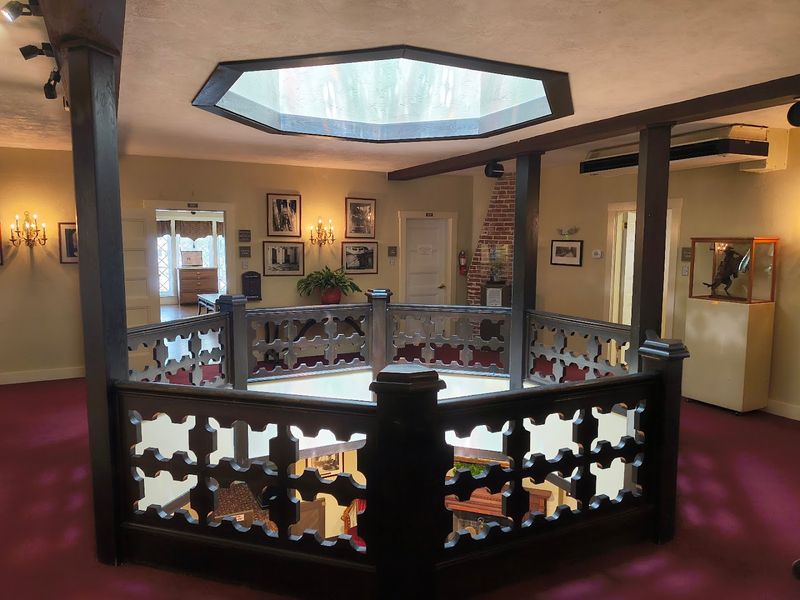
The mansion earned its name from those distinctive hand-carved casement windows that line the riverside facade, designed to capture every whisper of breeze off the Halifax River. In the pre-air conditioning era, this wasn’t just aesthetic choice but practical engineering. Rockefeller appreciated that Florida required different architectural thinking than his northern properties, and these windows delivered both beauty and function.
Look up when you reach the atrium and you’ll spot the stunning stained glass window that multiple visitors called their favorite feature. The craftsmanship throughout reflects the attention to detail that wealthy homeowners demanded during the 1910s. Spacious porches, high ceilings, and thoughtful room layouts all speak to an era when homes were designed for gracious living and entertaining.
Even after the devastating fire that damaged the structure, restoration efforts preserved these original details rather than modernizing them away. You can still sense the flow Rockefeller experienced during his daily routines, from the library where he worked to the kitchen that served his surprisingly modest meals. The architectural bones tell their own story about how America’s elite lived during the Gilded Age, before modern conveniences made everyone’s homes more similar.
Walking through these spaces offers tactile connection to that vanished world, making history something you experience through your senses rather than just read about on plaques.
7. Riverside Setting Perfect for a Full Day Out
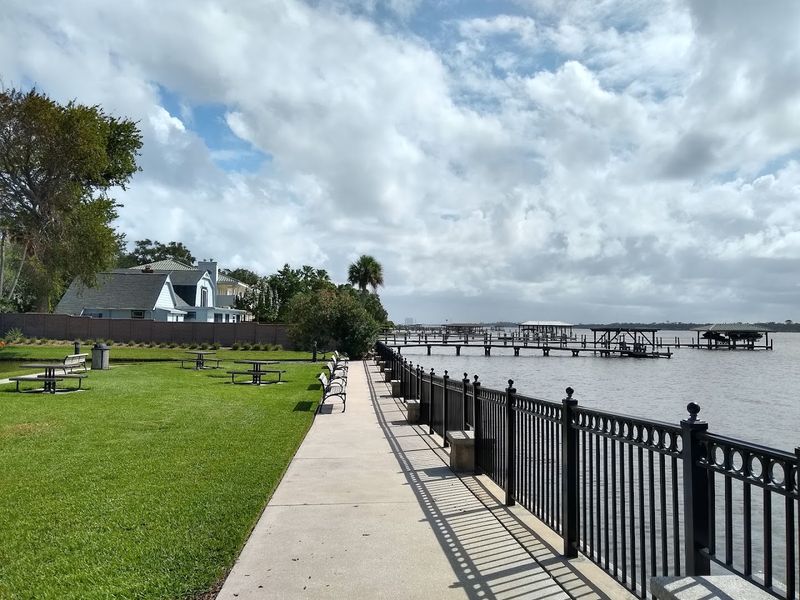
The Casements sits right on the Halifax River with grounds that invite lingering long after your house tour ends. Palm trees shade walking paths, the river sparkles just beyond the lawn, and the whole setting feels like the Florida of vintage postcards. This isn’t just a quick stop but a destination where you can easily spend a few hours combining history with outdoor relaxation.
Across the street you’ll find Rockefeller Gardens, making this corner of Ormond Beach a natural pairing for anyone interested in the area’s heritage. The gardens offer another free attraction that complements your mansion visit perfectly. Together they create a mini historic district worth exploring thoroughly rather than rushing through.
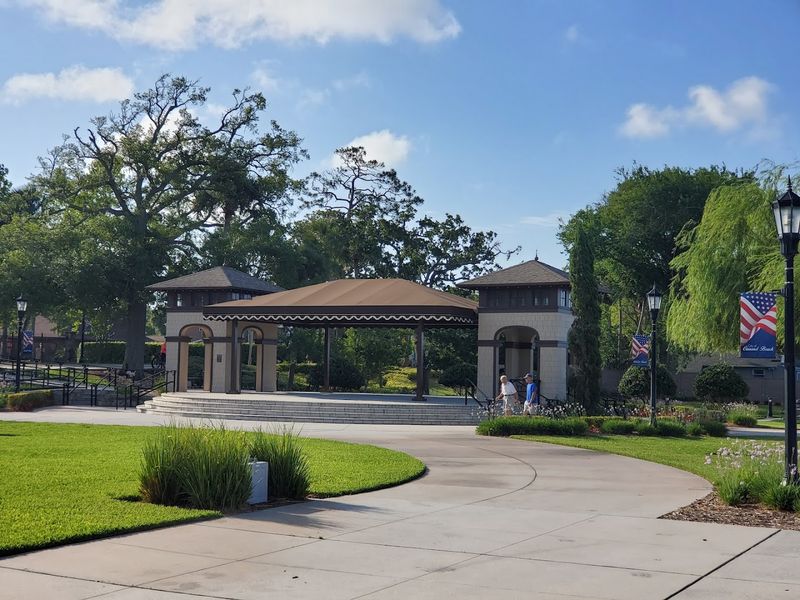
The cultural center hosts outdoor movie nights on the lawn, complete with a popcorn stand and sunset views over the water. Locals bring blankets and chairs for these free community events that transform the grounds into an outdoor theater. The mansion can also be rented for weddings and special events, with both indoor and riverside outdoor venues available.
That versatility keeps the property active and loved rather than isolated behind museum barriers. Whether you’re touring the interior, strolling the grounds, or attending an evening event, the riverside location adds natural beauty to the historical significance, giving you multiple reasons to visit and revisit this special spot.
8. Hidden Gems Like the Boy Scout Exhibit Upstairs
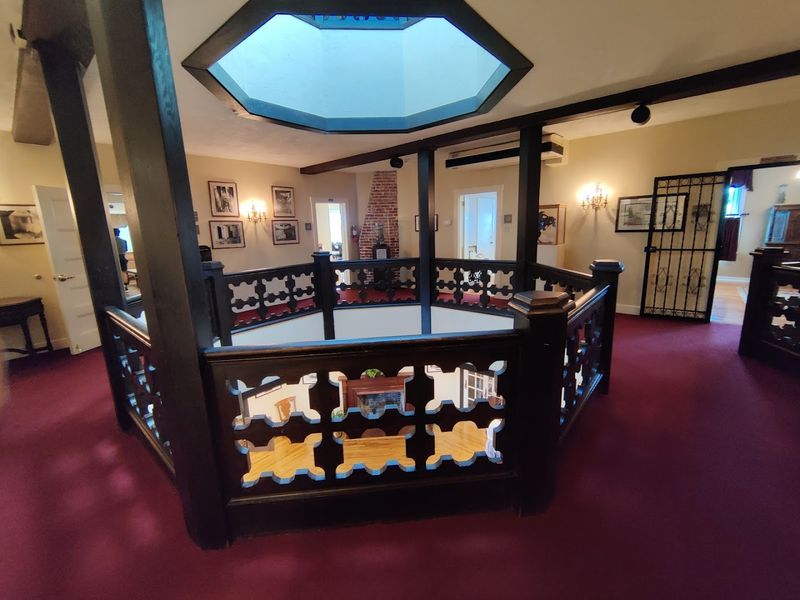
Most visitors explore the main floors and call it a day, but ask the right questions and you’ll discover The Casements has secrets tucked away on the third floor. A Boy Scout exhibit lives up there, created as an Eagle Scout project and filled with vintage scouting memorabilia that you won’t see unless you specifically request access. The entrance stays locked, so you need to find a staff member willing to take you up.
This kind of hidden treasure makes The Casements feel like a place worth exploring beyond the obvious path. The third floor houses additional exhibits that aren’t always open to casual browsing, creating layers of discovery for curious visitors. It rewards people who engage with staff, ask questions, and show genuine interest rather than just snapping quick photos.
That element of discovery extends throughout the building. Different rooms reveal different aspects of the property’s long history, from Rockefeller’s era through various renovations and uses. The rotating art gallery brings in fresh exhibits regularly, giving locals reasons to return.
Some rooms showcase period furnishings while others display historical photographs documenting the mansion’s evolution. The more time you invest, the more you’ll uncover. It’s the opposite of a one-note tourist trap designed to shuffle crowds through quickly.
Instead, The Casements invites genuine exploration and rewards patience with unexpected finds around every corner.