9 Hidden Gems In Florida You Need To See At Least Once
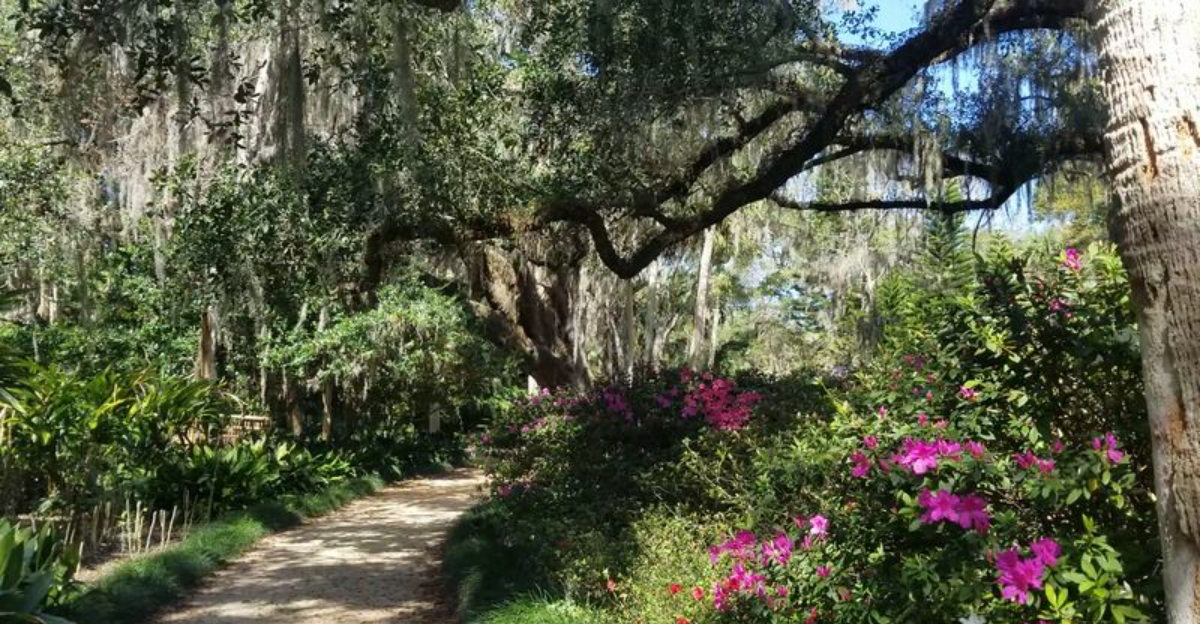
Florida is famous for its beaches and theme parks, but the state hides some incredible places most tourists never discover. Tucked away in quiet corners are natural wonders, peaceful gardens, and geological marvels that feel like stepping into another world. These hidden gems offer a different side of Florida—one that’s wild, surprising, and absolutely worth exploring at least once in your lifetime.
1. Devil’s Millhopper Geological State Park (Gainesville)
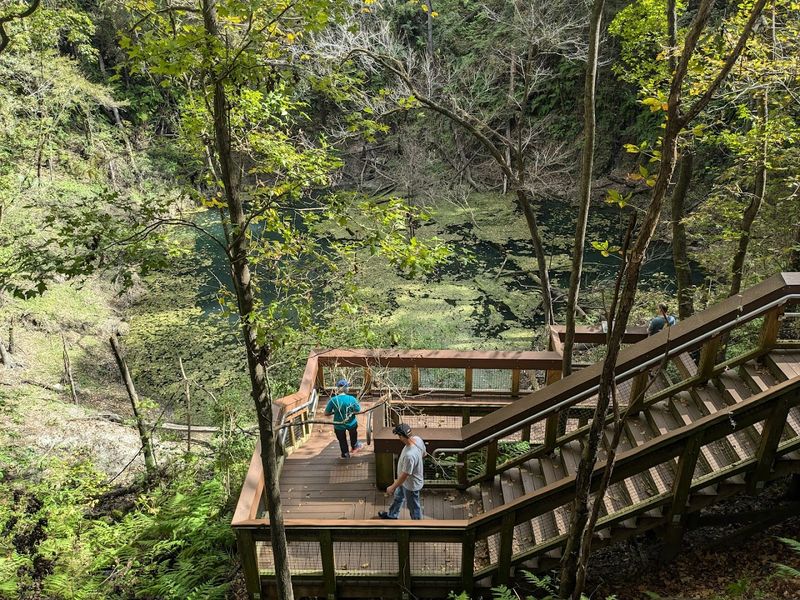
Picture a massive bowl carved right into the earth, with stairs spiraling down 120 feet into a mini rainforest that shouldn’t exist in Florida. That’s Devil’s Millhopper, a geological wonder formed thousands of years ago when the limestone ceiling of an underground cave collapsed.
The sinkhole measures 500 feet across and creates its own microclimate at the bottom. Waterfalls trickle down the sides, ferns blanket the walls, and the temperature drops noticeably as you descend the 232 wooden steps. It’s like walking into a secret jungle hidden beneath North Florida.
Fossils of extinct animals have been discovered here, including bones from Ice Age creatures like camels and saber-toothed tigers. The name comes from old settlers who thought the sinkhole resembled a grain hopper, with the “devil” part added because bones and debris seemed to get ground up at the bottom.
The park stays cool even during summer, making it a perfect escape from Florida heat. The wooden boardwalk and stairs make the descent manageable for most visitors, though the climb back up will definitely get your heart pumping.
Bring water and wear sturdy shoes since the steps can be slippery from mist. Early morning visits offer the best lighting and fewer crowds, plus you might spot wildlife like raccoons or various bird species that call this unique habitat home.
2. Ravine Gardens State Park (Palatka)
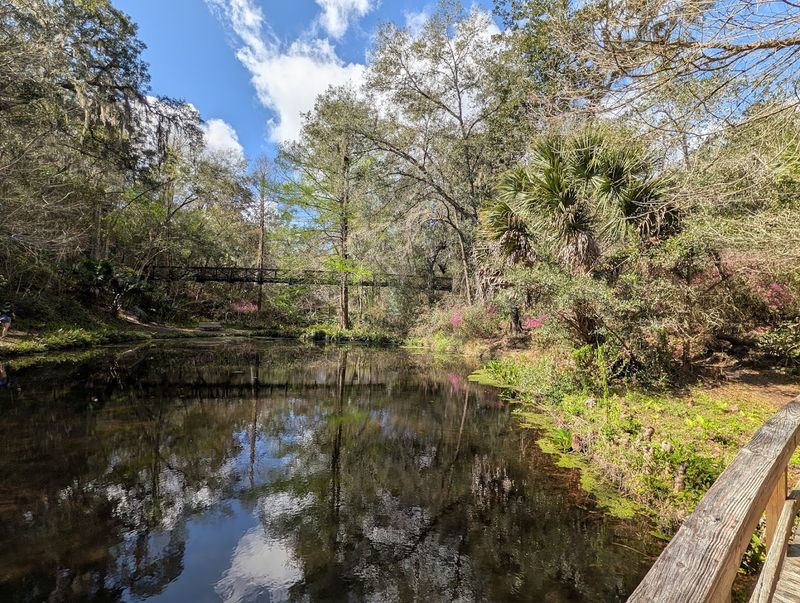
Azaleas explode in color every spring along steep ravines that plunge 120 feet down to a winding stream below. Ravine Gardens was built during the Depression by workers who transformed natural ravines into ornamental gardens with suspension bridges, winding paths, and thousands of flowering plants.
The park showcases what happens when nature and human creativity team up. Towering oaks draped in Spanish moss create a canopy overhead while azaleas in pink, red, white, and purple cascade down the ravine walls. The best time to visit is February through March when the azaleas peak, but the park stays beautiful year-round.
Two suspension bridges span the ravines, offering views that feel more like the Smoky Mountains than Florida. The main bridge sways gently as you cross, adding a touch of adventure to your garden stroll. Below, the ravine floor stays shaded and cool, creating perfect conditions for ferns and shade-loving plants.
Walking trails loop through the park, ranging from easy paved paths to more challenging dirt trails that explore the ravine bottoms. Benches placed at scenic overlooks invite you to sit and soak in the peaceful atmosphere.
Pack a picnic to enjoy at one of the sheltered areas, and don’t forget your camera during azalea season. The park hosts an annual Azalea Festival in March, but visiting on a quiet weekday offers a more serene experience without the festival crowds.
3. Blowing Rocks Preserve (Hobe Sound)
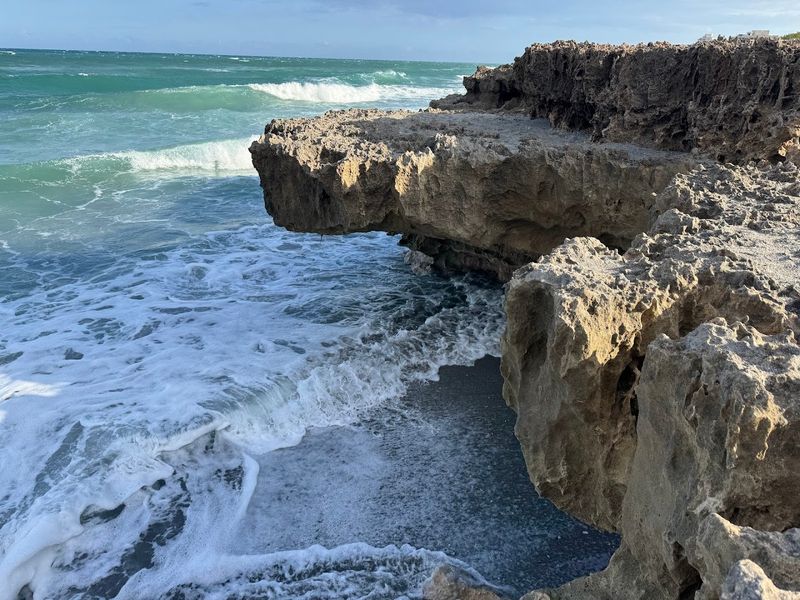
When waves slam into the Anastasia limestone shoreline here, water rockets skyward through holes and cracks in the rock, sometimes shooting 50 feet into the air. It’s a dramatic natural show that happens nowhere else on Florida’s mainland coast, created by the meeting of powerful Atlantic swells and ancient weathered rock.
The preserve protects the largest Anastasia limestone outcropping on the Atlantic Coast. This rare formation dates back thousands of years and creates a jagged, otherworldly landscape that contrasts sharply with Florida’s typical sandy beaches. During high tide or stormy weather, the “blowing rocks” phenomenon becomes truly spectacular.
Beyond the rocks, the preserve includes coastal dunes, mangrove wetlands, and sea turtle nesting beaches. Four species of sea turtles nest here from March through October, and the preserve works hard to protect these vulnerable creatures. You might also spot manatees in the Indian River Lagoon side of the property.
A boardwalk trail winds through coastal hammock and dune habitats, offering educational signs about the unique ecosystem. The preserve feels wild and untamed compared to developed beach areas just miles away.
Visit during incoming high tide for the best rock-blowing action, but check weather conditions first since rough seas can make the rocks dangerous. Bring reef-safe sunscreen and closed-toe shoes with good grip, as the limestone can be sharp and slippery.
4. Paynes Prairie Preserve State Park (Micanopy)
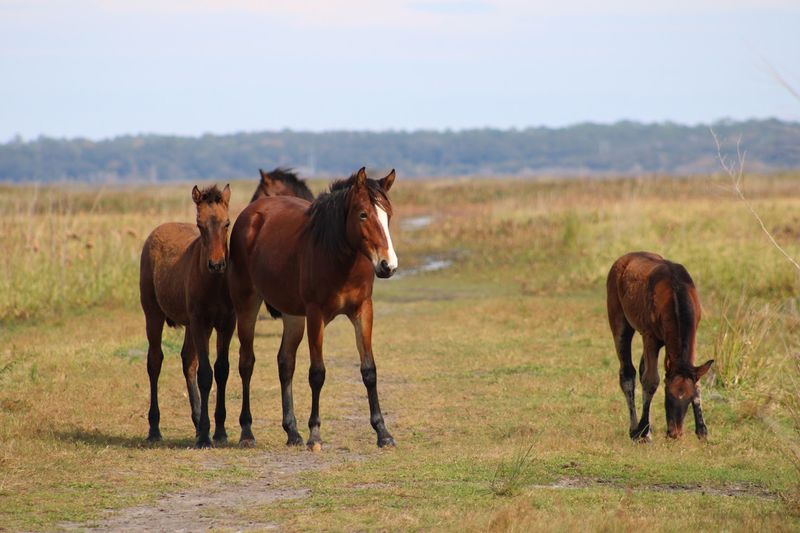
Bison roam freely across 21,000 acres of open prairie just outside Gainesville, creating scenes that look more like the Great Plains than the Sunshine State. This massive preserve brings back a piece of Florida’s past when these grasslands stretched for miles and supported herds of wild animals.
The prairie floods seasonally, sometimes becoming a shallow lake that attracts thousands of migratory birds. During dry periods, the grassland emerges, providing grazing land for the preserve’s wild horses, bison, and cattle. This cycle has repeated for thousands of years, creating a unique ecosystem found nowhere else in Florida.
An observation tower offers panoramic views across the entire prairie, perfect for spotting wildlife and understanding the landscape’s vast scale. On clear days, you can see for miles in every direction, with nothing but grassland, scattered trees, and wildlife.
More than 270 bird species have been recorded here, making it a paradise for birdwatchers. Alligators sun themselves along canals, wild turkeys strut through the grass, and sandhill cranes call out with their distinctive rattling cries. The diversity of wildlife rivals any place in Florida.
Several trails explore different habitats, from the easy paved Gainesville-Hawthorne Trail perfect for biking to the more rugged La Chua Trail where alligators are practically guaranteed. Early morning visits offer the best wildlife viewing and cooler temperatures for hiking the exposed prairie trails.
5. Bok Tower Gardens (Lake Wales)
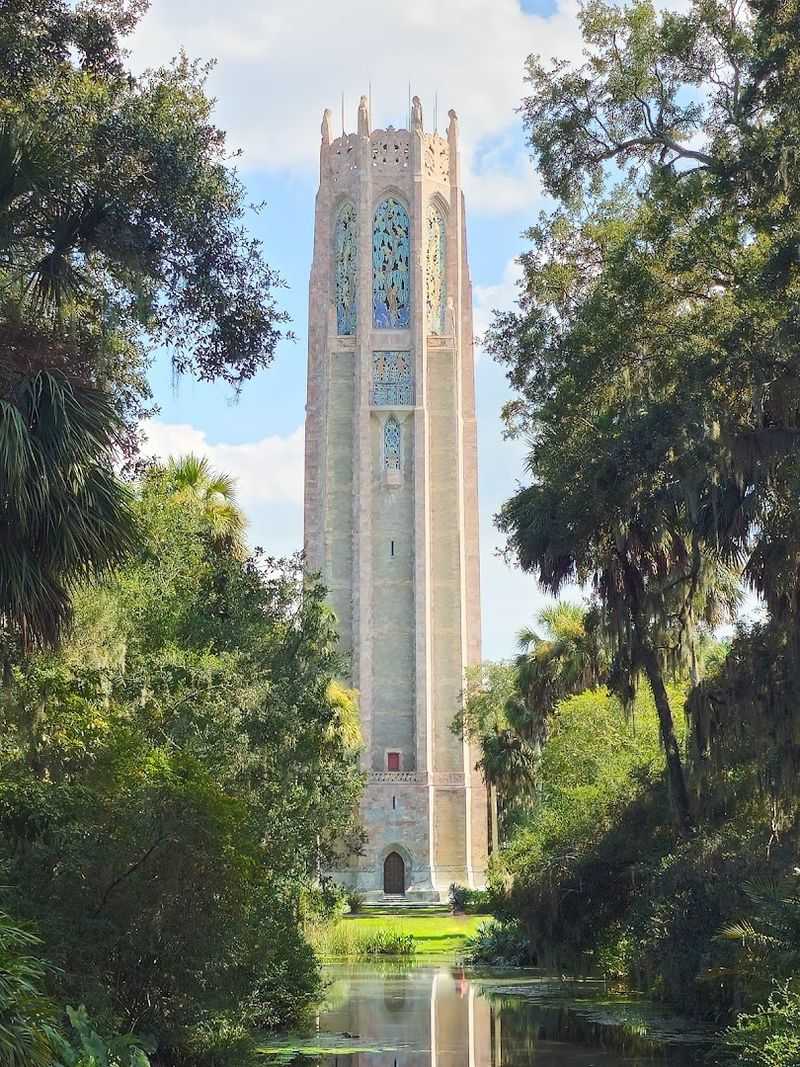
A 205-foot singing tower rises from Iron Mountain, Florida’s highest point, surrounded by gardens so peaceful they feel like a different era. Edward Bok created this sanctuary in the 1920s as a gift to the American people, designing a place where beauty and tranquility could offer refuge from everyday stress.
The tower houses a 60-bell carillon that rings out concerts daily at 1 and 3 p.m., filling the gardens with music. The instrument weighs 100,000 pounds total, with the largest bell tipping the scales at nearly 12 tons. Hearing these bells echo through the gardens creates an almost magical atmosphere.
Frederick Law Olmsted Jr., son of the designer of Central Park, planned the gardens surrounding the tower. Winding paths lead through collections of azaleas, camellias, magnolias, and ferns, all arranged to create constantly changing views and discoveries around every corner. A reflection pool mirrors the tower’s pink and gray art deco details.
The property includes Pinewood Estate, a 20-room Mediterranean Revival mansion that offers tours showcasing 1930s Florida luxury. El Retiro, as it was originally called, features original furnishings and stunning architectural details throughout its rooms and courtyards.
Visit during the cooler months from November through April when the gardens peak in color and the weather makes strolling comfortable. The gardens open early, and arriving right at opening time means experiencing the carillon and grounds with minimal crowds.
6. Big Shoals State Park (White Springs)
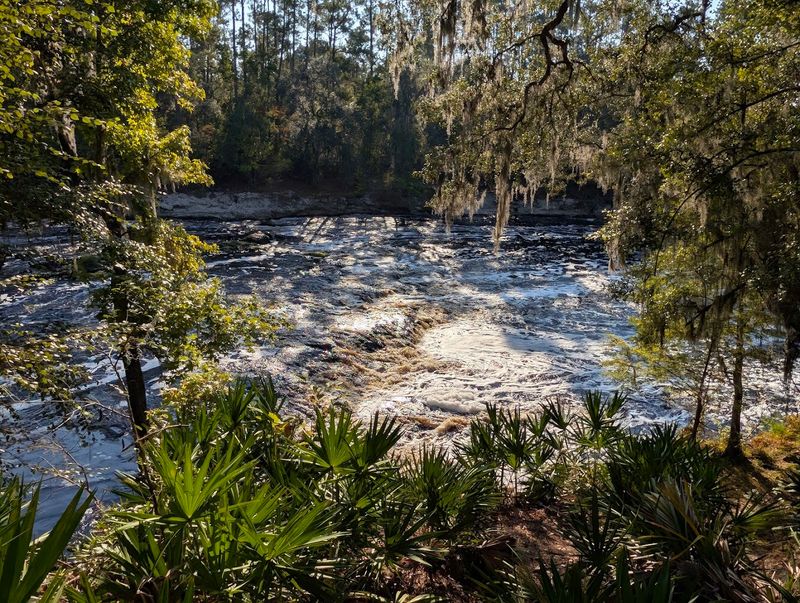
Class III whitewater rapids tumble through north Florida wilderness, creating the largest whitewater rapids in the entire state. The Suwannee River drops dramatically over limestone shoals here, producing rushing water and technical rapids that challenge even experienced paddlers.
This wild stretch of river feels completely removed from typical Florida landscapes. Steep bluffs covered in hardwood forest line the banks, and the river’s tannin-stained water rushes over and around massive limestone boulders. It’s rugged, remote, and absolutely thrilling for adventure seekers.
Hiking trails wind through upland pine forest and along the river’s edge, offering views of the rapids from safe vantage points. The Big Shoals Trail extends for miles, connecting to the Florida Trail system for serious backpackers. Shorter loops work perfectly for families wanting to experience the area without committing to a full-day hike.
Kayaking or canoeing the rapids requires skill and proper equipment since the technical nature of the run has flipped many inexperienced paddlers. Outfitters in nearby White Springs offer guided trips and equipment rentals for those wanting to tackle the rapids safely.
Spring and early summer bring higher water levels that make the rapids more impressive but also more challenging. The park stays relatively unknown despite its unique features, meaning you’ll often have trails and rapids to yourself. Bring plenty of water and insect repellent, especially during warmer months when mosquitoes can be intense in the shaded forest areas.
7. Morikami Museum and Japanese Gardens (Delray Beach)
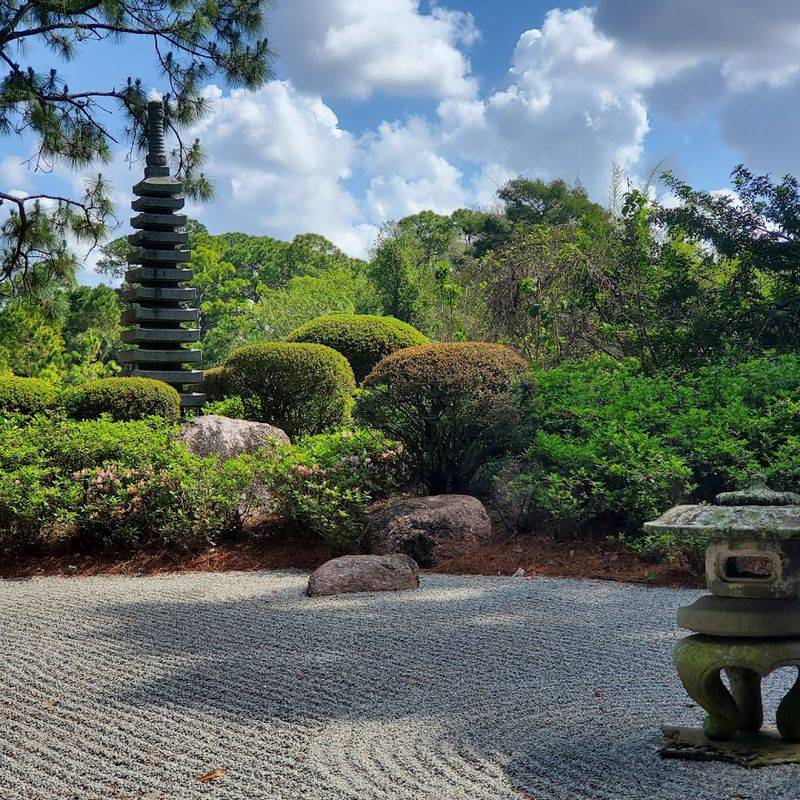
Authentic Japanese gardens spread across 200 acres in South Florida, offering six distinct garden styles that represent different periods of Japanese landscape design. The Morikami Museum honors the Yamato Colony, a group of Japanese farmers who settled here in the early 1900s attempting to create a farming community.
Each garden section transports visitors to a different era and philosophy of Japanese design. The Paradise Garden features islands representing the mythical Mount Horai, while the Hiraniwa Flat Garden uses raked gravel to create patterns suggesting water and waves. Wooden bridges arch over ponds filled with massive koi, and carefully pruned pine trees frame views like living artwork.
The museum building houses rotating exhibitions on Japanese culture, from traditional crafts to contemporary art. A permanent collection tells the story of the Yamato Colony settlers and their descendants, preserving an often-overlooked chapter of Florida history.
A traditional tea house offers authentic tea ceremonies on weekends, providing insight into this meditative Japanese tradition. The Cornell Cafe serves Asian-inspired cuisine with views overlooking the gardens, perfect for lunch after exploring the grounds.
Bonsai displays showcase trees decades old, some trained into shapes that seem to defy nature. The collection includes specimens worth thousands of dollars, representing years of careful cultivation and artistic vision.
Visit during weekday mornings for the most peaceful experience, when the gardens feel truly serene. The grounds stay beautiful year-round in South Florida’s climate, though spring brings flowering trees and plants that add extra color to the already stunning landscape.
8. Devil’s Den Prehistoric Spring (Williston)
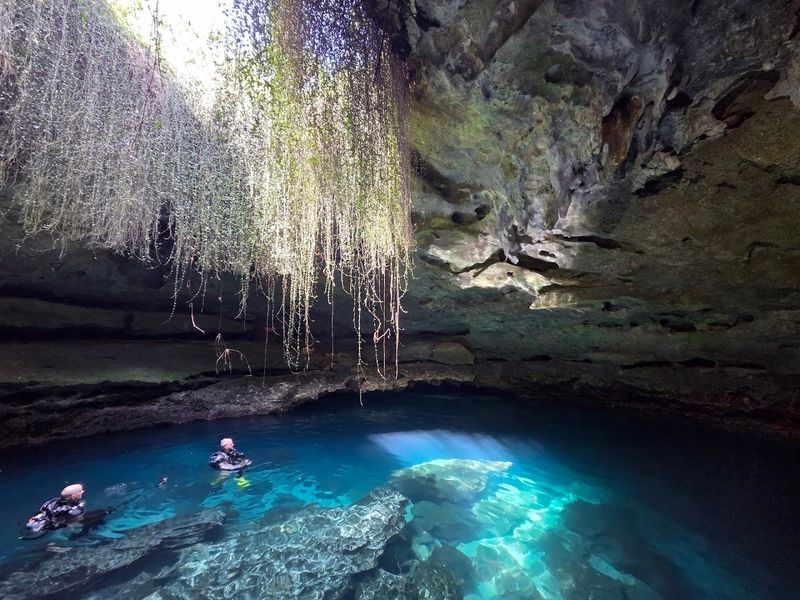
A collapsed underground river has created a perfectly clear spring inside a prehistoric cave, where you can snorkel or scuba dive year-round in 72-degree water. Devil’s Den formed when the roof of an underground river partially collapsed thousands of years ago, leaving an opening to the surface and creating an otherworldly swimming hole.
The spring maintains constant temperature regardless of outside weather, making it a popular winter diving destination when other springs feel too cold. Crystal-clear water offers visibility up to 100 feet, allowing you to see every detail of the limestone formations, ancient fossils embedded in the walls, and rock features that took millennia to form.
Sunlight streams through the opening above, creating dramatic light beams that pierce the water, especially beautiful during midday when the sun is directly overhead. These light rays make for incredible photos and add to the mystical atmosphere inside the cave.
Fossils of extinct Ice Age animals have been discovered in the spring, including bones from mastodons and giant sloths. The site provides valuable information about Florida’s prehistoric past when these creatures roamed the landscape above.
Snorkeling equipment can be rented on-site if you don’t have your own gear. Scuba divers need proper certification since the spring reaches depths of 54 feet. The facility includes changing rooms, a campground, and covered pavilions for post-swim relaxation.
Reservations are required and the site limits daily visitors to protect the delicate cave environment. Weekday visits typically offer more availability and a less crowded experience inside the spring.
9. Washington Oaks Gardens State Park (Palm Coast)
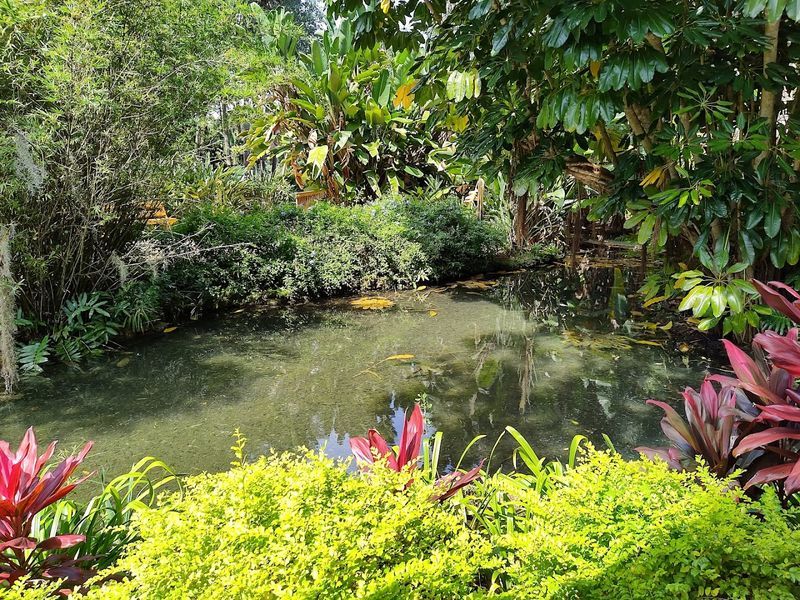
Formal gardens transition dramatically into wild rocky coastline, creating one of Florida’s most unique state parks. Manicured beds of roses, azaleas, and camellias give way to a beach covered not in sand but in ancient coquina rock formations that create tidal pools and natural sculptures.
The gardens were originally part of a winter retreat for wealthy families in the early 1900s. They planted ornamental gardens featuring plants from around the world, many of which still thrive today under the canopy of massive live oaks. Brick pathways wind through different garden rooms, each with its own character and plant collections.
The coquina rock beach on the Atlantic side is unlike any other Florida beach. These compressed shell formations create a moonscape of weathered rock, tidal pools teeming with small fish and crabs, and dramatic photo opportunities. The rocks glow golden during sunrise, making early morning visits especially rewarding.
A coastal hammock trail explores the maritime forest between the gardens and beach, showcasing native Florida plants adapted to salty air and sandy soil. Interpretive signs explain the ecology of this transition zone where different ecosystems meet.
The Matanzas River flows along the park’s western boundary, offering calm water perfect for kayaking through mangrove tunnels. This side of the park feels completely different from the rocky Atlantic beach, demonstrating the diversity packed into this relatively small preserve.
Spring brings peak blooms in the formal gardens, but the rocky beach stays interesting year-round. Low tide reveals the most tidal pools and rock formations worth exploring.