This Florida Thrift Store Sells Bin Finds By The Pound, And The Deals Are Wild
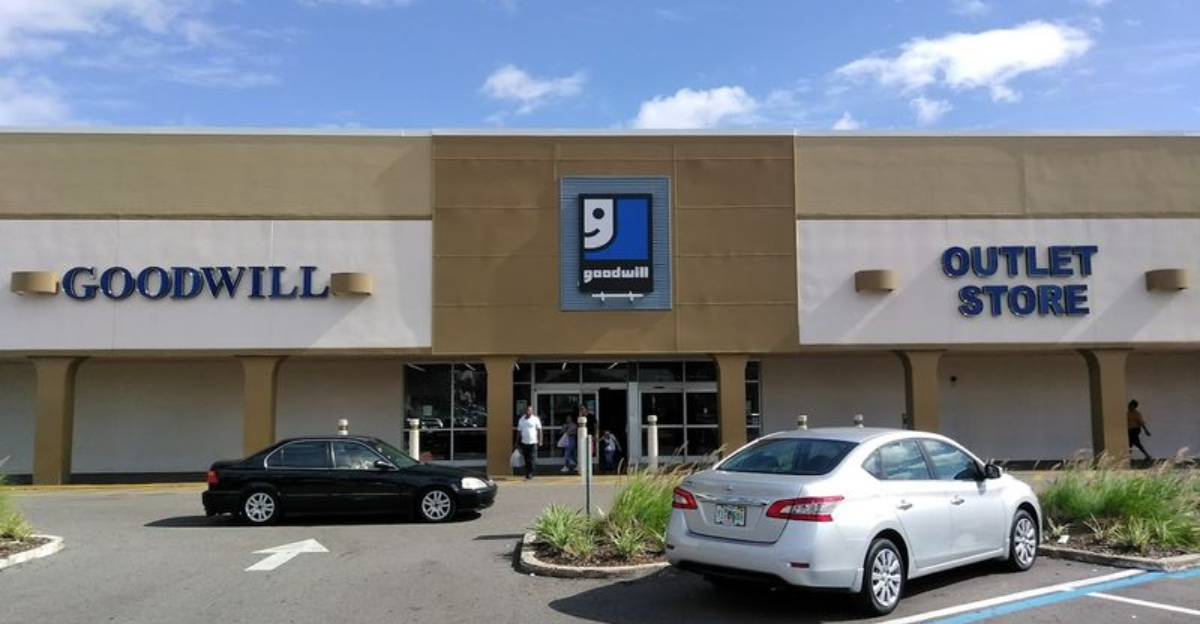
Forget everything you thought you knew about thrift shopping. The Goodwill Outlet on Crews Commerce Drive in Orlando operates on a totally different level where clothes, shoes, and housewares are tossed into giant rolling bins and sold by weight. Shoppers pay just $1.99 per pound for most items, which means you can walk out with armloads of treasures for the price of a single retail shirt.
The experience is part treasure hunt, part organized chaos, and completely addictive once you figure out how the system works.
1. Pay-By-The-Pound Pricing Makes Everything Ridiculously Cheap
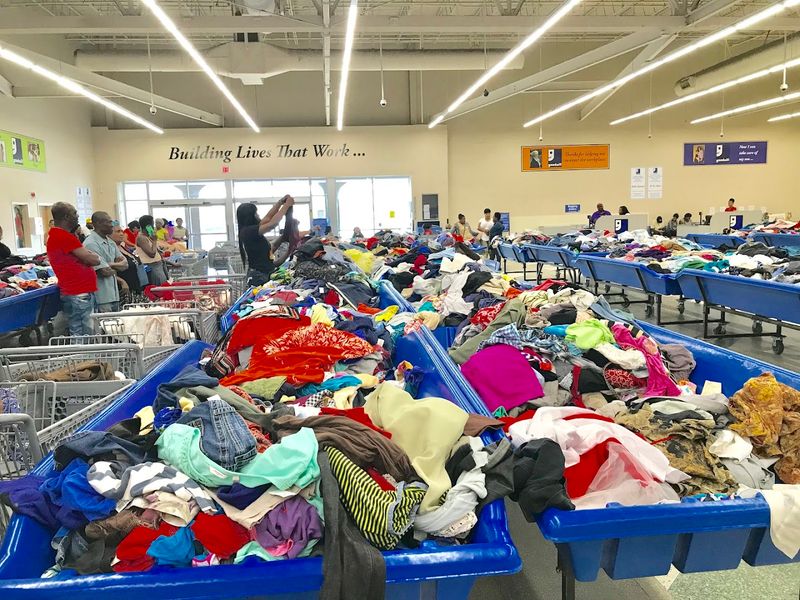
Walk up to the checkout counter with a cart full of finds and watch the magic happen. Everything gets weighed together on industrial scales, then multiplied by $1.99 per pound. A pair of jeans might cost you fifty cents.
A designer handbag could ring up at under two dollars.
The pricing system turns traditional retail math completely upside down. Heavy items like winter coats become incredible bargains since fabric weight doesn’t correlate with retail value. Smart shoppers learn to eyeball weights and calculate rough totals before checkout.
Larger furniture pieces and select hard goods get priced individually rather than by weight. Staff members tag these items with flat rates that still beat typical thrift store prices. The pay-by-pound model rewards shoppers willing to dig through bins and spend time hunting.
Bring cash or cards since both work at checkout. Some regulars bring portable luggage scales to estimate their haul weight before committing. The entire pricing structure encourages filling bags and carts without the usual retail guilt about overspending.
Compared to regular Goodwill stores where individual items get priced separately, this outlet location offers dramatically better value. The trade-off involves more effort sorting through unsorted merchandise, but the savings make every minute worthwhile for dedicated thrifters.
2. Bin Rotations Create Fresh Hunting Grounds Every Few Hours
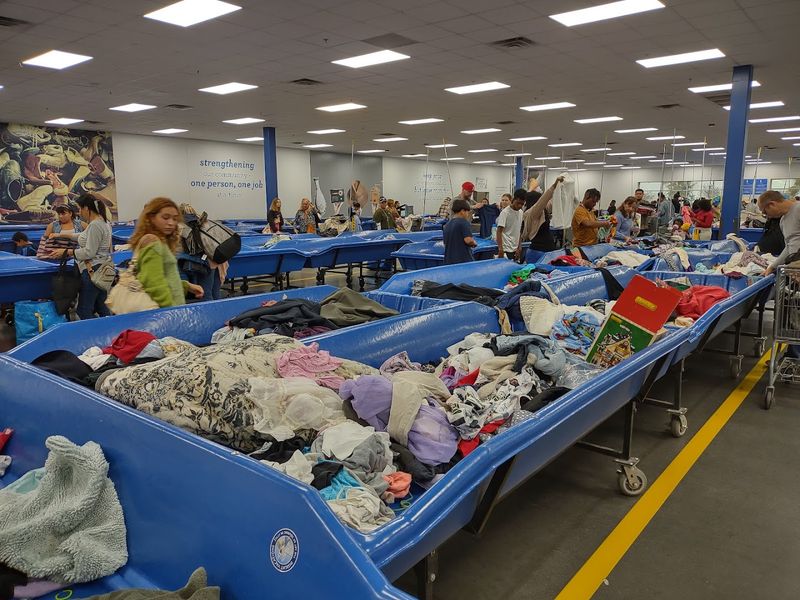
Every twenty to thirty minutes throughout the day, staff members roll out fresh bins loaded with new merchandise. Shoppers line up along designated areas waiting for their chance to dive into untouched inventory. The rotation system keeps the shopping experience dynamic and prevents the store from feeling picked over.
Getting in line means temporarily abandoning your cart in the center aisles. This practice creates its own challenges since carts block pathways and shopping becomes a strategic game. Regulars know which rotation times bring the best merchandise based on when trucks arrive from regular Goodwill locations.
Staff members announce rotations loudly and clearly, giving everyone fair warning to queue up. The system aims for fairness, though competition for prime bin positions can get intense during busy periods. Morning rotations tend to move faster than afternoon sessions when inventory slows down.
Between rotations, shoppers work through older bins that others have already picked through. Patience pays off since not everyone spots the same treasures. Some people focus exclusively on new rotations while others prefer leisurely browsing the existing bins without the rush.
The constant turnover means visiting at different times produces completely different results. What you see at eight in the morning looks nothing like the merchandise available at three in the afternoon.
3. Bring Your Own Bags Because Carts Disappear Fast
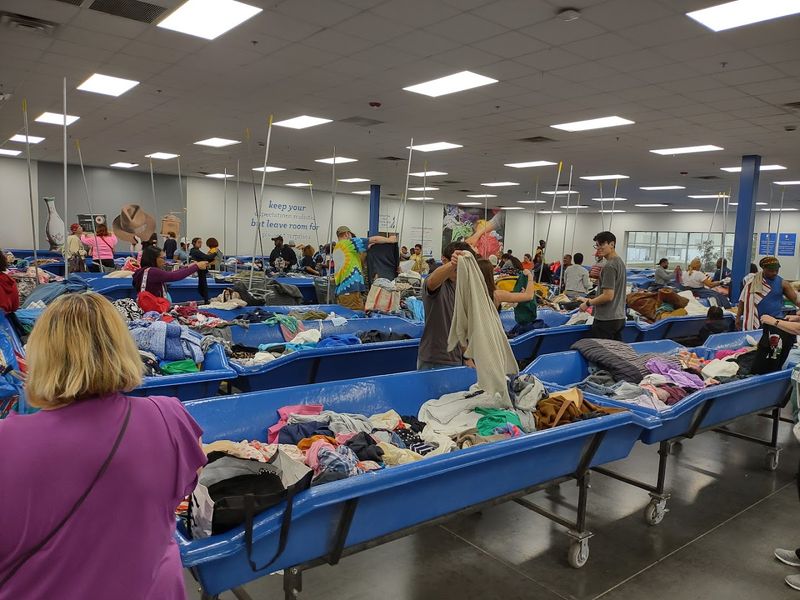
Shopping carts become precious commodities here, especially during peak hours. Customers grab them the moment they enter, and supply rarely meets demand. Arriving without backup plans means carrying armloads of finds or losing out on great deals because you can’t transport them.
Experienced shoppers bring multiple large reusable bags, with IKEA bags being the gold standard. These oversized totes hold massive amounts of merchandise and feature sturdy handles that don’t cut into your hands. Some regulars bring rolling suitcases or collapsible wagons as cart alternatives.
The store implements periodic cart recalls where everyone must check out or return carts temporarily. These sweeps help redistribute carts to new arrivals and prevent hoarding. During recalls, having your own bags means you can keep shopping without losing your place or merchandise.
Bags also protect your finds from accidental mixing with other shoppers’ items. In the chaos of bin diving, loose items can migrate between carts. Keeping everything secured in personal bags creates clear ownership and prevents disputes.
Don’t expect the store to provide shopping bags at checkout either. Everything gets weighed loose or in your cart, then you bag it yourself afterward. Coming prepared with sturdy bags transforms the entire shopping experience from frustrating to functional and lets you maximize your haul without physical strain.
4. Mostly Clothes But Hard Goods Appear In Smaller Quantities
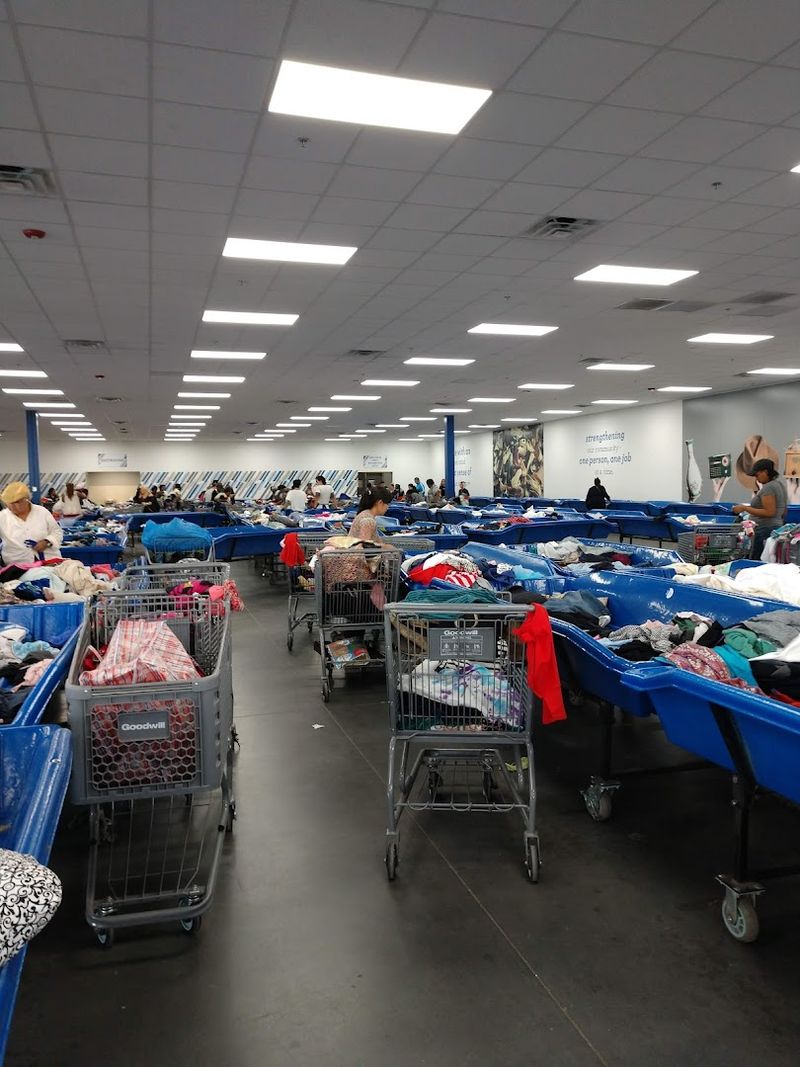
Clothing dominates the landscape with approximately eighty bins dedicated to garments at any given time. Shirts, pants, dresses, and jackets fill row after row of rolling containers. Shoe bins number around ten, while purses and accessories occupy another four bins.
The clothing-heavy inventory reflects what doesn’t sell at regular Goodwill locations.
Housewares appear in much smaller numbers, usually four to six bins depending on the day. Kitchen items, small appliances, picture frames, and decorative pieces surface randomly. Books get their own section with about four bins, though selection varies wildly from romance novels to textbooks.
Video games, electronics, and media items occupy two bins when available. These sections get picked through quickly since resellers target them heavily. Furniture pieces and larger household items line the perimeter walls with individual price tags rather than pound pricing.
The merchandise mix changes based on what regular stores send over. Items that don’t sell after sitting on retail shelves for specific time periods get shipped to the outlet for final-chance sales. This means brand names and quality pieces do appear, just mixed randomly with everything else.
Seasonal shifts affect inventory composition too. Winter months bring more coats and heavy clothing, while summer sees increased shorts and swimwear. Hunting through clothing bins requires stamina, but hard goods hunters might find the selection disappointing compared to other outlet locations.
5. Location Opens Daily At Eight And Closes At Six
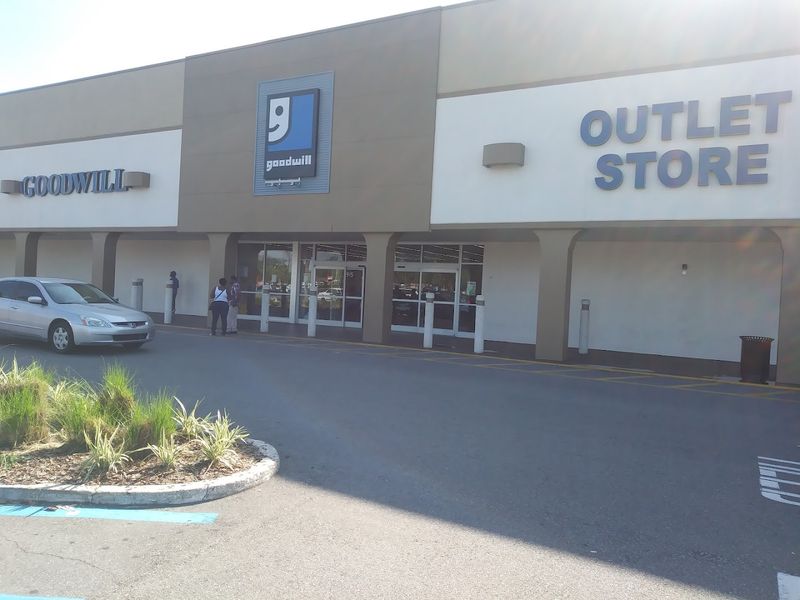
The Taft outlet maintains consistent hours seven days a week, opening at eight in the morning and closing at six in the evening. Early birds get first crack at overnight restocking, making morning visits popular with serious thrifters. The ten-hour operating window gives shoppers flexibility to visit whenever their schedules allow.
Perimeter wall bins featuring organized merchandise close earlier at five-thirty, a detail that catches some visitors by surprise. These curated sections offer slightly higher-end items at fixed prices. Missing this half-hour window means losing access to potentially better-quality finds that didn’t make it to the pound bins.
Closing announcements start around five-forty-five, giving shoppers final warnings to wrap up and head to checkout. Staff members make these announcements clearly and professionally according to multiple reviews. The checkout process moves relatively quickly despite the weighing system.
Parking availability stays strong throughout the day since the location sits in a commercial area with ample space. The massive processing facility attached to the outlet means constant activity and frequent restocking. Getting there right at opening requires planning since Orlando traffic can impact arrival times.
Unlike some thrift stores that close Sundays or reduce weekend hours, this outlet welcomes bargain hunters every single day. The reliable schedule makes it easy to build regular shopping trips into your routine without checking for unexpected closures or holiday schedules.
6. Staff Personalities Range From Incredibly Helpful To Overwhelmed
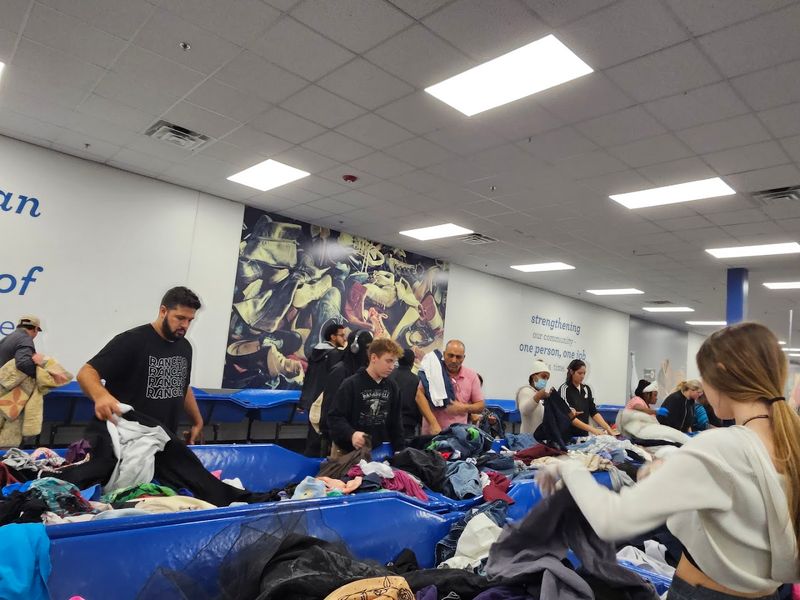
Employee experiences make or break visits here based on customer feedback. Jonathan, Heiny, Crystal, Rosa, Pamela, and Rebecca get mentioned repeatedly in glowing reviews for their professionalism and kindness. These staff members manage rotations smoothly, treat everyone fairly, and create welcoming atmospheres even during chaotic rushes.
Other employees struggle with the demanding environment, leading to inconsistent customer interactions. Managing hundreds of bargain hunters competing for merchandise creates genuine challenges. Some staff members respond with loud instructions that come across as harsh, while others handle the same situations with patience and humor.
The sheer volume of customers and constant bin rotations puts enormous pressure on the team. They’re simultaneously preventing safety issues, managing line formations, conducting cart recalls, and keeping merchandise flowing. When staff members excel at these tasks, shopping becomes pleasant.
When they don’t, tensions rise quickly.
Language barriers occasionally complicate communication between staff and diverse customer populations. The Orlando location serves shoppers from numerous backgrounds, and not every employee speaks multiple languages fluently. This creates frustration on both sides during misunderstandings.
Management quality directly impacts the overall vibe. Strong leadership sets professional tone and maintains order without aggression. Weak management allows favoritism, inconsistent rule enforcement, and uncomfortable situations.
Your experience depends heavily on which team members are working during your visit, making each trip somewhat unpredictable in terms of service quality.
7. Competition Gets Intense With Resellers Dominating Prime Spots
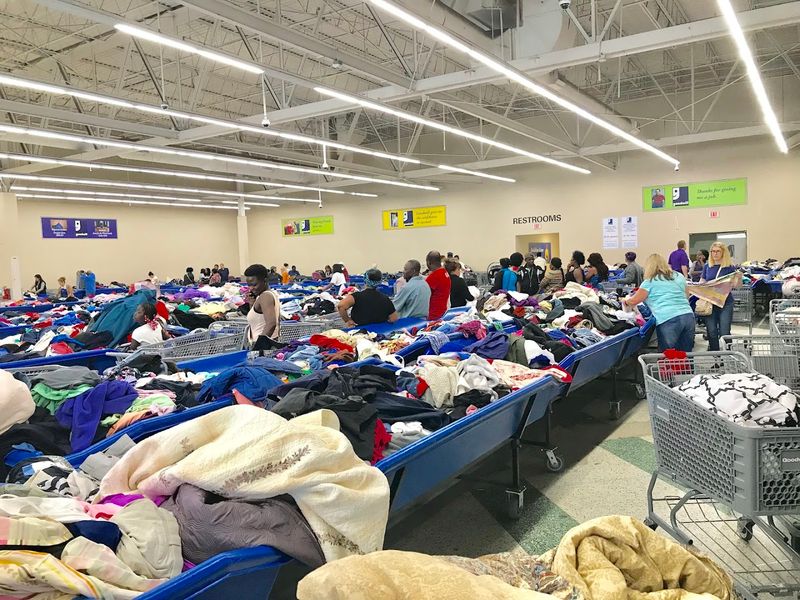
Resellers arrive early, know the rotation schedules, and target specific merchandise categories aggressively. They’re not browsing for personal wardrobes but scanning for profitable items to flip online. This creates tension with casual shoppers who feel pushed out of prime bin positions during fresh rotations.
The competitive atmosphere reaches peak intensity when new bins roll out. Shoppers crowd around, jockeying for position and grabbing items quickly. Some customers bring friends or family members to cover multiple bins simultaneously.
The scene can feel overwhelming for first-time visitors expecting leisurely browsing.
Physical altercations have occurred according to reviews, though they seem relatively rare. Most competition stays verbal or involves passive-aggressive cart blocking. Staff members try maintaining order, but controlling dozens of determined bargain hunters proves difficult.
The environment rewards assertiveness over politeness.
Brand-name clothing, designer accessories, and anything with resale value disappears within minutes of bins opening. Electronics and video games vanish even faster. Casual shoppers hunting for personal use often find better success in older bins where resellers have already picked through and moved on.
Some regulars appreciate the energetic atmosphere and treat it like a sport. Others find the intensity exhausting and prefer visiting during slower periods. Late mornings and early afternoons typically see reduced crowds compared to opening time.
Understanding the competitive nature helps set realistic expectations before your first visit.
8. Treasures Exist But Finding Them Requires Serious Digging
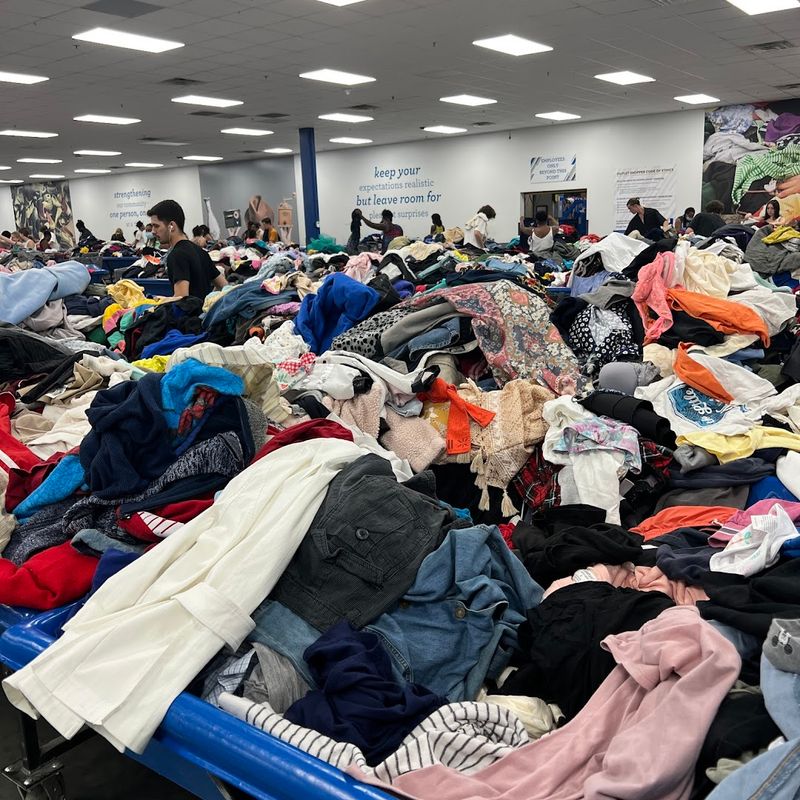
Legendary finds do happen here despite the picked-over reputation. One shopper discovered Nike SB Money Cat high-tops worth hundreds of dollars for under a dollar. Designer handbags, vintage clothing, and valuable collectibles surface regularly for those willing to invest time and effort.
The thrill of discovery keeps people coming back.
Success requires different skills than regular thrift shopping. You’re not browsing organized racks but digging through jumbled piles where a Gucci bag might hide under workout clothes. Touching every item becomes necessary.
Developing quick visual scanning abilities helps identify potential scores faster.
Condition varies dramatically since items arrive unsorted and unexamined. Stained, ripped, or damaged goods mix freely with pristine pieces. Shoppers must inspect everything carefully before committing.
The pay-by-pound pricing means mistakes cost less than at regular stores, but nobody wants to pay for unusable junk.
Patience separates successful hunters from frustrated quitters. Spending two hours might yield only a few decent items, or you might strike gold in fifteen minutes. Randomness defines the experience.
Setting realistic expectations prevents disappointment when bins contain mostly average merchandise.
Bringing knowledge about brands, materials, and values helps maximize success. Knowing which labels command resale prices or which vintage styles remain desirable gives you advantages. The more you learn about textiles, construction quality, and market trends, the better your treasure-hunting results become over time.