Every Weekend, This Florida Farmers Market Fills Downtown With Over 400 Vendors
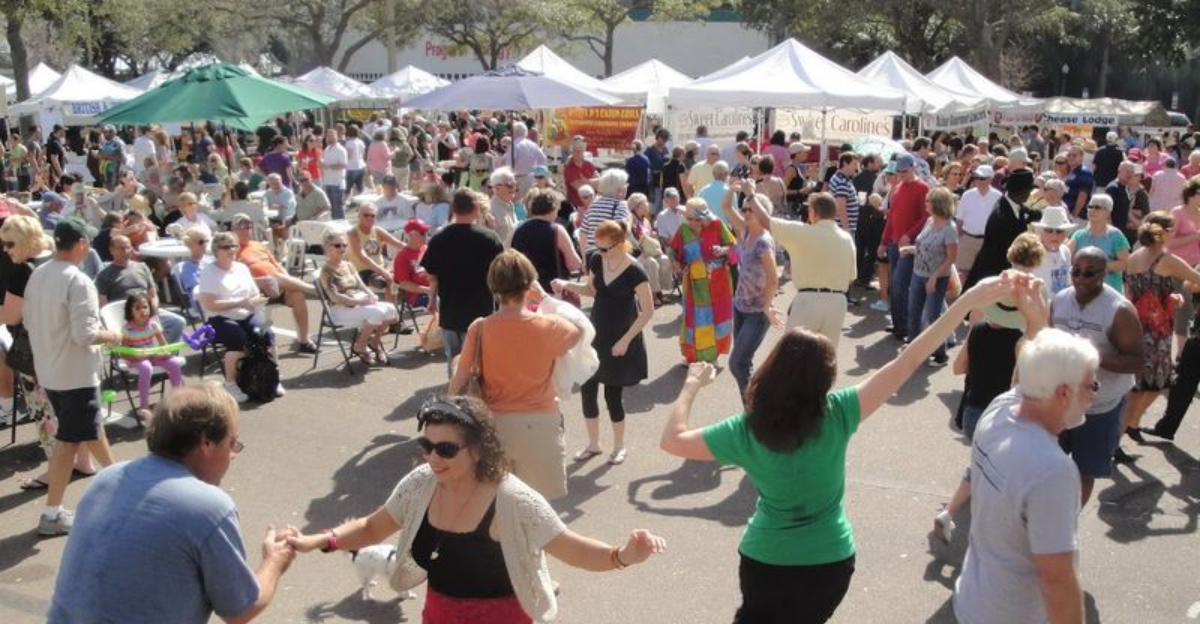
Every Saturday morning, downtown St. Petersburg transforms into a bustling marketplace where over 400 vendors gather to sell everything from farm-fresh produce to handcrafted soaps. The St. Petersburg Saturday Morning Market has become one of Florida’s most beloved community traditions, drawing locals and visitors who want to experience authentic flavors, live music, and waterfront views all in one spot.
Whether you’re hunting for the perfect croissant, browsing unique artisan crafts, or simply soaking up the lively atmosphere, this market delivers an experience that feels more like a festival than a shopping trip.
Fresh Produce That Rivals Any Grocery Store
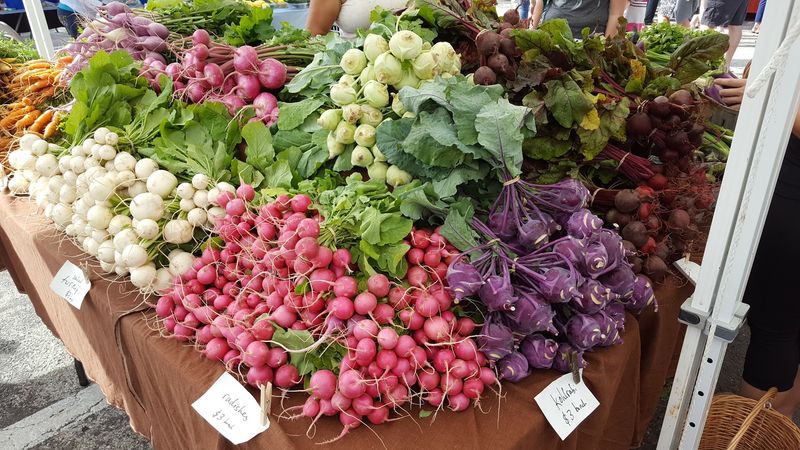
Walking through rows of farm stands piled high with just-picked vegetables feels like stepping into a different world. Deep-green collards sit next to bright orange carrots still dusted with earth, while baskets of ripe tomatoes glow under the morning sun.
You won’t find plastic-wrapped produce here—everything comes straight from local farms, often harvested the night before.
The quality difference is noticeable immediately. Strawberries taste sweeter, leafy greens stay crisp longer, and heirloom varieties you’d never see in chain stores make regular appearances.
One vendor specializes in exotic tropical fruits that catch your eye with their unusual shapes and vibrant colors.
Many of these farmers accept SNAP and EBT, making fresh, organic options accessible to more families. Prices often beat supermarket rates, especially when you buy seasonally.
A few dollars gets you enough greens for the week or a bag of citrus that actually tastes like sunshine.
Regulars bring their granny carts and reusable bags, loading up on everything they need for meal planning. The farmers love talking about their growing methods and will happily suggest recipes or preparation tips.
Some even take special orders if you’re looking for something specific.
The mushroom stand deserves its own mention—varieties that look like works of art, from delicate oyster mushrooms to meaty portobellos. The organic produce booth stays busy all morning because word spreads fast about quality.
Getting there early means better selection, but even latecomers find plenty worth taking home.
Curious Cat Bakery’s Legendary Croissants
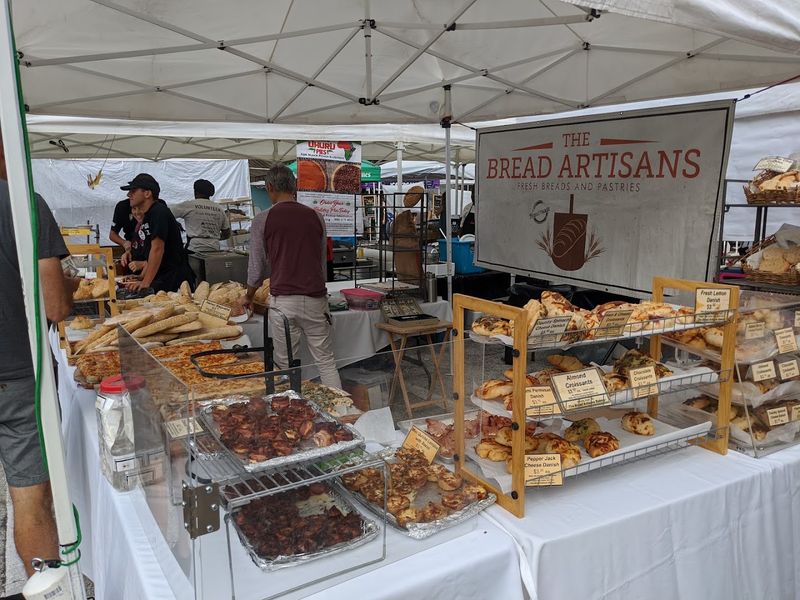
Their signage makes a bold claim: these croissants are better than Paris. Skeptical?
So was everyone else until they took that first bite. The layers shatter perfectly, releasing buttery steam, and suddenly you understand why people arrive before the market officially opens.
Curious Cat Bakery sells out fast—sometimes within the first hour. Regulars know to make this their first stop, not their last.
The bakers craft each croissant by hand, and you can taste the difference between mass production and genuine craftsmanship.
Beyond the classic butter croissants, they rotate through creative flavors that keep the line interesting. Chocolate, almond, savory options filled with cheese and herbs—each one maintains that signature flakiness.
The Thai tea cookies also earn rave reviews from anyone lucky enough to snag them.
What makes this booth special isn’t just the quality, though that’s exceptional. The bakers genuinely love what they do, and that passion shows in every perfectly laminated layer.
They’ve built a cult following among locals who plan their entire Saturday around getting here early.
First-timers often buy one croissant to try, then immediately get back in line for more. The price feels reasonable given the artistry involved, and watching other customers’ reactions as they taste their purchases becomes entertainment itself.
This isn’t just breakfast—it’s an experience that justifies the early wake-up call and validates every positive review.
Live Music That Sets the Perfect Mood
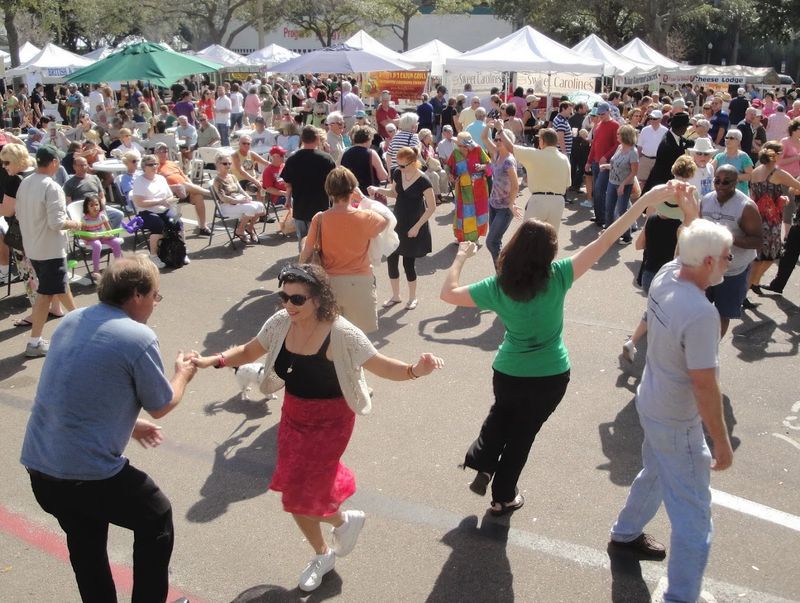
Music drifts through the market from the moment the first vendors set up. A blend of guitars, light percussion, and bright brass fills the air, creating a soundtrack that makes shopping feel celebratory.
The stage hosts local musicians who understand how to match their energy to a Saturday morning vibe—upbeat but not overwhelming.
Gayle Trippsmith and Joey, along with special guests like John Kelly, have become market favorites. Their mix of covers and original tunes gets people swaying between vendor booths.
Spontaneous dancing breaks out regularly, with kids and adults alike moving to the rhythm.
The seating area near the stage fills quickly with people who come as much for the entertainment as the shopping. Families spread out on blankets, coffee in hand, enjoying free concerts that would cost money anywhere else.
The musicians rotate throughout the season, offering variety while maintaining consistent quality.
What makes the music special is how it enhances the entire market experience. Instead of feeling like background noise, it becomes part of the community gathering.
Musicians often chat with audience members between sets, creating connections that keep people coming back.
The acoustics work surprisingly well in the open-air setting, with sound carrying across the vendor rows without becoming intrusive. Even if you’re focused on shopping, you’ll find yourself tapping your feet or humming along.
This isn’t canned music piped through speakers—it’s real people making real music, adding authenticity to an already genuine experience. The summer location at Williams Park doesn’t feature live music, but the winter season at the Rowdies Stadium parking lot brings the full musical experience.
International Food Vendors Bringing Global Flavors
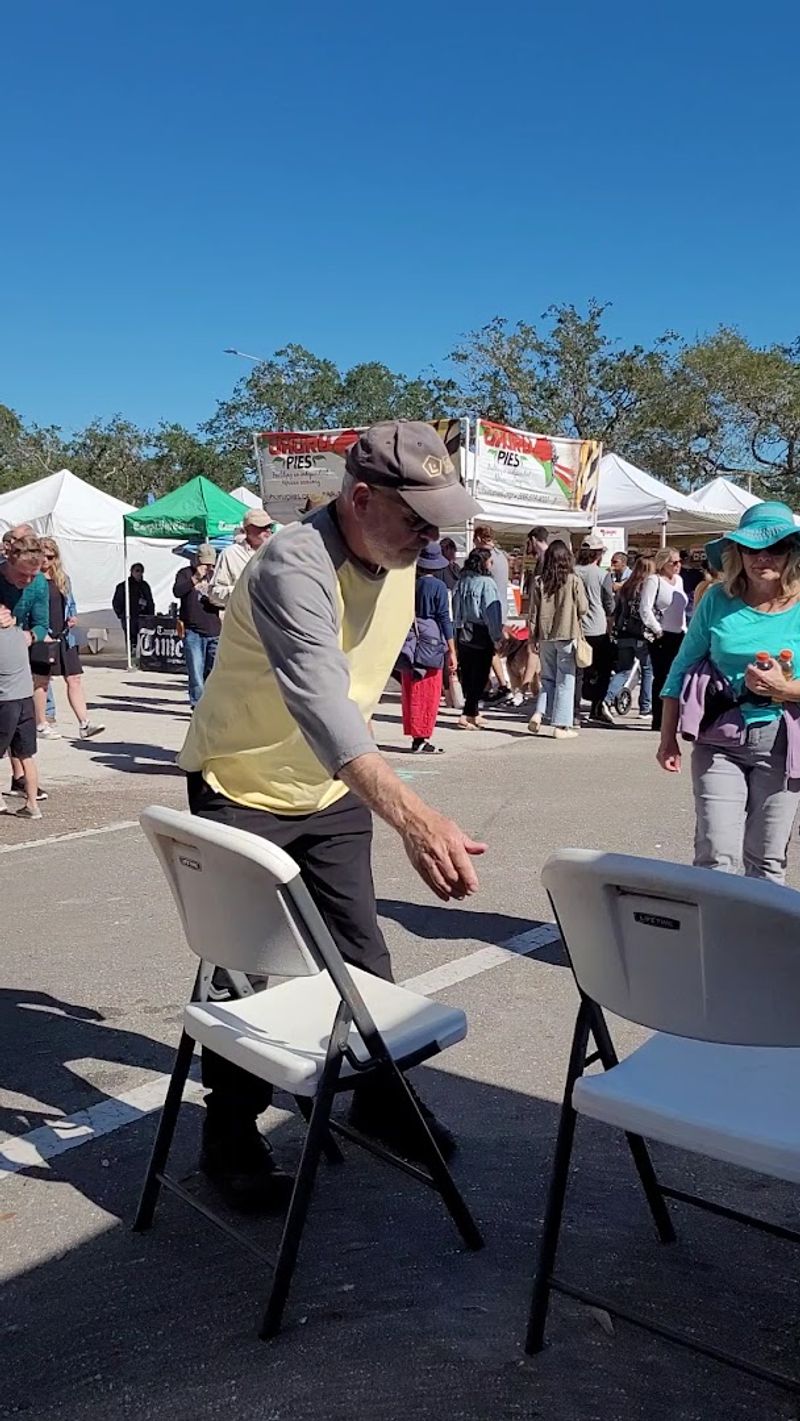
One corner smells like berbere and mitmita spices, while another fills the air with the scent of guava pastries and aromatic Cuban seasonings. The St. Petersburg Saturday Morning Market celebrates cultural diversity through food, with vendors representing traditions from around the world.
An Ethiopian booth draped with woven baskets offers freshly roasted coffee that draws crowds with its rich aroma.
The Cuban stand plays gentle salsa music while handing out samples, creating an atmosphere that transports you beyond Florida. Their guava pastries disappear quickly, and regulars know to grab extras for later.
Aztec Rojo serves green pork tamales that locals swear by, authentic recipes passed down through generations.
Food trucks line the perimeter, each one specializing in different cuisines. Tacos al pastor carved right off the spit compete with smoky barbecue and cooling tropical fruit smoothies.
The Italian food truck builds a following with fresh pasta dishes, while the Thai vendor’s spicy offerings attract heat-seekers.
Brooklyn Knish brings New York flavors south, offering creative fillings like Thai, Indian samosa, and cheeseburger varieties. The Thai version earns particular praise for its authentic spice level—not toned down for timid palates.
These aren’t Americanized interpretations but genuine recipes that honor their origins.
Sampling becomes an adventure, with vendors happy to explain ingredients and cooking methods. The mix of cultures creates an atmosphere where trying something new feels natural and welcomed.
You can build an entire international meal by hopping between stands, or stick with favorites you’ve discovered on previous visits. Either way, your taste buds get a passport stamp without leaving downtown St. Pete.
Handcrafted Soaps and Natural Body Products
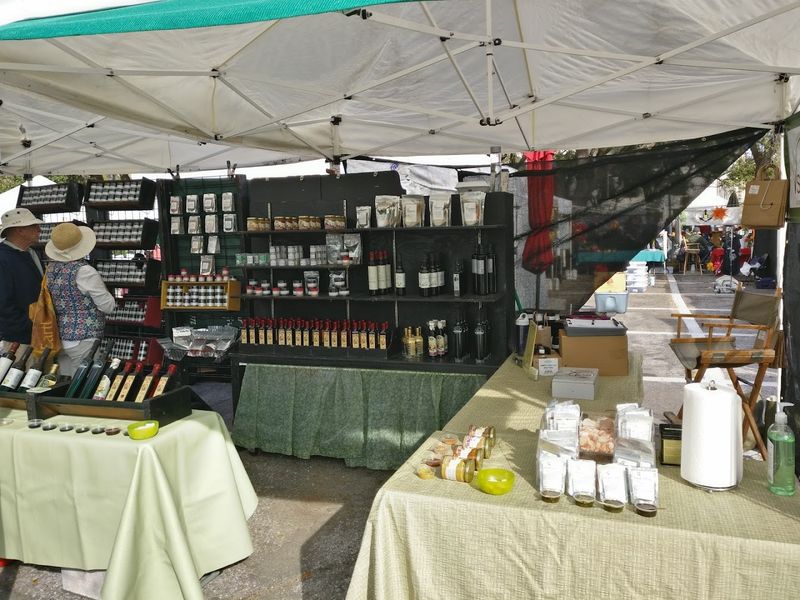
One vendor has built a dedicated following for her plant-based handcrafted soaps made with natural glycerin. Women travel from across the bay area specifically for these bars, claiming they’ve transformed their skin care routines.
The soap makes skin incredibly soft, working so well that customers start using it on their faces despite initial skepticism.
Each bar gets crafted by hand using quality ingredients that you can actually pronounce. No harsh chemicals or mystery additives—just natural components that clean without stripping skin of its natural oils.
The vendor also carries recycled material sponges and body sprays that complement the soap perfectly.
Regular customers stock up, buying multiple bars at once and even mailing them as gifts to friends in other states. The soap’s reputation has spread through word-of-mouth, with converts eager to share their discovery.
Some shoppers admit they’ve tried washing their hair with these bars, impressed by the versatility.
What sets this vendor apart is her knowledge and willingness to take custom orders online. She’ll discuss skin concerns and recommend specific varieties, treating each customer like they matter.
The pricing remains reasonable despite the handcrafted quality, making luxury skincare accessible.
Finding her booth becomes a treasure hunt for first-timers, but regulars know exactly where to go. The display looks beautiful with colorful bars arranged by scent and ingredient, making selection both easy and enjoyable.
These aren’t just soaps—they’re small luxuries that turn daily routines into self-care moments. The fact that one woman has created such a loyal following speaks to product quality that delivers on its promises.
Waterfront Views and Perfect Location
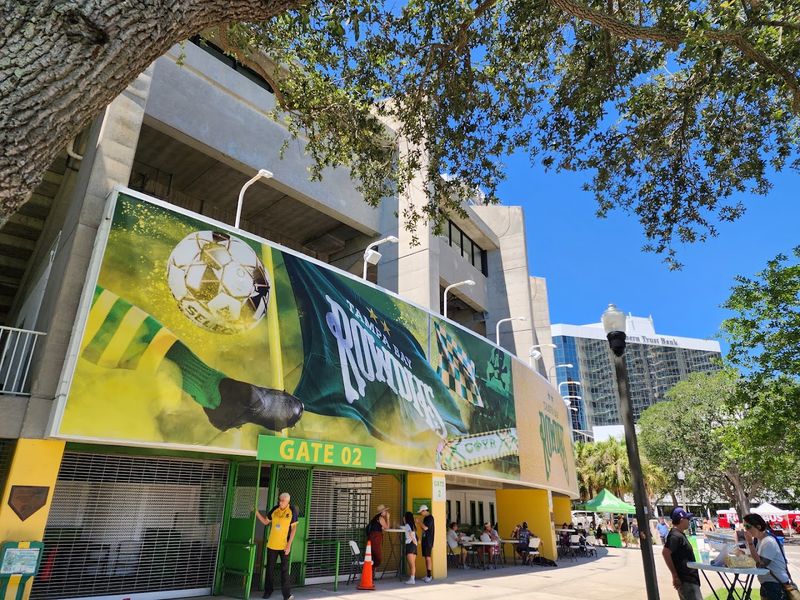
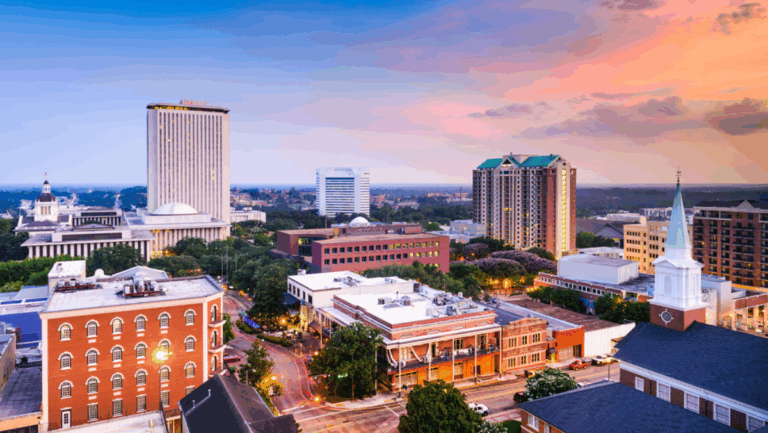
The market sits right on the water, offering views of sailboats gliding by while you shop. Downtown St. Petersburg provides the backdrop, with its mix of modern development and historic charm visible from the vendor rows.
The location changes seasonally—summer months find the market at Williams Park, while winter brings everyone to the Rowdies Stadium parking lot.
Both locations offer their own advantages. Williams Park provides mature trees that create natural shade, essential during Florida’s hot months.
Families spread picnic blankets under these trees, watching boats pass while enjoying their market purchases. The park setting feels intimate and community-focused.
The winter location at the stadium parking lot accommodates the larger crowds that descend during peak tourist season. More space means more vendors, and the waterfront proximity remains constant.
The open layout makes navigation easier when attendance swells.
Getting to the market is straightforward whether you drive, bike, or walk. Parking costs five dollars, which many consider worth it for the convenience.
Cyclists love the flat, easy ride from nearby beaches—about nine miles one way from the coast, making it perfect for a morning adventure.
The downtown location means you can easily extend your market visit into a full day exploring St. Pete. Coffee shops, restaurants, and shops surround the area, and the waterfront promenade invites post-market strolls.
The Pier isn’t far if you want to continue the waterfront experience.
This isn’t some tucked-away market that requires GPS navigation and local knowledge. It sits in the heart of the city, accessible and welcoming, with the kind of location that makes you want to linger even after you’ve finished shopping.
Artisan Crafts and Unique Handmade Goods
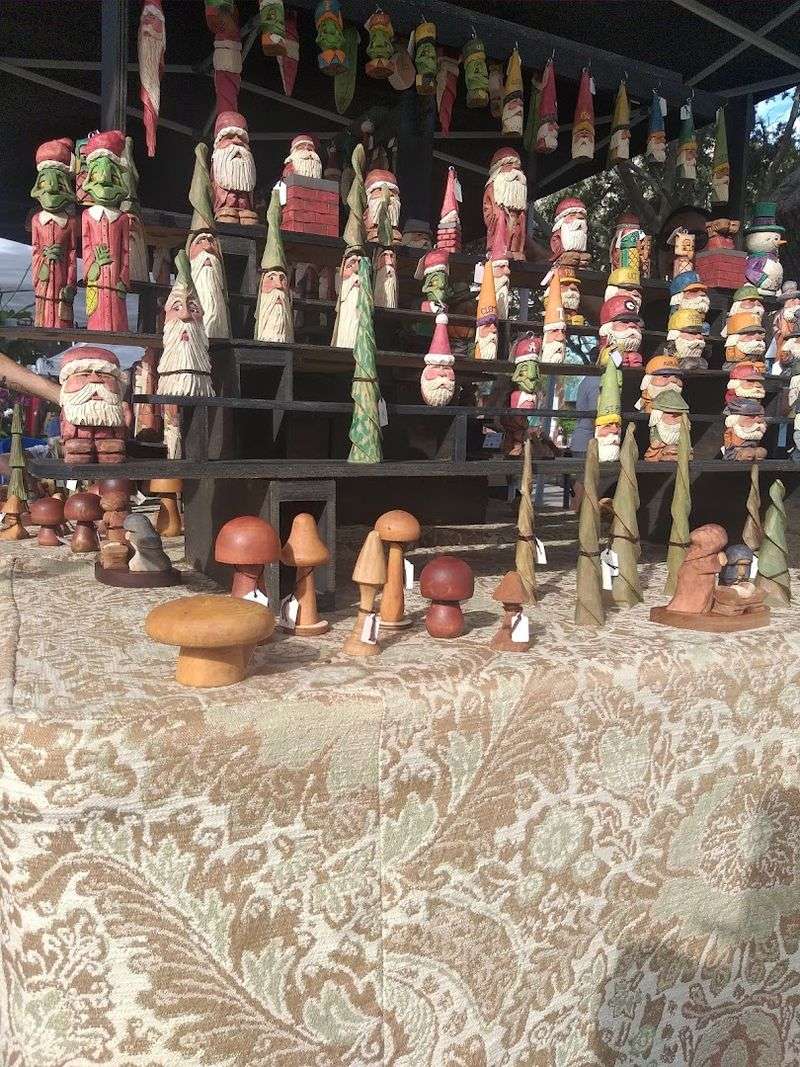
Local artisans display their work beneath canopies decorated with handmade signs, each booth telling a story through crafted items. Wooden bowls carved by hand sit next to colorful paintings bursting with personality.
Delicate jewelry catches glints of sunlight, while hanging plants and air plants add living art to the mix.
The variety surprises first-time visitors who expect typical farmers market fare. Tie-dye clothes that actually look stylish rather than dated draw younger shoppers.
Crystals and spiritual products appeal to the wellness-focused crowd. Natural saltwater sponges—harvested locally—offer an authentic Florida product you won’t find elsewhere.
Many items hit that sweet five-dollar price point, making impulse purchases easy to justify. But you’ll also find investment pieces worth saving for—hand-thrown pottery, original artwork, and custom jewelry that becomes family heirlooms.
The craftsmanship level varies from hobbyist to professional, giving shoppers options at different price ranges.
What makes browsing these booths special is meeting the creators. They’ll explain their process, share inspiration behind pieces, and often customize items on request.
This direct connection between maker and buyer creates relationships that bring people back week after week.
Beeswax candles fill the air with their sweet, natural scent. Woven Ethiopian baskets showcase traditional techniques.
Each vendor brings something different, ensuring that regular visitors always discover something new. The mix changes seasonally as different artisans rotate through, keeping the market fresh.
These aren’t mass-produced items shipped from overseas. Everything gets made by hand, often by Florida residents who pour skill and creativity into their work.
Supporting these vendors means supporting local talent and taking home pieces with genuine stories behind them.
Pet and Family-Friendly Atmosphere
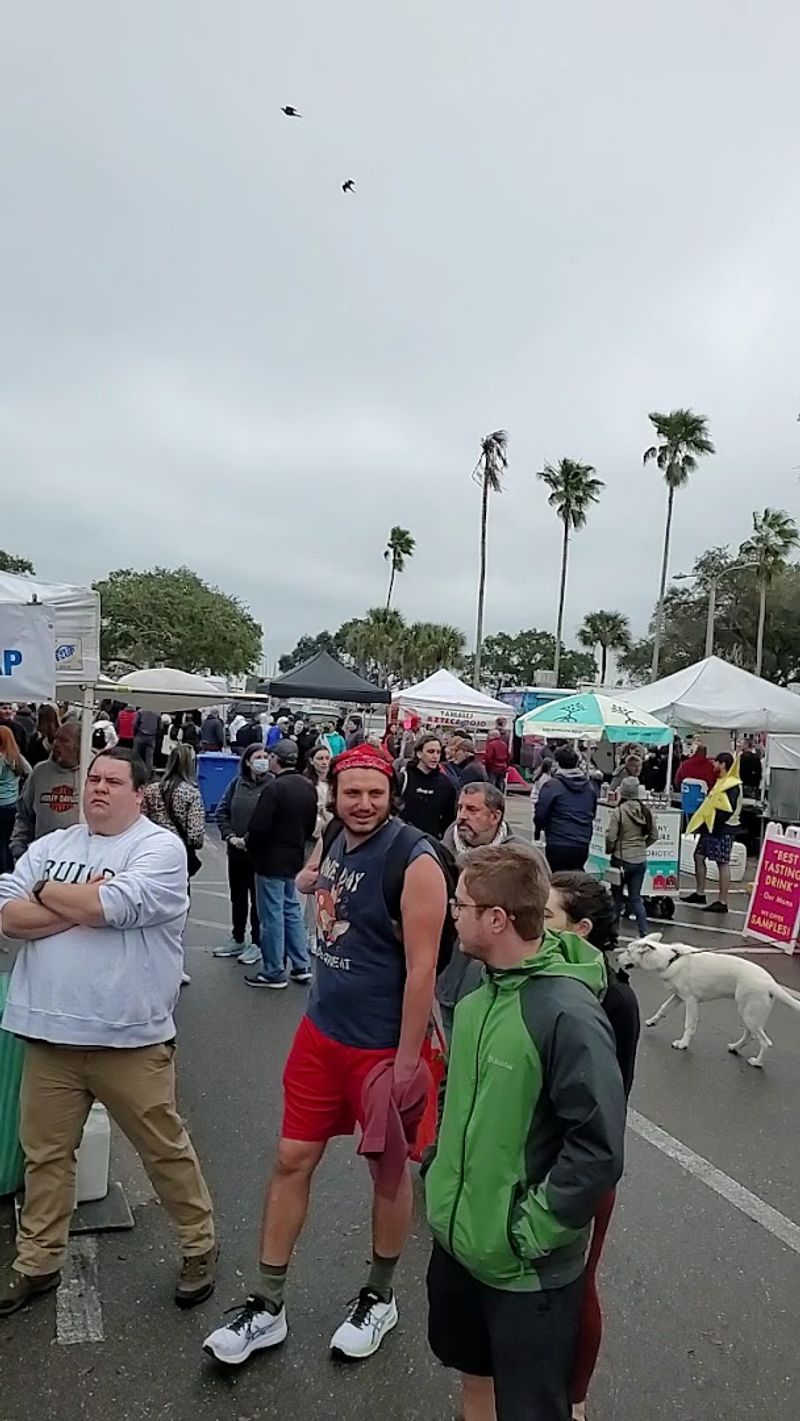
Dogs trot alongside their owners throughout the market, some wagging eagerly at every stranger, others lounging in patches of shade with tongues hanging happily. The market welcomes four-legged friends, and you’ll see everything from tiny chihuahuas in purses to massive breeds keeping pace with their humans.
Water bowls appear at various vendor booths, showing how pet-friendly the culture really is.
Kids chase bubbles drifting through the sunlight, their laughter mixing with music and conversation. The open layout gives children room to explore safely while parents shop nearby.
Several vendors specifically cater to young customers, offering samples at kid height and engaging them in friendly conversation.
Families make the market part of their Saturday routine, teaching children about where food comes from and supporting local businesses. The educational aspect happens naturally—farmers explain growing seasons, bakers demonstrate techniques, and artisans show their craft.
These lessons stick better than any classroom lecture.
Strollers navigate easily through most areas, though arriving early helps avoid the thickest crowds. Parents appreciate vendors who understand that shopping with kids means distractions and occasional chaos.
The general atmosphere stays relaxed and patient, with people genuinely happy to see families participating.
The market creates a space where multiple generations gather comfortably. Grandparents meet adult children and grandkids for morning outings.
Teenagers hang with friends, gaining independence while staying in a safe, supervised environment. Young couples bring their new puppies for socialization.
This inclusivity makes the market feel like a true community gathering rather than just a shopping destination. Everyone belongs here, from the regular who’s attended for years to the tourist visiting for the first time.
That welcoming energy keeps families returning, building traditions around Saturday morning market trips.
Specialty Items You Won’t Find Elsewhere
Cheese vendors offer varieties that make supermarket selections look boring. Artisan producers bring aged cheddars, creamy bries, and experimental flavors that change weekly.
Some booths even carry truffle products—oils, butters, and fresh truffles when in season—bringing fine dining ingredients to casual Saturday shoppers.
The honey stand displays raw local honey straight from the farm, with samples glistening in the light. Different varieties reflect what bees were pollinating—orange blossom, wildflower, palmetto—each with distinct flavor profiles.
Beekeepers explain the differences and recommend pairings, turning a simple purchase into an education.
Fresh pasta vendors sell varieties you’d struggle to find even in specialty stores. Handmade noodles in traditional shapes, stuffed pastas with creative fillings, and sauces made from scratch.
Taking these home elevates weeknight dinners into something special without requiring chef-level skills.
The mushroom selection goes beyond standard button varieties. Exotic species that look like art pieces, each with unique flavors and textures, attract adventurous cooks.
Vendors provide cooking tips and recipe suggestions, making experimentation less intimidating.
Sourdough bread from local bakers develops devoted followings. Real sourdough—not the grocery store imitation—with complex flavors from long fermentation.
These loaves disappear quickly because once you’ve tasted authentic sourdough, regular bread loses its appeal.
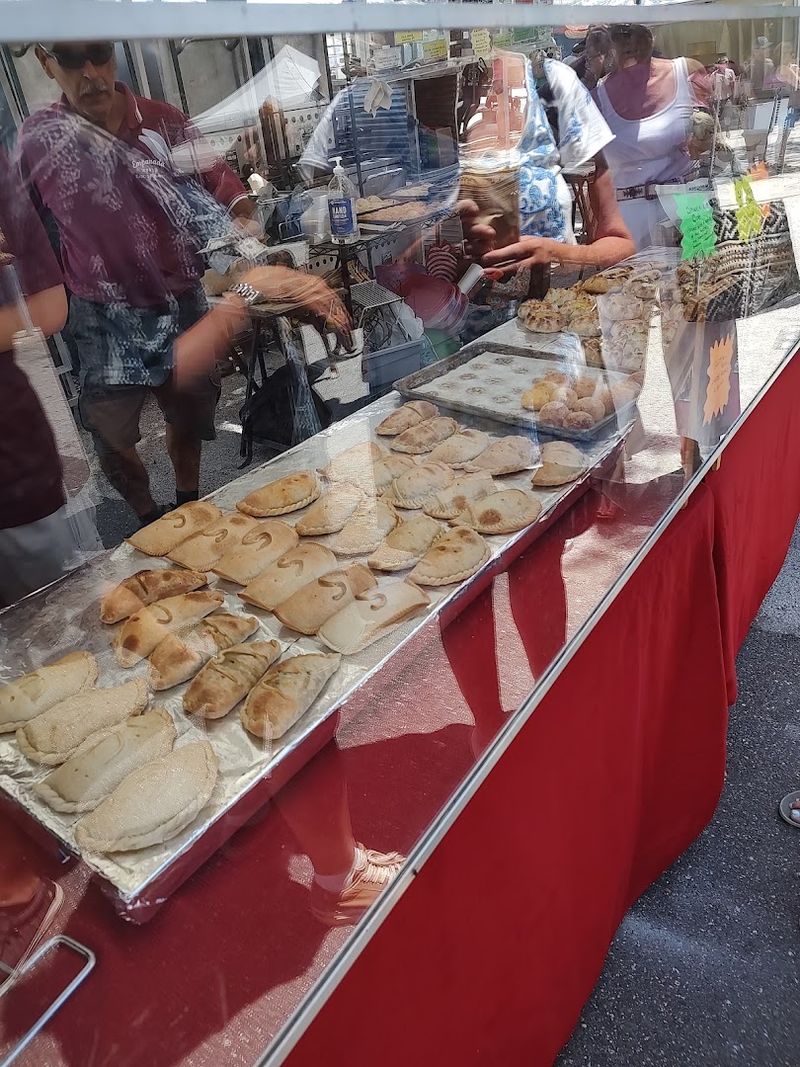
Prepared foods range from stuffed grape leaves to gourmet donuts so dense they might weigh a pound each. Knishes, empanadas, and samosas provide lunch options that satisfy immediately or reheat beautifully later.
The quality consistently exceeds expectations, with vendors taking pride in recipes that often represent family traditions spanning generations. These specialty items transform the market from a place to buy groceries into a destination for discovering flavors you didn’t know you needed.
Early Morning Energy and Smart Shopping Tips
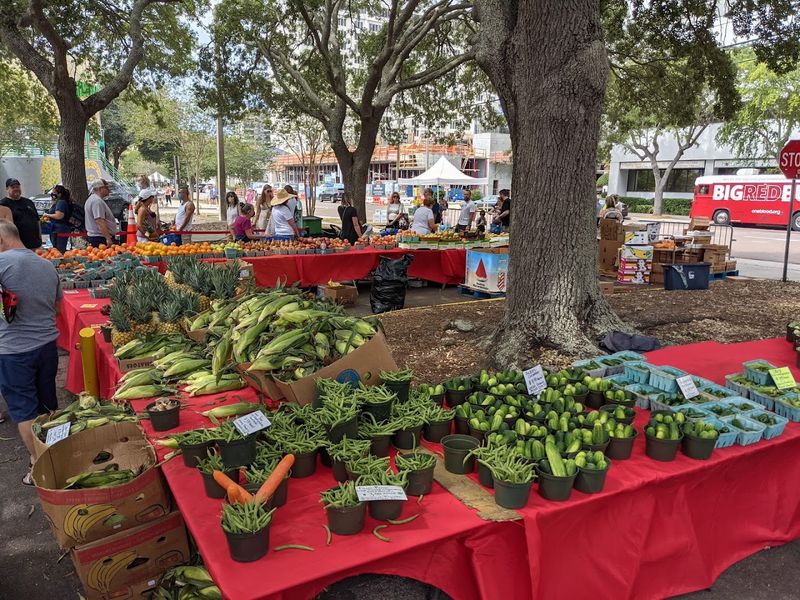
Arriving when the market opens at 9 AM gives you first pick of everything. Popular vendors like Curious Cat Bakery sell out within an hour, making early arrival essential for certain items.
The morning light hangs golden, and temperatures stay comfortable before Florida’s heat kicks in.
Regulars bring large granny carts or sturdy reusable bags because they know they’ll buy more than planned. Loading up on produce, baked goods, and specialty items requires proper equipment.
Some shoppers even bring coolers for items that need temperature control during the ride home.
The five-dollar parking fee is worth paying rather than hunting for street spots that might not exist. Proximity matters when you’re hauling purchases back to your car.
Plus, paid lots support the market’s operations and infrastructure.
Smart shoppers do a full lap before buying, scoping out all options and comparing prices. This prevents buyer’s remorse when you discover a better deal three rows over.
Mental notes about vendor locations help you navigate efficiently on the return trip.
Bringing cash helps, though many vendors now accept cards. Some offer discounts for cash purchases, and transactions move faster without waiting for card readers.
Having small bills makes splitting purchases between friends easier.
The market runs until 1 PM, but selection dwindles as closing approaches. That said, some vendors drop prices on remaining inventory rather than pack it back up.
Late arrivals might score deals, though they risk missing out on popular items entirely.
Dressing for the weather matters—Florida mornings can be deceptive. Layers work well since you might start cool and end up warm.
Comfortable walking shoes are non-negotiable given the market’s size and the time you’ll spend on your feet browsing over 400 vendors.
Supporting Local Economy and Small Businesses
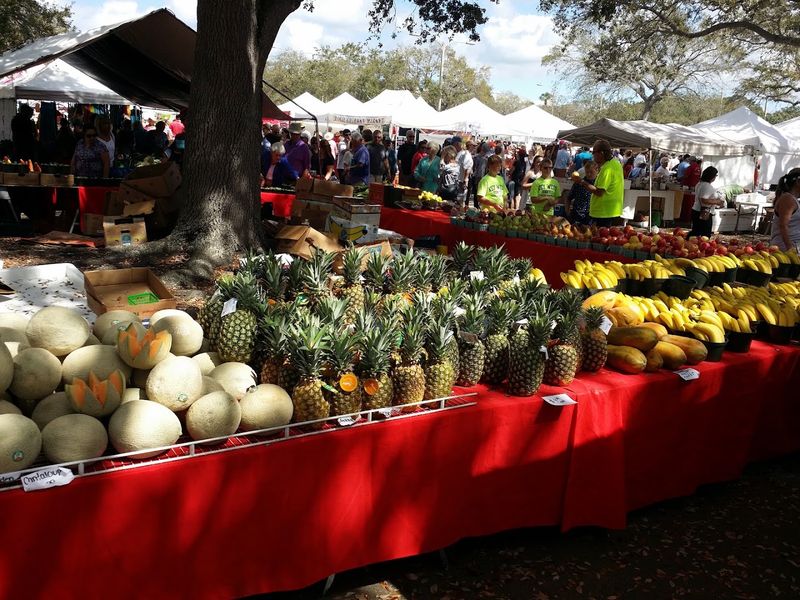
Every purchase at this market directly supports local families and small businesses. These aren’t corporate vendors with regional managers—they’re farmers who wake before dawn to harvest, bakers who start mixing dough at 3 AM, and artisans who pour hours into each handcrafted item.
Your dollars stay in the community, circulating through the local economy.
The market accepts SNAP and EBT benefits, recognizing that access to fresh, quality food shouldn’t depend on income level. This inclusivity strengthens community bonds and ensures everyone can participate in supporting local agriculture.
Many vendors specifically price items to remain affordable while still earning fair compensation.
Small farmers compete against industrial agriculture that benefits from economies of scale. Shopping here levels the playing field, allowing sustainable farming practices to remain viable.
You’re voting with your wallet for farming methods that prioritize soil health, biodiversity, and environmental stewardship.
The relationships that develop between vendors and regular customers create accountability. Farmers remember your preferences, bakers save your favorite items, and artisans create custom pieces based on conversations.
This personal connection disappeared from most retail experiences decades ago.
Local vendors often source ingredients and materials from other local businesses, creating a network of mutual support. The pasta maker uses flour from a local mill, the baker incorporates honey from the market’s beekeeper, and the soap maker sources oils from regional suppliers.
These connections strengthen the entire local economy.
The market itself employs local coordinators, musicians, and support staff. The ripple effect of spending here extends beyond individual vendors to create jobs and economic activity throughout St. Petersburg.
What starts as buying a croissant becomes an investment in your community’s economic health and vitality. That’s worth getting up early on a Saturday morning.
More Than Shopping: A Community Tradition
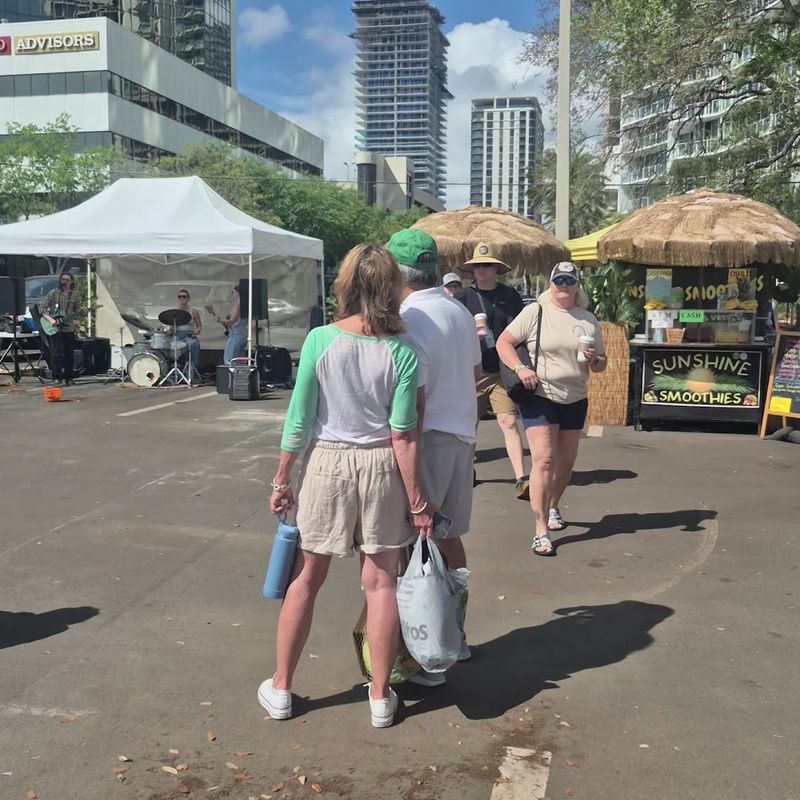
People greet each other like old friends because many of them are. The market functions as a weekly reunion where neighbors catch up, friendships form over shared vendor recommendations, and the community strengthens through regular interaction.
This social aspect matters as much as the shopping itself.
The market creates a space where St. Petersburg’s diversity becomes visible and celebrated. Cultures mix naturally through food and conversation, with everyone sharing the same space and purpose.
Ethiopian coffee vendors chat with Cuban pastry makers while customers from all backgrounds browse side by side.
Newcomers to the area find their footing here, discovering not just where to buy groceries but how to connect with their new community. The market serves as an introduction to St. Pete’s culture—creative, diverse, environmentally conscious, and genuinely friendly.
It’s easier to feel at home after a few Saturday mornings spent here.
The tradition spans generations now, with adults bringing their children to the same market they attended as kids. These shared experiences create family memories and teach values about supporting local businesses, eating seasonally, and participating in community life.
Kids grow up understanding that food comes from farmers, not just grocery stores.
Even the event coordinators remain courteous and informative, planning activities throughout the year that keep the market fresh and engaging. Their dedication shows in details—vendor variety, layout efficiency, and the overall atmosphere that makes spending Saturday morning here feel like a treat rather than a chore.
The market represents what community can be when people prioritize connection over convenience. It’s inefficient compared to one-stop supermarket shopping, but that’s precisely the point.
Slowing down, talking to producers, and spending time in shared public space builds social fabric that benefits everyone. This isn’t just about buying food—it’s about belonging to something larger than yourself.