One of Florida’s Oldest Grand Hotels Is Now a Museum You Can Tour and a Café You Can Visit
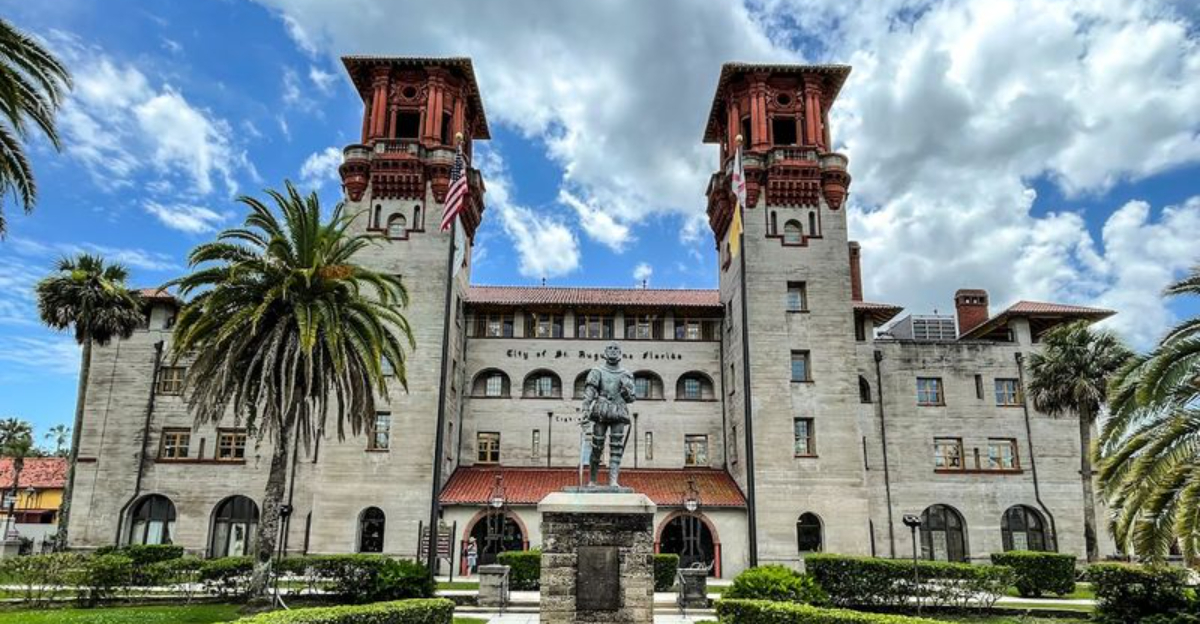
St. Augustine holds countless treasures from Florida’s past, but few are as stunning as the Lightner Museum. This grand building started life in 1888 as the luxurious Hotel Alcazar, one of Henry Flagler’s famous Gilded Age resorts. Today, it houses an incredible collection of Victorian-era artifacts, decorative arts, and curiosities that transport visitors back to a time of elegance and wonder, plus a beautiful café where you can enjoy a meal surrounded by history.
1. The Hotel Alcazar’s Glamorous Past
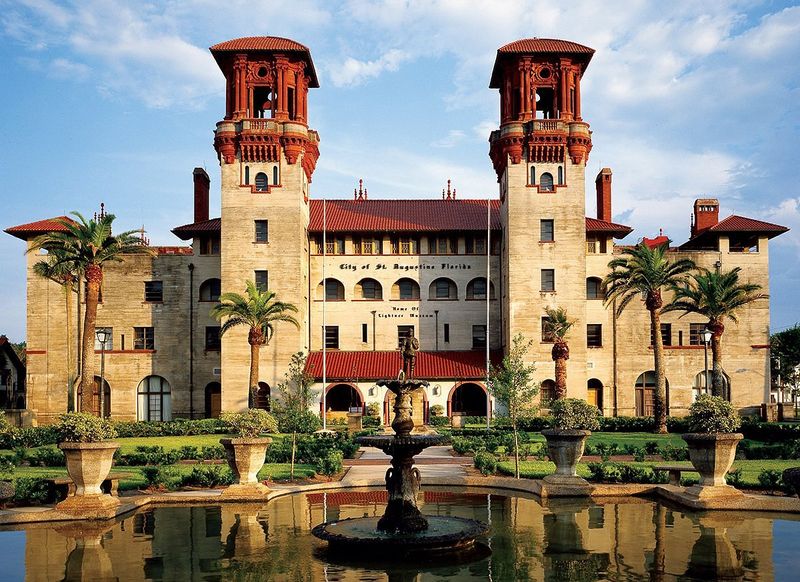
Henry Flagler built the Hotel Alcazar in 1888 as a companion to his famous Ponce de Leon Hotel across the street. Designed in Spanish Renaissance style, this resort became an instant sensation among wealthy travelers seeking Florida sunshine and luxury. The hotel featured ornate architecture with grand arches, decorative tilework, and stunning courtyards that made guests feel like royalty.
At its peak, the Alcazar boasted the world’s largest indoor swimming pool, stretching an impressive length and filled with filtered saltwater. Turkish baths, a grand ballroom, and state-of-the-art spa facilities made it a destination for those seeking both relaxation and social excitement. Guests could spend entire days being pampered in ways that seemed almost magical for the era.
The Great Depression eventually forced the hotel to close its doors, ending an era of opulence. But the building’s story was far from over, as Chicago publisher Otto Lightner would soon give it new life as a museum in 1947, preserving both the structure and the spirit of the Gilded Age for future generations to experience and appreciate.
2. Otto Lightner’s Collection of Collections
Otto Lightner wasn’t your typical museum founder. As publisher of “Hobbies – the Magazine for Collectors,” he encouraged everyday people to collect everything from matchbox covers to bottle caps. His passion for collecting eventually grew into something extraordinary, and when he purchased the abandoned Hotel Alcazar in 1947, he had the perfect place to showcase his treasures.
What makes this museum unique is its eclectic nature. Rather than focusing on one specific theme, Lightner created what visitors often call a “collection of collections.” You’ll find Victorian decorative arts next to mechanical musical instruments, cut glass alongside stained glass windows, and furniture displayed near quirky oddities. This variety reflects the collector’s spirit that Lightner championed throughout his publishing career.
The museum opened to the public as a celebration of curiosity and craftsmanship from the late 19th and early 20th centuries. Walking through these galleries feels like exploring someone’s fascinating attic, where every item has a story and every corner reveals something unexpected. That personal touch makes the Lightner Museum feel less like a stuffy institution and more like an adventure through time.
3. The Spectacular Architecture and Building Features
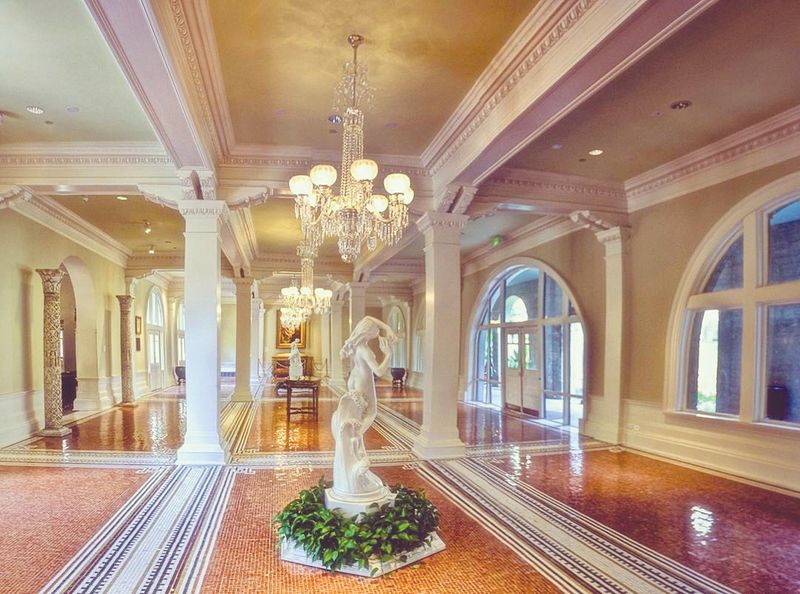
Step inside the Lightner Museum and you’ll immediately understand why visitors say the building itself is worth the admission price. Grand arches soar overhead, while original tile floors create geometric patterns beneath your feet. Ornate staircases wind between levels, and natural light pours through windows that have witnessed over a century of Florida history.
The Spanish Renaissance design creates a powerful “stepping back in time” atmosphere that modern buildings simply cannot replicate. Every architectural detail tells part of the story, from the decorative moldings to the impressive columns. The structure inherited from its hotel days gives the museum a unique layout with multiple levels and rooms, some accessible by elevator and others by those beautiful historic staircases.
Because of this hotel-past layout, exploring can feel like a treasure hunt through connected spaces rather than a typical museum march from gallery to gallery. Some visitors find the floor plan slightly confusing at first, but that’s part of the charm. Maps are provided to help you navigate, and the journey of discovery through unexpected rooms and hallways adds to the overall experience of wandering through a bygone era.
4. The Former World’s Largest Indoor Pool
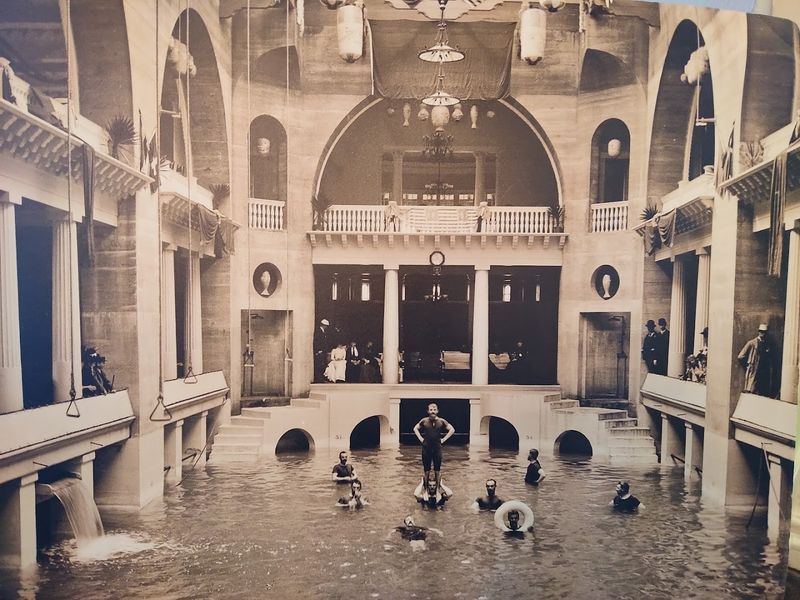
Imagine a saltwater swimming pool so massive it held the world record for largest indoor pool. That’s exactly what Hotel Alcazar guests enjoyed in the late 1800s. The pool area represented the height of luxury and innovation, with filtered saltwater piped in to create a swimming experience unlike anything most Americans had ever seen.
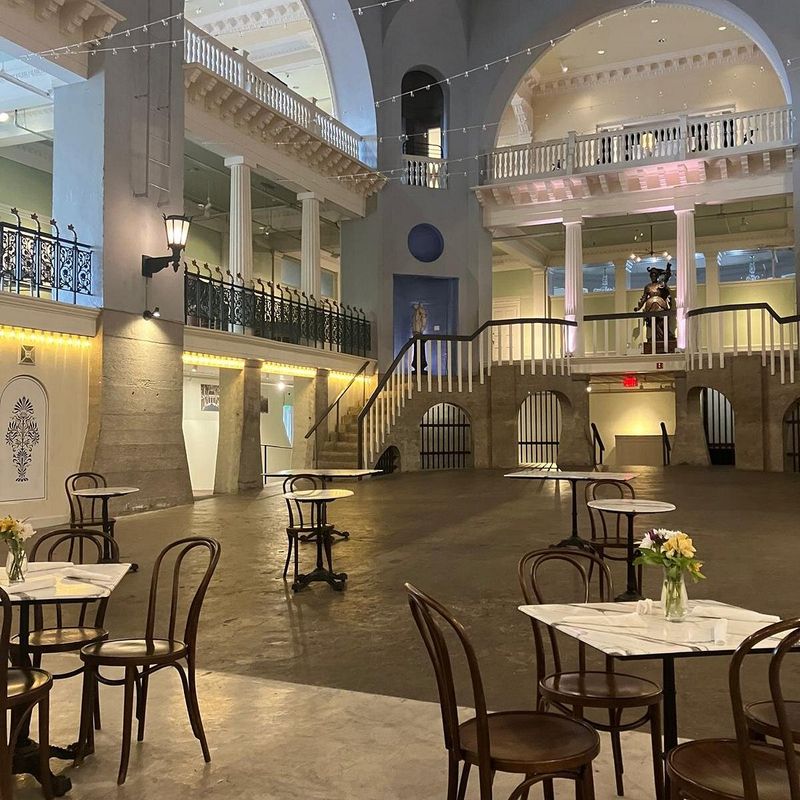
Today, that same space serves a completely different but equally impressive purpose. The former pool area now hosts events and weddings, with couples exchanging vows where wealthy Victorians once took their leisure swims. The architectural bones remain intact, including the soaring arched ceiling and the distinctive layout that makes this space so photogenic and memorable for special occasions.
When you visit the museum, you can look down into this courtyard area and try to picture it filled with water and elegantly dressed bathers. The transformation from recreational facility to event venue showcases how historic buildings can adapt while maintaining their essential character. It’s a stunning space that photographers particularly love, whether they’re capturing weddings or simply the beautiful interplay of light and shadow through those magnificent arches.
5. Diverse Exhibits Across Three Floors
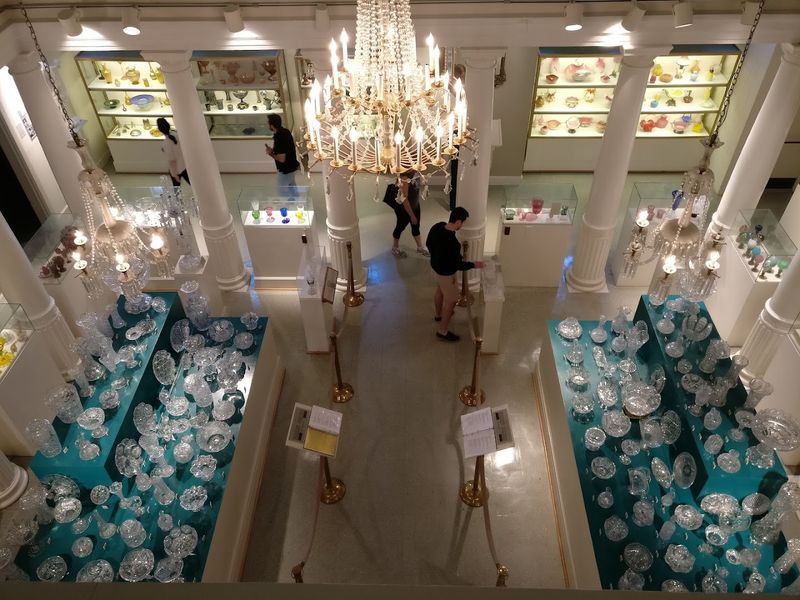
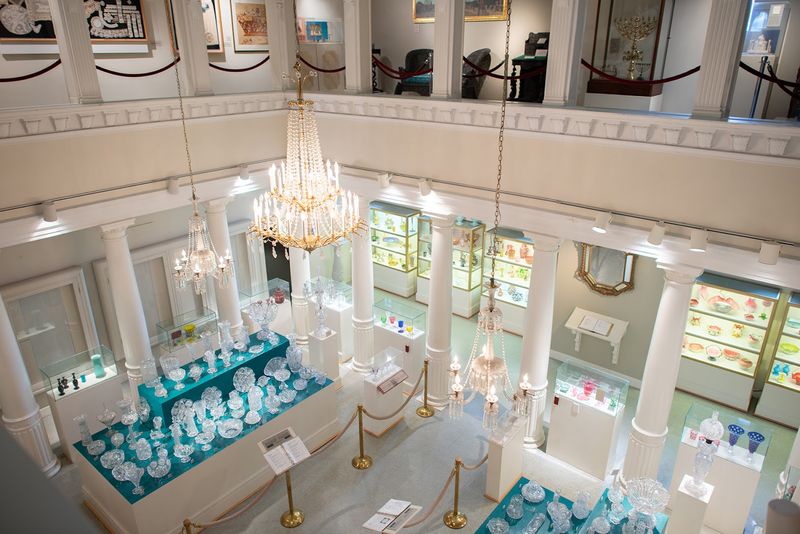
With three full floors of exhibits, the Lightner Museum offers way more variety than you might expect. Each level features different themed rooms and collections, from cut glass and crystal that sparkle under museum lighting to an impressive array of mechanical musical instruments that once filled parlors with sound. The stained glass collection alone could keep you mesmerized for an hour.
One floor might showcase Victorian furniture and decorative arts, while another displays the evolution of safety bicycles through history. You’ll find rooms dedicated to Florida landscapes painted by artists who captured the state’s natural beauty decades ago. There’s even a collection of rocks, shells, and natural specimens that appeals to science enthusiasts alongside the art lovers.
What visitors appreciate most is that nearly every item includes a description card with background information. You’re not left guessing about what you’re seeing or why it matters. The self-guided tour approach means you can spend extra time with collections that fascinate you and move quickly past others.
Most people find they need about two hours to properly explore everything, though you could easily spend longer if particular exhibits capture your attention.
6. The Café at Lightner Museum
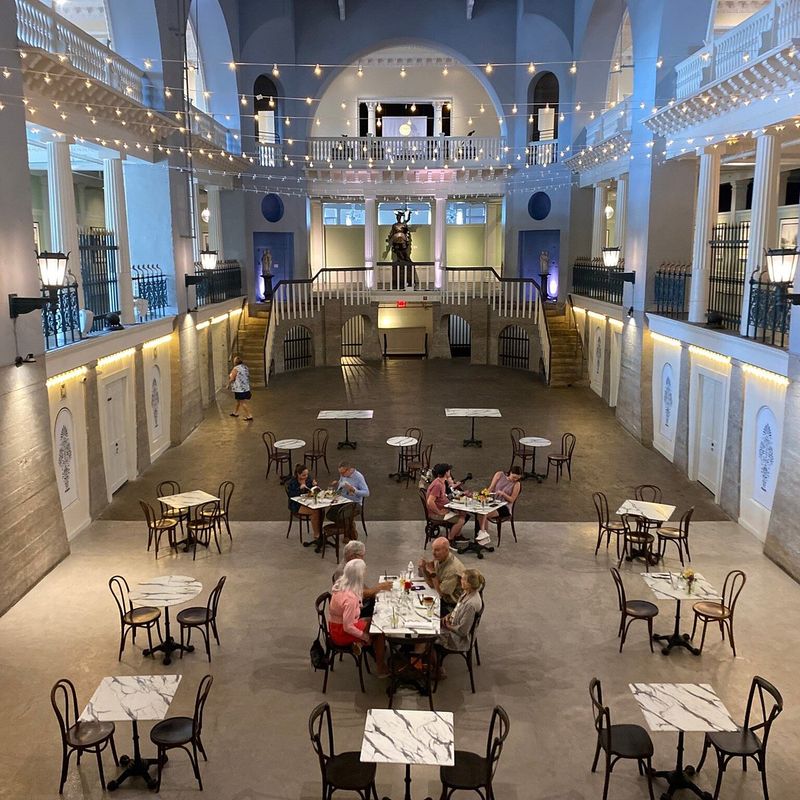
Hungry after exploring three floors of history and art? The café at Lightner Museum offers a dining experience as memorable as the collections themselves. Located in the stunning lower level courtyard area, this restaurant lets you enjoy a meal surrounded by the same architecture that once hosted Gilded Age resort guests.
The atmosphere alone makes it worth planning your visit around mealtime.
Fair warning though—this isn’t a walk-in casual café situation. The restaurant’s popularity means you’ll definitely want to make reservations well in advance, especially if you’re hoping for dinner service. Many visitors mention being turned away without reservations, so call ahead or book online to avoid disappointment.
The café’s limited seating fills up quickly, particularly during peak tourist seasons in St. Augustine.
The menu features quality dishes served in a setting that feels special without being stuffy. Eating lunch while gazing up at the historic courtyard architecture creates a unique experience you won’t find at typical museum cafeterias. Some visitors specifically time their museum tour to end near lunchtime, making the café the perfect finale to their Lightner Museum adventure and a chance to rest their feet after all that exploring.
7. Practical Visitor Information and Tips
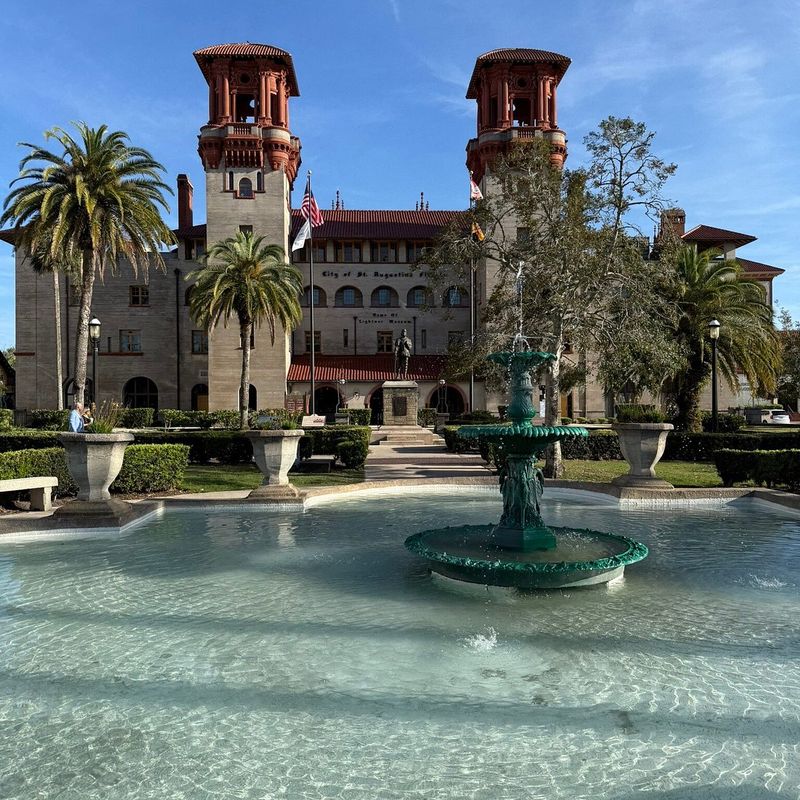
Planning your visit to the Lightner Museum is straightforward, but knowing a few insider tips makes the experience even better. The museum opens daily at 9 AM and closes at 5 PM, giving you plenty of time to explore without feeling rushed. Adult admission costs $20, with various discounts available for seniors, students, and military members, so bring your ID if you qualify for reduced rates.
Located at 75 King Street in downtown St. Augustine, the museum sits in the heart of the historic district with plenty of other attractions nearby. The building has elevator access to most floors, making it wheelchair accessible despite its historic nature. However, those elevators can be quite slow according to visitor reviews, so factor in a bit of extra time if you need to use them between levels.
Staff members and volunteer docents receive consistent praise for being friendly, knowledgeable, and eager to help. Don’t hesitate to ask questions or request recommendations for what to see. They can point you toward current special exhibits and share fascinating details about the building’s history.
Grab a map when you enter to help navigate the sometimes-confusing layout, and consider starting on the top floor and working your way down for a logical flow through the collections.
8. Why This Museum Stands Out in St. Augustine
St. Augustine overflows with historical attractions, so what makes the Lightner Museum special enough to earn a spot on your itinerary? Unlike typical museums with highly curated themes and modern exhibit design, this place embraces its quirky, eclectic nature. The combination of a stunning Gilded Age building and Otto Lightner’s diverse collections creates an experience you simply cannot find anywhere else in Florida.
The museum appeals to multiple interests simultaneously. Architecture buffs come for the Spanish Renaissance building and its transformation from luxury hotel to cultural institution. Art lovers appreciate the Victorian decorative arts and paintings.
History enthusiasts connect with the Gilded Age story and Henry Flagler’s vision for Florida tourism. Even people who don’t usually enjoy museums often find themselves charmed by the variety and the building’s inherent beauty.
Perhaps most importantly, the Lightner Museum offers a relaxed, unhurried experience. There’s no pressure to follow a specific route or absorb information in a particular order. You can wander freely, discovering rooms and collections at your own pace.
That flexibility, combined with the “collection of collections” approach, means every visitor creates their own unique experience based on what captures their personal interest and imagination.