This Remote Florida Campground Feels Like a World Away From the Crowds
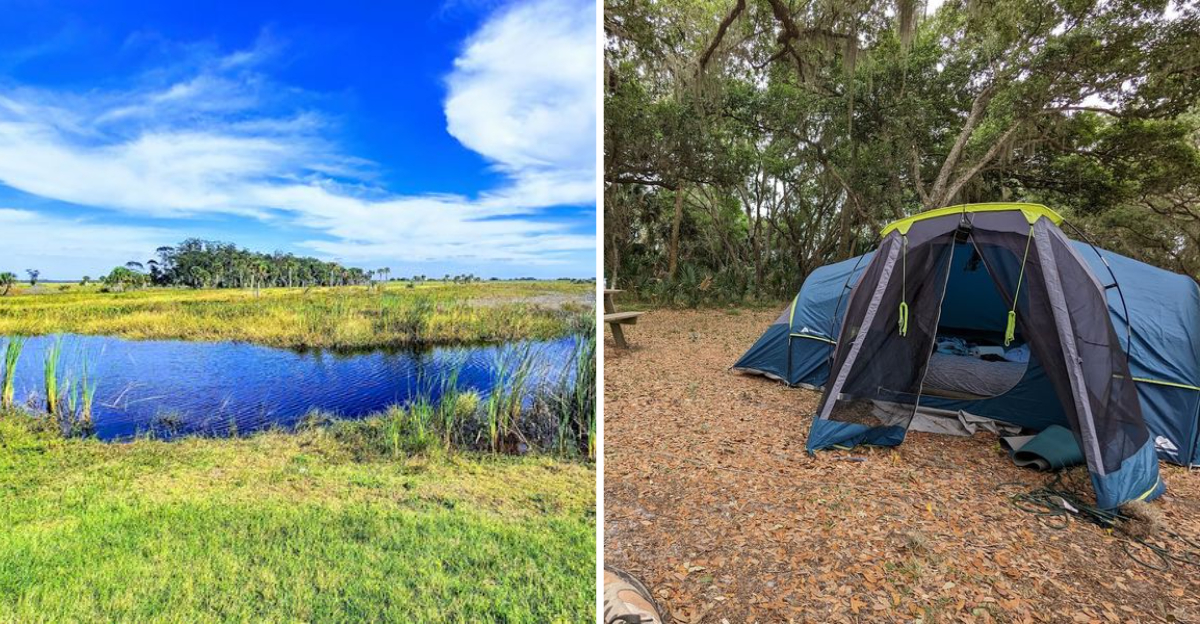
Kissimmee Prairie Preserve State Park offers one of Florida’s most peaceful camping experiences, far removed from busy beaches and crowded attractions. Surrounded by vast open prairies and untouched wilderness, the preserve gives visitors the chance to disconnect and immerse themselves in nature.
Campers can spend their days hiking, wildlife watching, and exploring miles of scenic landscapes before settling in beneath some of the darkest night skies in the state. As Florida’s first designated Dark Sky Park, it’s also one of the best places to admire a sky full of stars.
For anyone seeking solitude, wide-open spaces, and an authentic outdoor escape, this remote campground feels like a world all its own.
One of Florida’s Last True Dark Sky Spots
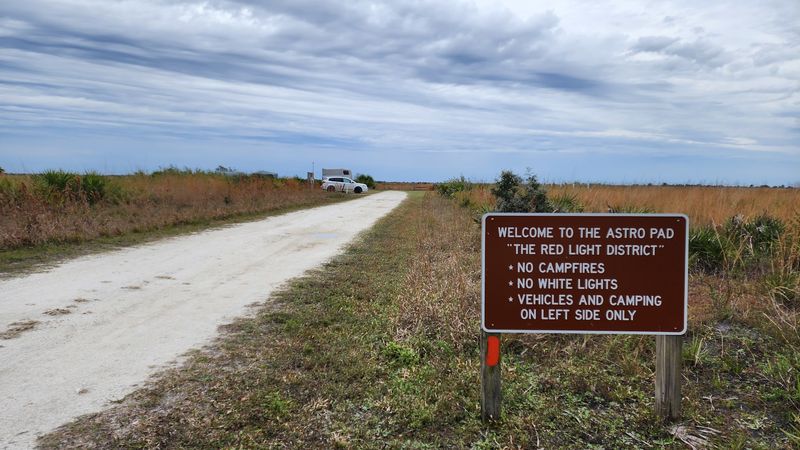
Light pollution has swallowed most of Florida’s night skies, but not here. Kissimmee Prairie Preserve is a certified Dark Sky Park, meaning you can actually see the Milky Way stretching overhead without driving hours away from civilization.
On clear nights, the sky explodes with stars, planets, and constellations that city dwellers forget even exist.
The park takes its dark sky status seriously. After sunset, only red lights are allowed, which protect your night vision and keep the sky as black as possible.
There’s even a dedicated stargazing area equipped with space for multiple telescopes, plus overnight camping spots for serious sky watchers who want to stay up all night chasing celestial views.
Astrophotographers love this place because the lack of artificial glow makes long-exposure shots incredibly crisp. You can catch Saturn rising before dawn, watch meteor showers without competing headlights, and even spot rocket launches from Cape Canaveral about 100 miles north.
The distance makes the launches look like slow-moving fireballs climbing the horizon.
Even if you don’t own a telescope, the naked-eye view is breathtaking. Grab a blanket, lie back on the prairie grass, and let your eyes adjust for about 20 minutes.
Suddenly, thousands of stars appear, plus satellites drifting silently across the void. It’s humbling, peaceful, and completely unlike the Florida most tourists experience.
Cloud cover can mess with your plans, so check the weather before committing to a stargazing trip. But when conditions align, this park delivers one of the most spectacular night sky experiences in the entire state.
Bring bug spray, a comfortable chair, and maybe some hot chocolate for those cooler winter nights when the stars shine brightest.
Wildlife Roams Free Like You’re the Guest
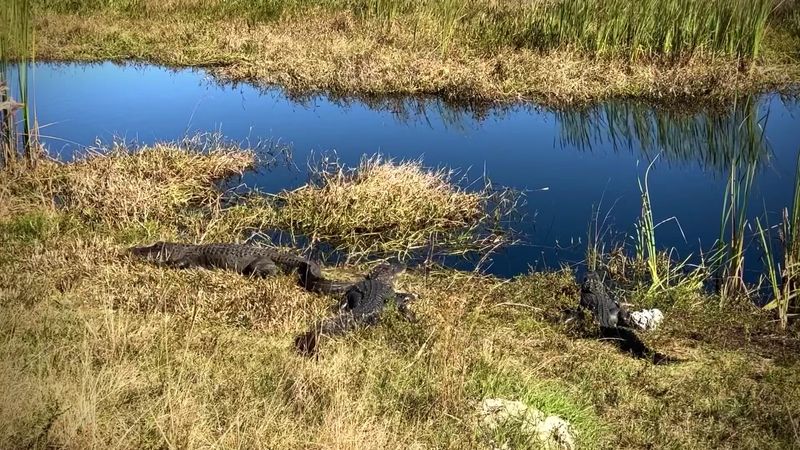
Most campgrounds have signs warning you about wildlife. Here, the wildlife has signs warning about you.
Deer wander through campsites like they own the place because, frankly, they do. Turkeys strut past your tent at dawn, raccoons investigate coolers after dark, and birds sing loud enough to replace any alarm clock you brought.
This isn’t a petting zoo or controlled environment. The preserve covers over 54,000 acres of protected prairie, so animals move freely without fences or barriers.
You might spot caracaras (rare Florida raptors), sandhill cranes, or even bobcats if you’re lucky and quiet. Early mornings offer the best wildlife viewing when animals are most active and less bothered by human presence.
Some campers love the constant animal activity. Others find it overwhelming, especially when deer graze three feet from their picnic table or turkeys block the bathroom path.
If you want a zoo-like camping experience without leaving your site, this park delivers in spades. Just respect the animals’ space and never feed them, no matter how cute they seem.
Snakes appear occasionally too, which freaks out some visitors but thrills reptile enthusiasts. Most are harmless, though venomous species do live here.
Watch where you step, especially in tall grass, and give any snake plenty of room to move along. Rangers are helpful if you need identification or have concerns about a particular critter.
The preserve’s mission is conservation, so you’re camping inside a living, breathing ecosystem rather than a manicured park. That means bugs, animal sounds at night (including mooing cows from nearby ranches), and occasional close encounters that remind you nature doesn’t follow a script.
Pack patience, curiosity, and a good camera with zoom capabilities.
Open Prairie Landscapes Unlike Anywhere Else in Florida
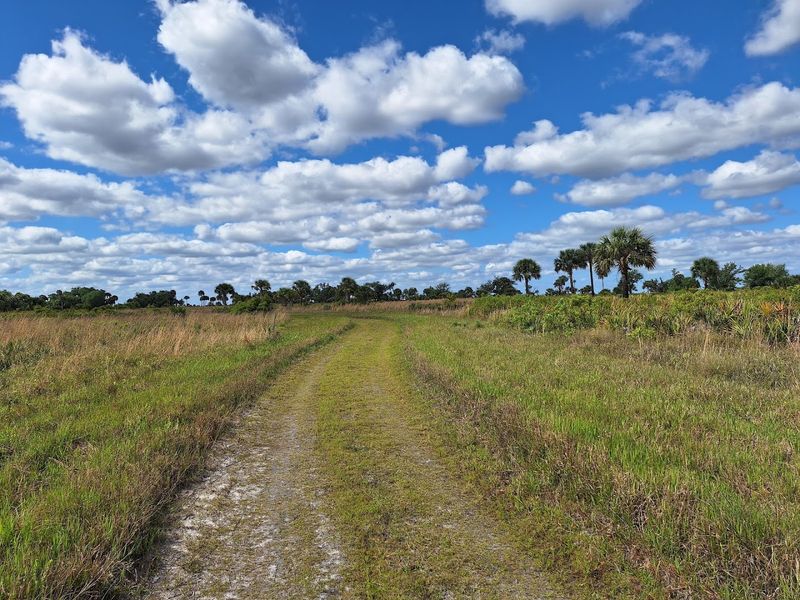
Florida is famous for beaches, swamps, and palm trees. Prairie?
Not so much. Kissimmee Prairie Preserve protects one of the state’s rarest ecosystems, a vast grassland that feels more like Montana than the Sunshine State.
The landscape stretches flat and wide, with huge skies that make you feel tiny in the best possible way.
Walking these trails gives you long, unobstructed views that are nearly impossible to find elsewhere in Florida. The horizon seems endless, especially during sunrise or sunset when golden light spills across the grass.
It’s quiet out there too, with just wind, bird calls, and the occasional rustle of something moving through the vegetation.
Prairie wildflowers bloom throughout the year, creating colorful patches that shift with the seasons. Spring brings especially vibrant displays, though even winter offers subtle beauty if you know where to look.
The openness also makes weather more dramatic. Thunderstorms roll in like slow-moving walls, and you can watch them approach from miles away.
Photographers appreciate the unique backdrop, which doesn’t look like typical Florida postcards. The flat terrain and big sky create minimalist compositions that feel almost abstract.
Hikers enjoy the change of pace from dense, humid forests, though the lack of shade means you’ll need sunscreen, hats, and plenty of water during warmer months.
This landscape feels fragile and ancient at the same time. Prairies once covered much of central Florida before development erased them.
Standing here, surrounded by native grasses and wildflowers, you’re experiencing a vanishing piece of the state’s natural history. It’s peaceful, humbling, and completely different from the crowded theme parks and tourist traps most visitors associate with Florida.
Miles of Hiking Trails Through Untouched Wilderness
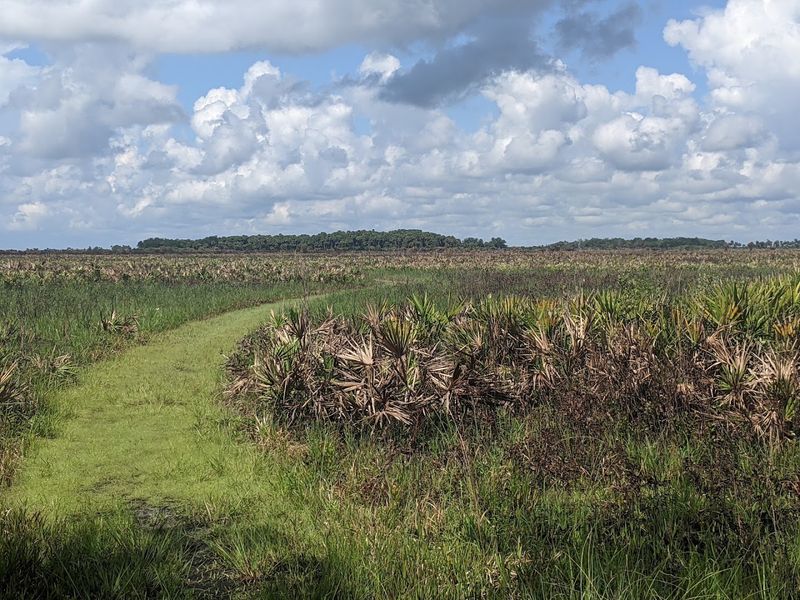
Over 100 miles of trails snake through the preserve, ranging from easy strolls to full-day treks that test your endurance. The terrain is mostly flat, which sounds simple until you realize there’s almost no shade on many routes.
What you lose in elevation gain, you make up for in distance and exposure to the elements.
The Prairie Trail is popular for its sweeping views and relative ease, though even easy trails require preparation here. Bring more water than you think you’ll need, wear a good hat, and start early to avoid midday heat.
The Hammock Loop offers more shade by winding through oak groves, providing relief and different scenery compared to the open grasslands.
Trail conditions are generally excellent, well-maintained and clearly marked. Still, the sameness of the landscape can be disorienting.
Straight, flat paths with similar surroundings make it easy to zone out, so pay attention to markers and carry a map or GPS. Some hikers find the repetitive scenery boring, while others appreciate the meditative quality of walking through unchanging prairie.
Horseback riding is permitted on certain trails, adding another dimension to exploration. Equestrian campers can bring their horses and access dedicated facilities, making this one of Florida’s best horse-friendly parks.
If you’re on foot and encounter riders, step aside and let them pass. Most are friendly and happy to share trail reports.
Birdwatchers love these trails because the open habitat makes spotting easier than in dense forests. Binoculars are essential for identifying distant raptors or wading birds near wet areas.
Dogs are welcome on most trails too, though some areas are restricted to protect nesting birds or sensitive habitats. Check the park map before heading out with your pup.
Camping Options From Rustic to Surprisingly Comfortable
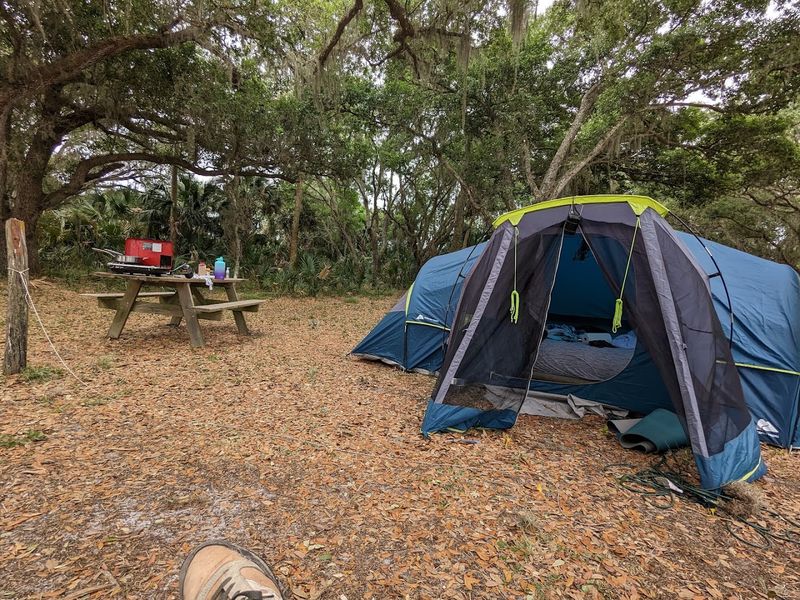
Kissimmee Prairie offers something for everyone, whether you’re a hardcore tent camper or someone who prefers a roof and a real bed. Traditional campsites come with water and electric hookups for RVs, plus shaded spots under massive old oaks that keep things cooler during the day.
Tent campers can choose similar sites or go more primitive if they want total isolation.
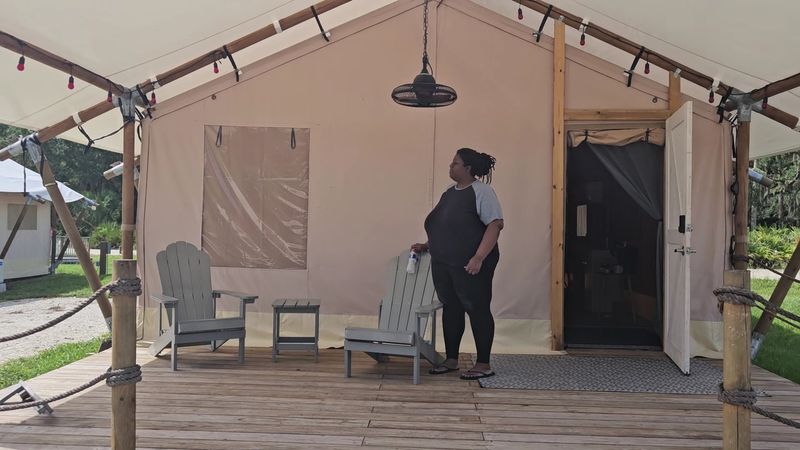
The glamping tents are the park’s newest addition and they’re surprisingly nice. Each comes with real beds, linens, and basic furniture, so you get the outdoor experience without sleeping on the ground.
They’re cozy, clean, and perfect for families or couples who want nature without roughing it too hard. Just remember they’re still tents, so noise carries and you’ll hear everything outside.
Privacy between sites varies. Some campsites have decent buffer space, while others sit close enough that you can hear your neighbor’s conversations.
Reviews mention this repeatedly, so manage expectations if you’re hoping for total seclusion. The trade-off is clean facilities, hot showers, and well-maintained grounds that make camping easier and more comfortable.
Equestrian campers get their own loop with horse stalls and direct trail access. The equestrian facilities are top-notch, with clean bathhouses and plenty of space for trailers.
Even if you don’t ride, you might enjoy staying in this loop for the quieter atmosphere and friendly horse-camping community.
Reservations are essential, especially during peak seasons or new moon weekends when stargazers descend. The park fills up fast because word has spread about how special this place is.
Book early, confirm your site details, and arrive with everything you need since the nearest stores are 30-45 minutes away. Ice is available at the office, but otherwise you’re on your own for supplies.
Seriously Remote Location Means Real Escape
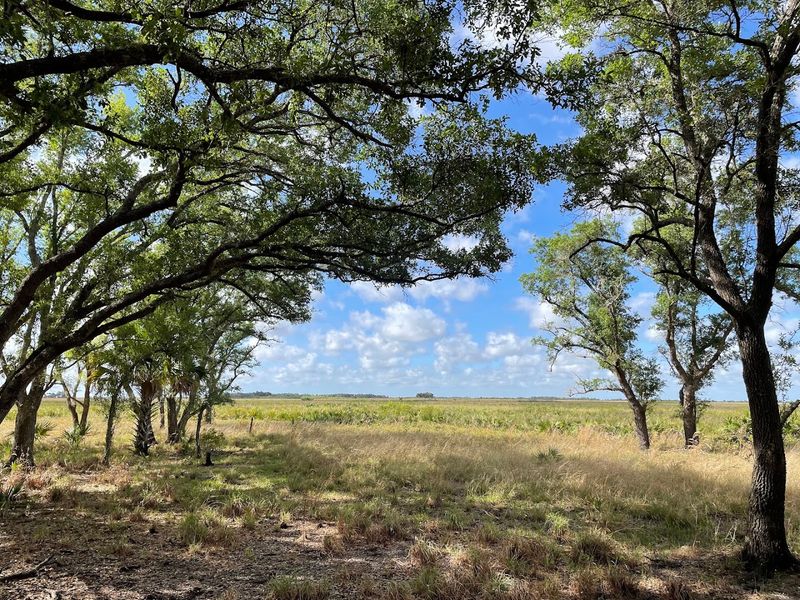
Getting here requires commitment. Kissimmee Prairie sits far from major highways, tourist corridors, and just about everything else.
The nearest gas station is 30 minutes away, and grocery stores are 45 minutes minimum. Cell service used to be nonexistent, though recent improvements mean you might catch a weak signal if you really need it.
This remoteness is exactly what makes the park special. You can’t just pop over for an hour.
The drive itself signals that you’re leaving the busy world behind and entering somewhere different, slower, and quieter. Paved roads eventually give way to more rural routes, and civilization gradually fades from view.
The isolation means you need to pack smart. Forget something important and you’re facing a long drive to replace it.
Bring all your food, drinks, firewood (if allowed), camping gear, and any medications or supplies you might need. The park office sells ice and basic items, but don’t count on finding much beyond that.
Some visitors love disconnecting completely. No traffic noise, no constant notifications, no bright lights or crowds.
Just prairie, sky, and the natural rhythms of sunrise and sunset. Others struggle with the lack of nearby entertainment or backup options if weather turns bad.
Know yourself before committing to a weekend here.
The remoteness also means fewer rangers patrolling compared to busier parks. Most campers are respectful, but occasionally someone breaks rules like burning during fire bans or making excessive noise.
The park does its best with limited staff, and most visits go smoothly. Still, you’re somewhat on your own if issues arise, so choose your camping dates wisely and hope for considerate neighbors.
Seasonal Weather Swings Require Planning
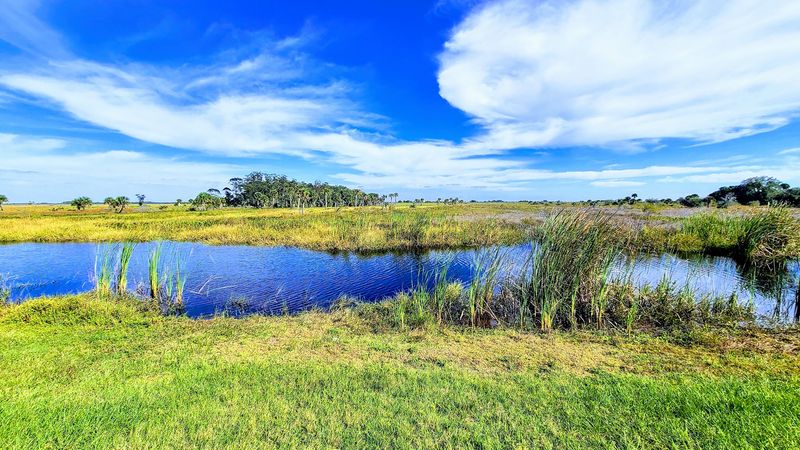
Florida’s weather is famously unpredictable, and Kissimmee Prairie experiences the full range. Winter nights can drop into the 40s or even 30s, while midday temperatures soar into the 80s.
Spring and fall offer the most comfortable camping, though afternoon thunderstorms are common and can be intense across the open prairie.
Summer is brutally hot with relentless sun and humidity that makes even short hikes feel exhausting. Bugs multiply too, especially mosquitoes and biting flies that swarm near wet areas.
If you camp in summer, bring industrial-strength bug spray, shade structures, and low expectations for outdoor comfort. Early mornings and late evenings are the only tolerable times for activity.
Rain can turn campsites into muddy messes surprisingly fast. Some sites drain better than others, and tent campers especially need to watch forecasts.
One reviewer mentioned their site flooding during a 30-minute downpour, which ended their trip early. Ask rangers about site drainage when checking in if rain is predicted.
The open landscape makes weather more dramatic and harder to escape. Thunderstorms roll across the prairie with nowhere to hide except your vehicle or tent.
Lightning shows are spectacular but also genuinely dangerous. Monitor weather apps, have a safety plan, and don’t mess around if severe weather threatens.
Winter offers the best stargazing because skies are clearer and humidity drops. Cold fronts push through regularly, bringing crisp air and brilliant stars.
Pack layers, warm sleeping bags, and maybe a small heater if you’re in an RV. The temperature swings catch people off guard, so check extended forecasts and prepare for both extremes even within the same 24-hour period.
Affordable Rates Make Extended Stays Possible
State parks in Florida are ridiculously affordable compared to private campgrounds, and Kissimmee Prairie is no exception. Daily entry fees are just a few dollars per vehicle, and camping rates are low enough that you could stay a week without breaking the bank.
Glamping tents cost more but still remain reasonable for what you get.
The value is incredible when you consider the facilities. Hot showers, clean bathrooms, laundry rooms, maintained trails, and access to 54,000 acres of protected wilderness for less than you’d pay at most commercial campgrounds.
Equestrian sites include horse stalls and dedicated trails at prices that make horse campers very happy.
Affordable rates mean you can extend your stay without stress. Spend a few extra days exploring different trails, waiting for perfect stargazing conditions, or just relaxing in a hammock with a good book.
The slower pace and low costs encourage lingering rather than rushing through like another checkbox on a travel itinerary.
Reservations through the Florida State Parks system are straightforward, though the website can be clunky during peak times. Book as early as possible for popular weekends, especially around new moons when astronomy enthusiasts fill the campground.
Cancellation policies are reasonable if plans change, though you might lose a small fee.
The combination of low prices and high-quality experience makes this park accessible to families, retirees, and budget travelers who might skip pricier destinations. You don’t need expensive gear or deep pockets to enjoy world-class stargazing, wildlife viewing, and peaceful camping.
Just show up prepared, respect the rules, and soak in everything this special place offers without worrying about the cost adding up.