This Well-Known Florida Park Has a Forgotten Zoo Hidden Within It
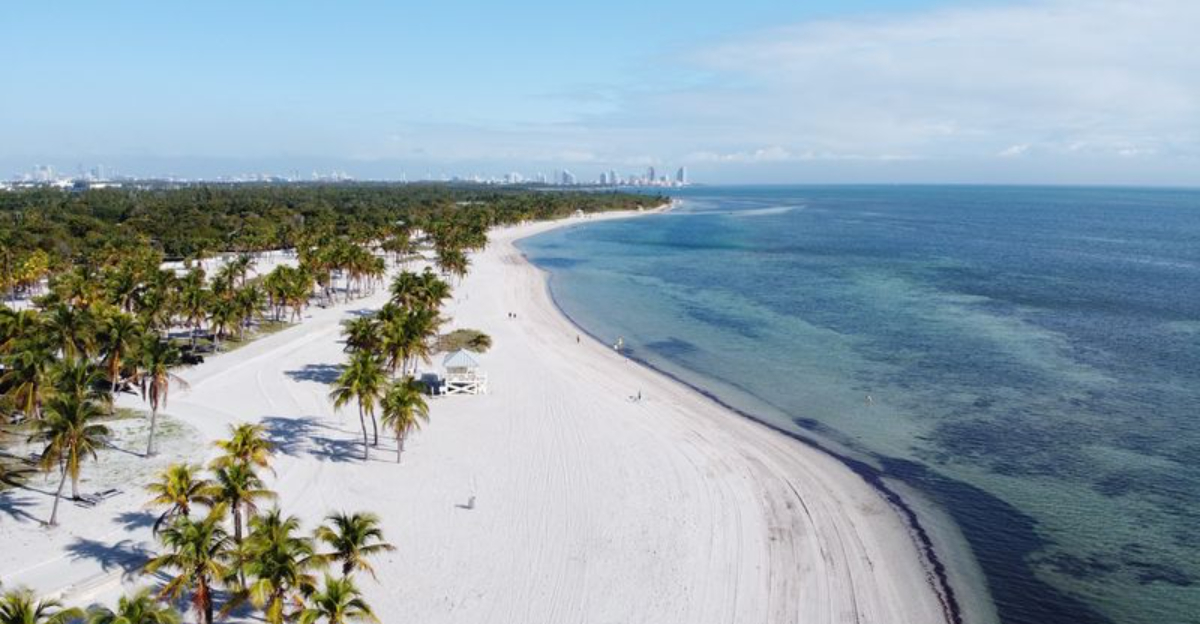
Crandon Park on Key Biscayne is famous for its stunning beach, volleyball courts, and spectacular Miami skyline views. But tucked away within this popular coastal escape lies a quirky secret that most visitors never discover. A forgotten zoo from decades past still exists here, and its former residents have made themselves right at home throughout the park.
Keep reading to uncover the wild history and unexpected wildlife encounters waiting for you at this beloved South Florida destination.
1. The Crandon Park Zoo Origins
Back in the 1940s and 1950s, Crandon Park wasn’t just a beach destination. It was home to an actual zoo that entertained Miami families for decades. The facility featured exotic animals, walking paths, and attractions that drew crowds from across South Florida.
County officials eventually closed the zoo operations as park priorities shifted toward beach recreation and natural habitat preservation. Most animals were relocated to other facilities, but the story didn’t end there. Some species adapted so well to their island home that they simply stayed.
The zoo’s physical structures have mostly disappeared, reclaimed by tropical vegetation and coastal weather. But if you know where to look, you can still spot remnants of old enclosures and pathways hidden beneath the mangroves. These faded traces tell the story of a different era in South Florida entertainment.
Today, the former zoo site has transformed into the Crandon Park Nature Center, focusing on environmental education rather than captive animals. The irony? The descendants of those original zoo residents still roam freely throughout the park, creating their own wild exhibit for beachgoers.
It’s a fascinating piece of local history that adds unexpected character to your typical beach day.
2. Peacocks Everywhere You Look
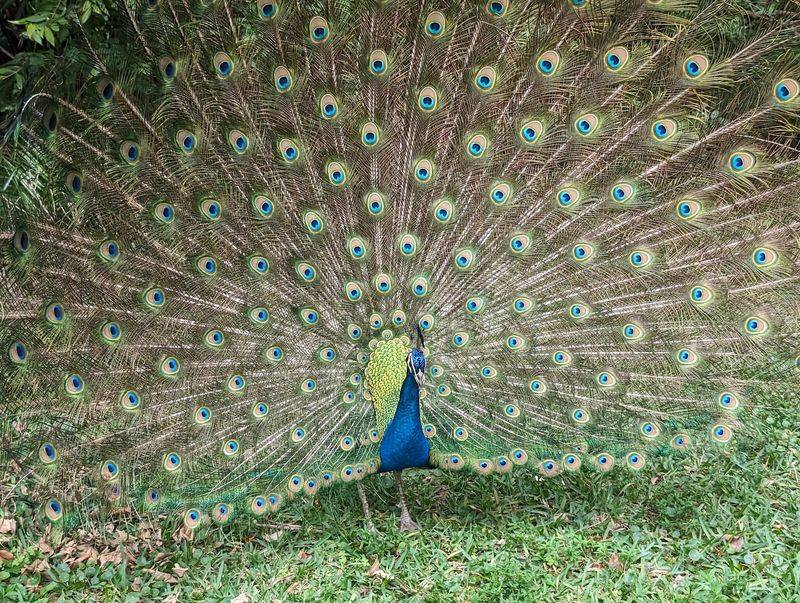
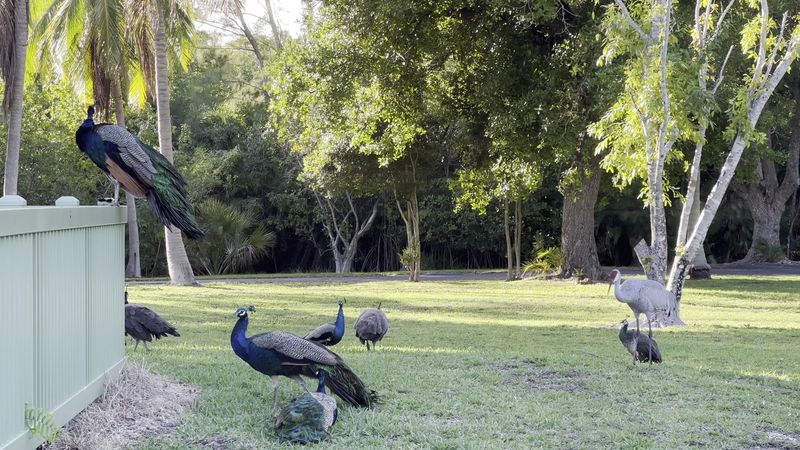
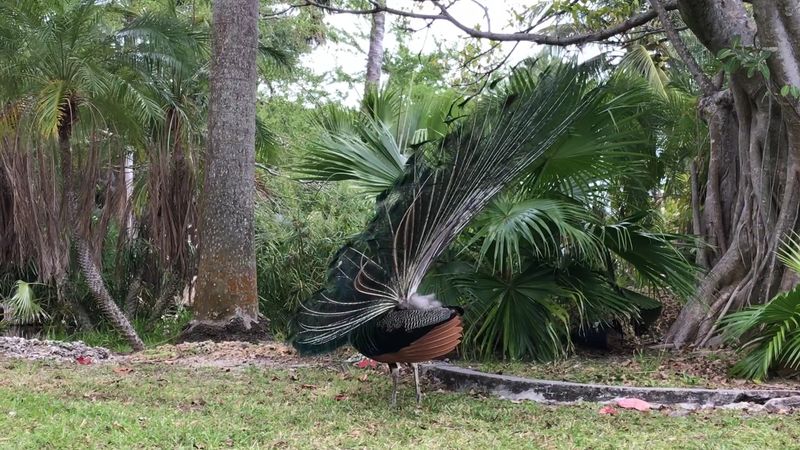
The most obvious legacy of Crandon Park’s zoo days struts around like it owns the place. Indian peafowl, with their iridescent blue necks and spectacular tail displays, have completely taken over the park. You’ll spot them in parking lots, on the beach, near picnic shelters, and basically anywhere they feel like hanging out.
These birds aren’t shy about approaching visitors, especially if they think food might be involved. Males perform their famous tail displays during breeding season, creating Instagram-worthy moments that surprise first-time visitors. The loud calls can startle you if you’re not expecting them, but they’re part of the park’s unique soundtrack.
Large groups of peafowl gather in shaded areas during hot afternoons, sometimes blocking pathways with their leisurely pace. They’ve adapted remarkably well to park life, treating beach chairs and picnic tables as personal perches. Some regulars have even learned to recognize individual birds by their markings.
While beautiful, these birds are wild animals and shouldn’t be fed human food. They’re perfectly capable of finding their own meals among the park’s vegetation and insects. The peafowl population has become such a signature feature that many reviews specifically mention them as a highlight of visiting Crandon Park.
3. Iguanas Basking in Paradise
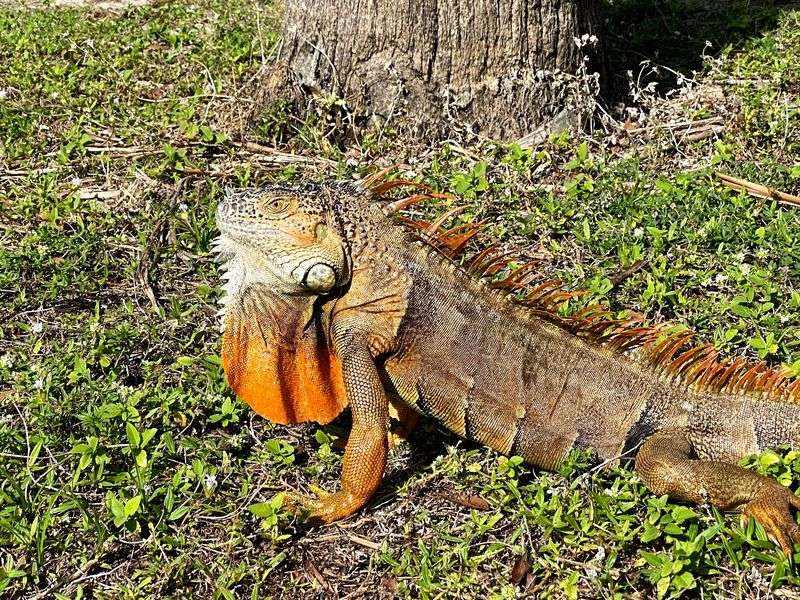
Green iguanas are the other major zoo escapees that made Crandon Park their permanent residence. These impressive reptiles can grow several feet long and spend their days soaking up sunshine on pathways, rocks, and tree branches. Their prehistoric appearance catches many visitors off guard.
Unlike the peacocks, iguanas tend to keep their distance from humans. They’re masters of temperature regulation, moving between sunny spots and shade throughout the day. Watch them carefully and you’ll notice their color changes slightly based on their mood and body temperature.
The park’s combination of tropical vegetation, warm climate, and proximity to water creates perfect iguana habitat. They feast on leaves, flowers, and fruits from native and ornamental plants. During cooler winter mornings, you might spot dozens of them clustered together on sun-warmed surfaces.
Iguanas are excellent swimmers and climbers, using both skills to navigate the park’s varied terrain. Males develop large dewlaps and head bobbing displays during breeding season, adding to the entertainment value. While they look intimidating, they’re generally harmless unless cornered or handled.
These cold-blooded former zoo residents have thrived so successfully that they’re now considered an invasive species throughout South Florida, but they remain a fascinating part of Crandon Park’s living history.
4. The Nature Center Connection
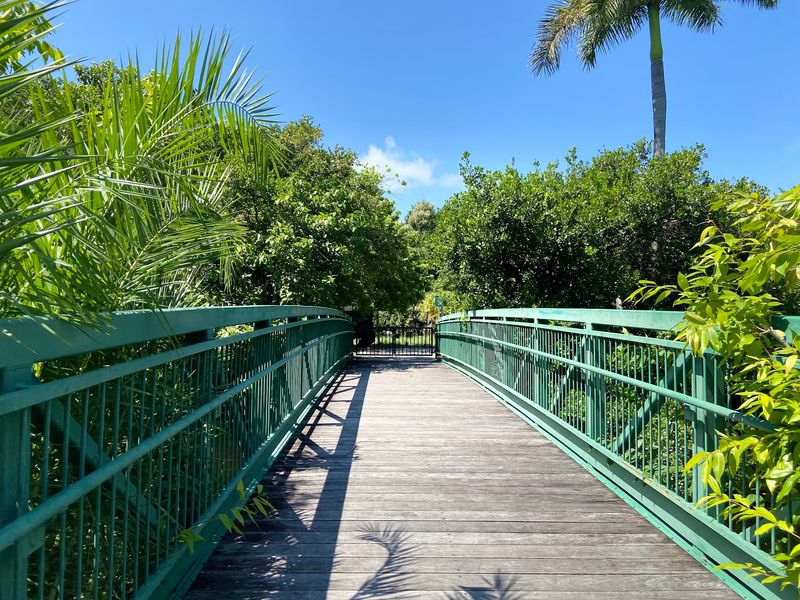
Where cages and exhibits once stood, the Crandon Park Nature Center now offers a completely different approach to wildlife. This facility focuses on environmental education, teaching visitors about South Florida’s natural ecosystems rather than displaying captive animals. The philosophical shift reflects changing attitudes toward conservation.
Inside, you’ll find interactive displays about coastal habitats, native species, and the park’s unique fossilized reef formations. Educational programs run throughout the year, giving families hands-on learning experiences. The center’s staff can explain the park’s zoo history and how it evolved into today’s nature preserve.
The surrounding grounds showcase native plant gardens and butterfly-attracting species. Walking trails connect to the broader park system, letting you explore different habitats. It’s a far cry from the old zoo’s concrete enclosures and imported exotic animals.
Free admission makes the nature center accessible to everyone, though donations help support their programs. Rangers lead guided eco-tours that reveal hidden aspects of the park’s ecology and history. You can learn about mangrove ecosystems, seagrass beds, and the importance of coastal habitat protection.
The transformation from zoo to nature center represents a broader environmental awakening. Instead of bringing exotic animals to Florida, the focus now celebrates the incredible biodiversity already here naturally.
5. Fossilized Reef Treasures
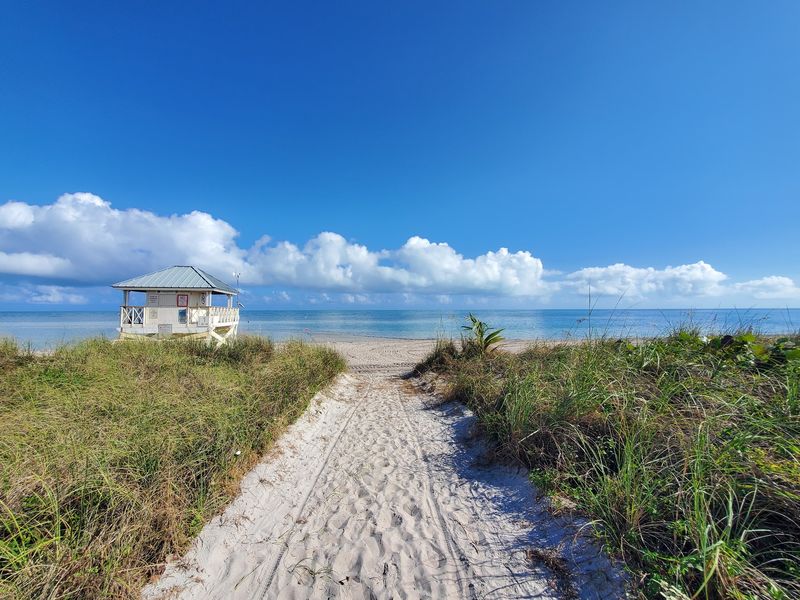
Crandon Park’s natural wonders rival anything the old zoo could have displayed. The park protects a remarkable fossilized mangrove reef that formed thousands of years ago when sea levels were higher. These ancient limestone formations peek through the sand at low tide, creating natural tide pools.
Snorkelers explore these underwater fossil beds, discovering colorful fish darting among the ancient structures. The fossilized reef provides crucial habitat for marine life while offering a glimpse into South Florida’s geological past. It’s like having a natural history museum right in the ocean.
The reef formations are fragile and protected, so visitors should look but not touch or stand on them. Their porous structure supports diverse sea life including small fish, crustaceans, and occasionally sea urchins. During calm days, the water clarity makes these formations easy to spot from the beach.
Geologists study these reefs to understand past climate conditions and sea level changes. For regular visitors, they’re simply a cool feature that makes Crandon Beach different from typical sandy shores. Kids love exploring the tide pools during low water periods.
This natural exhibit beats any zoo display because it’s authentic, living, and constantly changing with the tides. The fossilized reefs remind us that South Florida’s most impressive attractions have been here for millennia, long before anyone thought to build a zoo.
6. Coastal Habitat Diversity
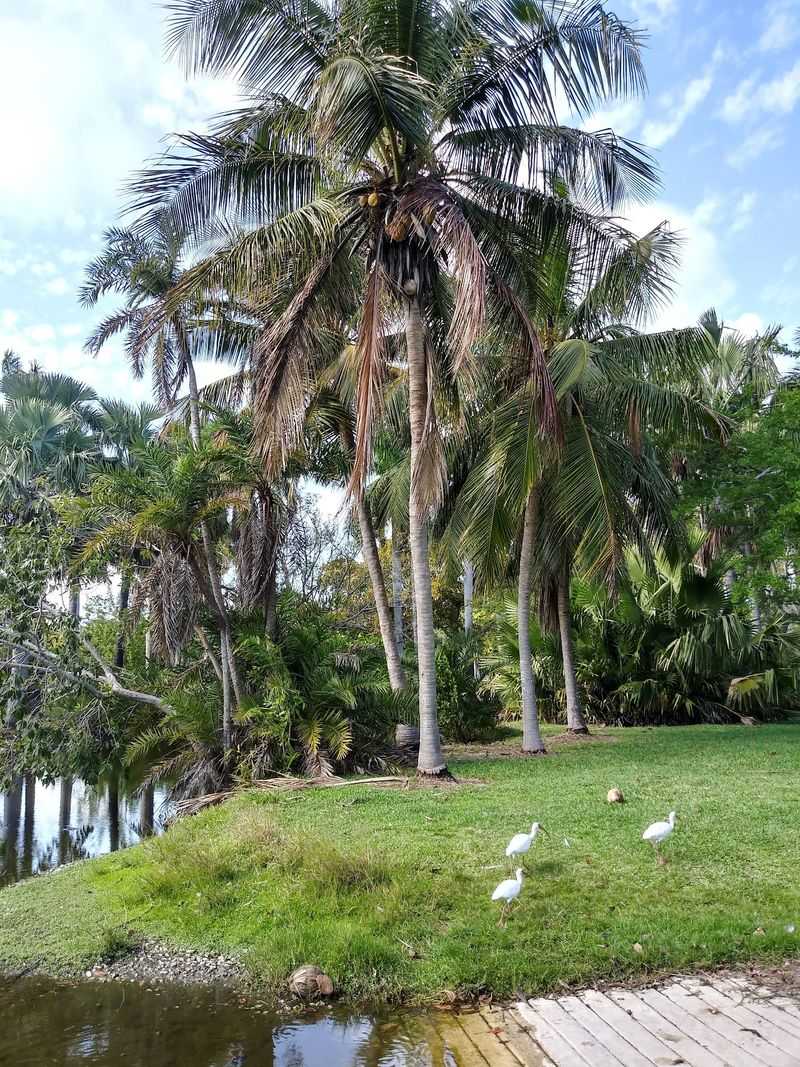
The former zoo site now protects multiple ecosystems packed into one park. Coastal dunes, mangrove forests, tropical hammocks, and seagrass beds all exist within walking distance of each other. This habitat diversity supports far more species than the old zoo ever housed.
Mangrove wetlands filter water and provide nursery habitat for countless fish species. Their tangled root systems create hiding spots for juvenile marine life, making them incredibly productive ecosystems. Walking trails let you explore these areas without disturbing the delicate balance.
Coastal hammocks feature hardwood trees adapted to salty conditions and occasional flooding. These shaded forests provide crucial stopover habitat for migratory birds traveling between North and South America. Birders flock here during migration seasons to spot rare species.
Dune vegetation stabilizes the beach and provides nesting sites for sea turtles and shorebirds. Native plants like beach peanut and Biscayne prickly ash grow in these harsh conditions where salt spray and intense sun challenge most species. Conservation efforts protect these rare plants from trampling and development.
Seagrass beds offshore support manatees, sea turtles, and fish populations. These underwater meadows produce oxygen and filter nutrients from the water. The interconnected habitats demonstrate that healthy ecosystems provide more wonder than any collection of caged animals ever could, proving nature’s own exhibits are the most impressive.
7. Wildlife Watching Opportunities
Crandon Park has become one of South Florida’s premier birdwatching destinations, attracting serious birders and casual observers alike. Over 200 bird species have been documented here, from common pelicans to rare migratory visitors. The variety of habitats supports this incredible diversity.
Brown pelicans perform dramatic diving displays offshore, plunging into the water to catch fish. Their prehistoric appearance and fishing techniques captivate beachgoers who pause to watch their hunting strategies. These birds have made remarkable recoveries after being endangered decades ago.
Herons and egrets stalk through shallow waters hunting for small fish and crustaceans. Their patient hunting style contrasts sharply with the pelicans’ aerial acrobatics. During low tide, you might spot a dozen different wading bird species working the exposed flats.
The park’s combination of beach, wetland, and forest habitats creates excellent birding conditions year-round. Migration seasons bring special excitement as warblers, tanagers, and other tropical species pass through. Some birders visit specifically hoping to add rare species to their life lists.
Beyond birds, observant visitors spot butterflies, dragonflies, and occasionally dolphins offshore. The wildlife viewing here happens naturally, without cages or scheduled feeding times. It’s unpredictable and authentic, making each sighting feel special.
This living, breathing ecosystem provides entertainment and education that no traditional zoo could match, celebrating South Florida’s natural heritage.
8. From Captivity to Conservation
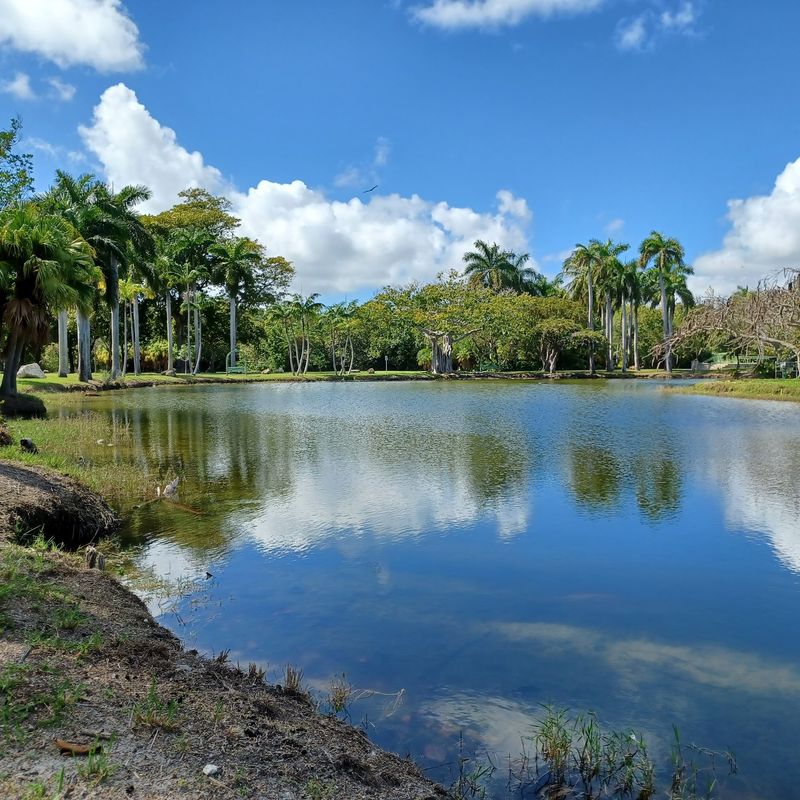
The transformation from zoo to conservation area reflects a broader cultural shift in how we value wildlife. Mid-century zoos prioritized entertainment and exotic spectacle, often at the expense of animal welfare. Today’s approach emphasizes habitat protection and education about local ecosystems.
Crandon Park’s evolution tells this story in microcosm. The old zoo brought distant animals to Florida for public viewing, while the current nature preserve celebrates species that naturally belong here. It’s a philosophical change that prioritizes ecological authenticity over novelty.
The peacocks and iguanas represent an ironic middle ground, neither truly native nor completely foreign anymore. They’ve become established parts of the local ecosystem, for better or worse. Their presence reminds us that human interventions have lasting consequences, even after facilities close.
Conservation programs now focus on protecting endangered native species like sea turtles and rare coastal plants. Educational initiatives teach visitors about ecosystem connections rather than simply displaying individual animals. The park demonstrates how natural areas can thrive when given proper protection.
This shift from zoo to nature preserve wasn’t just about changing exhibits. It required rethinking humanity’s relationship with wildlife and wild places. Crandon Park proves that sometimes the best way to appreciate animals is to protect their habitats and let them live naturally, creating experiences far more meaningful than any cage ever could provide to visitors seeking authentic connections with nature.