This Florida National Park Becomes Even More Magical After Dark
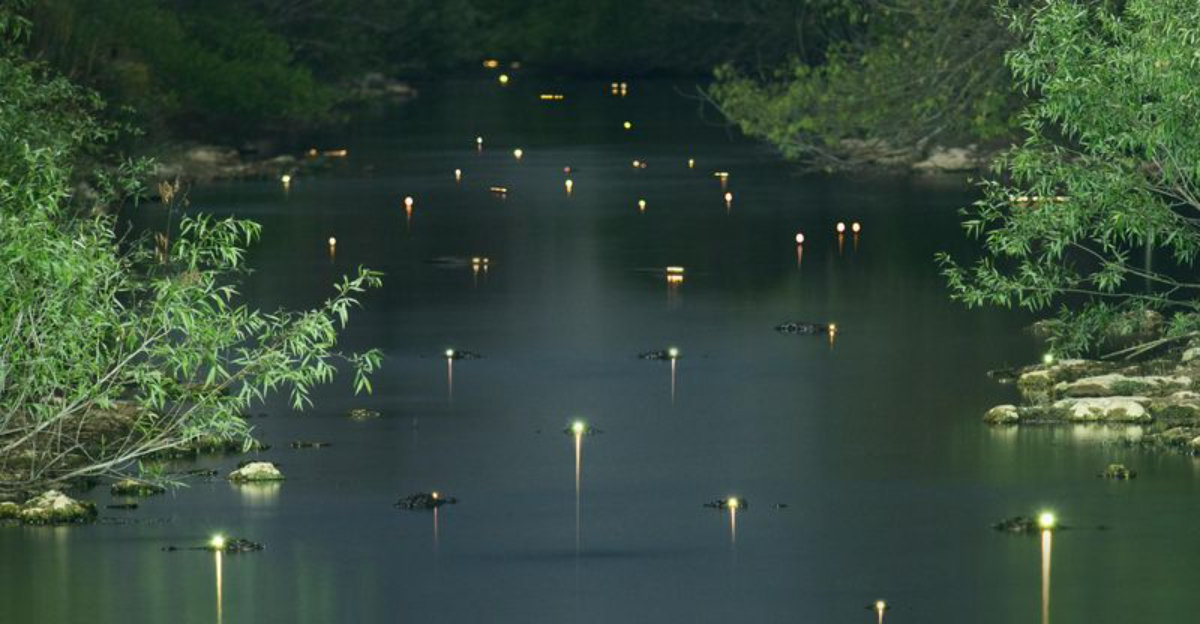
When the sun dips below the horizon at Everglades National Park, something remarkable happens. The wetlands transform into a completely different world where nocturnal creatures emerge and the night sky puts on a show that city dwellers rarely witness. This 1.5-million-acre wilderness becomes an after-dark wonderland that reveals secrets hidden during daylight hours, offering experiences you simply cannot find anywhere else in Florida.
1. Stargazing Under One of Florida’s Darkest Skies
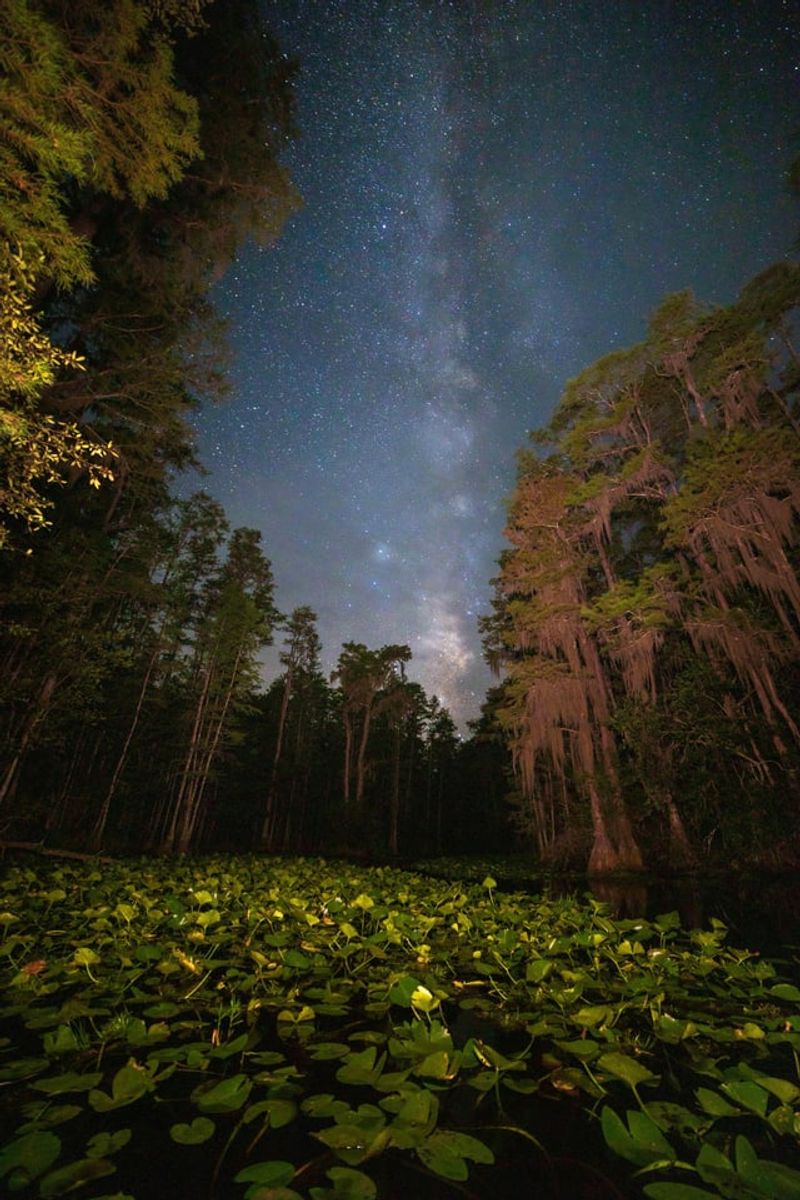
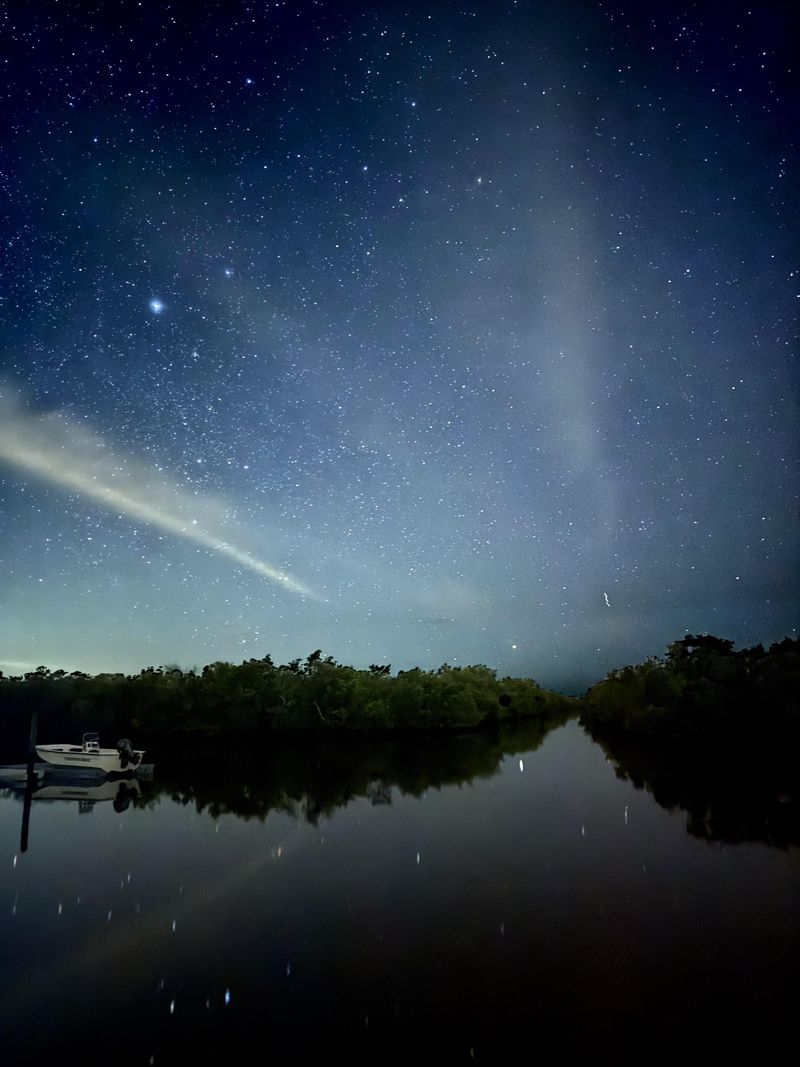
Far from Miami’s glow and the coastal light pollution, Everglades National Park offers some of the most spectacular stargazing opportunities in the entire state. The park’s remote location means minimal artificial light interference, allowing the Milky Way to stretch across the sky in brilliant detail that leaves first-time visitors absolutely speechless.
Flamingo and Pa-hay-okee Overlook are particularly outstanding spots for celestial observation. Bring a blanket and lie back on the boardwalk after sunset to watch constellations emerge one by one.
The park occasionally hosts ranger-led astronomy programs where experts help identify planets, stars, and deep-sky objects through telescopes. These events fill up quickly, so check the park calendar ahead of your visit.
Winter months offer the clearest skies with lower humidity and fewer mosquitoes to interrupt your cosmic contemplation. You’ll spot shooting stars, satellites gliding silently overhead, and if you’re lucky, the International Space Station making its predictable arc across the heavens.
Photography enthusiasts should bring tripods and experiment with long exposures to capture the stars reflecting in the shallow waters. The combination of sawgrass prairies meeting infinite sky creates compositions that look almost otherworldly.
Pack layers because temperatures drop significantly after dark, even in Florida. The experience of seeing thousands of stars while surrounded by wild wetlands creates memories that last forever.
2. Alligator Eye Shine Tours Reveal Nighttime Predators
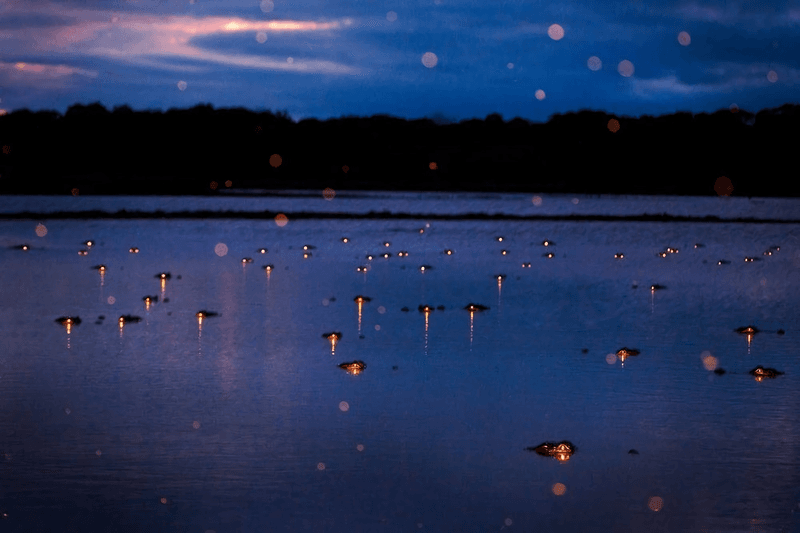
Nothing quite prepares you for the eerie beauty of dozens of red pinpoints glowing back at you from the darkness. Alligator eye shine tours have become one of the park’s most thrilling after-dark adventures, revealing just how many prehistoric predators share these waters with visitors during the day.
When flashlight beams hit alligator eyes at night, a reflective layer called the tapetum lucidum causes them to glow bright red or orange. This biological feature helps gators see in low light, making them incredibly effective nocturnal hunters that dominate the Everglades food chain.
Ranger-led programs and authorized tour operators offer guided night walks or boat excursions specifically designed for spotting these magnificent creatures. You’ll learn to distinguish alligator eyes from other wildlife and understand their nighttime behaviors that differ dramatically from daytime patterns.
The experience feels both thrilling and slightly unnerving as you realize how many alligators surround popular daytime trails. Some visitors count over fifty pairs of glowing eyes during a single evening excursion through prime habitat areas.
Anhinga Trail and Shark Valley become completely different landscapes after sunset when these apex predators emerge to hunt. The sounds change too, with bellowing males and splashing movements replacing the relative quiet of daylight hours.
Always participate with authorized guides who understand safe distances and animal behavior. These tours provide unforgettable encounters while respecting wildlife boundaries and park regulations.
3. Bioluminescent Waters in Certain Seasons
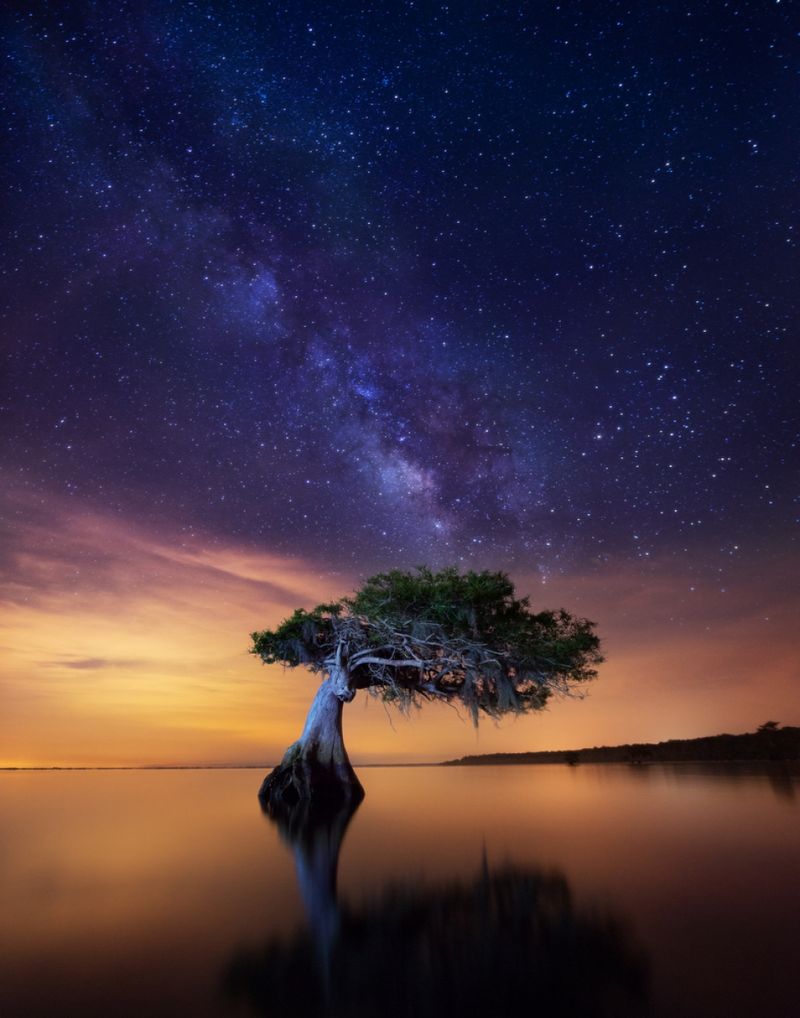
During warmer months, particularly summer and early fall, parts of the Everglades coastal waters transform into something resembling a fairytale. Bioluminescent dinoflagellates create glowing blue-green sparkles with every paddle stroke, turning kayaking adventures into magical experiences that feel completely surreal.
These microscopic organisms light up when disturbed, producing chemical reactions that create visible light without heat. As your paddle cuts through the water, trails of ethereal glow follow each movement like underwater fireworks.
The phenomenon occurs most reliably in the mangrove tunnels and coastal areas near Flamingo, especially on moonless nights when the darkness amplifies the bioluminescence. Tour operators offer specialized bioluminescence kayaking trips that time departures to maximize this natural light show.
Fish darting beneath your kayak leave glowing streaks, and if you’re brave enough to dip your hand in the water, you’ll watch sparkles cascade off your fingers. The experience feels almost magical, like something from a science fiction movie brought to life.
Conditions need to align perfectly for the best displays including warm water temperatures, calm seas, and high concentrations of the right plankton species. Check with local guides about current conditions before planning your trip.
This phenomenon remains one of Florida’s best-kept secrets, offering experiences that rival more famous bioluminescent bays in other parts of the world. Cameras struggle to capture the full effect, making it one of those rare experiences best enjoyed in the moment.
4. Full Moon Kayak Adventures Through Mangrove Tunnels
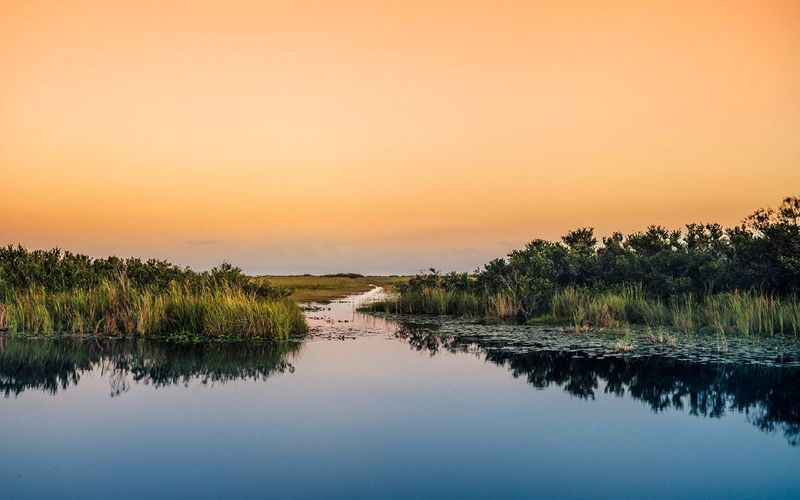
Paddling through the Everglades’ famous mangrove tunnels takes on an entirely different character when moonlight replaces sunshine. Full moon kayak tours have exploded in popularity as visitors discover the peaceful beauty of navigating these natural corridors under lunar illumination that casts everything in silvery tones.
The mangrove roots create cathedral-like passages overhead, and during full moons, enough light filters through to navigate without headlamps. The silence becomes profound, interrupted only by paddle drips and the occasional splash of mullet jumping in the shallows.
Nine Mile Pond and Hell’s Bay offer excellent full moon paddling opportunities with marked trails that prevent getting lost in the maze of waterways. The cooler nighttime temperatures make summer paddling far more comfortable than midday excursions that leave you drenched in sweat.
Wildlife behaves differently under moonlight, with wading birds feeding in the shallows and raccoons prowling the mangrove edges. You might spot crocodiles in the coastal areas, their eyes reflecting your headlamp if you need to use it in darker tunnel sections.
Guided tours provide the safest introduction to nighttime paddling, with experienced leaders who know the routes intimately and understand tides, currents, and wildlife patterns. Solo paddlers should have excellent navigation skills and inform someone of their plans.
The combination of physical activity, natural beauty, and the slight thrill of nighttime adventure creates experiences that feel both calming and exhilarating. Many visitors describe it as meditative, a chance to disconnect completely from everyday stress.
5. Night Sounds Concert of Frogs and Insects
Close your eyes after sunset in the Everglades and you’ll experience a natural symphony that rivals any concert hall. Thousands of frogs, crickets, and other insects create layered soundscapes that change throughout the night, with different species taking their turns in this wetland orchestra.
Pig frogs produce deep grunting calls that sound exactly like their name suggests, while cricket frogs add higher-pitched chirps to the mix. The volume can become almost overwhelming during peak breeding seasons when males compete vocally for mates.
Each season brings different performers to the stage. Spring features the most diverse chorus as multiple frog species breed simultaneously, creating complex harmonies that researchers study to understand ecosystem health and species diversity.
Royal Palm and Anhinga Trail areas offer excellent listening spots where boardwalks put you right in the middle of the action. Bring a camp chair and simply sit, allowing the sounds to wash over you in waves of natural rhythm.
Insect sounds follow temperature patterns, with warmer nights producing faster chirping rates. Some visitors even use cricket chirps to estimate temperature, counting chirps in fifteen seconds and adding forty to get approximate Fahrenheit degrees.
Recording these soundscapes has become popular among nature enthusiasts and sound artists who capture the Everglades’ acoustic signature. The experience provides a reminder that wilderness appreciation extends beyond visual beauty to encompass all senses in rich, multidimensional ways.
6. Camping Under the Stars at Designated Sites
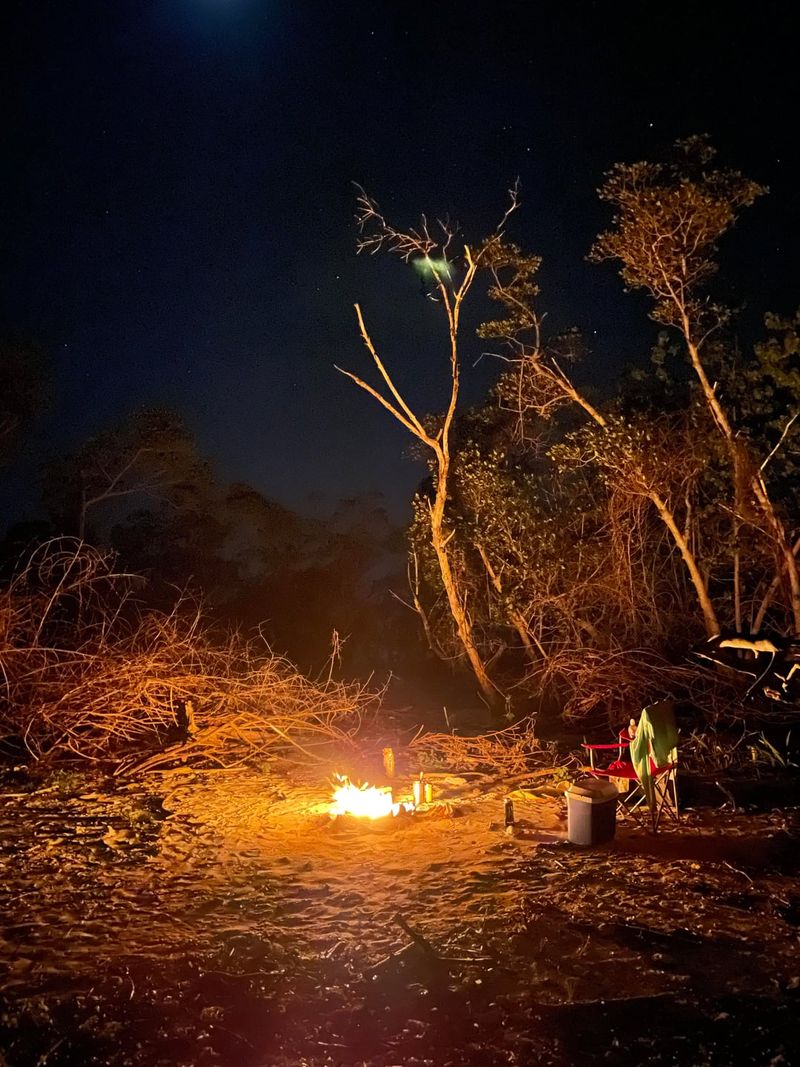
Spending the night actually inside the park transforms your Everglades experience from day trip to immersive wilderness adventure. Long Pine Key and Flamingo campgrounds offer front-row seats to the after-dark magic, with canvas between you and some of Florida’s wildest nighttime action.
Flamingo sits at the park’s southern tip where freshwater Everglades meet Florida Bay, creating unique ecosystems that attract incredible wildlife diversity. Camping here means falling asleep to gentle waves and waking to spectacular sunrises over the water.
Long Pine Key campground nestles among slash pine forests, offering more shade and slightly cooler temperatures than the exposed Flamingo location. The pinelands host different wildlife than the coastal areas, including the occasional Florida panther passing through on nocturnal hunts.
Both campgrounds provide restrooms, potable water, and picnic tables, but the real amenities are the natural ones including dark skies, wildlife sounds, and the freedom to explore trails at dawn when animals are most active.
Winter camping offers the most comfortable conditions with mild temperatures and minimal bugs, though summer campers brave the heat and mosquitoes are rewarded with fewer crowds and lower fees. Always check weather forecasts because summer thunderstorms can be intense.
Backcountry camping takes the experience even further, with chickee platforms and ground sites accessible only by canoe or kayak. These remote spots offer ultimate solitude and the chance to experience the Everglades as few visitors ever do, surrounded completely by wilderness in every direction.
7. Photography Golden Hour and Blue Hour Magic
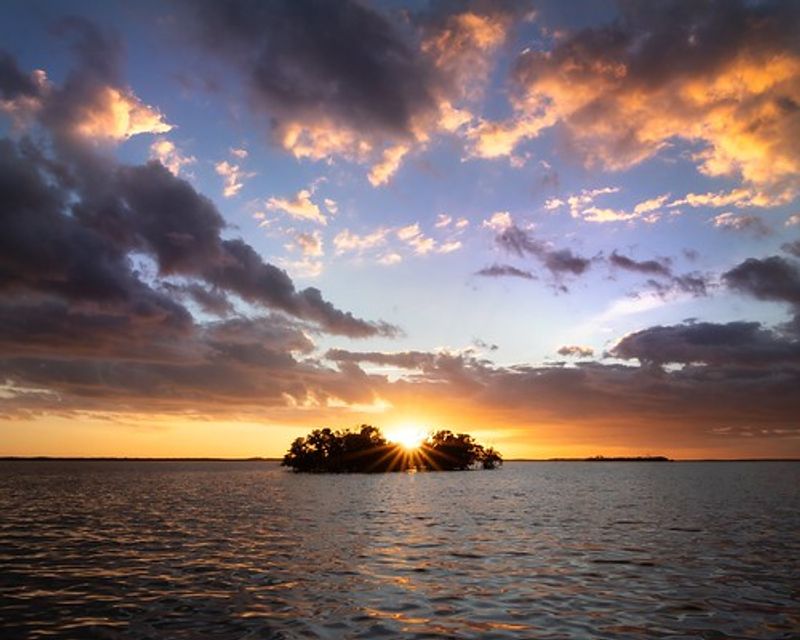
Photographers know that the hours surrounding sunset and sunrise offer the most spectacular light, and the Everglades delivers both golden hour warmth and blue hour mystery in absolutely stunning fashion. The flat landscape and reflective waters create mirror images that double the visual impact of colorful skies.
Golden hour bathes the sawgrass in warm amber tones while long shadows add dramatic depth to landscapes that can appear flat in harsh midday sun. Wading birds become silhouettes against fiery skies, creating compositions that win photography contests and grace calendars.
Blue hour follows sunset when the sky takes on deep indigo hues while the western horizon still glows with residual light. This brief window offers moody, atmospheric shots that capture the transition from day to night in ways that feel almost mystical.
Pa-hay-okee Overlook and Mahogany Hammock provide elevated perspectives perfect for capturing the vast wetland expanse. Arrive early to scout compositions and set up tripods before the light reaches its peak intensity.
Wildlife photography improves dramatically during these transitional hours when animals become more active and the soft light eliminates harsh shadows. Alligators hunting at dusk, birds returning to roosts, and deer emerging to feed all offer compelling subjects.
Long exposures during blue hour can capture star trails beginning to form while foreground elements remain visible. Experiment with different shutter speeds to find the perfect balance between sky detail and motion blur in the grasses swaying in evening breezes.