10 Charming Florida Towns With Trails, Springs, and Wild Places Nearby
Florida’s best-kept secrets aren’t found on crowded beaches or theme park maps. Tucked between rivers, springs, and forests are small towns where nature takes center stage and adventure starts right outside your door. These ten communities offer the perfect mix of walkable streets, local character, and wild places close enough to explore before lunch.
1. High Springs
Old Florida charm meets serious outdoor access in this north-central hub. High Springs sits at the crossroads of several major springs systems, making it a launching point for tubing, swimming, and paddling adventures that feel worlds away from tourist traps.
Ichetucknee Springs State Park lies just minutes north, where six miles of crystal-clear river flow through shaded hammocks. The water stays a constant 72 degrees year-round, perfect for lazy floats on summer afternoons. Multiple entry points let you customize your trip length.
Beyond the springs, forested trails wind through limestone sinkholes and hardwood canopy. Local outfitters rent tubes and provide shuttle service, so you can focus on the scenery instead of logistics. Downtown offers cafes, antique shops, and restaurants housed in century-old buildings.
The town hosts festivals throughout the year, celebrating everything from pioneer heritage to craft beer. Lodging ranges from riverside campgrounds to historic bed-and-breakfasts. High Springs proves you don’t need a crowded resort to find Florida’s natural beauty—just a willingness to explore beyond the interstate.
2. Dunnellon
Rainbow Springs pumps out nearly 500 million gallons of water daily, creating one of Florida’s most photographed natural attractions. The main spring boils up in shades of turquoise and emerald, surrounded by azalea gardens and towering oaks that have stood for generations.
Dunnellon built itself around this aquatic treasure. The paved Dunnellon Trail follows the Rainbow River for miles, crossing over the Withlacoochee River on historic trestle bridges. Cyclists, joggers, and casual walkers share the path, which connects parks, neighborhoods, and river access points.
Paddling the Rainbow River ranks among Florida’s top kayak experiences. The water stays so clear you can count fish from your boat, and submerged vegetation sways in the current like underwater prairies. Tubing is equally popular, though swimming areas get crowded on hot weekends.
Downtown Dunnellon keeps things low-key with antique stores, local diners, and weekend farmers markets. The town celebrates its river heritage without overdoing the tourist angle. State park admission covers gardens, trails, and swimming areas, making it an affordable day trip with serious wow factor.
3. Micanopy
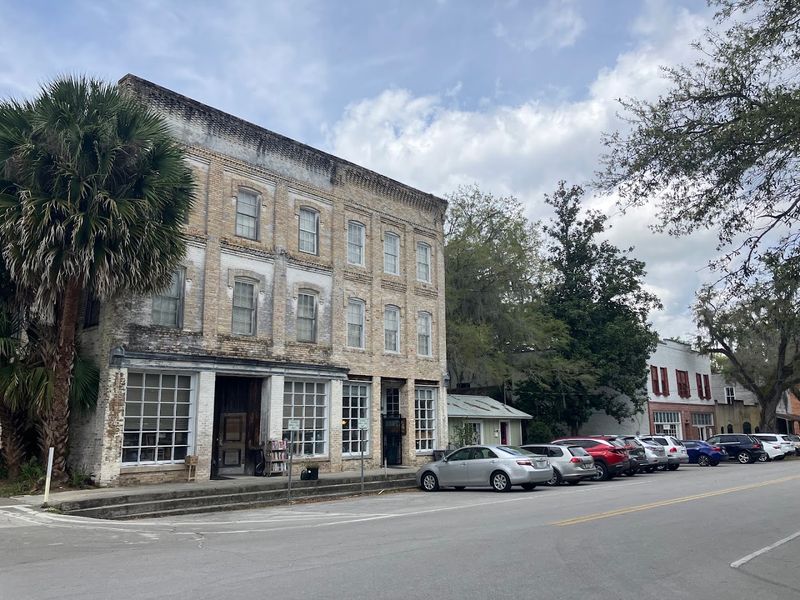
Antique hunters know Micanopy as Florida’s oldest inland town, where oak-shaded streets and preserved buildings create a living history lesson. What many visitors miss is the wild prairie waiting just beyond those vintage storefronts.
Paynes Prairie Preserve State Park sprawls across 21,000 acres of wetlands, pine flatwoods, and open savanna. Eight distinct trails let you choose your adventure—from easy boardwalks over marsh to longer hikes through habitat where bison and wild horses roam free. Yes, actual bison, reintroduced to restore the ecosystem to its historical state.
Alligators sun themselves along La Chua Trail, which offers guaranteed wildlife sightings from a safe observation platform. Birders flock here for species counts that regularly top 200 during migration seasons. The prairie floods seasonally, transforming from grassland to shallow lake depending on rainfall.
Back in town, browse shops packed with furniture, books, and collectibles spanning multiple generations. Local restaurants serve Southern comfort food in buildings older than most Florida cities. The combination of authentic history and accessible wilderness makes Micanopy feel like a secret worth keeping—except it’s too good not to share.
4. Inverness
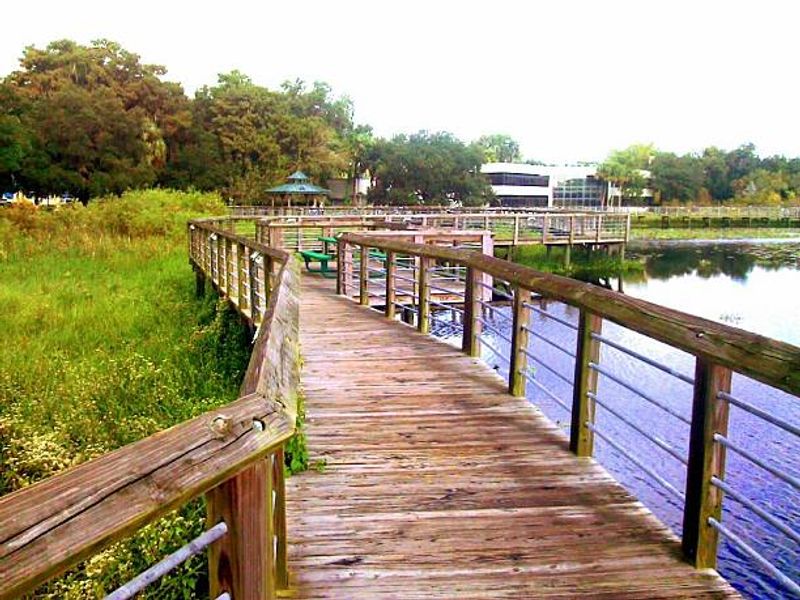
The Withlacoochee State Trail runs 47 miles through central Florida, and Inverness sits right in the middle of it. This paved rail-trail attracts cyclists from across the state, but walkers and inline skaters use it just as much. The route passes through tunnel-like tree canopy, open wetlands, and small-town main streets.
Fort Cooper State Park adds another dimension to Inverness outdoor offerings. Trails loop around Lake Holathlikaha—try saying that three times fast—through pine and oak forest where deer browse at dawn and dusk. The lake itself provides fishing, paddling, and swimming in a spring-fed environment that stays refreshingly cool.
Downtown Inverness curves around a courthouse square that looks straight out of the 1950s. Local shops, cafes, and a historic movie theater give the town center plenty of charm. Lakefront paths connect parks and neighborhoods, creating a walkable network beyond the main trail.
Wildlife sightings come standard here. Sandhill cranes stalk through suburban yards like they own the place, and eagles nest in tall pines overlooking the lakes. Inverness manages to feel both comfortably small and surprisingly connected to wild Florida—a balance that’s harder to find than you’d think.
5. DeLand
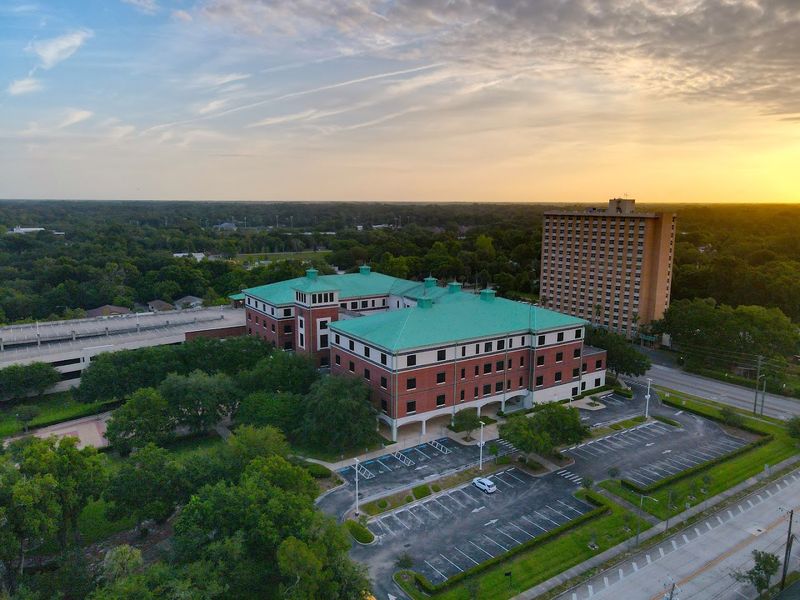
Manatees congregate at Blue Spring every winter, turning the crystal-clear run into an underwater gathering place for these gentle giants. Boardwalks let you watch from above as dozens of manatees drift and socialize in water so transparent it looks Photoshopped. Currently, day-use reservations are required, so plan ahead.
DeLand serves as home base for this natural spectacle and much more. Hontoon Island State Park sits across the St. Johns River, accessible only by boat or passenger ferry. Trails cross the island through ancient shell mounds left by Timucuan people centuries ago.
Paddling routes wind through backwater channels where alligators and wading birds barely acknowledge your presence.
The town itself deserves exploration beyond its outdoor assets. Stetson University brings collegiate energy to tree-lined streets filled with historic homes and brick storefronts. Downtown cafes, breweries, and restaurants occupy buildings that predate air conditioning, now updated with modern menus and local ingredients.
Athens Theatre hosts live performances in a restored venue that’s been entertaining audiences since 1922. Weekend farmers markets, art festivals, and vintage car shows keep the calendar full. DeLand proves Florida towns can balance nature access with cultural offerings—you just need to know where to look.
6. White Springs
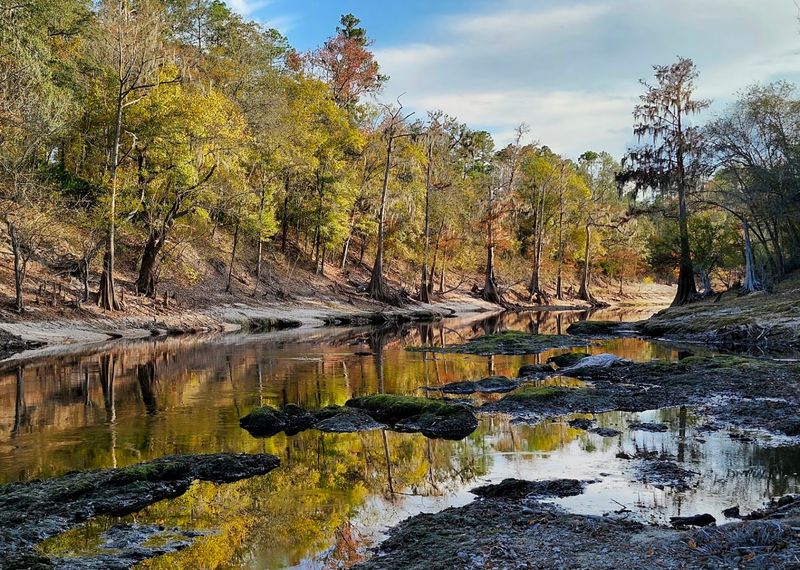
Stephen Foster never actually visited the Suwannee River he made famous, but White Springs celebrates his musical legacy anyway. The Folk Culture Center preserves his memory alongside exhibits on Florida folk traditions, craft demonstrations, and a carillon tower that plays his compositions across the river valley.
What draws outdoor enthusiasts here isn’t nostalgia—it’s Big Shoals State Park. More than 30 miles of trails cut through pine flatwoods and hardwood hammocks along the Suwannee River. The shoals themselves create Florida’s only Class III whitewater rapids, a geological oddity in a state known for flat terrain and gentle currents.
Paddlers tackle the rapids during high water, while hikers explore trails that range from easy riverside walks to challenging backcountry loops. Wildlife includes black bears, gopher tortoises, and river otters that play in eddies below the shoals. Primitive camping puts you deep in forest that feels untouched by modern Florida.
White Springs maintains a quiet, almost forgotten atmosphere that works in its favor. No crowds, no traffic, no corporate tourism. Just a small town beside a legendary river, surrounded by wild places that reward anyone willing to venture off the main roads.
7. Milton
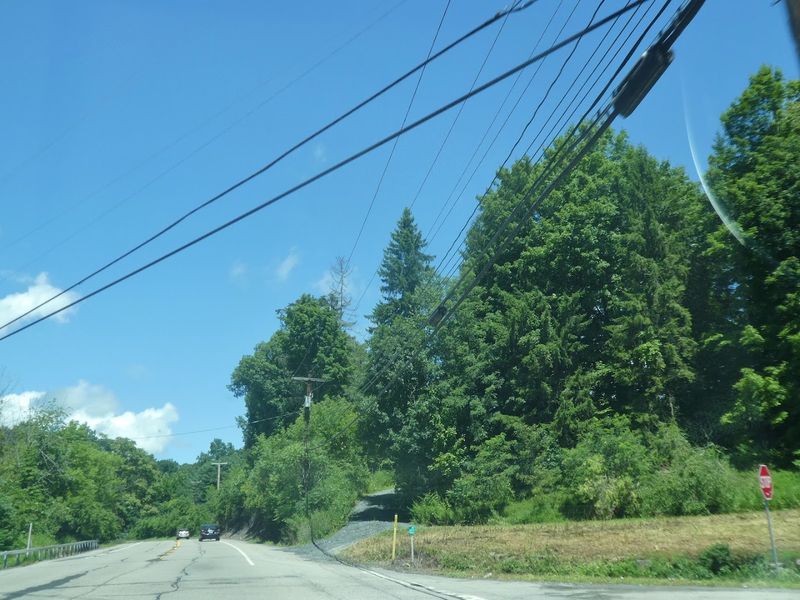
Blackwater River earns its name from tannins leached from cypress and oak, creating water the color of strong tea. Despite the dark appearance, it’s incredibly clean—clean enough to support diverse aquatic life and attract paddlers seeking Florida’s most pristine river experience.
The Blackwater Heritage State Trail runs directly through Milton, connecting the town to Blackwater River State Park along an old railroad corridor. The paved path draws cyclists, runners, and nature watchers through longleaf pine forests that once covered millions of Southern acres. Now they’re rare enough to protect.
State park trails wind through these same forests to sugar-white sandbars that look transplanted from tropical beaches. The sand comes from ancient quartz deposits, ground fine by millennia of water flow. Swimming holes stay cool even in summer, shaded by overhanging branches and fed by springs that bubble up through the sand.
Milton’s downtown has seen better days, but recent revitalization brings new restaurants, breweries, and shops to historic buildings. The town embraces its river heritage without turning it into a theme park. Canoe and kayak outfitters provide rentals and shuttles for trips ranging from a few hours to multi-day camping adventures downstream.
8. Cedar Key
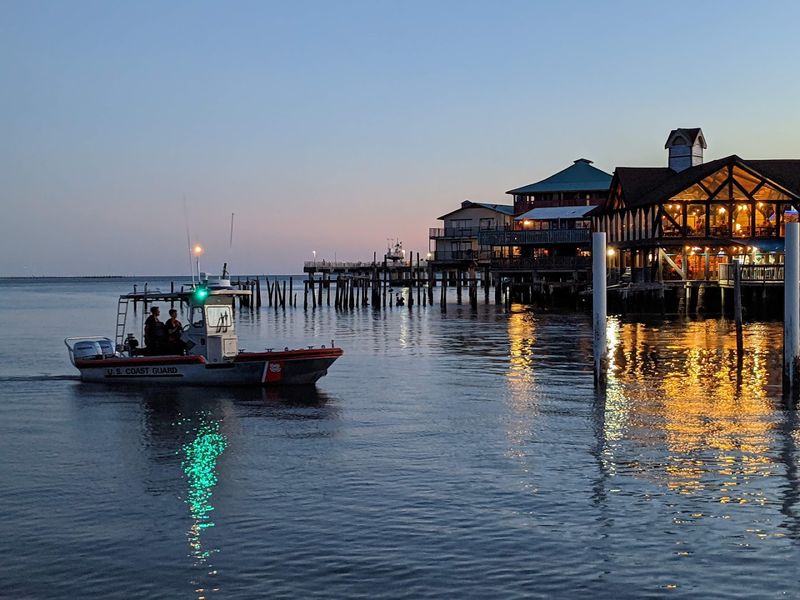
Getting to Cedar Key requires commitment—it sits at the end of a causeway where Florida’s Big Bend meets the Gulf. That isolation keeps crowds manageable and preserves the fishing village atmosphere that vanished from most coastal towns decades ago.
Thirteen islands make up Cedar Keys National Wildlife Refuge, protecting nesting habitat for birds that migrate thousands of miles to raise their young here. Paddling routes thread through salt marshes where dolphins surface beside your kayak and rays glide over seagrass beds. Nature trails on the main island wind through coastal hammock and out to observation points overlooking endless marsh.
The town itself occupies a small island connected to the mainland by a short bridge. Historic buildings house seafood restaurants, art galleries, and shops selling coastal crafts. Clam farming still supports local economy, and fresh seafood comes straight from boats tied up at the dock.
Don’t expect resort amenities or nightlife. Cedar Key moves at its own pace, dictated by tides and weather rather than tourism trends. Sunsets paint the Gulf in colors that change daily, watched from docks where pelicans roost and fishing lines dangle into the current.
It’s Florida the way it used to be—quieter, simpler, closer to nature.
9. Mount Dora
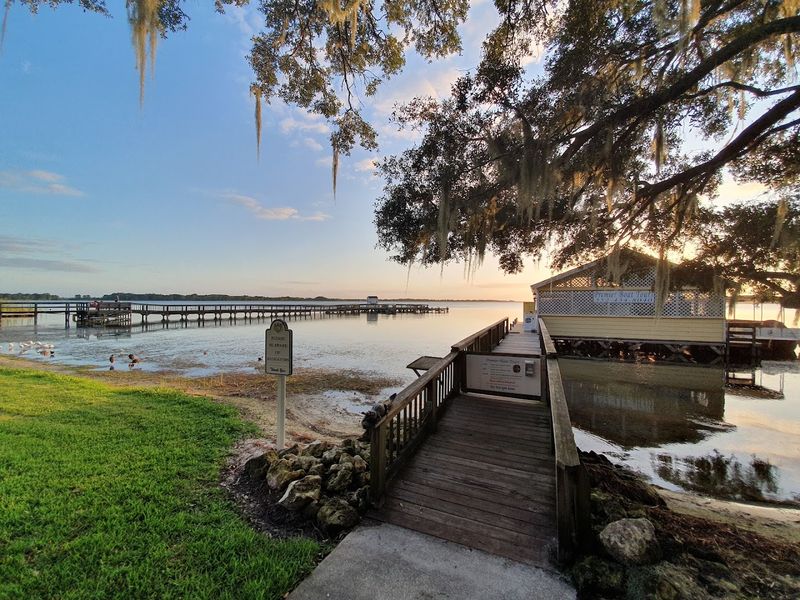
Mount Dora built its reputation on antiques, festivals, and New England-style charm transplanted to Central Florida. The walkable downtown, lakefront parks, and historic architecture draw weekend crowds, but serious nature lies just beyond the city limits.
Lake Apopka North Shore restoration project transformed former farmland into 20,000 acres of wetland habitat. An extensive trail network includes paved paths, boardwalks, and a wildlife drive that circles marshes where alligators, wading birds, and bald eagles thrive. Birders record hundreds of species here, making it one of Florida’s top birding destinations.
The contrast between quaint downtown and wild wetlands happens in minutes. You can browse shops filled with vintage treasures, eat lunch at a lakeside cafe, then watch roseate spoonbills feed in shallow water before sunset. Mountain bikes handle the trail system well, though walking lets you spot more wildlife.
Mount Dora hosts festivals nearly every month—art shows, craft fairs, music events, holiday celebrations. The town knows how to draw visitors without losing its essential character. Between festivals, it settles into a comfortable rhythm of local life, lake breezes, and easy access to natural areas that prove Central Florida still has wild corners worth protecting.
10. Sebring
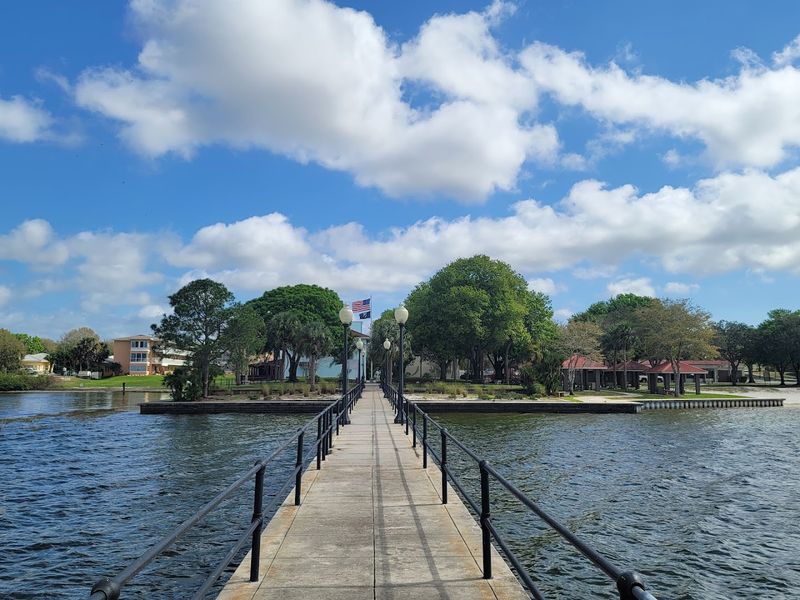
Highlands Hammock State Park protects old-growth forest that predates European settlement—trees so massive they dwarf modern Florida standards. Boardwalk trails loop through hammock where ferns carpet the ground and air plants drape from branches like natural chandeliers. The forest creates its own microclimate, cooler and damper than surrounding scrubland.
Sebring uses the park as its outdoor anchor, but the town itself centers around racing heritage and citrus industry roots. Lake Jackson wraps around the downtown core, providing waterfront paths and small parks. The contrast between manicured lakefront and wild hammock happens quickly here.
Park trails access habitat used by deer, alligators, black bears, and the elusive Florida panther. Sightings aren’t guaranteed—these animals know how to avoid humans—but tracks, scat, and occasional camera trap photos confirm their presence. Rare plant species thrive in the hammock’s unique conditions, protected from development that claimed similar forests elsewhere.
Sebring keeps things unpretentious. No tourist crowds, no manufactured attractions, just a working town with exceptional natural resources nearby. The park charges a modest entrance fee that covers all trails, picnic areas, and tram tours through sections closed to foot traffic.
It’s old Florida at its finest—genuine, accessible, and worth the drive from anywhere in the state.