These 10 Florida Suburbs Are Getting So Expensive That Middle-Class Families Are Being Priced Out
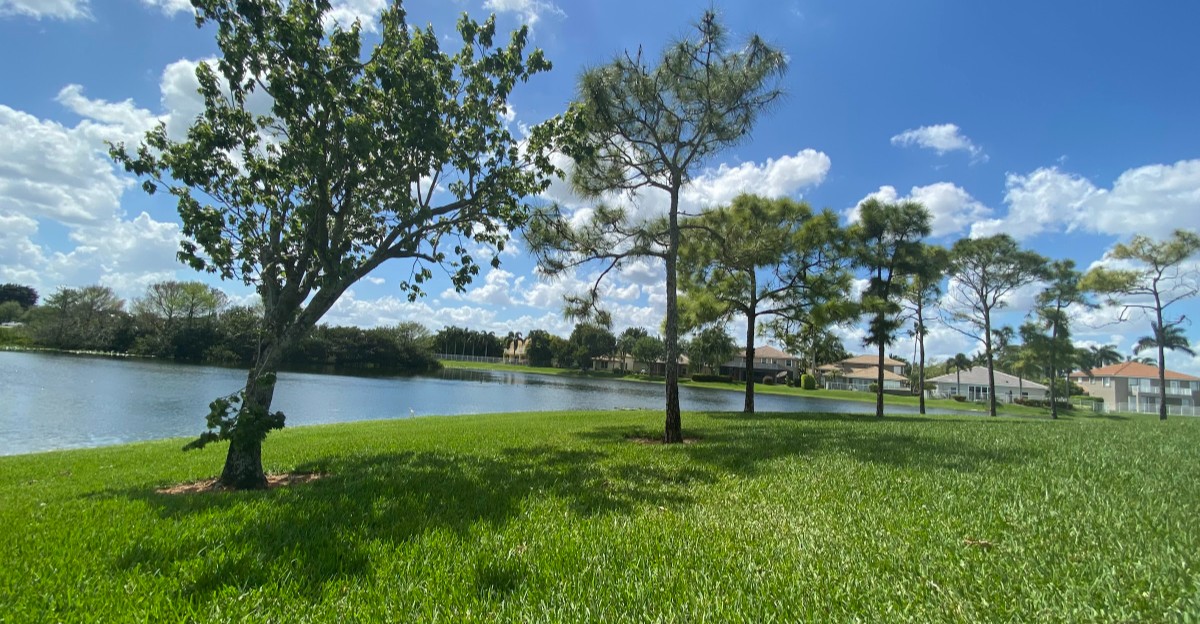
Two neighbors in Florida can own nearly identical houses and pay wildly different property tax bills. Blame the Save Our Homes rule, which caps annual increases in a homesteaded home’s assessed value at 3 percent or the rate of inflation, whichever is lower.
Longtime owners get protected. New buyers generally have their property’s assessed value reset to its current market value the following tax year, although homestead exemptions and other benefits may reduce their taxes. Add rising insurance costs, and the monthly math can get scary fast.
I find that wild, honestly. The same street can hold a family that bought decades ago and a family stretching every paycheck to keep up.
Some suburbs feel this squeeze more than others. They have great schools, pretty lakes, golf courses, or beaches, and buyers keep lining up. So which places are drifting out of reach for regular working families, and what makes people want them so badly in the first place?
1. Windermere
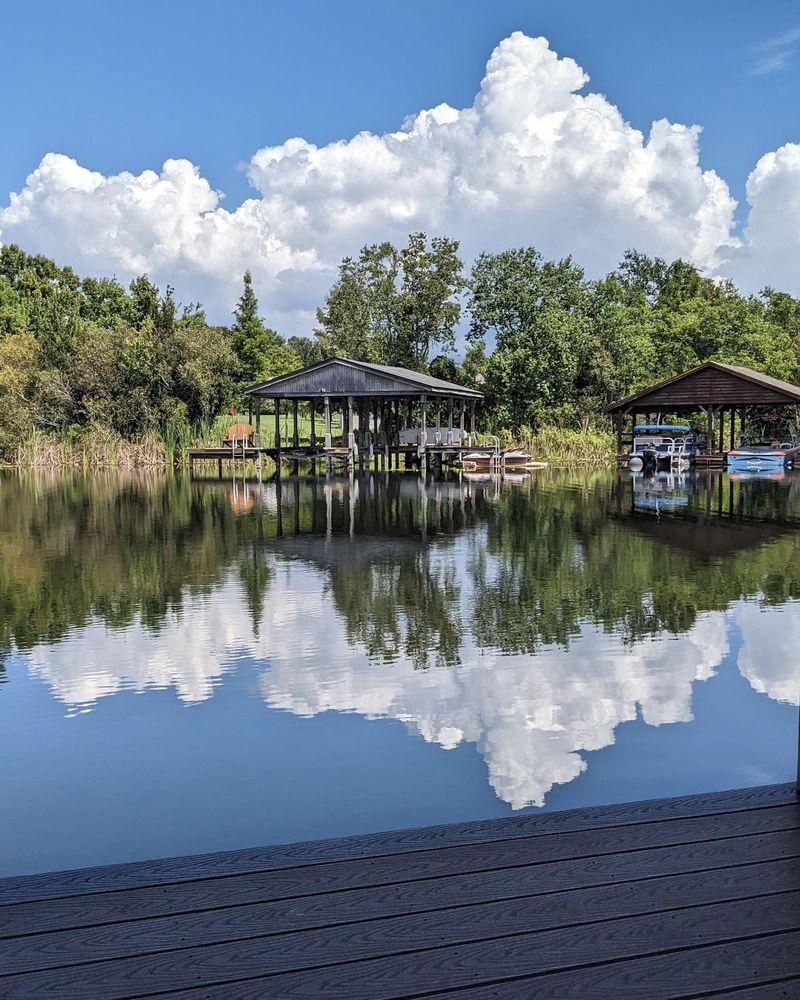
Few towns brag about dirt roads, but Windermere keeps some of its sandy lanes on purpose. That small-town charm sits just southwest of Orlando, and buyers can’t get enough of it.
The town is tiny, with only a few thousand residents. Land is limited, so when demand rises, prices have nowhere to go but up.
Water is the big draw here. Windermere sits along the Butler Chain of Lakes, a string of connected lakes popular for boating and lakefront living.
Lakefront homes in this area attract high-end buyers from around the country. When those sales set the tone, regular homes nearby start climbing too.
Location adds even more pressure. You’re close to the theme park corridor and major Orlando job centers, which keeps the area in high demand.
Families also like the area’s schools and its quiet, tree-lined streets. Shady oaks and Spanish moss give the town a storybook look that real estate photos love.
So what does that mean for a middle-class family? Often, it means looking just outside town limits, in nearby parts of southwest Orange County.
Even those spots have gotten pricier as people chase the Windermere address. A mailing address can carry surprising weight in this market.
Want the lifestyle without the price tag? Visit the town center, enjoy the lakes from public spots, and keep your search area wide.
Sometimes the smartest move is loving a place from a few miles away. Your budget will thank you, and the lakes aren’t going anywhere.
Address: Windermere, Florida 34786
2. Winter Park
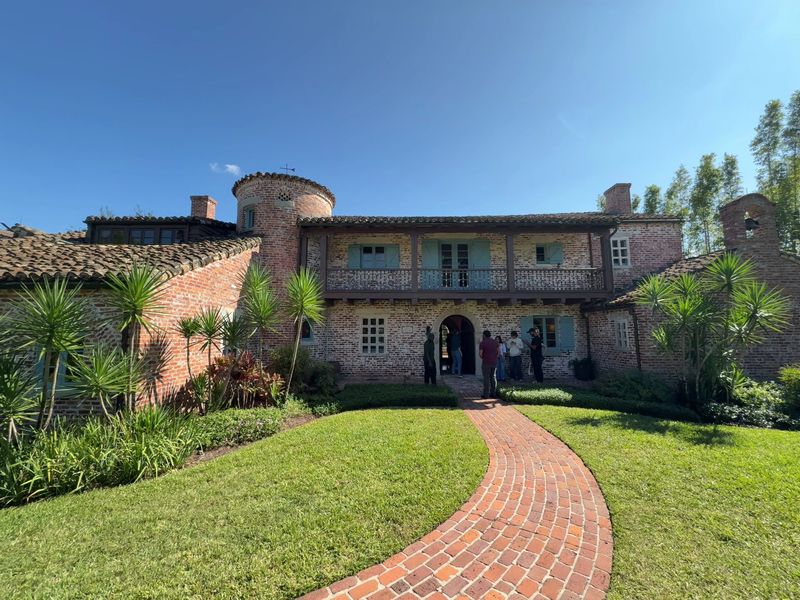
Brick streets, a college campus, and a boat tour through lakes and canals sound like a postcard. Winter Park pulls off that charm right next door to Orlando.
Park Avenue is the town’s showpiece. Boutiques, cafes, and shady sidewalks line the street, with Central Park right alongside it.
Rollins College adds a classic campus feel to the neighborhood. The Morse Museum of American Art, known for its Tiffany glass collection, gives the town real cultural bragging rights.
Then there’s the Scenic Boat Tour. It glides through the Winter Park Chain of Lakes and narrow canals past grand lakeside homes.
Those homes tell you a lot about local prices. Older, smaller houses often get torn down and replaced with much bigger ones.
When that happens, starter homes disappear from the market. Young families lose the very houses that once helped people get a foot in the door.
Winter Park also has a SunRail station, which makes commuting easier. Convenience like that tends to push demand even higher.
Is there still hope for regular budgets? Condos and townhomes can offer a lower entry point, though they come with association fees to check carefully.
Nearby areas like Maitland and parts of Orlando also share some of the same perks. You can still stroll Park Avenue on a Saturday without living on it.
Honestly, that might be the best deal in town. Walk, browse, ride the boat, then head home happy.
Address: Winter Park, Florida
3. Coral Gables
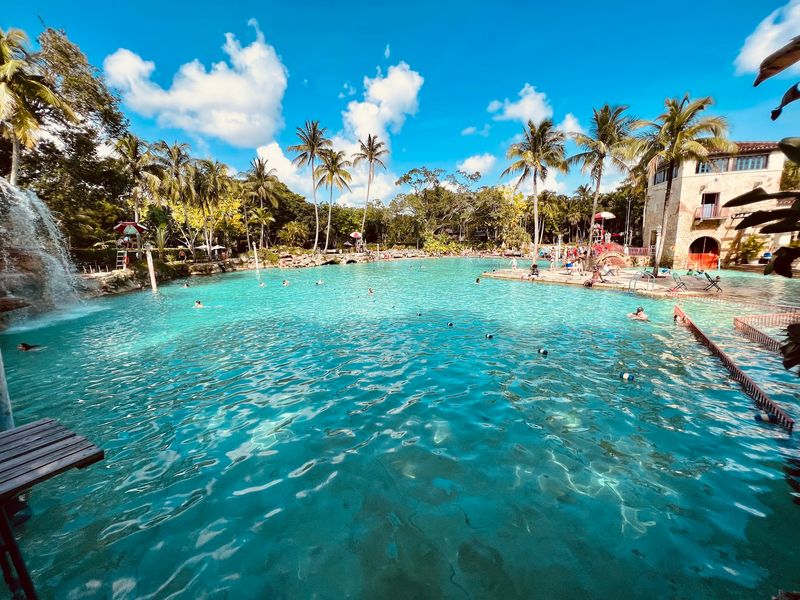
Paint your house the wrong color in Coral Gables, and you might hear about it from the city. Strict design rules have shaped this place since George Merrick planned it in the 1920s.
The city calls itself The City Beautiful, and it earns the name. Mediterranean Revival homes, banyan-lined streets, and fancy entrance gates give it a look unlike most of Florida.
Landmarks make it even more special. The Venetian Pool, carved from an old coral rock quarry, and the Biltmore Hotel are local icons.
Miracle Mile offers shopping and dining in a walkable downtown. The University of Miami sits here too, bringing students, staff, and steady housing demand.
All that beauty comes with a cost. Protected architecture and limited land keep the supply of homes tight.
Coral Gables also borders Miami, so it’s close to major jobs. Buyers with deep pockets compete hard for houses here.
For middle-class families, renting has become tricky too. Apartments near downtown and the university fill up fast.
Thinking about moving here? Look at older condos or homes on the edges of the city, and compare insurance quotes early.
Insurance can change a monthly budget more than you’d expect in South Florida. A pretty house means little if the bills keep you up at night.
Even if buying isn’t possible, a swim at the Venetian Pool feels like a mini vacation. That’s one luxury almost anyone can enjoy.
Address: Coral Gables, Florida
4. Weston
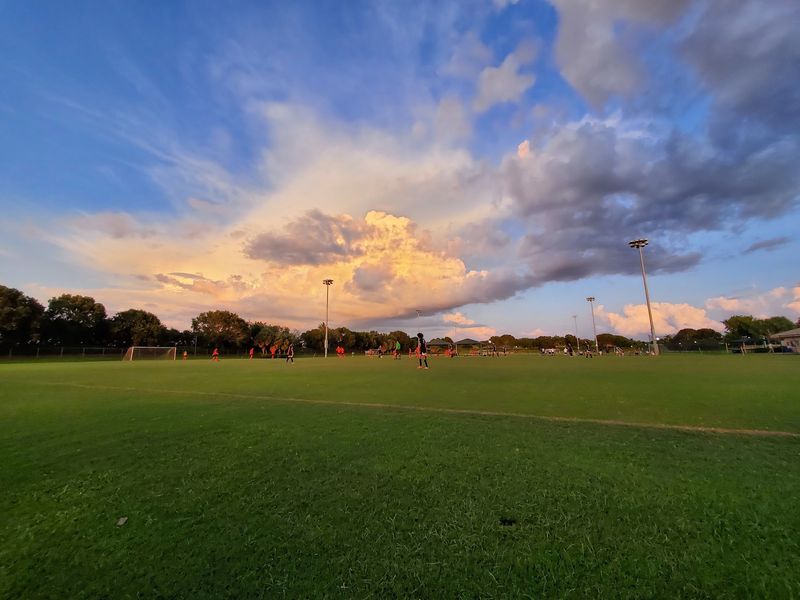
Neat lawns, matching street signs, and lakes around nearly each corner make Weston look carefully designed. It was, because developers planned this western Broward County community from the start.
Weston became a city in 1996. Since then, it has built a reputation for safety, tidy neighborhoods, and well-regarded schools.
The city sits right at the edge of the Everglades. That means there’s very little room left to build new homes.
Limited land plus strong demand is a recipe for rising prices. Families who want in often face bidding battles.
Many neighborhoods also have homeowners associations. Those fees cover things like landscaping and amenities, but they add to the monthly bill.
Parks and sports fields are a big part of life here. Weekends often revolve around youth leagues, bike paths, and lakeside walks.
That family-friendly reputation is exactly why prices keep climbing. Parents moving from pricier cities sometimes see Weston as a bargain, which pushes costs higher for locals.
So how can a middle-class family compete? Townhomes and condos may offer a more realistic starting point than single-family houses.
It also helps to compare total costs, not just the sale price. Taxes, association fees, and insurance can change the picture quickly.
Weston proves that a well-planned suburb can be a victim of its own success. Good planning made it popular, and popularity made it expensive.
Address: Weston, Florida
5. Parkland
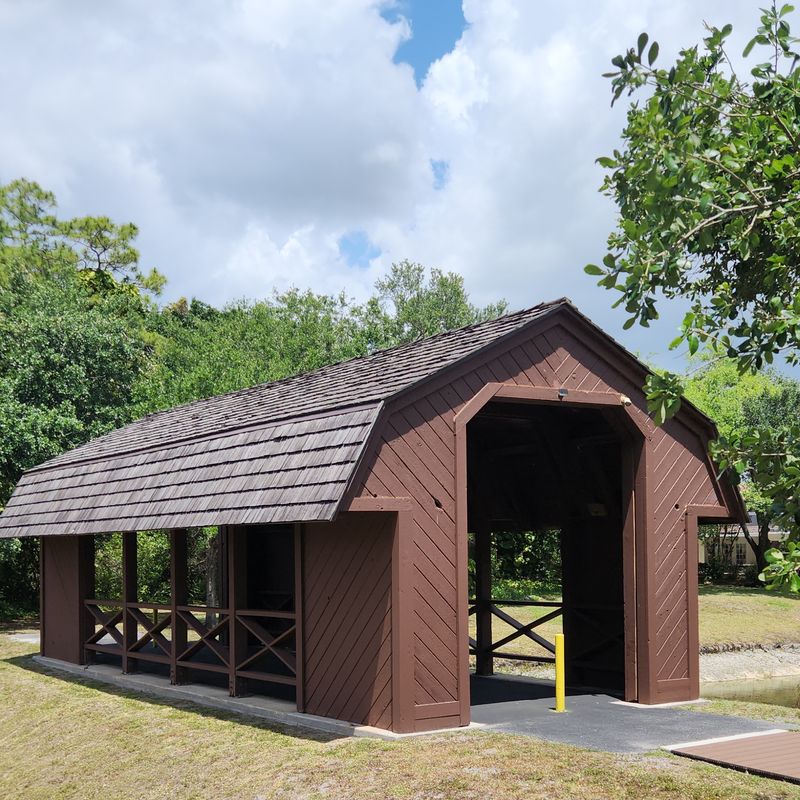
Horse trails in a South Florida suburb? Parkland has long held onto a rural, equestrian feel in northern Broward County.
Big lots and lower-density neighborhoods set it apart from busier nearby cities. You’ll see more trees and wide spaces than tall buildings.
That roomy layout is a major selling point. It also means fewer homes per acre, which keeps supply limited.
Newer communities in Parkland often feature large houses with modern designs. Those homes tend to sit at the upper end of the local market.
Schools are another big reason families look here. Parents often put school zones at the top of their wish lists.
Put all of that together, and prices climb quickly. Middle-class buyers may find the starter-home choices thin or missing.
Parkland also has a strong park system, true to its name. Trails, sports fields, and green spaces help the city live up to the label.
If Parkland feels out of reach, nearby Coral Springs and Coconut Creek are worth a look. They share some of the same perks at a range of price points.
Keep an eye on commute times too. Northern Broward can mean longer drives to big job centers in Fort Lauderdale or Miami.
Parkland shows how space has become a luxury in Florida. A big backyard used to be normal, and now it feels like a prize.
Address: Parkland, Florida
6. Pinecrest
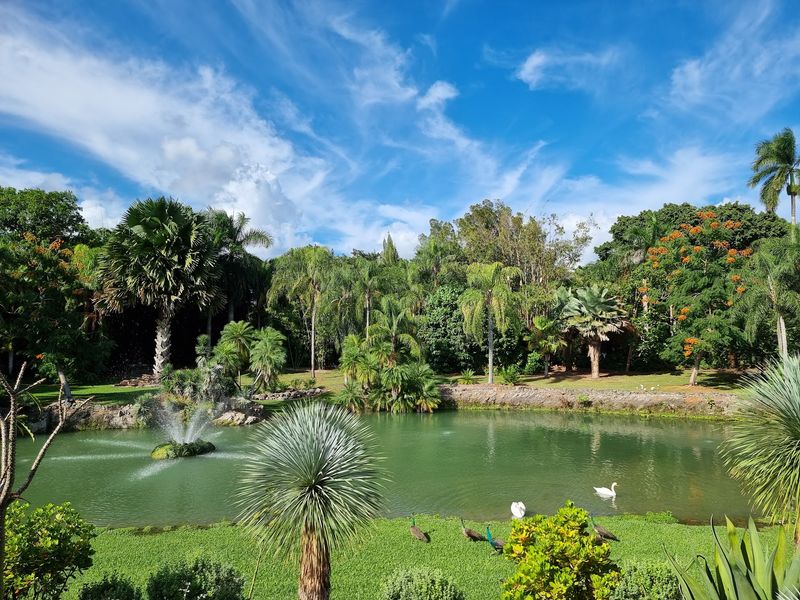
Parrots once ruled a famous corner of Pinecrest. The original Parrot Jungle site is now Pinecrest Gardens, a lush village park south of downtown Miami.
That leafy, tropical feel spreads across the whole village. Big lots, mature trees, and quiet streets make it feel tucked away from city chaos.
Pinecrest became a village in 1996. It has since earned a reputation as one of Miami-Dade’s most sought-after places to live.
Schools play a huge role in that demand. Families often move here specifically for the school options nearby.
Most homes are single-family houses on generous lots. There aren’t many apartments or condos to give buyers a cheaper way in.
That lack of variety hits middle-class families hard. When the only choice is a large house, the entry price stays high.
Location seals the deal. You’re close to Coral Gables, Dadeland, and the Metrorail, so getting around Miami is easier.
Hoping to enjoy Pinecrest without buying there? Visit Pinecrest Gardens for its trails, gardens, and community events.
For housing, neighboring areas like Palmetto Bay or South Miami may offer more options. Prices there have risen too, so shop with patience.
Pinecrest is proof that shade trees and good schools are worth a lot in Florida. Maybe more than anyone expected.
Address: Pinecrest, Florida 33156
7. Key Biscayne
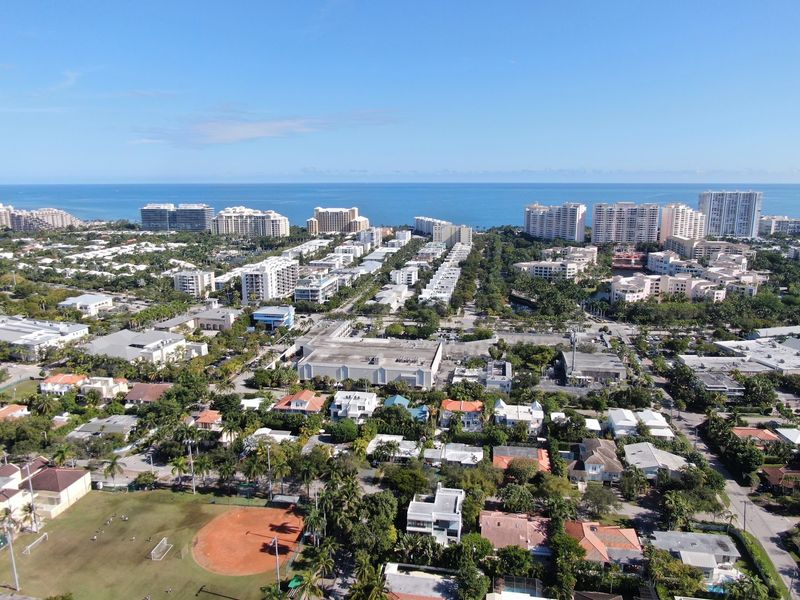
Getting home on Key Biscayne means crossing the Rickenbacker Causeway, with Biscayne Bay sparkling on both sides. Not a bad daily commute, right?
This island village sits just across the water from Miami. It feels like a beach town, yet downtown skyscrapers are only a short drive away.
At the island’s southern tip stands the Cape Florida Lighthouse. Originally completed in 1825 and rebuilt in 1846 after suffering damage during the Second Seminole War, it’s the oldest standing structure in Miami-Dade County.
The lighthouse sits inside Bill Baggs Cape Florida State Park. Crandon Park, with its wide beach, covers much of the northern end.
With parks taking up so much land, there’s not much room for housing. A small supply of homes on an island is a pricey combination.
Many residents live in condos along the beach. Even those can cost more than single-family houses in many other Florida towns.
Island living brings extra costs too. Insurance and building repairs near salt water can strain any household budget.
For middle-class families, renting here can also be a stretch. Seasonal demand keeps pressure on prices.
The good news? You can still visit the beaches and lighthouse park as a day trip from the mainland.
Pack snacks, bring sunscreen, and enjoy the island without the mortgage. That’s a smart kind of luxury.
Address: Key Biscayne, Florida 33149
8. Palm Beach Gardens
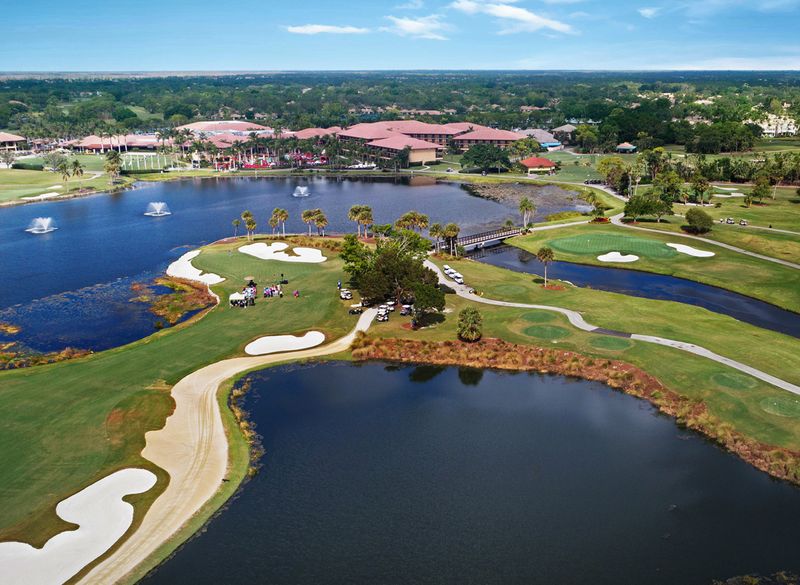
Golf fans know Palm Beach Gardens as home to PGA National, which hosts a major PGA Tour event. Fairways here are practically part of the local scenery.
The city was founded by billionaire John D. MacArthur. It was incorporated in 1959 and grew into a major suburb north of West Palm Beach.
Golf communities, shopping centers, and parks fill the map. The Gardens Mall is a well-known shopping spot for the region.
Big companies and financial firms moving to Palm Beach County have added fuel to demand. More high-paying jobs often mean higher home prices nearby.
Many neighborhoods are gated and come with clubs or amenities. Those perks can carry big membership costs and association fees.
Families looking for a regular three-bedroom home may feel squeezed. Older neighborhoods can still offer options, but competition is strong.
Renters face their own challenge too. As buyers get priced out, more people compete for rentals, pushing rents higher.
Looking for a little breathing room? Communities a bit farther north or west, like Jupiter Farms or parts of Palm Beach County’s western areas, may be worth checking.
Always ask about club fees before falling in love with a house. A golf view is lovely, but it isn’t free.
Palm Beach Gardens is a reminder that a growing economy brings both chances and challenges. Great jobs can come with a steep housing bill.
Address: Palm Beach Gardens, Florida
9. Ponte Vedra Beach
One tiny island green has made Ponte Vedra Beach famous worldwide. The 17th hole at TPC Sawgrass swallows golf balls by the thousands during The Players Championship.
The PGA Tour also has its headquarters here. That alone tells you how closely this area is tied to golf.
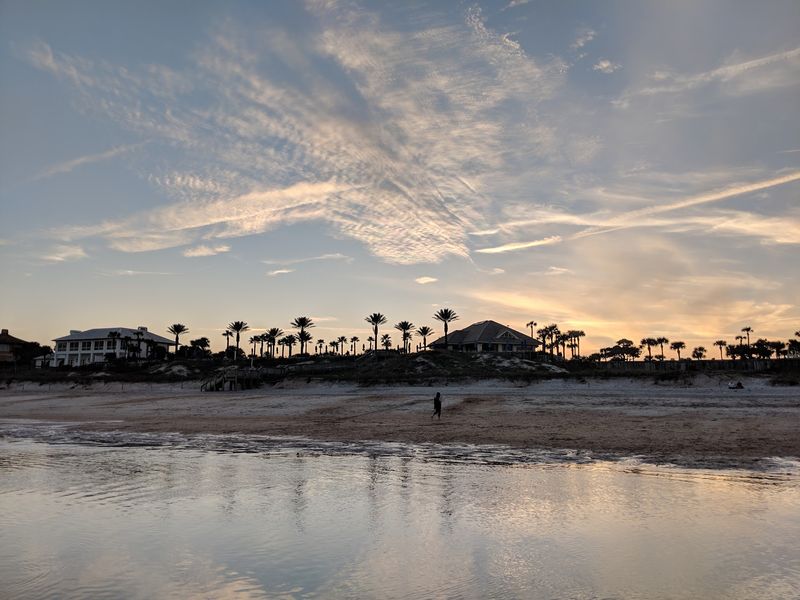
Ponte Vedra Beach sits in St. Johns County, southeast of Jacksonville. It offers Atlantic beaches, golf courses, and quiet coastal neighborhoods.
St. Johns County schools are often praised, and that attracts families. Many parents move to the county just for the school system.
Beachfront and golf course homes set a very high bar for prices. Even homes away from the water have felt the ripple effect.
The area is also unincorporated, meaning it isn’t its own city. Services come through the county, but the address still carries big appeal.
So where can middle-class families look instead? Nearby areas around Jacksonville Beach or inland parts of St. Johns County may offer more choices.
Growth has pushed prices up in those places too, so research is key. Compare commute times, schools, and insurance costs side by side.
You don’t need a mansion to enjoy this coast. Public beach access lets you soak up the sun and ocean breeze.
Ponte Vedra Beach shows how fame can follow a golf hole all the way to the housing market. One little island green, one very big price tag.
Address: Ponte Vedra Beach, Florida 32082
10. Gulf Breeze
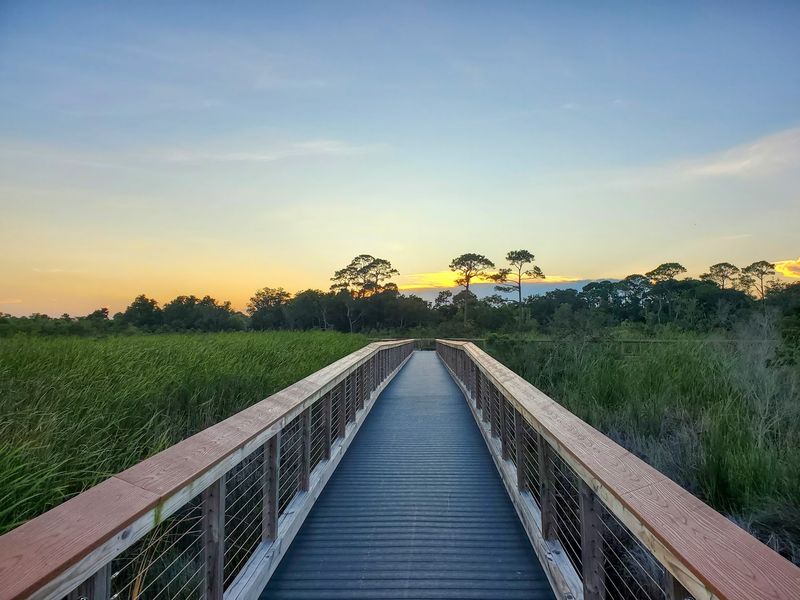
Out in the Florida Panhandle, a small peninsula city sits between Pensacola and some of the whitest sand on the Gulf Coast. Gulf Breeze has location working hard in its favor.
Cross the Pensacola Bay Bridge from Pensacola, and you’re there. Keep going over another bridge, and you reach Pensacola Beach.
That in-between spot is a huge selling point. Residents get quick beach access without living right on the busy shoreline.
Gulf Breeze also borders the Naval Live Oaks area of Gulf Islands National Seashore. Trails wind through protected oak forest along the water.
Protected land is wonderful for nature lovers. It also means less space for new homes, which helps keep prices high.
The city’s schools have a strong reputation in the region. Families often name them as a big reason for moving here.
Military families are part of the Pensacola area too, thanks to nearby Naval Air Station Pensacola. Steady demand from many directions keeps the housing market tight.
Waterfront homes add another layer of cost. Flood insurance and storm-ready building needs can raise expenses quickly.
Middle-class buyers might explore nearby Midway or areas along Navarre for more options. Drive the commute first, especially during busy bridge traffic.
Gulf Breeze proves Florida’s affordability crunch isn’t just a South Florida story. Even the Panhandle has its pricey pockets, and this one is a beauty.
Address: Gulf Breeze, Florida