This Coral Gables Gem Blends Mediterranean Beauty With Florida History
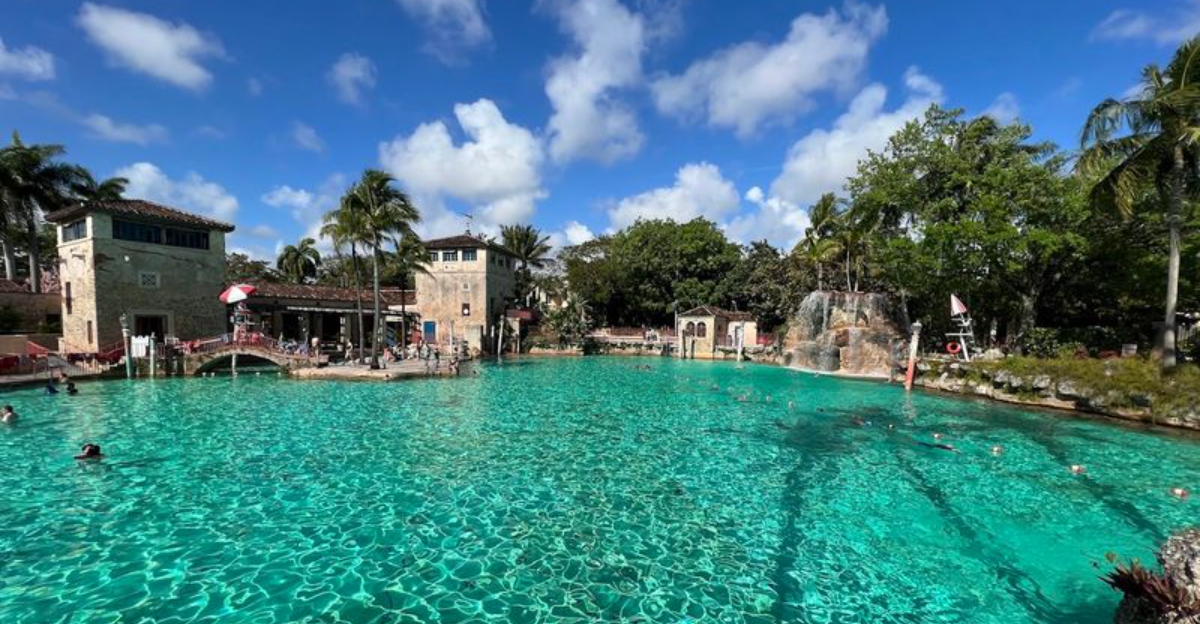
Carved from a historic coral rock quarry, Venetian Pool is one of Florida’s most remarkable landmarks and a true hidden treasure in Coral Gables. Inspired by Mediterranean architecture, this iconic swimming destination features cascading waterfalls, graceful bridges, palm-lined walkways, and crystal-clear spring-fed water that creates a setting unlike any ordinary pool. Originally opened in 1924, it has welcomed generations of visitors while preserving its unique historic character and timeless beauty.
The refreshing water is naturally replenished, adding to the pool’s reputation as one of the state’s most distinctive places to cool off. Whether you’re drawn by its fascinating history, elegant design, or picturesque surroundings, Venetian Pool offers an unforgettable experience that blends Old World charm with Florida sunshine, making it a must-visit destination for travelers exploring the Miami area.
A Quarry Turned Paradise
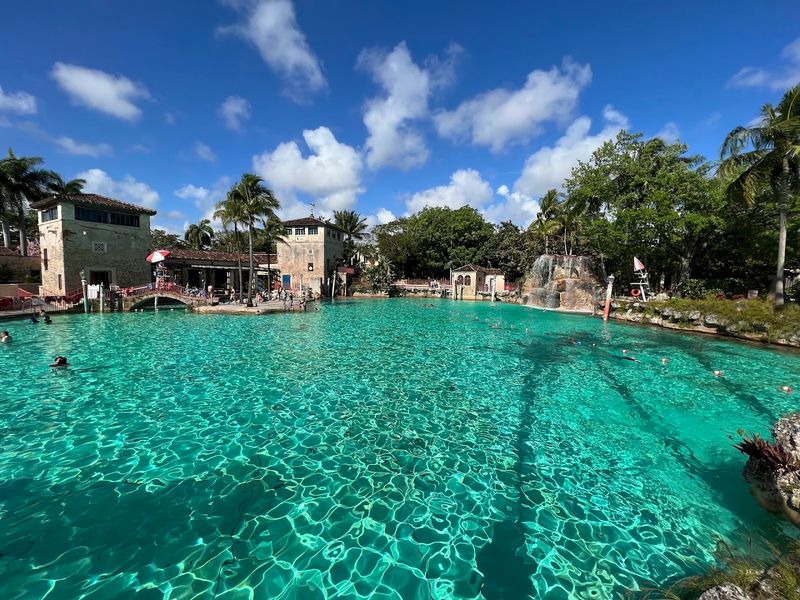
Back when Coral Gables was just getting started, developer George Merrick faced a problem. His workers had dug a massive coral rock quarry to build the city’s signature Mediterranean Revival buildings, leaving behind a giant hole in the ground. Instead of filling it in or abandoning it, Merrick hired architect Denman Fink and artist Phineas Paist to reimagine the space as something spectacular.
What they created was nothing short of genius. Using the natural coral formations as a foundation, they designed a lagoon-style pool that looked like it belonged on the Italian coast rather than in South Florida. Venetian-style bridges, porticos, and loggias were added to enhance the Mediterranean vibe.
The result was a 820,000-gallon swimming hole that opened to the public in 1924 and immediately became the place to see and be seen.
The pool’s transformation didn’t stop there. Throughout the 1920s and 30s, it served as a glamorous backdrop for fashion shows, beauty pageants, and even appearances by Hollywood stars. Esther Williams herself filmed scenes here, cementing the pool’s reputation as a tropical Hollywood set come to life.
Today, the quarry origins remain visible in the textured coral walls that surround the pool. Running your hand along these rough surfaces connects you directly to Miami’s building boom era. The same rock that built Coral Gables’ grand estates now forms the bones of this aquatic playground.
Walking through the entrance feels like stepping through a portal to 1920s Florida. The architecture hasn’t been modernized into oblivion like so many historic sites. Instead, careful preservation keeps the original magic alive while meeting current safety standards.
You’re swimming in living history, quite literally in the same water-filled quarry that amazed visitors nearly 100 years ago.
Spring Water Refreshed Daily
Forget chlorine-heavy public pools that leave your eyes stinging and hair crunchy. The Venetian Pool fills itself with approximately 820,000 gallons of fresh spring water pumped from an underground aquifer beneath Coral Gables. During the busy summer months, this entire volume gets drained and refilled daily, giving you some of the cleanest swimming conditions you’ll find anywhere in South Florida.
The water temperature hovers around 72-75 degrees year-round, which translates to downright chilly by Florida standards. First-time visitors often yelp when they first dip their toes in, especially if they arrive expecting bathwater-warm ocean temperatures. But on a scorching 95-degree Miami afternoon, that cool spring water becomes incredibly refreshing rather than shocking.
Because the water comes from natural springs rather than municipal sources, it has a different feel entirely. Swimmers describe it as softer and gentler on skin compared to treated pool water. You won’t emerge smelling like a chemistry experiment or needing to immediately shower off harsh chemicals.
The daily draining process happens overnight, so when you arrive at opening time, you’re guaranteed the freshest possible swimming experience. This practice isn’t just about cleanliness—it’s also an eco-friendly approach that reduces the need for heavy chemical treatments. The pool uses minimal chlorine compared to conventional facilities, relying instead on the natural purity of spring water and frequent replenishment.
Some visitors complain about the cold temperature in online reviews, but locals know the secret. Arrive on the hottest days when you’ve been baking in the Miami sun for hours. The cool water becomes a blessing rather than a curse.
Plus, the temperature keeps the pool from becoming uncomfortably crowded during peak summer hours when everyone seeks relief from the heat.
Waterfalls and Hidden Grottos
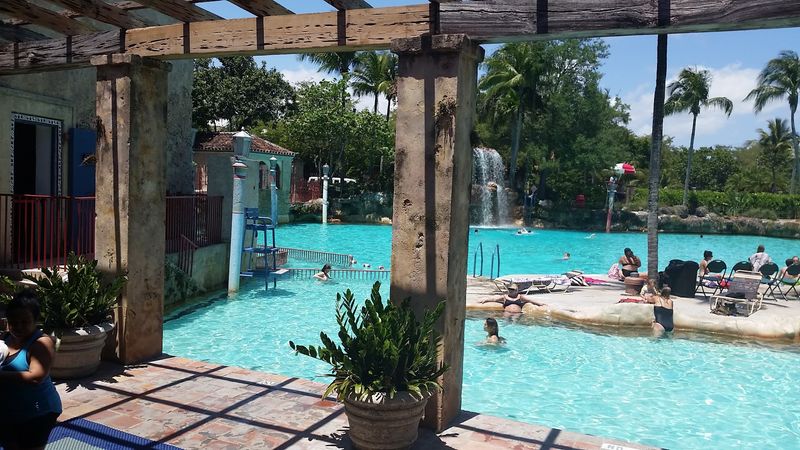
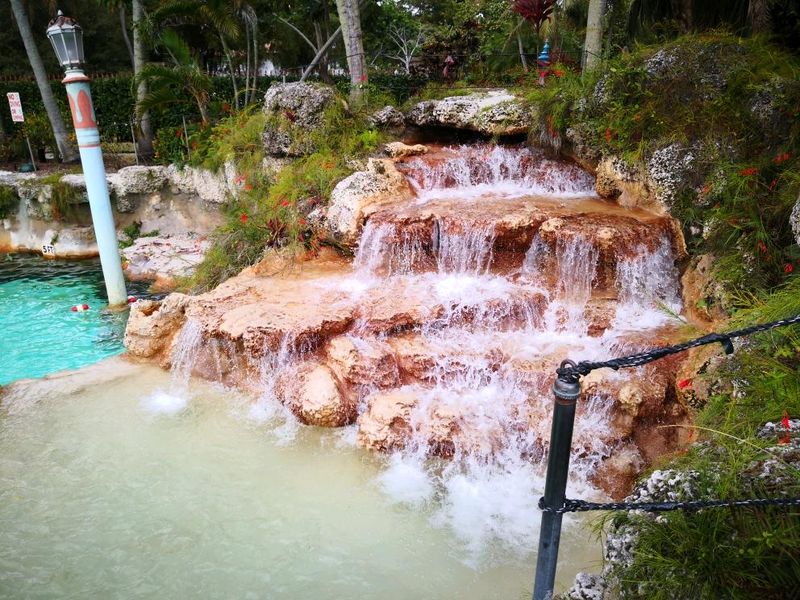
The Venetian Pool’s signature waterfalls pour over coral rock ledges, creating curtains of water you can swim behind. These aren’t tiny decorative trickles—they’re substantial cascades that add both visual drama and a soothing soundtrack to your swim. Kids especially love ducking behind the falls and exploring the shallow caves carved into the rock formations.
Speaking of caves, the pool features several grottos built into its coral walls. When they’re open to swimmers, these cave-like spaces offer shaded hideaways perfect for cooling off or snapping atmospheric photos. The interiors stay noticeably cooler than the open pool areas, and the acoustics create an interesting echo effect that delights younger visitors.
However, maintenance needs sometimes close the grottos and certain waterfalls to public access. Recent reviews mention disappointment when these features were blocked off during their visit. Before planning your trip around exploring every nook and cranny, consider calling ahead to confirm which areas are currently accessible.
The rock formations themselves tell a geological story. Coral limestone is porous and textured, creating interesting patterns and surfaces throughout the pool. These natural sculptures give the space an organic, lived-in quality that concrete pools can’t replicate.
Algae and mineral deposits occasionally add color variations to the rocks, though some visitors mistake this natural patina for poor maintenance.
The waterfalls serve a practical purpose beyond aesthetics. They help circulate the spring water throughout the pool, preventing stagnant areas and maintaining water quality between daily refills. The constant movement also aerates the water naturally, contributing to its fresh, clean quality.
Floating beneath a waterfall on a hot afternoon ranks among South Florida’s most underrated simple pleasures—no beach required, no saltwater sting, just pure refreshment in a historic setting.
Mediterranean Architecture Worth the Price of Admission
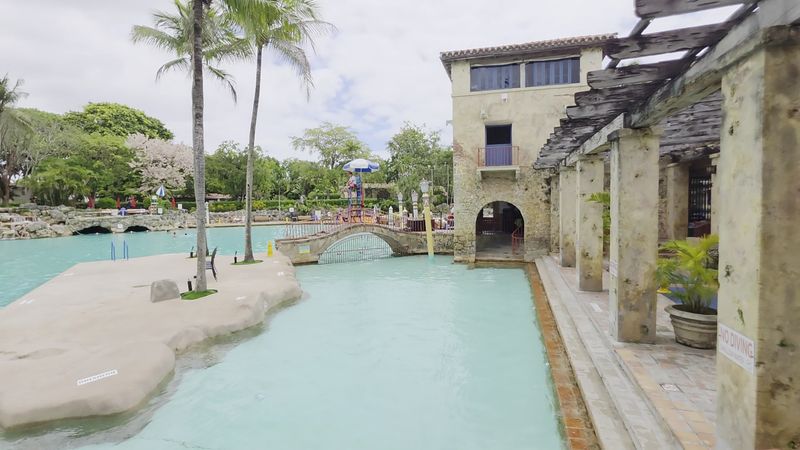
Even if you never get wet, the Venetian Pool’s architecture alone justifies the entrance fee. Denman Fink designed the structures surrounding the pool to evoke the romantic canals and piazzas of Venice, complete with arched bridges, coral-pink stucco buildings, and ornate details that transport you straight to the Italian coast. The aesthetic perfectly matches Coral Gables’ broader Mediterranean Revival theme that defines the entire city.
Twin porticos frame the main pool area, their columns and archways creating shaded walkways reminiscent of European courtyards. These covered areas provide relief from the intense Florida sun while you’re lounging between swims. The structures aren’t just pretty—they’re functional design elements that enhance the swimming experience through thoughtful shade placement and natural ventilation.
Look up and you’ll notice decorative tile work, wrought iron details, and carved coral accents throughout the facility. These aren’t modern reproductions slapped on during renovations. Many original 1920s elements remain intact, maintained through careful preservation efforts.
The tile patterns around the pool deck show wear from nearly a century of foot traffic, adding authentic character you won’t find at newer attractions.
The pool’s iconic stone bridges allow you to cross from one side to another without getting wet, creating scenic viewpoints for photos or simply observing the action below. These bridges have become Instagram favorites, offering elevated perspectives that showcase the pool’s unusual shape and lush tropical landscaping. Palm trees, ferns, and flowering plants soften the coral rock hardscape, creating a jungle-meets-Mediterranean vibe unique to South Florida.
Architectural photography enthusiasts should visit during golden hour when the late afternoon sun washes the coral-pink buildings in warm light. The combination of historic structures, tropical vegetation, and sparkling water creates compositions you’d normally need to travel internationally to capture. This is Florida heritage at its most photogenic.
A Pool With Surprising Depth
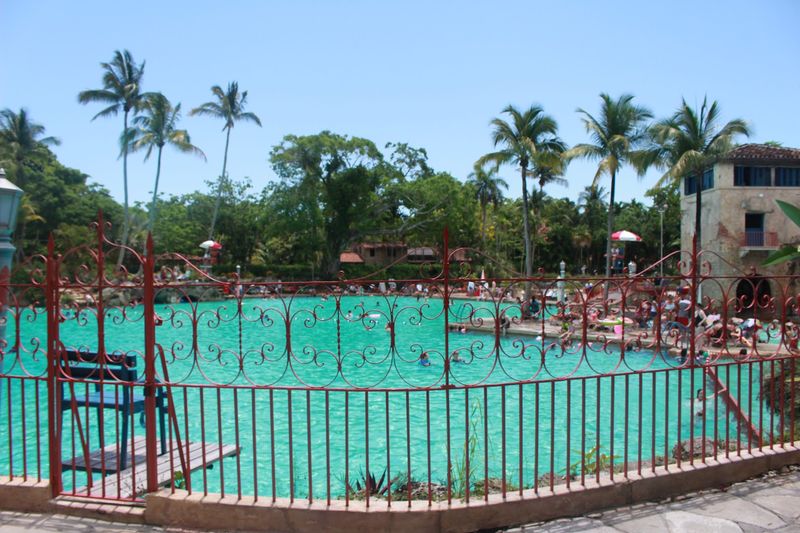
The Venetian Pool isn’t your typical wading-friendly public pool. Certain sections plunge to significant depths, catching unprepared swimmers off guard. The deepest areas reach down far enough that even tall adults can’t touch bottom, making life jackets a smart choice for weak swimmers or young children.
Fortunately, the facility provides complimentary life vests in various sizes at no extra charge.
This depth variation actually stems from the pool’s quarry origins. Workers excavated coral rock to different levels depending on the quality of stone they found, creating a naturally uneven bottom. Rather than flatten everything out, the designers preserved these variations, giving the pool a more natural lagoon feel.
Shallow beach-like areas transition gradually into deeper swimming zones.
Parents should know that children under three aren’t permitted in the pool regardless of swimming ability or flotation devices. This policy exists precisely because of the depth concerns and the pool’s historical infrastructure, which wasn’t designed with toddler safety features. For families with very young children, this can be a deal-breaker worth knowing before you drive over.
The pool employs numerous lifeguards stationed around the perimeter, and reviews consistently praise their attentiveness and professionalism. Multiple visitors mention lifeguards proactively helping set up chairs or offering safety advice without being asked. This vigilant supervision makes the depth less concerning for families with older kids who can swim competently.
One unexpected challenge: the coral rock bottom can be slippery, especially in deeper sections where algae occasionally grows on the textured surface. Wearing water shoes helps with traction, though they’re not required. The slipperiness isn’t dangerous if you’re aware of it, but it can surprise first-time visitors who assume the rough coral provides natural grip.
Take your time moving around, especially when entering or exiting deeper areas, and you’ll be fine.
Practical Details That Impact Your Visit
Admission costs vary significantly depending on residency status. Non-residents pay around $21-22 per adult and $17 per child ages 3-12, while Coral Gables residents enjoy dramatically reduced rates of just $6. If you’re visiting with a local friend, having them purchase tickets can save your group serious money.
Tickets often sell out during peak summer months and weekends, so buying online the night before is strongly recommended.
Parking presents the biggest logistical challenge. The designated lot across the street fills up quickly, especially on hot weekends when everyone wants to swim. Arriving right at opening time (11 AM weekdays, 10 AM weekends) or later in the afternoon improves your parking odds considerably.
Some visitors report circling the block multiple times before snagging a spot, so build extra time into your schedule.
Chair and towel rentals add unexpected costs that catch budget-conscious visitors off guard. Chairs run about $7 each, and towel rentals cost $10. If you’re a family of four, these extras can nearly double your admission price.
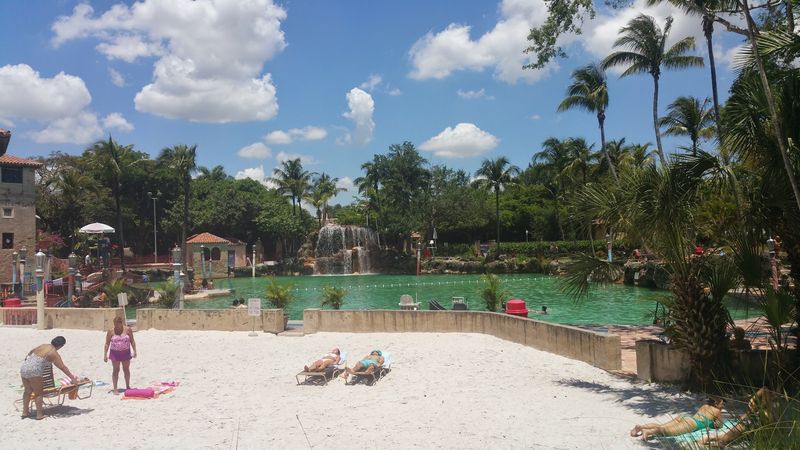
Bring your own towels and claim a spot on the sandy beach area to avoid rental fees entirely.
The food situation varies by day and season. Weekdays sometimes see the snack bar closed, leaving you without on-site food options unless you pack your own. Outside food and drinks are permitted, which is unusually generous for a paid attraction.
Just skip the coolers—those aren’t allowed. The cafe operates on cash only when it is open, another detail not prominently advertised online.
Locker rentals are available for securing valuables, though at least one review mentions communication issues with staff about locker access. Keep your rental receipt and locker number written down separately in case you need to retrieve forgotten items. The facility provides changing rooms and outdoor showers for rinsing off before and after your swim, basic but functional amenities that get the job done.
Best Times to Experience This Historic Gem
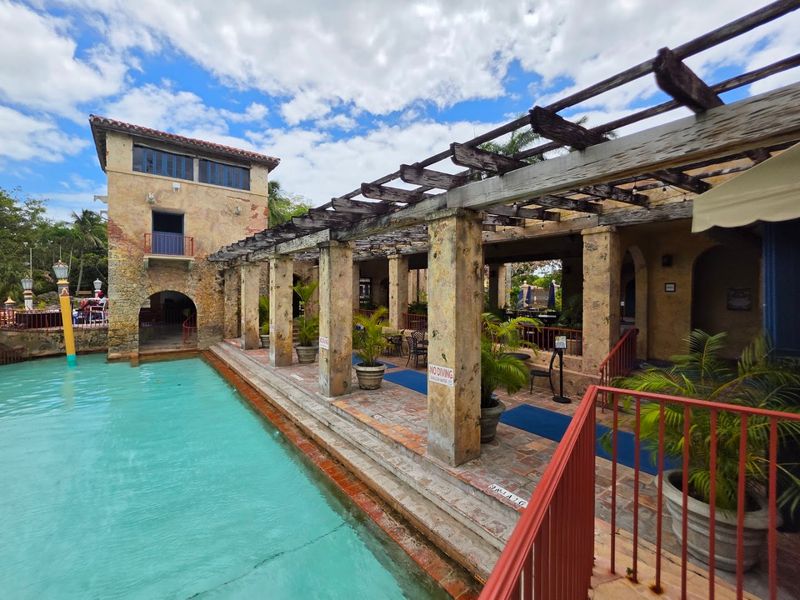
Timing your visit makes an enormous difference in your experience. Summer brings peak crowds, especially when schools let out and summer camps book group visits. Multiple reviews warn that arriving during camp hours means sharing the pool with dozens of energetic kids and considerably more noise.
If you’re seeking a peaceful swim, avoid late June through early August entirely or visit on weekdays when camps are less likely to book.
Weekdays generally offer a more relaxed atmosphere with better seating availability and easier parking. You’ll actually find spots on the sandy beach area and won’t feel like you’re swimming in a crowded hotel pool. The trade-off is that weekday food service can be spotty, so pack snacks and drinks to avoid disappointment.
Weather-wise, the coldest pool months (December through February) can make the already-chilly spring water downright uncomfortable. Unless you’re an ice bath enthusiast, stick to visits between April and October when air temperatures make the cool water refreshing rather than painful. Cloudy days work surprisingly well—you’ll stay cooler while lounging, and the water temperature feels less shocking without blazing sun heating your skin beforehand.
Golden hour visits (late afternoon, closer to closing time) provide the best lighting for photography and often thinner crowds as families with young children head home for dinner. The pool stays open until 6:30 PM most weekdays, giving you plenty of time for a post-work swim if you’re local. Weekend hours are slightly shorter, closing at 4:30 PM.
Consider visiting during the off-season shoulder months of April, May, or October. You’ll get warm enough weather to enjoy the cool water, smaller crowds than peak summer, and better availability for parking and seating. The pool occasionally closes for maintenance, so checking their website or calling ahead prevents wasted trips.
Some features like grottos and certain waterfalls undergo periodic repairs, and knowing what’s accessible before you arrive manages expectations appropriately.
Why This Pool Matters Beyond Instagram
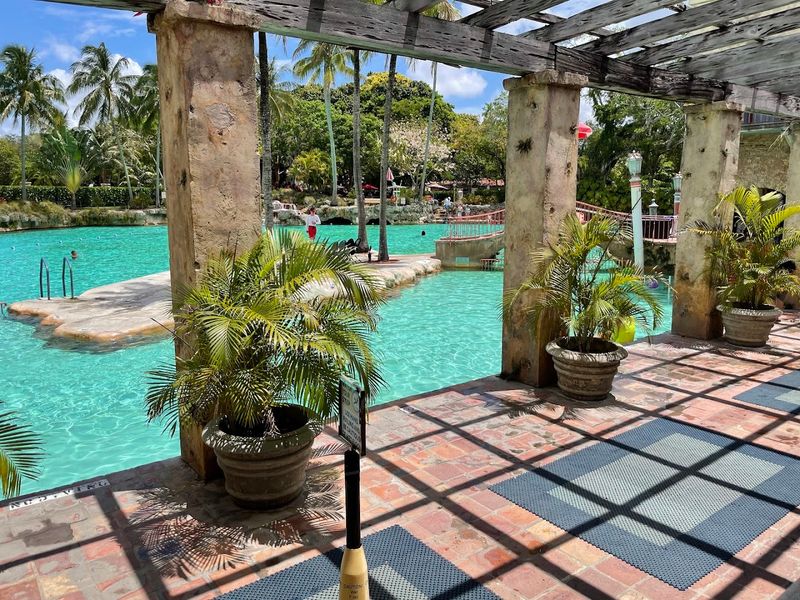
The Venetian Pool earned a spot on the National Register of Historic Places, a designation reserved for sites of genuine cultural and historical significance. This isn’t just some pretty pool that happens to be old—it represents a specific moment in Florida’s development when visionary planners created entire communities around cohesive architectural themes. George Merrick’s Mediterranean fantasy for Coral Gables could have easily become a forgotten footnote, but landmarks like this pool keep that history tangible and accessible.
During the 1920s Florida land boom, countless developers promised paradise and delivered subdivisions. Merrick actually followed through on his vision, creating public amenities like the Venetian Pool that served residents and visitors alike. The pool’s survival through the 1926 hurricane, the Great Depression, World War II, and nearly a century of changing tastes proves its enduring appeal and solid construction.
Preservation efforts have maintained the pool’s historic character while updating necessary infrastructure for modern safety and health standards. This balance isn’t easy—many historic pools across America have closed permanently because renovation costs outweighed their perceived value. Coral Gables’ commitment to maintaining this landmark demonstrates how communities can honor heritage while keeping historic sites functional and relevant.
Swimming here connects you to generations of South Floridians who’ve enjoyed these same waters. Your grandparents might have learned to swim here. Silent film stars posed for publicity photos on these bridges.
Soldiers on leave during World War II cooled off in this spring water. That continuity of experience across decades creates a sense of place that new attractions simply can’t replicate.
Beyond the history lesson, the Venetian Pool proves that public spaces can be both beautiful and functional. It challenges the assumption that municipal facilities must be utilitarian and boring. Cities everywhere could learn from this example of how thoughtful design and ongoing maintenance create beloved community assets that appreciate in value—both cultural and economic—over time.