A Massive Beatles Museum With 1,600 Rare Artifacts Just Opened In St. Pete
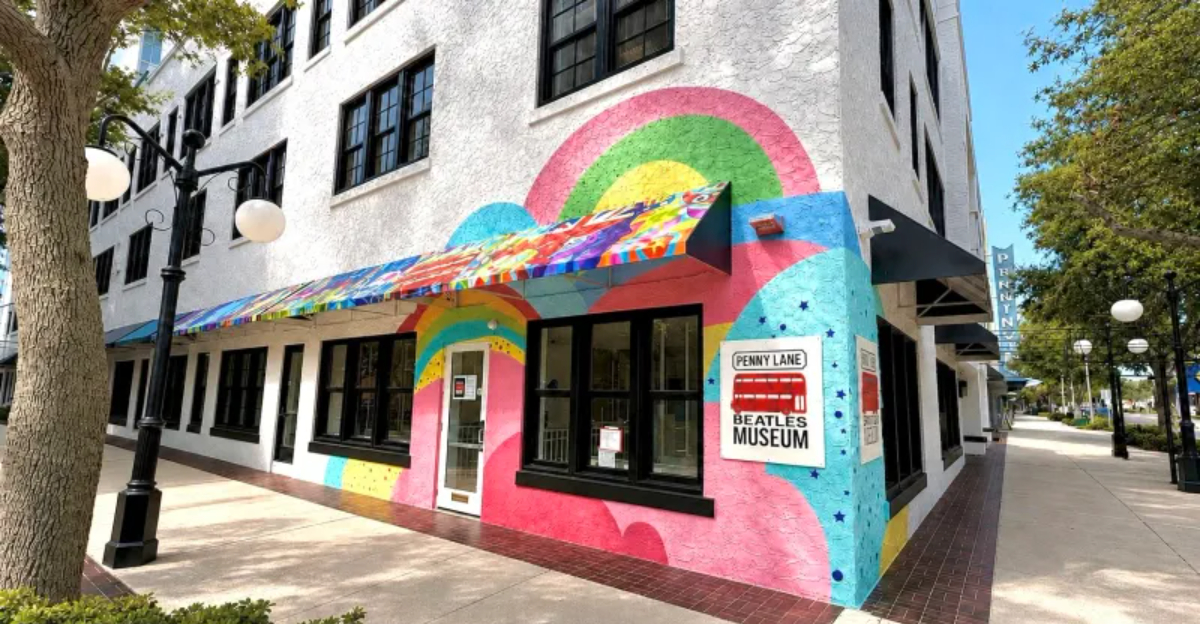
St. Petersburg has a new reason for Beatles fans to twist and shout. The Penny Lane Beatles Museum is now open in a much larger downtown home, bringing more of its extraordinary 1,600-piece collection out of storage and into the spotlight. Visitors can explore signed memorabilia, vintage toys, musical instruments, John Lennon-owned glasses, psychedelic installations, and decades of Fab Four history under one roof.
Whether you followed Beatlemania from the beginning or discovered the band through a playlist, this colorful new museum makes it easy to spend an afternoon traveling through the music, style, and cultural impact of John, Paul, George, and Ringo.
1. More Than 1,600 Beatles Artifacts Under One Roof
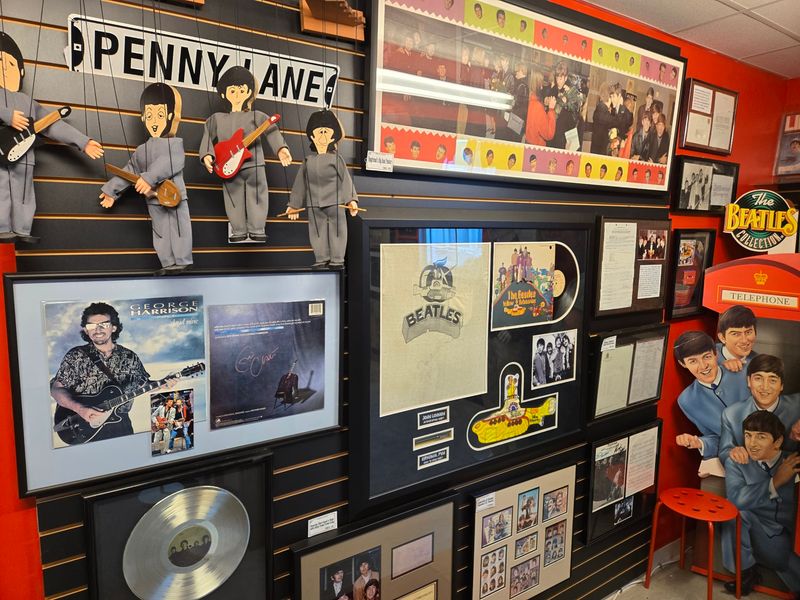
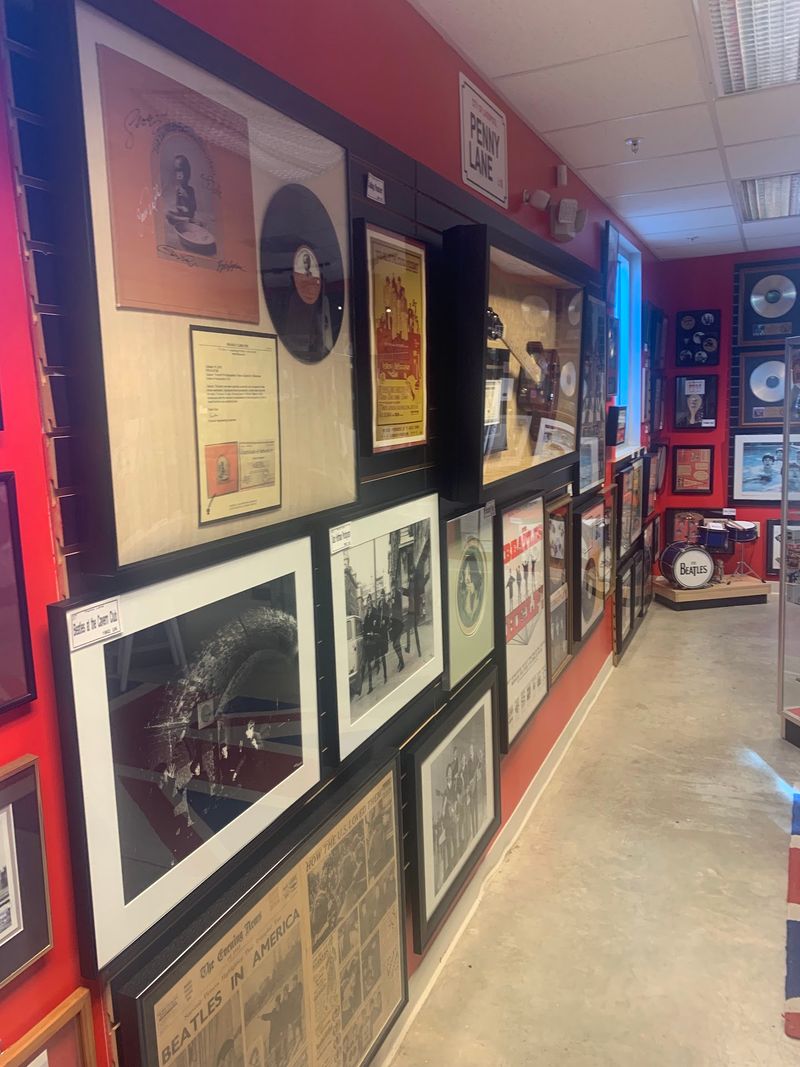
Walking into the new Penny Lane Beatles Museum feels like stepping into a time capsule built for anyone who has hummed along to “Hey Jude.” The downtown St. Pete museum is home to more than 1,600 artifacts collected over four decades, with nearly 1,000 pieces displayed at any given time. That is a dramatic change from the former Dunedin location, where limited space kept much of the collection packed away.
Founder Dr. Robert Entel began collecting Beatles memorabilia long before the museum opened, gathering objects that trace the band’s journey from Liverpool clubs to worldwide fame. The collection includes records, photographs, promotional materials, toys, clothing, instruments, signed documents, awards, and unusual pieces that reveal how far Beatlemania reached.
The expanded galleries allow the museum to tell that story with greater detail and a clearer sense of progression. Displays are arranged chronologically and by subject, helping visitors understand how the Beatles evolved musically, visually, and culturally throughout the 1960s.
Because the museum can rotate artifacts from storage, returning visitors may notice something different. One trip might spotlight early merchandise, while another reveals an unseen document or collectible. It gives St. Pete a Beatles attraction designed to keep getting better.
2. The New St. Pete Museum Is Four Times Larger
Penny Lane’s move to St. Petersburg was much more than a change of address. It gave the museum enough room to transform from a hidden collection into a downtown attraction. The new space covers 2,100 square feet, making it about four times larger than its previous home in Dunedin.
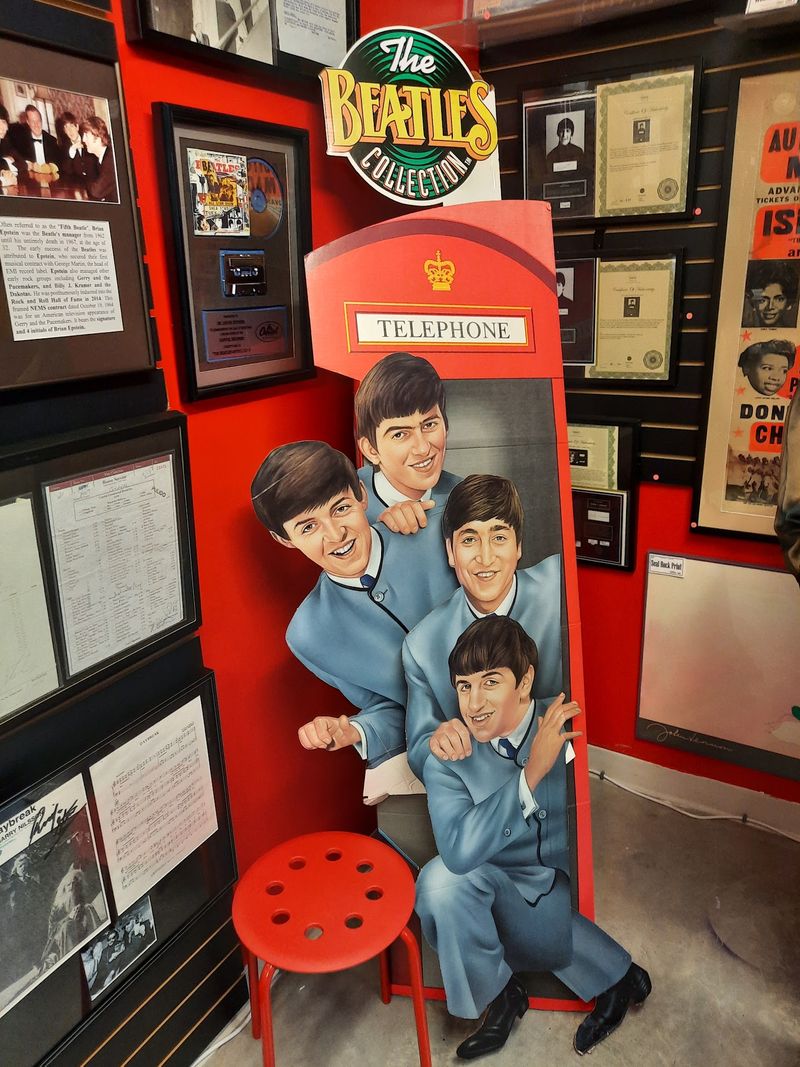
That room changes the experience. Instead of squeezing artifacts into a compact gallery, the St. Pete location gives pieces space to stand out. Visitors enter through a reception area and museum shop before moving into brighter galleries filled with custom displays, themed installations, and Beatles-inspired artwork.
The expansion also makes room for objects that could not be shown before, including larger machines, instruments, and display pieces. A small stage featuring a Ringo Starr drum kit adds another focal point, while a children’s area gives younger visitors a place to connect with the music through creative activities.
Professional exhibition design helps the collection feel organized rather than overwhelming. You can slow down, follow the band’s story, and notice details that might have disappeared inside a smaller room.
The result is not merely a bigger version of the Dunedin museum. It is a more immersive, polished, and ambitious celebration of the Beatles.
3. Signed Treasures, Instruments, and John Lennon’s Glasses
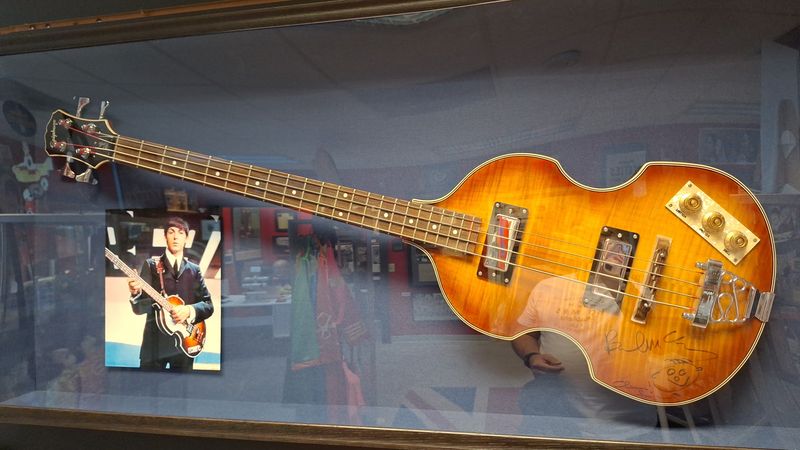
For Beatles fans, the most exciting displays may be the objects that create a direct connection to John, Paul, George, and Ringo. Penny Lane’s collection includes signed photographs, documents, instruments, records, and authenticated memorabilia that feel far more personal when viewed from a few feet away.
Among the museum’s treasures is a pair of glasses once owned by John Lennon. There are stage-related objects, gold record awards, autographed pieces, and musical equipment that bring the group’s history to life beyond album covers and photographs. These are reminders that four musicians created a cultural phenomenon that still draws devoted fans more than half a century later.
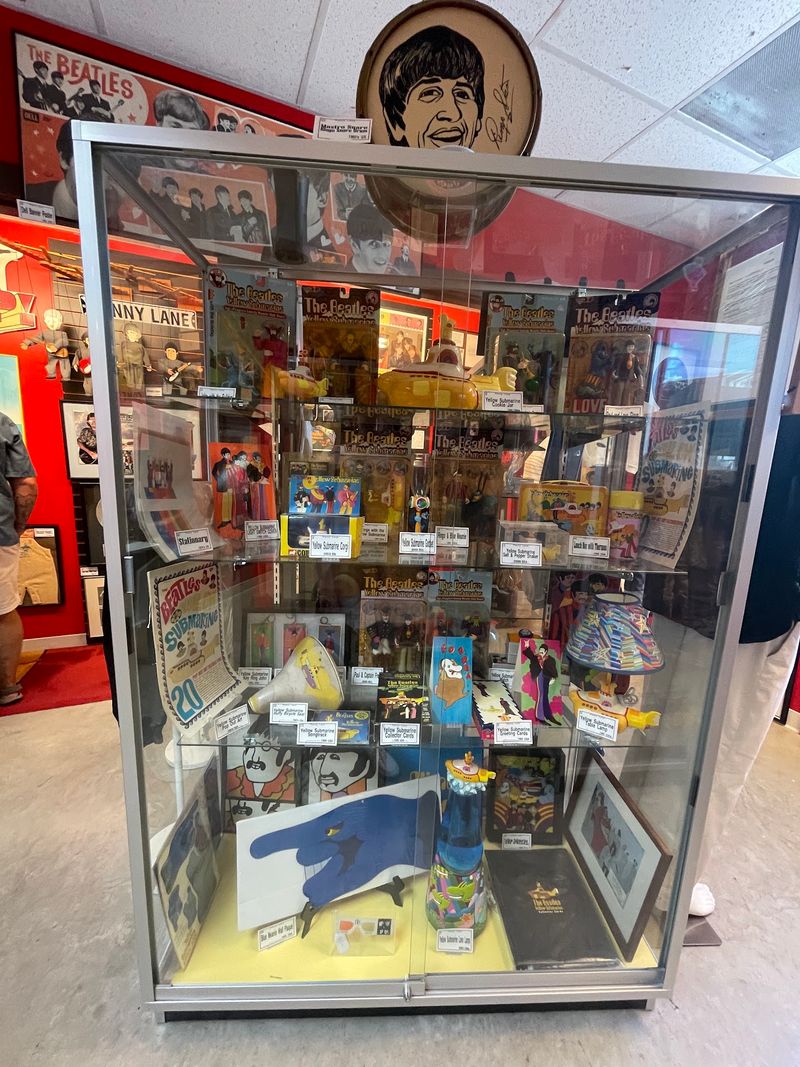
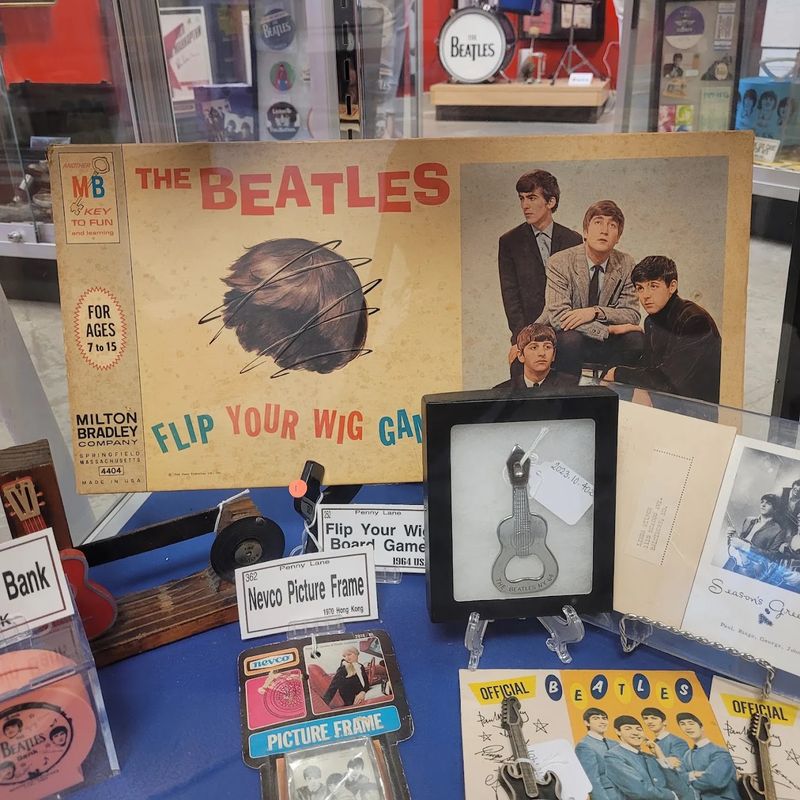
The collection also includes delightfully unexpected items. Visitors may encounter strands of hair connected to the band members, vintage dolls dressed in Sgt. Pepper-style costumes, rare buttons, old games, and promotional objects that once filled bedrooms, record shops, and fan club mailings.
Together, these pieces show both sides of Beatlemania. Some represent the musicians’ careers, while others reveal the intense enthusiasm of ordinary fans.
Take time to read the labels and examine the smallest details. A signature, manufacturing mark, handwritten note, or unusual photograph can turn an interesting collectible into the item you remember most.
4. Rare Early-Era Collectibles and Vintage Finds
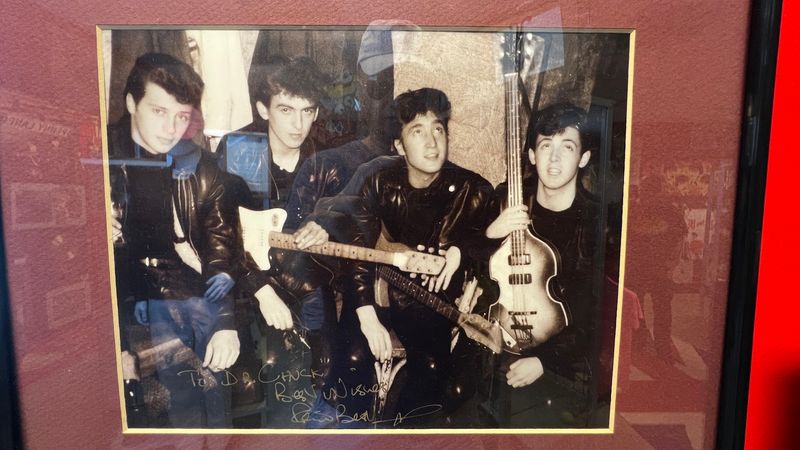
Long before stadium crowds, psychedelic album covers, and fame, the Beatles were musicians building an audience in Liverpool and Hamburg. Penny Lane’s collectibles help visitors explore that formative chapter, when the band’s identity, lineup, and signature look were taking shape.
The displays include photographs, fan materials, records, advertisements, toys, games, and merchandise from the years when Beatlemania exploded. Some pieces reflect the group’s leather-clad beginnings, while others capture the suits and mop-top haircuts that became recognizable worldwide.
These objects are fascinating because they were never intended to survive for generations. Trading cards were handled, wrappers were thrown away, magazines were clipped apart, and inexpensive toys were played with until they broke. The examples preserved here offer a picture of how the Beatles moved from working musicians to faces printed on nearly everything imaginable.
The museum’s chronological organization makes it easier to watch that transformation unfold. You can see how the band’s image changed alongside its music, from early rock-and-roll influences to increasingly experimental styles.
Even visitors who know every album may discover a product, photograph, or promotional idea they have never encountered. That sense of surprise makes the collection feel less like a textbook and more like a treasure hunt.
5. Psychedelic Displays Bring Beatles History to Life
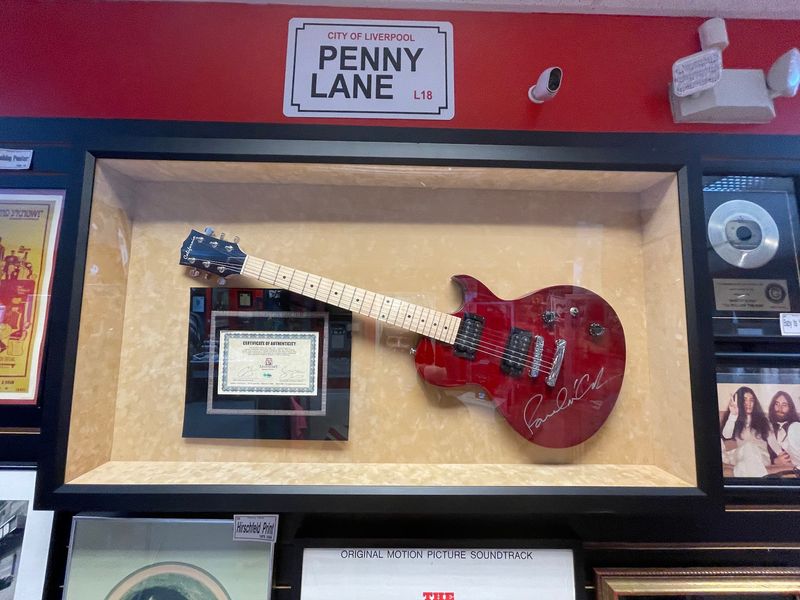
The new museum does more than place memorabilia inside glass cases. Its design pulls visitors into the visual world associated with the Beatles, particularly the band’s imaginative late-1960s period. Bold colors, psychedelic graphics, and custom installations give the galleries energy that matches the music celebrated inside them.
Creative Arts Unlimited, a Pinellas County company known for building immersive museum environments, designed elements for the St. Pete space. Among the attention-grabbing features are Beatles-song-inspired installations, including a mechanical octopus and a yellow submarine visible from the street. These larger-than-life touches make the museum feel approachable, even for someone who does not arrive as a collector.
The displays also help organize a collection that could otherwise feel enormous. Artifacts are grouped by subject and era, allowing visitors to move through the Beatles’ story without losing the fun of discovering something unexpected.
Outside, the historic Palais Royale building has become part of the experience. Its refreshed facade and colorful details announce that this is not an ordinary downtown storefront.
The result balances nostalgia with theatrical flair. Lifelong fans can focus on rare objects, while families and younger visitors enjoy the visual surprises. It feels celebratory, energetic, and unmistakably inspired by the Fab Four.
6. The Downtown Location Makes a Full Day Easy
Penny Lane now sits at 146 2nd Street North inside the Palais Royale building, placing Beatles history in downtown St. Petersburg’s cultural district. The ground-floor location is one block from Central Avenue and within walking distance of restaurants, shops, theaters, waterfront attractions, and the city’s museums.
That makes it easy to turn a museum visit into a St. Pete day. After exploring the collection, you can walk toward the waterfront, browse local shops, stop for lunch, or visit another museum without moving your car. Nearby cultural attractions include the Museum of the American Arts and Crafts Movement, The James Museum, the Museum of Fine Arts, and the Chihuly Collection.
The move also solves one issue from the Dunedin years. The former museum was tucked upstairs inside an art gallery and could be difficult for visitors to find. The St. Pete museum has a ground-level entrance, wheelchair and stroller access, and a more visible presence.
Metered street parking and public garages are available nearby, while downtown trolley services provide another option for getting around.
For travelers, the central address makes Penny Lane more than a specialized stop. It fits naturally into a day of art, food, waterfront scenery, and downtown exploring.
7. Tickets, Hours, Parking, and Visit Planning
The Penny Lane Beatles Museum is open Wednesday through Sunday from 10 a.m. to 4 p.m., giving visitors five days each week to explore the collection. A visit takes an hour to an hour and a half, although fans may spend longer reading labels, studying photographs, and talking with staff.
Unlike the former Dunedin location, the new museum requires paid admission. Tickets support the nonprofit organization, its exhibitions, preservation work, and programming. Children ages eight and under are admitted free, and visitors can purchase tickets through the museum’s website before arriving.
The entrance is at ground level and accessible for wheelchairs and strollers. Service animals are permitted under the museum’s guidelines, but pets and emotional support animals are not allowed. Families, senior communities, educational groups, and parties of ten or more can contact the museum in advance to arrange a group visit or request tour information.
Parking requires downtown planning. Metered spaces, public lots, and garages are located within a short walk, but arriving earlier can make the process easier, especially on weekends or during events.
Because exhibits rotate and programming is still developing, check the official website before visiting for ticket prices, events, and the latest announcements.
8. A Must-Visit for Beatles Fans of Every Generation
You do not need memories of the Ed Sullivan Show to enjoy Penny Lane. The Beatles continue to find listeners through streaming, movies, record collections, and songs familiar to people born decades after the band separated. The museum embraces that appeal rather than treating its subject as history reserved for longtime fans.
Adults who followed the group at the time may recognize toys, magazines, records, and images from their childhood. Younger visitors can see how music fandom worked before social media, when fan clubs mailed newsletters and concert tickets became keepsakes. Children can enjoy displays and creative areas while discovering why four musicians from Liverpool still matter.
The collection invites families to share stories. A grandparent might remember hearing “I Want to Hold Your Hand” for the first time, while a teenager points out an album discovered online. Those conversations are part of what makes the museum feel personal.
St. Pete’s larger space gives Penny Lane the setting its collection deserves. It is detailed enough for collectors, visually engaging enough for casual visitors, and filled with objects that reward curiosity.
Whether you know every lyric or only recognize the biggest hits, this museum offers an unforgettable trip through Beatles history.