Florida Has More Than 100 Free Museums, but These 10 Are Actually Worth the Trip

Florida offers more than 100 museums you can visit without spending a dime, but not all free attractions deliver the same experience. Some collections feel thin or outdated, while others rival world-class institutions in scope and quality. The ten spots on this list stand out because they offer genuine depth, unique artifacts, or experiences you won’t find anywhere else, and they won’t charge you a cent to walk through the door.
1. National Naval Aviation Museum (Pensacola)

More than 150 restored aircraft fill this massive museum on Naval Air Station Pensacola, making it one of the largest aviation collections on the planet. You’ll see everything from early biplanes to modern jets, plus helicopters, seaplanes, and experimental prototypes that never made it into full production. The Blue Angels practice here too, and if you time your visit right, you can watch them rehearse over the bay.
Because the museum sits on an active military base, you’ll need a government-issued photo ID to enter. Security checks can add time, so plan accordingly. Once inside, the sheer scale becomes obvious: four massive hangars and outdoor displays sprawl across the property, and you could easily spend an entire day without seeing everything.
Interactive flight simulators let you test your skills in a cockpit, and the IMAX theater (separate ticket required) screens aviation films on a four-story screen. Docents, many of them veterans, share firsthand stories that bring the exhibits to life. The gift shop carries hard-to-find model kits and military memorabilia if you want a souvenir without the usual tourist kitsch.
2. Air Force Armament Museum (Fort Walton Beach)

An SR-71 Blackbird sits on the tarmac outside this museum, and you can walk right up to it without paying admission or even parking fees. Inside and across the grounds, you’ll find a B-52, B-17, A-10 Warthog, fighter jets, missiles, bombs, and dozens of other aircraft that shaped modern air combat. The collection focuses on armament development, so you’ll see how weapons technology evolved from World War II through Desert Storm.
Unlike some military museums that feel sterile, this one encourages up-close exploration. You can peer into cockpits, examine gun turrets, and read detailed placards explaining how each weapon system worked in actual combat. The outdoor air park stretches across several acres, so wear comfortable shoes and bring sunscreen if you visit during summer.
Eglin Air Force Base sits next door, and you’ll sometimes hear jets roaring overhead during live training exercises. The museum itself operates independently, so no base access is required. Staff members include retired Air Force personnel who can answer technical questions about specific aircraft or missions, adding context you won’t get from signage alone.
3. Florida Historic Capitol Museum (Tallahassee)
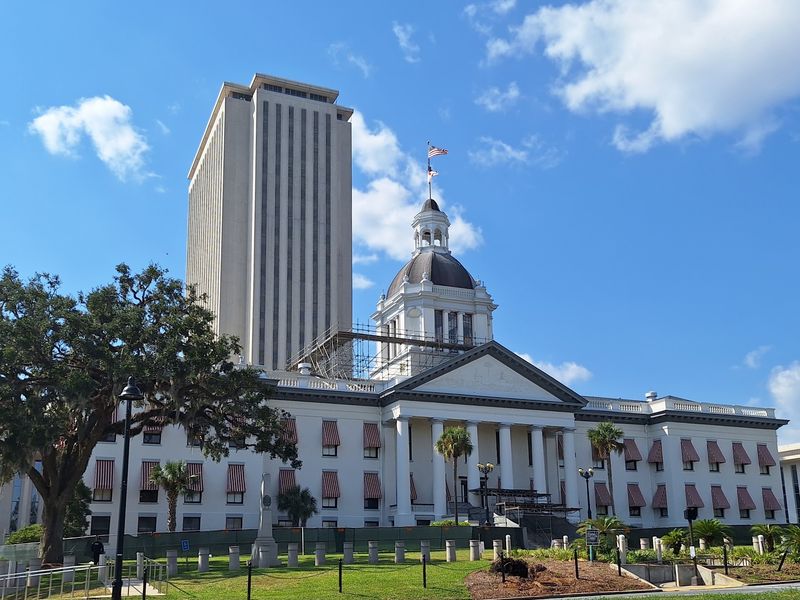
Florida’s original 1902 Capitol building now serves as a museum, and walking through its restored chambers feels like stepping into a different era of state politics. Red-and-white-striped awnings mark the exterior, while inside you’ll find original legislative chambers, antique desks, and political artifacts spanning more than a century. More than 20 rooms explore how Florida’s government evolved from frontier territory to modern state.
The Supreme Court chamber still has its original wooden benches and ornate ceiling, and you can sit in the gallery where citizens once watched historic decisions unfold. Photographs line the hallways, showing governors, legislators, and pivotal moments in Florida history. Interactive displays let you explore specific issues like civil rights battles, environmental policy debates, and constitutional amendments that shaped the state.
The newer Capitol building towers directly behind this one, creating a stark architectural contrast between old and new government. Guided tours run regularly and add depth to the self-guided experience, especially if you’re curious about specific political eras or controversies. The gift shop sells Florida history books and vintage-style souvenirs that actually tie to the building’s past rather than generic state trinkets.
4. Harn Museum of Art (Gainesville)
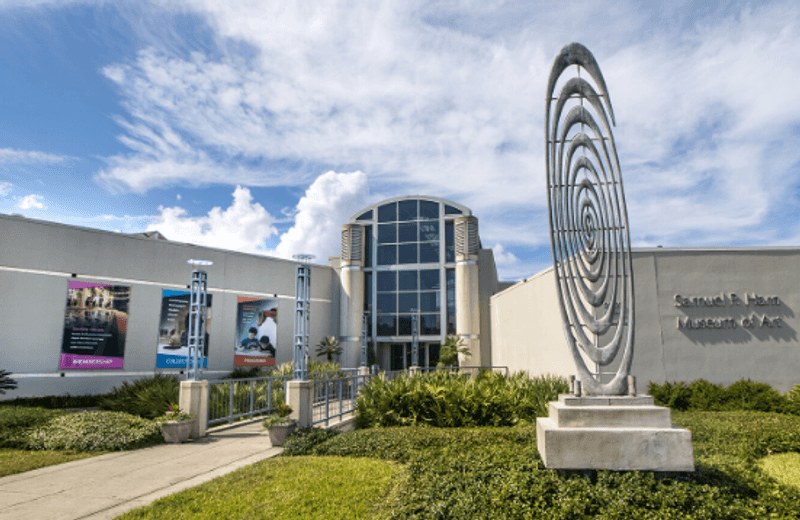
Located on the University of Florida campus, the Harn holds collections that span African masks, Asian ceramics, contemporary photography, and modern American paintings. Both admission and membership cost nothing, which seems almost too good to be true for a museum of this caliber. Rotating exhibitions bring in works from major institutions, so you might see pieces on loan from the Smithsonian or international galleries during any given visit.
The African gallery stands out for its depth, featuring masks, textiles, sculptures, and ceremonial objects from dozens of cultures across the continent. Asian galleries display jade carvings, Buddhist statues, and delicate porcelain that date back centuries. Photography exhibits showcase everything from 19th-century daguerreotypes to cutting-edge digital work, and the contemporary wing features bold installations that change several times per year.
A sculpture garden wraps around the building, offering outdoor art in a shaded setting perfect for a quiet break between galleries. The museum also hosts lectures, artist talks, and hands-on workshops, many of which are free or low-cost. Parking on campus can be tricky during the academic year, so check the museum website for visitor lot information before you go.
5. Rollins Museum of Art (Winter Park)
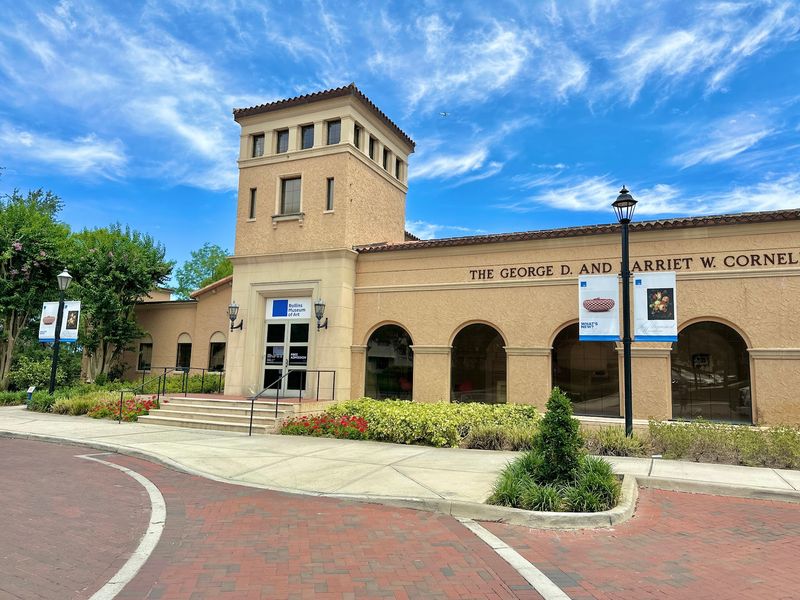
This college museum punches above its weight, presenting rotating exhibitions and a permanent collection that stretches from ancient Greek pottery to cutting-edge contemporary installations. Rollins College sits in Winter Park, a charming town just north of Orlando, and the museum occupies a quiet corner of campus where you can escape the theme-park crowds without leaving Central Florida. More than 100 pieces from the collection also hang inside the nearby Alfond Inn, blurring the line between museum and boutique hotel.
Temporary exhibitions change every few months, bringing in works from other institutions or showcasing faculty and student artists. The permanent collection includes European paintings, American modernism, decorative arts, and ethnographic objects from Africa, Asia, and the Americas. Labels provide context without overwhelming you with academic jargon, making the experience accessible even if you’re not an art history expert.
The museum collaborates with the Cornell Fine Arts Museum, also on campus, so you can visit both in one trip if you have time. Parking is free in designated visitor lots, and the surrounding Winter Park area offers excellent restaurants and boutique shops if you want to extend your visit beyond the galleries.
6. Manatee Village Historical Park (Bradenton)
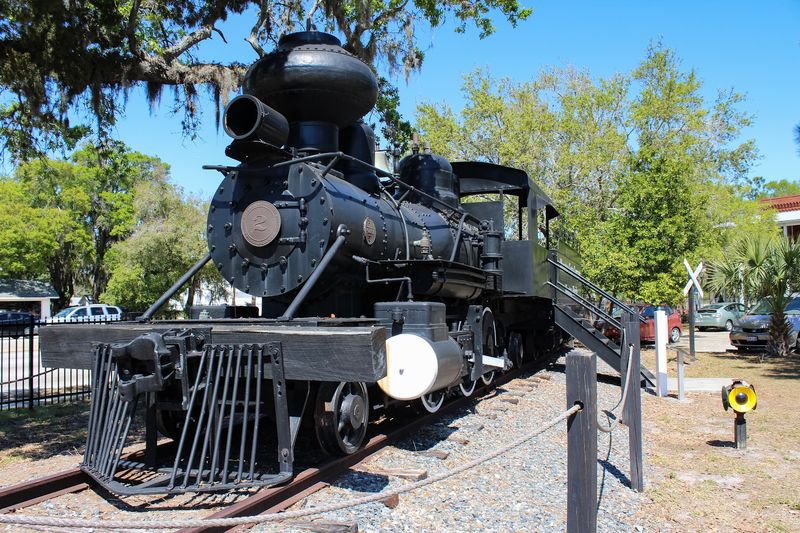
Fifteen points of interest spread across nearly four acres at this historical village, including a 1913 locomotive, an old general store, a courthouse, a church, a one-room schoolhouse, and exhibits about pioneer life from 1840 to 1918. You can walk through furnished buildings that show how early settlers lived, worked, and built communities in a landscape that looked nothing like modern Florida. The locomotive sits on original tracks, and kids love climbing up to peer inside the cab.
The general store still has shelves stocked with period goods, from bolts of fabric to old-fashioned tools and canned goods with vintage labels. The courthouse contains legal records and artifacts from Manatee County’s early days, while the church features original pews and hymnals. Costumed interpreters sometimes demonstrate blacksmithing, quilting, or other frontier skills, adding a living-history element to the experience.
Guided tours run on select days, but you can also explore independently using a printed map available at the visitor center. The grounds include shaded picnic areas, making it a pleasant spot for a lunch break. Special events throughout the year, like heritage festivals and historical reenactments, bring the village to life with period music, crafts, and demonstrations.
7. Museum of the Everglades (Everglades City)
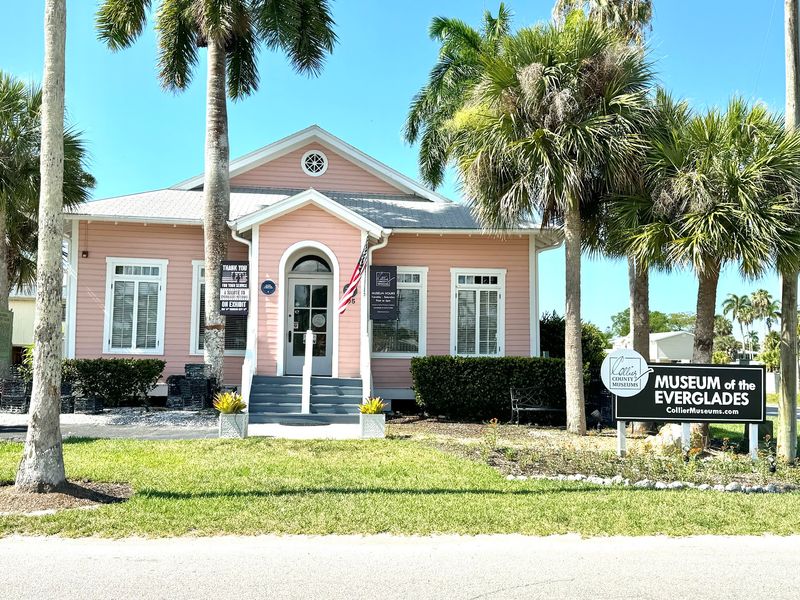
A historic pink building on the edge of the Everglades houses this museum, which tells the story of frontier communities and the brutal construction of the Tamiami Trail through the wetlands. Early settlers faced mosquitoes, alligators, floods, and isolation, and the exhibits don’t sugarcoat how difficult life was in this remote corner of Florida. Photographs show workers blasting through limestone, hauling equipment by hand, and building the road that finally connected Tampa to Miami.
The building itself dates to 1927 and originally served as the Everglades City laundry, constructed during the town’s brief boom as a planned community. Inside, you’ll find artifacts from the Calusa people who lived here centuries before European contact, plus tools, clothing, and household items from pioneer families. Maps trace the evolution of drainage projects, canals, and roads that transformed the Everglades from wilderness to the landscape we recognize today.
Everglades City remains small and quiet, so the museum offers a rare glimpse into local history that most tourists miss while speeding through on airboat tours. Staff can recommend nearby hiking trails, kayak launches, and other free or low-cost ways to explore the surrounding ecosystem after your museum visit.
8. Marco Island Historical Museum (Marco Island)
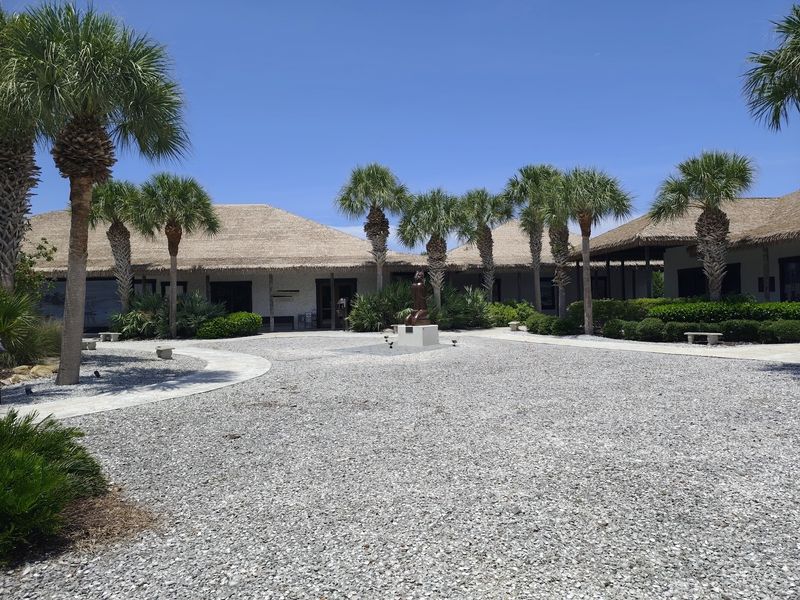
Exhibits at this museum explore the Calusa people, who built complex societies in Southwest Florida long before European contact. A recreated village scene shows how they lived, fished, and navigated the coastal waters using canoes carved from cypress logs. The museum connects directly to the island’s archaeological history, particularly the famous Key Marco excavation of 1896, which uncovered wooden masks, carved animals, and other artifacts preserved in the muck for centuries.
Original Key Marco pieces now reside in other institutions, but the museum displays high-quality replicas and photographs that show what archaeologists found. Interactive exhibits explain how the Calusa engineered shell mounds, created trade networks, and adapted to hurricanes and changing sea levels. You’ll also see artifacts from later periods, including pioneer families who settled Marco Island in the 1800s and early developers who transformed it into a resort destination.
All Collier County museum locations offer free admission, so you can visit this one along with the Naples Depot Museum or Collier Museum at Government Center without spending anything. The Marco Island museum sits near shops and restaurants, making it easy to combine culture with lunch or a beach walk. Parking is free in the adjacent lot.
9. Patricia & Phillip Frost Art Museum (Miami)
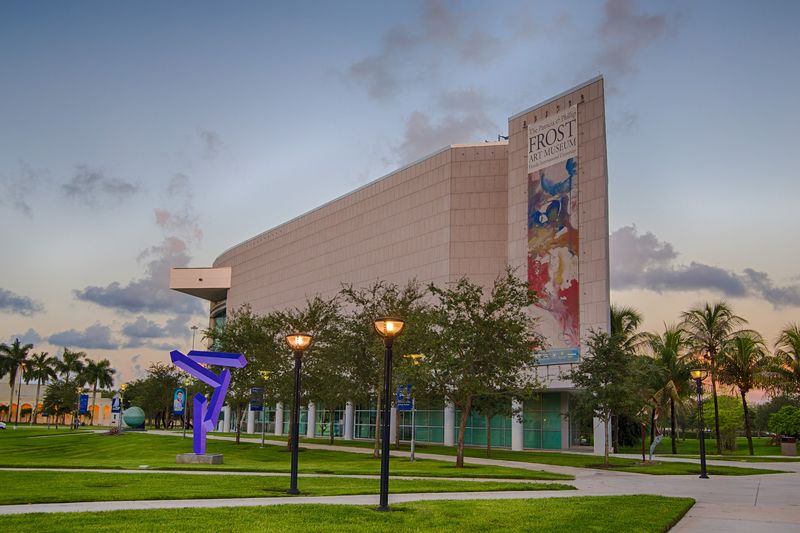
This Smithsonian-affiliated museum holds more than 6,000 objects, with particular strengths in Latin American, Haitian, Cuban, and contemporary art. Located on the Florida International University campus in Miami, it serves as a cultural anchor for a city where art and international influence collide in vibrant ways. Admission remains free for everyone, whether you’re a student, local resident, or tourist passing through South Florida.
Temporary exhibitions rotate regularly, showcasing emerging artists alongside established names from across the Americas. The permanent collection includes paintings, sculptures, prints, photographs, and mixed-media installations that reflect Miami’s unique position as a gateway between North and South America. Haitian and Cuban works receive special emphasis, offering perspectives often underrepresented in larger American museums.
The building itself features striking contemporary architecture with geometric forms and colorful accents that mirror the art inside. Outdoor sculpture installations dot the surrounding plaza, creating a seamless transition between campus and museum. Educational programs, artist talks, and community events happen year-round, many of them free or low-cost.
Parking on campus requires a permit during weekdays, but visitor spots are available, and the museum provides detailed directions on its website.
10. Coral Springs Museum of Art (Coral Springs)

Changing contemporary exhibitions, community art programs, ceramics workshops, and free gallery admission make this museum a South Florida cultural hub that doesn’t get the attention it deserves. Located in Coral Springs, north of Fort Lauderdale, it focuses on modern and contemporary work, with rotating shows that feature regional artists, national touring exhibitions, and thematic group displays. You’ll see everything from abstract paintings to ceramics, fiber art, photography, and sculpture.
The museum operates inside a repurposed building that once served another purpose, giving it a more intimate, accessible feel than grand institutional spaces. Galleries are well-lit and thoughtfully arranged, with enough room to appreciate each piece without feeling crowded. Educational programs include hands-on workshops where you can try pottery, printmaking, or painting under the guidance of working artists, often for minimal material fees.
Community engagement drives much of the museum’s programming, so you’ll find family days, artist receptions, and special events that bring locals together around shared creative experiences. The gift shop carries handmade items from regional artists, offering unique souvenirs that support the local creative economy. Free parking and easy highway access make it a convenient stop if you’re exploring northern Broward County or traveling between Miami and Palm Beach.