There’s a Sunken Civil War Steamboat 70 Feet Below This Florida Spring
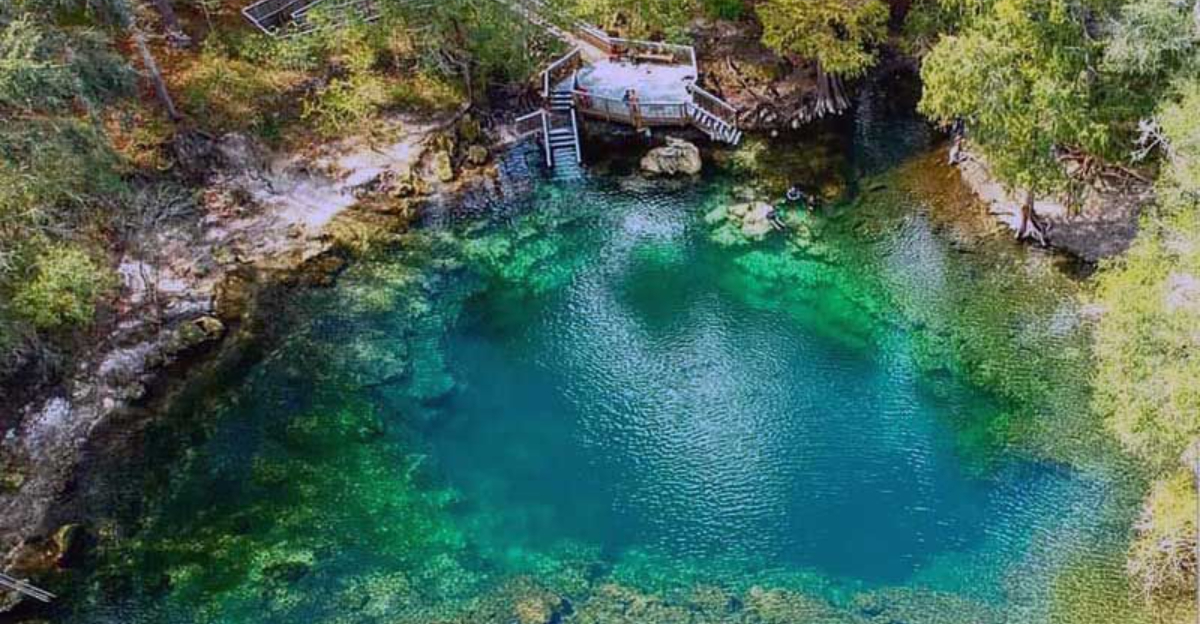
Hidden in the quiet corners of North Florida lies a spring with a secret. Troy Springs State Park near Branford isn’t just another pretty swimming hole – it’s a time capsule preserving a piece of Civil War history beneath its crystal-clear waters. Seventy feet down, the skeletal remains of a Confederate steamboat rest on the spring floor, creating one of the most unique diving and snorkeling sites in the entire state.
1. The Madison: A Civil War Relic Frozen in Time
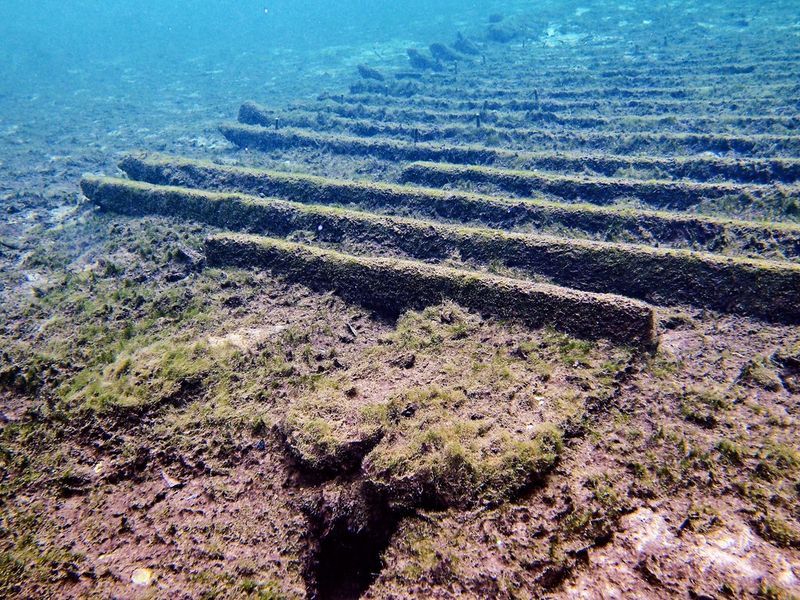
Back in 1863, Confederate soldiers deliberately sank the steamboat Madison to keep Union forces from capturing it. The vessel had been hauling cotton and supplies along the Suwannee River when the war made its waters too dangerous. Rather than let the enemy claim their ship, they scuttled it right here in Troy Springs.
Today, what remains are the boat’s wooden ribs jutting up from the spring bottom like the skeleton of some prehistoric creature. You don’t need fancy scuba gear to see it either. The wreck sits in shallow enough water that snorkelers can get a fantastic view from the surface, especially when the spring is running clear.
Swimming over a genuine piece of Civil War history gives you goosebumps in a way no museum ever could. The wooden frame has somehow survived over 160 years underwater, protected by the spring’s constant 72-degree temperature and mineral content. Fish weave between the ribs now, and turtles often rest on the old timbers.
The Madison isn’t just cool to look at – it’s a tangible connection to Florida’s wartime past. Standing on the boardwalk above, it’s wild to think about the desperate decisions made here all those years ago.
2. Crystal Clear Waters That Reveal Everything Below
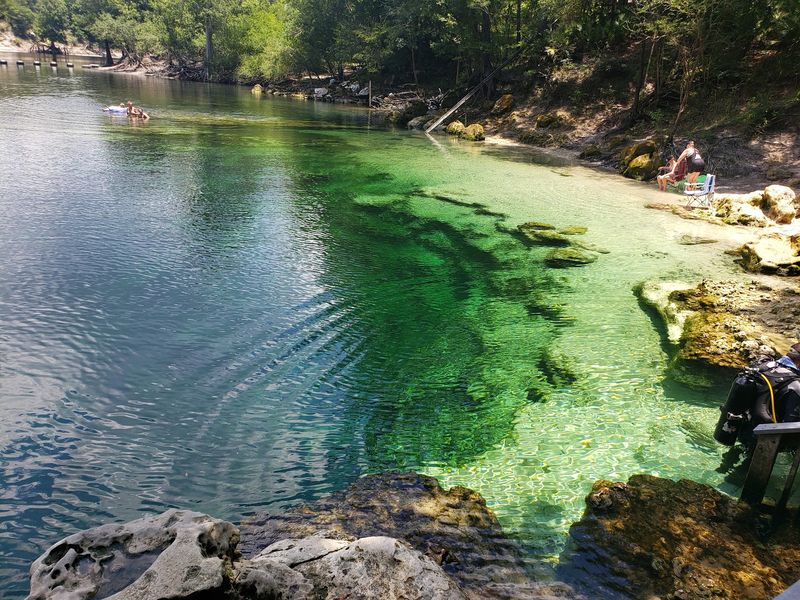
The water at Troy Springs doesn’t just look clear – it’s so transparent that standing on the boardwalk feels like peering through glass. On good days, visibility can reach 100 feet or more, letting you see straight down to the spring vent and the steamboat remains without even getting wet. That kind of clarity is what makes this place special for both casual swimmers and serious divers.
The spring pumps out millions of gallons of fresh water daily from deep underground aquifers. This constant flow keeps the temperature locked at a refreshing 72 degrees year-round, which feels amazing on scorching summer days but might require a wetsuit for longer winter swims. The steady current also prevents stagnation and helps maintain that famous clarity.
Algae can occasionally cloud things up depending on river levels and recent weather, but most visitors report water so clear they can count fish from the surface. The limestone bottom reflects sunlight in shimmering patterns that dance across the spring basin. Photographers absolutely love this place.
Unlike some springs that get murky from too many visitors stirring up sediment, Troy Springs stays relatively pristine because it’s a bit off the beaten path. The spring basin is large enough that even when divers explore the depths, swimmers near the surface still enjoy excellent visibility.
3. World-Class Diving Without the Crowds
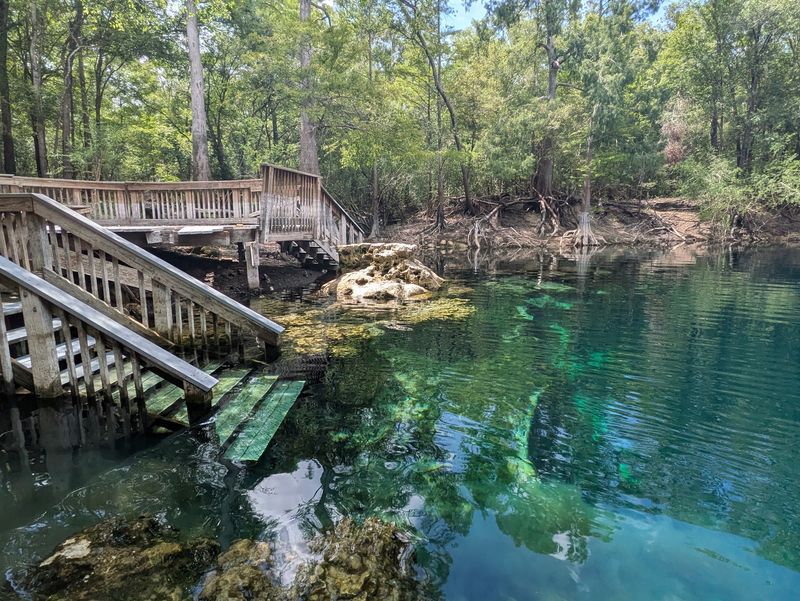
Serious divers know Troy Springs as one of North Florida’s hidden gems. The spring reaches depths of 70 feet at the main vent, making it perfect for certification dives, freediving practice, or just exploring without the circus atmosphere you’ll find at more famous springs. Because it’s tucked away near Branford, you often have the whole place practically to yourself on weekdays.
The dive itself is straightforward enough for beginners but interesting enough to keep experienced divers coming back. You can explore the steamboat wreckage, investigate the limestone formations, or descend to the spring vent where water boils up from the aquifer below. The constant 72-degree temperature means you know exactly what to expect every single time.
Freediving certifications happen here regularly because the depth is challenging but manageable, and the clear water lets instructors keep visual contact with students. Pool noodles aren’t just for kids either – smart swimmers bring them along to rest between dives without having to swim back to shore. The spring basin is big enough that you’re not constantly dodging other people.
Clean bathrooms, a gear rinse station, and easy water access from the boardwalk make this a diver-friendly park. Just watch out for the occasional algae bloom that can reduce visibility temporarily.
4. Snorkeling Paradise for History Buffs and Nature Lovers
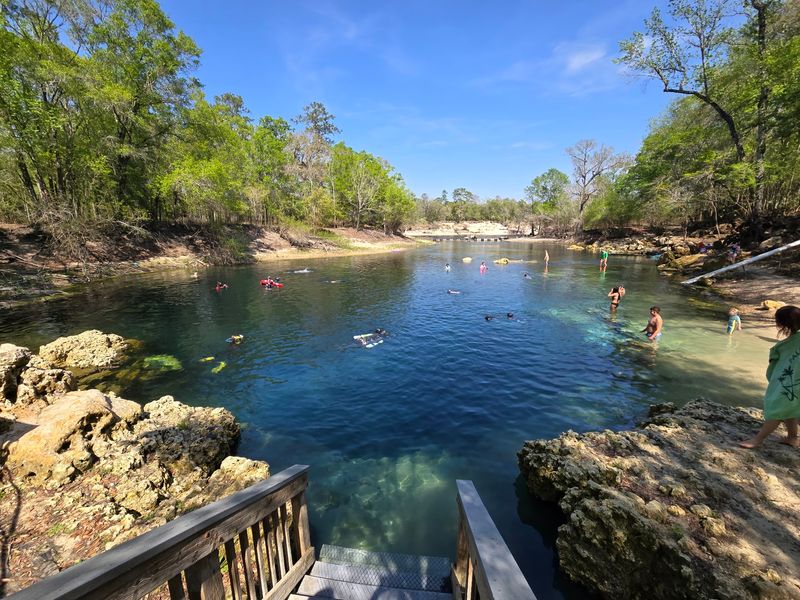
You absolutely do not need scuba certification to enjoy the best parts of Troy Springs. Armed with just a mask and snorkel, you can float on the surface and watch the entire underwater world unfold beneath you like a living history documentary. The steamboat ribs are visible from above, fish dart everywhere, and turtles cruise by without a care in the world.
Dozens of turtles call this spring home, more than most people have ever seen in the wild. They’re surprisingly unbothered by human visitors and will swim right past you or rest on the old steamboat timbers. Watching them glide through the crystal water never gets old, no matter how many times you visit.
The shallow areas near where the spring meets the Suwannee River offer the easiest viewing of the wreck. You can literally reach down and touch history if you wanted to, though obviously you shouldn’t. The wooden ribs are fragile after all these years underwater, and preservation depends on people looking but not touching.
Bring your own snorkel gear because there’s nowhere to rent it nearby. Goggles work in a pinch, but a proper mask and snorkel setup lets you stay in the water longer without constantly coming up for air. The rock formations around the spring perimeter also make great spots to rest between snorkeling sessions.
5. Peaceful Park Amenities That Don’t Break the Bank
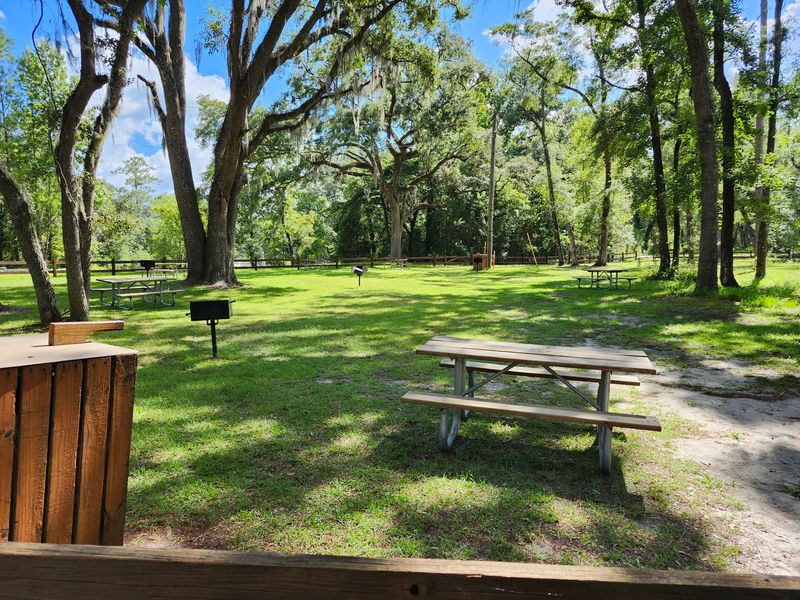
For just five bucks using the honor pay system, you get access to one of the coolest springs in Florida plus surprisingly nice facilities. Clean bathrooms with running water, outdoor showers to rinse off, picnic tables, and BBQ grills are all available. The park feels well-maintained despite being smaller and less famous than places like Ichetucknee or Rainbow Springs.
The bathrooms are genuinely clean, which isn’t something you can say about every state park. Multiple reviewers specifically mention this because it matters when you’re spending the whole day somewhere. There’s also a gear rinse station for divers, though some folks wish they’d add hot showers for warming up after long cold-water sessions.
Paved parking and walkways make the park accessible for people with mobility challenges. The ramp down to the spring is long and zigzagging, which some people find excessive, but it serves an important purpose by making the spring reachable for wheelchairs and those who can’t handle steep stairs. Sometimes good design looks weird but works great.
Picnic tables near the parking area give you space to set up base camp for the day. Grills let you make it a proper cookout if you want. The whole setup feels thoughtfully planned rather than thrown together, which makes your visit more comfortable and enjoyable from start to finish.
6. Off-the-Beaten-Path Location Means Fewer Crowds
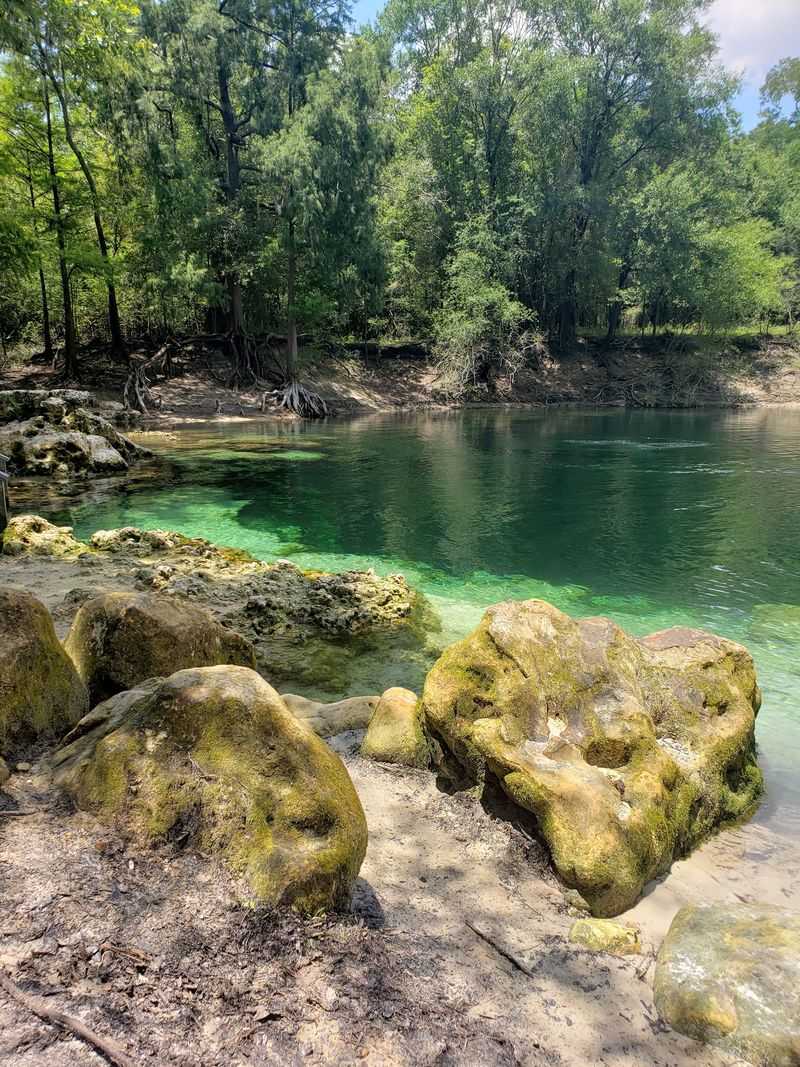
Troy Springs hides away on a back road near Branford, far from the tourist highways and theme park crowds. Getting here requires intentional navigation rather than stumbling upon it accidentally, which keeps visitor numbers manageable even during peak season. That seclusion is exactly what makes it special for people who want to actually relax instead of fighting for space.
The drive into the park takes you through genuine North Florida wilderness. Visitors regularly spot wild turkeys with their chicks, white-tailed deer, and all sorts of other wildlife just going about their business. One reviewer saw a fawn and a whole turkey family on the short drive from the entrance gate to the parking lot.
Because it’s not conveniently located near major population centers, you often have the spring mostly to yourself on weekdays. Even weekends rarely see the shoulder-to-shoulder crowding that plagues more accessible springs. You can actually hear birdsong and wind in the trees instead of constant chatter and music from competing bluetooth speakers.
The trade-off for this peaceful setting is that there’s absolutely nothing else nearby. No restaurants, no shops, no convenience stores within quick driving distance. Bring everything you need for the day because you won’t be popping out for forgotten sunscreen or extra snacks.
That isolation is a feature, not a bug, for people seeking genuine nature experiences.
7. Swimming and Floating in 72-Degree Perfection
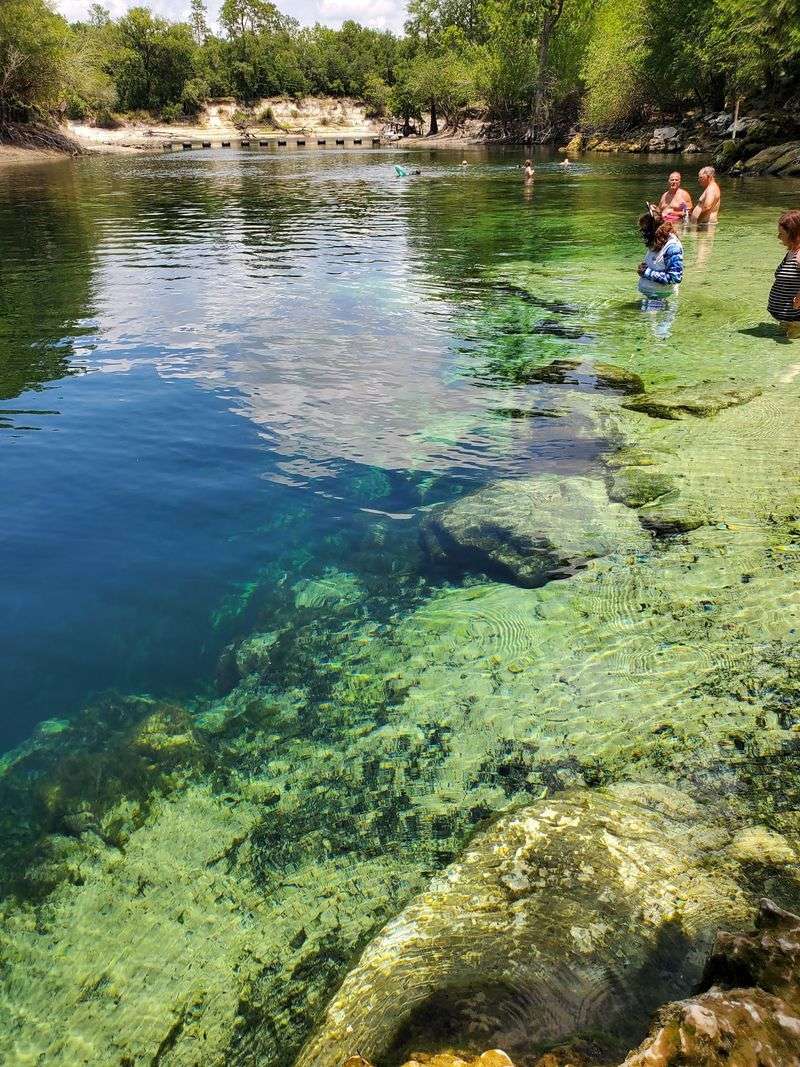
The spring maintains a constant 72-degree temperature every single day of the year, which feels absolutely perfect in summer and surprisingly tolerable even in winter if you keep moving. The spring basin is huge, giving swimmers plenty of room to spread out without bumping into each other or worrying about kicking someone in the face.
Natural limestone formations jut out into the water, creating convenient spots to stand, sit, or rest without having to swim all the way back to shore. These rock ledges are perfect for catching your breath, adjusting your mask, or just hanging out and watching the underwater action. Kids especially love climbing on them and jumping back in.
Pool noodles are genuinely useful here, not just kid toys. Smart swimmers bring them along to float effortlessly while snorkeling or just to relax between more active swimming sessions. The spring is deep enough in places that being able to rest without treading water makes your visit way more enjoyable and less exhausting.
The swimming area is separate from where boats can go, with buoy lines marking safe zones. This keeps you from worrying about getting run over while you’re focused on looking at fish or the steamboat below. Dogs are welcome in the park on leashes but not allowed in the actual swimming area, which keeps things cleaner and safer for everyone.
8. Seasonal Changes and What to Expect Year-Round
Troy Springs doesn’t look exactly the same every time you visit because natural factors constantly change the experience. River levels from the nearby Suwannee affect how the spring appears and functions. When the river runs high from heavy rains, it can back up into the spring and reduce clarity or even make the area temporarily inaccessible.
Low river levels mean clearer conditions but sometimes less dramatic scenery.
Algae blooms occasionally show up, especially during warmer months when nutrients and sunlight combine in just the right way. Some visitors report green slime covering surfaces, which is unfortunately becoming more common at Florida springs due to fertilizer runoff and other environmental pressures. These blooms come and go, so checking recent reviews before you visit helps set realistic expectations.
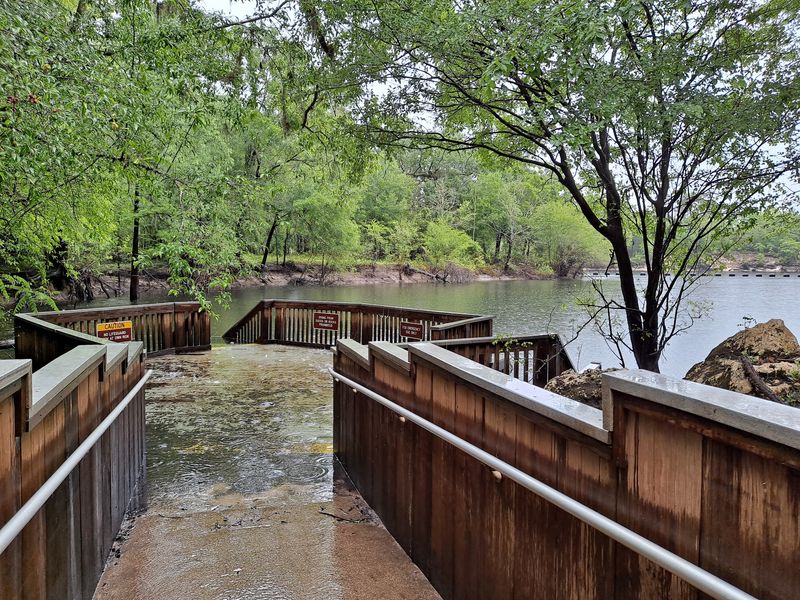
Hurricane and flood damage sometimes impacts facilities like the swimming deck and walkway retaining walls. Some infrastructure has been closed for repairs at various times, forcing visitors to use stairs instead of the main platform. The park does maintenance work periodically, which might affect access to certain areas temporarily but keeps things safe long-term.
Winter visits mean fewer crowds and often the clearest water conditions since algae grows less in cooler months. The 72-degree water feels downright warm compared to winter air temperatures, creating an almost magical steaming effect on cold mornings. Summer brings more visitors but also the best weather for extended swimming sessions and picnicking afterward.