This Florida Church Hides a Stunning Crucifixion Artwork Made From Over 1,000 Pieces of Glass
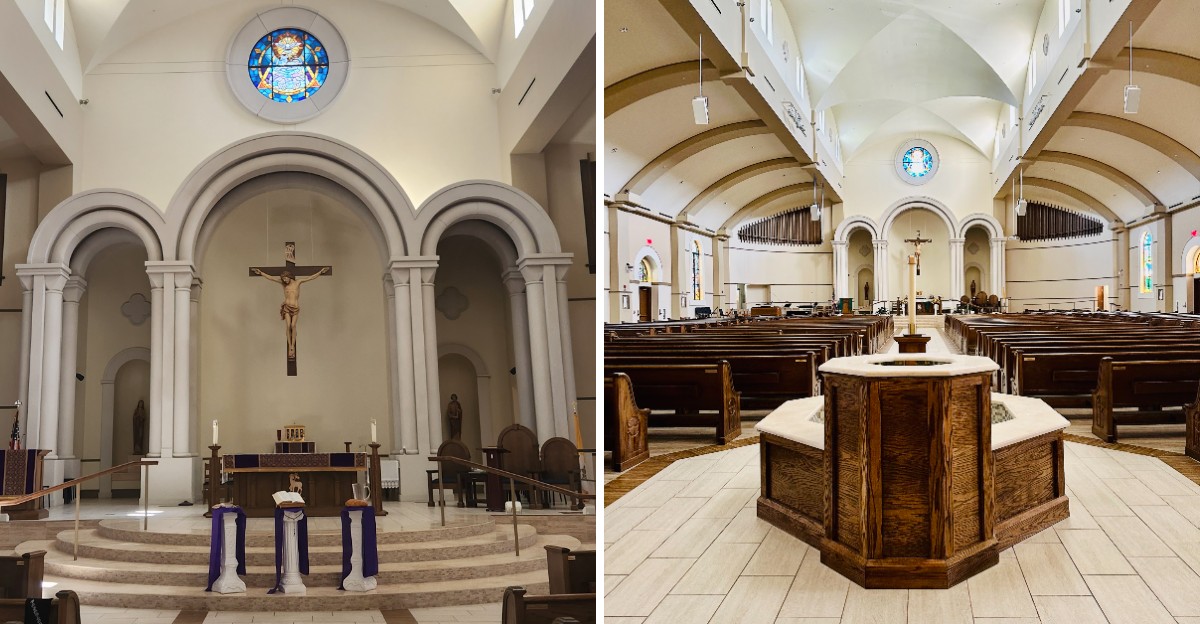
More than 1,000 pieces of glass come together to form one crucifixion scene inside a single Florida church. That number stopped me cold the first time I read it. Every piece had to be cut, placed, and fitted by hand.
I love how hundreds of individual glass pieces can become one extraordinary image. Every carefully arranged fragment contributes to a larger scene filled with religious symbolism and artistic detail.
The church sits in a newer, fast-growing corner of the Space Coast. It’s surrounded by wetlands, ballfields, and neighborhoods that barely existed a few decades ago. I can’t imagine a better contrast for something so carefully pieced together.
So why does a modern suburban parish hold such a patient, old-world kind of artwork? And what else is waiting inside those doors?
1. A Thousand Little Pieces Add Up To One Big Moment
Glass is a stubborn material to work with. It cracks if you rush it, and it shows every small mistake.
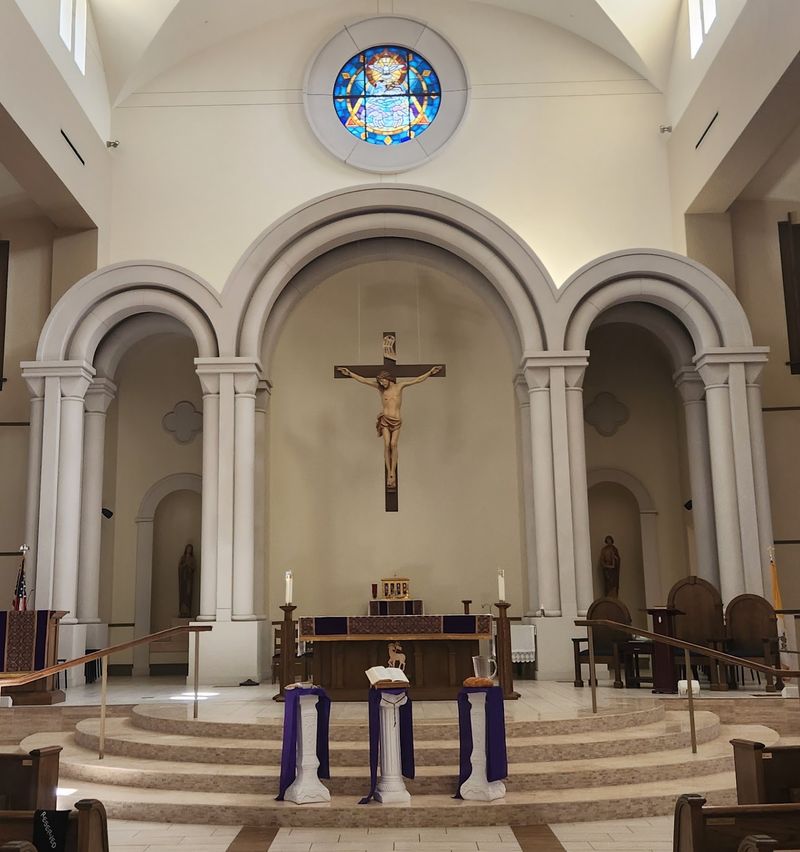
Now multiply that challenge by more than 1,000 pieces. That’s the scale behind the crucifixion artwork at St. John the Evangelist Catholic Church in Viera, Florida.
Each fragment plays a small role in a much larger picture. Alone, one piece might look like a random shard of color. Together, they form a scene that has drawn Christian artists for centuries.
I believe that’s part of the quiet message here. Many small pieces, carefully placed, can create something whole and meaningful.
Glass art also asks you to slow down. Your eyes keep finding new shapes, edges, and color shifts the longer you look.
So give it time. Stand back first to take in the full scene from a distance.
Then move a little closer if the space allows. The details often feel completely different up close than they do from the pews.
Bring a little patience and a respectful attitude. This is a place of prayer first, and the artwork serves that purpose.
Photos may or may not be welcome depending on what’s happening inside. A quick check with the parish office before snapping pictures is always the polite move.
Honestly, though, some things are better remembered than photographed. A thousand pieces of glass deserve more than a quick phone glance.
2. Why Glass Art Feels Different Every Time The Sun Moves
Paint sits still on a wall. Glass, on the other hand, seems to breathe with the weather outside.
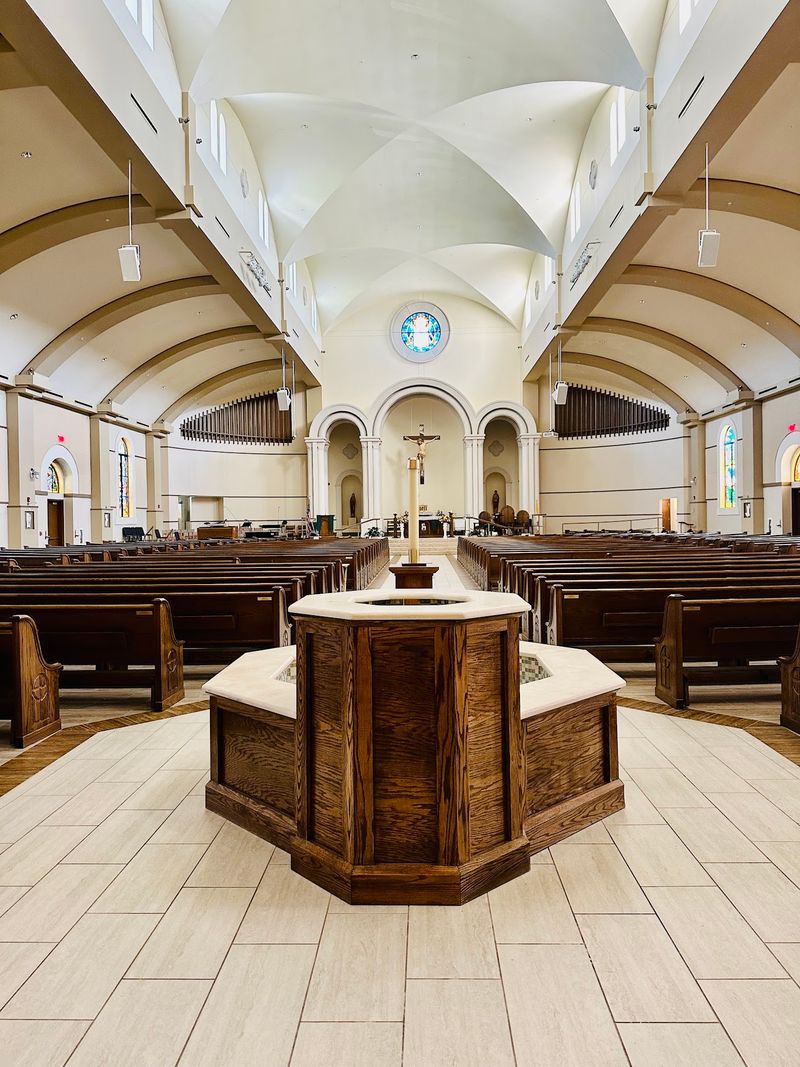
The church’s crucifixion artwork is a three-panel mosaic made from more than 1,000 pieces of colored glass. Its intricate arrangement and colors make it a remarkable work of sacred art.
That’s a big reason glass has filled churches for hundreds of years. Medieval builders used it to tell Bible stories to people who often couldn’t read.
Fun fact for the history fans out there. Some of the oldest surviving stained glass windows in Europe date back roughly a thousand years.
Modern glass artists still borrow from those old methods. Pieces are cut by hand, arranged in patterns, and joined together to hold their shape.
Knowing that makes the work at St. John the Evangelist feel connected to a very long tradition. It links a modern Space Coast parish with ancient cathedrals across the ocean.
Here’s a practical tip for art lovers. If you visit more than once, try going at a different time of day.
You’ll probably notice colors you missed before. Shadows and highlights shift in ways that make the scene feel freshly made.
Of course, church schedules come first. Mass times and parish events shape when the building is open for quiet visits.
Checking ahead saves you from showing up during a wedding or funeral. Nobody wants to be the person tiptoeing in with a camera at the wrong moment.
3. Named For The Disciple Who Stayed At The Cross
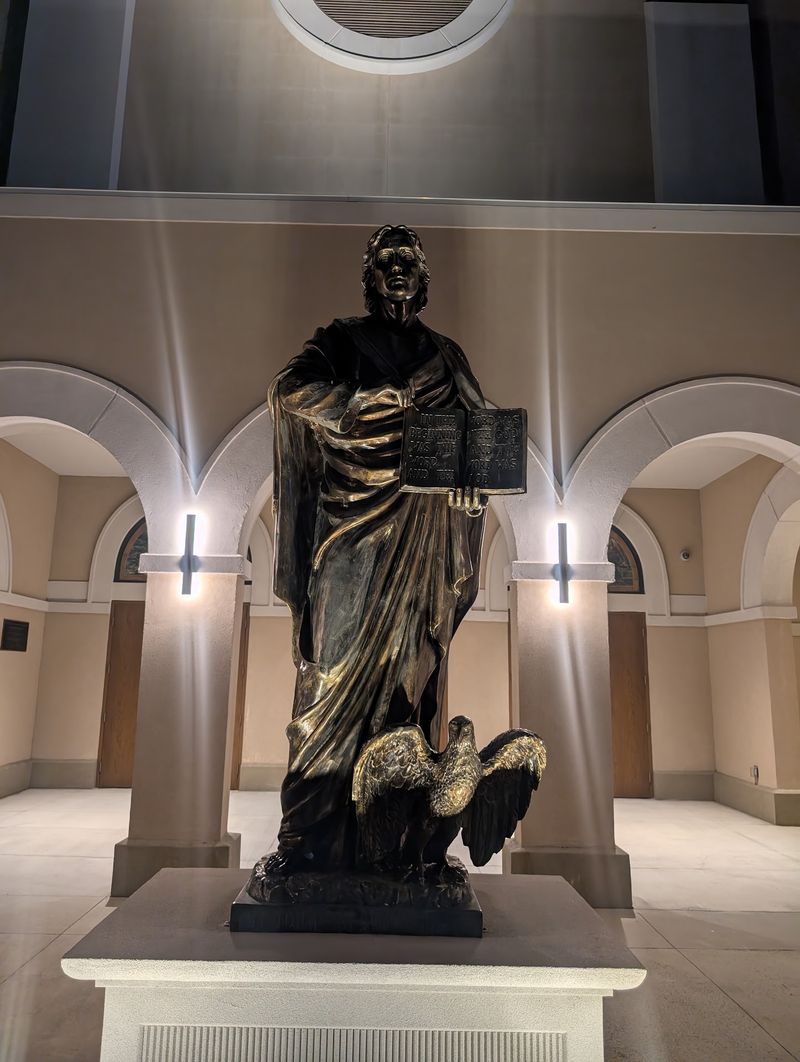
The name on the sign carries a fitting story. St. John the Evangelist is traditionally known as the disciple who stood near the cross.
The Gospel of John describes Jesus speaking to his mother and the disciple whom he loved from the cross. Christian tradition identifies that disciple as John, giving the parish’s crucifixion artwork a particularly meaningful connection to its patron saint.
John is also linked with the fourth Gospel in the New Testament. Many Christians also connect him with the letters of John and the Book of Revelation.
In Christian art, he’s often shown with an eagle. The bird represents the soaring, deeply spiritual style of his Gospel.
His feast day falls on December 27. That’s right in the middle of the Christmas season, which makes it easy to remember.
Knowing a parish’s patron saint adds a layer to any visit. It helps explain the art, the prayers, and sometimes even the building’s design choices.
So when you look at the crucifixion scene, think about who the church is named for. The artwork almost becomes a window into John’s own point of view.
That’s a pretty powerful idea to carry into a quiet pew. One disciple, one moment, and over a thousand pieces telling it.
Families with kids can turn this into a simple lesson. Ask them to look for symbols tied to John around the church.
It turns a visit into a gentle scavenger hunt. Just keep the voices low and the giggles under control.
4. You’ll Find It Right Off A Road Named For Baseball
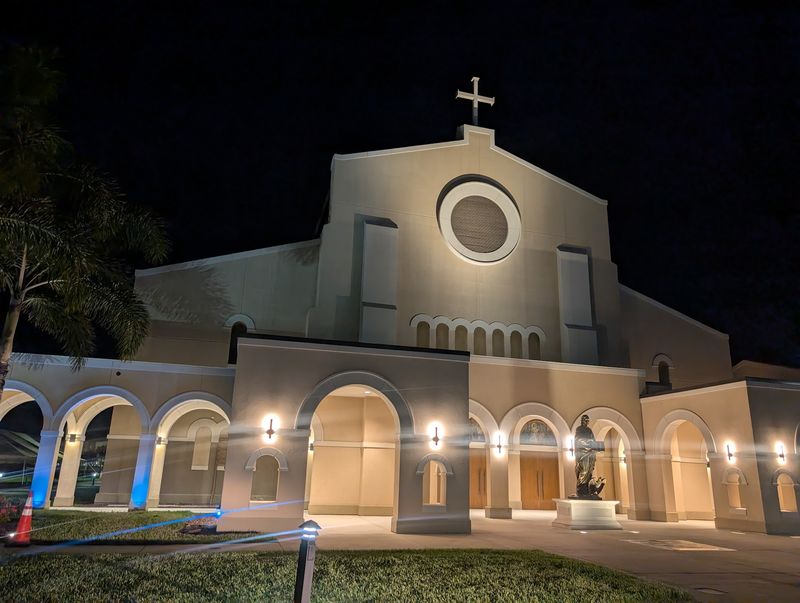
Stadium Parkway sounds like the last place you’d find sacred art. Yet that’s exactly where this parish calls home.
St. John the Evangelist Catholic Church sits at 5655 Stadium Parkway, Viera, FL 32940. The road got its name from the nearby ballpark complex that has hosted spring training and amateur tournaments.
Viera itself is a planned community in Brevard County. It grew quickly on former ranch land, with homes, shops, and parks rising fast.
That makes the parish part of a newer Florida story. Instead of a centuries-old town square, you get wide roads and modern neighborhoods.
Getting there is fairly simple for most Space Coast drivers. Interstate 95 runs close by, which helps travelers heading north or south along the coast.
Melbourne, Rockledge, and Cocoa are all within a reasonable drive. Orlando is farther away, but still manageable for a day trip.
Parking at suburban churches is usually easier than downtown cathedrals. Still, weekend Masses and holidays can fill lots quickly anywhere.
Give yourself a few extra minutes before services begin. Arriving early also lets you sit quietly with the artwork before the crowd settles.
It’s a funny mix when you think about it. Baseball fans cheer down the road while a peaceful glass masterpiece waits nearby.
Both, in their own ways, bring a community together. One just involves a lot more hot dogs.
5. Mass Is The Best Time To See The Art Doing Its Real Job
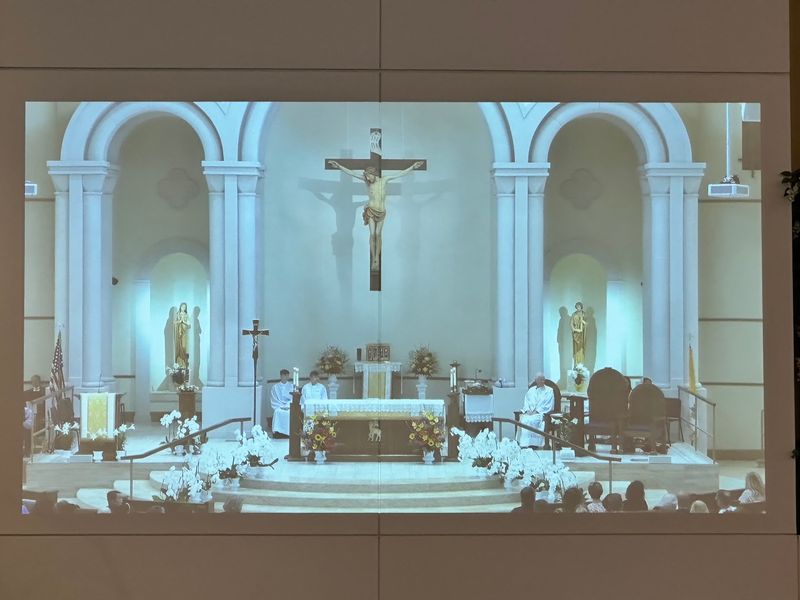
Art in a museum hangs on a wall and waits. Art in a church has a job to do every single week.
At St. John the Evangelist, the crucifixion artwork supports worship. It helps focus attention during prayer, readings, and the celebration of the Eucharist.
That’s why attending Mass offers a different kind of experience. You see the artwork in the setting it was meant for.
Visitors of every background are generally welcome at Catholic Mass. You don’t need to know every response to sit respectfully and take it in.
A few simple tips help newcomers feel comfortable. Follow along with standing and sitting, and simply stay seated if you’re unsure.
Communion has guidelines for Catholics. Non-Catholics often come forward with arms crossed for a blessing, or simply remain in the pew.
Mass schedules can change with seasons and holidays. The parish shares current times through its own channels, so checking before you go is smart.
Dress tends to be modest but relaxed in Florida parishes. Think neat and respectful rather than fancy.
The Diocese of Orlando oversees Catholic parishes across Brevard County. That includes this one, which serves a large and growing Space Coast community.
Going to Mass also gives you a feel for the parish itself. Art is lovely, but the people praying beneath it are the real heartbeat.
6. Good Manners Make A Church Visit Way Better
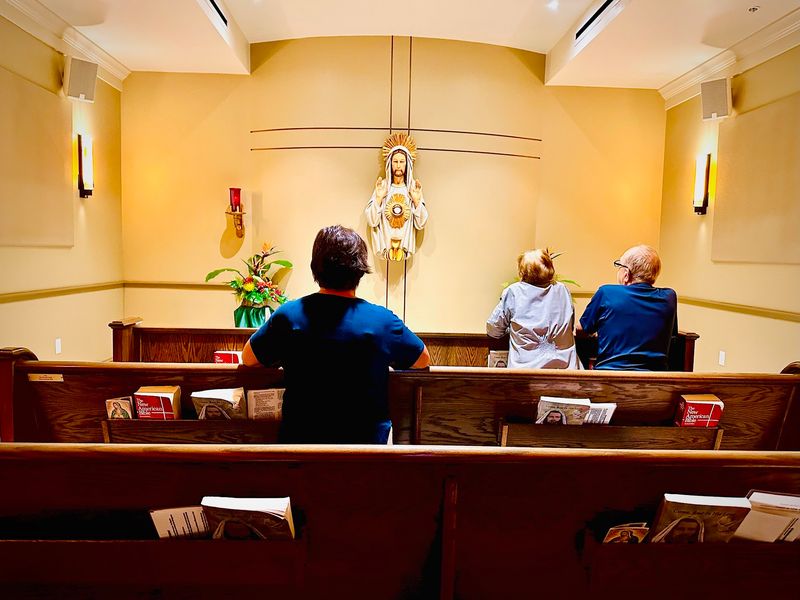
Nobody likes the tourist who talks loudly during a quiet prayer. Luckily, a few easy habits keep you far from that label.
First, silence your phone completely before entering. Even a vibrating buzz can echo in a peaceful sanctuary.
Second, keep conversations to whispers or save them for outside. People may be praying, grieving, or simply resting their minds.
Third, avoid walking in front of anyone kneeling or praying. Taking the long way around a pew is a small kindness.
Photography rules vary from parish to parish. When in doubt, ask the parish office or skip the photos during services.
Kids are welcome in Catholic churches, and a little wiggling is normal. Still, it helps to prep younger ones with a quick talk before going in.
You might frame it as a quiet looking game. Ask them to count colors in the glass without saying them out loud.
Hats usually come off for men and boys inside. It’s a long-standing sign of respect in many churches.
If a wedding or funeral is underway, plan to come back another time. Those moments belong to the families involved.
None of this needs to feel stiff or scary. A respectful attitude simply makes the art and the quiet feel even richer.
Honestly, good manners are like good glass work. Lots of small, careful choices that add up to something beautiful.
7. A Parish Built For A Community That Keeps Growing
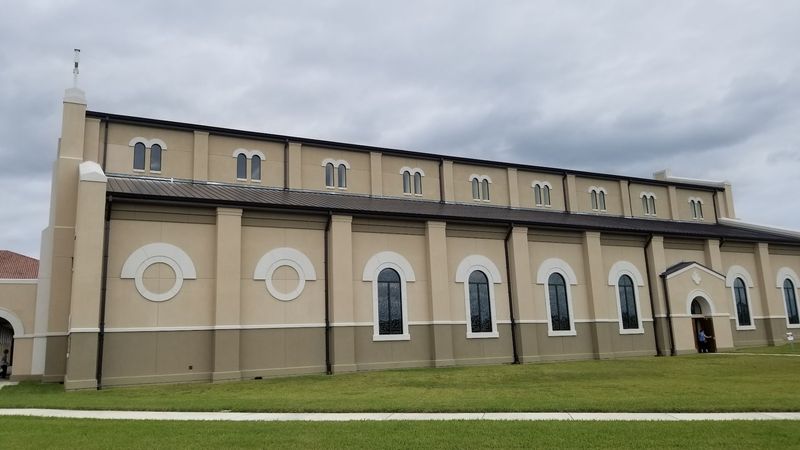
Fast growth changes everything about a town. New roads, new schools, and new neighbors arrive almost overnight.
Viera has seen that kind of growth over the past few decades. A parish like St. John the Evangelist gives that young community a spiritual home.
Churches in growing areas often become much more than Sunday stops. They offer sacraments, religious education, and ways to meet neighbors.
Catholic parishes typically prepare children for First Communion and Confirmation. They also support couples getting married and families welcoming newborns through Baptism.
For someone new to Brevard County, a parish can be a big help. It’s often one of the fastest ways to build real friendships in a new place.
Many parishes host ministries focused on service and outreach. Specific groups change over time, so the parish itself is the best source for current options.
I like the idea of art and community living side by side. The glass crucifixion gives people a shared focal point during worship.
Every week, families sit beneath the same artwork. Over time, it becomes part of their memories of weddings, holidays, and ordinary Sundays.
That’s the quiet power of a parish church. It holds both the big life moments and the small everyday prayers.
So if you’re moving to the Space Coast, keep this parish on your list. Even a single visit can help you get a feel for the community.
8. Turn Your Visit Into A Full Space Coast Day
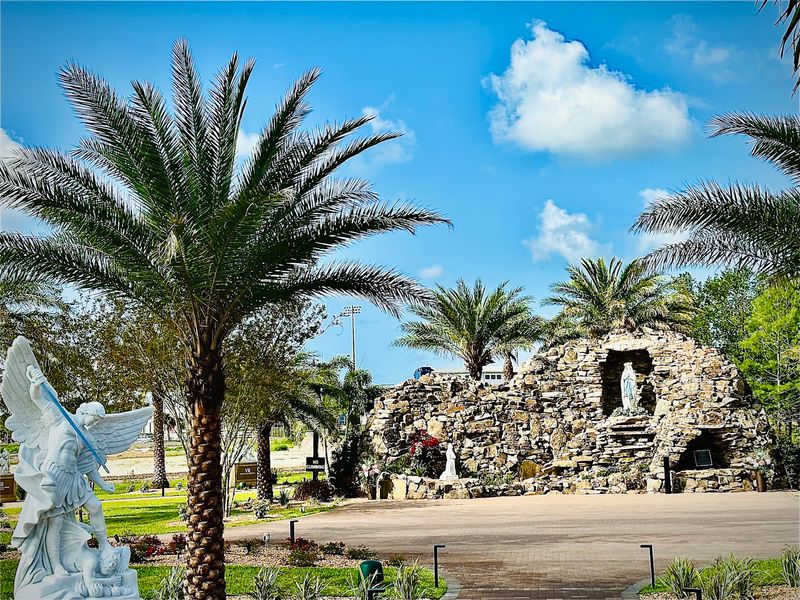
Quiet reflection pairs surprisingly well with alligators and wading birds. Viera offers both within a short drive.
The Ritch Grissom Memorial Wetlands, often called the Viera Wetlands, sit nearby. Birders love the area for herons, egrets, spoonbills, and plenty of other feathered locals.
It’s a great spot for a peaceful walk or bike ride after visiting church. Motor vehicles are restricted to designated parking areas, so bring binoculars, water, and a hat before exploring the wetlands.
Brevard Zoo is another nearby favorite in the Melbourne and Viera area. Families can see animals from around the world and enjoy kayak tours in some areas.
Shopping and dining options cluster around The Avenue Viera. It’s handy when everyone suddenly announces they’re starving.
Space fans have even bigger options farther north. Kennedy Space Center Visitor Complex sits on Merritt Island, about an hour’s drive depending on traffic.
Beaches are within easy reach too. Cocoa Beach and Melbourne Beach both draw crowds with sand, waves, and sunshine.
Mixing a church visit with outdoor time makes for a balanced Florida day. Art in the morning, nature in the afternoon, and maybe a beach sunset to close it out.
Just plan around heat and summer storms. Afternoon thunderstorms in Florida can roll in fast during warmer months.
Honestly, it’s hard to beat a day like that. Peaceful art, wild birds, and rocket history all in one region.
9. Some Art Is Worth Sitting With For A While
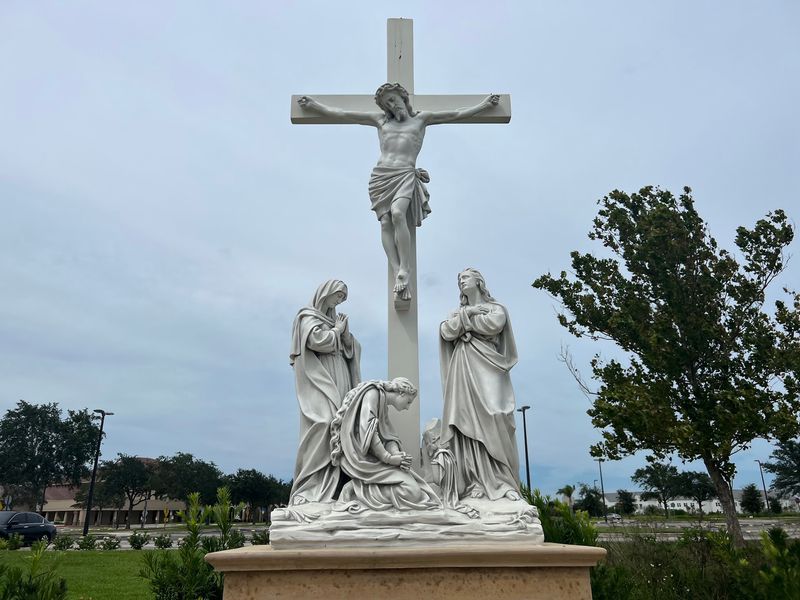
Scrolling has trained us to look at things for about two seconds. A thousand pieces of glass politely asks for more than that.
Sitting quietly with sacred art can feel calming, even if you’re not religious. Your breathing slows, and your thoughts start to untangle.
At St. John the Evangelist Catholic Church, the crucifixion scene offers that kind of pause. It’s both a work of craft and a focus for prayer.
Try this simple approach on your visit. Spend a minute on the whole scene, then focus on one small area.
Notice how colors meet along the edges. Look for places where light seems brightest or darkest.
Then think about the effort behind it all. Someone measured, cut, and placed each piece with patience most of us rarely practice.
That alone might be the best takeaway. Beautiful things usually come from slow, careful work over time.
Catholics often pray before a crucifix as a way of remembering Christ’s love and sacrifice. Visitors of other faiths can still appreciate the artistry and meaning with respect.
A short journal entry afterward can help the moment stick. Even a few lines about colors or feelings make a nice keepsake.
Florida has flashy attractions everywhere you turn. Sometimes the most memorable stop is the quiet one in Viera, where glass and light keep telling an ancient story.