This Florida Road Trip Leads to 7 Shipwrecks You Can Actually Reach
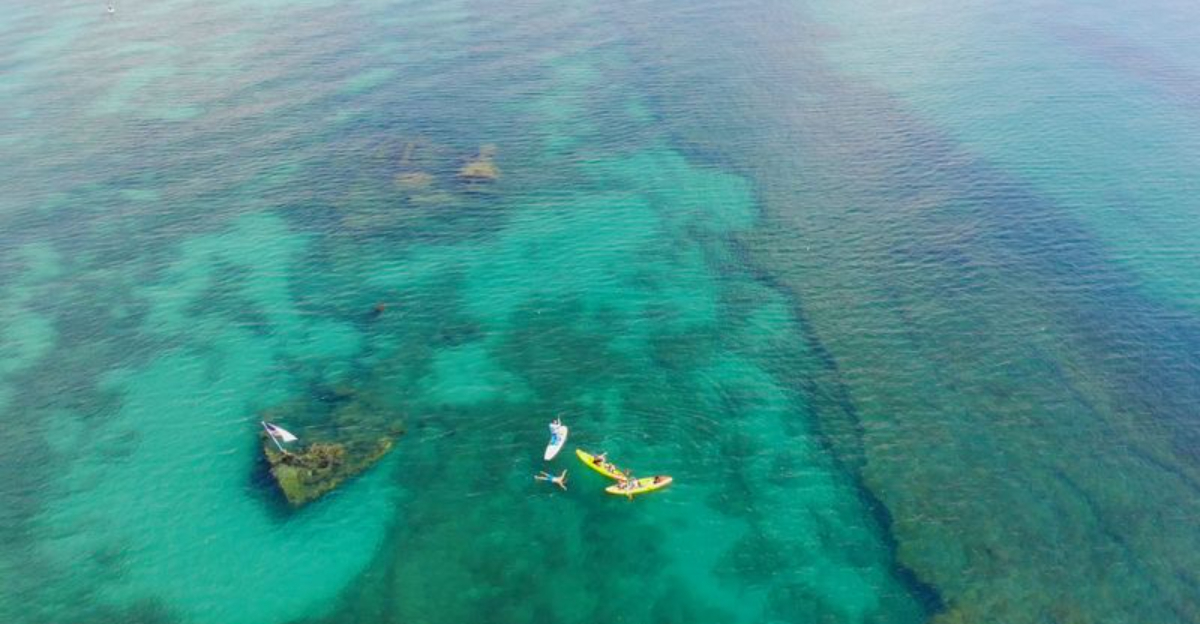
Florida’s coastline hides dozens of shipwrecks, but most require serious diving gear or a boat charter to explore. The good news? A handful of historic wrecks sit so close to shore that you can swim, snorkel, or paddle out to them without much fuss.
This road trip strings together seven of the most accessible shipwrecks along Florida’s Atlantic and Gulf coasts, each one protected, well-marked, and genuinely reachable for everyday adventurers. Pack your snorkel mask and get ready to time-travel through centuries of maritime history.
1. Regina / “Sugar Wreck” (Bradenton Beach)
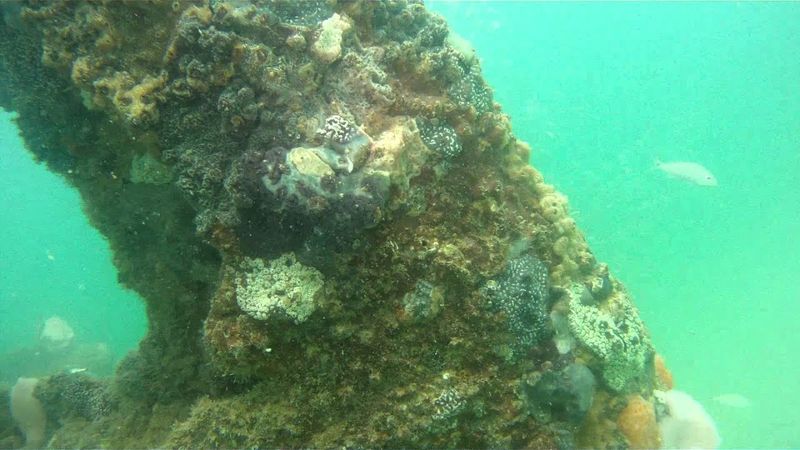
Start your wreck-hopping adventure on the Gulf side at Bradenton Beach, where the Regina rests in wonderfully shallow water just offshore from Anna Maria Island. This 247-foot tanker-barge earned the nickname “Sugar Wreck” after it sank while carrying a cargo of molasses back in 1940. The wreck sits close enough to the beach that you can swim out without a boat, and the depth rarely exceeds 20 feet, making it ideal for snorkelers who want to see their first real shipwreck without advanced certification.
Florida designated the Regina as an Underwater Archaeological Preserve, so you’ll find interpretive markers and replica artifacts placed near the site to help you understand what you’re looking at. The hull has broken apart over the decades, but large sections of the structure remain intact and have become home to grouper, snapper, and schools of smaller reef fish. On a clear day, visibility can reach 15 to 20 feet, giving you a solid view of the rusted metal framework and marine life.
The beach access is straightforward, with public parking and facilities nearby. Local dive shops offer guided snorkel tours if you prefer a little extra context and safety support. Because the wreck sits in a protected preserve, you can explore freely but remember that removing artifacts or disturbing the site is prohibited.
Bring an underwater camera because the light filtering through the shallow water creates some genuinely photogenic moments around the corroded hull sections.
2. SS Breconshire / “Boiler Wreck” (Vero Beach)
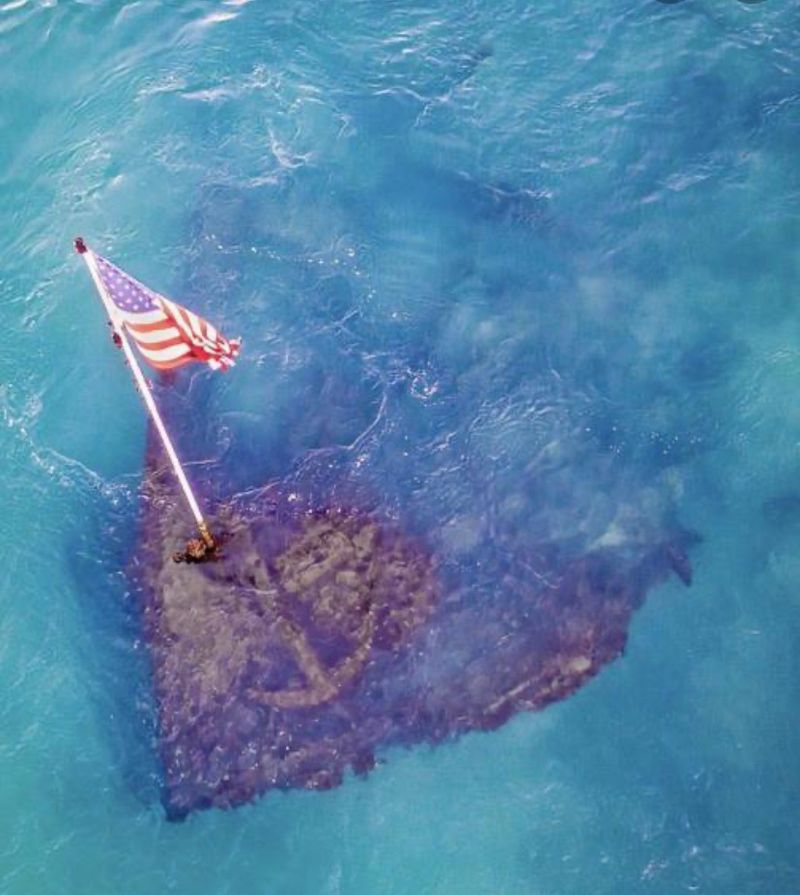
Head down the Atlantic coast to Vero Beach, where the SS Breconshire offers one of the most accessible wreck experiences in the entire state. Locals call it the “Boiler Wreck” because the ship’s massive boiler is the most prominent piece still visible, sometimes breaking the surface at low tide. The wreck sits only 150 to 200 yards offshore in about 15 to 20 feet of water, which means you can literally swim, kayak, or paddleboard out to it without chartering a boat.
The Breconshire went down in 1894 during a storm, and over the years the Atlantic has scattered and buried much of the hull. What remains, though, is impressive: the boiler, sections of the engine, and scattered iron plates create a fascinating underwater landscape. During calm conditions, you can spot the boiler from the beach, making it easy to plan your approach and gauge the surf before heading out.
Snorkeling here feels more like a treasure hunt than a formal dive. The shallow depth and sandy bottom make navigation simple, and the wreck attracts a surprising variety of marine life, including lobster, octopus, and small reef fish. If you visit at low tide, you might even see the top of the boiler poking above the waterline.
Bring water shoes for the walk out, and check the surf report before you go since rough seas can reduce visibility and make the swim more challenging than it needs to be.
3. Urca de Lima (Fort Pierce)
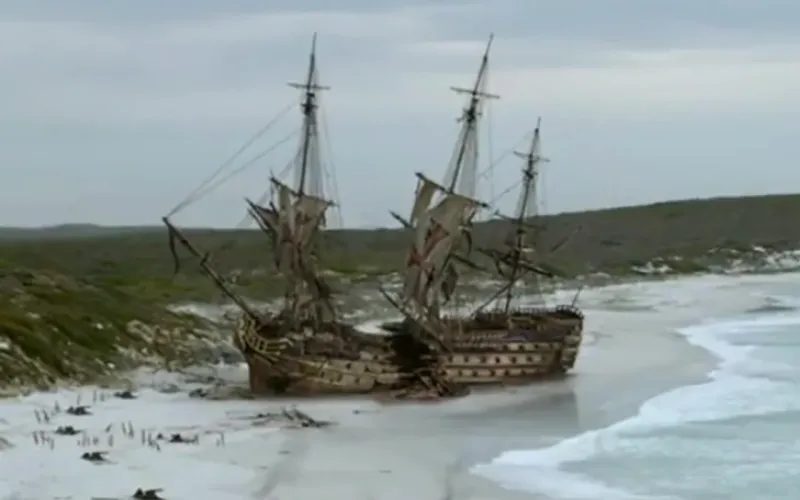
Continue south to Fort Pierce, where the Urca de Lima offers a direct connection to Florida’s Spanish colonial past. This ship was part of the doomed 1715 Spanish treasure fleet that got caught in a hurricane and wrecked along the coast. The Urca de Lima sits just 200 yards offshore in 10 to 15 feet of water, making it one of the most approachable archaeological shipwrecks you’ll ever encounter without serious dive training.
The site includes a visible ballast mound, remnants of the wooden hull, and several replica cannons placed by the state to help you visualize what the original ship might have looked like. You’ll also find an underwater plaque explaining the wreck’s history and significance. The shallow depth and relatively calm conditions make this a favorite spot for families and beginner snorkelers who want to experience a real piece of history without battling strong currents or deep water.
Access is easy from Fort Pierce Inlet State Park, where you can park, gear up, and swim straight out to the site. The wreck has become an artificial reef over the centuries, attracting tropical fish, sea turtles, and the occasional ray. Visibility varies depending on weather and tide, but on good days you can see the entire site clearly from the surface.
Because this is a protected archaeological preserve, touching or removing anything is strictly off-limits. Still, just floating above a 300-year-old shipwreck is pretty unforgettable on its own.
4. Georges Valentine (Stuart)
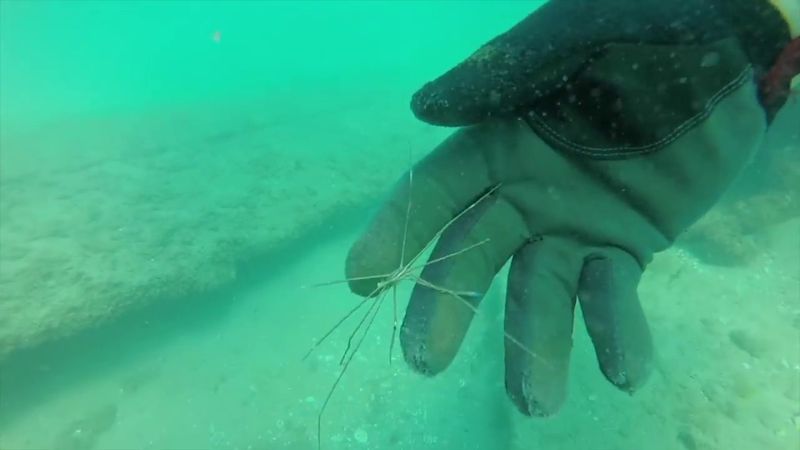
Just a short drive south brings you to Stuart, where the Georges Valentine offers both history and convenience in one tidy package. This wooden schooner went down during a fierce storm in 1904 and now rests about 100 yards offshore and 100 yards south of the historic House of Refuge at Gilbert’s Bar. The proximity to the beach and the shallow depth make this wreck one of the easiest on the entire route to visit without a boat or advanced diving skills.
The Georges Valentine is another Florida Underwater Archaeological Preserve, meaning the state has marked and protected the site for public exploration. You’ll find remnants of the wooden hull, iron fittings, and scattered debris that paint a picture of what coastal shipping looked like more than a century ago. The wreck sits in relatively calm water most of the year, and the sandy bottom makes navigation straightforward even for less experienced snorkelers.
Park at the House of Refuge Museum, which is worth a visit on its own for anyone interested in Florida’s maritime rescue history. From there, it’s a quick swim or paddle out to the wreck site. The shallow water and clear conditions on calm days let you see the entire structure from above, and you’ll likely spot schools of fish weaving through the old timbers.
Because the wreck is so close to shore and well-marked, it’s a great choice for families or anyone nervous about venturing too far from the beach. Just remember to respect the preserve rules and leave everything as you found it.
5. Lofthus (Manalapan)
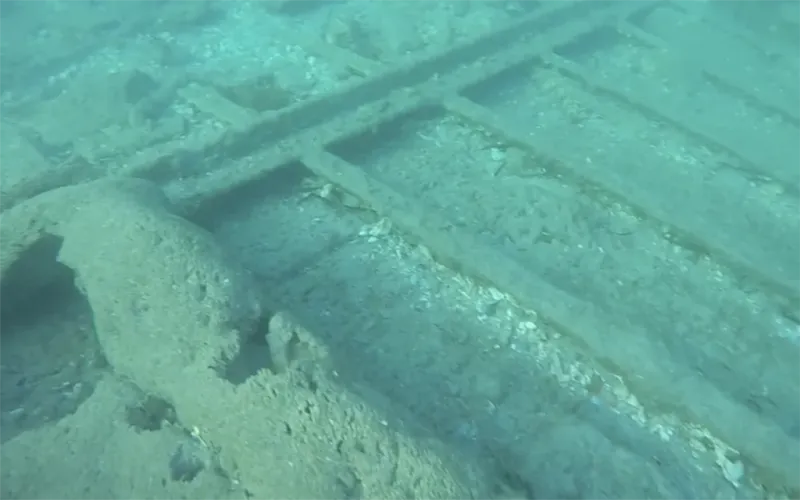
Push further south to Manalapan, where the Lofthus offers a slightly different wreck experience thanks to its iron hull construction. This Norwegian barque went down in 1898 and now sits just 175 yards offshore in 15 to 20 feet of water, north of Boynton Inlet. The iron structure has held up better than wooden wrecks over the past century, giving you more substantial remains to explore during your snorkel or shallow dive.
The Lofthus is another state-protected archaeological site, complete with interpretive markers and historical context provided by Florida’s Bureau of Archaeological Research. You’ll see large sections of the iron hull, ribs, and framing that give you a real sense of the ship’s original size and construction. The wreck has become an artificial reef, attracting a healthy population of reef fish, lobster, and occasional sea turtles cruising through the area.
Access is straightforward from nearby beach parks, though you’ll want to check local conditions before swimming out since the inlet can create variable currents depending on tide and weather. On calm days, the visibility can be excellent, letting you see the entire wreck from the surface before you even duck underwater. The shallow depth makes this a comfortable spot to spend time exploring without worrying about air supply or decompression limits.
Bring an underwater camera and take your time circling the site, since the iron structure creates interesting angles and light patterns that photograph beautifully in the clear Florida water.
6. Half Moon (Key Biscayne)
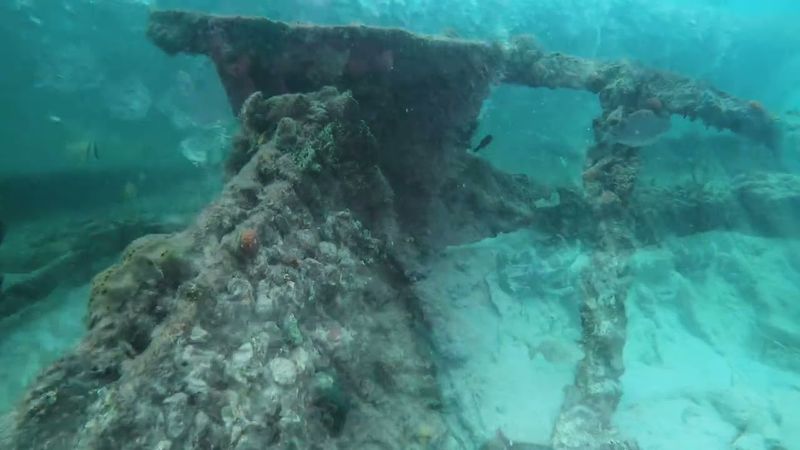
Swing around to the Miami area and head to Key Biscayne, where the Half Moon delivers one of the more unusual backstories on this entire trip. This former German racing yacht met its end in Florida waters and now rests in just 8 to 12 feet of water off the island’s coast. The wreck has transformed into a thriving artificial reef, covered in coral, sponges, and all the reef fish that come with healthy marine habitat.
Because the Half Moon sits farther offshore than some of the other wrecks on this list, you’ll want to arrange boat access rather than attempting a long swim from the beach. Local dive shops and snorkel charter operators know the site well and can get you there quickly and safely. Once you arrive, though, the shallow depth means you can spend plenty of bottom time exploring without needing scuba gear or worrying about depth limits.
The wreck’s transformation from racing yacht to reef habitat makes it particularly interesting for anyone who loves marine life as much as maritime history. You’ll spot parrotfish, angelfish, snapper, and schools of smaller tropicals weaving through the structure, along with the occasional nurse shark resting under the wreckage. The coral growth has softened the yacht’s original lines, creating a colorful, living monument to both the vessel’s past and Florida’s reef ecosystems.
Plan your visit during calm weather for the best visibility, and give yourself time to explore the surrounding area since the reef extends beyond just the wreck itself.
7. San Pedro (Islamorada)
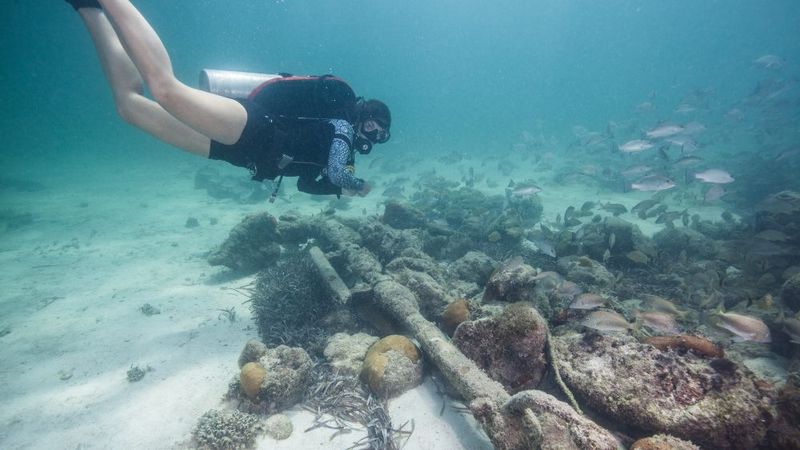
Finish your shipwreck road trip in the Florida Keys, where the San Pedro offers a fitting finale with genuine Spanish treasure fleet credentials. This galleon went down during the catastrophic 1733 hurricane that destroyed an entire Spanish fleet along the Keys. The wreck now rests in just 18 feet of water, roughly 1.25 nautical miles south of Indian Key, making it one of the most accessible Spanish colonial shipwrecks in North American waters.
Florida State Parks manages the San Pedro as an Underwater Archaeological Preserve, complete with replica cannons, an anchor, and interpretive markers that help you understand what you’re looking at. The site includes visible ballast stones, hull remains, and artifacts that connect you directly to Spain’s colonial shipping network and the dangers sailors faced in these waters. The shallow depth makes this an ideal snorkeling destination, and the clear Keys water usually offers excellent visibility for exploring the entire site.
You’ll need a boat to reach the San Pedro since it sits over a mile offshore, but charter operators throughout Islamorada specialize in trips to this exact wreck. The site attracts plenty of marine life, including tropical fish, lobster, and the occasional barracuda cruising the perimeter. Because this is a protected archaeological site, all the usual preserve rules apply: look but don’t touch, and definitely don’t remove anything.
The combination of historical significance, accessibility, and marine life makes the San Pedro a perfect ending point for your Florida shipwreck adventure.