This Once-Peaceful Florida Lake Is Now at the Center of a Heated Debate
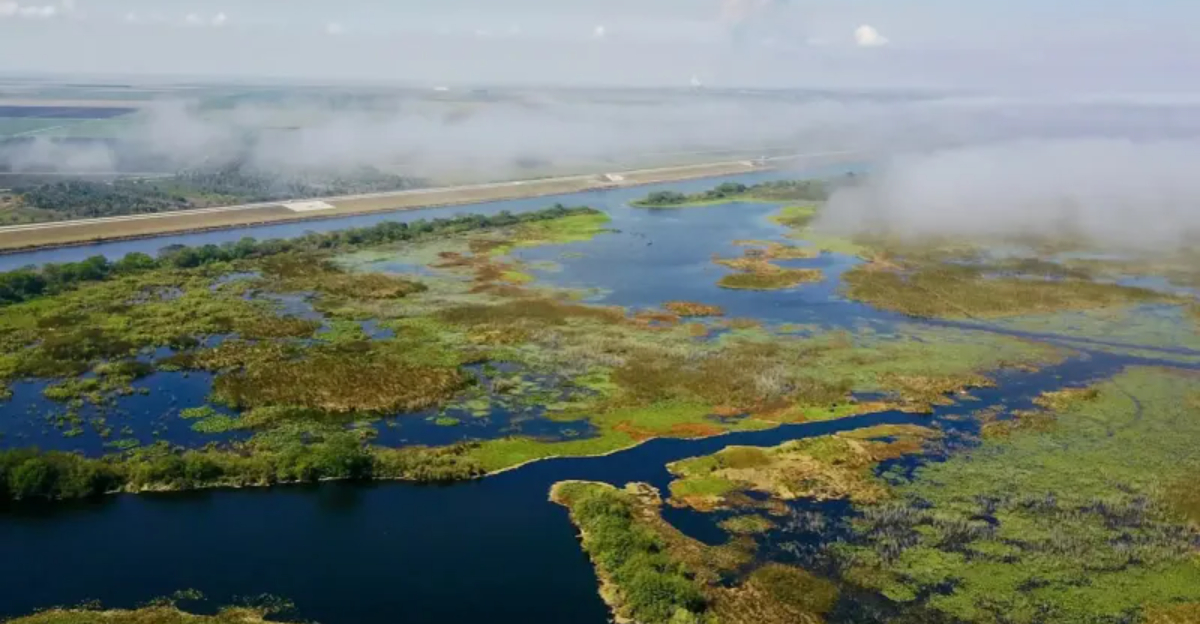
Lake Okeechobee has long been Florida’s liquid heart, a massive freshwater lake famous for bass fishing and breathtaking sunsets. But today, this natural wonder sits at the center of a fierce environmental battle that has neighbors, farmers, and scientists locked in conflict. The fight is about more than just water levels or algae blooms.
It’s about the future of Florida’s ecosystems, coastal communities, and the delicate balance between agriculture and conservation.
1. Agricultural Runoff Is Fueling Toxic Algae Blooms
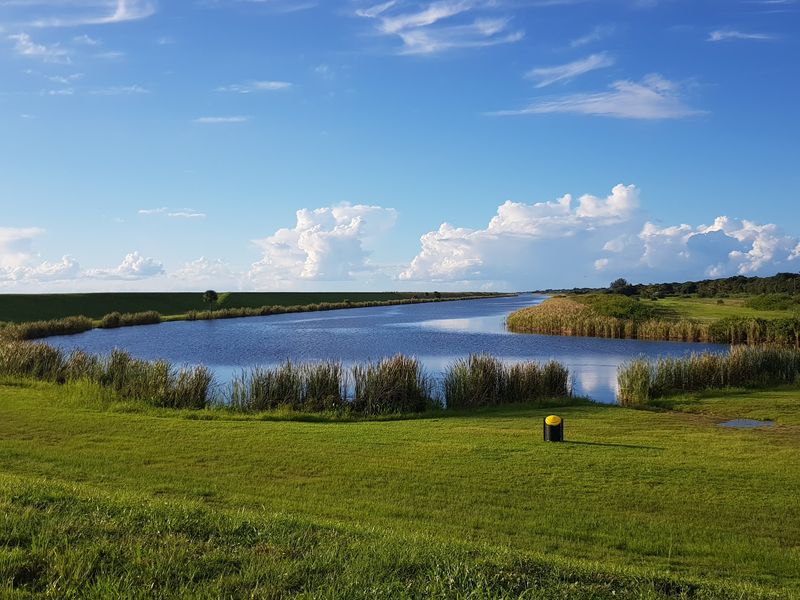
Fertilizer from farms surrounding Lake Okeechobee has turned sections of the lake into a toxic nightmare. Nutrient-rich runoff, packed with nitrogen and phosphorus, feeds massive blue-green algae blooms that turn the water an eerie, unnatural green. These blooms aren’t just ugly.
They’re dangerous, releasing toxins that can sicken people, kill fish, and devastate wildlife.
The blooms have gotten worse over the past decade, especially during hot summer months when conditions are perfect for algae growth. Communities that depend on the lake for recreation and tourism have watched helplessly as beaches close and fishing charters cancel trips. The stench from decaying algae can be overwhelming, drifting into nearby neighborhoods and making outdoor activities unbearable.
Environmental groups point fingers at Big Sugar and other agricultural operations, demanding stricter limits on fertilizer use and better water management practices. Farmers counter that they’re following regulations and that the lake’s problems are more complex than just farm runoff. They argue that urban development, septic systems, and natural processes also contribute nutrients to the water.
Meanwhile, scientists warn that without major changes, the blooms will only get worse. Climate change is making summers hotter and wetter, creating ideal conditions for toxic algae to thrive and spread throughout the lake ecosystem.
2. Water Releases Are Poisoning Coastal Rivers and Estuaries
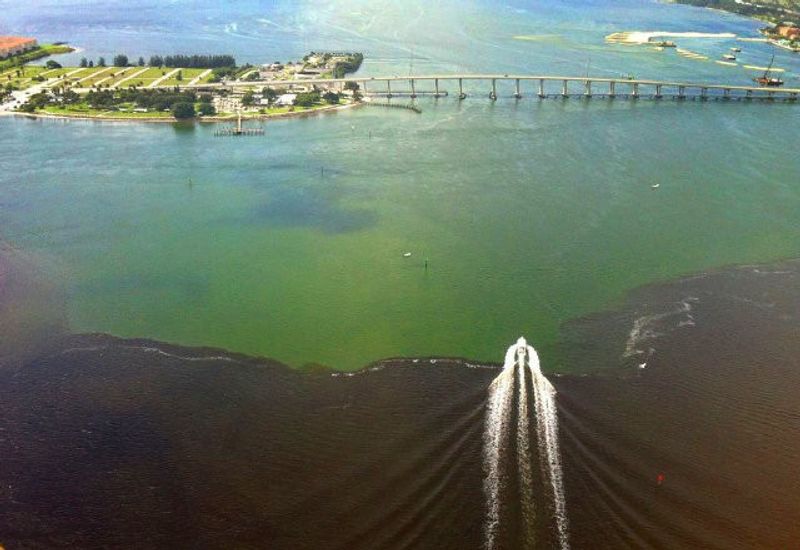
When Lake Okeechobee gets too full, the Army Corps of Engineers opens the floodgates, sending billions of gallons of lake water rushing into the Caloosahatchee and St. Lucie rivers. The problem? That water carries pollution, nutrients, and algae straight into delicate coastal ecosystems that can’t handle the freshwater assault.
Oyster beds die, seagrass meadows disappear, and entire fisheries collapse under the toxic onslaught.
Coastal residents have watched their waterways transform from crystal-clear paradise to murky green soup almost overnight. The releases happen with little warning, leaving communities scrambling to protect their livelihoods and health. Tourism businesses suffer devastating losses when beaches close and the water turns foul.
Real estate values plummet as buyers avoid areas with recurring pollution problems.
The Army Corps insists the releases are necessary to protect the aging Herbert Hoover Dike from catastrophic failure. If the lake rises too high, the earthen dam could breach, flooding surrounding communities and causing billions in damage. But environmental advocates argue that better water storage south of the lake could reduce or eliminate the need for harmful discharges.
Politicians have promised solutions for years, but progress remains frustratingly slow. Major infrastructure projects are underway, but they won’t be finished for another decade or more, leaving coastal communities to suffer through another round of toxic releases.
3. The Herbert Hoover Dike Needs Billions in Repairs
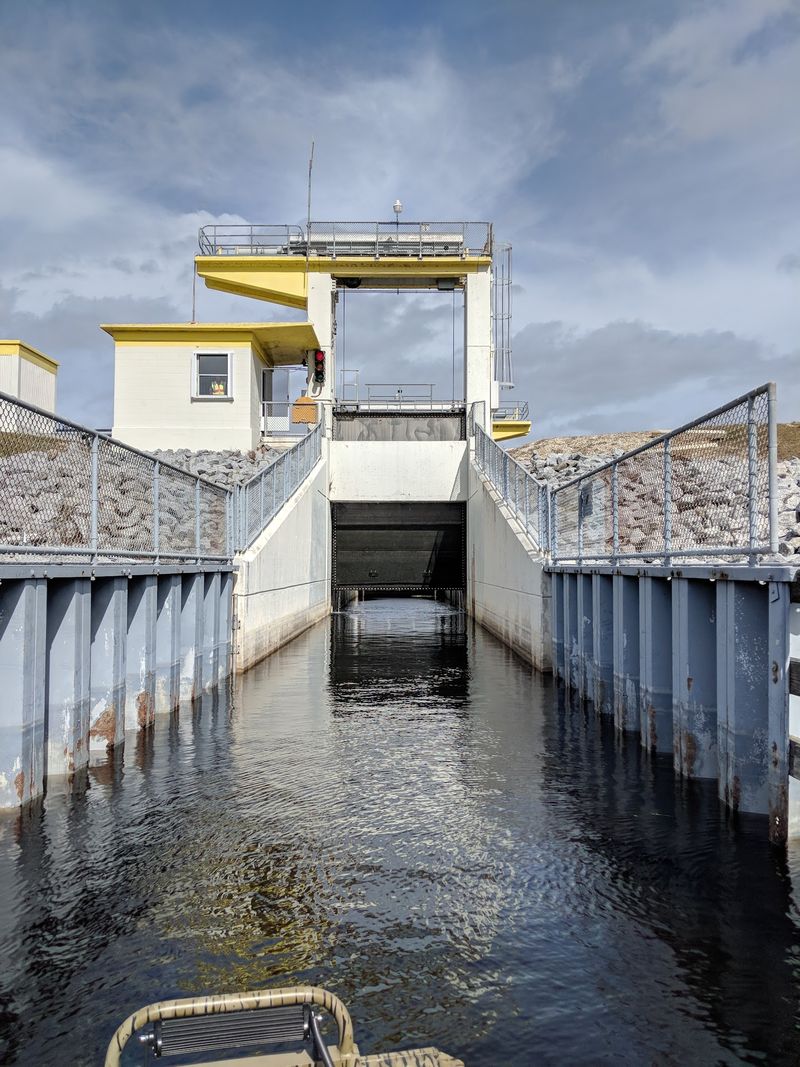
Built in the 1930s after devastating hurricanes killed thousands of people, the Herbert Hoover Dike wraps around Lake Okeechobee like a protective belt. But after nearly a century, the 143-mile earthen structure is showing its age. Seepage, erosion, and structural weaknesses have engineers worried that a major hurricane could cause catastrophic failure, flooding communities for miles around.
The federal government has poured billions into strengthening the dike, replacing old sections with modern concrete and steel reinforcements. The work is slow, expensive, and disruptive, requiring careful coordination to keep the lake functional while construction crews rebuild the barrier. Some sections have been completed, significantly reducing flood risk, but other stretches still need major upgrades.
Until the dike is fully rehabilitated, water managers face impossible choices. They must keep lake levels relatively low to prevent a breach, which means more frequent releases to coastal rivers. But those releases carry pollution that devastates marine ecosystems and coastal economies.
It’s a lose-lose situation that frustrates everyone involved.
The dike repair project has become a symbol of the lake’s larger challenges. It represents decades of deferred maintenance, political gridlock, and the difficulty of managing a massive ecosystem with competing demands. Completing the repairs is essential, but it’s only one piece of a much larger puzzle that includes water storage, pollution control, and Everglades restoration.
4. Farmers and Environmentalists Are at Each Other’s Throats
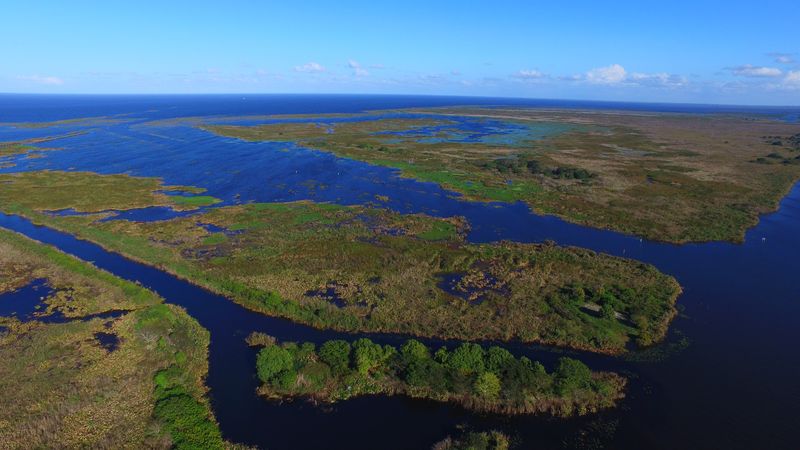
Few environmental battles in Florida generate as much heat as the fight over Lake Okeechobee. On one side, agricultural interests, especially sugar growers, argue that farming is essential to Florida’s economy and that they’re being unfairly blamed for the lake’s problems. They point to improvements in their practices, investments in pollution control, and their role in feeding America.
Environmental groups fire back that agricultural runoff is the primary source of nutrients fueling toxic algae blooms. They demand that farms do more to capture and treat runoff before it reaches the lake. Some activists have called for buying out farms south of the lake to create water storage areas that could reduce harmful discharges to coastal rivers.
The tension has turned personal, with farmers feeling attacked and environmentalists frustrated by slow progress. Public meetings often devolve into shouting matches, and social media exchanges get nasty. Politicians find themselves caught in the middle, trying to balance economic interests with environmental protection while facing pressure from both sides.
Finding common ground has proven nearly impossible. Farmers worry that stricter regulations will put them out of business, while environmentalists argue that protecting the lake and coastal waters must take priority over agricultural profits. The stalemate has delayed solutions and allowed pollution problems to worsen, leaving everyone angry and the lake still suffering from toxic blooms and mismanagement.
5. Everglades Restoration Depends on Fixing the Lake
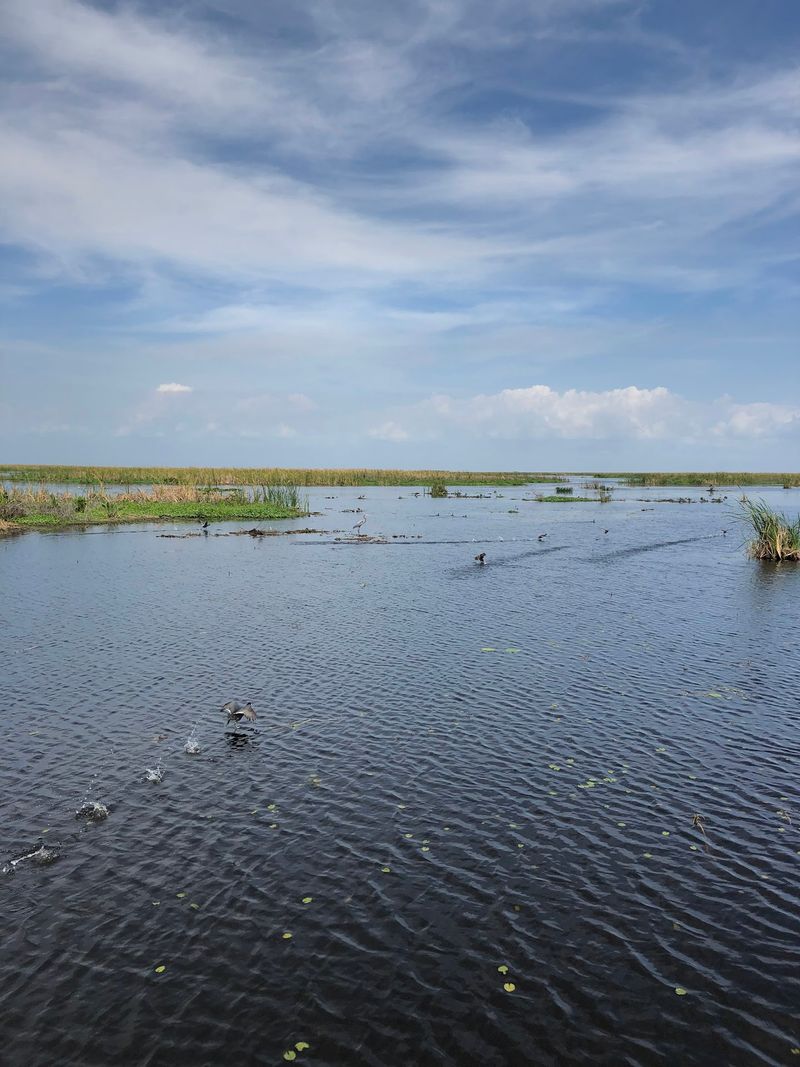
Lake Okeechobee once fed the Everglades through a slow, natural flow of clean water that nourished the River of Grass. But a century of development, drainage, and water control structures severed that connection, turning the Everglades into a dying ecosystem starved for water. Restoring the natural flow is central to saving the Everglades, but it requires fixing Lake Okeechobee’s pollution problems first.
The Comprehensive Everglades Restoration Plan, approved decades ago, promised to reconnect the lake and the Everglades while providing clean water for South Florida’s growing population. But progress has been painfully slow, bogged down by funding shortfalls, political fights, and engineering challenges. Key projects like the Everglades Agricultural Area reservoir are finally moving forward, but completion dates keep getting pushed back.
Without cleaner water from Lake Okeechobee, the Everglades will continue to deteriorate. Native wildlife populations are crashing, invasive species are taking over, and freshwater marshes are converting to saltwater environments as sea levels rise. Scientists warn that time is running out to save this unique ecosystem, and fixing the lake is absolutely essential to success.
The controversy around Lake Okeechobee isn’t just about one body of water. It’s about the fate of the entire South Florida ecosystem, from the lake itself down through the Everglades and out to Florida Bay. Solutions must address the whole system, not just individual pieces.
6. Coastal Communities Are Demanding Action Now
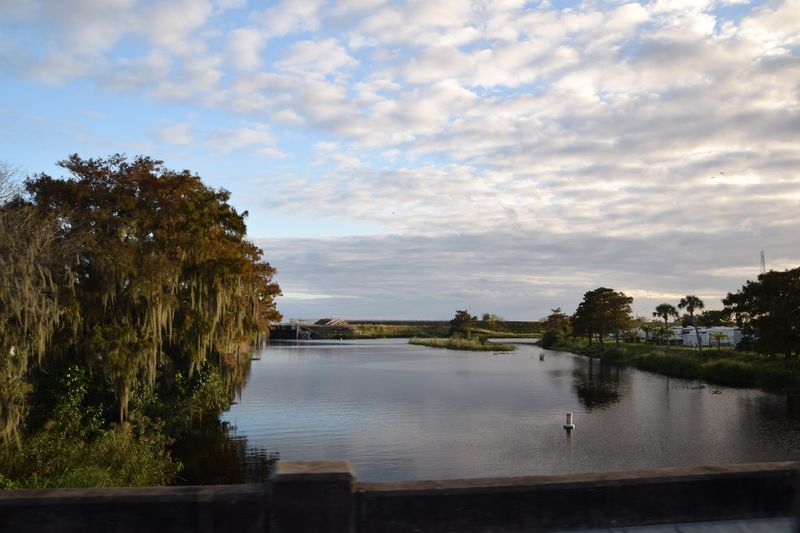
Stuart, Fort Myers, and other coastal towns have become ground zero for Lake Okeechobee’s pollution crisis. When toxic discharges hit, these communities suffer immediate and devastating consequences. Beaches close, businesses lose money, and residents deal with foul odors and health concerns.
The frustration has boiled over into protests, lawsuits, and demands for immediate action from state and federal officials.
Local leaders have tried everything to force change. They’ve sued the Army Corps of Engineers, lobbied Congress, organized rallies, and used social media to draw national attention to their plight. Images of green slime covering once-pristine waters have gone viral, embarrassing Florida officials and putting pressure on politicians to deliver solutions.
But coastal residents feel like they’re being sacrificed to protect agricultural interests and lake communities. They’re tired of hearing about long-term plans and multi-billion-dollar projects that won’t be finished for years. They want relief now, not promises about what might happen in the distant future.
The anger is real, and it’s growing with each new discharge event.
Some communities have started exploring their own solutions, including local water treatment projects and legal challenges to force faster action on state and federal levels. They’re building coalitions with environmental groups and using political pressure to push for change. Whether their efforts will succeed remains uncertain, but they’re not backing down from this fight.
7. Water Storage Projects Are Moving Forward, But Too Slowly
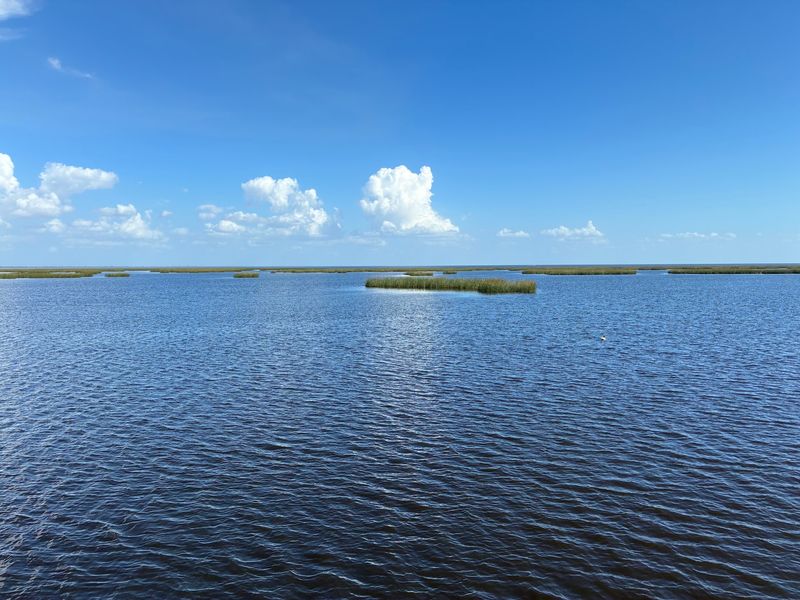
Everyone agrees that storing more water south of Lake Okeechobee would reduce harmful discharges to coastal rivers. The Everglades Agricultural Area reservoir, designed to hold massive amounts of lake water during wet periods, represents the best hope for breaking the cycle of pollution and damaging releases. Construction finally started after years of delays, but the project won’t be operational until the late 2020s at the earliest.
The reservoir will cover thousands of acres and cost billions of dollars, making it one of the largest environmental infrastructure projects in American history. When finished, it should capture nutrient-rich water, allow algae to settle out, and release cleaner water south into the Everglades. Engineers promise it will revolutionize water management in South Florida.
Critics argue that the project is too small and won’t solve the problem completely. They want additional storage capacity and faster construction timelines. But funding limitations, land acquisition challenges, and complex engineering requirements have slowed progress to a crawl.
Every delay means more years of toxic discharges and continued damage to coastal ecosystems.
Other water storage and treatment projects are also in the works, including smaller facilities and wetland restoration areas designed to filter pollution before it reaches the lake. Together, these projects could transform water quality, but only if they’re built quickly enough and operated effectively once completed.
8. Climate Change Is Making Everything Worse
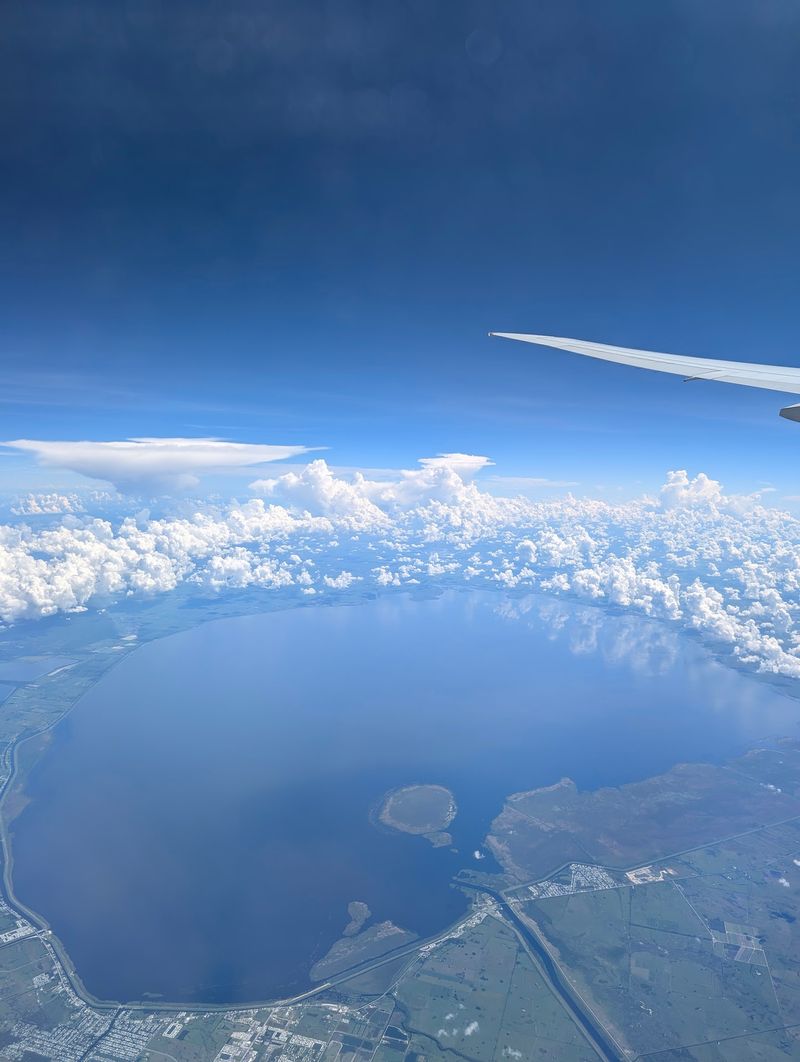
Rising temperatures, more intense storms, and changing rainfall patterns are supercharging Lake Okeechobee’s problems. Hotter summers create perfect conditions for toxic algae blooms, while extreme rainfall events dump massive amounts of water into the lake, forcing emergency discharges. Sea level rise is pushing saltwater into freshwater systems, complicating efforts to restore natural water flows and protect coastal ecosystems.
Scientists predict that these climate impacts will only intensify in coming decades. Models show more frequent Category 4 and 5 hurricanes, longer droughts followed by intense flooding, and temperatures that make algae blooms a year-round threat instead of a seasonal problem. The lake’s management challenges, already difficult, could become nearly impossible without major changes.
Adapting to climate change requires rethinking how we manage water in South Florida. Traditional approaches based on historical rainfall patterns and lake levels won’t work in a rapidly changing climate. Engineers and water managers are trying to build flexibility into new projects, but uncertainty about future conditions makes planning extremely difficult.
The climate crisis adds urgency to the Lake Okeechobee debate. Solutions that might have worked a decade ago may not be sufficient for the challenges ahead. Coastal communities, farmers, environmentalists, and government agencies need to find common ground quickly, before climate change makes the lake’s problems truly unsolvable.
The window for action is closing fast.