This Stunning Florida Botanical Garden Won’t Cost You A Dime
Florida Botanical Gardens offers 100 acres of natural beauty without charging a single penny for admission. This hidden gem features everything from native plant collections to tropical gardens, winding trails, and wildlife sightings that include turtles and even the occasional alligator. Whether you’re looking for a peaceful morning walk, a family outing, or just a break from the everyday hustle, this free attraction delivers an experience that rivals paid botanical gardens across the state.
1. Zero-Dollar Admission That Actually Means It
Most places advertise free entry but hit you with parking fees or hidden costs. Not here. The Florida Botanical Gardens delivers on its promise with genuinely free admission and free parking every single day of the week.
You can show up anytime between 7 AM and 5 PM without reservations, tickets, or any financial commitment whatsoever.
This accessibility makes the gardens perfect for spontaneous visits. Forgot your wallet at home? No problem.
Want to bring the whole extended family without budgeting? Go right ahead. The lack of financial barriers means you can visit as often as you like, whether that’s once a month or three times a week.
The gardens span roughly 100 acres, giving you substantial bang for your zero bucks. Compare that to other Florida attractions charging $20-30 per person, and you start to appreciate what a genuine community resource this place represents. Families save serious money here, especially those with multiple kids who would rack up hefty admission fees elsewhere.
Free doesn’t mean cheap or poorly maintained either. The grounds stay impeccably kept year-round thanks to dedicated staff and volunteers who clearly take pride in their work. You’ll find well-marked paths, informative signs, and thoughtfully designed garden sections that rival any paid attraction in the Tampa Bay area.
2. Native Plant Collections You Won’t Find Anywhere Else
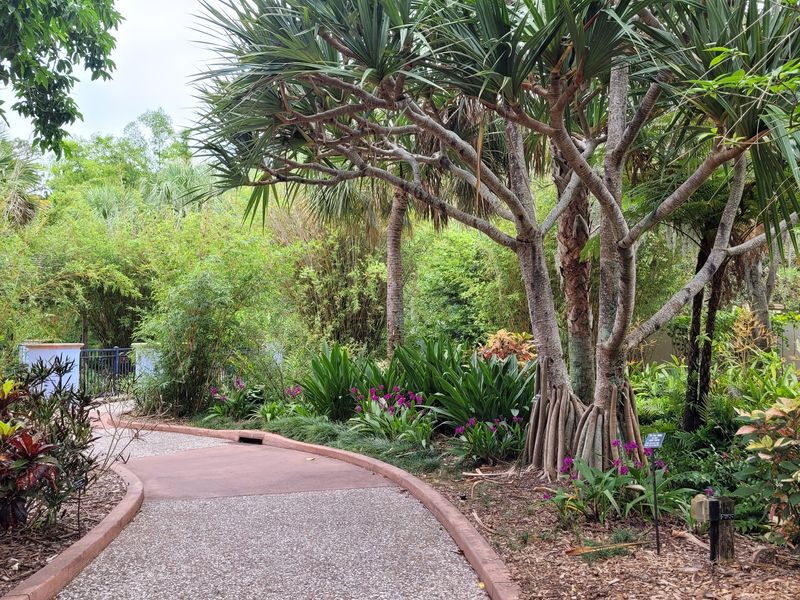
Walk through sections dedicated entirely to plants that actually belong in Florida, not imported showpieces. The native plant areas teach you which species thrive naturally in our climate, survive our humidity, and support local wildlife without constant intervention. These aren’t just pretty faces in the dirt either.
Each plant serves a purpose in Florida’s ecosystem.
Learning about native species helps if you’re planning your own garden at home. You’ll discover which plants need minimal watering, which ones attract butterflies, and which species can handle Florida’s brutal summer heat without turning crispy. The informative signs scattered throughout explain each plant’s role and growing requirements in language that makes sense to regular people, not just botanists.
Spotting the difference between native and invasive species becomes easier after spending time in these sections. You start recognizing saw palmetto, coontie, beautyberry, and other indigenous plants that shaped Florida’s landscape long before developers showed up. This knowledge transforms how you see the state’s natural areas during future visits.
The gardens also showcase how beautiful native landscaping can be, destroying the myth that Florida-friendly yards must look boring or unkempt. These collections prove that working with nature instead of against it creates stunning results while saving water, reducing maintenance, and supporting local birds, bees, and butterflies that depend on these specific plant relationships.
3. Tropical Garden Sections That Feel Like Mini Vacations
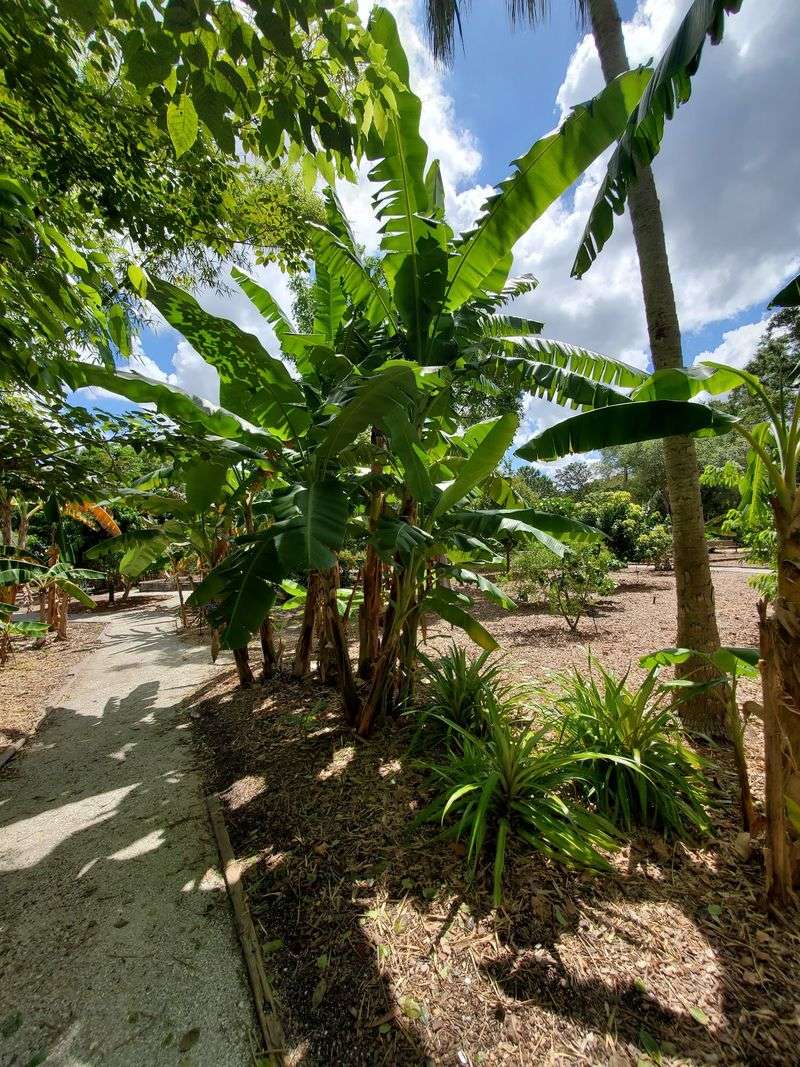
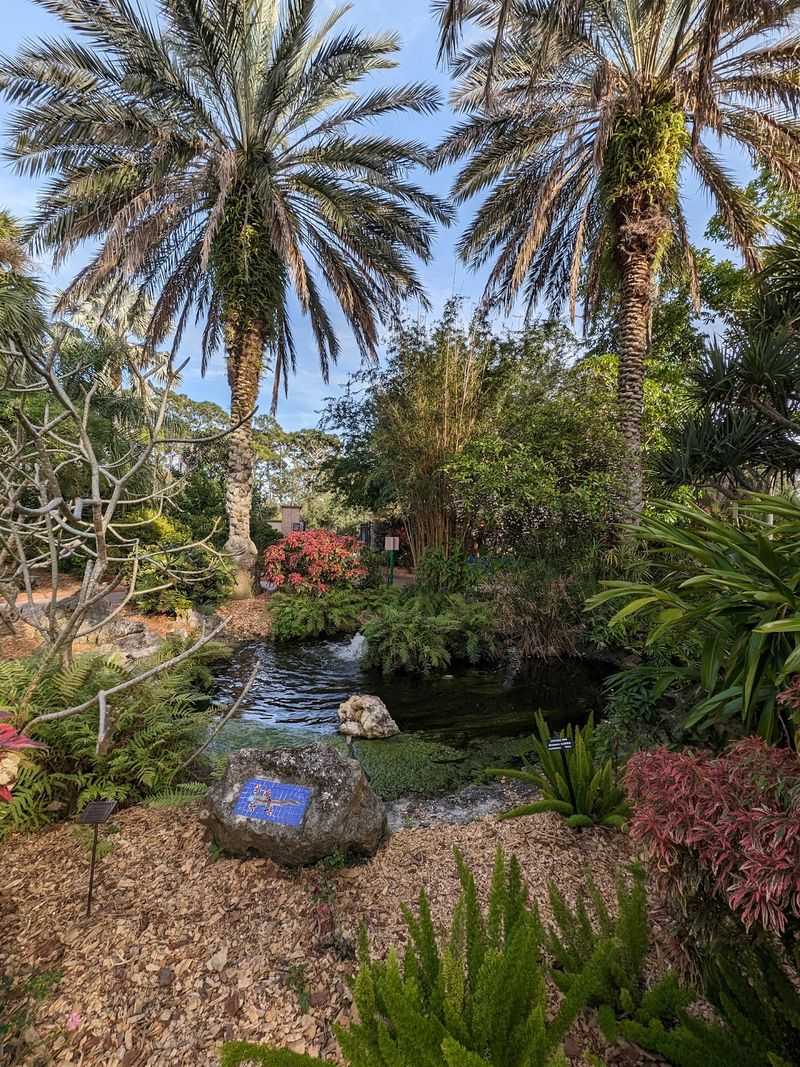
Step into the tropical sections and suddenly you’re transported somewhere far more exotic than central Pinellas County. Towering palms create natural canopies overhead while bromeliads, gingers, and other bold-leafed plants line the pathways. The atmosphere shifts noticeably cooler under all that shade, making these areas especially welcome during summer visits.
These aren’t your typical suburban palm trees either. You’ll encounter species from around the globe, each adapted to thrive in Florida’s subtropical climate. The variety shows just how diverse tropical plants can be, from delicate ferns to architectural specimens that look almost prehistoric in their bold geometry.
Photography enthusiasts go crazy here because the lighting filters beautifully through the palm fronds, creating dappled patterns on the pathways below. The layered textures of different leaf shapes, sizes, and shades of green provide endless compositional opportunities. Even phone cameras capture magazine-worthy shots in these sections.
The tropical areas also feature a fruit tree section where you can see how mangoes, papayas, and other tropical fruits grow. Depending on the season, you might spot actual fruit hanging from branches, which fascinates kids who’ve only seen these foods in grocery stores. Educational signs explain each tree’s growing requirements and harvest seasons, turning a simple walk into an agricultural education.
4. Wildlife Sightings That Happen Naturally
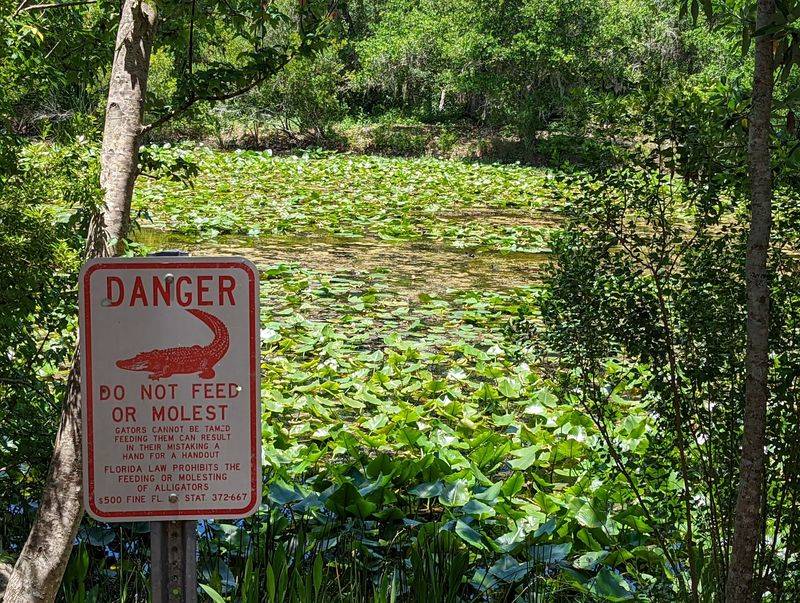
Forget manufactured zoo experiences. The gardens host genuinely wild residents who’ve chosen this habitat on their own terms. Alligators cruise through the ponds looking prehistoric and unbothered.
Turtles sun themselves on logs. Lizards dart across pathways. Birds you’ve never noticed before suddenly appear everywhere once you slow down enough to actually look around.
The alligators get mentioned constantly in reviews, and for good reason. These aren’t massive monsters, just small to medium-sized gators living their best swamp life. They typically keep to themselves near the water features, offering safe viewing opportunities from the raised walkways and observation points.
Kids find them absolutely thrilling, especially when they spot those eyes and snout barely breaking the water’s surface.
Butterfly sightings peak during warmer months when the dedicated butterfly garden explodes with activity. Watching these insects work the flowers up close reveals details you’d never notice otherwise. The caterpillar population also gets heavy at certain times, which sounds gross but actually provides a front-row seat to nature’s transformation process.
Birdwatchers bring binoculars and field guides because the variety of species here keeps them busy for hours. Herons, egrets, woodpeckers, and dozens of smaller songbirds treat the gardens as prime real estate. The diverse habitats attract different species, so you might spot water birds near ponds and woodland species in the shaded areas during the same visit.
5. Butterfly Garden Buzzing With Actual Butterflies
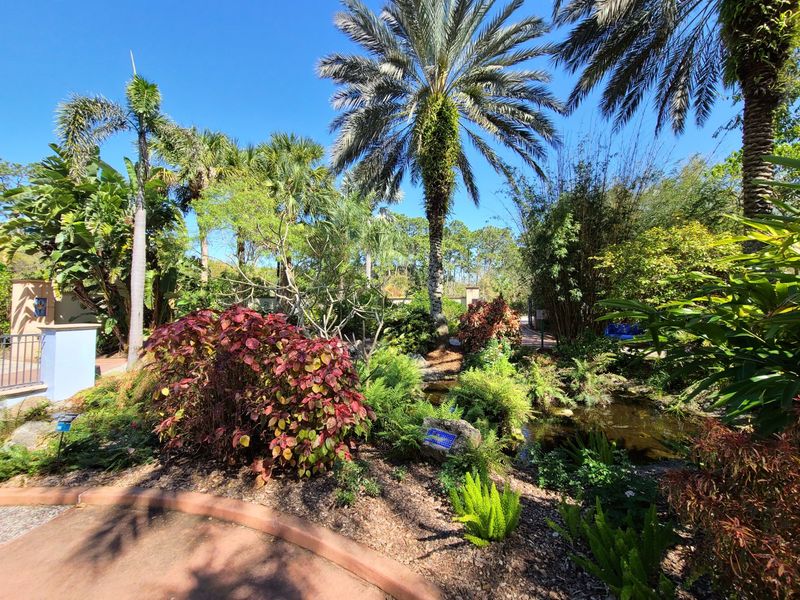
Dedicated butterfly gardens exist at lots of places, but this one actually delivers on the promise with legitimate butterfly traffic during peak seasons. The garden features plants specifically chosen to attract and support butterfly populations, from nectar sources for adults to host plants where they lay eggs. This isn’t accidental decoration.
It’s intentional habitat creation.
Visiting during spring through fall gives you the best chances of seeing serious butterfly action. Monarchs, swallowtails, sulfurs, and other species work the flowers constantly, sometimes landing close enough that you can photograph their wing patterns in detail. The experience beats any butterfly house where the insects seem tired and the environment feels artificial.
Educational signs explain the butterfly life cycle and which plants support which species. You’ll learn that butterflies are incredibly picky about where they lay eggs, with some species only using one specific plant type. This pickiness explains why generic landscaping fails to support butterfly populations while thoughtfully designed gardens like this one succeed.
Kids especially love this section because butterflies move slowly enough to follow and observe without the frustration of trying to track faster creatures. Parents appreciate that the garden teaches genuine science concepts through direct observation rather than screens or books. Watching a butterfly emerge from its chrysalis, if you time your visit right, creates memories that stick with children for years.
6. Wedding Garden Perfect For Special Occasions
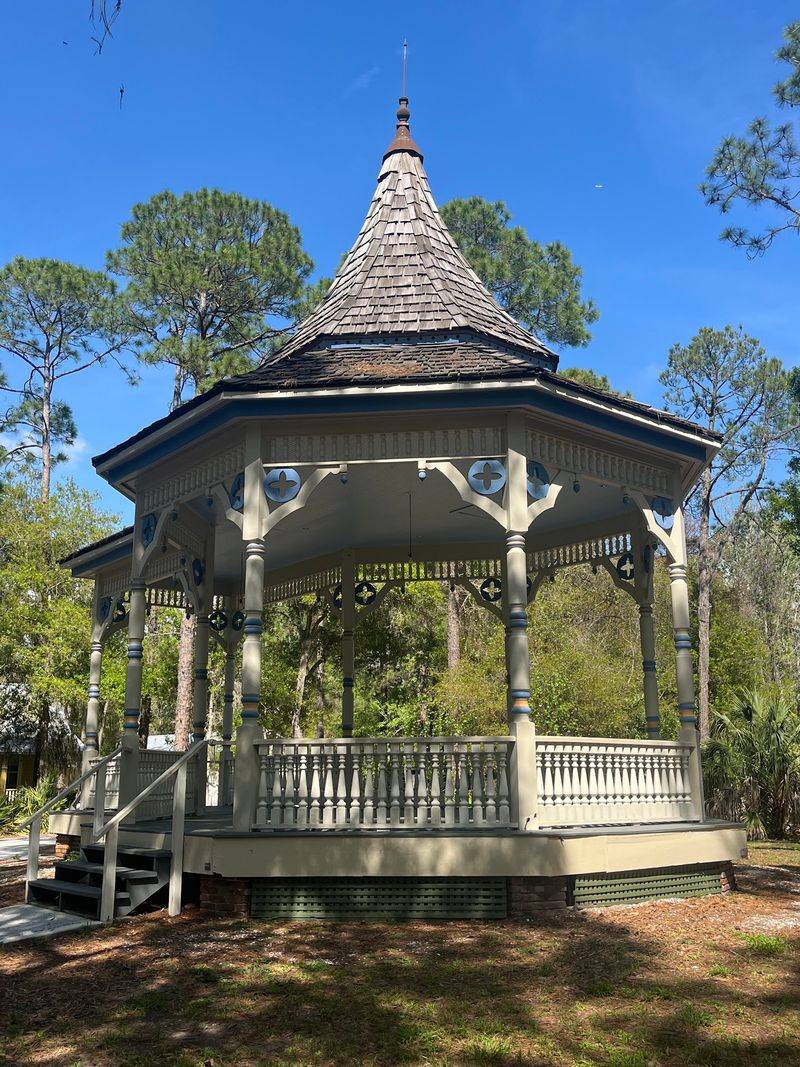
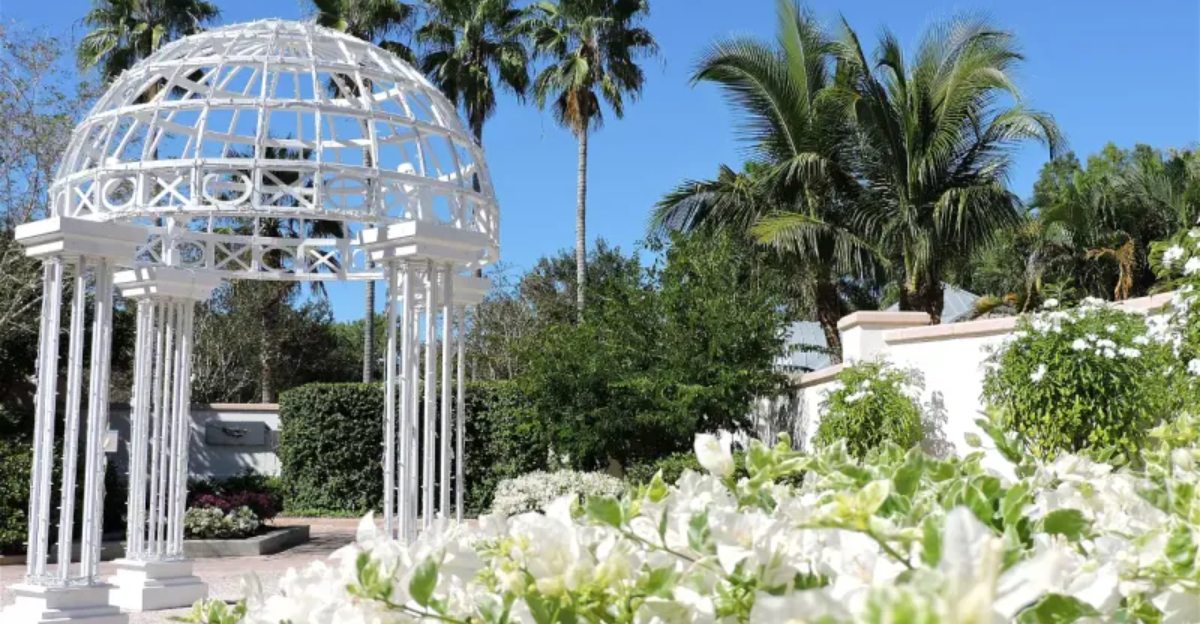
The dedicated wedding garden sees regular use by couples who’ve discovered that gorgeous doesn’t require expensive. This beautifully maintained section features a gazebo, manicured lawns, and carefully arranged plantings that photograph like a dream. Multiple weddings happen here most weekends, which speaks to both its beauty and its accessibility since the venue costs significantly less than typical wedding locations.
Even if you’re not planning nuptials, the wedding garden offers one of the most peaceful spots in the entire facility for quiet contemplation. Benches positioned strategically let you sit and decompress while surrounded by intentional beauty. The formality of this section contrasts nicely with the wilder natural areas elsewhere in the gardens.
Photographers use this location constantly for engagement shoots, family portraits, and senior pictures because the backgrounds look professionally designed without feeling stuffy or overdone. The changing seasons bring different blooms and colors, so the garden never looks exactly the same twice. Spring visits reveal different palettes than summer or fall trips.
Couples celebrating anniversaries or special occasions sometimes pack picnics and claim a bench here for private celebrations. The romantic atmosphere costs nothing but delivers an experience that feels special and intentional. You’ll often see people dressed up for photos, proving that this free public garden competes successfully with venues charging hundreds per hour for similar aesthetics.
7. Easy Walking Trails For All Fitness Levels
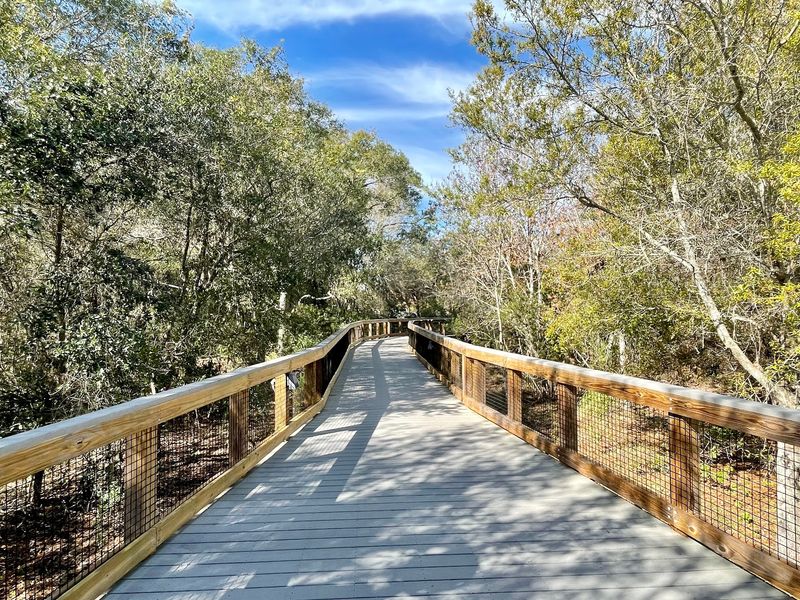
The pathway system accommodates everyone from serious walkers logging miles to elderly visitors moving slowly with canes. Paved sections stay smooth and level, while raised boardwalks cross wetland areas without requiring any climbing or balance challenges. You won’t find steep hills or obstacles that exclude people with mobility limitations.
Trail markings keep navigation simple even for first-time visitors. Different sections loop and connect, letting you customize your route length based on available time and energy levels. Want a quick 20-minute stroll?
Easy. Prefer spending two hours exploring every corner? The trail system supports that too without forcing you to retrace the same path repeatedly.
Shaded sections provide relief during hot months, though you’ll still want water and sun protection during summer visits. The combination of sun and shade creates comfortable microclimates where you can adjust your route based on temperature preferences. Morning visits before 10 AM offer the coolest conditions plus better wildlife activity.
Benches appear frequently enough that taking breaks never requires awkward standing around or sitting on curbs. These rest spots often overlook particularly scenic views or water features, turning necessary breaks into enjoyable pause moments. Families with young children appreciate having places to sit when little legs get tired halfway through exploring.
8. Heritage Village Historical Bonus Next Door

Right next to the botanical gardens sits Heritage Village, a separate but connected attraction featuring historic buildings relocated from around Pinellas County. This adds a completely different dimension to your visit, letting you combine natural beauty with local history in one trip. The village operates Wednesday through Sunday, so plan accordingly if you want both experiences.
The historic structures include everything from a one-room schoolhouse to an old country store, each furnished with period-appropriate items that show how Floridians lived generations ago. Walking through these buildings feels like time travel, especially when docents in period clothing explain daily life details that history books skip over. Kids find the old-fashioned items fascinating since they’re so different from modern equivalents.
Combining both attractions creates a full-day outing without spending a dime on admission. You could easily spend two hours in the gardens, break for lunch at your car, then explore Heritage Village for another hour or two. This makes the location perfect for entertaining out-of-town visitors who want authentic Florida experiences beyond theme parks and beaches.
The village hosts special events throughout the year, from historical reenactments to seasonal celebrations that add extra value to your visit. Check their schedule before going because these events transform the village from a quiet museum into an active, bustling recreation of historical Florida life that engages all ages.