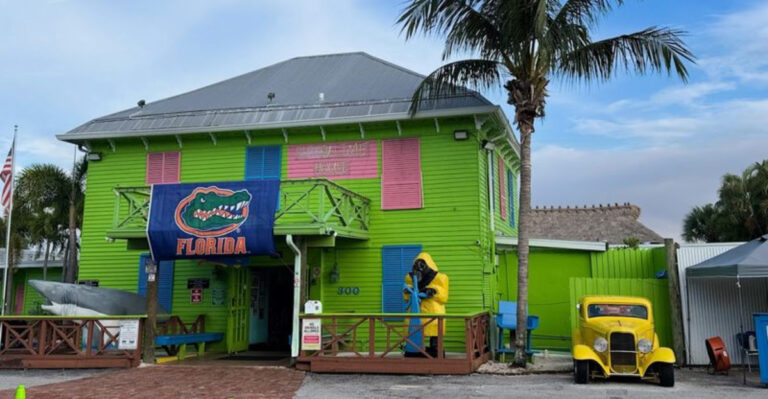
You Can Explore Creepy Cells With Costumed Inmates at This Florida Jail
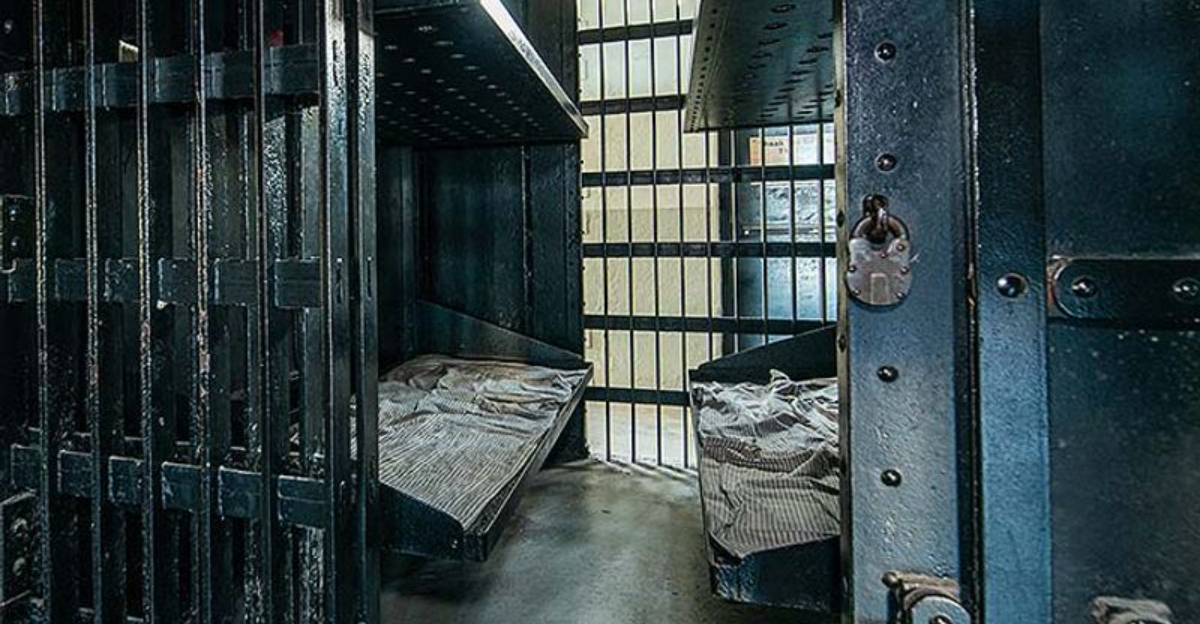
Step inside St. Augustine’s Old Jail Museum and you’ll travel back to 1891, when criminals lived behind bars and the sheriff’s family lived right upstairs. Built to look like a fancy house so it wouldn’t scare away tourists, this working jail held real prisoners for over 60 years. Today, costumed guides bring the building’s dark history to life with stories that are equal parts fascinating and chilling, making it one of the most unique attractions in America’s oldest city.
1. Costumed Guides Bring History to Life
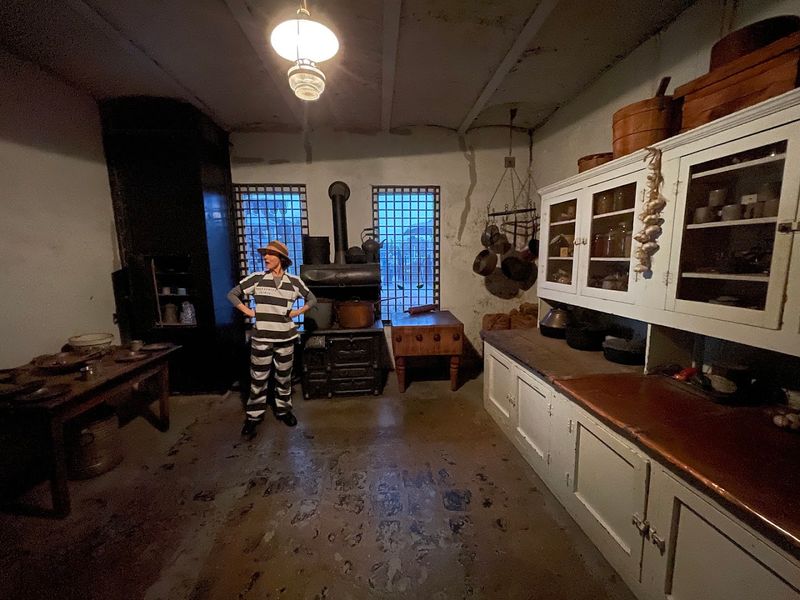
Forget boring museum tours where you shuffle past dusty exhibits. The Old Jail Museum puts you face-to-face with actors dressed as prisoners and sheriffs who stayed in character the entire time. These aren’t just people reading scripts either.
They crack jokes, interact with your group, and even “arrest” volunteers from the audience.
Guides like Louie, Lizzie, and Boss Benny from Brooklyn have earned rave reviews for their entertaining performances. They balance humor with genuine historical knowledge, sharing stories about real inmates who lived in these cells. One moment you’re laughing at their antics, the next you’re learning sobering facts about 19th-century prison conditions.
The tours run every 15 to 20 minutes throughout the day, lasting about 30 minutes each. That’s the perfect length for keeping everyone engaged without dragging on too long. Kids especially love the interactive format since it feels more like a show than a history lesson.
What makes these guides truly special is their dedication to accuracy. They’ve studied the jail’s records and can answer detailed questions about everything from daily routines to famous prisoners. Their passion transforms what could be a simple walkthrough into an unforgettable theatrical experience that educates while it entertains.
2. Original Cells From the 1890s
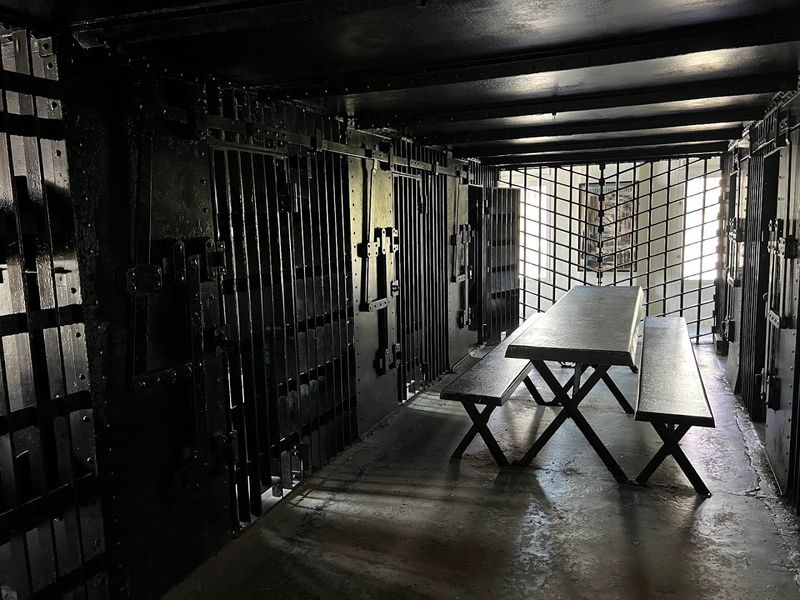
Walking into the actual cells where prisoners spent months or years creates an eerie feeling you can’t get from photographs. The metal bars, narrow bunks, and tiny windows remain exactly as they were over a century ago. Standing inside one makes you realize just how harsh life was for inmates during that era.
The maximum-security section held the most dangerous criminals in even tighter quarters. These isolation cells offered almost no natural light and barely enough room to stretch out. Prisoners here faced the worst conditions imaginable, with minimal human contact and constant surveillance.
Women had their own separate section, though conditions weren’t any better. Learning that female inmates bathed last in water already used by all the male prisoners reveals just how degrading the treatment could be. The guides share these uncomfortable truths without sugarcoating the reality of historical injustice.
Each cell tells its own story through the marks prisoners left behind and the artifacts displayed nearby. You’ll see confiscated weapons, original fingerprinting equipment, and personal items that belonged to inmates. The preservation work is remarkable, allowing visitors to experience an authentic slice of Florida’s criminal justice history that most people never knew existed in such detail.
3. The Sheriff’s Family Quarters
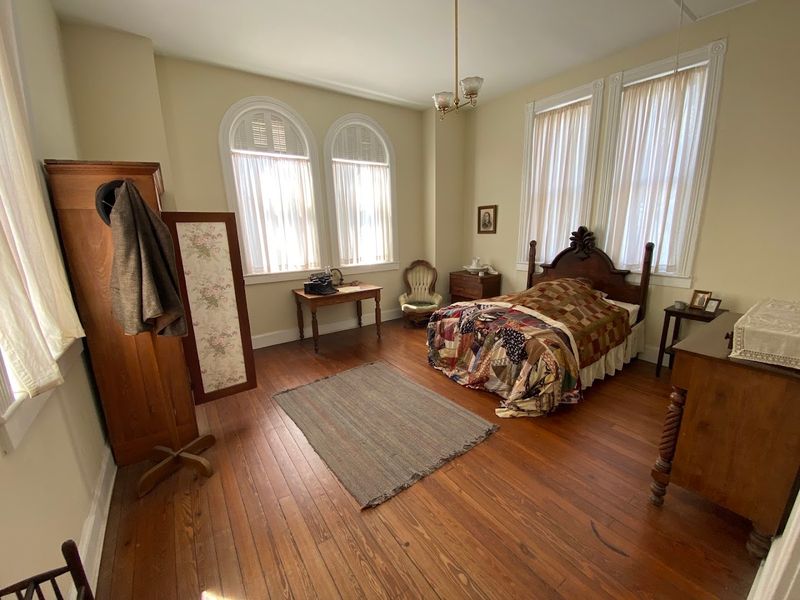
Here’s something wild: the sheriff and his entire family lived in the same building as the prisoners. Their private quarters sat directly across from the cells, meaning the sheriff’s wife and children heard every sound from the inmates day and night. Imagine growing up with that as your normal childhood experience.
The family rooms are preserved to show how they mixed domestic life with law enforcement duties. You’ll see the kitchen where the sheriff’s wife prepared meals, bedrooms where children slept, and parlors where they entertained guests. The contrast between their comfortable living space and the harsh cells nearby is striking and intentional.
This arrangement wasn’t unusual for the time period. Sheriffs were expected to maintain constant supervision of their prisoners, so living on-site made practical sense. Still, it must have been incredibly stressful for the families, especially during dangerous situations or when violent criminals were housed just steps away.
Henry Flagler, the famous railroad tycoon who financed the jail’s construction, insisted on the building’s attractive exterior design. He didn’t want an ugly prison scaring away tourists or investors near his luxurious Hotel Ponce de Leon. The Romanesque Revival architecture successfully disguised the jail’s true purpose, making it look more like an elegant home than a detention facility.
4. Interactive Booking Experience
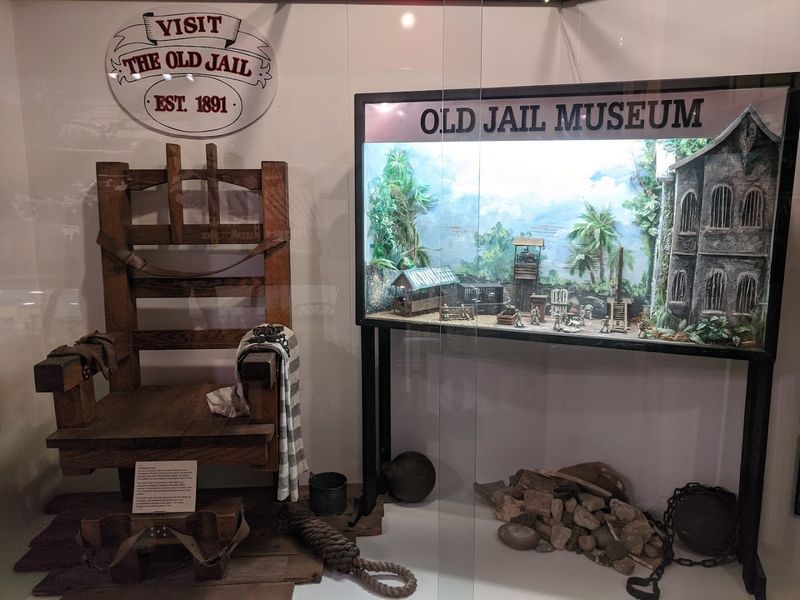
Ready to become a temporary criminal? During each tour, guides select volunteers from the group to experience a mock arrest and booking process. It’s all in good fun, but it gives you a real sense of what incoming prisoners faced when they arrived at the jail.
The booking demonstration includes fingerprinting using reproduction equipment similar to what law enforcement used in the early 1900s. Seeing one of the first fingerprint kits ever used in Florida is genuinely fascinating. This technology was cutting-edge at the time and revolutionized how police identified repeat offenders.
Volunteers also get photographed and learn about the intake procedures that stripped prisoners of their identity and personal belongings. The guides explain each step with historical context, making it educational rather than just silly entertainment. Kids especially get a kick out of seeing their parents or siblings “arrested” and processed.
This hands-on approach helps visitors understand the dehumanizing aspects of incarceration during that era. While today’s booking procedures are more standardized and rights-focused, the basic concept remains surprisingly similar. The experience adds a memorable personal connection to the historical information being shared, making the tour stick in your memory long after you leave.
5. Surprising Famous Connections
You might not expect a small Florida jail to have housed anyone particularly notable, but you’d be wrong. Dan White, the San Francisco politician who assassinated Mayor George Moscone and Supervisor Harvey Milk in 1978, spent time here. Learning this connection during your tour adds an unexpected layer to the jail’s history.
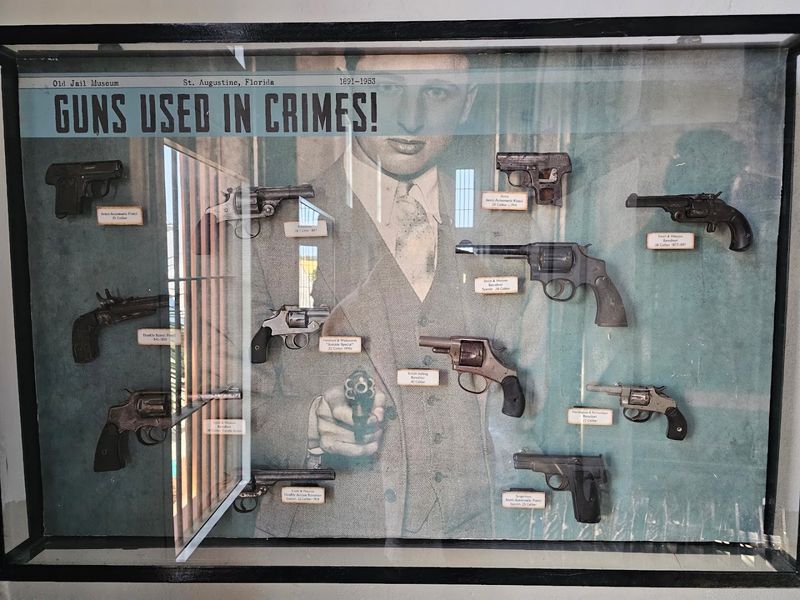
The guides share stories about various prisoners who passed through these cells over the decades. Some were petty thieves, others were violent criminals, and a few became infamous for reasons that extended far beyond St. Augustine. The collection of confiscated weapons alone tells countless stories about the dangerous individuals who lived here.
What’s particularly interesting is how the jail’s role evolved over its 60-plus years of operation. Early on, it housed Civil War-era criminals and frontier troublemakers. Later, it dealt with Prohibition-era bootleggers and Depression-era desperados.
Each generation brought different types of crime and different challenges for law enforcement.
The museum preserves records, photographs, and artifacts from throughout the jail’s operational history. These materials help paint a complete picture of how crime, punishment, and society changed across decades. It’s a reminder that this wasn’t just a building but a living institution that reflected America’s evolving relationship with justice and incarceration.
6. Harsh Prison Conditions

Modern inmates have it easy compared to what prisoners endured at the Old Jail. There was no air conditioning in Florida’s brutal summer heat, just small windows that barely allowed airflow. Temperatures inside the cells regularly exceeded 100 degrees, making sleep nearly impossible during summer months.
Sanitation was primitive at best. Prisoners shared basic facilities with dozens of others, and hygiene standards were almost nonexistent by today’s measures. Disease spread easily in the crowded, poorly ventilated spaces, and medical care was minimal.
The guides don’t shy away from explaining these uncomfortable realities. They describe how inmates received barely adequate food, how overcrowding forced multiple prisoners into cells designed for one, and how discipline could be swift and brutal. These facts make visitors genuinely grateful for modern prison reforms.
One review mentioned that if today’s inmates faced these conditions, we’d have less crime. While that’s debatable, the statement reflects how shocking people find the historical treatment of prisoners. The experience definitely makes you think about how far criminal justice has come, even if it still has room for improvement.
Standing in those hot, cramped cells for just a few minutes during your tour gives you a tiny taste of what inmates endured for months or years.
7. Self-Guided Exploration Upstairs
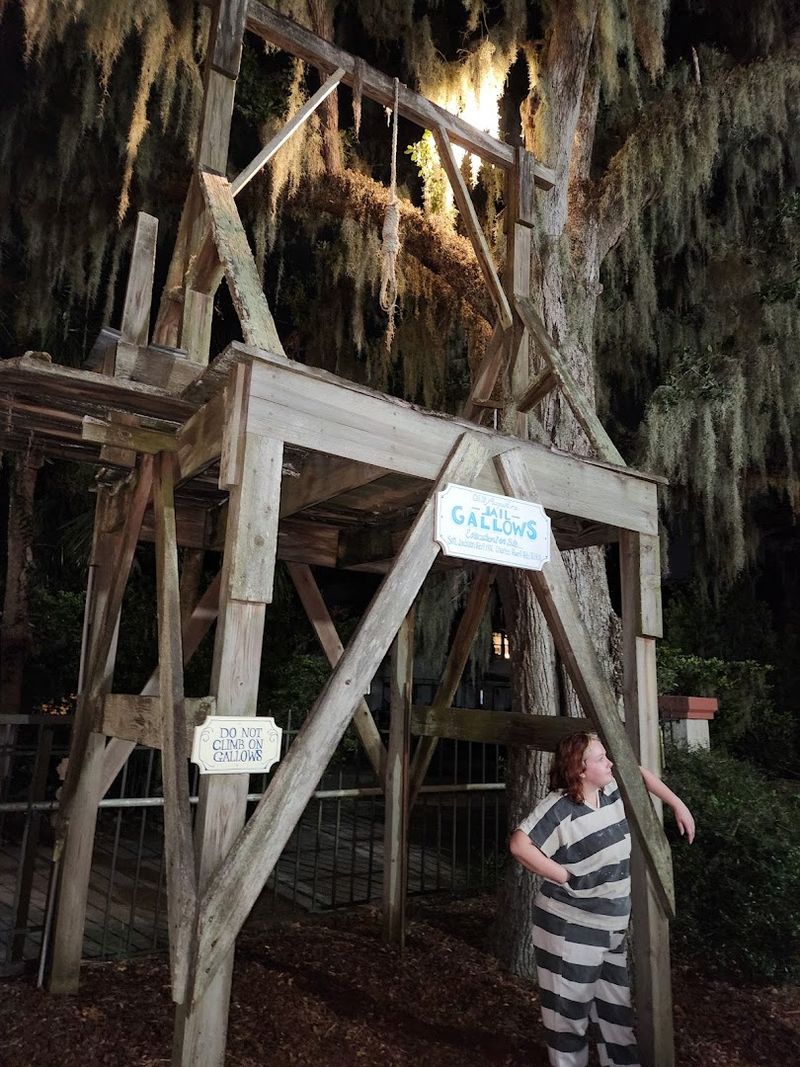
After the guided portion ends, you’re free to explore the upstairs areas at your own pace. This is where the museum displays additional artifacts, photographs, and exhibits that didn’t fit into the main tour. Taking your time here lets you absorb details you might have missed during the faster-paced group experience.
The weapons collection is particularly impressive and disturbing. These are actual items confiscated from prisoners over the decades, ranging from makeshift shanks to more sophisticated contraband. Each piece represents a story of violence, desperation, or attempted escape that played out within these walls.
Some visitors wish the museum provided more historical context for the upper rooms themselves. While the artifacts are fascinating, learning about what these spaces were originally used for would enhance the experience. Still, the freedom to wander and examine things closely is valuable after being part of a group tour.
Be aware that there’s no elevator access to the second floor, so visitors with mobility challenges should plan accordingly. The stairs are original to the building and quite steep. Also, some rooms can get quite warm since the building lacks modern climate control, so dress accordingly and maybe bring water.
The gift shop downstairs offers a nice selection of historical books and souvenirs to remember your visit.
8. Perfect Location and Accessibility

Finding the Old Jail Museum couldn’t be easier. Located at 167 San Marco Avenue, it sits right in St. Augustine’s Old Town complex alongside other popular attractions. Free on-site parking eliminates the hassle of searching for a spot in the busy historic district, which is a huge bonus.
The museum opens at 9 AM every day of the week and runs tours continuously until 5 PM. With tours departing every 15 to 20 minutes, you rarely face long waits even during busy tourist seasons. This flexibility makes it easy to fit into your schedule whether you’re planning a full day of sightseeing or just have an hour to spare.
Admission prices are very reasonable considering the quality of the experience you receive. The tour lasts about 30 minutes, which is ideal for families with children who might get restless during longer attractions. The combination of entertainment and education keeps everyone engaged regardless of age.
Calling ahead at 904-829-3800 or checking their website at staugustineoldjail.com helps you plan your visit. They offer special tours including sensory-friendly options for visitors who might struggle with loud echoing sounds in the jail’s hard-surfaced rooms. With a 4.6-star rating from over 7,700 reviews, the Old Jail Museum has proven itself as one of St. Augustine’s most beloved and consistently excellent attractions.