This Otherworldly Florida Spring Was Just Named America’s Best Swimming Hole
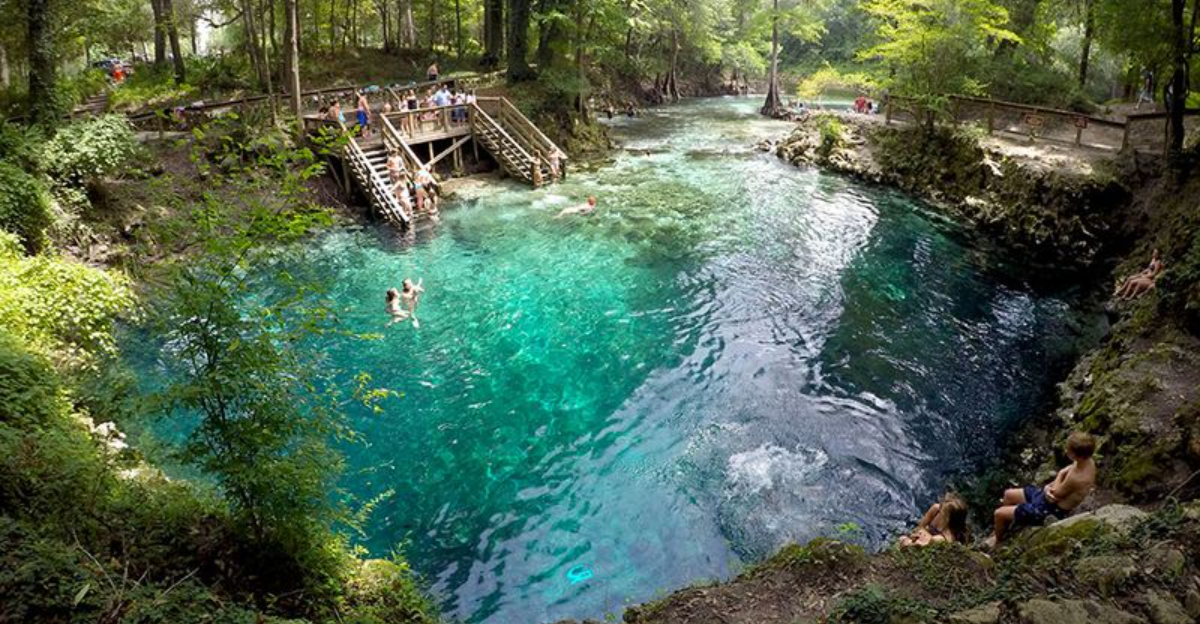
Madison Blue Spring State Park just earned a title that turns heads: America’s Best Swimming Hole. Tucked away in the tiny town of Lee, Florida, this natural wonder pumps out crystal-clear water that stays a perfect 68 degrees year-round. The spring plunges to incredible depths where certified cave divers explore underwater caverns, while families splash in shallow runs that flow toward the Withlacoochee River.
Whether you’re chasing an adventure or just need a refreshing escape from Florida heat, this hidden gem delivers an experience you won’t forget.
1. Crystal Clear Waters That Reveal Every Detail
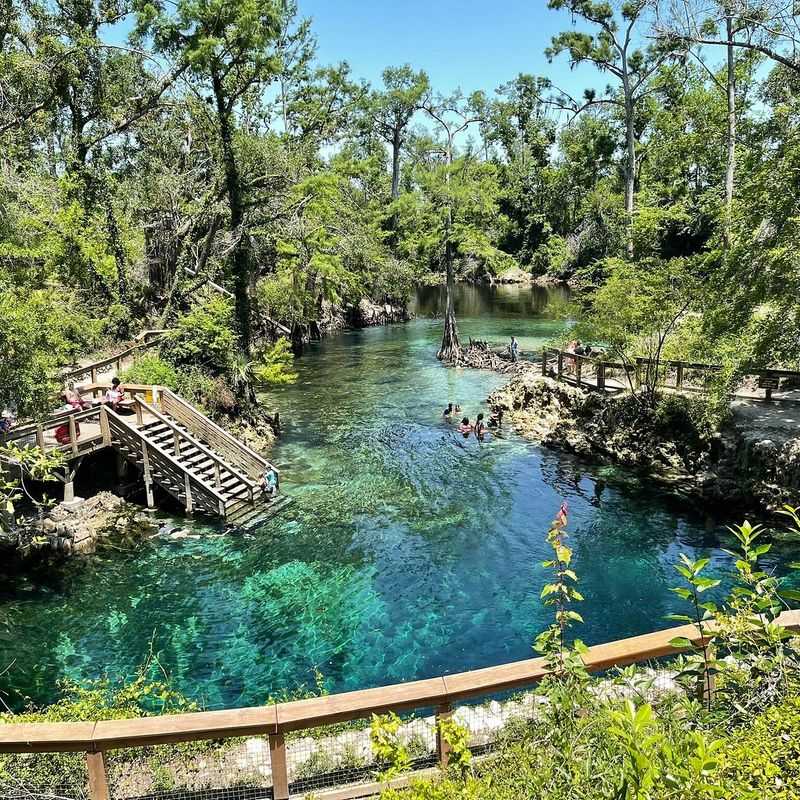
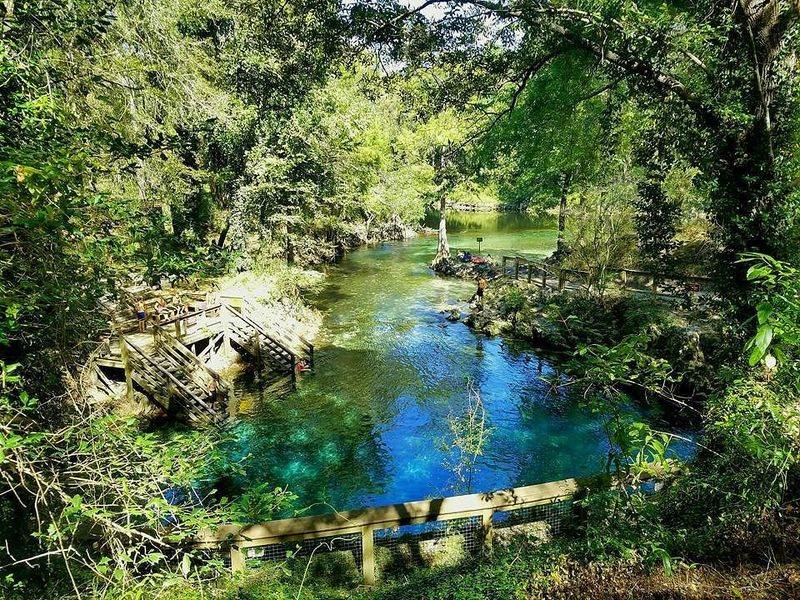
Water clarity at Madison Blue Spring reaches levels that feel almost unreal. You can stand at the surface and watch every rock, every fish, every detail of the underwater landscape as if looking through glass. The spring maintains this incredible transparency because it filters naturally through limestone deep underground before bubbling up at a constant rate.
Bring goggles or a snorkel mask because keeping your eyes open underwater here is like peering into an aquarium. Visitors consistently mention spotting schools of fish, turtles gliding past, and rocks that shimmer like scattered treasure. The limestone formations create a textured bottom that shifts from light tan to deep blue as the spring drops away.
During quieter times, especially off-season or early morning, you might have this entire natural wonder to yourself. The water stays at 68 degrees regardless of season, which feels refreshing in summer and surprisingly warm during cooler months. That constant temperature creates perfect conditions for extended swimming sessions.
The main basin isn’t enormous, but its depth and clarity make it feel expansive. You can float above the cave opening and peer down into darkness that stretches beyond what light can reach. For non-divers, this glimpse into an underground world offers just enough mystery to spark imagination without requiring any special certification or equipment.
2. Cave Diving Access for Certified Adventurers
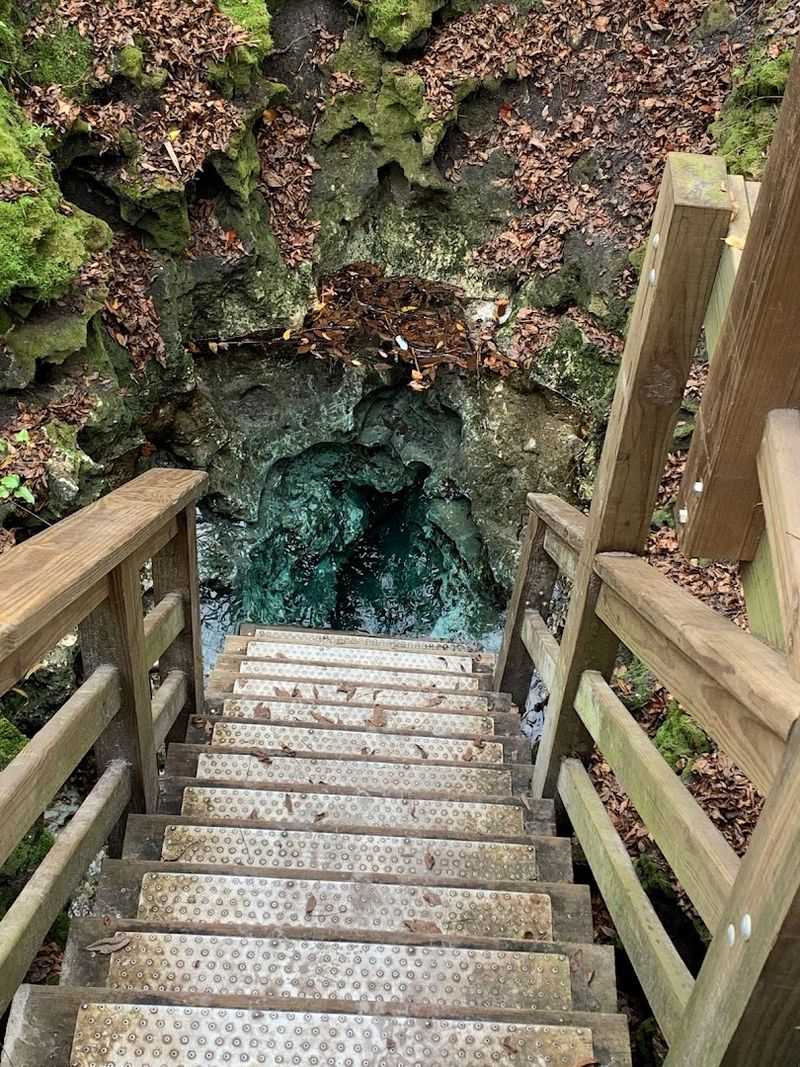
Beneath the swimming area lies an extensive cave system that draws divers from across the country. Madison Blue Spring opens into underwater caverns that require full cave diving certification to explore safely. The entrance sits at the deepest part of the main basin, where sunlight fades and the real adventure begins for those with proper training.
Multiple reviewers mention the beauty of the cave system itself. The limestone formations, passages, and chambers create an underground landscape that rewards experienced divers with sights few people ever witness. The park provides easy access with benches near parking spots for gear setup and wide, well-maintained stairs leading down to the water.
You don’t need to be a cave diver to appreciate this feature, though. Snorkelers and swimmers can hover above the cave opening and watch certified divers disappear into the depths. It adds an element of excitement knowing there’s an entire hidden world below your feet.
The park handles cave diving access professionally, and the dive community respects the site’s rules and preservation needs. If you’re not certified for cave diving, resist any temptation to explore beyond recreational limits. The caverns demand specialized training and equipment.
But watching others explore or simply knowing about the underground system adds layers of intrigue to an already remarkable swimming hole.
3. Family-Friendly Shallow Areas and Sandy Beach
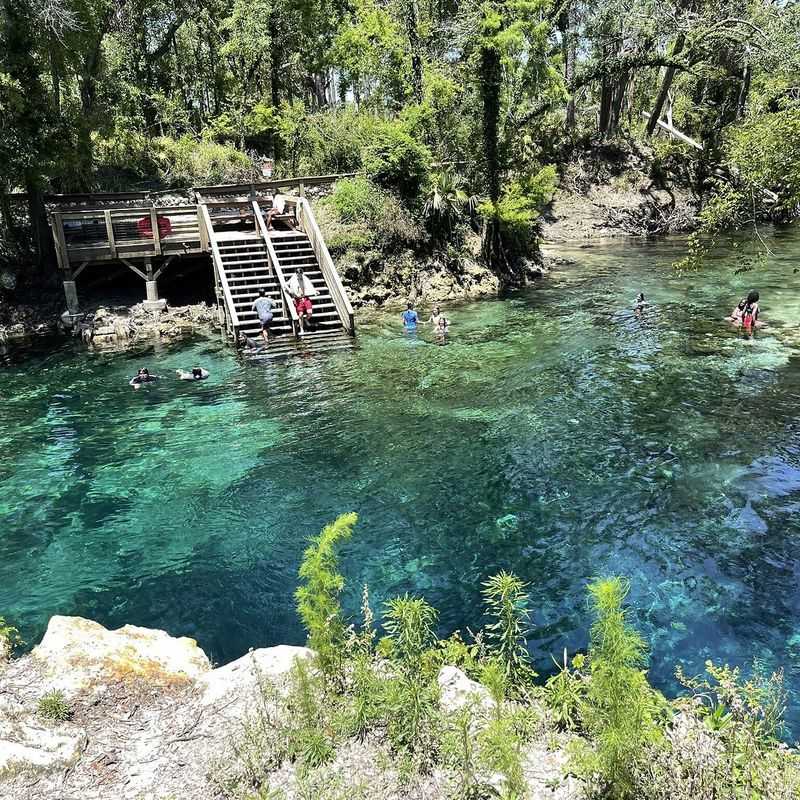
Parents with young children find plenty of safe spots at Madison Blue Spring. The spring run flows from the main basin toward the Withlacoochee River, creating shallow areas where little ones can wade and play without worry. As you move downstream, the rocky bottom transitions to sand, making it gentler on bare feet.
A small sandy beach area provides easy water access for kids who aren’t confident swimmers yet. The gradual depth change means children can walk in slowly rather than facing a sudden drop-off. Many families spread out along the run where water barely covers ankles, perfect for toddlers who want to splash around.
The current in the spring run varies depending on location. Near the head spring, the flow pushes with surprising strength, but farther downstream it mellows considerably. This variety lets families choose their comfort level, whether that means staying in calm shallows or letting older kids experience gentle current.
Water shoes make a smart addition to your packing list. The rocky sections closer to the main spring can feel rough on tender feet, though the sandy areas farther down offer softer surfaces. Several reviews specifically mention the family-friendly pricing, making this an affordable outing even for larger groups.
The combination of deep diving spots and shallow play areas means everyone from toddlers to experienced divers finds their perfect spot.
4. Scenic Boardwalks and Easy Park Access
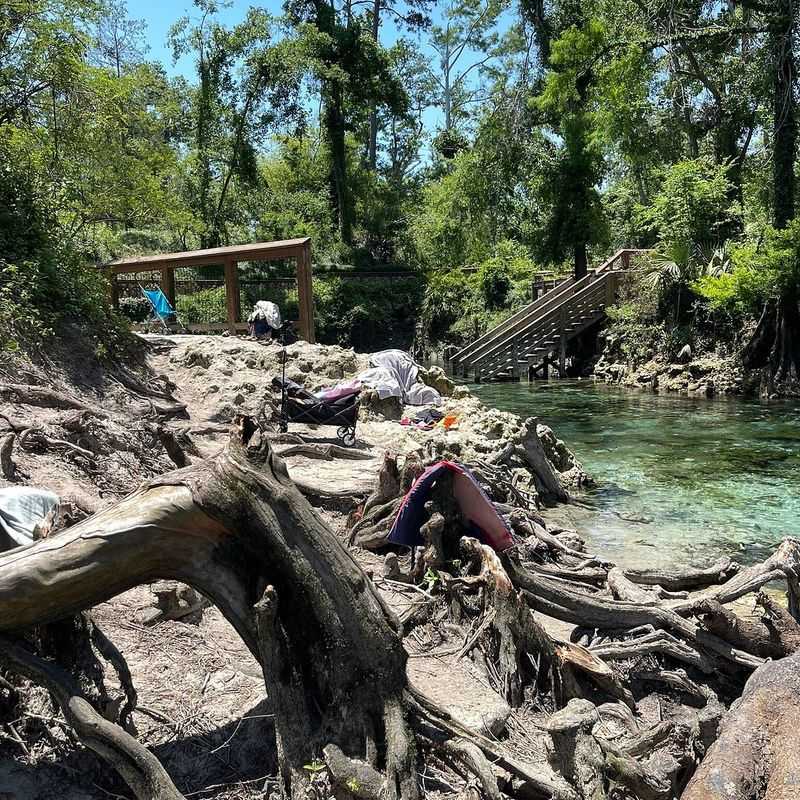
Getting around Madison Blue Spring State Park requires minimal effort thanks to thoughtful design. Wooden boardwalks circle the main spring basin, offering stunning views without requiring you to scramble over rocks or navigate difficult terrain. These elevated walkways let visitors of all mobility levels appreciate the spring’s beauty from multiple angles.
The boardwalk system provides excellent photo opportunities. You can walk completely around the spring, finding different perspectives as light shifts throughout the day. Early morning and late afternoon create particularly dramatic lighting when sun rays hit the water at angles that make the blue even more vivid.
Parking sits close to the action, with benches positioned conveniently for setting up dive gear or organizing family supplies. The stairs down to the water are wide and well-maintained, though there are quite a few of them. Most visitors handle the descent easily, but it’s worth noting if anyone in your group has difficulty with stairs.
The park maintains a compact footprint compared to some larger Florida springs. This smaller size actually works in its favor because nothing feels spread out or requires long walks. You can park, walk a short distance, and be swimming within minutes.
The trade-off is that parking fills quickly on busy days, so timing your visit matters if you want to avoid potential waits during peak season.
5. Nature Trail Leading to River Access
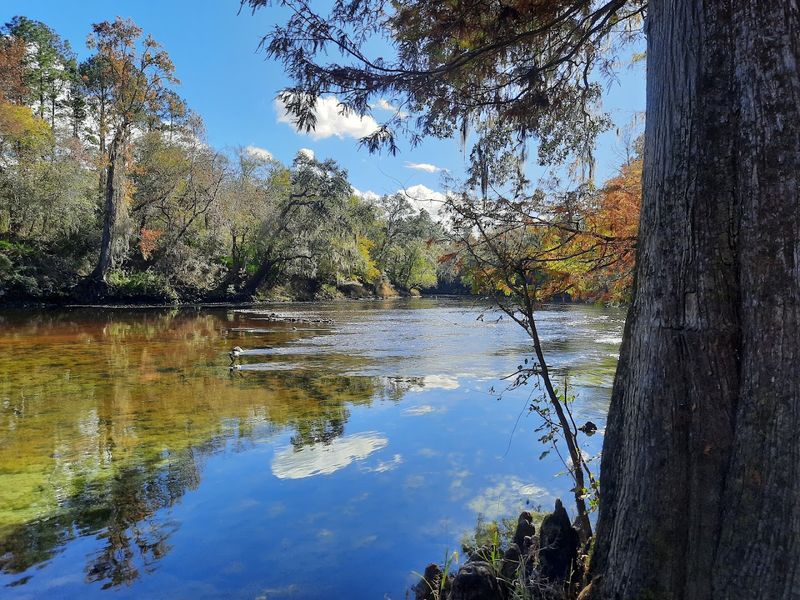
Beyond the main spring area, a nature trail winds through Florida woodland toward the Withlacoochee River. This path offers a different experience from the spring itself, letting visitors stretch their legs and spot local wildlife. Reviews mention beautiful flowers, butterflies, and the peaceful shade of native trees along the route.
The trail eventually reaches a small sandy beach area where the spring run meets the river. This spot provides another swimming option, though the water here differs from the spring itself. River water tends to be darker and warmer, creating contrast with the cold, clear spring water.
Hiking the trail adds dimension to your visit if you want more than just swimming. It’s not an extensive trail system, so don’t expect hours of trekking, but it provides enough distance for a pleasant walk. The path stays relatively easy, making it accessible for most fitness levels.
Wildlife sightings happen regularly along the trail. Turtles bask on logs, birds call from the canopy, and fish school in the shallows where spring meets river. One reviewer noted strong T-Mobile signal even on the trail, which matters if you’re working remotely or need to stay connected.
The combination of spring swimming and trail exploration makes Madison Blue Spring feel more substantial than just a swimming hole, giving visitors multiple ways to enjoy their time.
6. Affordable Entry and Simple Payment System
Madison Blue Spring keeps costs remarkably reasonable, especially compared to commercial water parks or tourist attractions. The park uses a modern QR code payment system that surprised some visitors with its simplicity. Signs posted around the entrance area display QR codes you scan with your smartphone to pay the entrance fee.
Most reviews mention the family-friendly pricing as a major plus. Whether you’re bringing a couple of kids or a larger group, the per-person fee won’t break your budget. This accessibility makes repeat visits realistic rather than treating the spring as a once-in-a-while splurge.
The QR code system occasionally confuses first-time visitors who aren’t sure where to find the payment signs. They’re mounted on posts around the parking area, so look around when you arrive. Once you spot one, payment takes seconds.
This contactless system eliminates the need for a staffed entrance booth while still collecting fees that support park maintenance.
Basic facilities match the affordable pricing. You’ll find port-a-potties rather than full restroom buildings, and small changing areas at the far end of the parking lot. These aren’t luxury amenities, but they serve their purpose adequately.
The trade-off between bare-bones facilities and low entry costs makes sense for most visitors who prioritize the natural spring experience over resort-style conveniences. The money you save on admission leaves room in your budget for other adventures.
7. Capacity Limits and Timing Your Visit
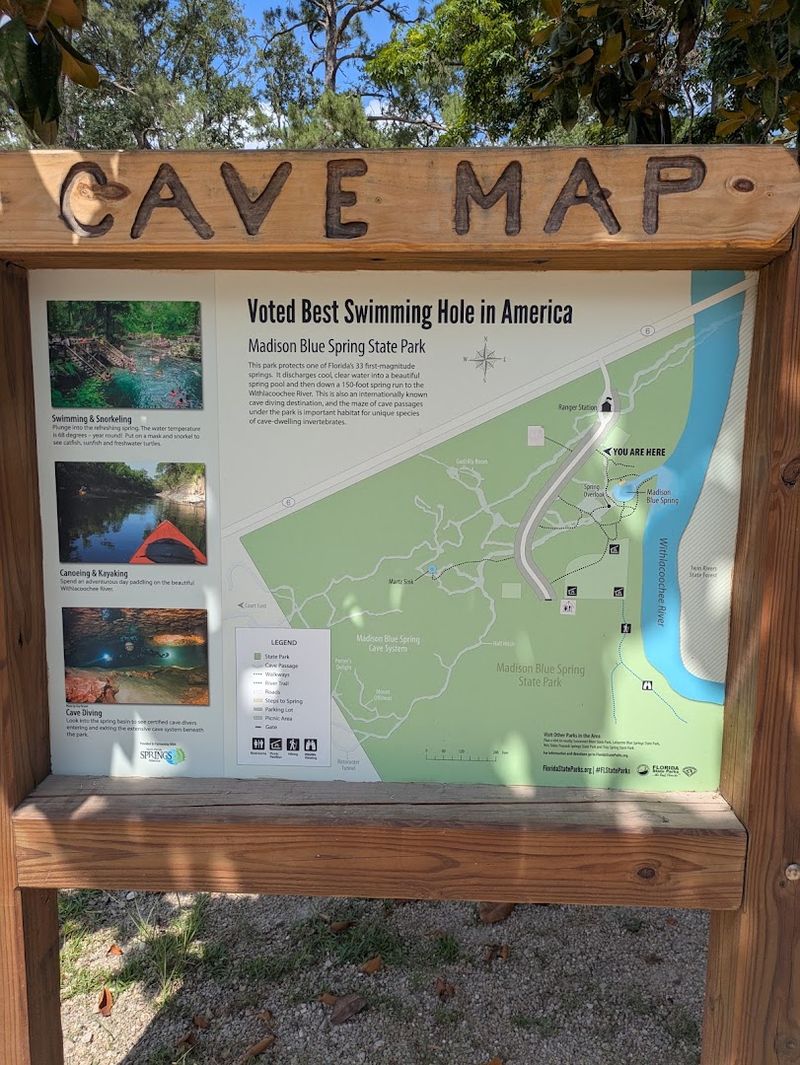
Madison Blue Spring operates with capacity limits to protect the natural environment and maintain visitor experience quality. On busy days, particularly summer weekends and holidays, the park reaches maximum capacity and temporarily stops admitting new visitors until others leave. This system prevents overcrowding but requires strategic planning.
Arriving early gives you the best chance of getting in without waiting. Several reviewers mention visiting during off-season or quieter times and having the spring nearly to themselves. These uncrowded experiences let you fully appreciate the beauty without navigating around dozens of other swimmers.
Mid-week visits typically see lighter crowds than weekends.
The parking lot’s smaller size compared to other Florida springs contributes to capacity constraints. There simply isn’t room for unlimited vehicles, which naturally limits how many people can visit simultaneously. While this might frustrate visitors who arrive at peak times, it actually preserves the otherworldly quality that earned the spring its recognition.
If you’re planning a special trip, consider calling ahead to ask about typical busy times. Park staff can offer guidance on when to arrive for the best experience. Some visitors report waiting to enter, while others found empty parking spots and had the spring mostly to themselves.
The difference often comes down to timing and a bit of luck with weather and local events.
8. Year-Round Swimming in Constant Temperature
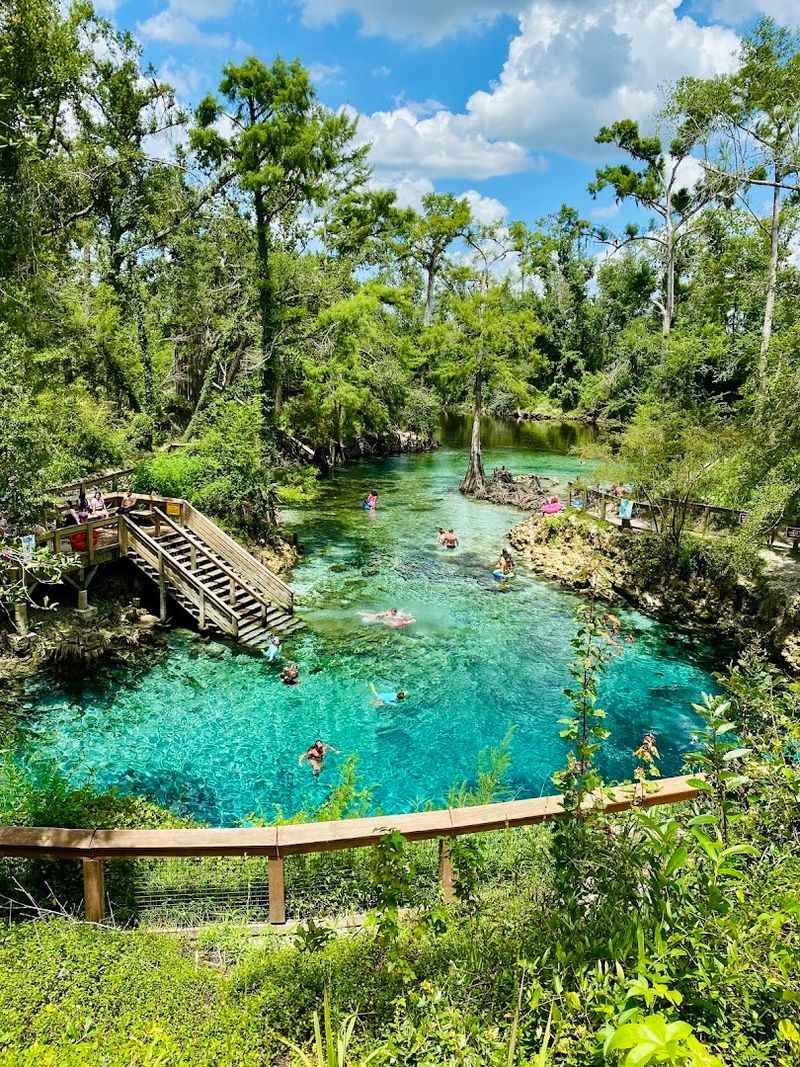
Florida springs maintain constant temperatures regardless of season, and Madison Blue Spring holds steady at approximately 68 degrees year-round. This reliable temperature creates swimming opportunities even during months when most outdoor pools sit unused. In summer, that 68 degrees feels refreshingly cool against hot air.
Come winter, the same water feels surprisingly warm.
Visitors swimming in cooler months mention how enjoyable the crisp 68-degree water feels. You can swim comfortably for extended periods without getting too cold, though some people prefer wetsuits during winter visits. The constant temperature also means wildlife activity continues year-round, so fish sightings and turtle encounters happen regardless of when you visit.
This temperature consistency comes from the spring’s source deep underground where earth temperature remains stable. The water that emerges today fell as rain potentially decades ago, filtered slowly through limestone layers, and now surfaces at the same temperature it maintained throughout its underground journey. That geological process creates the reliable conditions swimmers enjoy.
Seasonal variations affect the park experience in other ways beyond water temperature. Summer brings more visitors, bugs (including gnats mentioned in reviews), and intense heat between the parking area and water. Winter offers fewer crowds, no bug issues, and comfortable air temperatures.
Spring and fall provide middle-ground conditions that many consider ideal. Regardless of season, that 68-degree water stays exactly the same, ready whenever you decide to visit.