People Say Old Florida Is Gone, but These 10 Towns Clearly Didn’t Get the Memo
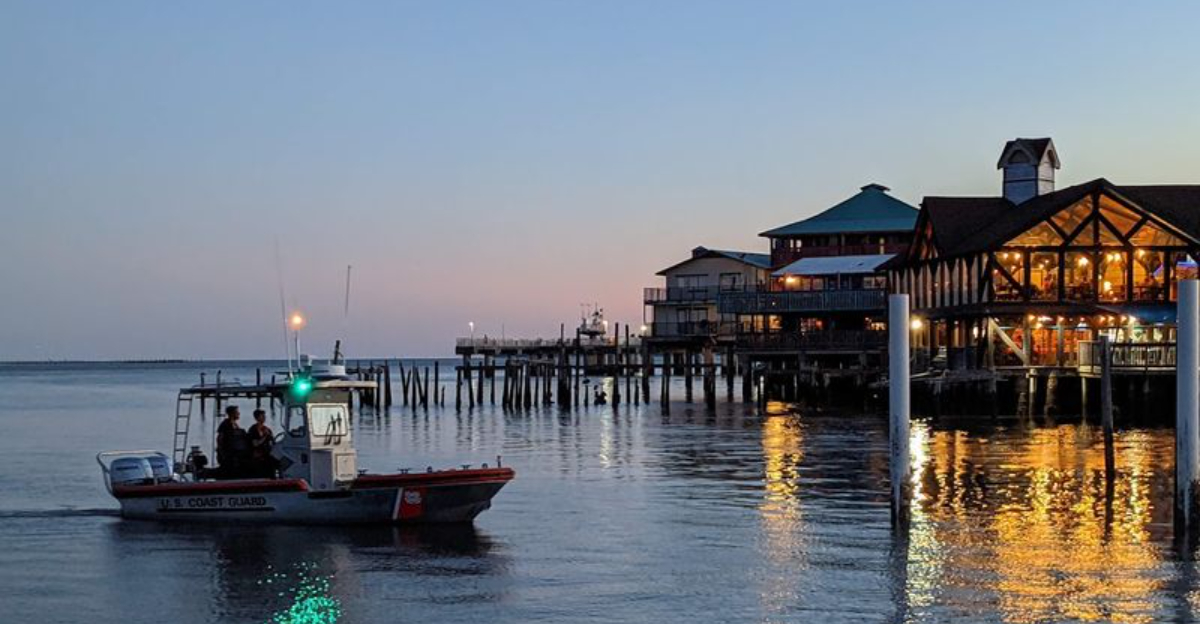
Modern Florida is all about theme parks, high-rises, and crowded beaches. But tucked away in forgotten corners of the state, a handful of towns refuse to change. They still have moss-draped oaks, working waterfronts, and Main Streets that look like postcards from 1950.
If you want to see what Florida felt like before the boom, these places are your time machine.
1. Cedar Key
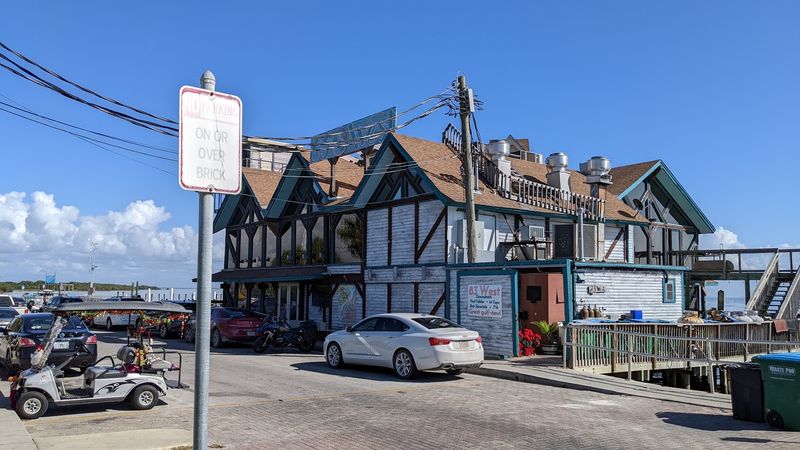
Golf carts outnumber cars, clam shacks outnumber chain restaurants, and sunset-watching is the main evening activity. Cedar Key sits on a cluster of islands along Florida’s Big Bend, where the Gulf Coast curves and development never quite caught on.
Commercial fishing still drives the local economy. You’ll see working boats tied up at docks, crab traps stacked along the waterfront, and seafood markets selling clams pulled from the bay that morning. The town feels salty, sun-faded, and completely unpolished.
Most of the buildings date back decades, with peeling paint and wooden porches that creak when you walk across them. There are no resorts, no golf courses, and no traffic lights. Just a handful of streets, a few art galleries, and restaurants where locals know your name by your second visit.
The pace here is slow by design. People come to fish, kayak through the salt marshes, or simply sit on a dock and watch pelicans dive. It’s the kind of place where time moves with the tide, and nobody seems interested in speeding it up.
2. Micanopy
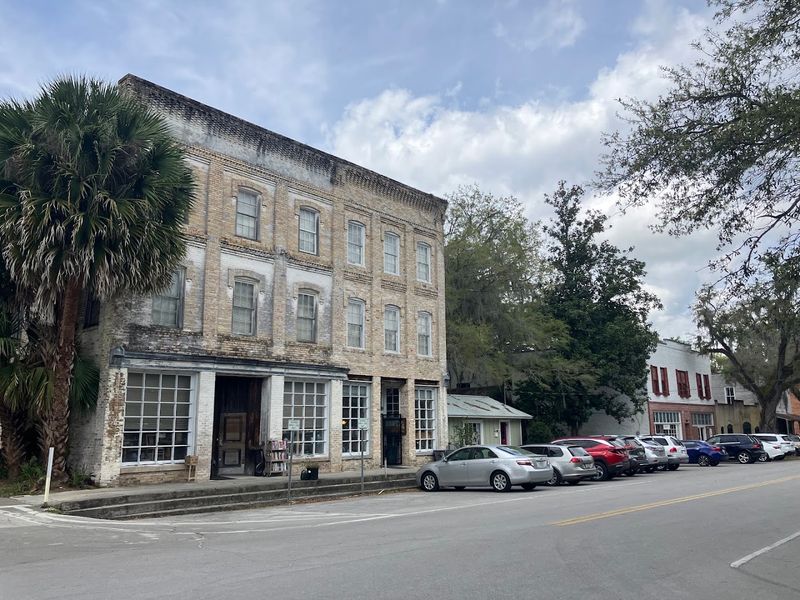
Walk down Cholokka Boulevard and you’ll swear you stepped into a different century. Micanopy’s downtown is a single street lined with buildings that haven’t changed much since the 1800s. Moss hangs from the oaks like curtains, and the storefronts are filled with antiques, books, and locally made goods.
There’s no Starbucks, no chain pharmacy, and no rush. The town moves at a pace that matches its nickname: “The Town That Time Forgot.” Locals seem proud of that title, and they’re not interested in modernizing just to keep up with the rest of Florida.
You’ll find family-run shops selling everything from vintage furniture to handmade candles. The buildings are brick and wood, with wide porches and creaky floors. Some have been in the same family for generations.
Micanopy sits just south of Gainesville, but it feels worlds away. It’s the kind of place where people still wave from their front porches and know their neighbors by name. Tourists come for the charm, but locals stay because it still feels like home—the kind of home Florida used to be.
3. Apalachicola
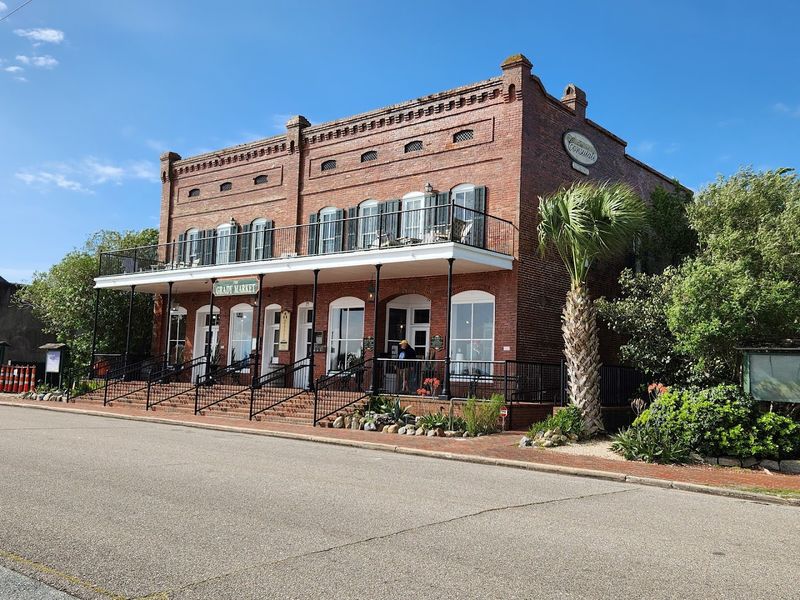
Apalachicola built its reputation on oysters, and even though the beds have struggled in recent years, the town still feels like a working waterfront community. Shrimp boats tie up along the docks, seafood markets sell the day’s catch, and the rhythm of life follows the water.
Downtown is a mix of 19th-century buildings, locally owned shops, and restaurants that serve fried mullet and grouper sandwiches. There are no mega-resorts or beachfront condos here—just quiet streets, historic homes, and a sense that the town values its past more than its potential for development.
The architecture tells the story. Victorian-era houses with wraparound porches line the residential streets, many of them painted in soft pastels. The downtown storefronts are brick and wood, with awnings and hand-painted signs that look like they’ve been there forever.
People come to Apalachicola for the oysters, the history, and the slower pace. It’s a place where you can still walk to everything, where the hardware store knows your name, and where the biggest decision of the day is whether to eat lunch on the porch or down by the water.
4. Cortez
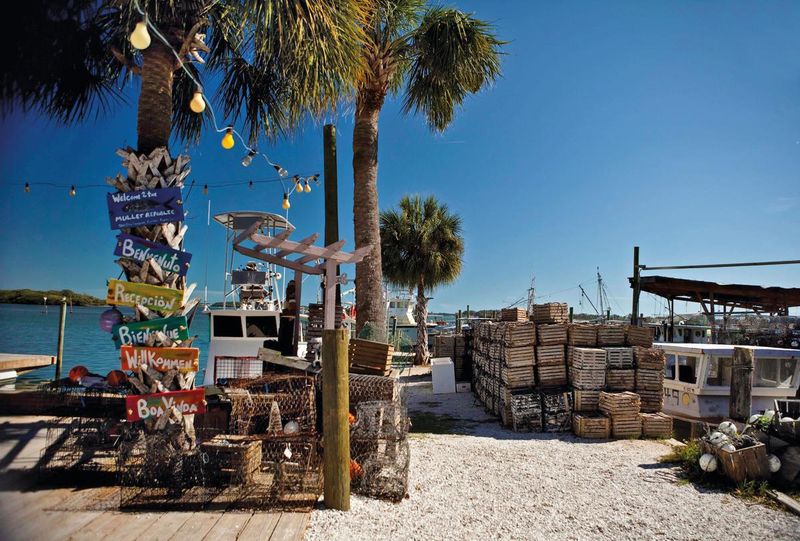
Tucked between Bradenton and Anna Maria Island, Cortez is one of the last authentic fishing villages left on Florida’s Gulf Coast. Commercial boats still work out of here, fish houses still process the daily catch, and families with roots going back to the 1880s still call it home.
The village sits on the water, and everything about it feels tied to the sea. You’ll see crab traps stacked high along the docks, nets hanging to dry, and boats heading out before sunrise. The buildings are weathered, functional, and built for work—not Instagram.
There’s a small commercial strip with a seafood market, a bait shop, and a restaurant that serves stone crab claws and grouper straight from the boat. No fancy menus, no valet parking—just fresh seafood and a view of the bay.
Cortez has fought hard to stay the way it is. Developers have eyed the waterfront for years, but the community has resisted. They know what they have, and they’re not interested in trading it for condos and chain restaurants.
It’s a rare thing in modern Florida—a place that chose heritage over profit.
5. Steinhatchee
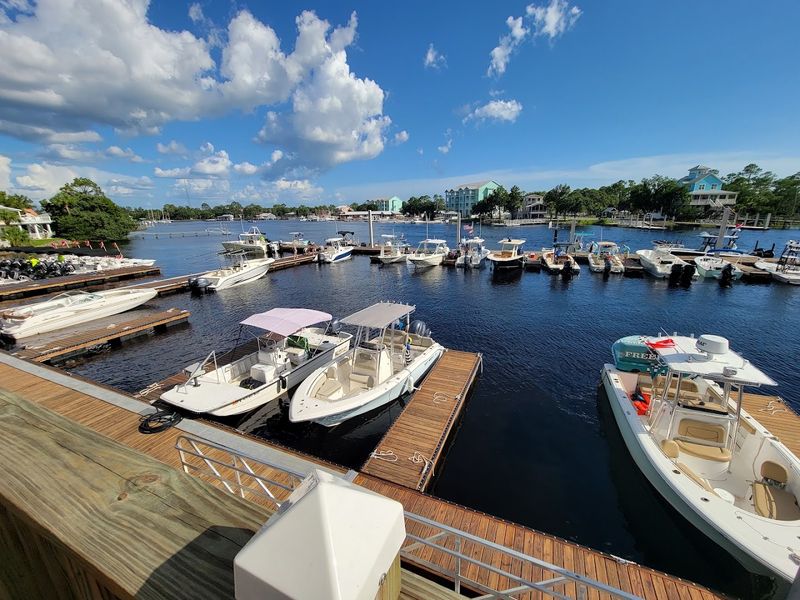
Steinhatchee is all about the water. The town sits where the Steinhatchee River meets the Gulf, and life here revolves around fishing, crabbing, and scalloping. In summer, the river fills with boats as people come to dive for scallops—a tradition that feels more like a family reunion than a tourist activity.
There are no shopping malls, no movie theaters, and no traffic jams. Just a handful of fish camps, a couple of bait shops, and restaurants where the menu is whatever came in that morning. The town is small, quiet, and proudly undeveloped.
Most visitors come for the fishing. Trout, redfish, and grouper are plentiful, and locals will tell you the best spots if you ask nicely. The river is calm and scenic, lined with cypress trees and dotted with docks where people tie up their boats and spend the afternoon.
Steinhatchee doesn’t try to be anything other than what it is—a working river town where the tides dictate the schedule and the biggest excitement is a good catch. It’s the kind of place where you unplug, slow down, and remember what Florida felt like before it became a destination.
6. Chokoloskee
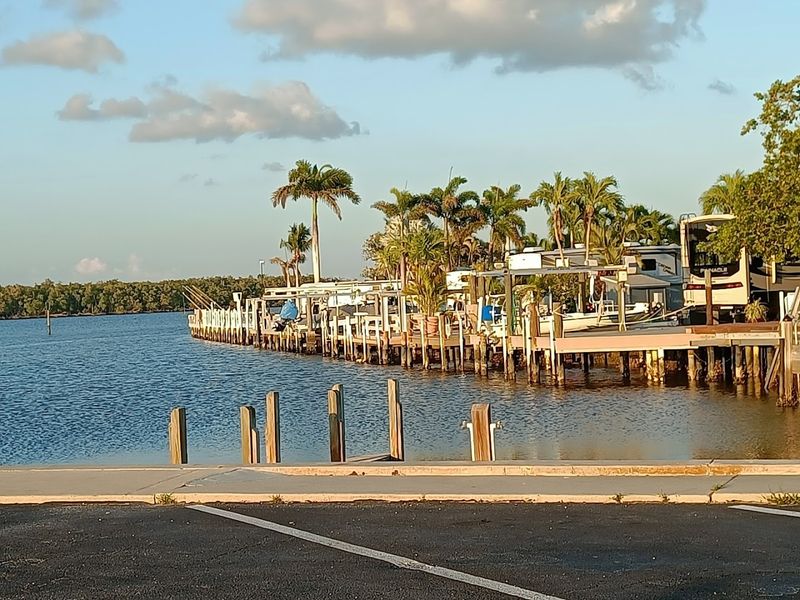
At the southern tip of Florida’s west coast, where the road ends and the mangroves begin, sits Chokoloskee. It’s a tiny island community surrounded by the Ten Thousand Islands, accessible only by a single causeway. Once you’re here, you’re as far from theme parks and tourist traps as you can get.
The landscape is all water, mangroves, and sky. Fishing camps dot the shoreline, small boats tie up at weathered docks, and the only sounds are birds, wind, and the occasional outboard motor. It’s wild, remote, and completely untouched by modern Florida development.
Chokoloskee has a population that barely cracks 400, and most of them are connected to the area’s fishing and crabbing heritage. The buildings are simple and functional—no fancy architecture, just structures built to withstand hurricanes and salt air.
People come here to fish the backcountry, kayak through the mangroves, or launch into Everglades National Park. It’s not a place for luxury or convenience. It’s a place for people who want to see Florida the way it used to be—raw, rugged, and real.
7. White Springs
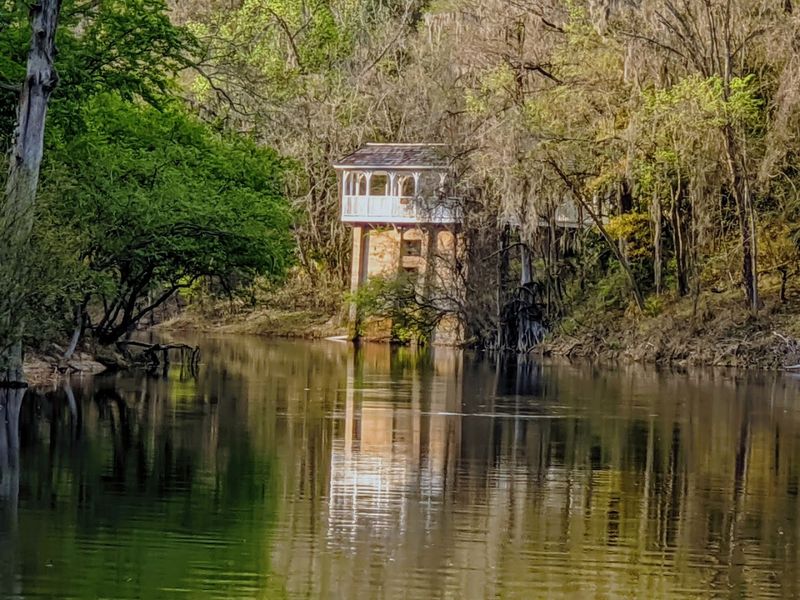
White Springs sits along the Suwannee River in North Florida, where the landscape feels more like Georgia than the rest of the state. The town is quiet, historic, and built around a downtown that looks frozen somewhere in the mid-20th century.
Old brick buildings line the main street, many of them empty or converted into small shops and cafés. There’s no hustle here, no crowds, and no need to hurry. The pace is slow, the streets are shaded by old oaks, and the river is just a short walk away.
The Stephen Foster Folk Culture Center State Park sits nearby, honoring the composer who made the Suwannee River famous. The park hosts craft festivals and folk music events, keeping a connection to Florida’s cultural roots alive.
White Springs was once a resort destination, known for its mineral springs and grand hotels. Those days are long gone, but the town still has a quiet dignity. The buildings are well-kept, the river is beautiful, and the community holds onto its history with pride.
It’s a place where you can still feel Old Florida’s Southern roots—slow, graceful, and unapologetically traditional.
8. Sopchoppy
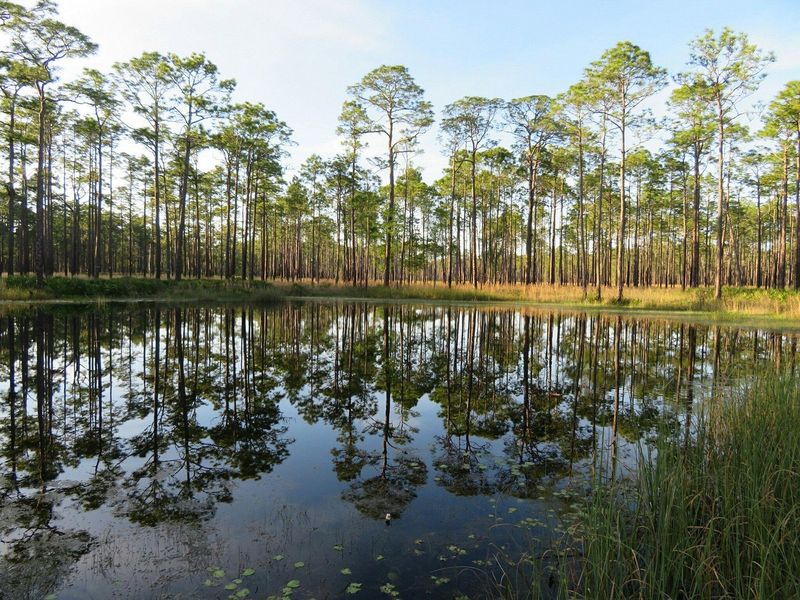
Sopchoppy is small, strange, and fiercely proud of both. The entire downtown is one block long, anchored by an old railroad depot and a handful of storefronts. The surrounding landscape is all pine forests, dirt roads, and swamps—classic rural North Florida.
The town’s claim to fame is the annual Worm Gruntin’ Festival, a celebration of an old-school technique for coaxing earthworms out of the ground. It’s quirky, it’s local, and it perfectly captures Sopchoppy’s personality: unpretentious, a little odd, and completely authentic.
There are no chain stores, no subdivisions, and no signs of the Florida most people know. Just a post office, a few local businesses, and a whole lot of woods. The people here like it that way.
Sopchoppy sits near the Apalachicola National Forest, so outdoor enthusiasts come for hiking, hunting, and kayaking. But the town itself is the real attraction—a tiny pocket of Old Florida that refuses to modernize, change, or apologize for being exactly what it is. It’s rough around the edges, but that’s the whole point.
9. McIntosh
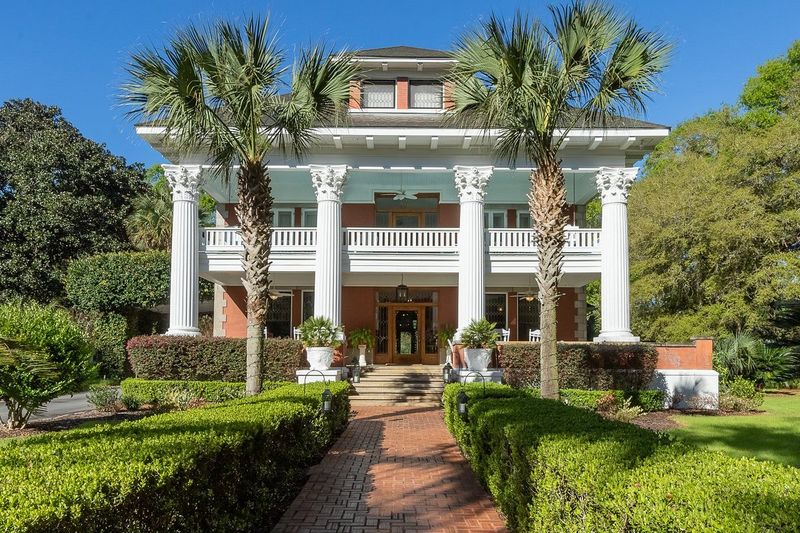
McIntosh sits in the rolling countryside between Gainesville and Ocala, surrounded by horse farms, citrus groves, and oak-lined roads. The town itself is tiny—just a few blocks of historic homes and almost no commercial development. It’s quiet, green, and feels like a postcard from rural Florida’s past.
The live oaks here are massive, their branches spreading wide over the streets and yards. The homes are old, many of them dating back to the late 1800s and early 1900s, with wraparound porches and tin roofs. There’s no shopping center, no gas station, and no reason to rush through.
McIntosh was once a citrus town, and while the groves aren’t as dominant as they used to be, the agricultural character remains. The landscape is open, the pace is slow, and the sense of community is strong.
People come here to escape. Artists, retirees, and families who want a quieter life have settled in McIntosh, drawn by its beauty and simplicity. It’s not a tourist destination—it’s just a place where Florida’s rural character still exists, untouched by sprawl or commercialization.
And that’s exactly what makes it special.
10. Monticello
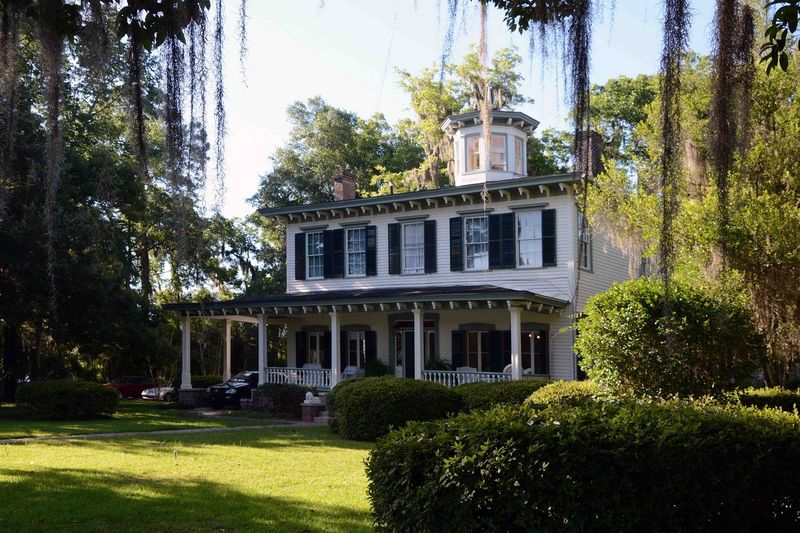
Monticello is the kind of town where the courthouse still anchors the town square, and people still shop at locally owned stores. The Jefferson County Courthouse, with its white dome and classical architecture, sits at the center of everything, surrounded by antique shops, cafés, and historic buildings.
The streets are lined with old homes, many of them restored and lovingly maintained. Canopy roads stretch out from town, shaded by live oaks draped in Spanish moss. It’s the quintessential North Florida landscape—Southern, graceful, and timeless.
Downtown Monticello feels like a place where people still know each other. The shops are independently owned, the cafés serve homemade pie, and the pace is unhurried. There’s no pressure to modernize, no push to attract big-box stores or national chains.
Monticello is proud of its history and its traditions. The community hosts festivals, preserves its architecture, and keeps its small-town character intact. It’s a place where Old Florida’s Southern roots run deep, and where the past isn’t just remembered—it’s lived every day.
For anyone looking for a town that still feels like home, Monticello delivers.