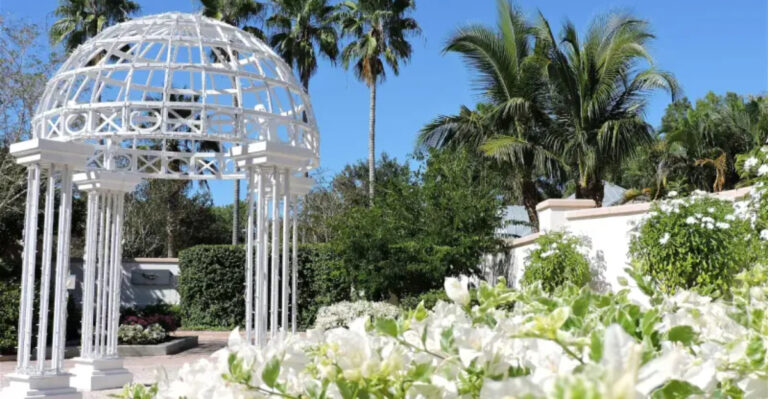
This Jacksonville, Florida Museum Has Beautiful Gardens That Have Thrived Since 1903
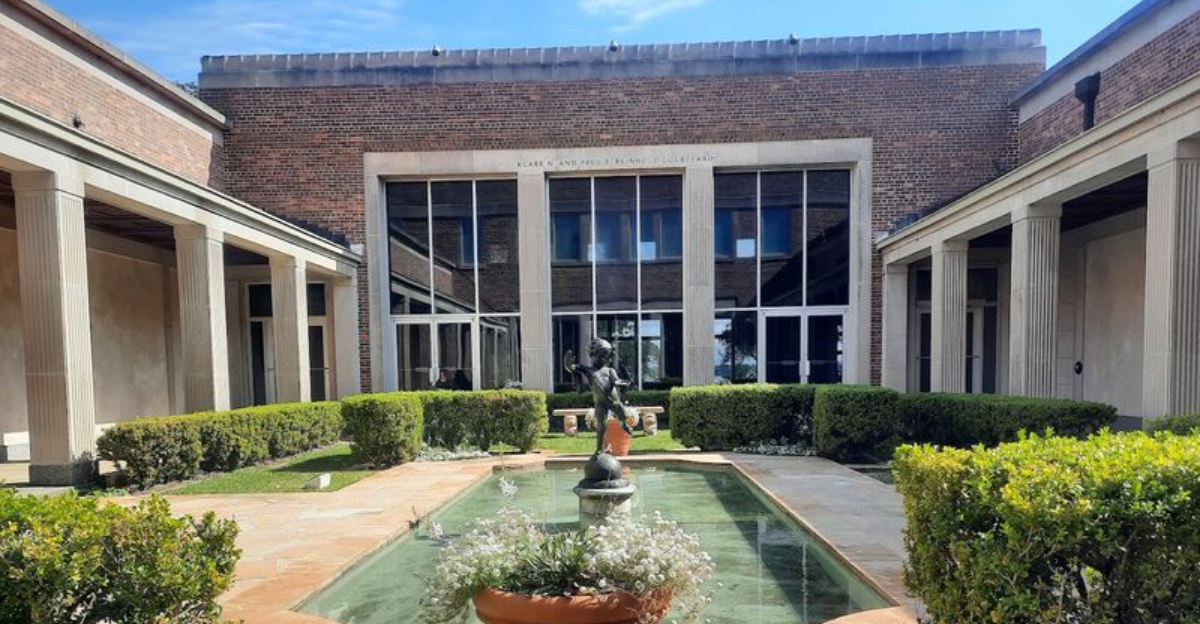
The Cummer Museum of Art & Gardens in Jacksonville is home to one of Florida’s most remarkable historic landscapes, where beautifully maintained gardens have flourished along the St. Johns River since 1903. Designed with elegant pathways, reflecting pools, fountains, and centuries-old live oak trees, the gardens provide a peaceful setting that feels worlds away from the city’s busy streets.
Beyond the breathtaking outdoor spaces, the museum features an impressive collection of American and European art, making it a destination that blends culture, history, and natural beauty. Whether you’re admiring seasonal blooms, photographing the riverfront scenery, or exploring the galleries, the Cummer Museum of Art & Gardens offers an unforgettable glimpse into one of Jacksonville’s most treasured landmarks.
Historic Gardens with a Century-Old Legacy

Walking through gardens that have been carefully tended for more than 120 years feels like stepping into a living history book. The Cummer’s outdoor spaces weren’t just added as an afterthought—they were part of the original estate when Ninah Cummer first planted them in 1903.
These aren’t your average botanical gardens either. They’ve survived hurricanes, floods, and the test of time while maintaining their elegance and charm.
The gardens stretch along the riverfront, offering stunning views of the St. Johns River that change with the seasons. Spring brings explosions of azaleas and camellias, while summer showcases tropical blooms that thrive in Florida’s heat.
Even winter visits reveal the evergreen beauty of the landscape design, proving that good bones never go out of style. The layout follows English and Italian garden traditions, mixing formal structure with natural Florida elements.
One standout feature is the massive Cummer Oak, a tree so sprawling and ancient it commands its own space in the garden. Its branches stretch impossibly wide, creating natural shade canopies perfect for sitting and reflecting.
Benches scattered throughout the grounds invite you to pause and soak in the tranquility, whether you’re watching butterflies dance between flowers or listening to birds call from the trees.
Photography enthusiasts love this spot for good reason—every angle offers a new composition. The reflection pools, sculptural elements, and seasonal blooms create backdrops that look professionally staged but are entirely natural.
Couples often choose these gardens for engagement photos or quiet date afternoons, and it’s easy to see why. The combination of historic charm, natural beauty, and riverside serenity creates an atmosphere that feels worlds away from the urban landscape just beyond the museum walls.
Impressive Art Collection Spanning Five Millennia
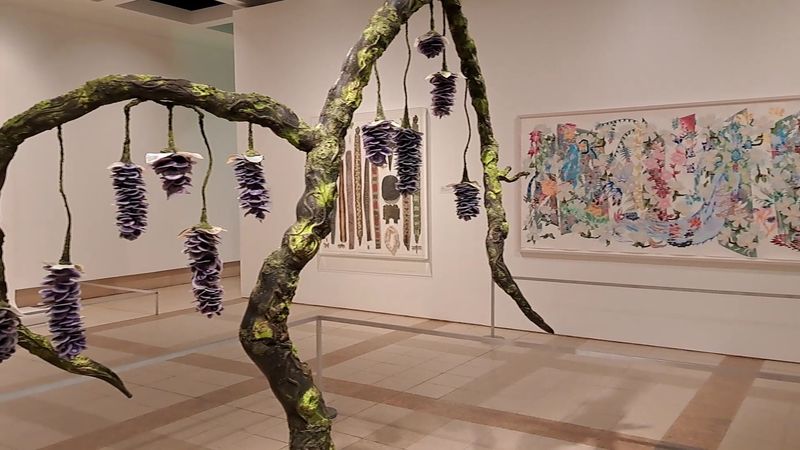
Five thousand works of art call the Cummer home, and that’s not just a random collection thrown together. We’re talking about pieces that span from ancient civilizations all the way to contemporary artists working today.
The museum’s curators have built something special here—a collection that tells the story of human creativity across continents and centuries without making you feel like you need an art history degree to appreciate it.
The galleries flow logically from one period to the next, making it easy to follow artistic evolution through time. You’ll find European old masters hanging near Renaissance treasures, then turn a corner to discover modern pieces that challenge traditional definitions of art.
One particularly surprising exhibit features a contemporary sculpture made entirely from Legos, proving the museum doesn’t take itself too seriously despite housing genuinely important works.
Andrew Wyeth fans should definitely carve out extra time for his dedicated gallery space. His contemplative, detailed paintings capture rural American life with such precision and emotion that visitors often find themselves standing in front of a single piece for ten minutes or more.
The museum also brings in rotating exhibitions regularly, ensuring that even frequent visitors always have something new to discover during return trips.
What really sets the Cummer apart from larger, more intimidating museums is its manageable size. You can see the entire permanent collection in a single afternoon without feeling rushed or overwhelmed.
There’s no pressure to sprint through endless hallways or skip sections because your feet hurt. Instead, you can actually spend quality time with pieces that speak to you, reading the descriptions that explain context and significance in language that makes sense to regular people, not just art scholars.
Family-Friendly Interactive Spaces
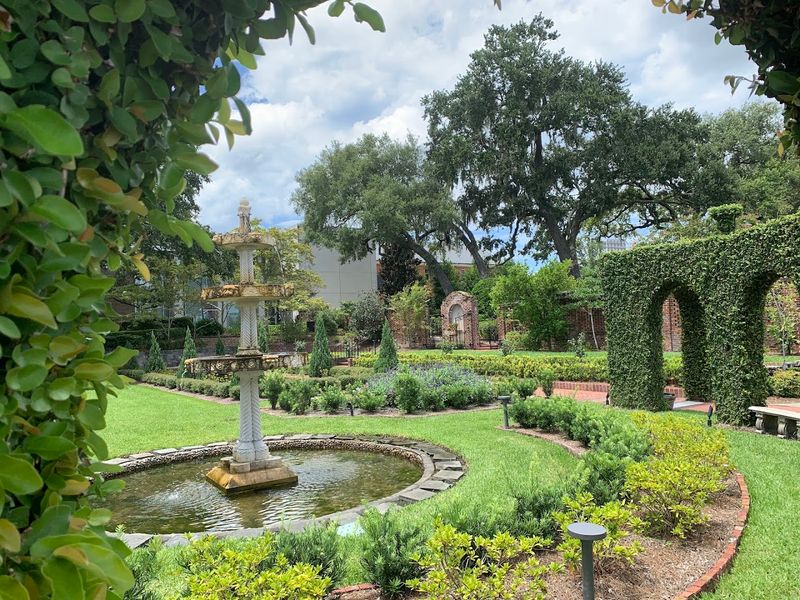
Bringing kids to an art museum might sound like a recipe for stress, but the Cummer flips that script entirely. The dedicated children’s exhibit area was designed with young minds in mind, offering hands-on activities that engage kids from toddlers to tweens.
Parents consistently rave about how well-thought-out this space is, noting that it keeps children entertained while actually teaching them about art concepts in ways they can understand and enjoy.
The interactive elements don’t talk down to kids or treat art as something stuffy and boring. Instead, they invite exploration and creativity through activities that let children become artists themselves.
Touchable displays, visual puzzles, and creative challenges make learning feel like play. Even children with neurological differences find the space welcoming and accessible, which speaks volumes about the thoughtful design behind these exhibits.
What surprises many families is how engaging these areas are for adults too. Parents often find themselves just as absorbed in the activities as their children, creating genuine bonding moments over shared artistic experiences.
The museum staff clearly understands that fostering a love of art starts young, and they’ve created an environment where that can happen naturally rather than through forced education.
Free admission days occur regularly throughout the year, making it possible for families of all income levels to experience what the Cummer offers. Students get in free year-round, which removes financial barriers that might otherwise keep young people from accessing cultural institutions.
This commitment to community access means Jacksonville kids grow up with the museum as a familiar, welcoming space rather than an intimidating or exclusive venue. That familiarity breeds comfort, and comfort breeds curiosity—exactly what you want when introducing the next generation to the arts.
Peaceful Riverside Location Perfect for Reflection

Sometimes you just need to escape the noise and chaos of daily life, and the Cummer’s riverside setting delivers that escape beautifully. The museum sits right on the St. Johns River, giving you unobstructed water views that create an instant sense of calm.
Whether you grab a drink from the cafe and stroll the garden paths or simply sit on one of the many benches overlooking the water, the location itself becomes part of the experience.
The riverfront position means you get natural breezes even on warm days, making outdoor exploration comfortable most of the year. Watching boats drift by while surrounded by manicured gardens and historic trees creates a meditative quality that’s hard to find in most urban settings.
Date nights take on a romantic quality here, with couples often spending hours wandering the grounds as the light changes from afternoon to evening.
The museum’s grounds feel like a secret garden tucked away from the city, even though you’re technically still in an urban area. That juxtaposition—nature and art meeting civilization—gives the space a unique character.
You’re never far from parking or amenities, yet once you step into the gardens or galleries, the outside world fades away. It’s the best of both worlds for people who want cultural experiences without driving hours into the countryside.
Weekday visits tend to be quieter, offering even more opportunities for peaceful contemplation. The museum never feels stuffy or crowded, even during busier weekend hours.
There’s always room to breathe, always a quiet corner to claim as your own for a while. This accessibility to tranquility within a city environment makes the Cummer a valuable resource for Jacksonville residents who need regular doses of beauty and calm to balance their hectic schedules.
Affordable Access with Regular Free Admission Days
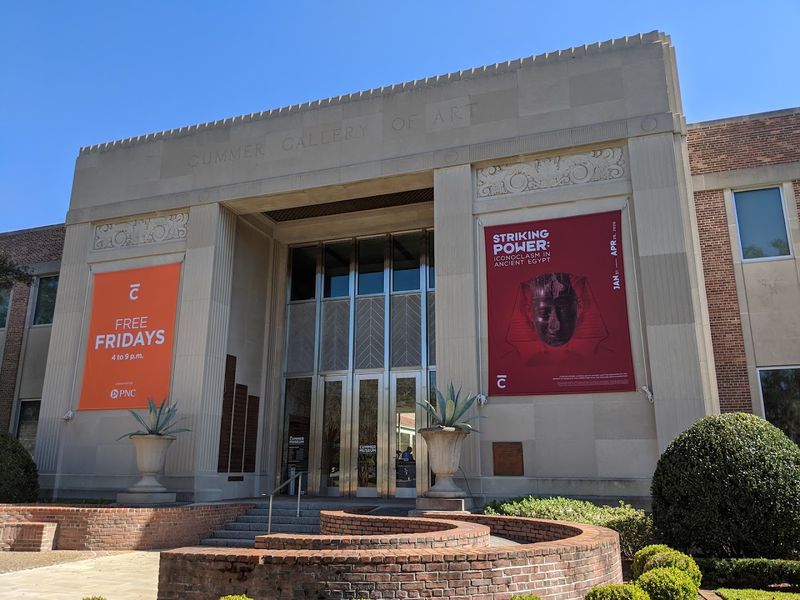
Twenty dollars per adult might seem like a bargain for everything the Cummer offers, but the museum goes even further by offering free admission on the first Saturday of every month. Bank of America cardholders also get free entry on select days throughout the year.
These initiatives remove financial barriers that often keep people from experiencing cultural institutions, making art and beauty accessible to everyone regardless of their economic situation.
The free admission days aren’t scaled-back experiences either—you get full access to all permanent collections, rotating exhibitions, and the gardens. There’s no catch, no hidden fees, just genuine community outreach that reflects the museum’s commitment to serving Jacksonville residents.
Students enjoy free admission year-round, which means young people can visit as often as they want without worrying about ticket costs adding up.
Even on paid admission days, the pricing remains remarkably reasonable compared to similar institutions in other cities. You’re looking at less than the cost of a movie ticket for an experience that can easily fill an entire afternoon.
The value proposition becomes even stronger when you factor in the free parking directly across the street, the beautiful grounds that rival any botanical garden, and the quality of the art collection itself.
This pricing philosophy speaks to a broader understanding of what museums should be—community resources rather than exclusive clubs. When cultural institutions make themselves accessible, they become woven into the fabric of daily life rather than special-occasion destinations.
Jacksonville families can make the Cummer part of their regular rotation without budget stress, allowing multiple visits that deepen appreciation over time. That repeated exposure is how people develop genuine relationships with art, discovering new favorites and noticing details they missed on previous visits.
Welcoming Atmosphere with Knowledgeable Staff
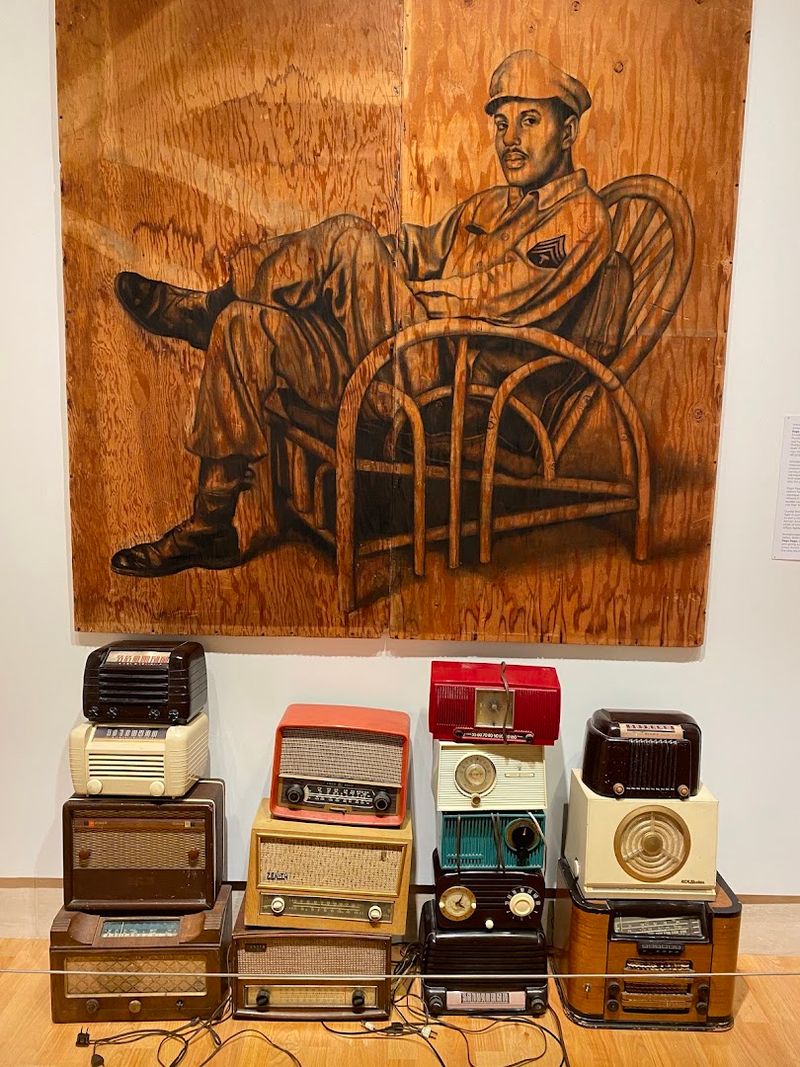
Museum staff can make or break your experience, and the Cummer consistently gets praise for employing people who genuinely care about helping visitors enjoy their time. The employees here aren’t just watching to make sure you don’t touch anything—they’re knowledgeable resources ready to answer questions, offer insights, and enhance your understanding of what you’re seeing.
That approachable expertise transforms a good visit into a great one.
First-time visitors often mention feeling welcomed rather than intimidated, which isn’t always the case at art museums. There’s no snobbery or pretension, just friendly people who love sharing their space with others.
Staff members patrol the galleries and gardens not to police behavior but to be available if guests need assistance or information. That subtle difference in approach creates an atmosphere where people feel comfortable asking questions and engaging more deeply with the art.
The museum maintains its facilities impeccably, with clean restrooms, well-kept galleries, and manicured grounds that show respect for visitors. These details matter because they signal that the institution values the people who walk through its doors.
When you combine spotless facilities with helpful staff, you get an environment where people naturally feel more relaxed and open to new experiences.
Even the gift shop employees and cafe workers contribute to the overall positive atmosphere. They’re not pushy about sales or dismissive of browsers—just friendly faces who add to the welcoming vibe.
The gift shop itself offers unique items you won’t find at every tourist trap, curated to reflect the museum’s artistic mission. Whether you’re a regular visitor or stopping by for the first time, the consistent quality of service means you know what to expect: genuine hospitality that makes you want to return and maybe bring friends next time.
Convenient Amenities Including Cafe and Gift Shop
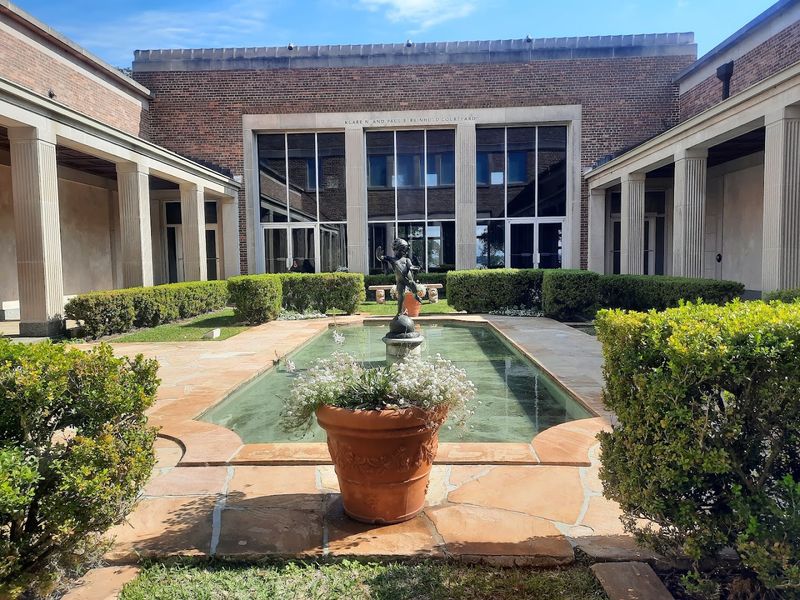
After wandering galleries and gardens, sometimes you just need to sit down with a cold drink and process everything you’ve seen. The Cummer’s onsite cafe fills that need perfectly, offering a comfortable space to rest and refresh without leaving the museum grounds.
Visitors love grabbing beverages here before heading out to the gardens, where multiple seating areas let you sip and contemplate surrounded by natural beauty and river views.
The cafe menu keeps things simple but satisfying, focusing on quality over extensive options. You won’t find a full restaurant experience, but you will find good coffee, cold drinks, and light refreshments that hit the spot when you need an energy boost.
The seating area itself feels like an extension of the museum’s aesthetic—thoughtfully designed, comfortable, and never overcrowded. It’s become a favorite spot for visitors who want to extend their stay and soak in the peaceful atmosphere a bit longer.
The gift shop deserves special mention for actually offering items worth browsing. Rather than generic tourist merchandise, you’ll find art books, unique jewelry, locally made crafts, and items that reflect the museum’s collections and mission.
Yes, prices run higher than mass-market stores, but that’s the nature of curated specialty shops. Many visitors appreciate having access to quality souvenirs and art-related products they can’t find elsewhere, even if it means spending a bit more.
Free parking directly across the street removes one of the biggest hassles associated with urban cultural attractions. You don’t have to circle for thirty minutes looking for a spot or pay exorbitant garage fees.
Just pull into the lot, walk across the street, and you’re there. This convenience factor makes spontaneous visits realistic rather than requiring extensive planning.
Combined with the cafe, gift shop, and clean facilities throughout the property, these practical amenities show that the museum understands visitor needs extend beyond just viewing art and gardens.