Trade The Beach For These 14 Refreshing Florida Lakes This Summer
Florida’s coastline gets all the attention, but the state’s inland lakes offer something the ocean can’t: calm, freshwater escapes without the saltwater sting or crowded boardwalks. These hidden gems scattered across the state provide excellent fishing, peaceful kayaking, and swimming spots where you can actually see your feet.
Whether you’re looking to escape the summer heat or just want a change of scenery from the typical beach trip, Florida’s lakes deliver natural beauty and outdoor adventure that’ll make you wonder why you ever bothered with sand in your swimsuit.
1. Lake Kissimmee – Lake Wales
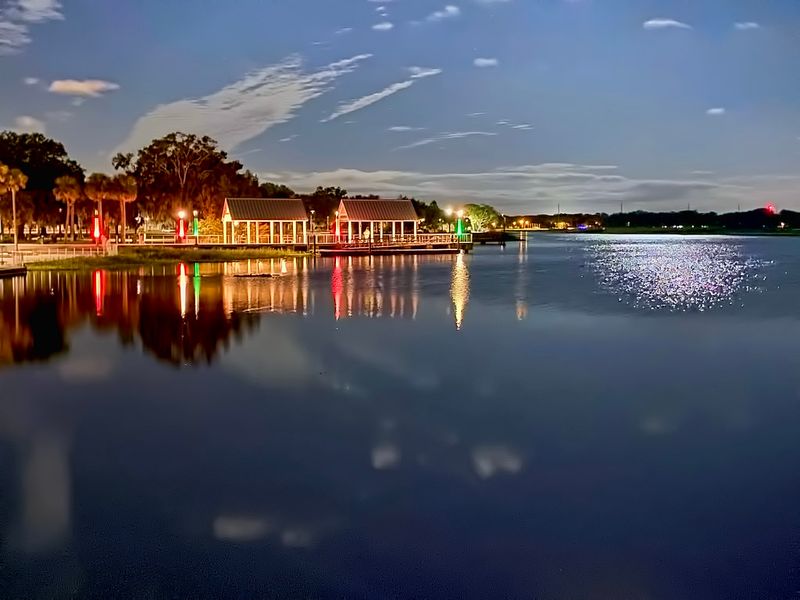
Sprawling across more than 34,000 acres, Lake Kissimmee ranks as one of Central Florida’s largest natural lakes and serves as a paradise for anglers chasing trophy bass. The shallow waters and abundant vegetation create perfect conditions for fish to thrive, which explains why fishing tournaments regularly choose this spot.
You’ll find boat ramps scattered around the perimeter, making access easy whether you’re launching a bass boat or a simple kayak.
The lake connects to Lake Tohopekaliga through a canal, forming part of the famous Kissimmee Chain of Lakes. This connection means you can explore multiple bodies of water in one trip if you’re feeling adventurous.
Wildlife watching here goes beyond fish—keep your eyes open for alligators sunning themselves on the banks, ospreys diving for their dinner, and wading birds stalking the shallows.
Lake Kissimmee State Park sits on the eastern shore and offers camping, hiking trails, and a reconstructed 1876 cow camp that gives you a taste of Old Florida’s cattle ranching history. The park’s observation tower provides sweeping views across the water and surrounding marshlands.
Summer afternoons can bring sudden thunderstorms, so plan your water activities for morning hours when the lake typically stays calmer.
Unlike the salty spray of beach days, this freshwater environment lets you rinse off easily and avoid that sticky ocean feeling. The surrounding area remains relatively undeveloped compared to Florida’s coastal regions, preserving a sense of natural wilderness that’s increasingly rare in the Sunshine State.
2. Lake Wauburg – Gainesville
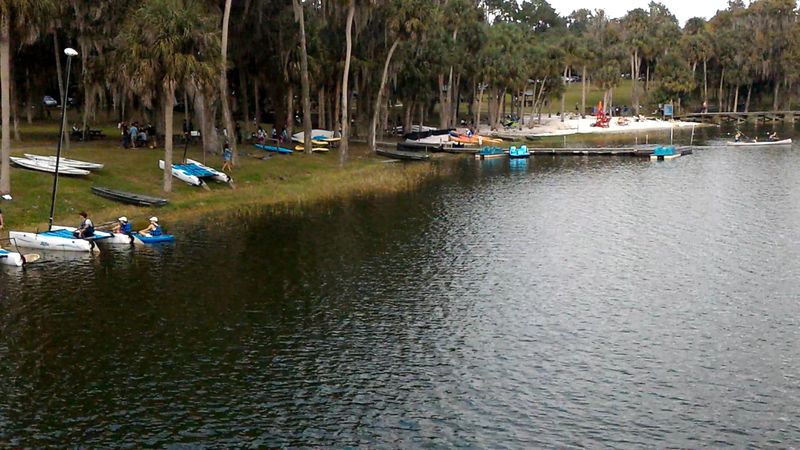
Tucked away in Paynes Prairie Preserve State Park, Lake Wauburg offers a refreshing swimming hole that feels like a well-kept secret despite being just south of Gainesville. The sandy beach stretches along the shoreline, providing a comfortable spot to spread out your towel without fighting for space.
A rope swing dangling from a sturdy tree branch has become a favorite attraction for visitors willing to test their courage with a splash.
The lake’s dark, tannin-stained water might look intimidating at first, but it’s perfectly safe for swimming and actually stays cooler than you’d expect during Florida’s scorching summers. Lifeguards patrol the designated swimming area during peak season, giving parents peace of mind while kids paddle around.
The beach also features picnic pavilions with grills, making it simple to turn your lake day into a full outdoor feast.
Kayak and canoe rentals are available if you want to explore beyond the swimming zone. The surrounding preserve protects over 21,000 acres of diverse ecosystems, so paddling quietly might reward you with glimpses of otters, turtles, or even wild horses that roam the prairie.
Admission requires a small entrance fee to the state park, but the facilities and natural beauty make it worthwhile.
The lake sits low enough in elevation that it occasionally dries up during severe droughts, transforming into a prairie basin. When full, though, it provides one of North Central Florida’s best non-beach swimming experiences.
Pack your sunscreen and water shoes—the sandy bottom feels great, but occasional shells and sticks hide in the shallows.
3. Lake Istokpoga – Sebring
Covering roughly 27,000 acres in Highlands County, Lake Istokpoga ranks among Florida’s top bass fishing destinations and regularly produces catches that make anglers’ eyes light up. The Seminole name translates roughly to “people died,” a reference to a historical battle, but these days the only thing dying here is boredom.
Shallow depths averaging just four feet mean the entire lake warms quickly, creating ideal conditions for largemouth bass to grow fat and feisty.
Three public boat ramps provide access points around the lake, and you’ll spot everything from high-tech bass boats to simple jon boats puttering across the water. The lake’s grassy bottom and scattered lily pad fields create natural structure that fish love and anglers have learned to work.
Crappie fishing picks up during cooler months, giving you year-round reasons to wet a line.
The western shore features Lake Istokpoga Park, operated by Highlands County, where you can launch boats, fish from the pier, or camp overnight in RV-friendly sites. A small beach area allows swimming, though most visitors come here specifically for the fishing.
The park’s covered pavilions and playground equipment make it family-friendly even if not everyone in your group cares about catching bass.
Summer afternoons bring spectacular thunderstorms rolling across the open water—beautiful to watch from shore but dangerous if you’re caught out in a boat. Local guides know this lake intimately and can significantly improve your chances of landing a trophy if you’re willing to invest in their expertise.
The surrounding area remains rural and agricultural, preserving the lake’s natural character.
4. Lake Jackson – Tallahassee
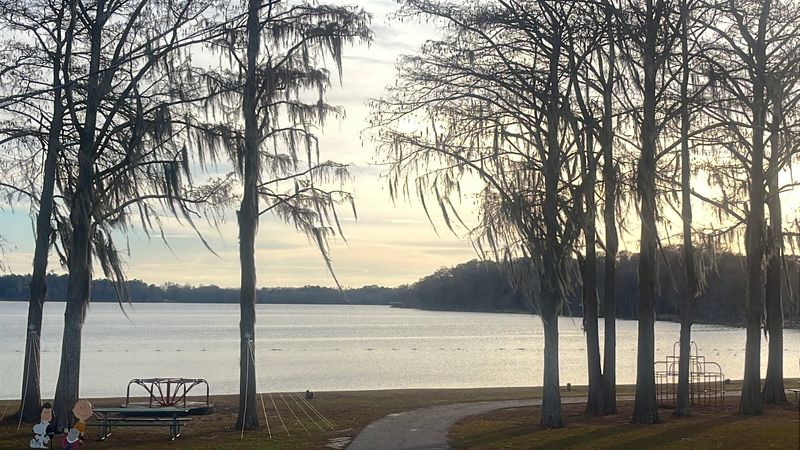
Sitting in the heart of Florida’s capital city, Lake Jackson offers urban residents a convenient escape without requiring a road trip. This 4,000-acre lake features heavily wooded shorelines dotted with cypress trees trailing Spanish moss, creating scenery that feels authentically Southern.
Two public parks—Lake Jackson Mounds Archaeological State Park and Crowder Landing Park—provide access for boating, fishing, and picnicking.
The lake’s claim to fame involves its disappearing act: sinkholes in the lake bottom periodically drain the water, sometimes reducing it to scattered ponds or even completely dry land. These drainage events, which can last months or years, occur naturally when the limestone underneath gives way.
When full, the lake supports excellent fishing for bass, bream, and catfish, along with recreational boating that ranges from kayaking to water skiing.
Birdwatchers flock here during migration seasons when ducks, herons, and other waterfowl congregate in impressive numbers. The surrounding neighborhoods include some of Tallahassee’s most desirable real estate, with homes backing up to the water offering private docks and lake views.
Despite the urban setting, the lake maintains a wild character thanks to protective zoning and the natural buffer created by wetlands.
Summer weekends see plenty of activity, but weekday mornings often find the lake peaceful and quiet. Pack a paddleboard or kayak and explore the coves and channels that branch off the main body.
The water stays relatively clear compared to many Florida lakes, and the gentle current makes it suitable for beginners. Just remember to check current water levels before planning your visit—this lake keeps everyone guessing about when it might decide to drain again.
5. Lake Tarpon – Palm Harbor
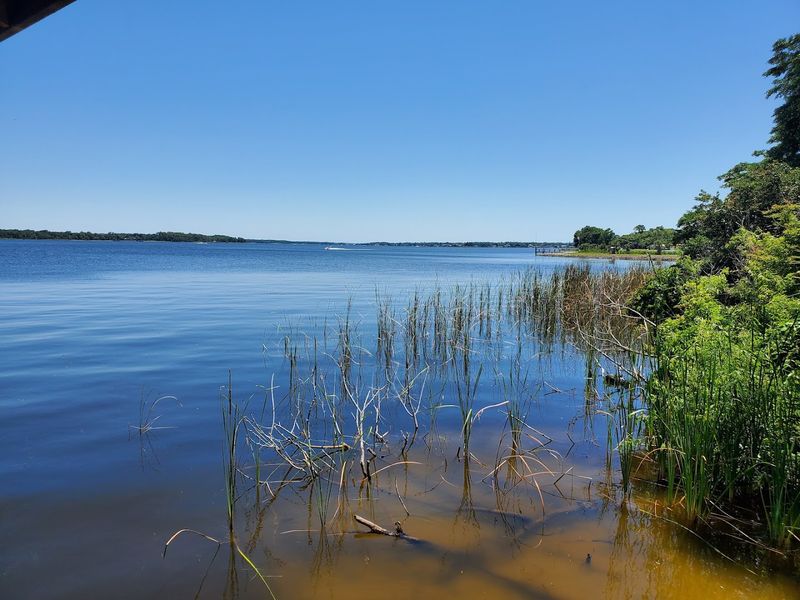
Straddling the border between Pinellas and Hillsborough counties, Lake Tarpon stretches across 2,500 acres and serves as the largest lake in Pinellas County. Unlike many Florida lakes dominated by bass fishing, Lake Tarpon gained fame for its population of tarpon—those silver-scaled giants that can exceed 100 pounds and put up legendary fights.
The lake connects to the Gulf of Mexico through the Anclote River, allowing these saltwater fish to migrate inland where they’ve established a unique freshwater population.
Several parks ring the shoreline, with Anderson Park offering the most developed facilities including boat ramps, fishing piers, and a swimming area. The lake’s relatively clear water and moderate depth make it popular for recreational boating, and you’ll see sailboats, pontoons, and fishing vessels sharing the space peacefully.
Water skiing and wakeboarding are permitted, though designated slow-speed zones near residential areas keep things safe.
The surrounding communities have grown considerably over the decades, with waterfront properties commanding premium prices. Despite the development, the lake maintains good water quality thanks to ongoing conservation efforts and stormwater management.
Fishing here requires different tactics than typical Florida lake fishing—the tarpon demand heavier tackle and serious skill to land successfully.
Sunsets over Lake Tarpon paint the sky in shades of orange and pink that rival any beach view, and the calm evening waters create perfect mirror reflections. The proximity to Tampa Bay beaches means you could easily combine a lake morning with an ocean afternoon if you can’t decide between the two.
Local restaurants around the lake serve fresh seafood and offer waterfront dining that lets you watch boats come and go while you eat.
6. Lake Dora – Mount Dora
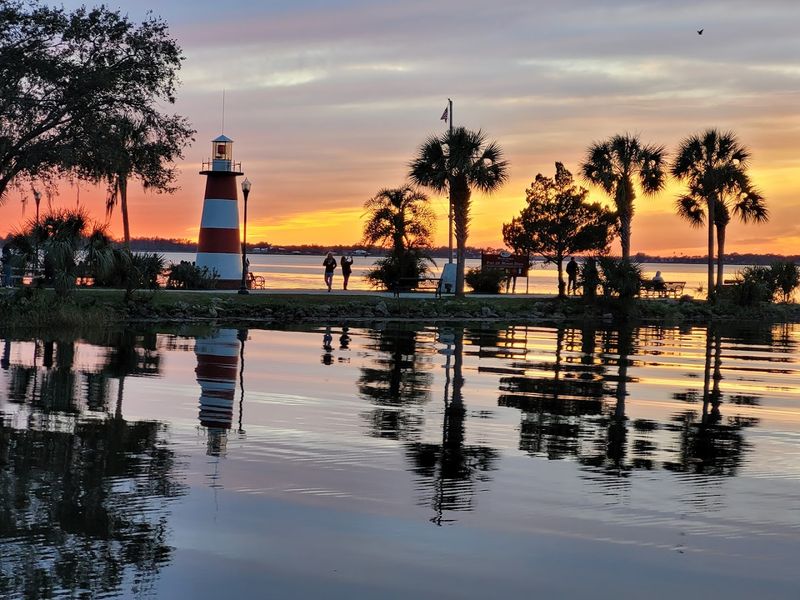
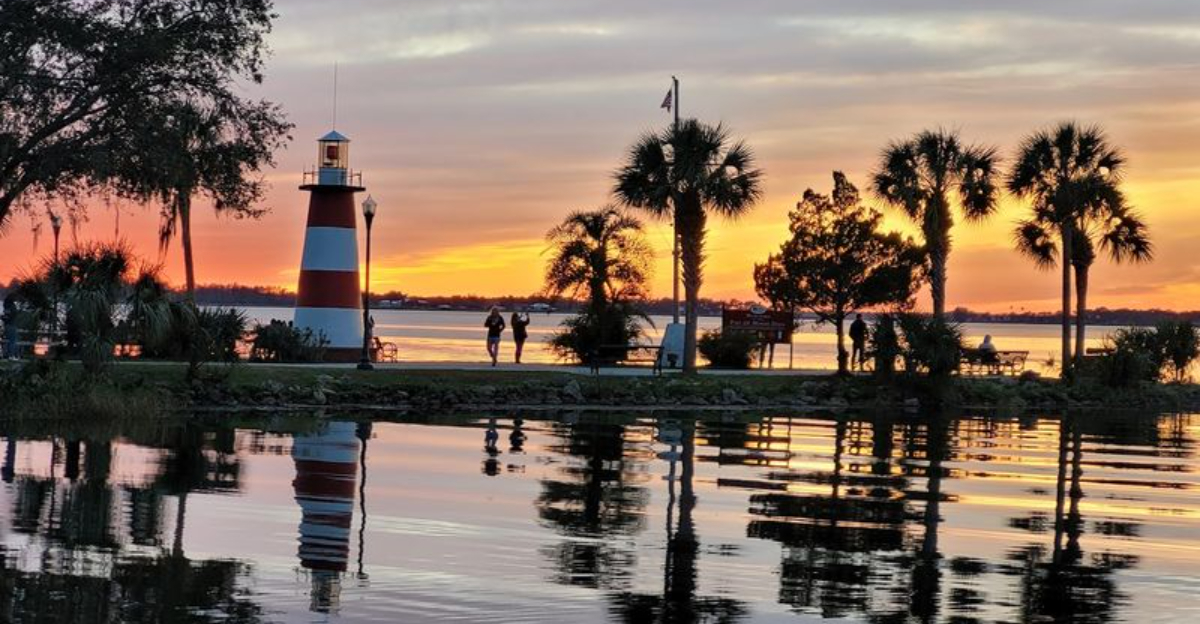
Connected to the Harris Chain of Lakes, Lake Dora covers roughly 4,500 acres and serves as the centerpiece of Mount Dora’s charm. The quaint downtown area slopes down to meet the waterfront, where a lighthouse and boardwalk create picture-perfect scenery that attracts photographers and tourists year-round.
Historic buildings housing antique shops, cafes, and galleries line the streets just steps from the water, making this one of Florida’s most walkable lake towns.
The lake supports excellent fishing for bass, crappie, and catfish, with numerous fishing guides operating out of local marinas. Boat rentals ranging from pontoons to kayaks let visitors explore at their own pace, and the relatively calm waters rarely intimidate beginners.
Grantham Point Park and Simpson’s Landing provide public access with boat ramps, picnic areas, and fishing spots that don’t require owning waterfront property.
Mount Dora’s festivals and events often incorporate the lake, from sailing regattas to the annual art festival that draws thousands of visitors. The town’s elevation—184 feet above sea level—makes it one of Florida’s highest cities and contributes to slightly cooler temperatures than coastal areas.
Live oaks draped with Spanish moss frame views of the water, creating that classic Old Florida atmosphere that’s increasingly rare.
Sunset cruises aboard historic boats offer relaxing ways to experience the lake without piloting your own vessel. The surrounding area includes several bed-and-breakfasts and boutique hotels that cater to weekend visitors looking for a romantic getaway.
You can easily spend an entire day here: morning coffee overlooking the water, afternoon shopping through the downtown district, and evening dinner at a waterfront restaurant watching boats return to their slips as the sun sets.
7. Lake Eustis – Eustis
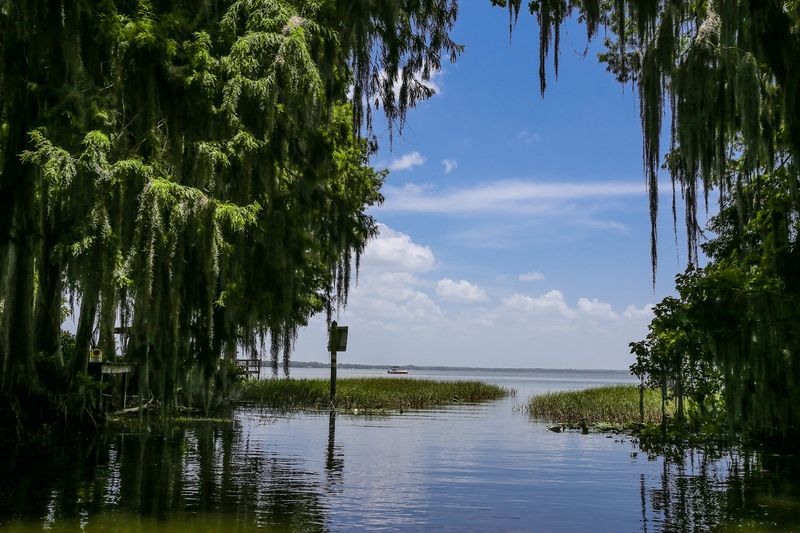
Part of the same chain that includes Lake Dora, Lake Eustis spans approximately 7,800 acres and offers a slightly less touristy alternative while maintaining excellent recreational opportunities. The city of Eustis developed along the southern shore, with Ferran Park serving as the main public access point featuring a swimming area, boat ramp, and extensive playground equipment.
The park’s beach area gets packed on summer weekends with families seeking freshwater fun without the beach traffic.
Fishing tournaments regularly choose Lake Eustis for competitions, testament to the healthy bass population that thrives in these waters. The lake’s connection to other bodies in the Harris Chain means fish can move freely, maintaining genetic diversity and fishing excitement.
Crappie anglers do particularly well here during winter months when the fish school up in deeper areas.
The Eustis waterfront has undergone significant improvements in recent years, with new restaurants, breweries, and shops opening along Bay Street. A waterfront boardwalk lets you stroll along the shore while watching boats and birds go about their business.
The downtown area maintains a small-town feel despite growth, with historic architecture and locally owned businesses dominating the landscape.
Water quality in Lake Eustis generally remains good, though algae blooms can occasionally affect swimming and aesthetics during hot summer months. The lake’s size means you can find quiet coves and channels even when the main body sees heavy boat traffic.
Kayakers and paddleboarders appreciate the variety of shoreline habitats, from open water to marshy areas where wildlife congregates. The surrounding region produces citrus and other agriculture, contributing to the rural character that makes Lake County feel worlds away from Florida’s urban centers despite being relatively close to Orlando.
8. Lake Tohopekaliga – Kissimmee
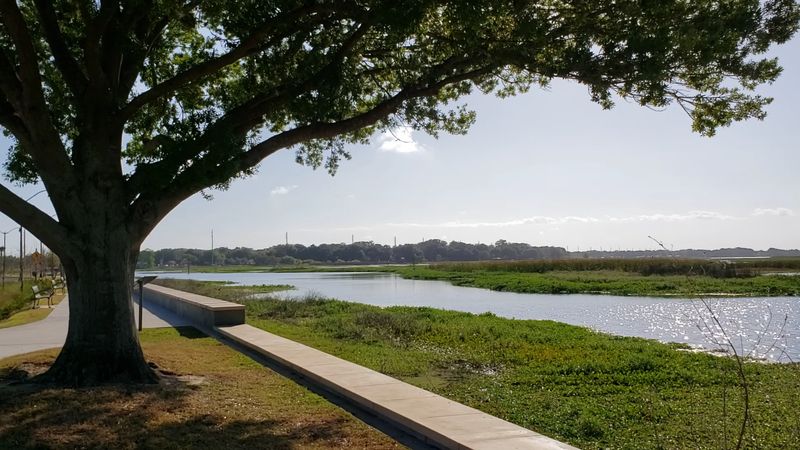
Locals simply call it “Lake Toho,” saving themselves from wrestling with the Seminole name that roughly translates to “sleeping tiger.” This 22,700-acre lake sits just south of Kissimmee and has earned international recognition among bass fishing enthusiasts who make pilgrimages here chasing trophy largemouth. The shallow, vegetation-rich environment creates perfect conditions for bass to grow large and plentiful, with fish over ten pounds caught regularly.
Multiple public access points ring the lake, including Lakefront Park in downtown Kissimmee where a monument honors the area’s fishing heritage. The park features a marina, fishing pier, playground, and walking paths that make it popular with locals and tourists alike.
Airboat tours launch from several locations around the lake, offering thrilling rides across the shallow water while guides point out alligators, birds, and other wildlife.
The lake forms the northern anchor of the Kissimmee Chain of Lakes, connecting southward through a series of waterways that eventually flow into Lake Okeechobee. This connectivity supports diverse fish populations and allows adventurous boaters to explore far beyond Toho’s boundaries.
Water skiing, wakeboarding, and other watersports share space with fishing boats, though most recreational boating concentrates in deeper, less vegetated areas.
Summer thunderstorms build quickly over the open water, creating dangerous conditions for anyone caught away from shore. Smart boaters watch the sky and head in at the first sign of darkening clouds.
The proximity to Orlando’s attractions means you could combine a morning fishing on Toho with an afternoon at the theme parks, though most serious anglers would consider that a waste of good fishing time. Budget-friendly accommodations and restaurants around the lake cater to fishing-focused visitors who care more about catching bass than luxury amenities.
9. Lake Harris – Leesburg
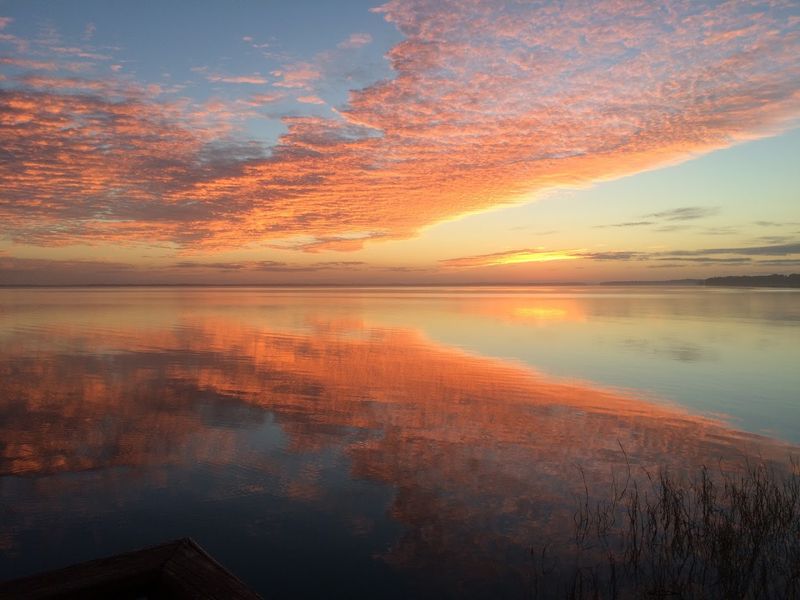
The largest lake in the Harris Chain, Lake Harris covers approximately 13,788 acres and serves as the centerpiece for Lake County’s recreational scene. The city of Leesburg developed along the southern shore, with Venetian Gardens Park providing beautifully landscaped public access featuring a swimming area, boat ramp, and picnic facilities.
The park’s peninsula location offers water views in multiple directions and has become a popular spot for weddings and events.
Fishing here runs the full spectrum from casual bank fishing to serious tournament competition. Bass, crappie, and bluegill populate the lake in healthy numbers, and catfish prowling the bottom provide action when other species prove finicky.
The lake’s size means you can always find less-crowded spots even on busy weekends, though the main channel near Leesburg sees consistent boat traffic.
Waterfront dining options in Leesburg let you enjoy a meal while watching boats navigate the channel that connects Lake Harris to Lake Griffin. The historic downtown area, just blocks from the water, features antique shops, galleries, and cafes housed in restored early 1900s buildings.
Annual events like the Leesburg Bikefest bring thousands of visitors who appreciate the lakefront setting as much as the motorcycles.
Sailing enthusiasts particularly enjoy Lake Harris thanks to its size and relatively consistent winds. You’ll spot everything from small sunfish to substantial cruising sailboats taking advantage of the open water.
The lake’s western shore remains largely undeveloped, protected as part of the Lake Griffin State Park system, preserving natural habitat and maintaining water quality. Sunrise over Lake Harris, with mist rising from the calm surface and birds beginning their morning routines, provides moments of beauty that rival any ocean vista.
10. Lake Okeechobee – South Florida
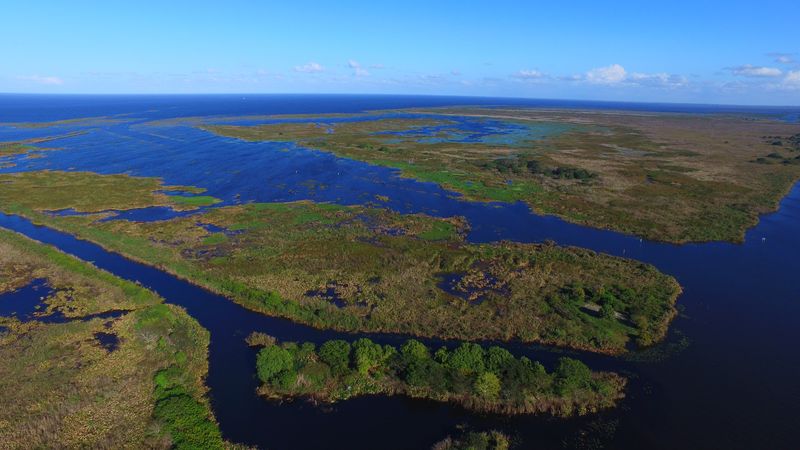
Nicknamed “Florida’s Inland Sea,” Lake Okeechobee sprawls across 730 square miles, making it the largest lake entirely within one state’s borders and the second-largest freshwater lake in the contiguous United States. The Seminole name means “big water,” which might be the understatement of the century when you’re standing on the shore unable to see the opposite side.
The lake averages just nine feet deep despite its massive size, creating a shallow, warm environment that supports incredible fishing.
Bass fishing here has achieved legendary status, with professional tournaments regularly crowning champions based on their Lake Okeechobee catches. Crappie, bluegill, and catfish also thrive in these waters, along with exotic species like Mayan cichlids that have established populations.
The lake’s shallow nature means vegetation grows abundantly, creating complex habitat structures that fish love and anglers must learn to navigate.
The Herbert Hoover Dike encircles the lake, built after devastating hurricanes in the 1920s caused catastrophic flooding. The dike’s maintenance road now serves as a 110-mile trail popular with cyclists and hikers seeking long-distance challenges with water views.
Several small towns dot the shoreline, including Clewiston, Okeechobee, and Moore Haven, each offering boat ramps, marinas, and fish camps catering to visiting anglers.
Lake Okeechobee plays a crucial role in South Florida’s water management, serving as a reservoir that feeds the Everglades and supplies drinking water to millions. Environmental concerns about water quality and nutrient pollution have sparked ongoing restoration efforts and political debates.
Despite challenges, the lake remains a fishing paradise and important wildlife habitat. Plan your visit during cooler months—summer heat and afternoon thunderstorms can make conditions challenging, though the fishing stays productive year-round for those willing to brave the elements.
11. Lake Rousseau – Crystal River
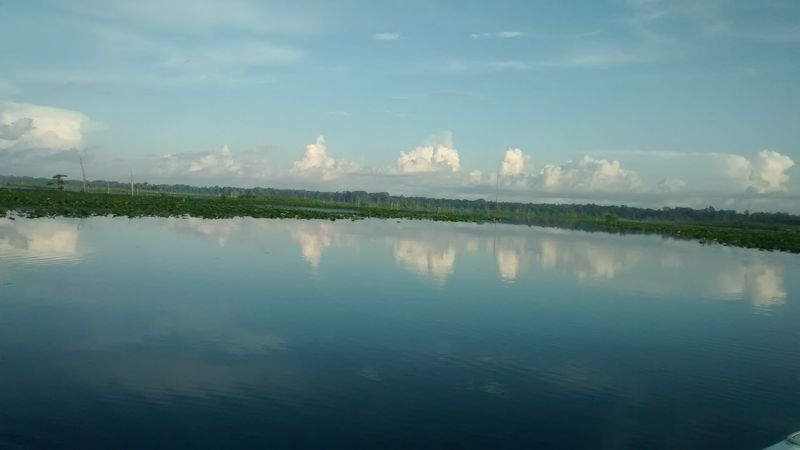
Formed by the Inglis Dam on the Withlacoochee River, Lake Rousseau stretches roughly 15 miles and covers about 3,500 acres in Citrus and Levy counties. This reservoir-style lake maintains a wild, undeveloped character with cypress-lined shores and abundant wildlife that make it feel remote despite being accessible from Crystal River.
The clear water reveals limestone rock and grass beds below, creating excellent habitat for bass, bream, and catfish.
The lake’s northern sections connect to the Cross Florida Greenway, a 110-mile trail system following the abandoned Cross Florida Barge Canal route. Paddlers can explore for miles through varied habitats ranging from open water to narrow creeks overhung with trees.
The southern end near Inglis provides easier access with boat ramps and fishing spots that don’t require navigating the entire lake.
Unlike many Florida lakes that suffer from algae and murky water, Lake Rousseau benefits from the spring-fed Withlacoochee River that flows through it, maintaining clarity and cooler temperatures. This clarity makes it popular with snorkelers and swimmers seeking freshwater alternatives to the Gulf beaches just miles away.
Manatees occasionally venture into the lake from the river system, delighting visitors lucky enough to spot them.
Fishing guides who know Lake Rousseau can put you on bass that many anglers dream about, with the grass beds and rocky structure providing ideal ambush points. The surrounding area remains rural and agricultural, with cattle ranches and horse farms dominating the landscape.
This lack of development means fewer crowds and a more authentic Old Florida experience. Bring a camera—the cypress trees standing in the water create photogenic scenes, especially during golden hour when the light filters through the Spanish moss.
12. Kingsley Lake – Starke
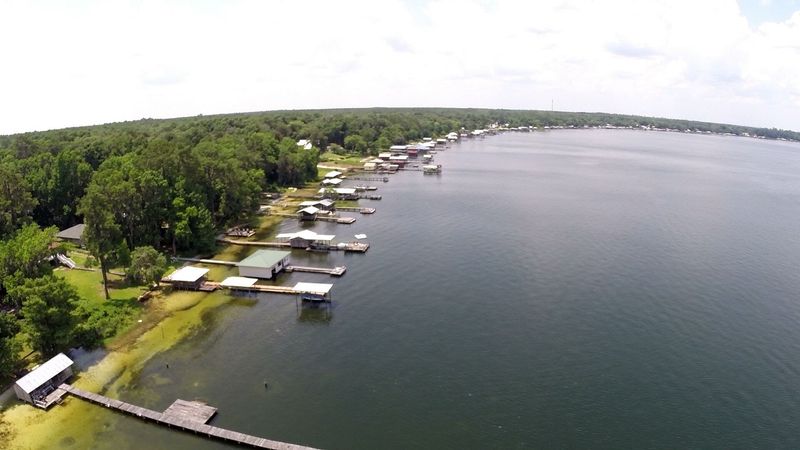
Nearly perfectly circular and almost 2,000 acres in size, Kingsley Lake formed in a sinkhole and maintains remarkably clear water thanks to its depth—up to 90 feet in spots, making it one of North Florida’s deepest lakes. The clarity comes from minimal vegetation and the sandy, limestone bottom that reflects light beautifully.
Located near Starke in Clay County, the lake has become a beloved summer destination for generations of North Florida families.
Camp Blanding Joint Training Center occupies much of the shoreline, but public access exists through several points including a popular swimming area with a sandy beach. The water stays refreshingly cool even during summer’s peak heat, and the clarity lets you see your feet even in shoulder-deep water.
Fishing focuses on largemouth bass and bream, though the depth and clarity require different tactics than typical Florida lake fishing.
The lake’s round shape and relatively small size create a sense of intimacy that larger lakes can’t match. You can paddle across it in a reasonable time, and the entire shoreline remains visible from most points on the water.
Private homes and camps ring portions of the lake, many owned by the same families for decades who return summer after summer.
Water skiing and tubing are popular here thanks to the smooth water and adequate depth. The surrounding area remains largely rural, with pine forests and small farms creating a peaceful setting far from urban sprawl.
Summer weekends see the most activity, but weekday visits often find the lake nearly empty. The drive from Jacksonville takes less than an hour, making Kingsley Lake an easy day trip for anyone seeking a freshwater alternative to the Atlantic beaches.
Pack a picnic and plan to stay all day—once you experience the clear, cool water, you won’t want to leave.
13. Blue Cypress Lake – Fellsmere
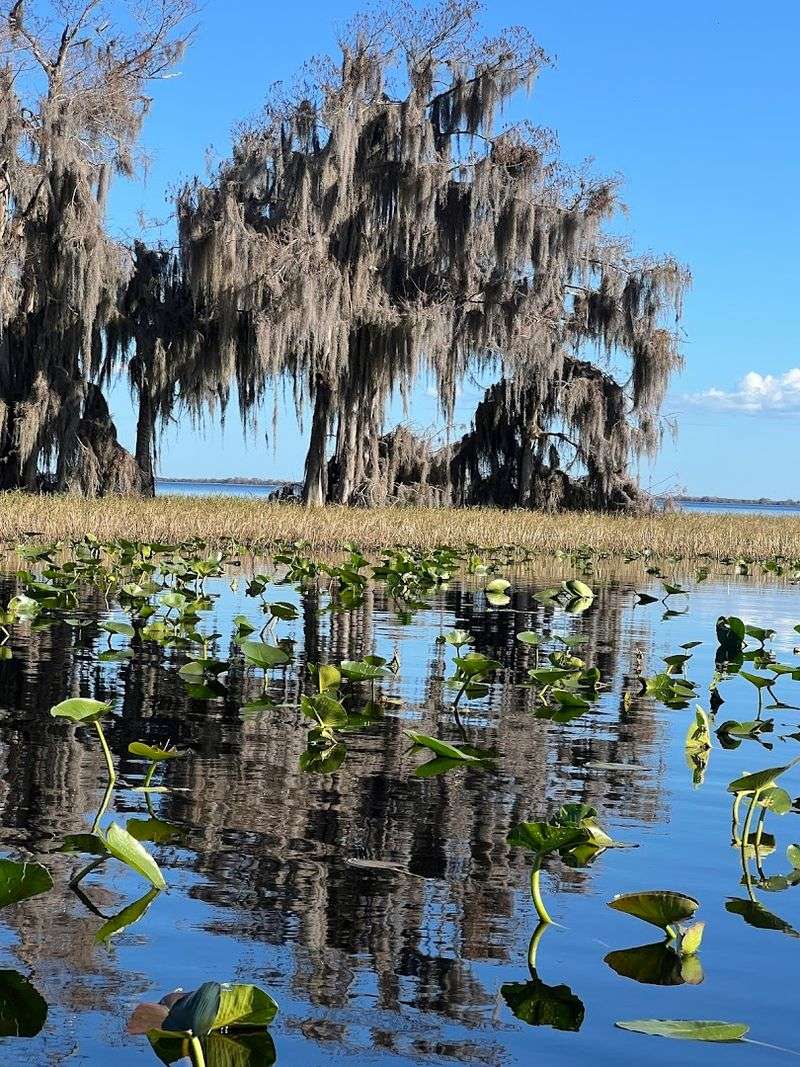
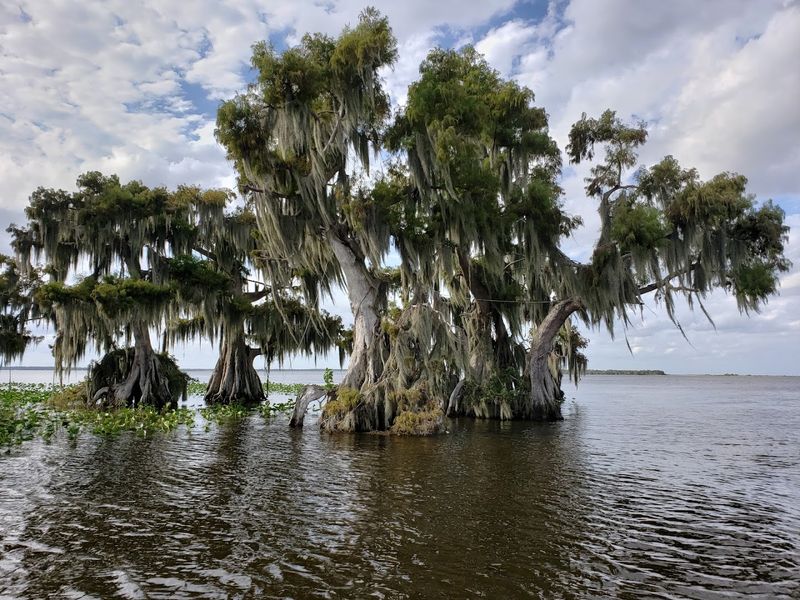
If you’re searching for a lake that looks like something from a fantasy novel, Blue Cypress Lake delivers with its haunting landscape of dead cypress trees standing like sentries in the water. Located in Indian River County near Fellsmere, this 6,555-acre lake suffered a devastating freeze in the 1980s that killed most of the mature cypress trees.
Rather than rotting away, the trees remained standing, creating an otherworldly scene that photographers and nature lovers find irresistible.
The lake feeds the St. Johns River through Blue Cypress Conservation Area, supporting diverse wildlife including alligators, wading birds, and fish populations that thrive among the submerged structure. Bass fishing here can be exceptional, with the dead trees providing perfect habitat for ambush predators.
Crappie fishing also produces well, particularly during cooler months when fish concentrate around the standing timber.
Access requires navigating some rough roads—this isn’t a manicured park with paved parking lots. The primitive boat ramp at the lake’s north end serves those willing to make the journey, and the lack of development keeps crowds minimal even during peak seasons.
The surrounding area consists of ranchland and conservation areas, preserving the wild character that makes Blue Cypress special.
Sunrise and sunset transform the lake into a photographer’s paradise, with the skeletal trees silhouetted against colorful skies and reflected in the calm water. Kayaking here feels like exploring a lost world, with narrow channels winding between the trees and wildlife seemingly unconcerned by human presence.
The lake’s remote location means you should come prepared—cell service is spotty, and the nearest services are back in Fellsmere. This isolation is exactly what makes Blue Cypress Lake such a treasure for those seeking authentic wilderness experiences without leaving Florida.
14. Lake George – Astor
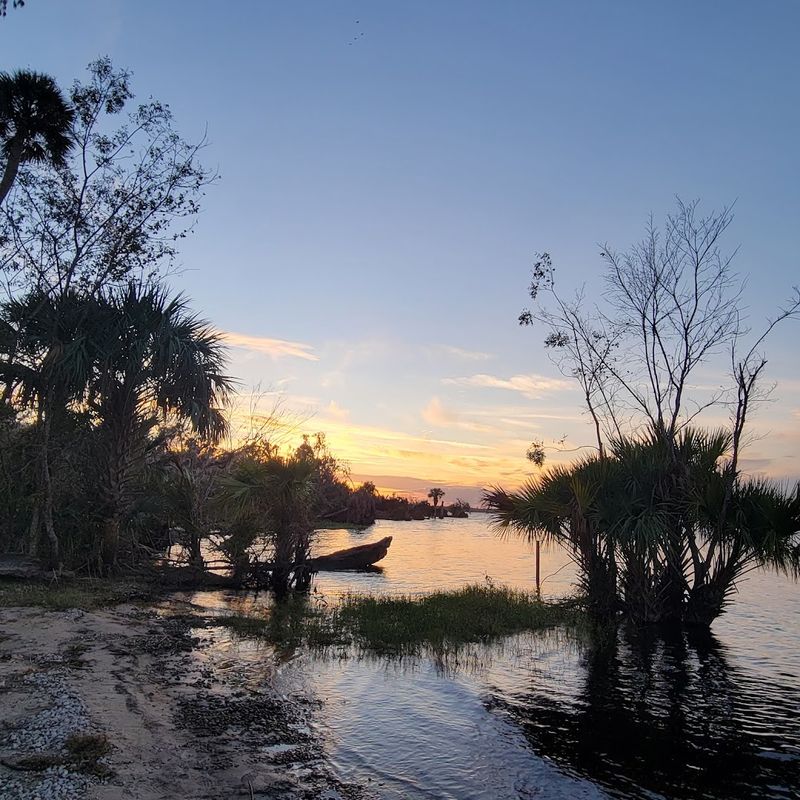
Stretching 12 miles long and up to 6 miles wide, Lake George covers approximately 46,000 acres, making it the second-largest lake in Florida after Lake Okeechobee. The St. Johns River flows directly through it, creating a river-lake hybrid that supports incredible biodiversity and fishing opportunities.
Located near the small town of Astor in Lake and Volusia counties, Lake George remains surprisingly undeveloped considering its size and accessibility.
The lake’s western shore falls within the Ocala National Forest, protecting vast stretches of shoreline from development and providing public access through multiple boat ramps and camping areas. Fishing here targets everything from bass and crappie to catfish and even striped bass that migrate up from the river.
The lake’s size means conditions can change quickly—calm mornings can give way to choppy afternoons when wind kicks up across the open water.
Astor serves as the main jumping-off point for lake adventures, with marinas, fish camps, and restaurants catering to visitors. The town maintains an old-school Florida vibe that feels authentic rather than manufactured for tourists.
Several riverside parks in Astor offer picnicking, fishing, and boat launching without the fees charged at more developed facilities.
Wildlife viewing on Lake George rivals anywhere in Florida, with manatees, dolphins (yes, dolphins occasionally swim up from the ocean), alligators, and countless bird species calling it home. The river current flowing through keeps water moving and generally maintains better clarity than stagnant lakes.
Houseboating has become popular here, with rental operations offering multi-day trips that let you explore the lake’s vast expanse at a leisurely pace. The surrounding forest lands provide hiking and primitive camping for those who want to extend their visit beyond the water.
Just remember: this is real wilderness, so come prepared and respect the environment that makes Lake George special.