This Sarasota Pass Vanished for Decades Then Mother Nature Brought It Back
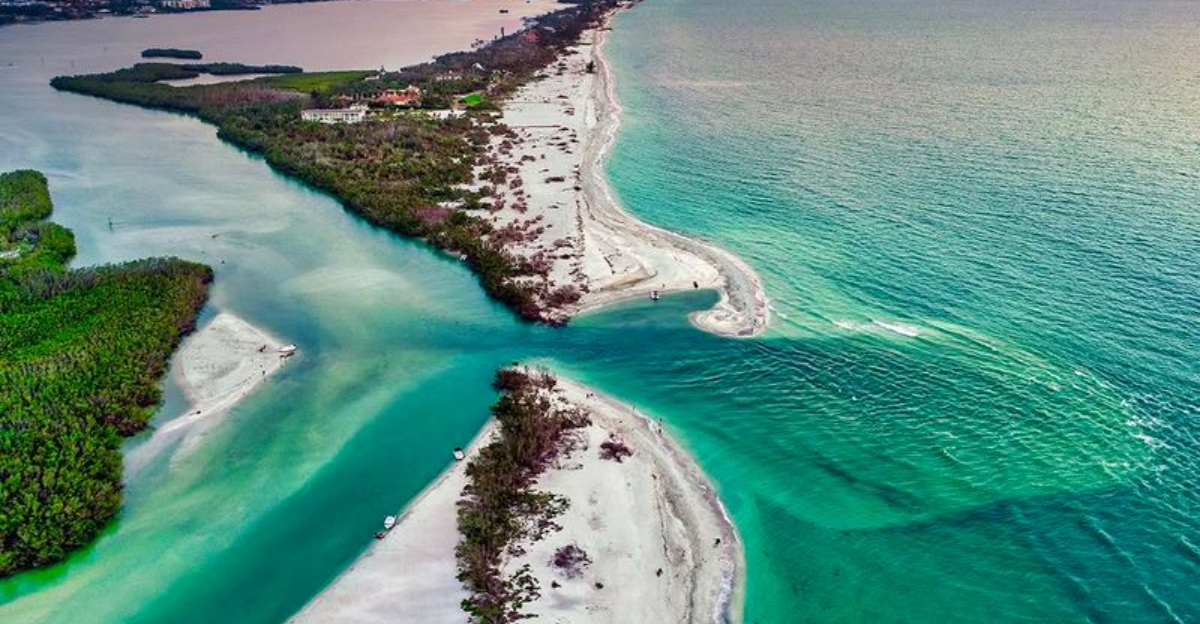
Midnight Pass was once a thriving waterway connecting Little Sarasota Bay to the Gulf of Mexico, separating Siesta Key from Casey Key. In 1983, property owners controversially closed the pass, sparking decades of legal battles and environmental concerns. Then something remarkable happened: in 2024, Hurricane Helene and subsequent storms naturally reopened the pass, giving Mother Nature the final word on this contentious Florida landmark.
1. The Original Midnight Pass and Its Natural History
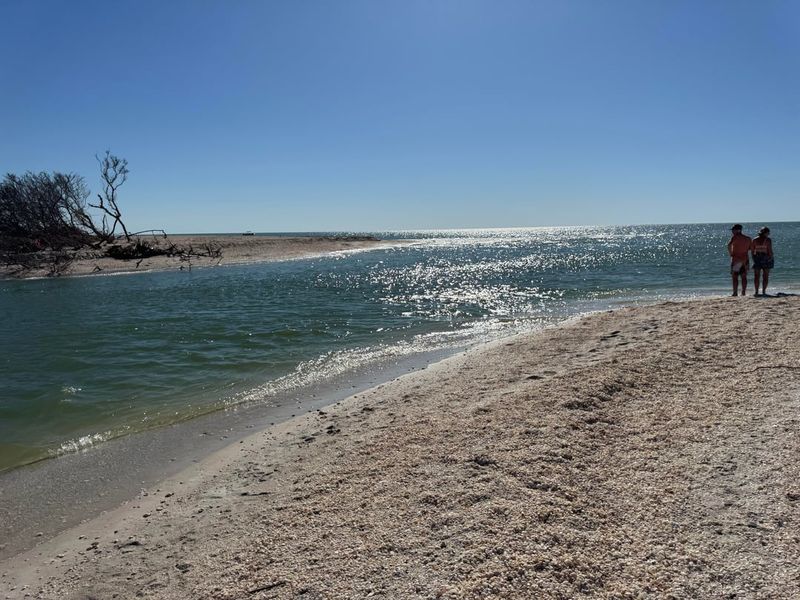
Before humans intervened, Midnight Pass served as a natural tidal inlet doing exactly what barrier island passes are supposed to do. Water flowed freely between Little Sarasota Bay and the Gulf, flushing nutrients and maintaining healthy ecosystems on both sides. Fish migrated through, tides ebbed and flowed naturally, and the entire system worked in perfect harmony.
The pass got its romantic name from locals who would navigate through it under moonlight. Boaters loved it because it provided direct Gulf access without having to travel miles north or south. The channel stayed open naturally for generations, carved and maintained by tidal forces that had shaped Florida’s coastline for thousands of years.
Scientists now understand that these passes play crucial roles beyond just letting boats through. They regulate salinity levels, provide nursery habitat for juvenile fish, and help protect inland areas from storm surge. Midnight Pass wasn’t just a convenient shortcut; it was an integral part of a complex coastal ecosystem that evolved over millennia.
When the pass functioned naturally, it created unique conditions that supported diverse marine life. Seagrass beds thrived in the balanced salinity, while snook and redfish used the channel as a highway between feeding grounds.
2. The Controversial 1983 Closure
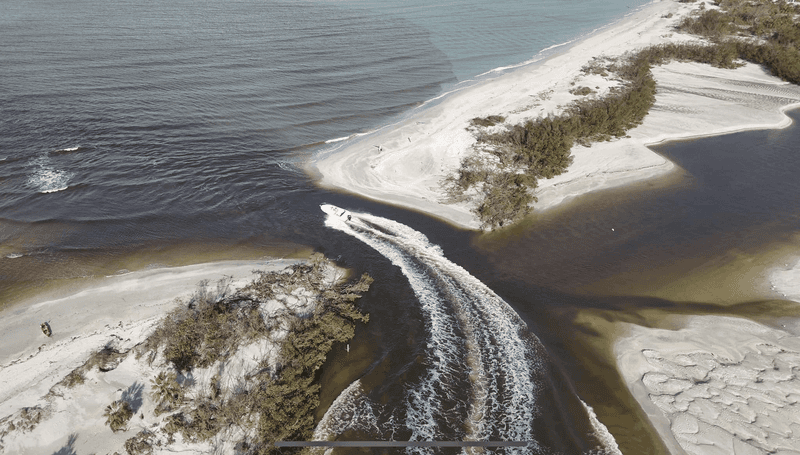
Property owners on the north end of Casey Key had a problem, or at least they thought they did. Beach erosion near their homes prompted them to take drastic action in 1983. They hired contractors to physically fill Midnight Pass with sand and rock, effectively closing a natural waterway that had existed for centuries.
The closure happened quickly and quietly, catching many off guard. One day the pass flowed freely; the next, bulldozers were dumping thousands of tons of material into the channel. Local fishermen, environmentalists, and neighboring property owners were furious, but by the time protests gained momentum, the deed was done.
This wasn’t just about blocking water flow. The closure violated numerous environmental regulations and sparked immediate legal challenges. The state of Florida and environmental groups filed lawsuits arguing that closing a navigable waterway without proper permits was illegal.
Court battles would drag on for decades.
The environmental consequences appeared almost immediately. Water quality in Little Sarasota Bay began declining. Fish populations changed.
Seagrass beds started dying off in areas that once thrived. What seemed like a simple solution to beach erosion created a cascade of ecological problems that scientists are still documenting today.
3. Four Decades of Legal Battles and Restoration Attempts
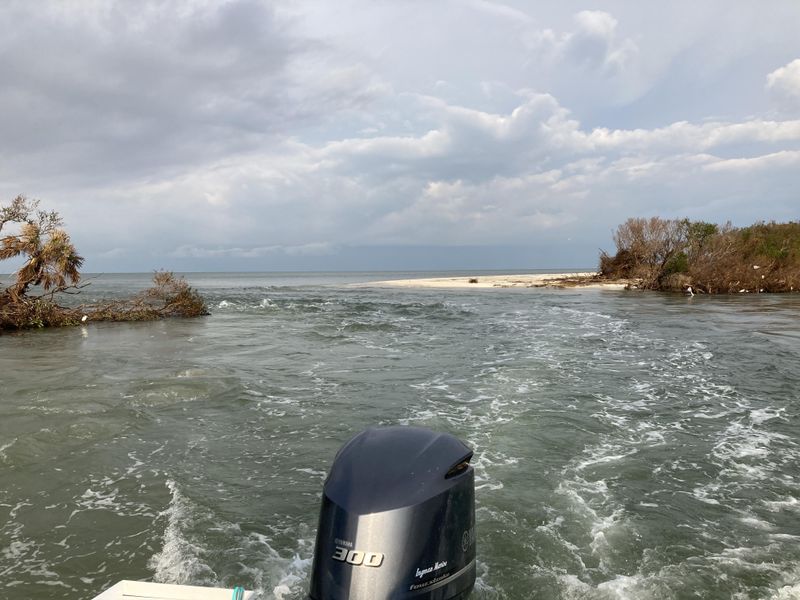
After the illegal closure, Midnight Pass became Florida’s most contentious environmental legal case. Courts ordered the pass reopened multiple times, but implementation proved nearly impossible. Property owners appealed every decision, filed counter-suits, and used every legal maneuver available to prevent restoration.
In 2007, a judge finally issued a definitive order requiring the pass to be reopened. Engineers developed detailed plans involving dredging and careful environmental monitoring. Cost estimates ranged from $15 million to $30 million, and the state allocated funds for the project.
But legal obstacles kept appearing. Property owners argued that reopening would damage their land. They claimed the natural channel had shifted and that restoration would be futile.
Environmental impact studies were challenged. Permits were disputed. Years turned into decades with no action.
Meanwhile, Little Sarasota Bay continued suffering. Researchers documented increased algae blooms, reduced water clarity, and declining fish populations. The bay had lost its natural flushing mechanism, and pollution accumulated with nowhere to go.
Local fishing guides watched their favorite spots become biological dead zones, unable to support the marine life that once thrived there.
4. Environmental Impact of the Closed Pass
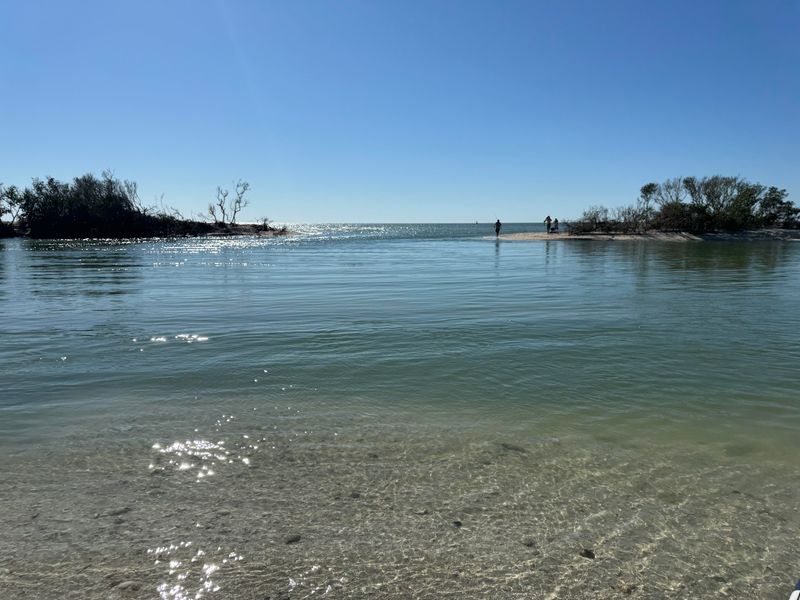
Closing Midnight Pass triggered environmental dominoes that kept falling for decades. Little Sarasota Bay essentially became a bathtub with limited drainage. During heavy rains, freshwater would accumulate with no efficient outlet, drastically lowering salinity levels.
Marine species adapted to brackish conditions suddenly found themselves in nearly freshwater environments.
Seagrass meadows, which need specific salinity ranges and water clarity to survive, began disappearing. These underwater prairies serve as nurseries for countless fish species, so their loss rippled through the entire food web. Manatees that once grazed peacefully had less to eat.
Game fish populations plummeted.
Water quality monitoring stations recorded increasing nutrient pollution. Without tidal flushing to carry excess nutrients out to the Gulf, algae blooms became more frequent and severe. Some blooms turned toxic, killing fish and creating health hazards for humans.
Beach closures became more common on the bay side.
Scientists studying the bay documented changes that would take decades to reverse even after restoration. Sediments accumulated pollutants. Invasive species moved into disturbed habitats.
The entire ecosystem shifted toward a degraded state that ecologists call an alternative stable state, meaning it wouldn’t automatically recover even if conditions improved.
5. Hurricane Helene Changes Everything
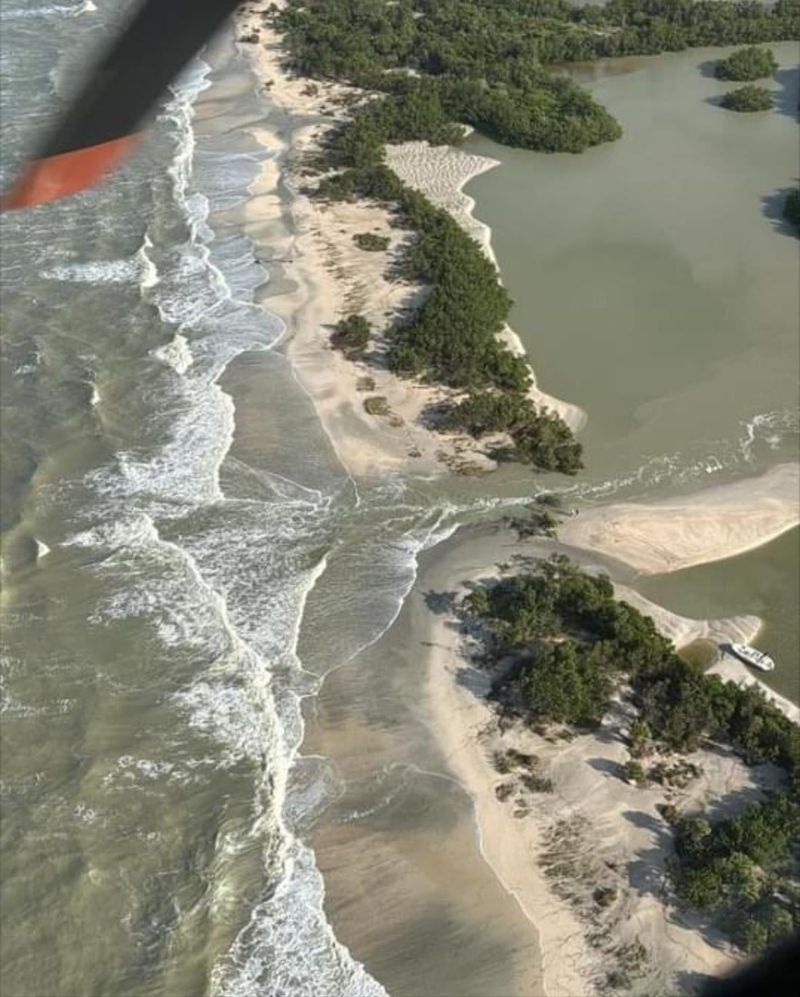
On September 26, 2024, Hurricane Helene roared through the Gulf of Mexico as a Category 4 monster. Its massive storm surge didn’t just flood coastlines; it completely rewrote the geography of Sarasota’s barrier islands. When the waters receded, locals discovered something remarkable: Midnight Pass had reopened itself.
Helene’s surge proved far more powerful than the sand and rock fill placed in 1983. Millions of gallons of water flowing between the bay and Gulf carved a new channel right where the old pass used to flow. Mother Nature accomplished in a few hours what lawyers and engineers couldn’t achieve in 41 years.
Initial reports showed a channel roughly 100 feet wide and several feet deep. Water rushed through with strong currents, immediately beginning the flushing process the bay desperately needed. Boaters cautiously explored the new opening, marveling at how quickly the pass established itself.
Subsequent storms, including Hurricane Milton in October, further widened and deepened the channel. Each tide cycle carved the pass more definitively into the landscape. By November 2024, the pass looked increasingly permanent, with defined banks and consistent water flow that mimicked its pre-closure configuration almost perfectly.
6. The Current State and What Happens Next
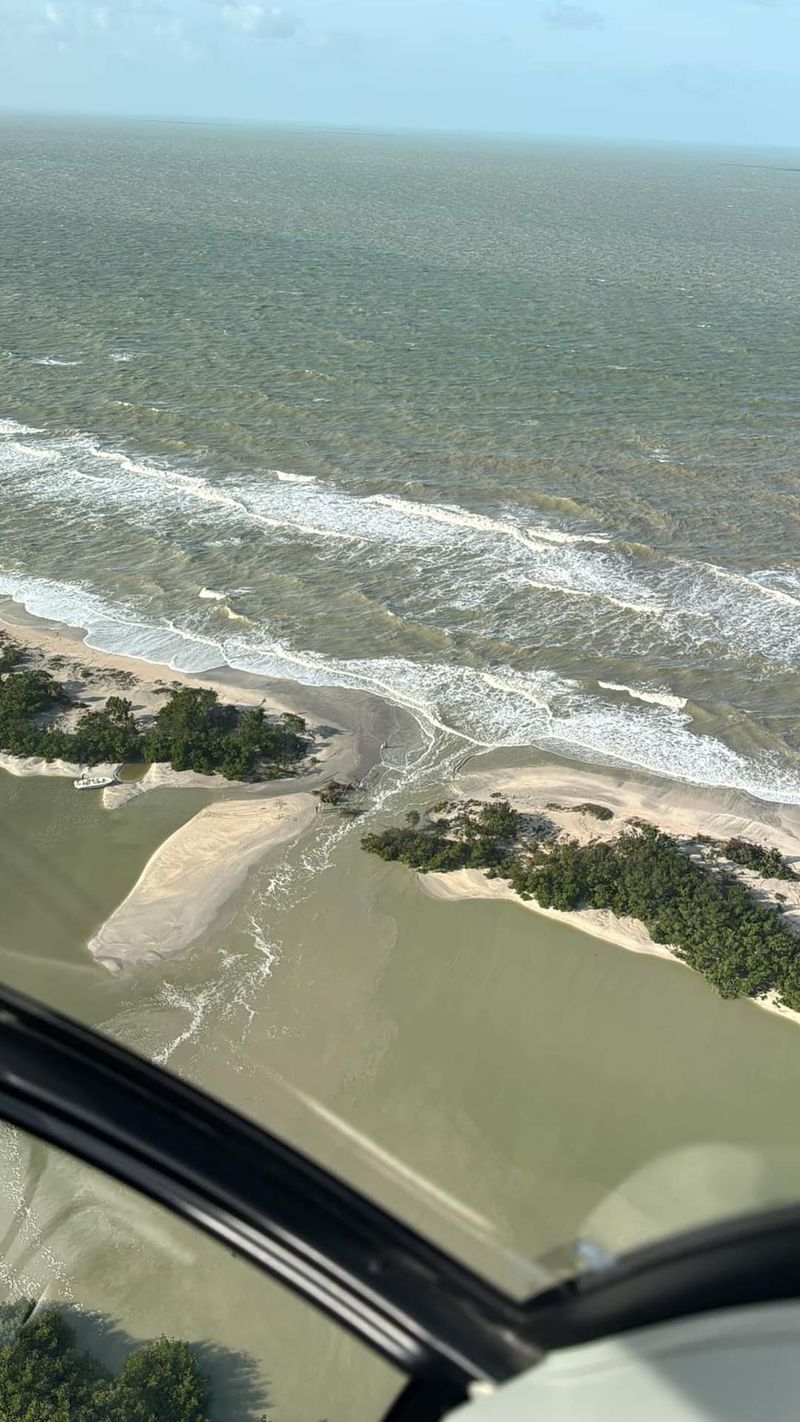
As of early 2025, Midnight Pass flows freely again, but its future remains uncertain. Florida officials face a fascinating dilemma: should they stabilize the naturally reopened pass or let nature continue managing it? Both options carry significant implications for property owners, boaters, and the environment.
Engineers have surveyed the new channel extensively. Current measurements show it stabilizing at depths sufficient for small to medium-sized boats. Tidal flow through the pass has already improved water quality in Little Sarasota Bay.
Early sampling shows increased salinity and improved clarity compared to pre-storm conditions.
Property owners on Casey Key have predictably expressed concerns. Some fear renewed erosion now that the pass is open. Others worry about property values or changes to beach configurations.
Legal experts suggest new closure attempts would face even steeper regulatory hurdles given the documented environmental benefits of the open pass.
Environmental groups are celebrating but remain cautious. They advocate for protecting the pass through conservation easements or public acquisition of surrounding lands. The concern is that without legal protection, another closure attempt might occur during the next real estate boom or after the next major storm shifts sediments.
7. Ecological Recovery and Marine Life Returns
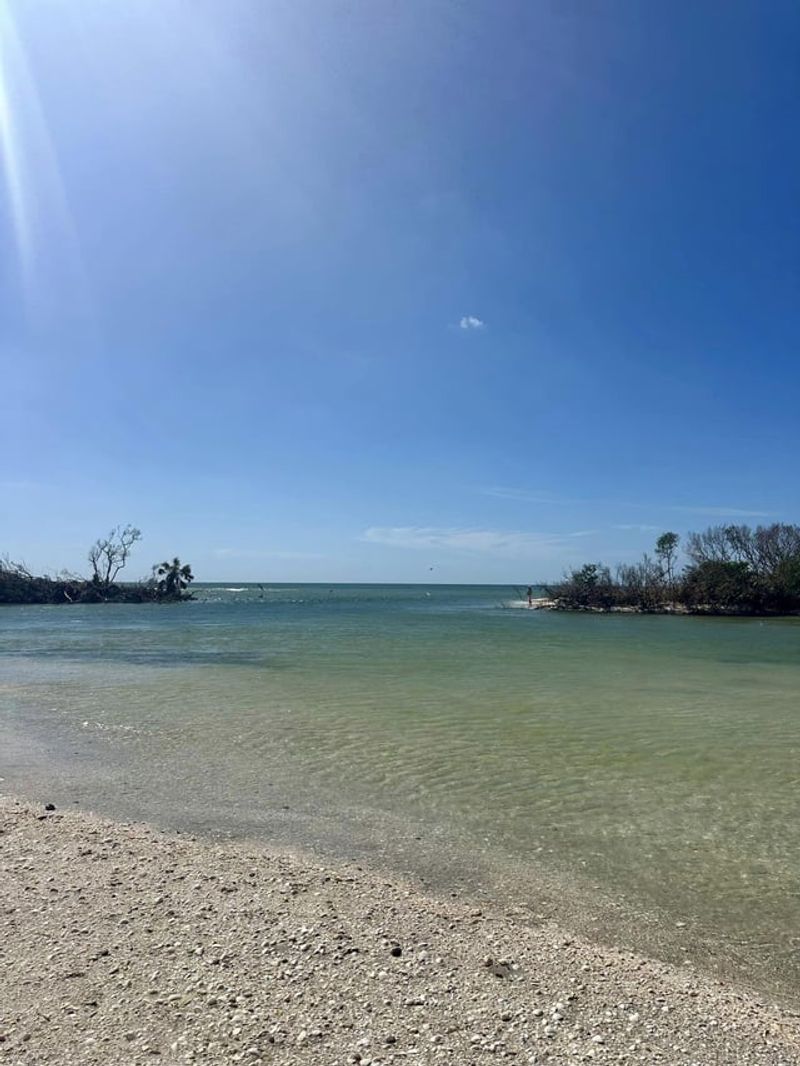
Marine biologists monitoring Little Sarasota Bay have documented rapid improvements since the pass reopened. Within weeks of Helene, researchers noticed clearer water and more active fish populations. The bay began behaving like a healthy estuary again, with proper mixing of fresh and salt water creating ideal conditions for diverse species.
Seagrass beds, which had been struggling or dying for decades, show signs of potential recovery. While it will take years for mature meadows to reestablish, young shoots are appearing in areas that had become barren. These underwater gardens are critical for everything from juvenile fish to sea turtles.
Fishing guides report dramatic improvements in their catches. Snook, redfish, and sea trout are showing up in numbers not seen for years. These species depend on healthy estuaries for feeding and breeding, and the reopened pass has restored habitat connectivity they need.
Charter captains who had written off certain spots are rediscovering productive fishing grounds.
Manatees have returned to graze in areas they had abandoned. Bird populations that feed on small fish are rebounding. Even bottlenose dolphins are using the pass regularly, following fish through the channel just as they did before 1983.
The ecosystem is demonstrating remarkable resilience given the opportunity to heal.
8. Lessons for Coastal Management and Climate Change
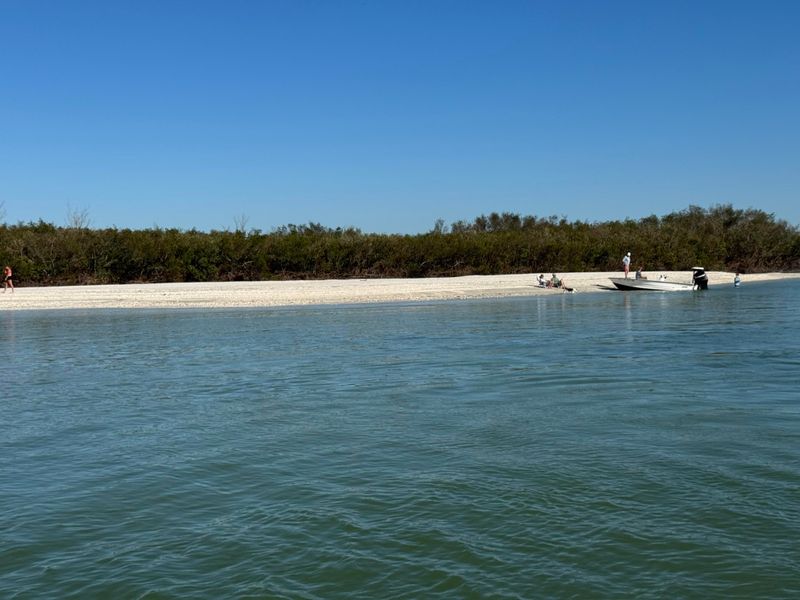
The Midnight Pass saga offers profound lessons for coastal management in an era of rising seas and intensifying storms. First and foremost: you cannot permanently outsmart natural coastal processes. Attempts to freeze barrier islands in place invariably fail, often causing more damage than they prevent.
Barrier islands are dynamic by nature. They migrate, reshape, and respond to waves, currents, and storms. Passes open and close naturally over decades and centuries.
When humans interrupt these processes, we create artificial conditions that nature will eventually correct, often dramatically during major storms.
Climate change adds urgency to these lessons. As sea levels rise and storms potentially intensify, coastal systems will change faster. Rigid engineering solutions that might have worked for decades could fail within years.
Adaptive management approaches that work with natural processes rather than against them offer better long-term outcomes.
The economic costs of fighting nature are staggering. Sarasota County spent millions on legal battles over Midnight Pass. If that money had gone toward managed retreat, conservation easements, or living shoreline projects, the community would be better protected today.
Other coastal communities facing similar decisions should pay attention to this expensive lesson learned the hard way.