Retire on Social Security? These 11 Florida Cities Make It Possible
Retiring on Social Security alone might sound like a stretch, but Florida has some surprisingly affordable corners that make it work. While everyone talks about Miami and Orlando, the real gems are the smaller, quieter cities where your dollar goes further and life moves at a pace you can actually enjoy.
From the Panhandle to the Heartland, these 11 Florida cities offer low costs of living, warm weather, and genuine community without draining your savings. If you’re ready to make your retirement dollars count, keep reading.
1. Marianna
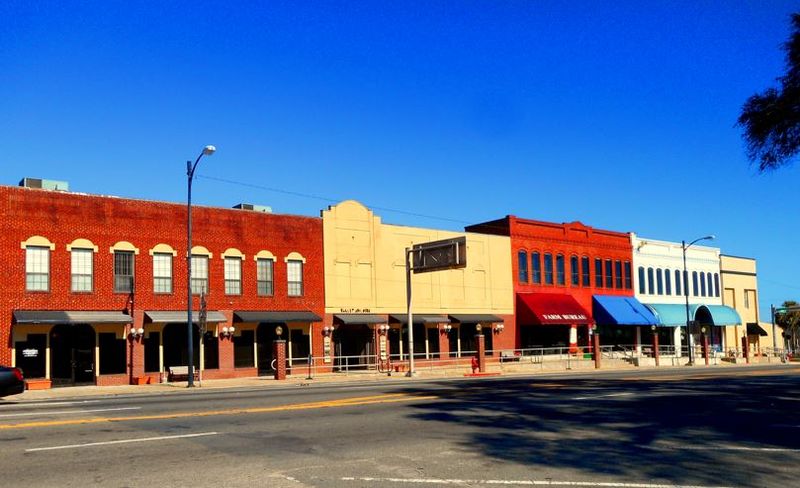
Tucked into the Florida Panhandle like a well-kept secret, Marianna is the kind of town where neighbors still wave from their porches and the grocery store cashier knows your name. The cost of living here is genuinely low — housing costs can be a fraction of what you’d pay in coastal cities, which makes a Social Security check stretch surprisingly far.
It’s a small city with a slow heartbeat, and for many retirees, that’s exactly the point.
Marianna sits near Florida Caverns State Park, one of the few places in the state where you can tour dry caves full of stalactites and stalagmites. Outdoor lovers will find hiking, fishing, and canoeing just minutes from their front door.
The Chipola River runs nearby, offering peaceful paddling routes that feel worlds away from the hustle of bigger cities.
Healthcare access is a real consideration for retirees, and Marianna has a regional medical center that covers essential needs. For more specialized care, Panama City is about an hour’s drive away.
The town also has a modest but active senior community with programs through the local parks and recreation department. Social opportunities exist if you look for them, from church groups to farmers markets that pop up during warmer months.
The summers are hot and humid — no sugarcoating that — but winters are mild and genuinely comfortable. If you can handle the heat with a good air conditioner and a shady porch, Marianna rewards you with affordable living that few Florida cities can match.
Rent for a decent one-bedroom apartment can fall well below the state average, leaving room in your budget for the things that actually matter in retirement.
2. Lake Wales
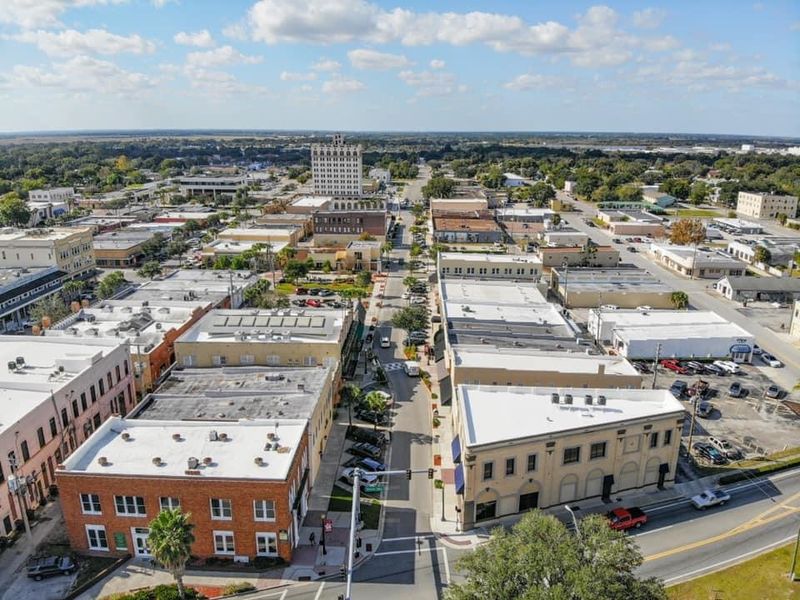
Lake Wales has one of those rare qualities that money can’t manufacture — a genuine sense of place. Sitting in the heart of Polk County, this small city is best known for Bok Tower Gardens, a National Historic Landmark where carillon bells ring out across a serene landscape of azaleas and pines.
Visiting once is memorable; living nearby means you can go whenever the mood strikes, which is a pretty wonderful retirement perk.
Housing costs in Lake Wales tend to run lower than in larger Central Florida metros, making it a realistic option for retirees living on a fixed income. Mobile home communities and modest single-family homes are widely available, and many come with the added bonus of established neighbors who are also retirees.
There’s a built-in social fabric here that can be hard to find in faster-growing areas.
The city sits at one of Florida’s highest elevations — not dramatic by most standards, but enough to offer slightly cooler breezes and rolling terrain that breaks up the typical flat Florida scenery. Lake Wailes Park provides a pleasant spot for morning walks, fishing, and outdoor relaxation right in town.
The surrounding lakes support active fishing communities and weekend boating that won’t cost you much beyond a fishing license.
Local grocery stores, pharmacies, and medical clinics cover everyday retirement needs, and Lakeland is only about 30 minutes away for anything more specialized. The downtown area has been quietly revitalizing, with small restaurants and shops adding life to the historic main street.
Lake Wales isn’t flashy, and that’s entirely the point — it’s a grounded, affordable, and genuinely charming place to plant roots when you’re ready to trade busy for peaceful.
3. Ocala
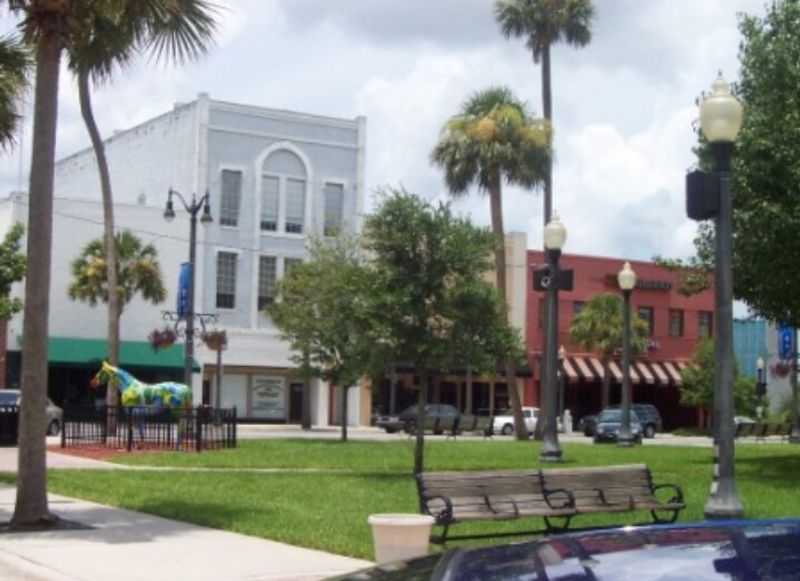
Known as the Horse Capital of the World, Ocala brings a rural elegance that feels refreshingly different from the typical Florida retirement scene. Thoroughbred farms with white fences roll across the landscape in every direction, and the air carries a calm that urban retirees often say they didn’t know they were missing.
It’s a city with real character — part Southern charm, part working agricultural community, part growing retirement hub.
The cost of living in Ocala consistently ranks among the most affordable in the state. Housing prices, in particular, tend to be significantly lower than Florida’s coastal markets, meaning a Social Security check can realistically cover rent or even a modest mortgage.
The On Top of the World community is one of the largest active adult communities in the country and is located right here, drawing retirees from across the nation for its amenities and social programming.
Silver Springs State Park sits just outside the city and offers glass-bottom boat tours, kayaking, and swimming in one of Florida’s most famous natural springs. The outdoors is genuinely accessible here — not a tourist attraction you pay a premium to visit, but a local resource retirees use regularly.
Hiking trails, wildlife, and fresh spring water make outdoor living affordable and enjoyable year-round.
Healthcare infrastructure in Ocala has grown substantially in recent years, with multiple hospital systems and specialty clinics operating in the area. The city also has a solid network of senior centers, volunteer opportunities, and community events that keep social calendars full without requiring a big budget.
Ocala manages to feel both laid-back and lively at the same time, which is a balance that’s genuinely hard to find — and even harder to leave once you settle in.
4. Pensacola
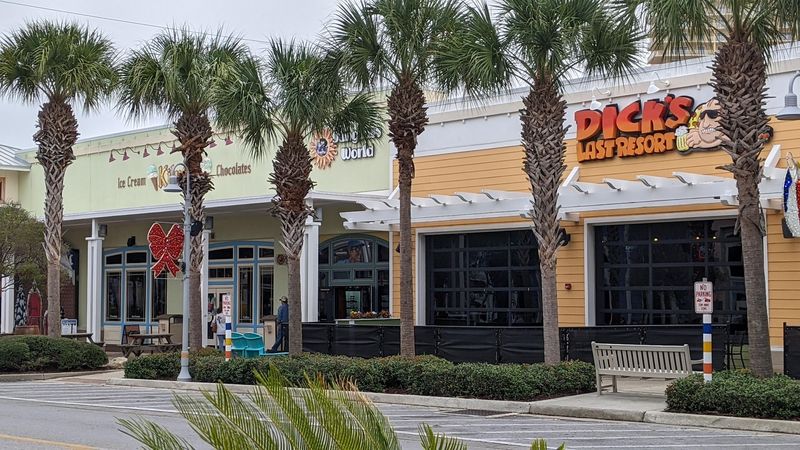
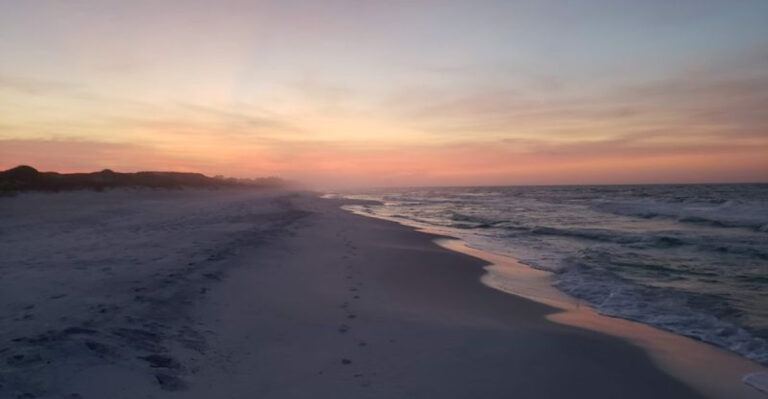
Pensacola might be the most underrated retirement city in all of Florida. While everyone rushes to the east coast or crowds into the Tampa Bay area, Pensacola sits quietly at the western tip of the Panhandle, offering some of the most beautiful beaches in the country at a fraction of the price of more famous Florida destinations.
The sugar-white sand and emerald-green Gulf water are absolutely real — and you don’t have to be wealthy to live near them.
Housing costs in Pensacola, particularly in inland neighborhoods, are among the more affordable in the state. Retirees who don’t need to be beachfront can find comfortable homes and apartments that leave meaningful room in a Social Security budget.
The city has a well-developed infrastructure for seniors, including a range of healthcare facilities, senior centers, and community programs that support active and independent retirement lifestyles.
The National Naval Aviation Museum is free to visit and genuinely impressive — one of the largest aviation museums in the world, and it’s right here in Pensacola. History buffs will also appreciate the Historic Pensacola Village and the old downtown district, which has been revitalized with walkable restaurants, breweries, and art galleries.
There’s real cultural energy in this city that surprises people who write it off as a sleepy military town.
The weather leans more seasonal than South Florida, with cooler winters that some retirees actually prefer. Summer heat is real, but Gulf breezes help make it manageable.
Pensacola’s combination of natural beauty, affordable neighborhoods, solid healthcare, and a lively downtown scene makes it a standout option for anyone serious about retiring on a budget without giving up quality of life.
5. Lakeland
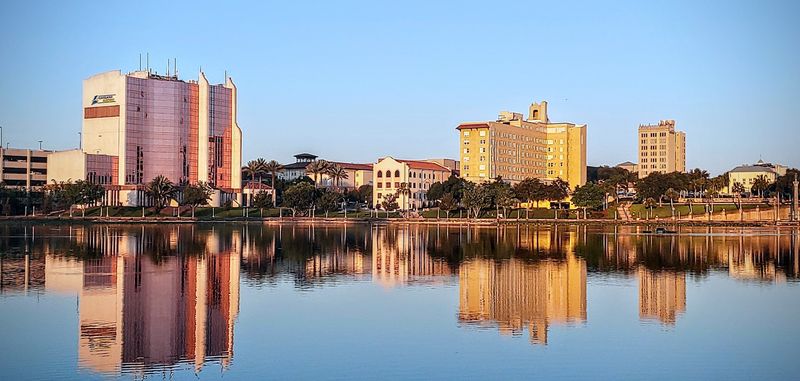
Lakeland has a way of growing on people. Sitting squarely between Tampa and Orlando, it gets overlooked by retirees chasing bigger city names — and that oversight is exactly what keeps it affordable.
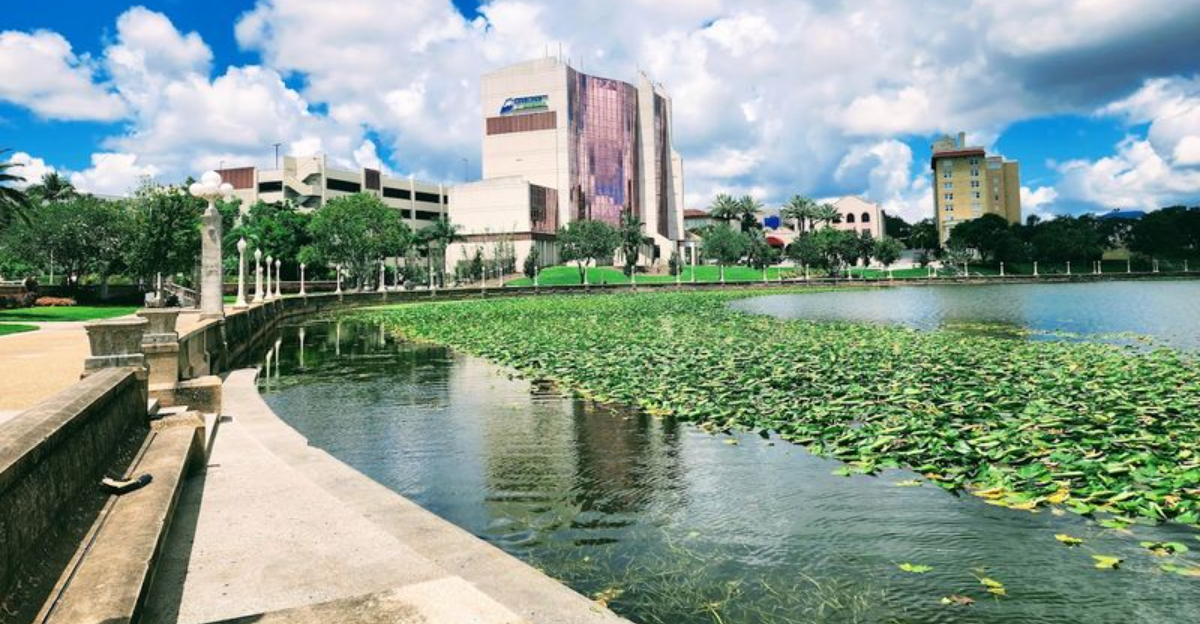
The city wraps around a series of beautiful lakes, and the famous swans of Lake Mirror have become something of a local institution. It’s a city with genuine personality, and the cost of living reflects a slower, more grounded pace than its neighbors to the east and west.
Housing in Lakeland offers real variety — from established neighborhoods with mature trees and affordable single-family homes to active adult communities designed specifically for retirees. Median home prices and rental rates tend to stay below the statewide average, which matters enormously when you’re working with a fixed monthly income.
Groceries, utilities, and everyday expenses are similarly reasonable, making the overall budget math work in ways it simply doesn’t in coastal metros.
The downtown area has undergone a genuine transformation in recent years, with locally owned restaurants, coffee shops, and art venues bringing new energy to the historic streets. The Polk Museum of Art offers free admission on certain days, and the Florida Southern College campus — home to the largest collection of Frank Lloyd Wright architecture in the world — is open for tours.
Cultural richness doesn’t have to mean high costs, and Lakeland proves that point regularly.
Lakeland Regional Health is a well-regarded medical center that handles a wide range of healthcare needs, which is a significant comfort for retirees thinking ahead. The city also sits close enough to Tampa and Orlando that specialty care, major airports, and big-city entertainment are within easy reach when needed.
Lakeland earns its reputation as a smart retirement pick through sheer, practical livability.
6. Titusville
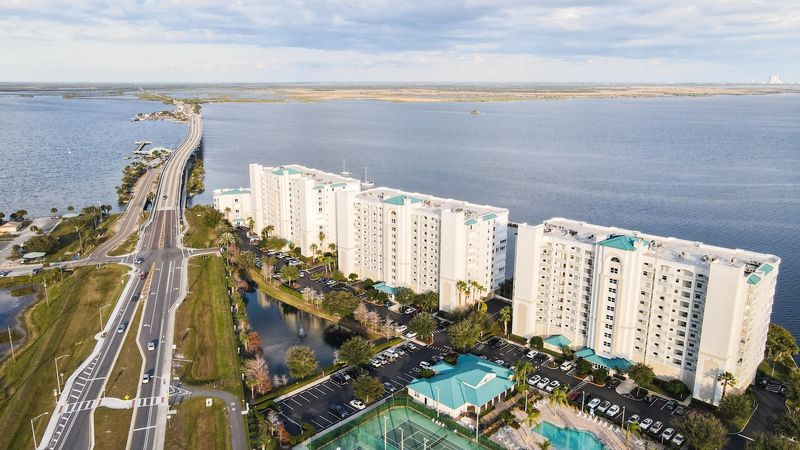
How many retirement cities let you watch rocket launches from your backyard? Titusville sits directly across the Indian River Lagoon from Kennedy Space Center, and on launch days — which happen more frequently than you might expect — the sky lights up with a spectacle that never really gets old.
It’s one of those local perks that sounds like a travel brochure line but is genuinely part of everyday life here.
The cost of living in Titusville is one of the most compelling in all of Brevard County. Housing prices remain significantly lower than nearby Cocoa Beach or Melbourne, and the overall affordability of the city makes it a realistic retirement destination for people working within Social Security income.
The riverfront location adds natural beauty without the inflated price tag that usually comes with waterfront living in Florida.
Merritt Island National Wildlife Refuge is essentially in Titusville’s backyard, offering free access to some of the most spectacular birding, kayaking, and wildlife watching in the southeastern United States. Manatees gather in the lagoon during cooler months, and bald eagles are a common sight year-round.
For nature-loving retirees, this level of access to wild Florida is genuinely extraordinary and costs almost nothing to enjoy.
The city has a small, walkable downtown that has been steadily improving, with riverfront restaurants and local shops adding to its appeal. Healthcare options are available locally, with larger medical centers in nearby Rockledge and Melbourne for more complex needs.
Titusville also has an active senior community and a laid-back culture that welcomes newcomers without the pretense that sometimes comes with trendier Florida destinations. It’s honest, affordable, and strangely thrilling — a combination that’s harder to find than it should be.
7. Inverness
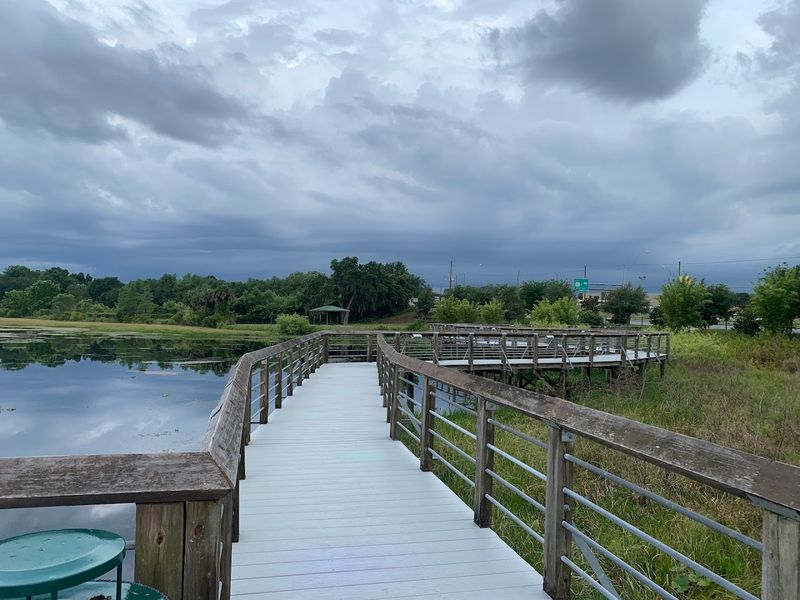
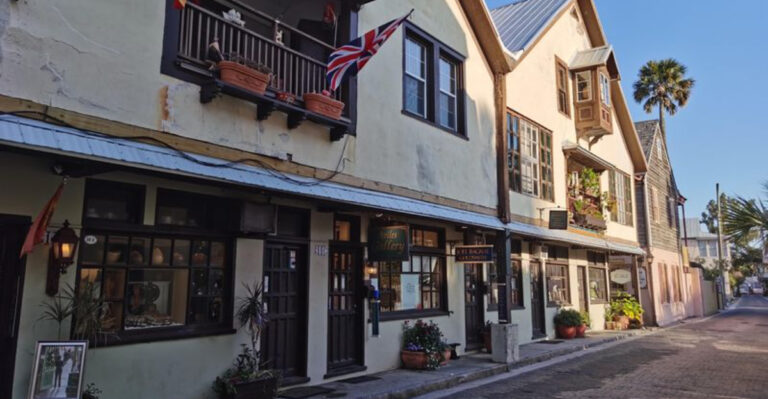
Inverness is the kind of town that makes you exhale the moment you arrive. The seat of Citrus County, this small city has built a quiet but devoted retirement community around its natural springs, freshwater lakes, and an easygoing downtown that feels like it belongs to a different era — in the best possible way.
The Crown Hotel, a Victorian-era landmark, anchors the town center with a charm that chain hotels simply can’t replicate.
Affordability is one of Inverness’s strongest selling points. Housing costs are among the lowest in the state for any city with this level of natural amenity access, and the overall cost of living reflects a community that hasn’t been discovered by the masses yet.
Retirees on Social Security frequently report being able to cover rent, groceries, and utilities without financial stress — which is more than can be said for most Florida cities with comparable outdoor access.
The Withlacoochee State Trail runs right through town, offering 46 miles of paved trail for cycling, walking, and rollerblading through natural Florida landscape. The nearby Rainbow River and Crystal River are nationally recognized destinations for snorkeling and swimming with manatees.
Living in Inverness means these experiences aren’t vacation splurges — they’re just your weekend.
The senior community here is active and well-supported, with local programs, clubs, and recreational leagues that keep social calendars full without requiring much spending. Citrus Memorial Hospital provides local healthcare, and the overall pace of the city is gentle enough that stress levels tend to drop naturally after a few weeks of living here.
Inverness doesn’t shout about itself, but retirees who find it tend to stay — and that says more than any advertisement could.
8. Daytona Beach
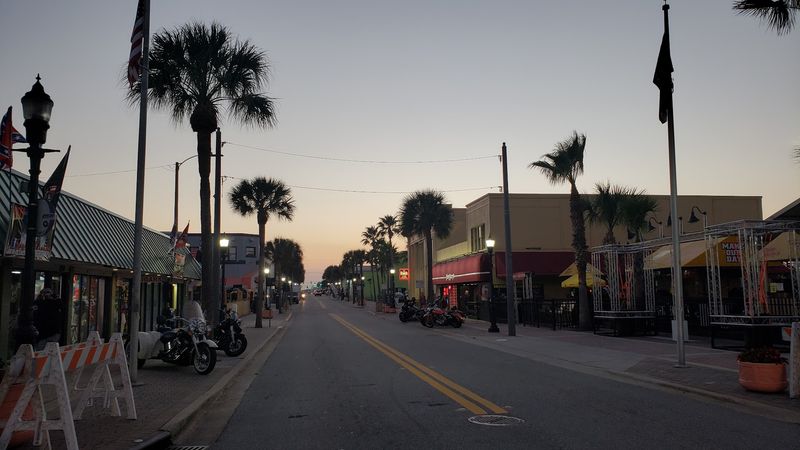
Daytona Beach has a reputation built on racing and spring break, but the retirement story here is genuinely different — and more compelling than most people expect. Once you look past the famous Speedway and the beachside party scene, you find a city with real affordability, accessible healthcare, and a coastline that belongs to everyday residents just as much as it does to tourists.
The beach is wide, free to access, and open 365 days a year.
Housing costs in Daytona Beach are notably lower than in comparable Florida beach cities. Inland neighborhoods and established residential areas offer solid options for retirees on fixed incomes, and the rental market has more variety than you might imagine.
Living within driving distance of the ocean without paying ocean-adjacent prices is one of the defining advantages of choosing Daytona over more polished coastal alternatives.
The Halifax Health Medical Center provides strong local healthcare, and the city has a growing network of senior services and community programs. Embry-Riddle Aeronautical University and Daytona State College bring a consistent intellectual energy to the area, with lectures, events, and continuing education opportunities that retirees often take advantage of at reduced or no cost.
The cultural calendar stays surprisingly active throughout the year.
Downtown Daytona has been revitalizing steadily, with new restaurants, arts venues, and waterfront development along the Halifax River adding fresh appeal. The Daytona Beach Bandshell hosts free outdoor concerts, and the Museum of Arts and Sciences offers rotating exhibits that keep things interesting.
Retirees who want coastal living without the coastal price tag — and who don’t mind a city with a little personality and noise — tend to find Daytona Beach fits surprisingly well into their retirement plans.
9. Palatka
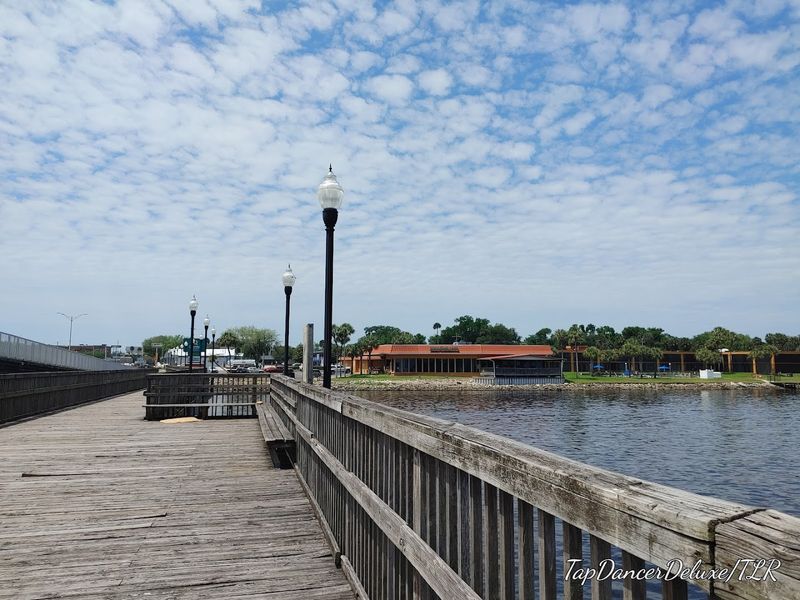
Palatka is one of those Florida cities that doesn’t get nearly enough attention, and retirees who stumble onto it often can’t believe they hadn’t heard of it sooner.
Sitting on the banks of the St. Johns River in Putnam County, this small city carries a rich history and a relaxed Southern character that feels increasingly rare in a state that’s changing fast.
The river itself is the centerpiece of life here — wide, slow-moving, and endlessly scenic.
From a purely financial standpoint, Palatka is one of the most affordable places to retire in Florida. Housing costs are exceptionally low compared to the statewide average, and property taxes in Putnam County tend to be manageable for retirees on fixed incomes.
If stretching a Social Security check is the priority, few cities in the state offer this level of affordability alongside this much natural beauty.
The Ravine Gardens State Park is a genuine hidden gem — a stunning landscape of ravines, suspension bridges, and azalea gardens that explodes with color every spring. The annual Florida Azalea Festival draws visitors from across the region, but locals get to enjoy the park year-round for a very modest entrance fee.
Fishing on the St. Johns River is practically a local pastime, with bass and catfish drawing anglers from neighboring counties.
Healthcare access is a fair consideration — Palatka has local medical facilities, but larger hospitals in Gainesville and Jacksonville are within reasonable driving distance for specialty care. The pace of life is unhurried, the people are welcoming, and the sense of community feels authentic rather than manufactured.
Palatka rewards the retirees who choose it with a quality of life that far exceeds what the price tag suggests.
10. Milton
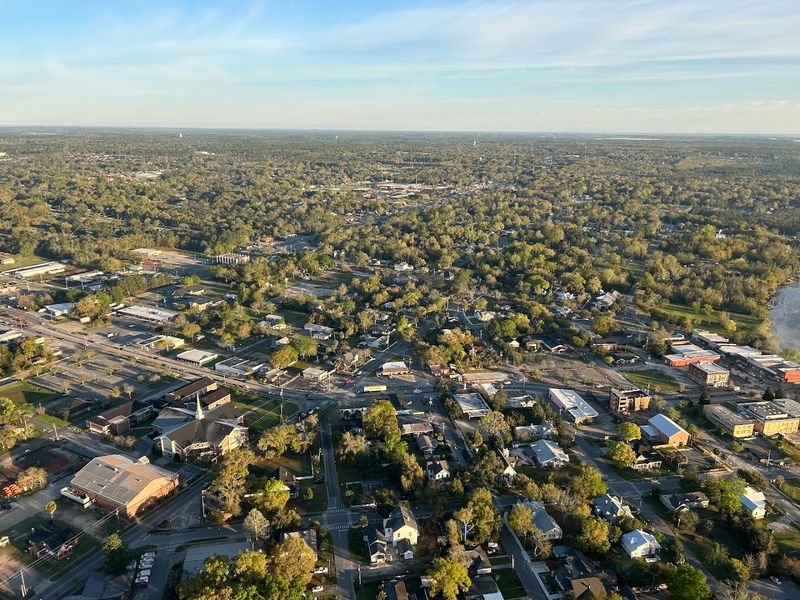
Santa Rosa County’s seat doesn’t get the same attention as its neighbor Pensacola, but Milton has something going for it that’s increasingly hard to find in Florida — genuine affordability paired with outstanding natural scenery.
The Blackwater River, famous for its crystal-clear, tea-colored water and brilliant white sandbars, runs right through the area and has earned a national reputation as one of the purest rivers in the country.
For retirees who love the outdoors, this is not a minor perk.
Housing costs in Milton sit well below the Florida average, and the overall cost of living reflects a community that hasn’t been swept up in the real estate frenzy affecting so many other parts of the state. Retirees can find comfortable homes, quiet neighborhoods, and a pace of life that allows for genuine relaxation.
The proximity to Pensacola — just about 20 miles away — means access to a larger city’s healthcare and amenities without paying a larger city’s prices.
Blackwater River State Park offers swimming, tubing, kayaking, and camping in a natural setting that outdoor enthusiasts rave about. The park is accessible and affordable, making it a regular weekend destination for locals rather than an occasional splurge.
The surrounding Blackwater River State Forest adds even more space for hiking and wildlife watching across hundreds of thousands of acres of longleaf pine landscape.
Milton’s small downtown has a charming, unpretentious character, with local diners, hardware stores, and community events that reflect a town comfortable in its own skin. The senior community is active, and the overall quality of life here tends to surprise people who arrive with low expectations.
Milton is proof that you don’t need a famous zip code to retire well in Florida — you just need to know where to look.
11. Panama City
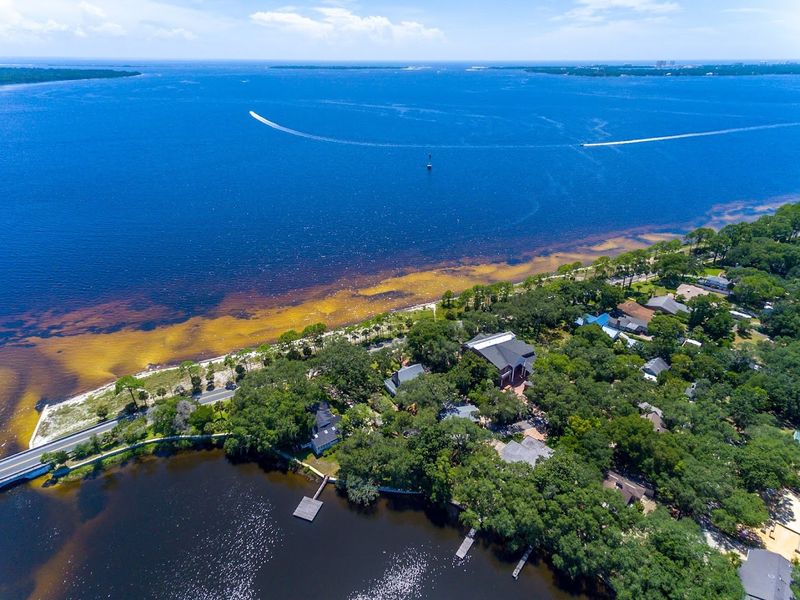
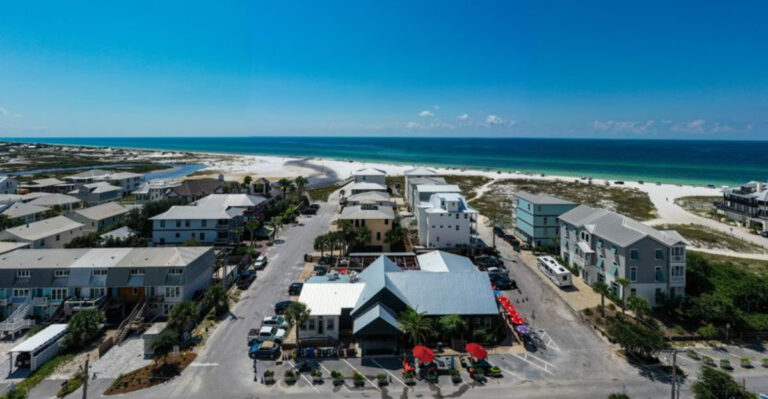
Panama City sits at an interesting crossroads — it’s a real working city with a military presence, a commercial core, and a diverse population, while also being just minutes from some of the most spectacular Gulf Coast beaches in the country.
Panama City Beach gets all the tourist attention, but the city itself offers a much more grounded and affordable lifestyle that works surprisingly well for retirees living on Social Security.
The two are close enough that you get the benefits of both.
Housing in Panama City proper — as opposed to the beachside resort areas — is significantly more affordable, with a range of options from established neighborhoods to newer developments catering to active adults.
The Bay County area has seen growth in healthcare infrastructure, with Ascension Sacred Heart Bay and Gulf Coast Regional Medical Center both serving the community.
For retirees who prioritize medical access, Panama City delivers without requiring a move to a major metro.
St. Andrews State Park, consistently ranked among the best state parks in Florida, is just a short drive away and offers swimming, snorkeling, fishing, and nature trails on a stunning stretch of Gulf coastline. The park’s jetties are a popular fishing spot, and the emerald water is accessible to locals without the resort markups.
Everyday outdoor enjoyment here is genuinely part of the retirement lifestyle, not a special occasion.
The city has a lively local food scene centered around fresh Gulf seafood, and the marina district gives the downtown area a relaxed, nautical character that grows on you. Community events, farmers markets, and a strong veterans community add social texture to daily life.
Panama City isn’t trying to be trendy — it’s a real city with real affordability, and for retirees who want substance over style, that’s exactly right.