This Florida City Lets You Live on Just $1,600 a Month, Including Rent and Groceries
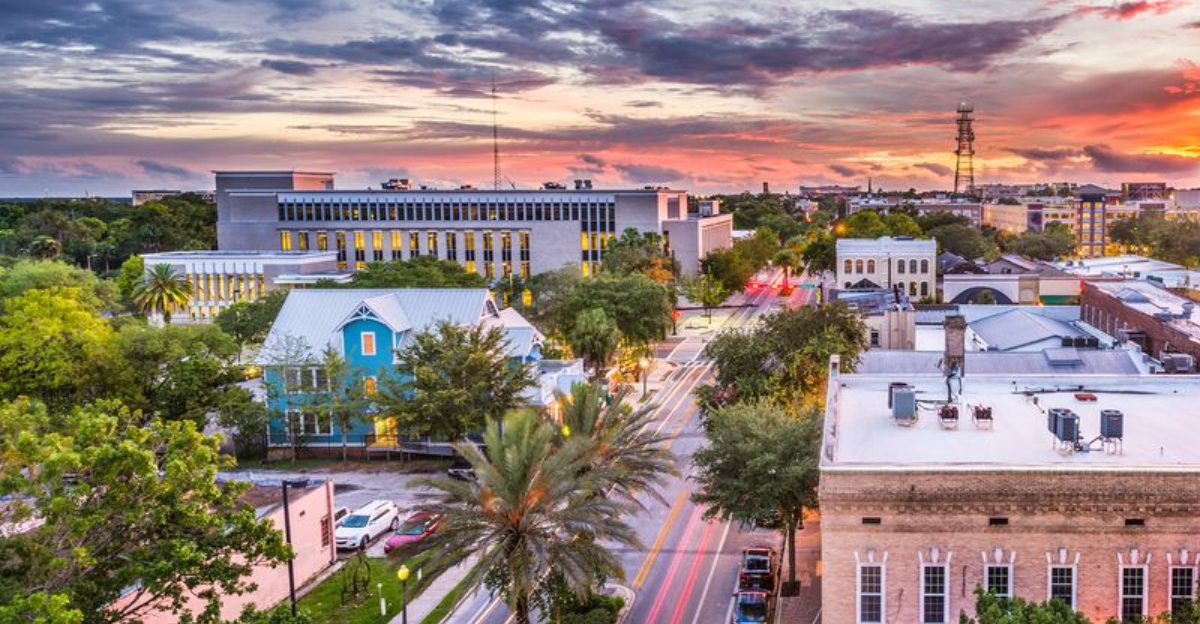
Gainesville might not be the first Florida city that comes to mind when you think about affordable living, but it should be. This college town in North Central Florida offers something rare these days: a chance to live comfortably without draining your bank account every month. With smart budgeting and local know-how, you can cover rent, groceries, utilities, and everyday expenses on around $1,600 monthly, proving that Florida living doesn’t have to break the bank.
1. Rent That Won’t Wreck Your Budget
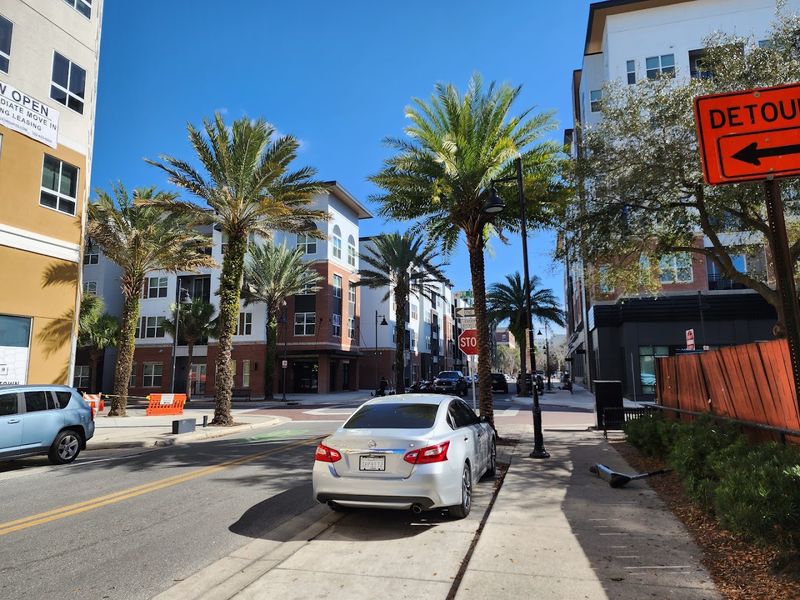
Finding a place to live in Gainesville for under $700 monthly isn’t just possible—it’s actually pretty common if you know where to look. Studios and one-bedroom apartments near the University of Florida campus tend to run higher, but venture just a few miles out and the prices drop significantly. Neighborhoods like Tower Road, Archer Road, and areas near Oaks Mall offer solid options that won’t drain your wallet.
Sharing a two or three-bedroom apartment with roommates brings costs down even further. Many places include water and trash in the rent, which helps keep surprise bills to a minimum. The city has plenty of apartment complexes that cater to students and young professionals, so landlords compete for tenants with move-in specials and waived deposits.
Check out Facebook Marketplace and local rental groups for the best deals. Gainesville landlords know their market, and many prefer longer leases with reliable tenants over charging top dollar. Off-campus housing near Santa Fe College also offers excellent value, especially if you don’t mind a slightly longer commute to downtown.
2. Grocery Shopping Like a Local

Spending around $250 monthly on groceries in Gainesville is totally doable when you shop smart. Aldi and Walmart Neighborhood Market become your best friends here, offering prices that put fancier chains to shame. Fresh produce, proteins, and pantry staples cost significantly less than what you’d pay in bigger Florida cities like Miami or Tampa.
The Ward’s Supermarket on NW 34th Street has been serving Gainesville families for decades with competitive prices and a no-frills approach that saves you money. Publix runs buy-one-get-one deals practically every week, and their store brand competes quality-wise with name brands while costing considerably less. Stock up during these sales and your monthly food budget stretches much further.
The Gainesville Community Plaza Farmers Market on Wednesdays offers locally grown vegetables and fruits at prices that often beat grocery stores. Shopping seasonal produce and cooking at home instead of eating out makes a massive difference. Meal prepping on Sundays helps avoid those expensive last-minute takeout orders that destroy budgets faster than anything else.
3. Utilities That Stay Reasonable

Gainesville Regional Utilities provides electricity, water, and gas to most residents, and the rates stay pretty reasonable compared to other Florida cities. Expect to pay around $100-150 monthly for electricity in a one-bedroom apartment, even during Florida’s brutal summer months when air conditioning runs constantly. Water and sewer combined usually add another $40-50 to your monthly bills.
The city’s municipal utility system means you’re not dealing with for-profit companies squeezing every penny from customers. GRU offers budget billing programs that average your usage throughout the year, preventing those shock bills in July and August. Many apartment complexes include water in the rent, which simplifies budgeting and eliminates one variable expense.
Internet through providers like Cox or AT&T runs about $50-70 monthly for decent speeds. Some complexes include basic internet in rent or offer bulk discounts. Keeping your thermostat at 78 degrees instead of 72 saves a surprising amount on electricity.
Ceiling fans work wonders in Florida’s climate and cost pennies to run compared to cranking the AC down low.
4. Transportation Costs Stay Low

Getting around Gainesville without owning a car saves hundreds monthly and works better than you’d think for a mid-sized Florida city. The Regional Transit System offers free bus service throughout town, funded by the University of Florida and city taxes. Routes connect major shopping areas, residential neighborhoods, and both UF and Santa Fe College campuses efficiently.
If you do own a car, gas prices in Gainesville typically run a few cents cheaper than coastal Florida cities. The compact nature of the city means you’re rarely driving more than 15 minutes to reach most destinations. Parking downtown costs money during business hours, but evenings and weekends offer free spots throughout the area.
Biking works year-round here despite the heat and occasional afternoon thunderstorms. The city has been adding bike lanes and multi-use paths steadily over the past decade. Many residents combine biking with bus routes for longer trips, and the buses have bike racks on front.
Car insurance rates in Gainesville also tend to run lower than South Florida, saving another $30-50 monthly compared to Miami or Fort Lauderdale.
5. Entertainment Without Breaking Bank

Gainesville offers tons of free and cheap entertainment options that keep life interesting without destroying your budget. Depot Park downtown features beautiful walking trails, a playground, and frequent free concerts and events. The park connects to the Hawthorne Trail, a paved path perfect for biking or jogging that stretches for miles through natural Florida scenery.
The Harn Museum of Art at UF charges zero admission and houses an impressive collection that rivals museums in much larger cities. Free yoga classes pop up regularly at various parks around town. The Florida Museum of Natural History offers free general admission, though the Butterfly Rainforest exhibit costs extra—but it’s worth the occasional splurge at just $14.
Downtown Gainesville comes alive Thursday through Saturday nights with live music at venues charging minimal or no cover. First Magnitude Brewing Company and other local breweries host trivia nights and events that cost nothing to attend. Payne’s Prairie Preserve State Park charges only $4 per vehicle for a full day of hiking and wildlife watching.
Movie tickets at the budget theater on Newberry Road cost just a few bucks for recent releases.
6. Healthcare Options That Work
Access to quality healthcare in Gainesville won’t cost you an arm and a leg, especially compared to many Florida cities. UF Health Shands Hospital provides world-class medical care, and the teaching hospital environment often means lower costs for certain services. The city has numerous urgent care clinics charging reasonable rates for non-emergency situations that don’t require an ER visit.
The Alachua County Health Department offers sliding-scale services based on income, making basic healthcare accessible even on tight budgets. Dental and vision care through the UF College of Dentistry and optometry students costs significantly less than private practices while maintaining high quality standards. These teaching clinics provide thorough care at prices that actually fit into a $1,600 monthly budget.
Prescription medications cost less at Publix and Walmart pharmacies, with many common antibiotics available completely free. Generic medications through these pharmacy programs save hundreds annually compared to name brands. Walk-in clinics at CVS and Walgreens handle minor illnesses and injuries for around $100 without insurance, far less than emergency room visits that can devastate budgets instantly.
7. Student Discounts Everywhere
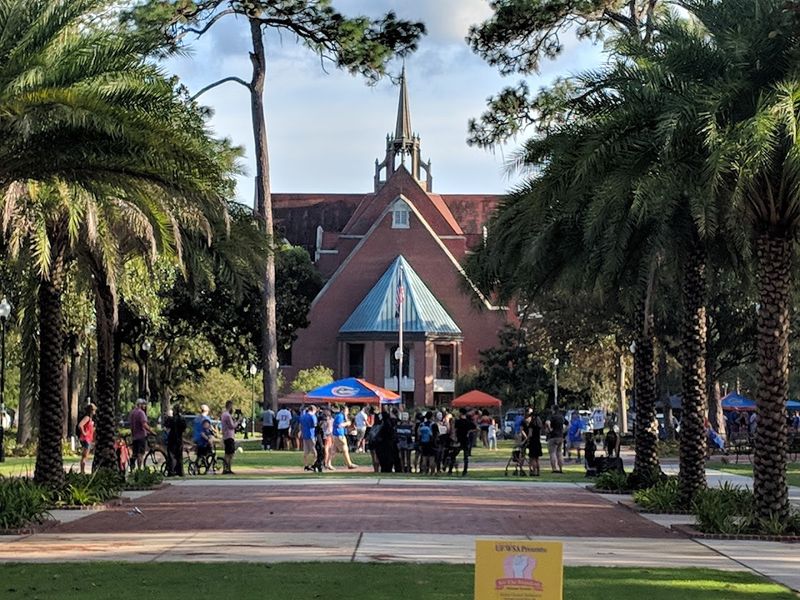
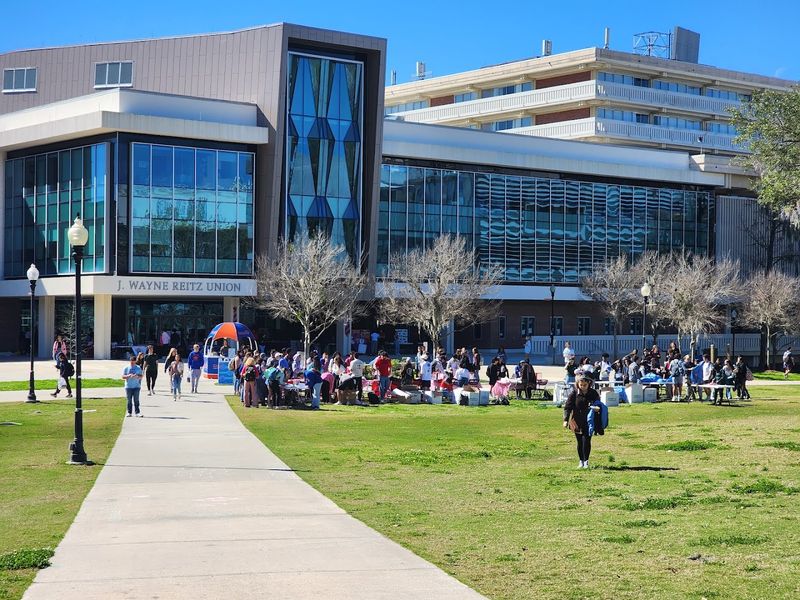
Living in a college town means student discounts pop up constantly, and the best part? Many businesses don’t actually verify enrollment status strictly. Restaurants, entertainment venues, and service providers throughout Gainesville offer 10-20% discounts just for showing a student ID from UF or Santa Fe College.
These savings add up quickly when you’re dining out or catching a movie.
Even if you’re not enrolled, the university’s presence keeps overall prices competitive as businesses compete for student dollars. Haircuts, oil changes, gym memberships, and countless other services cost noticeably less than in non-college Florida cities. The competition among pizza places alone near campus creates deals that benefit everyone in town, student or not.
Gator Dining food halls at UF occasionally run promotions open to the public, offering all-you-can-eat meals for reasonable prices. Campus events like free movie screenings, concerts, and speakers happen weekly and welcome community members. The university’s recreational facilities offer community memberships at rates that beat commercial gyms by a wide margin, giving you access to pools, courts, and workout equipment for around $20 monthly.
8. Nature Access Costs Nothing

Gainesville sits surrounded by some of Florida’s most beautiful natural areas, and experiencing them costs almost nothing. Paynes Prairie Preserve State Park stretches across 21,000 acres just south of the city, home to wild horses, bison, alligators, and over 270 bird species. The $4 vehicle entry fee gives you all-day access to trails, observation platforms, and scenery that looks nothing like typical Florida beach postcards.
Devil’s Millhopper Geological State Park features a massive 120-foot-deep sinkhole with a boardwalk descending into a miniature rainforest ecosystem. The unique geological formation stays cool even during summer heat, and admission costs just $4 per vehicle. San Felasco Hammock Preserve offers miles of hiking and mountain biking trails through old-growth forest completely free of charge.
Dozens of natural springs sit within an hour’s drive, including Ginnie Springs, Ichetucknee Springs, and Poe Springs. While some charge modest admission, others like Poe Springs Park cost just a few dollars for full-day access to crystal-clear water perfect for swimming and snorkeling. This abundance of natural entertainment means you can enjoy weekends exploring Florida’s wild side without spending money on expensive tourist attractions or theme parks.