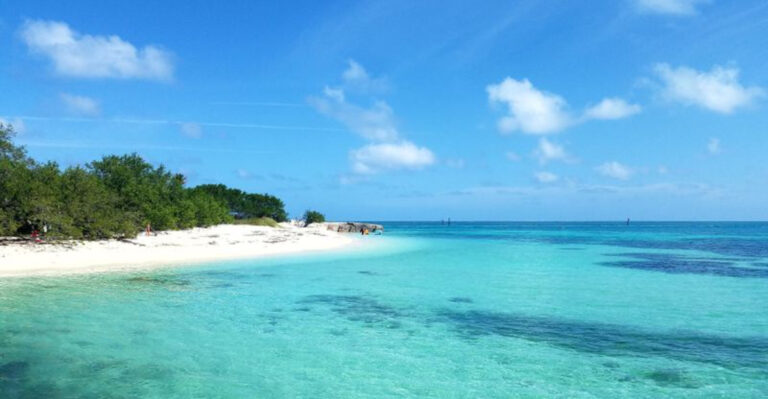
Looking for a May Escape? These 12 Florida Villages Might Be Just Right
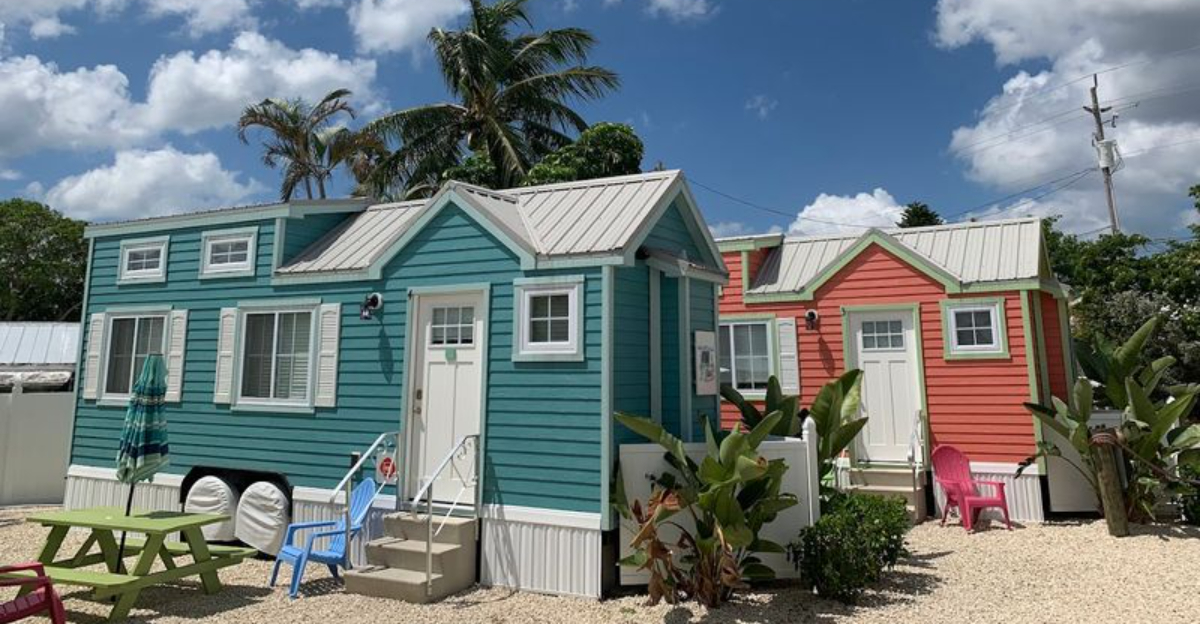
May is one of the best-kept secrets for Florida travel. The summer crowds haven’t arrived yet, the weather is warm but not brutal, and small towns across the state are absolutely glowing.
Whether you want salty breezes, art galleries, historic streets, or waterfront sunsets, Florida’s villages deliver something genuinely special. Pack light, skip the theme parks, and let one of these charming spots steal your heart.
1. Seaside
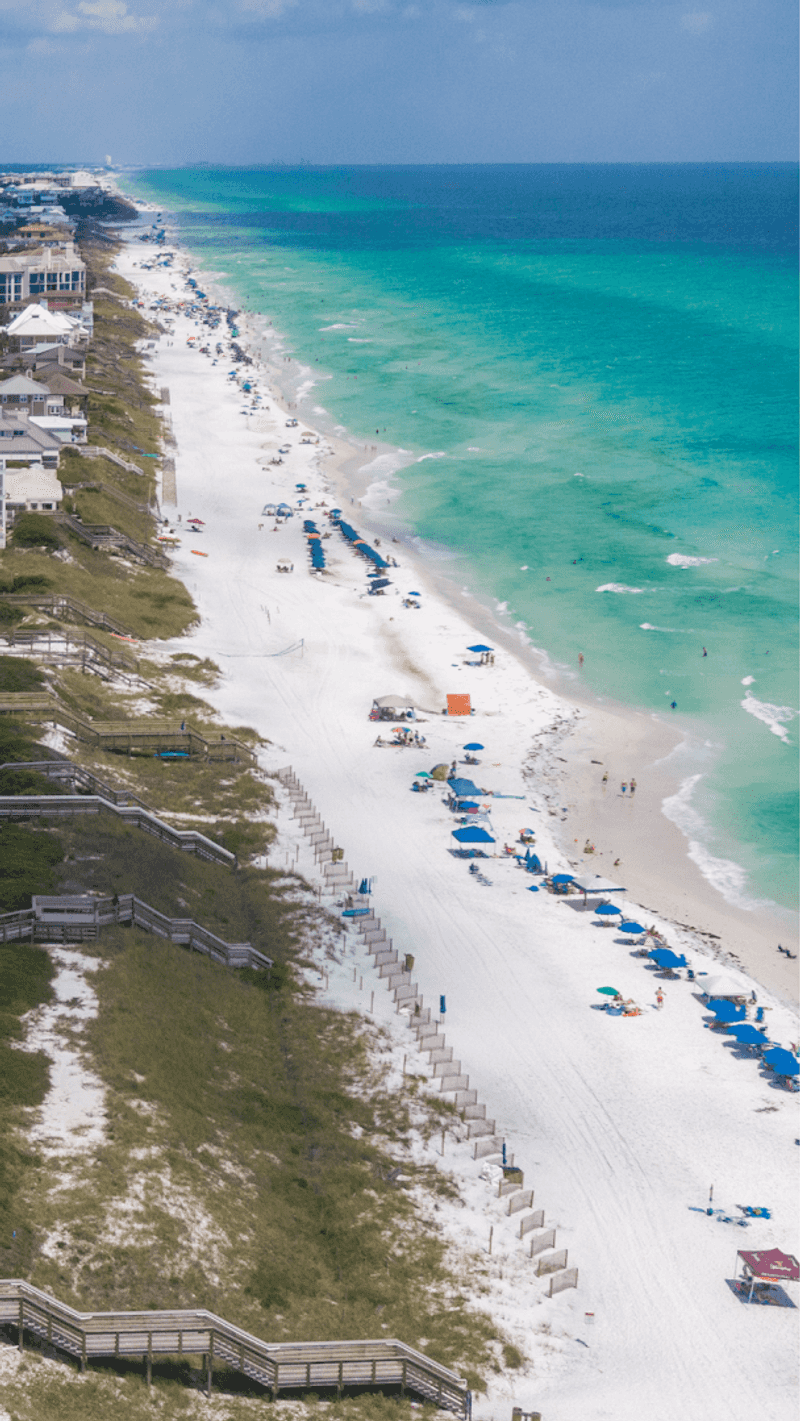
You might recognize Seaside without even knowing it — this was the town used as the filming location for The Truman Show. Tucked along the Florida Panhandle on Scenic Highway 30A, Seaside is a planned community that somehow feels more like a storybook than a real place.
Pastel-painted cottages line the streets, white picket fences frame every yard, and the Gulf water glows the kind of green-blue that makes you question whether it’s real.
May is a genuinely sweet time to visit. The spring breakers are long gone, the July chaos hasn’t started, and you can actually find a beach chair without a battle.
Temperatures hover in the low-to-mid 80s, which means morning walks on the beach feel refreshing rather than exhausting.
The town center is small but packed with personality. Airstream food trucks form a little village called Airstream Row, where you can grab fresh-squeezed lemonade, crepes, or lobster rolls without sitting down at a formal restaurant.
The Central Square Records shop is worth a stop, and the open-air amphitheater hosts free events throughout the season.
Seaside also sits right in the middle of the 30A corridor, so you’re never far from neighboring towns like Watercolor, Grayton Beach, or Rosemary Beach if you want to explore. Rent a bike and cruise the shared-use path that connects most of these communities — it’s one of the best ways to spend a morning.
Art galleries, boutique shops, and independent bookstores make afternoon wandering genuinely enjoyable. This town rewards slow travel, the kind where you linger over coffee and let the hours disappear without guilt.
2. Anna Maria Island
Anna Maria Island operates on its own clock — unhurried, salty, and wonderfully low-key. Sitting off the coast of Bradenton in the Gulf of Mexico, this seven-mile barrier island feels like Florida before everything got loud.
There are no high-rise hotels here. The tallest things on the skyline are palm trees, and the locals would like to keep it that way.
The island is actually made up of three small communities: Anna Maria, Holmes Beach, and Bradenton Beach. Each has its own vibe, but all three share the same powdery white sand and the same laid-back attitude.
Pine Avenue in the Anna Maria village is the heart of the action — a short strip of colorful shops, ice cream stands, and casual restaurants that feels like a small town from the 1960s somehow preserved in amber.
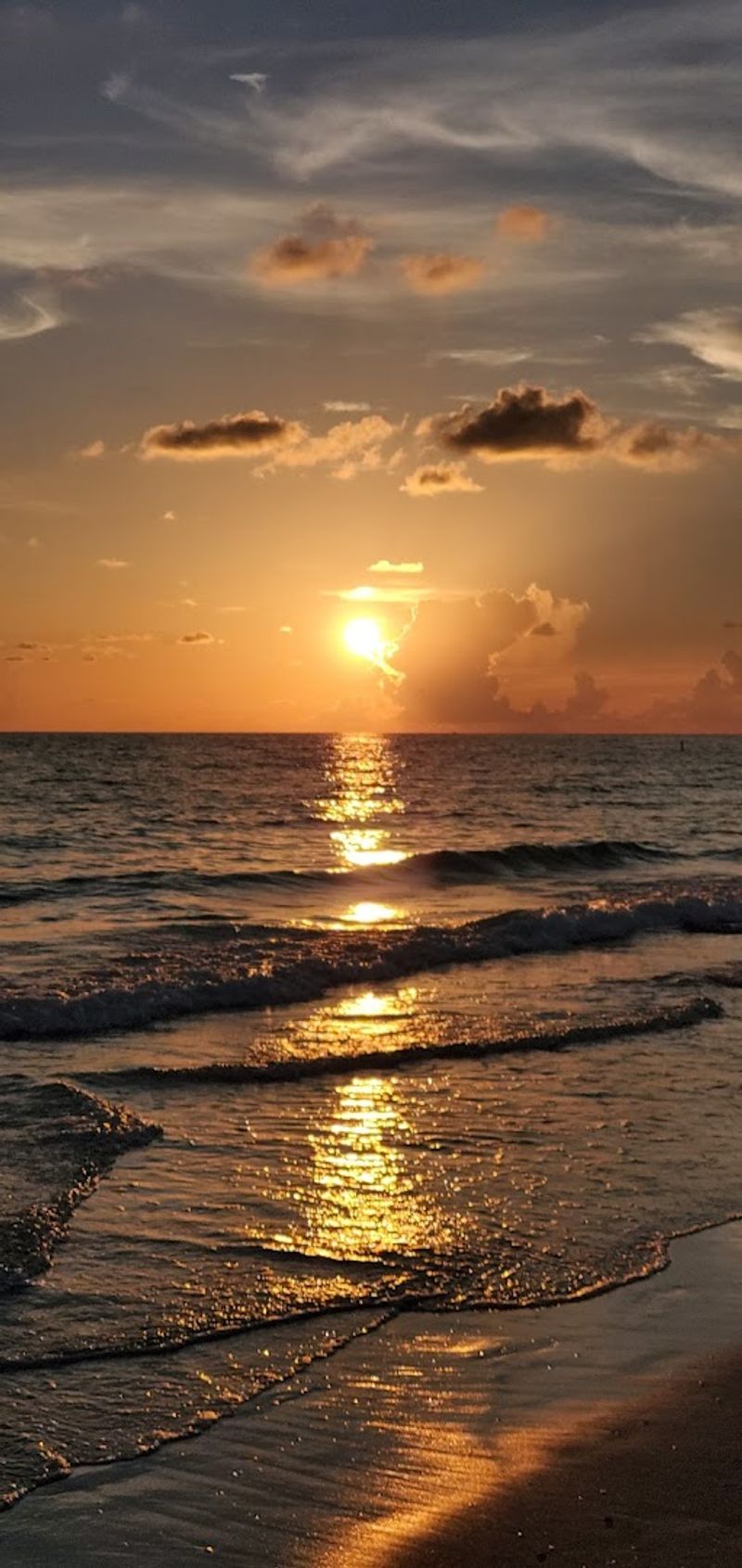
May brings warm Gulf water, manageable crowds, and spectacular sunsets that turn the sky shades of orange and pink that feel almost theatrical. The Rod and Reel Pier is a classic spot to watch the evening light show while pelicans patrol the railings hoping for scraps.
It’s casual, free, and genuinely one of the most memorable Florida experiences you can have without spending a dollar.
Getting around is easy by golf cart or bike, which adds to the relaxed energy. The island has a free trolley service too, so you can leave the car parked and just ride.
Fresh seafood is everywhere — grouper sandwiches, stone crab claws in season, and shrimp tacos that don’t need any extra advertising. Anna Maria Island doesn’t try to impress you.
It just does, effortlessly and every single time.
3. Cedar Key
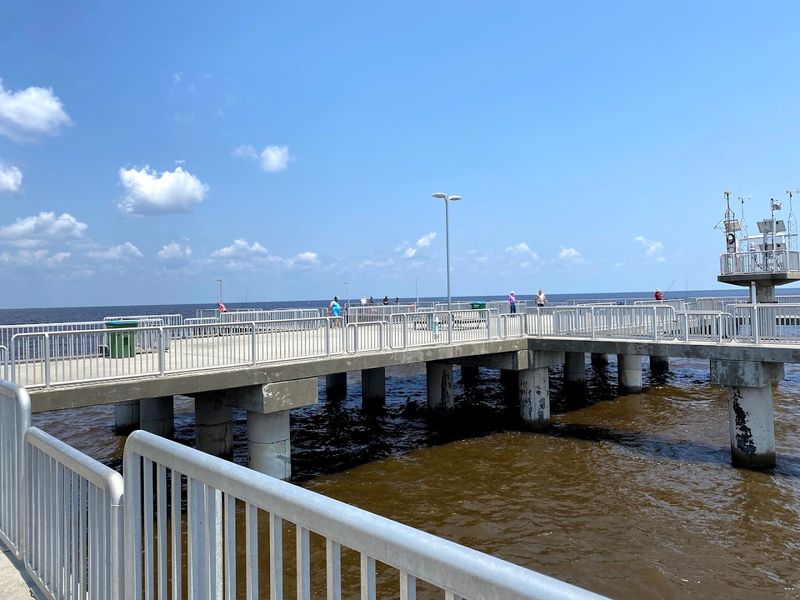
Cedar Key sits at the end of a long, lonely road on Florida’s Gulf Coast, and that remoteness is exactly the point. Getting here requires commitment — a two-lane highway through marshland and old Florida wilderness — but what waits at the end is one of the most genuinely unspoiled waterfront towns in the entire state.
There are no chain restaurants, no traffic lights, and no rush to be anywhere.
The town is built on a cluster of small islands connected by bridges, and the whole place feels like it belongs to a different era. Weathered wooden buildings, hand-painted signs, and fishing boats tied to docks that have seen decades of salt air give Cedar Key a texture that newer Florida towns simply can’t manufacture.
Artists discovered this place long ago, and a thriving gallery scene now sits comfortably alongside the working waterfront.
May is a wonderful month here because the clam farmers are busy, the water is warm enough to kayak, and the famous Cedar Key Seafood Festival hasn’t yet arrived to temporarily triple the population. Clams are the local specialty — Cedar Key supplies a significant portion of Florida’s farmed clams — and you can eat them raw, steamed, or in chowder at any of the dockside restaurants.
Kayaking out to the surrounding wildlife refuges is one of the best activities available. The Cedar Keys National Wildlife Refuge protects a chain of small islands teeming with birds, dolphins, and manatees.
Paddling through that quiet wilderness with nothing but bird calls overhead is the kind of reset your nervous system didn’t know it needed. Cedar Key is slow travel at its most honest and most rewarding.
4. Apalachicola
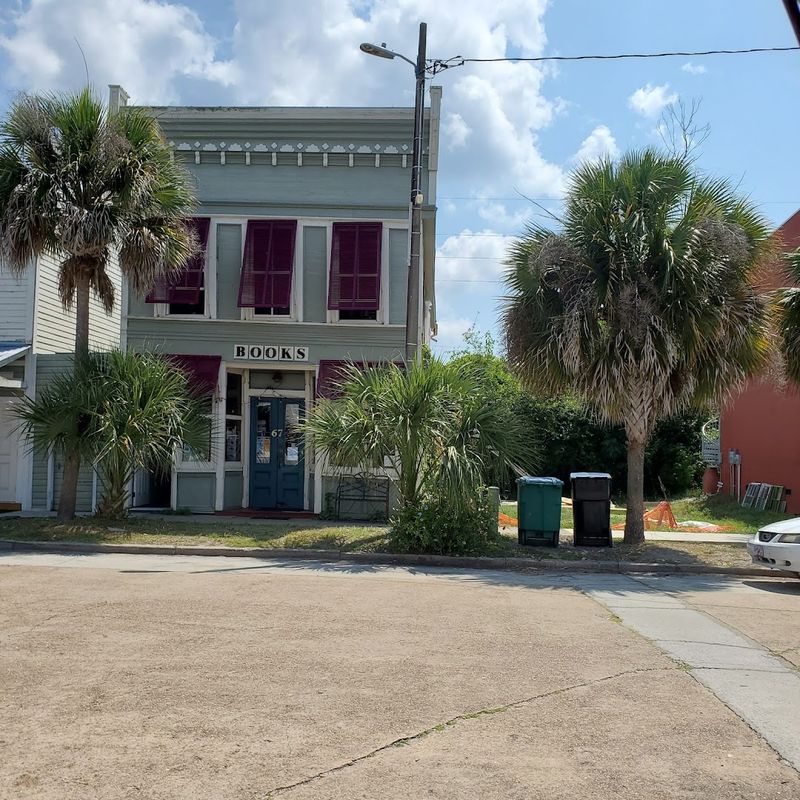
Apalachicola is the kind of town that makes you want to move there before you’ve even finished your first meal. Sitting on the Florida Panhandle along the Apalachicola River, this small port city carries a rich history that goes back to the 1800s when it was one of the most important cotton-shipping ports in the South.
Those days left behind a stunning collection of antebellum and Victorian architecture that still lines the downtown streets today.
The oyster legacy here is legendary. Apalachicola Bay was once considered the source of the finest oysters in America, and while the oyster industry has faced environmental challenges in recent years, the town’s culinary identity remains deeply tied to the water.
Seafood restaurants serve up shrimp, blue crab, and Gulf fish with the kind of confidence that comes from being surrounded by the source.
Walking downtown feels like a living history lesson, but a comfortable one. The old Chestnut Street Cemetery, the 1838 Trinity Episcopal Church, and the Apalachicola National Estuarine Research Reserve are all within easy reach.
The Gibson Inn, a beautifully restored Victorian hotel right in the center of town, is worth visiting even if you’re not staying there — the wraparound porch alone deserves a long sit.
May brings warm but not oppressive weather, and the Apalachicola River is at a beautiful stage in the season. Boat tours, kayaking, and wildlife spotting along the river are all popular activities.
The surrounding Apalachicola National Forest offers hiking and birding for those who want to stretch their legs beyond the town limits. Small, historic, and deeply authentic, Apalachicola is one of Florida’s most rewarding village escapes.
5. Mount Dora
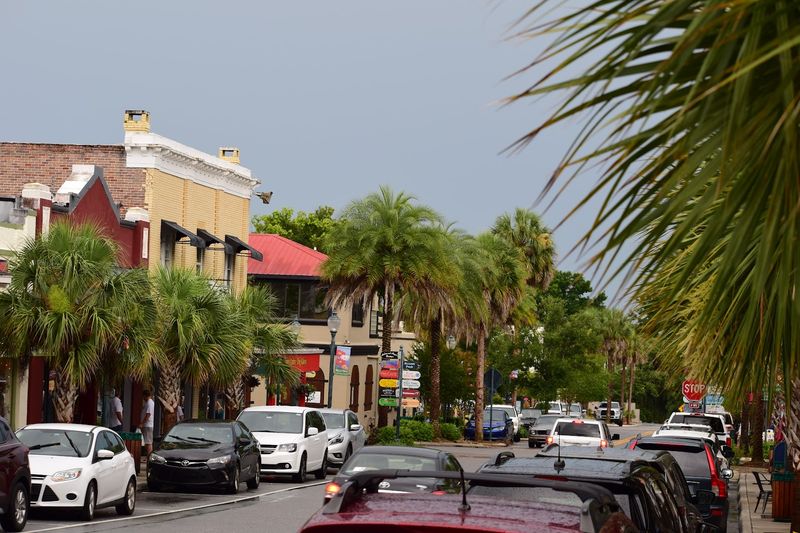
Sitting about an hour northwest of Orlando, Mount Dora feels like it belongs in New England more than Central Florida. Built on a bluff above Lake Dora, the town has an elevation of 184 feet — practically mountainous by Florida standards — and a refreshing breeze that makes May afternoons genuinely pleasant.
The downtown is compact, walkable, and packed with antique shops, art galleries, wine bars, and restaurants that could hold their own in any major city.
The antique scene here is serious business. Mount Dora has been called one of the top antique destinations in the entire Southeast, with dozens of dealers operating across multiple multi-vendor markets.
Even if you’re not a dedicated collector, wandering through the stalls is endlessly entertaining. You never know what you’ll find — vintage Florida postcards, mid-century furniture, handmade jewelry, or old signs that tell stories without saying a word.
Lake Dora itself is gorgeous and open to exploration. Pontoon boat tours leave from the downtown marina and cruise through the connected waterway system, sometimes passing through the historic Dora Canal, a narrow, moss-draped waterway that National Geographic once named one of the most beautiful canoe trails in the world.
That claim is easy to believe when you’re floating beneath ancient cypress trees with birds calling from every direction.
The Lakeside Inn, a historic hotel dating back to 1883, anchors the downtown waterfront and adds an old-world elegance to the whole scene. Presidents Calvin Coolidge and Dwight Eisenhower both stayed there, which makes sipping coffee on the veranda feel slightly more distinguished than usual.
Mount Dora is unhurried, charming, and genuinely easy to love — especially in the soft warmth of May.
6. Fernandina Beach (Amelia Island)
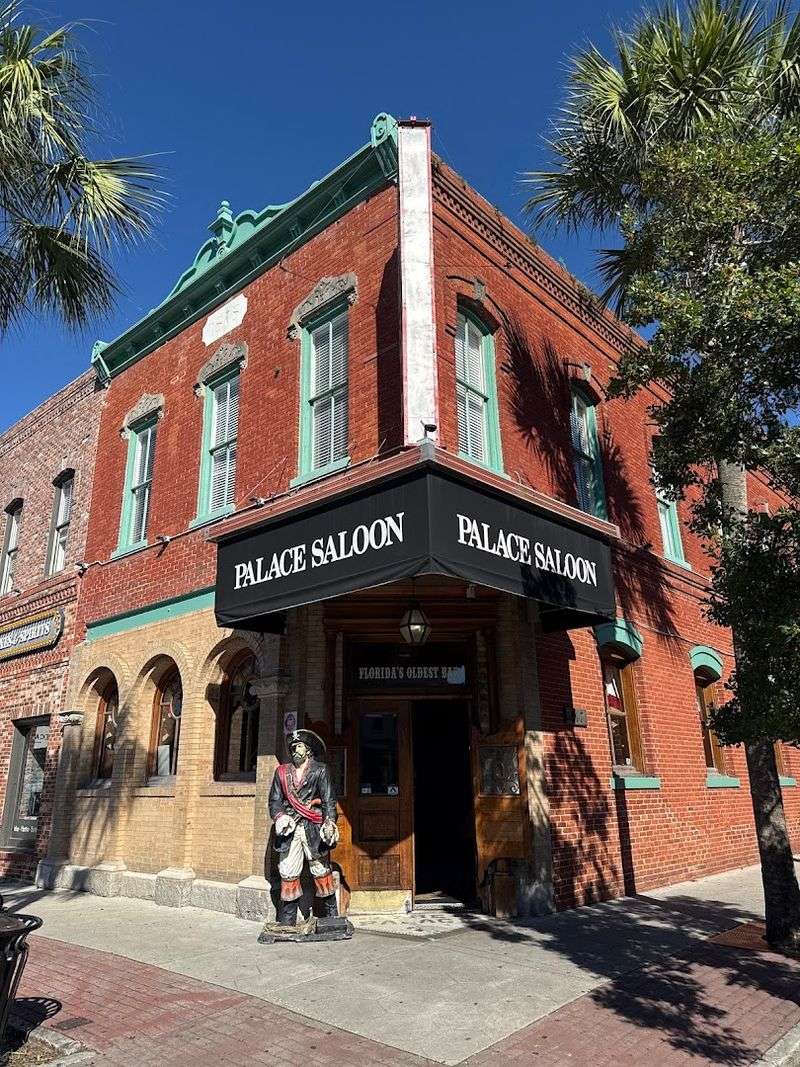
Amelia Island sits in the far northeastern corner of Florida, just south of the Georgia border, and Fernandina Beach is its beating heart. The historic downtown, known as Centre Street, is lined with Victorian-era buildings that have been lovingly maintained and filled with restaurants, craft breweries, boutiques, and art galleries.
It’s the kind of place where you plan to spend an hour and end up staying the whole afternoon.
The island has a genuinely layered history. It has been under eight different flags — Spanish, French, British, American, and more — which earned it the nickname the Isle of Eight Flags.
That history is woven into the architecture, the museums, and even the annual Shrimp Festival, which happens in May and draws visitors from across the Southeast. Fresh shrimp prepared in dozens of ways, live music, and a festive waterfront atmosphere make it one of the most fun events in North Florida.
Beyond the festival, Amelia Island offers 13 miles of uncrowded Atlantic beaches, state park trails, and one of the most photogenic lighthouses in Florida. The Amelia Island Lighthouse, built in 1839, is the oldest lighthouse still operating in the state, and guided tours are available on select days.
Fort Clinch State Park adds another layer of history with a well-preserved Civil War-era fort you can actually walk through.
The combination of beach access, Victorian charm, excellent food, and genuine history makes Fernandina Beach one of the most complete small-town escapes in Florida. May is a particularly good time because the weather is beautiful, the Shrimp Festival brings extra energy, and the beaches haven’t yet hit their summer peak.
Arrive hungry and curious — this island rewards both.
7. Matlacha
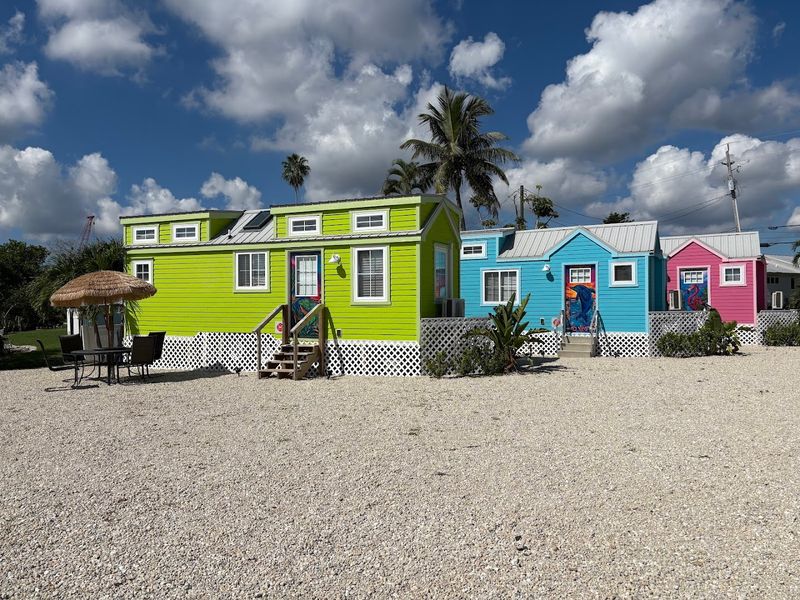
Matlacha — pronounced mat-luh-SHAY — is one of those Florida places that stops you in your tracks the first time you drive through. A tiny fishing village on Pine Island Sound, it’s essentially a single road lined with wildly colorful buildings, each one painted in combinations of turquoise, hot pink, lime green, and yellow that seem to compete for the most vibrant title.
The whole place looks like someone turned a painter’s palette into a zip code.
Originally a working fishing community, Matlacha transformed over the decades into one of Southwest Florida’s most beloved art destinations. Dozens of galleries operate out of those eye-catching buildings, showcasing work by local and regional artists in every medium imaginable.
The fishing heritage hasn’t disappeared, though — tarpon fishing in Pine Island Sound is still considered some of the best in the state, and charter captains work out of the village’s small docks.
The Leaky Tiki, a floating waterfront bar, is something of a local institution. Sitting on a dock over the water with a cold drink while watching boats pass and pelicans dive is an activity that requires zero effort and delivers maximum satisfaction.
Nearby restaurants serve fresh grouper, snapper, and stone crab with views that make every meal feel like an event.
May is ideal for Matlacha because the crowds are still manageable and the fishing is excellent. Kayak rentals are available right in the village, letting you paddle out into the mangrove-lined waterways at your own pace.
The sunsets over Pine Island Sound are the kind that make you reach for your phone and then immediately put it away because no camera does them justice. Matlacha is tiny, colorful, and completely unforgettable.
8. Tarpon Springs
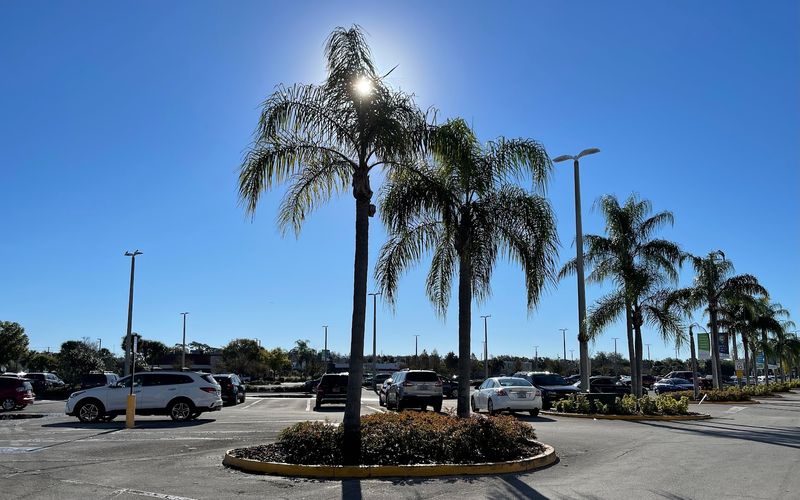
Walk down Dodecanese Boulevard in Tarpon Springs and you might genuinely wonder if you’ve taken a wrong turn and ended up somewhere along the Aegean Sea. Greek flags hang from storefronts, the smell of fresh baklava drifts out of bakeries, and old men play backgammon outside cafes with the easy confidence of people who are exactly where they belong.
Tarpon Springs has the largest percentage of Greek Americans of any city in the United States, and that identity runs deep.
The Greek community arrived in the early 1900s, drawn by the area’s rich sponge beds. The sponge diving industry built this town, and the Sponge Docks remain the cultural and commercial center of Tarpon Springs today.
You can watch live sponge diving demonstrations, browse stalls selling natural sponges in every size, and eat your weight in spanakopita, gyros, and loukoumades — Greek honey puffs that are warm, crispy, and absolutely worth every calorie.
Beyond the docks, Tarpon Springs has a charming historic downtown with antique shops, art galleries, and a craft beer scene that has grown substantially in recent years. The Anclote River and the surrounding bayous offer excellent kayaking and paddleboarding, and the nearby Fred Howard Park has one of the best free beaches in Pinellas County.
May is a relaxed, lovely time to visit. The famous Epiphany celebration happens in January, so May is quieter, which means shorter lines at restaurants and easier parking.
The weather is warm and mostly sunny, perfect for splitting time between the waterfront and the beach. Tarpon Springs is one of the most culturally distinctive small towns in all of Florida, and a visit here feels genuinely unlike anywhere else in the state.
9. DeFuniak Springs
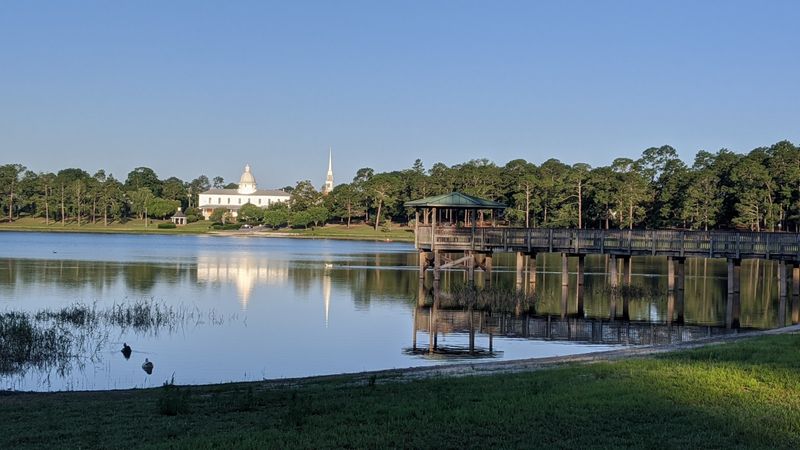
DeFuniak Springs has a secret that most Florida travelers drive right past on their way to the beach: one of the only two perfectly round natural lakes in the world sits right in the middle of town. Lake DeFuniak is a geological curiosity and a scenic centerpiece, ringed by a brick-paved promenade and surrounded by some of the most beautiful Victorian-era homes in the Florida Panhandle.
Walking around that lake on a May morning, with the water perfectly still and the old homes reflected in it, is one of those unexpectedly magical experiences Florida occasionally hides in plain sight.
The town was founded in the 1880s as a winter retreat for the Chautauqua literary and educational movement, which brought scholars, performers, and thinkers from across the country. That intellectual heritage left behind the Chautauqua Hall of Brotherhood, a grand Victorian building that still stands and hosts events today.
The Walton-DeFuniak Public Library, built in 1886, is the oldest library in Florida still operating in its original building — and it’s still a working library, which makes it even more impressive.
The downtown area has a handful of antique shops, local restaurants, and the kind of small-town friendliness that feels authentic rather than performed. The surrounding Walton County countryside includes forest trails and fishing spots that are easy to access without much planning.
May is genuinely pleasant here — warm enough to enjoy the outdoors, but the Panhandle heat hasn’t yet reached its peak. Because DeFuniak Springs sits inland and off the main tourist routes, it stays refreshingly uncrowded year-round.
If you appreciate history, architecture, and the quiet satisfaction of discovering something most people overlook, this town is absolutely worth your time.
10. Safety Harbor
Safety Harbor punches well above its weight. Tucked along the western shore of Tampa Bay in Pinellas County, this small city has built a reputation as one of the most creative, community-driven towns in the Tampa Bay region.
The Main Street corridor is alive with independent restaurants, art studios, wine bars, yoga studios, and boutiques that reflect a genuinely local personality rather than a developer’s vision of what a cute town should look like.
The town’s history goes back further than most people realize. The Safety Harbor Museum and Cultural Center sits on the site of a Tocobaga Native American village that dates back thousands of years, and the collection inside offers a thoughtful window into Florida’s pre-colonial past.
The nearby Philippe Park, named after Count Odet Philippe who established a citrus grove here in the 1840s, contains a large Tocobaga ceremonial mound and beautiful waterfront grounds perfect for a picnic.
The Safety Harbor Spa, a historic resort built around natural sulfur springs that Native Americans and early settlers believed had healing properties, is still operating today. Whether or not the springs deliver miracles, the spa is a genuinely relaxing place to spend an afternoon, and the waterfront setting is lovely regardless of what you believe about the water’s powers.
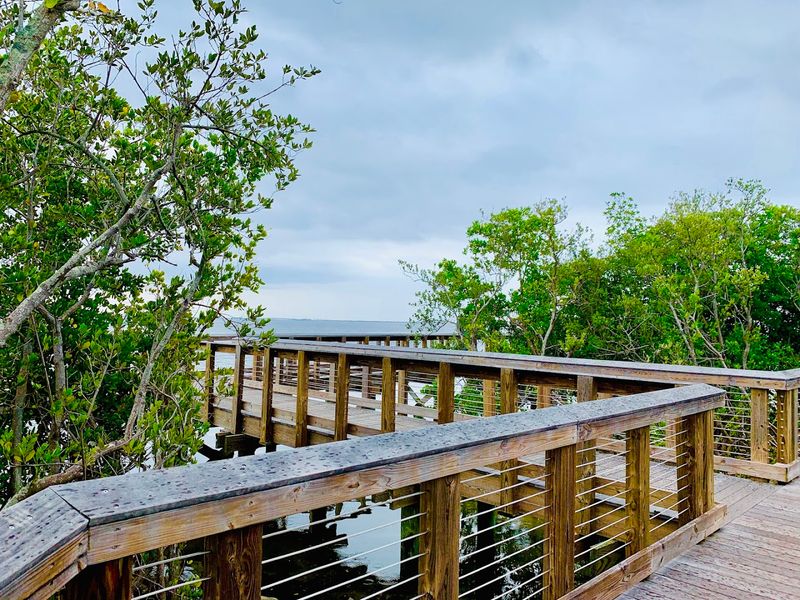
May in Safety Harbor means warm evenings perfect for outdoor dining, regular live music on Main Street, and a walkable downtown that rewards aimless exploration. The waterfront trail along Tampa Bay offers beautiful sunrise and sunset walks, and the town’s dog-friendly culture means you’ll rarely feel out of place bringing a four-legged travel companion along.
Small in size but big in character, Safety Harbor is one of the Tampa Bay area’s most underrated gems.
11. Dunedin
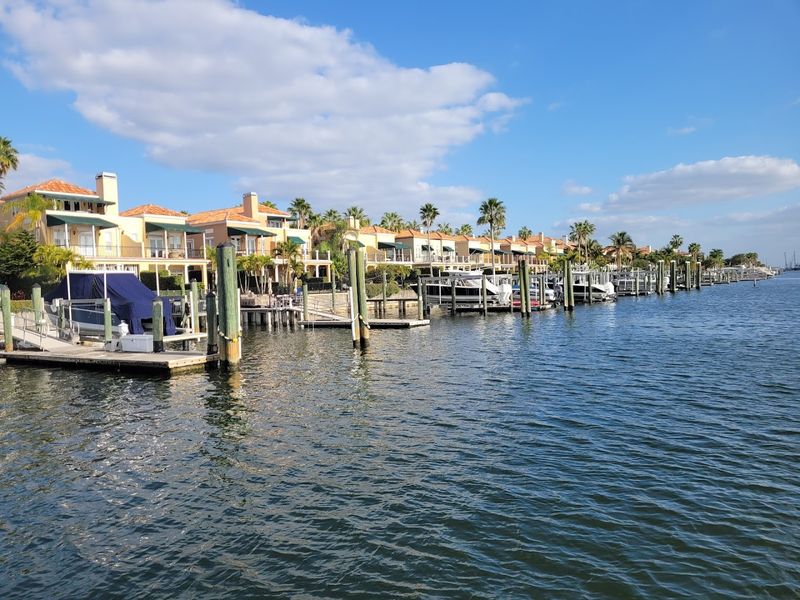
Dunedin is the town that somehow figured out how to be fun without trying too hard. Founded by Scottish settlers in the 1870s — the name is the Scottish Gaelic word for Edinburgh — this Gulf Coast city in Pinellas County has grown into one of the most beloved small towns in all of Florida.
The downtown is compact and walkable, with craft breweries practically on every corner, outdoor restaurants spilling onto the sidewalks, and a general atmosphere that feels like a permanent block party in the best possible way.
The craft beer scene here is legitimately impressive. Dunedin is often credited as the birthplace of the Florida craft beer movement — Dunedin Brewery, founded in 1996, was one of the first craft breweries in the state.
Today the town has multiple breweries within walking distance of each other, which makes for a very enjoyable afternoon of exploration. The Pinellas Trail, a 38-mile paved multi-use path, runs right through downtown and connects Dunedin to neighboring communities, making it easy to bike your way between stops.
Caladesi Island State Park, accessible by ferry from Honeymoon Island just north of Dunedin, consistently ranks among the top beaches in the United States. The white sand is fine, the water is clear, and the island is only reachable by boat, which keeps the crowds manageable even in May.
The Toronto Blue Jays hold spring training in Dunedin, which gives the town an extra layer of baseball energy that carries into May. The Scottish heritage pops up in annual Highland Games celebrations, and the downtown murals add color and personality to every block.
Dunedin is lively, walkable, and genuinely hard to leave once you’ve arrived.
12. Micanopy
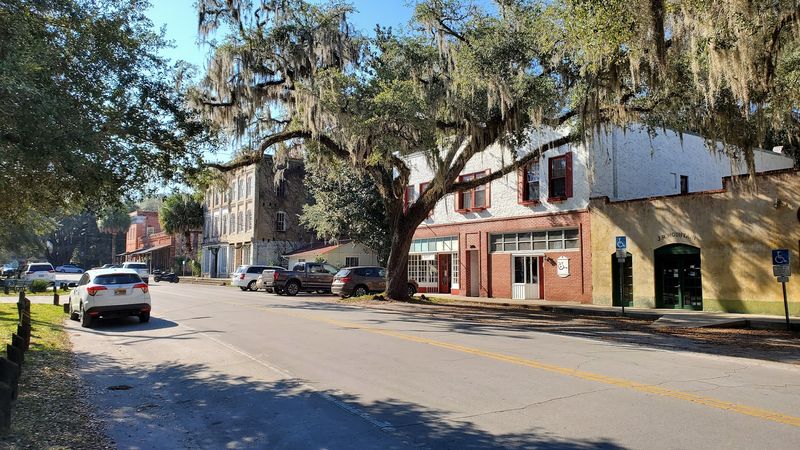
Micanopy — pronounced mick-uh-NO-pee — is the oldest inland town in Florida, and it wears that distinction with quiet dignity rather than tourist fanfare. Established in 1821 and named after a Seminole chief, this tiny North Florida village sits about 10 miles south of Gainesville, surrounded by ancient live oak trees draped in Spanish moss so thick it filters the sunlight into something soft and almost cinematic.
Walking down Cholokka Boulevard, the town’s main street, feels like stepping through a door into a much older Florida.
The town’s entire historic district is essentially one street, but what a street it is. Antique shops occupy buildings that have barely changed in a century, and the selection inside ranges from serious American antiques to quirky collectibles that tell stories about lives lived long ago.
The Micanopy Historical Society Museum, housed in the old Thrasher Warehouse, offers a well-curated look at the town’s remarkable history for those who want context alongside their browsing.
Film buffs might recognize Micanopy from the 1991 movie Doc Hollywood, starring Michael J. Fox, which was filmed almost entirely here.
The town’s unchanged character made it a perfect stand-in for a fictional small Southern town, and honestly, not much has changed since the cameras left. That consistency is part of the appeal.
May brings warm, lush greenery to the surrounding countryside, and the nearby Paynes Prairie Preserve State Park — a vast, wild grassland just minutes away — is one of the most ecologically extraordinary places in Florida. Bison, wild horses, alligators, and hundreds of bird species share this ancient landscape.
Micanopy is small, still, and deeply rooted — the kind of place that reminds you why slow travel is worth the effort.