These 13 Dreamy Florida Towns Are Basically Real-Life Hallmark Movies
Florida is famous for its beaches and theme parks, but some of its most magical places are small towns that feel like they were pulled straight from a feel-good movie. Think cobblestone streets, historic downtowns, waterfront sunsets, and neighbors who actually wave hello.
These towns prove that the Sunshine State has way more charm than most people give it credit for. Pack a bag and get ready to fall in love with a slower, sweeter side of Florida.
1. Fernandina Beach
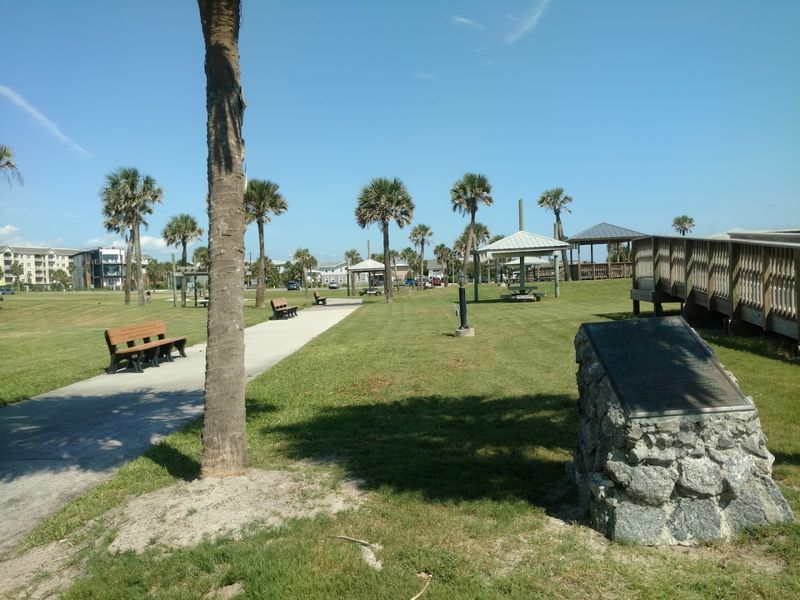
Step onto Centre Street in Fernandina Beach and you might genuinely wonder if a film crew just wrapped for the day. The Victorian architecture, the flower-draped storefronts, and the salty ocean breeze all come together in a way that feels almost too picturesque to be real.
Located on Amelia Island at Florida’s northeastern tip, this town carries more than 400 years of history in its bones.
The downtown area is packed with locally owned boutiques, cozy coffee shops, and restaurants where the shrimp on your plate was likely caught that same morning. Fernandina Beach is the birthplace of the modern shrimp industry in the U.S., which gives it a quirky maritime identity that sets it apart from any other Florida beach town you have visited before.
Walking the streets here feels genuinely unhurried. Nobody is rushing anywhere, and that energy is contagious in the best way.
Fort Clinch State Park sits just north of town and offers one of the best-preserved Civil War-era forts in the entire country. History lovers and nature walkers both find plenty to keep them busy without ever feeling like they are checking boxes on a tourist list.
Sunsets from the fishing pier hit different here. There is something about the light bouncing off the Cumberland Sound that makes everything look like a watercolor painting.
Families, couples, and solo travelers all seem equally at home wandering through this town. Fernandina Beach is proof that Florida does not need neon signs or roller coasters to leave a lasting impression.
It just needs charm, character, and a really good plate of local shrimp to seal the deal.
2. Stuart
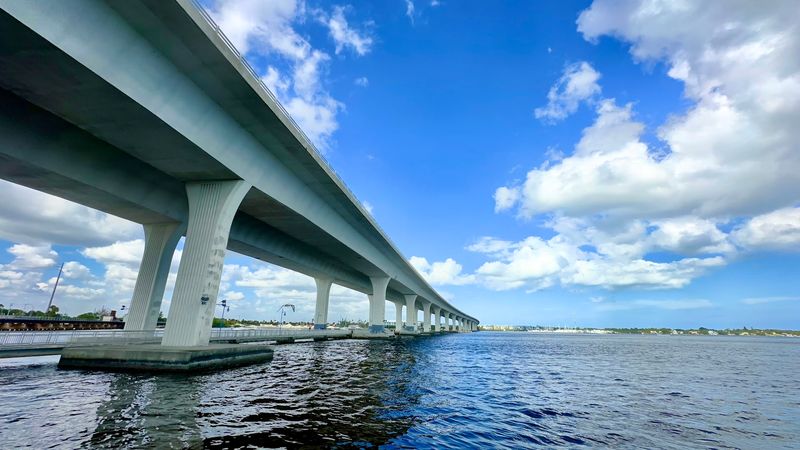
Called the “Sailfish Capital of the World,” Stuart wears its identity proudly without ever feeling like it is trying too hard. Tucked along the St. Lucie River on Florida’s Treasure Coast, this town has the kind of downtown that makes you slow down your scroll and actually look up from your phone.
Brightly painted buildings, independent art galleries, and riverside restaurants line the streets in a way that feels both lively and laid-back at the same time.
The Riverwalk is one of the best free things to do in all of South Florida. Stretching along the waterfront, it connects parks, shops, and eateries while offering views that locals never seem to get tired of.
Stuart also has a thriving arts scene, with the Lyric Theatre anchoring cultural life downtown since 1926. Catching a show there feels like stepping into a different era entirely.
Farmers markets, weekend festivals, and pop-up art events keep the calendar full without overwhelming the town’s small-town personality. Stuart manages to feel both vibrant and genuinely relaxed, which is a rare combination in Florida.
The nearby beaches at Bathtub Reef and Stuart Beach are calm, uncrowded, and nowhere near as commercialized as spots farther south on the coast.
What makes Stuart feel like a Hallmark movie is not one single thing but the combination of everything. It is the couple sharing a meal on a shaded patio, the fisherman casting a line at sunrise, and the gallery owner who knows every customer by name.
Stuart reminds you that some of the most beautiful places in Florida are the ones that have never needed to advertise themselves very loudly to the world.
3. Micanopy
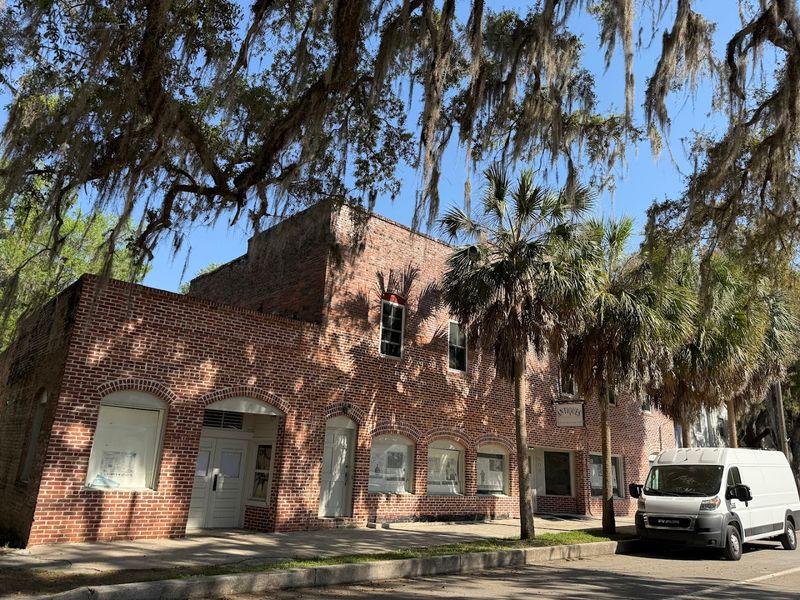
Micanopy is the kind of place where time genuinely seems to move slower, and honestly, that is the whole point. Pronounced “Mick-a-NO-pee,” this tiny town in Alachua County holds the title of Florida’s oldest inland settlement, and it has the Spanish moss-draped atmosphere to prove it.
With a population of just a few hundred people, it is more of a village than a town, but what it lacks in size it more than makes up for in soul.
The main drag, Cholokka Boulevard, is lined with antique shops that could keep a dedicated treasure hunter busy for an entire afternoon. Old books, vintage furniture, quirky collectibles, and handmade art fill storefronts that have barely changed in decades.
If you have ever seen the 1991 film “Doc Hollywood” starring Michael J. Fox, you already have a visual — Micanopy served as the filming location, and it looks almost exactly the same today.
Giant live oaks draped in Spanish moss arch over the roads like something out of a fairy tale. The Paynes Prairie Preserve State Park sits just south of town, offering one of Florida’s most dramatic natural landscapes with wild horses, bison, and an enormous freshwater basin.
Birders, hikers, and photographers make regular pilgrimages to this area for good reason.
Micanopy does not have a Starbucks or a chain restaurant, and the locals seem genuinely proud of that fact. The pace here is slow, the conversations are unhurried, and the beauty of the place sneaks up on you quietly.
Visiting Micanopy feels less like a tourist trip and more like stumbling into a secret that most of Florida has somehow managed to overlook for generations.
4. Monticello
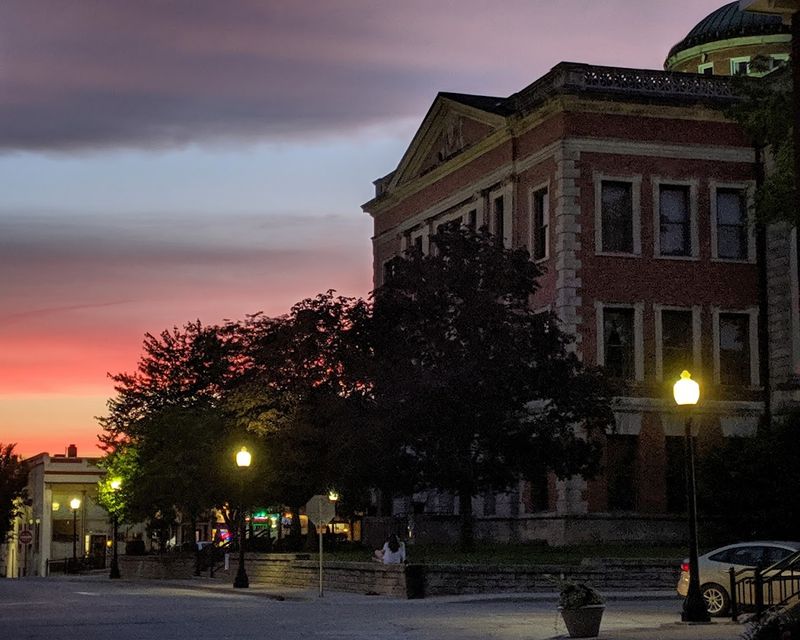
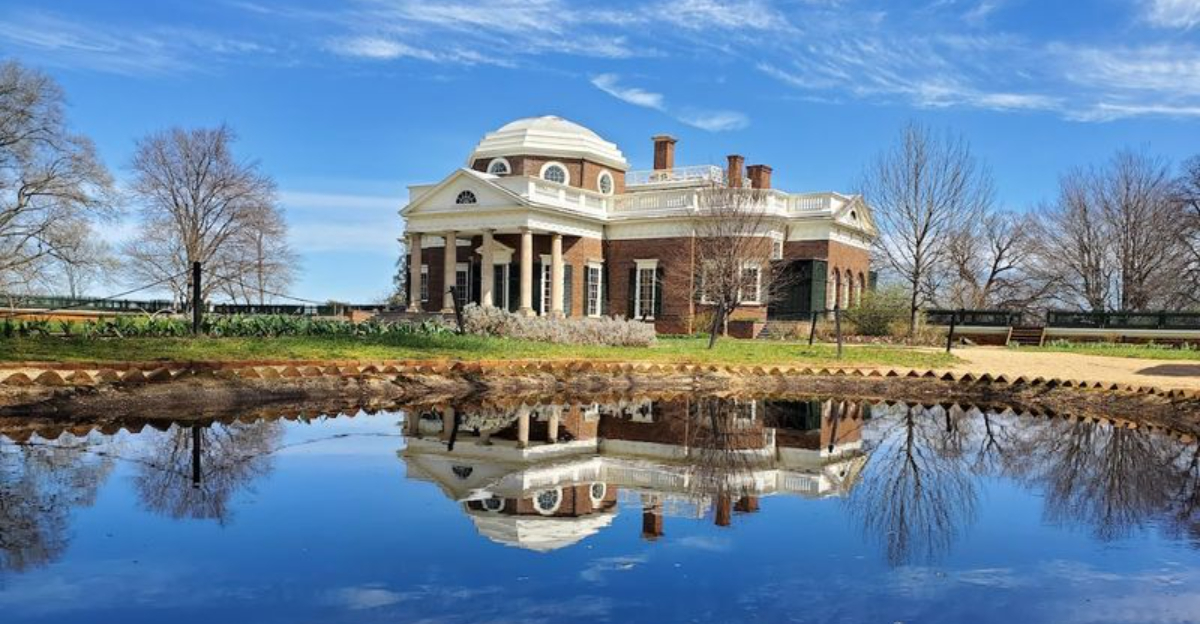
Monticello sits in the rolling hills of Jefferson County, and yes, Florida actually has hills up here, which already makes it feel like a different state entirely. Named after Thomas Jefferson’s famous Virginia estate, this small North Florida town has a stately, old-Southern dignity that is hard to find anywhere else in the Sunshine State.
The historic courthouse anchors the town square like it has always been the center of the universe.
The Opera House is one of Monticello’s most beloved landmarks, a beautifully restored 1890 building that still hosts live performances today. Attending a show there feels genuinely special, like being let in on a secret that most Florida tourists never discover.
The surrounding streets are lined with grand antebellum homes, many of which are still lived in and lovingly maintained by their owners.
Watermelon festivals, art walks, and seasonal events give Monticello a community heartbeat that feels authentic rather than manufactured for visitors.
The town’s small business district includes local boutiques, a charming hardware store that has been open for generations, and a handful of spots where locals gather for breakfast and never seem to be in a hurry to leave.
The natural surroundings add another layer of magic to the whole experience. Canopy roads shaded by massive oak trees lead in and out of town, making even the drive here feel cinematic.
Lake Miccosukee nearby offers quiet fishing and peaceful picnicking away from any kind of crowd. Monticello is the kind of place that rewards people who are willing to wander off the interstate and take the slower, more beautiful road.
You will not regret making that turn.
5. Mount Dora
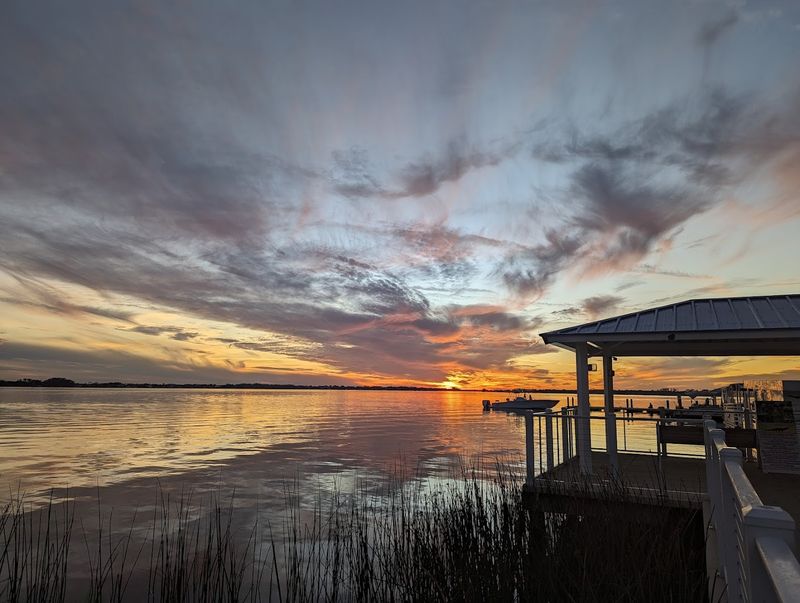
Mount Dora has been charming visitors for over a century, and somehow it just keeps getting better. Perched on a bluff above Lake Dora in Central Florida, this town has an elevation that is genuinely unusual for the state and views that reward anyone willing to stroll down to the waterfront.
The brick-paved streets, Victorian-era buildings, and window boxes full of blooming flowers make it feel like a storybook come to life.
Antique hunters consider Mount Dora one of the best destinations in the entire Southeast, and the town leans into that reputation with dozens of dealers, galleries, and specialty shops packed into a walkable downtown.
The Renninger’s Antique Center draws serious collectors from across the country, especially during the big seasonal extravaganzas that turn the whole area into a treasure-hunting paradise.
The arts scene here runs deep. The Mount Dora Center for the Arts hosts rotating exhibitions and community events that draw a creative crowd year-round.
The annual Mount Dora Arts Festival is consistently ranked among the top outdoor art festivals in the country, pulling in artists and visitors from across the nation every February.
Boating on Lake Dora is a beloved local pastime, and a sunset cruise from the town’s marina is one of those experiences that makes you feel like everything is going to be okay. The lakefront park is a popular gathering spot where families spread out on the grass and kids chase ducks without a care in the world.
Mount Dora earns its Hallmark-movie reputation not through any single attraction but through a consistent, irresistible warmth that wraps around you the moment you arrive and makes leaving feel genuinely difficult.
6. Venice
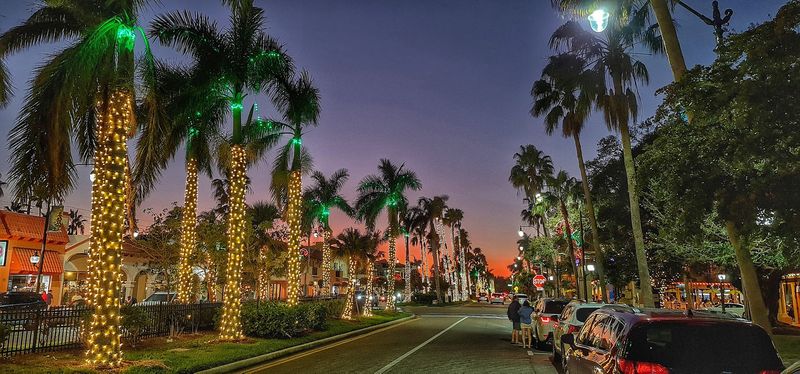
Venice, Florida, earned its Italian nickname honestly. The downtown architecture features Mediterranean Revival buildings with arched walkways, terracotta rooftops, and a European elegance that feels completely out of place in the best possible way.
Located on the Gulf Coast just south of Sarasota, Venice manages to be both a relaxed beach town and a genuinely sophisticated small city at the same time.
The beaches here are world-famous among fossil hunters. Venice Beach and nearby Caspian Beach are known as the “Shark Tooth Capital of the World” because ancient megalodon teeth wash ashore with remarkable regularity.
Watching families sift through the surf with mesh scoops, searching for prehistoric teeth, is one of the most uniquely Florida experiences you can have anywhere in the state.
Downtown Venice is wonderfully walkable. The shops along West Venice Avenue range from high-end boutiques to quirky local galleries, and the dining scene punches well above its weight for a town of this size.
Outdoor seating spills onto sidewalks shaded by mature palms, and the whole area has a leisurely energy that encourages you to linger over a meal rather than rush off to the next thing.
The Venice Theatre is one of the largest community theaters in the entire country, which says a lot about how much this town values the arts. Residents here are fiercely proud of their community and protective of its small-town character, which is why Venice has managed to grow without losing the qualities that made it special in the first place.
Whether you come for the fossils, the food, or just the feeling of a place that has genuinely figured itself out, Venice delivers every single time.
7. Pass-a-Grille
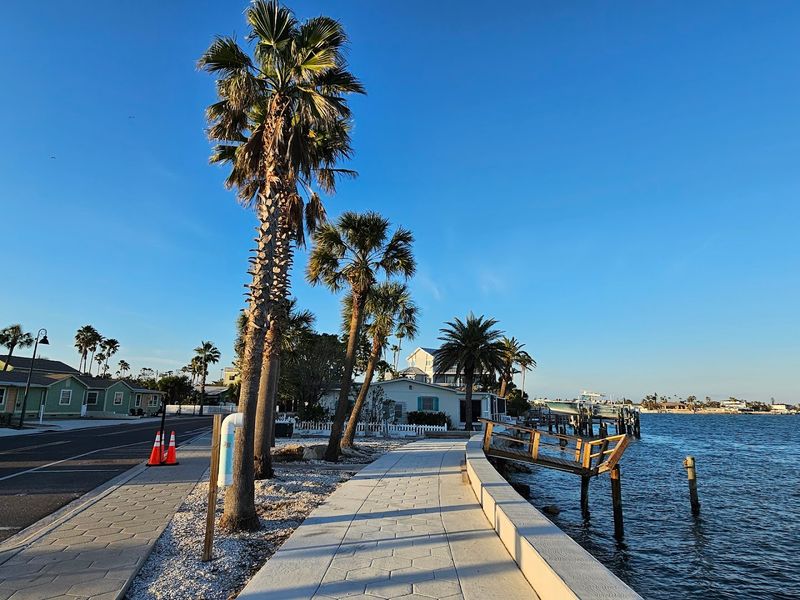
At the very southern tip of St. Pete Beach sits Pass-a-Grille, a neighborhood so small and so perfectly preserved that it almost feels fictional. The name rolls off the tongue like something from a French coastal village, and the vibe is not entirely different — unhurried, sun-soaked, and deeply attached to the sea.
This is one of the oldest beach communities in all of Florida, and it has resisted overdevelopment with admirable stubbornness.
The main street, Eighth Avenue, is lined with independent shops, a historic hotel, and a handful of restaurants where the grouper sandwich is always fresh and the portions are always generous. There are no chain restaurants here, no souvenir mega-stores, and no towering condo buildings blocking the Gulf breeze.
That is not an accident — it is a community choice that residents have defended for decades.
The beach itself is spectacular. Wide, white, and rarely crowded compared to other Gulf Coast spots, it offers the kind of sunset views that make people stop mid-conversation and just stare.
The Don CeSar Hotel, a pink palace just up the beach, adds a layer of glamour to the area without overwhelming Pass-a-Grille’s own quiet charm.
Shell-collecting, paddleboarding through the back bays, and fishing off the public pier are the main activities here, and somehow that is more than enough. The pace of life in Pass-a-Grille operates on a frequency that is almost therapeutic.
Locals sit on their front porches and wave at strangers, pelicans cruise overhead without urgency, and the whole place feels like a reward for anyone willing to drive past the flashier beach towns to find something genuinely real.
8. Apalachicola
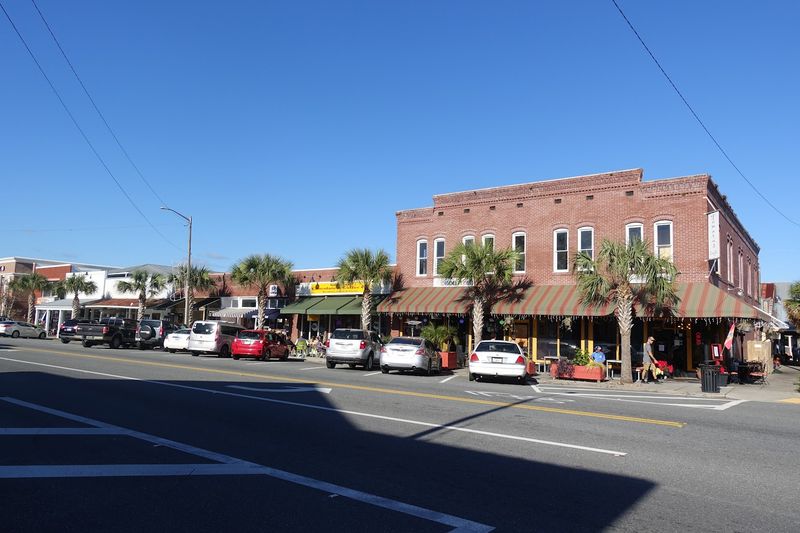
Apalachicola is the kind of town that food writers, artists, and slow-travel enthusiasts have been quietly raving about for years. Tucked along the panhandle coast where the Apalachicola River meets the Gulf, this small fishing town is most famous for its oysters — and for good reason.
The bay here has historically produced some of the most prized oysters in the country, and the local culinary scene celebrates that heritage with genuine reverence.
The historic downtown is a walker’s dream. Nineteenth-century commercial buildings house art galleries, antique shops, and independent restaurants that feel rooted in the community rather than designed for Instagram.
The Gibson Inn, a beautifully restored Victorian hotel from 1907, anchors the town with a quiet grandeur that makes you want to book a room and stay for several nights longer than you planned.
Nature surrounds Apalachicola on all sides. The Apalachicola National Forest, the largest national forest in Florida, stretches just to the north.
St. George Island State Park, a short drive across the bridge, offers some of the most pristine undeveloped beach in the entire Southeast. The combination of cultural richness and natural beauty here is genuinely hard to match.
What draws people back to Apalachicola again and again is harder to define than any single attraction. It might be the way the light falls on the bay at dusk, or the way the town feels genuinely lived-in rather than curated for visitors.
The population is small, the pace is slow, and the sense of community is palpable. Apalachicola is a reminder that some of Florida’s greatest treasures are the ones that have never needed a billboard on I-10 to get noticed.
9. Matlacha
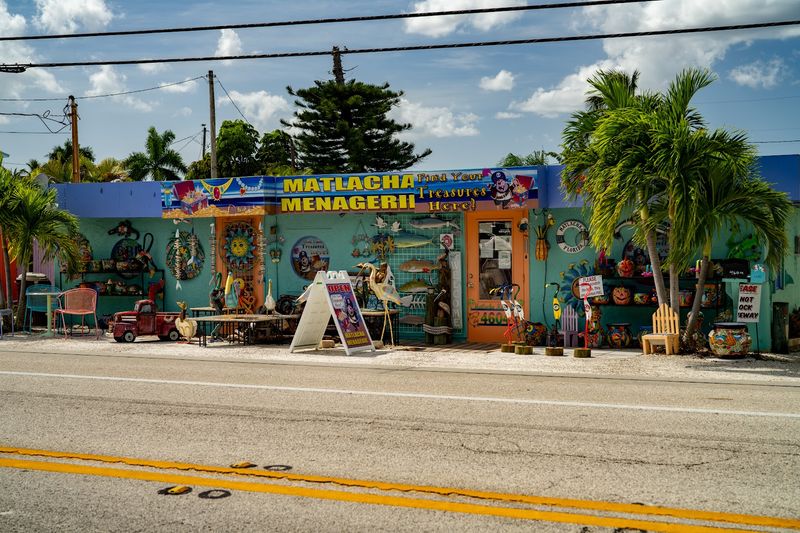
Matlacha — pronounced “MAT-la-shay” — is possibly the most colorful square mile in all of Florida, and that is saying something in a state that loves a good color palette.
This tiny fishing village on Pine Island Sound is essentially one long bridge road lined with electric-hued galleries, quirky shops, and waterfront seafood spots that look like they were painted by someone who had just a little too much fun with a color wheel.
The art scene here is completely authentic. Real working artists live and create in Matlacha, and many of the galleries you wander into are the artist’s actual studio.
The work reflects the wild natural beauty of the surrounding estuary — colorful fish, mangrove tangles, roseate spoonbills, and the shimmer of the Gulf light appear again and again in paintings, sculptures, and ceramics throughout the village.
Fishing is still the soul of Matlacha. Tarpon, snook, and redfish patrol the flats just outside the village, making it a beloved destination for serious anglers who want local knowledge and access to world-class waters.
Charter guides who grew up fishing these waters offer a completely different experience from anything you would find at a resort marina down the coast.
Hurricane Ian hit Matlacha hard in 2022, and the community’s recovery has been a testament to the resilience and spirit of the people who call this village home. Businesses have rebuilt, artists have returned, and the color is back in full force.
Visiting Matlacha today is not just a pleasure — it is a small act of support for a community that refused to let a storm define its story. That kind of spirit is exactly what makes this place unforgettable.
10. Tarpon Springs
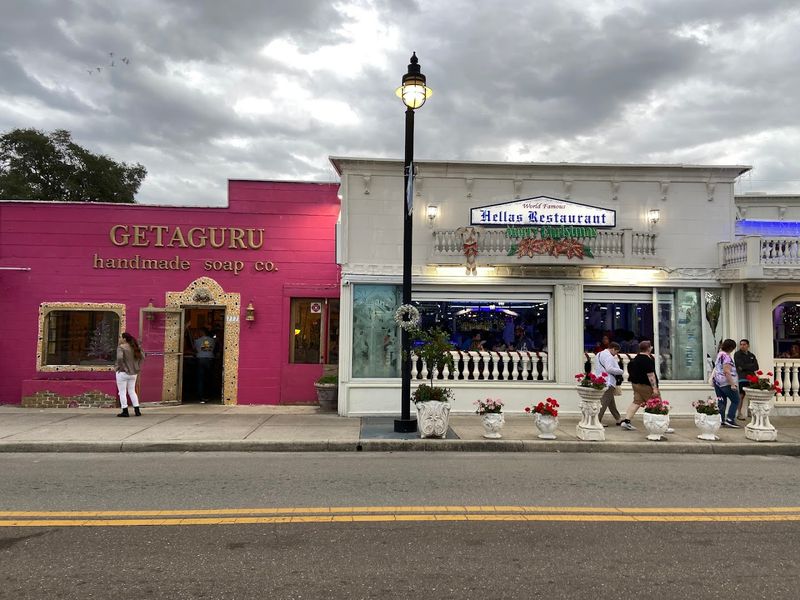
Tarpon Springs is unlike any other town in Florida, and that distinction starts the moment you smell the ocean air mixed with something distinctly Mediterranean.
The Greek community that settled here in the early 1900s to harvest sea sponges left such a deep cultural imprint that the town still feels like a corner of Greece somehow transplanted to the Gulf Coast of Florida.
The sponge docks along Dodecanese Boulevard are the heart of it all.
Watching actual sponge boats unload their haul at the docks is one of those free, genuinely fascinating experiences that reminds you how alive Florida’s working waterfront culture still is in certain pockets.
Sponge divers in full gear still demonstrate their craft for visitors, and the shops along the docks sell everything from natural bath sponges to hand-painted icons and imported Greek olive oil.
The food scene in Tarpon Springs is extraordinary. Greek bakeries, family-run tavernas, and waterfront restaurants serve moussaka, spanakopita, and fresh seafood with a confidence that comes from generations of tradition.
Hellas Restaurant and Bakery is an institution, and the baklava there has converted more than a few people who claimed they did not have a sweet tooth.
Beyond the docks, Tarpon Springs has a charming historic downtown, beautiful bayou waterways perfect for kayaking, and Sunset Beach, a quiet local gem that most tourists overlook entirely.
The town also hosts one of the largest Epiphany celebrations in the Western Hemisphere every January, when young men dive into Spring Bayou to retrieve a golden cross — a tradition that draws thousands of spectators and has been happening here for over a century.
Tarpon Springs earns every bit of its unique reputation.
11. Seaside
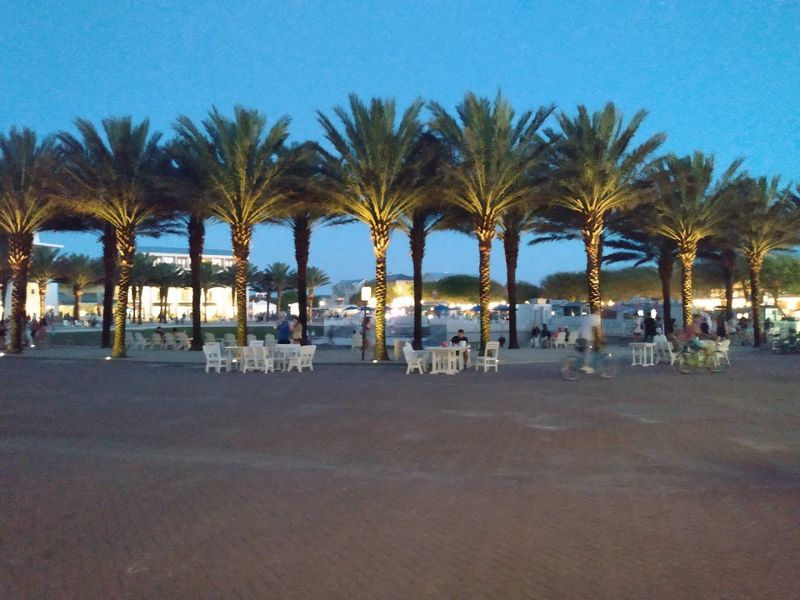
Seaside was literally designed to look like a movie set, so it is no surprise that it ended up being one. The 1998 Jim Carrey film “The Truman Show” was filmed almost entirely here, and the town’s pastel cottages, white picket fences, and perfectly proportioned town square made it the ideal stand-in for a fabricated utopia.
The twist is that Seaside is a real place, and people actually live here year-round.
Built in the 1980s as a planned community along Florida’s Emerald Coast, Seaside pioneered the New Urbanism architectural movement, which prioritizes walkability, front porches, and human-scale design over car-centric sprawl.
Every detail was intentional — the street widths, the building setbacks, the placement of parks and gathering spaces — and the result is a town that genuinely functions the way a community is supposed to function.
The beaches here are breathtaking. The Gulf water along this stretch of the panhandle is an almost unreal shade of emerald green, and the sugar-white sand squeaks under your feet as you walk.
Rosemary Beach and WaterColor, neighboring communities in the same style, extend the dreamy atmosphere along the coast, but Seaside remains the original and most iconic of the bunch.
Shopping, dining, and live music fill the town center on most evenings during the season, and the famous Airstream food truck row offers everything from grilled cheese to fresh-squeezed juice in a setting that is casual but undeniably stylish.
Seaside is polarizing — some people find it almost too perfect — but there is no denying that walking through it at golden hour, with the Gulf breeze moving through the palms, feels like something out of a very well-produced dream.
12. Safety Harbor
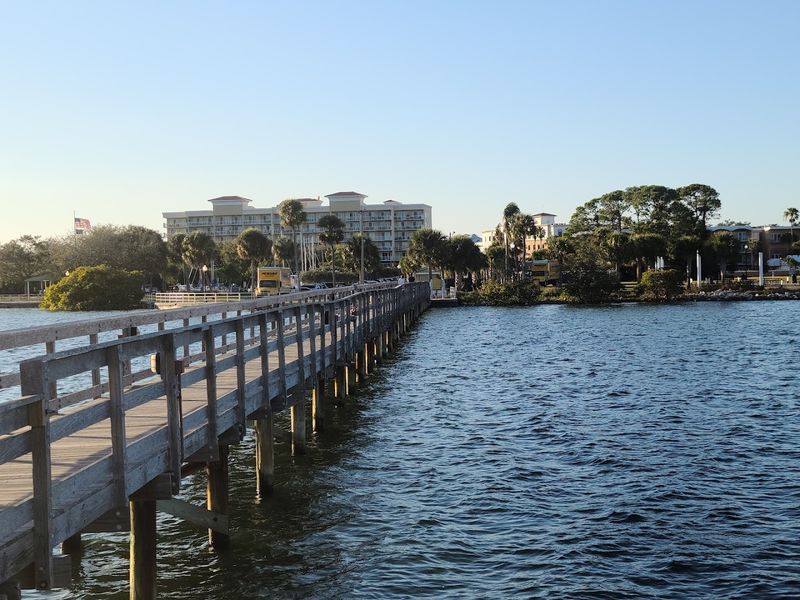
Safety Harbor has the kind of Main Street that makes you want to cancel your weekend plans and just stay. Tucked along the western shore of Tampa Bay in Pinellas County, this small city has managed to grow its arts scene, restaurant culture, and community events calendar without ever losing the neighborhood-scale intimacy that makes it so easy to love.
The downtown is genuinely walkable and genuinely interesting, which is a rare combination.
The town’s history runs deeper than most people realize. Safety Harbor sits on the site of Espiritu Santo Springs, a natural mineral spring that Native Americans revered for centuries and that Spanish explorers believed held healing properties.
The Safety Harbor Resort and Spa, built around those same springs, has been welcoming guests since the early 1900s and remains a beloved local institution today.
The arts community here is remarkably active. The Safety Harbor Art and Music Center, known locally as SHAMc, hosts gallery shows, live performances, and community workshops throughout the year.
Street murals pop up on building walls throughout the downtown, turning an ordinary walk into something more like an outdoor gallery experience.
First Friday events bring the community together with live music, local vendors, and a buzzing social energy that spills out of the restaurants and onto the sidewalks. The waterfront park offers stunning views across Tampa Bay, and the fishing pier is a beloved gathering spot at both sunrise and sunset.
Safety Harbor flies under the radar compared to flashier neighbors like St. Pete and Tampa, but locals prefer it that way. There is a quiet pride here, a sense that the town knows exactly what it is and has no interest in becoming anything else.
That kind of confidence is genuinely magnetic.
13. Cedar Key
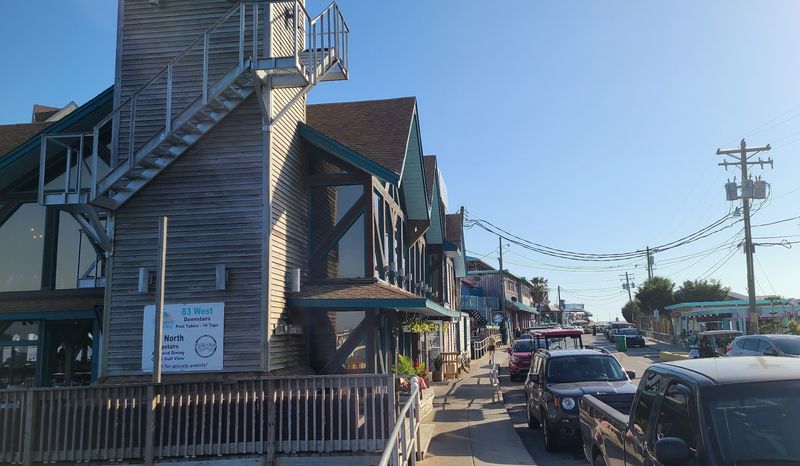
Cedar Key sits at the end of State Road 24 like a reward for everyone willing to drive two hours into the middle of nowhere. This tiny island community on Florida’s Nature Coast is one of the most genuinely remote towns in the state, accessible only by a long causeway that crosses a series of salt marshes and tidal flats teeming with wildlife.
The isolation is the whole point, and the people who find Cedar Key tend to become devoted fans for life.
The town was once a thriving industrial hub in the 1800s, producing pencils from the abundant red cedar trees that gave the island its name. Most of those forests were eventually cleared, but Cedar Key reinvented itself as a fishing and clamming community, and today it remains one of the top producers of farmed clams in the entire country.
The local seafood here is some of the freshest and most honest you will find anywhere in Florida.
The downtown is just a few blocks of weathered wooden buildings, galleries, and seafood restaurants perched above the water on stilts. It looks exactly like a fishing village should look, without any of the self-consciousness that sometimes creeps into towns that know they are being watched.
Artists have been drawn here for generations, attracted by the quality of the light and the unhurried pace of life.
Kayaking through the surrounding Cedar Keys National Wildlife Refuge is one of the most extraordinary outdoor experiences in all of Florida. Dolphins, manatees, sea turtles, and hundreds of bird species share these waters with a remarkable ease.
Cedar Key does not try to be charming — it simply is, in the most unpretentious and enduring way imaginable. Come once and you will spend years planning your return.