10 Florida Markets Where You Can Eat Your Way Around the World
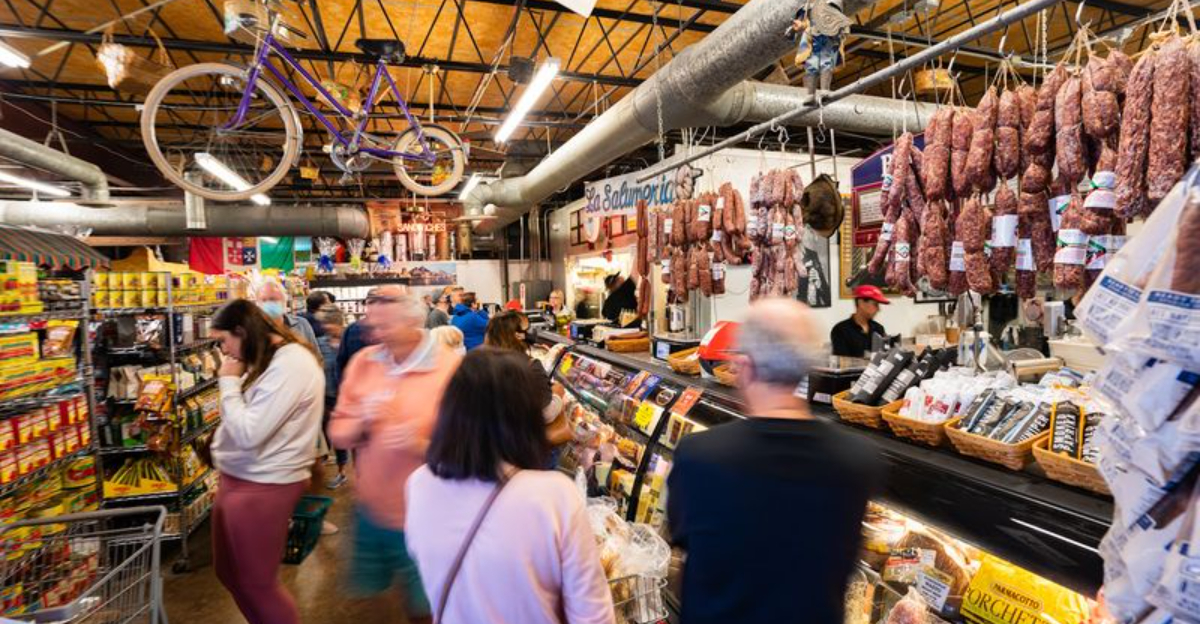
Florida’s food scene stretches way beyond Cuban sandwiches and key lime pie. Tucked into neighborhoods across the state, you’ll find sprawling markets where vendors serve up authentic dishes from dozens of countries. These aren’t your typical grocery stores—they’re destinations where you can grab Korean street snacks, Polish pierogi, and Peruvian ceviche all in one afternoon.
Whether you’re hunting for rare spices, craving a taste of home, or just want to try something completely new, these 10 markets deliver flavors from every corner of the globe.
1. Yellow Green Farmers Market (Hollywood)
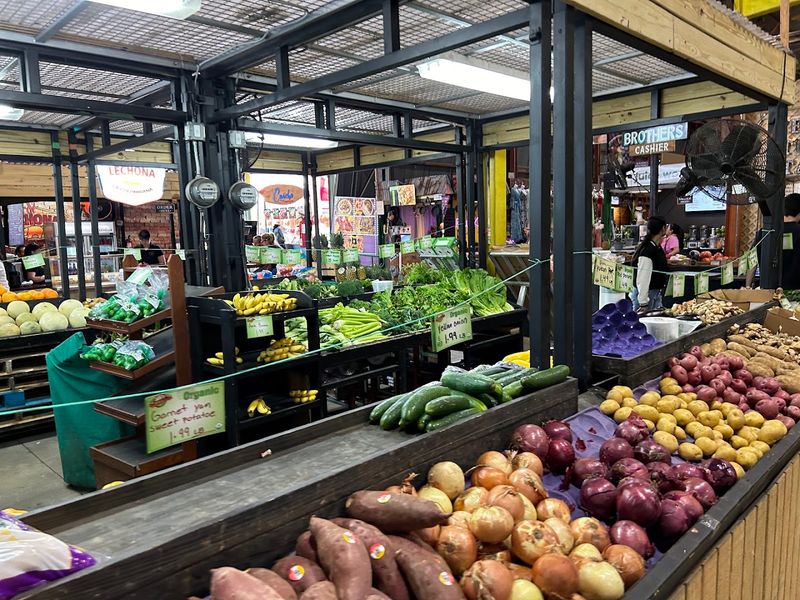
Rows of vendor tents stretch across this sprawling Hollywood destination, each one packed with a different country’s cooking. You might start with a plate of Peruvian ceviche, move on to pad Thai from a cheerful vendor who’s been perfecting the recipe for years, then finish with a cup of fresh-cut mango drizzled with chili and lime.
Ethiopian injera bread piled with spicy stews sits a few stalls down from Argentinian empanadas. Mexican street corn competes for attention with Dominican mofongo. Cajun gumbo bubbles in one corner while a sushi chef slices fresh rolls in another.
The market operates year-round, so you can plan weekend visits around whatever you’re craving. Prices stay reasonable, and portions tend to be generous. Families spread out on picnic tables under the shade, sampling bites from multiple vendors.
Live music often fills the air on weekends, adding to the festival atmosphere. You’ll find more than just prepared food here—vendors also sell tropical fruits, fresh vegetables, spices, and homemade sauces. It’s the kind of place where you arrive hungry and leave with bags full of ingredients you’ve never tried before.
2. Redland Market Village (Homestead)
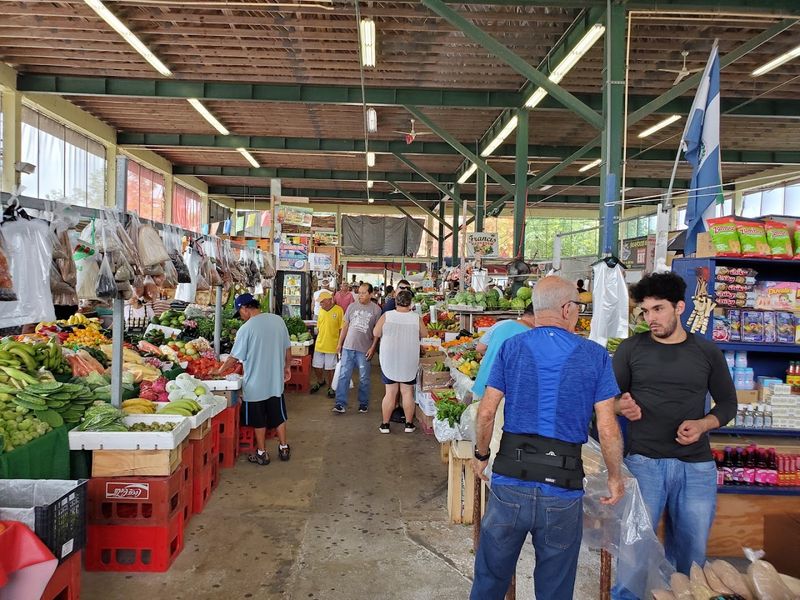
More than 20 food trucks and permanent vendors circle the grounds of this Homestead gathering spot, each one specializing in a different regional flavor. The focus leans heavily toward Latin America and the Caribbean, which makes sense given South Florida’s location and community.
Mexican tacos stuffed with slow-cooked meats arrive on house-made tortillas. Central American pupusas come off the griddle with melted cheese oozing from the edges. Caribbean jerk chicken sends smoky, spicy aromas across the entire property.
South American arepas get filled with your choice of proteins and toppings.
What sets this market apart is the sheer variety within those regional cuisines. You’re not just getting generic Mexican food—you’re choosing between vendors who specialize in different states and cooking styles. Same goes for the Caribbean section, where Jamaican, Haitian, and Puerto Rican options each bring distinct spice blends and techniques.
The outdoor seating area stays lively most days, especially on weekends when families claim tables for hours. Kids run around while adults linger over plates piled high. You can also browse stands selling fresh produce, baked goods, and handmade crafts between bites.
3. Lotte Plaza Market (Orlando)
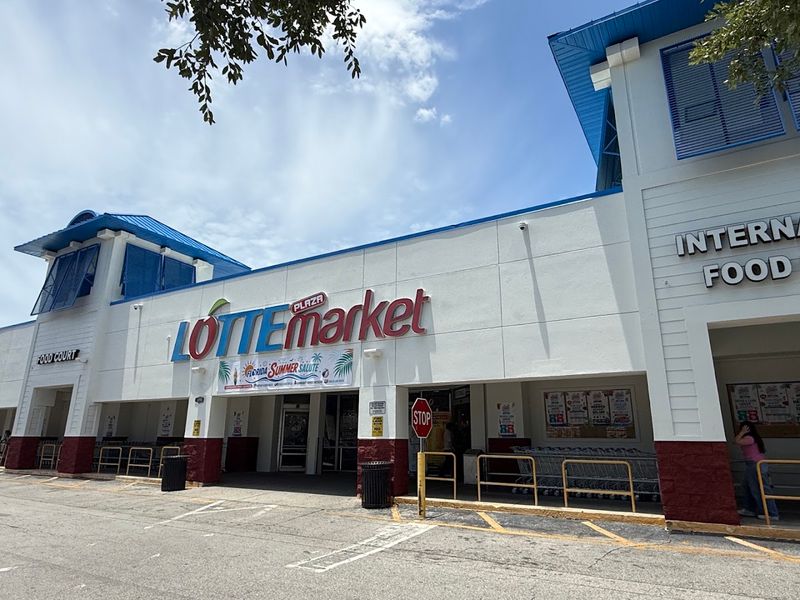
Walking into this massive Orlando market feels like stepping onto a different continent. Aisles stretch in every direction, stocked floor-to-ceiling with products from Korea, Japan, China, Vietnam, Thailand, and beyond. But the real magic happens in the prepared food section.
Hot bars offer Korean fried chicken with crispy, glazed skin that crackles with every bite. Japanese bento boxes come packed with rice, pickled vegetables, and grilled proteins. Chinese roast duck hangs in the deli case, ready to be chopped and wrapped for takeout.
Bubble tea stations let you customize drinks with different flavors and toppings.
The grocery section deserves exploration too. You’ll find ingredients that other stores don’t carry—specialty sauces, dried seaweed varieties, frozen dumplings from specific regions, rice cakes in a dozen shapes. Fresh seafood counters display whole fish on ice, plus live tanks for those who want their dinner as fresh as possible.
Produce sections showcase Asian vegetables that might be unfamiliar if you haven’t cooked this cuisine before, but staff members usually offer advice on preparation. The bakery turns out soft, slightly sweet breads and pastries that pair perfectly with the tea selection. Budget plenty of time for your first visit—there’s a lot to take in.
4. Central Fare Collective (Miami)
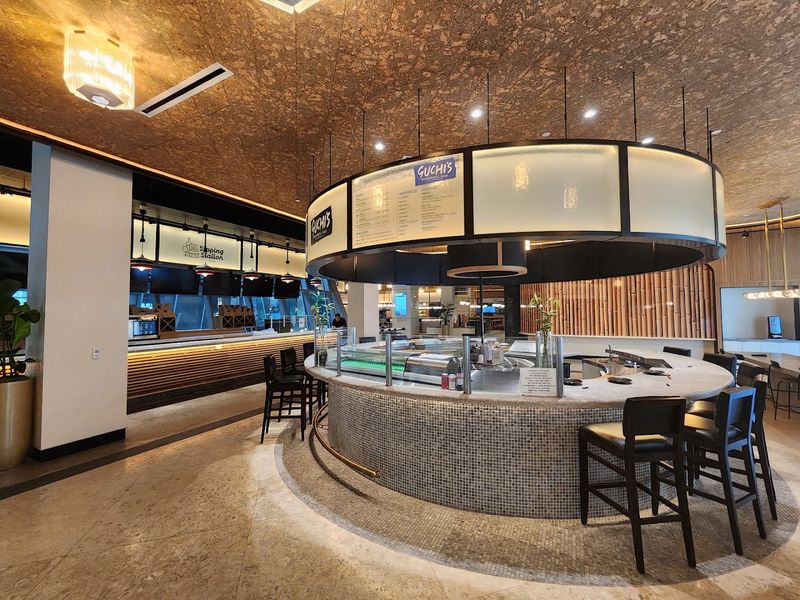
Tucked inside MiamiCentral, this sleek food hall brings together vendors who’ve mastered their specific corners of global cooking. The setup makes it perfect for groups who can’t agree on where to eat—everyone picks from a different stall, then meets at communal tables.
Ecuadorian ceviche arrives in generous portions, citrus-bright and loaded with shrimp. Japanese hand rolls get assembled to order, seaweed crisp and rice perfectly seasoned. Mexico City-style tacos come topped with combinations you won’t find at typical taco chains.
Italian pastries tempt from glass cases, flaky and filled with cream or chocolate.
French-inspired crepes work for breakfast, lunch, or dessert depending on what you order. Classic Philly cheesesteaks satisfy comfort food cravings. Wood-fired pizza emerges with bubbled crusts and quality toppings.
Tropical desserts featuring guava, coconut, and passion fruit provide sweet endings.
The modern design and central location make this spot popular with both tourists and locals rushing through the transit hub. Service moves quickly at most stalls, so you’re not stuck waiting when you’re hungry. Prices reflect the upscale setting but remain reasonable for what you get.
The variety means you could eat here multiple times without repeating a cuisine.
5. International Food Club (Orlando)
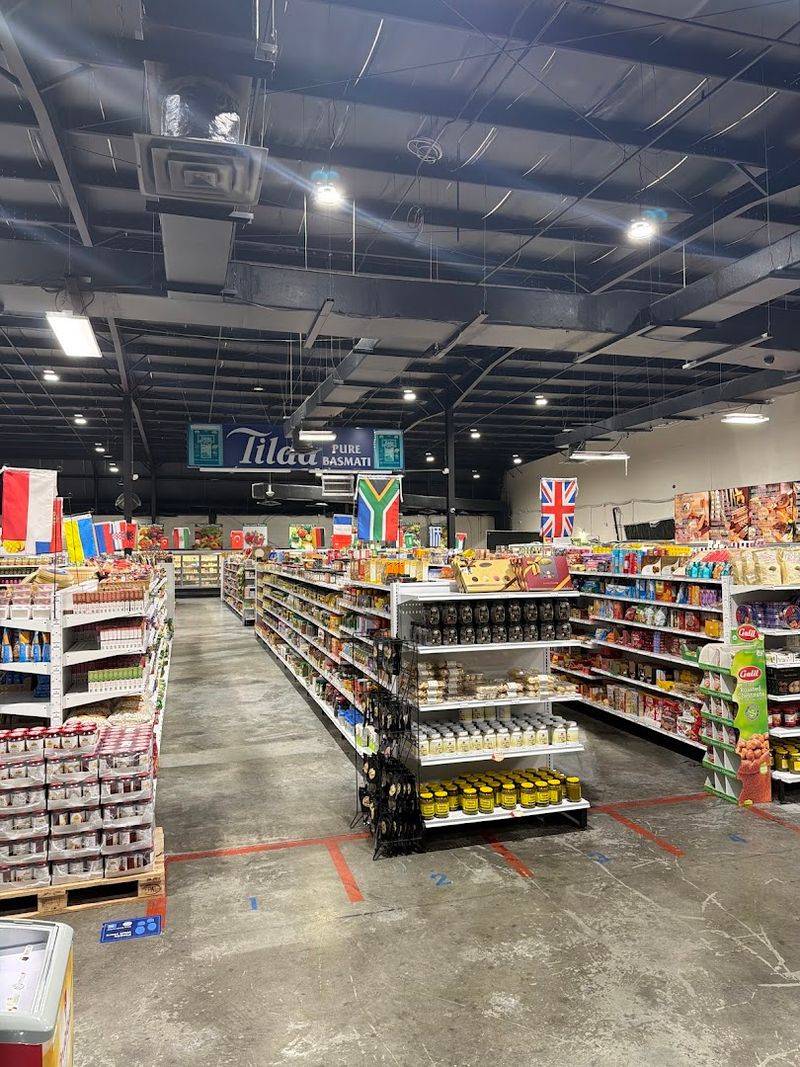
This enormous Orlando specialty market stocks products from more than 25 countries, organized into sections that let you travel from continent to continent without leaving the building. European chocolates and cookies fill one aisle. Middle Eastern spices and grains dominate another.
Asian noodles and sauces take up multiple shelves. African ingredients that are nearly impossible to find elsewhere finally appear here. Latin American staples round out the selection.
The store caters to Orlando’s incredibly diverse population, which means the inventory reflects what actual immigrants from these regions want to buy. You’re not getting watered-down versions or American interpretations—these are the real brands and products people grew up with.
Fresh produce sections carry vegetables and fruits that most mainstream grocers don’t stock. Meat counters offer cuts prepared according to different cultural traditions, including halal and kosher options. Frozen sections hold dumplings, samosas, and prepared meals from various cuisines.
Staff members often speak multiple languages and can guide you toward ingredients if you’re attempting a recipe from an unfamiliar cuisine. The bakery section produces fresh breads daily—pita, naan, baguettes, and specialty loaves. You could spend an hour just reading labels and discovering products you’ve never encountered.
Prices stay competitive, especially on bulk items.
6. Eataly Aventura (Aventura)
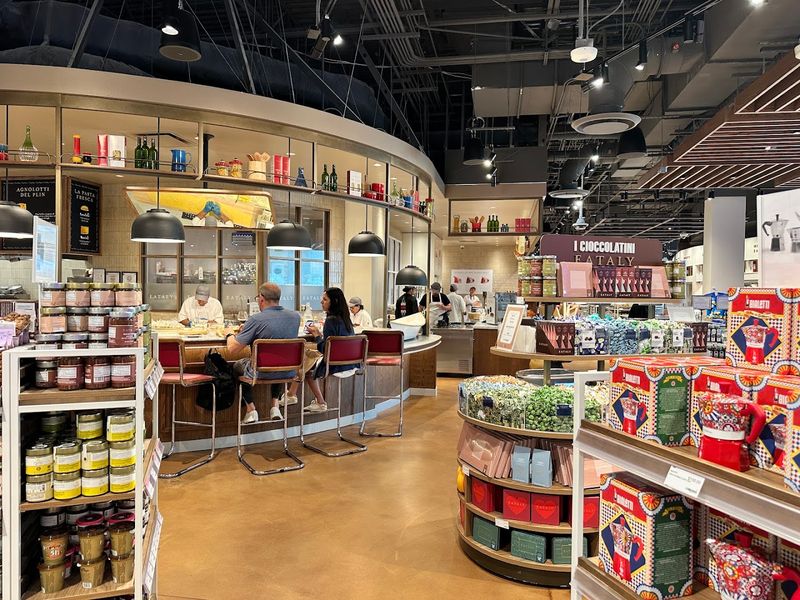
Spread across two levels, this Italian marketplace celebrates food from all 20 of Italy’s regions. Fresh pasta stations let you watch noodles get cut and shaped by hand. Neapolitan pizza ovens reach temperatures that produce those signature leopard-spotted crusts.
Pastry cases showcase cannoli, tiramisu, and regional sweets that vary by season.
The cheese section alone could occupy an entire afternoon. Wheels of Parmigiano-Reggiano get cracked open for sampling. Creamy burrata arrives fresh.
Aged pecorino and young mozzarella represent opposite ends of the texture spectrum. Staff members explain the differences and suggest pairings.
Seafood counters display whole fish on ice, plus prepared options like grilled octopus and marinated anchovies. The salumi section hangs cured meats that have been aging for months or years. Olive oil bottles line shelves, organized by region and flavor profile.
Fresh bread emerges from ovens throughout the day.
Multiple restaurants within the marketplace offer sit-down dining if you want to linger over a full meal. Gelato gets scooped from traditional metal containers, flavors ranging from classic stracciatella to seasonal fruit. Wine sections let you browse Italian labels you won’t find in regular stores.
Cooking classes teach techniques if you want to recreate these dishes at home.
7. International Food Market (Orlando)
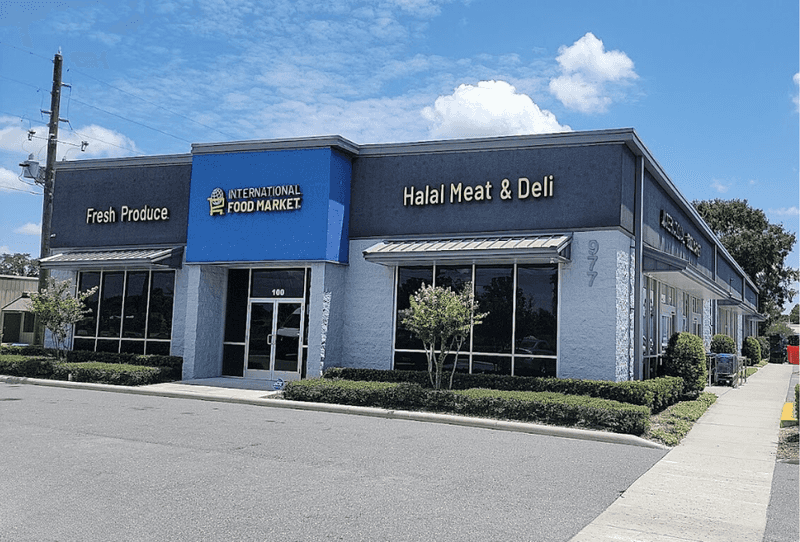
Middle Eastern and Mediterranean flavors dominate this Orlando market, where the smell of fresh-baked pita greets you at the door. Hot meal counters serve lamb shawarma carved from vertical spits, falafel fried to order, and rice dishes fragrant with saffron and cardamom.
The halal meat section offers cuts prepared according to Islamic dietary law, including beef, lamb, chicken, and goat. Fresh bread comes out of ovens multiple times daily—pita, lavash, and other flatbreads still warm when you grab them. Imported sweets like baklava drip with honey and pistachios.
Turkish delight arrives in flavors beyond the basic rose water.
Bulk spice bins let you scoop exactly what you need for recipes. Za’atar, sumac, baharat, and dozens of other blends sit ready to be weighed and bagged. Produce sections carry items like fresh dates, pomegranates, and herbs used in Middle Eastern cooking.
Olive varieties fill containers where you can sample before committing.
Pickled vegetables line shelves—turnips, cucumbers, peppers, all preserved with different spice combinations. The grocery aisles stock tahini, pomegranate molasses, rose water, and other pantry staples that regular supermarkets often don’t carry. Staff can suggest substitutions if you’re missing an ingredient for a traditional recipe.
8. Mazzaro’s Italian Market (St. Petersburg)
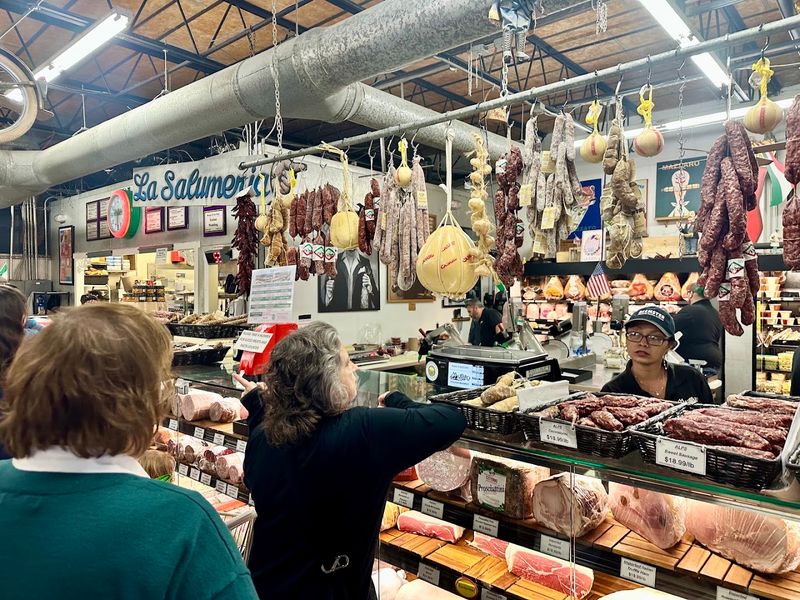
Family-owned since 1967, this St. Petersburg institution feels like stepping into a market you’d find in a small Italian town. Handmade pasta gets rolled and cut daily—fettuccine, ravioli, gnocchi, and seasonal shapes that change based on what the pasta makers feel like creating.
The deli counter stretches along one wall, cases packed with imported cheeses, cured meats, and prepared salads. Sandwiches get built to order on fresh-baked bread, stuffed so full that eating them requires strategy. Imported olive oils and vinegars line shelves, alongside canned tomatoes from specific Italian regions known for superior flavor.
Fresh mozzarella arrives several times per week, still soft and milky. The pastry case tempts with cannoli shells filled only after you order, keeping them crisp. Espresso machines hiss and gurgle, producing shots that locals claim rival anything in Italy.
Prepared meals sit ready for takeout—lasagna, chicken parmigiana, eggplant rollatini.
The market has expanded over the decades but maintains its neighborhood feel. Regular customers chat with staff members who remember their usual orders. Prices stay fair despite the quality ingredients.
You’ll find both everyday items and specialty products you’d otherwise need to order online. The attached wine shop stocks Italian labels organized by region.
9. Kimchi Mart (Miami)
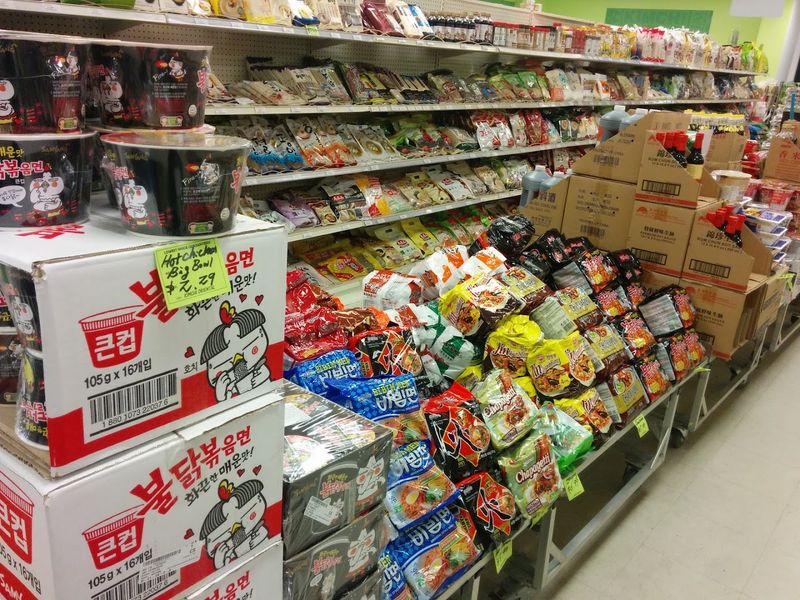
Shelves packed floor-to-ceiling with products from Korea, Japan, China, Vietnam, Thailand, and other Asian countries make this Miami market a treasure hunt for anyone who loves cooking or eating Asian food. Fresh kimchi sits in refrigerated cases—cabbage, radish, cucumber, and seasonal varieties that change throughout the year.
Onigiri rice balls get made fresh daily, wrapped in seaweed and filled with salmon, tuna, pickled plum, or other traditional ingredients. Noodle aisles offer dozens of options—ramen, udon, soba, rice noodles, glass noodles, all from different brands and regions. Snack sections showcase items you won’t find in mainstream stores, from shrimp chips to wasabi peas to mochi in unexpected flavors.
The seafood section displays whole fish on ice, plus specialty items like uni, octopus, and fish cakes. Frozen dumpling varieties fill multiple freezer cases—pork, vegetable, shrimp, chicken, each with different wrapper styles and seasonings. Ready-to-eat specialties include Korean fried chicken, Japanese curry, and Vietnamese spring rolls.
Produce sections carry Asian vegetables that might be unfamiliar—bok choy, daikon radish, bitter melon, lotus root. The beverage aisle stocks everything from Japanese sodas to Korean banana milk to bubble tea supplies. Staff members provide cooking suggestions if you’re attempting a new recipe.
10. PL Market European Grocery & Deli (Pinellas Park)
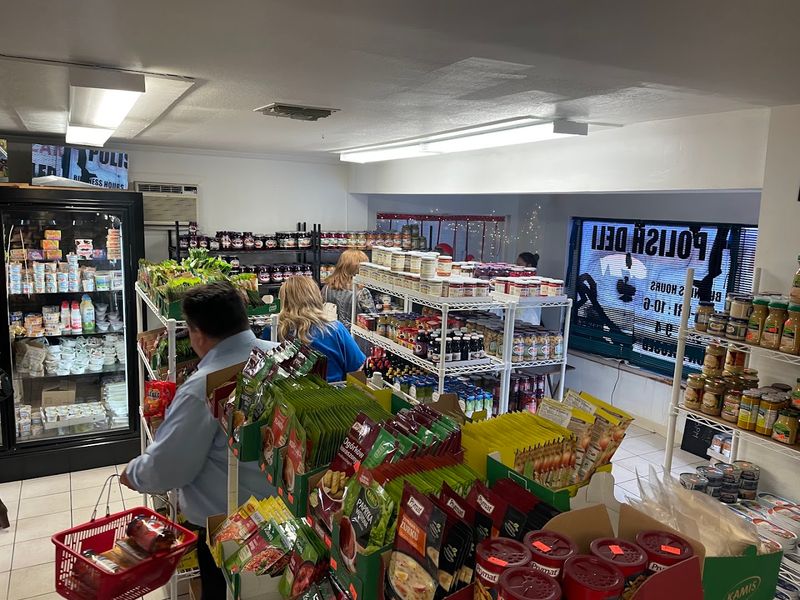
Polish and Eastern European specialties pack every corner of this Pinellas Park market, where the deli case alone could feed you for weeks. Pierogi arrive handmade and frozen, ready to boil or fry at home—potato and cheese, sauerkraut and mushroom, meat-filled, fruit-filled for dessert.
Smoked meats hang behind the counter, including varieties of kielbasa that differ in spice blend and smoking technique. Fresh sausages get made in-house using traditional recipes passed down through generations. The bread selection includes dense, dark ryes and lighter wheat loaves, all baked fresh and sliced thick.
Imported sweets from Poland, Ukraine, Russia, and other Eastern European countries fill shelves—chocolate bars, wafer cookies, honey cakes, and candies that locals grew up eating. Pickled vegetables come in jars and from barrels—cucumbers, tomatoes, peppers, mushrooms, all preserved with different herb and spice combinations.
The deli prepares traditional dishes like bigos (hunter’s stew), stuffed cabbage rolls, and potato pancakes. Dairy sections stock European-style yogurts, sour creams, and cheeses. You’ll find ingredients for making borscht, pelmeni, and other dishes that require specific Eastern European products.
Staff members speak multiple languages and offer cooking advice. Prices remain reasonable, especially on bulk items like sausages and pickles.