These 9 Florida Restaurants Look Like You Should Keep Driving, but Don’t
Florida’s best meals often hide behind the most unlikely storefronts. You’ll find award-winning cooking tucked inside strip malls, legendary seafood served from weathered shacks, and family recipes passed down for generations coming out of old gas stations. The state’s most memorable dining experiences rarely announce themselves with fancy signs or pristine exteriors, which means the restaurants that look least promising from the road might just serve the meal you’ll talk about for years.
1. T-Ray’s Burger Station (Fernandina Beach)
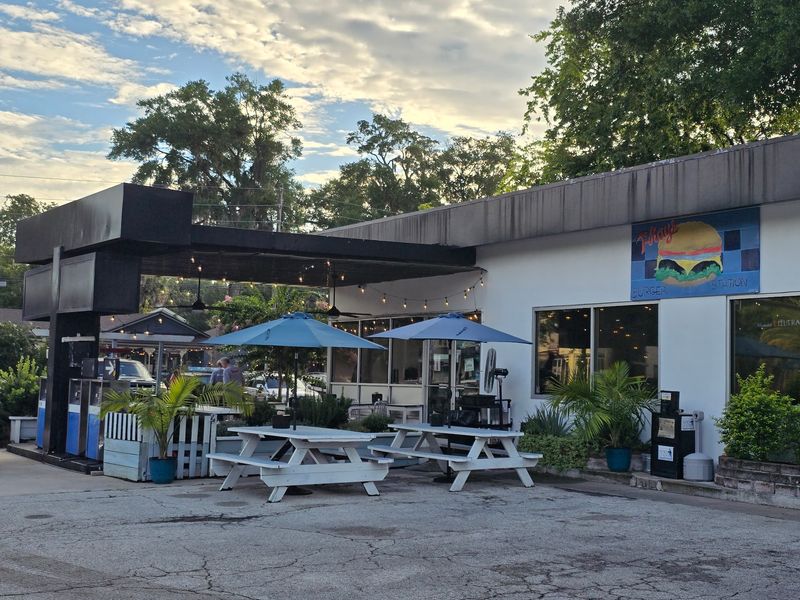
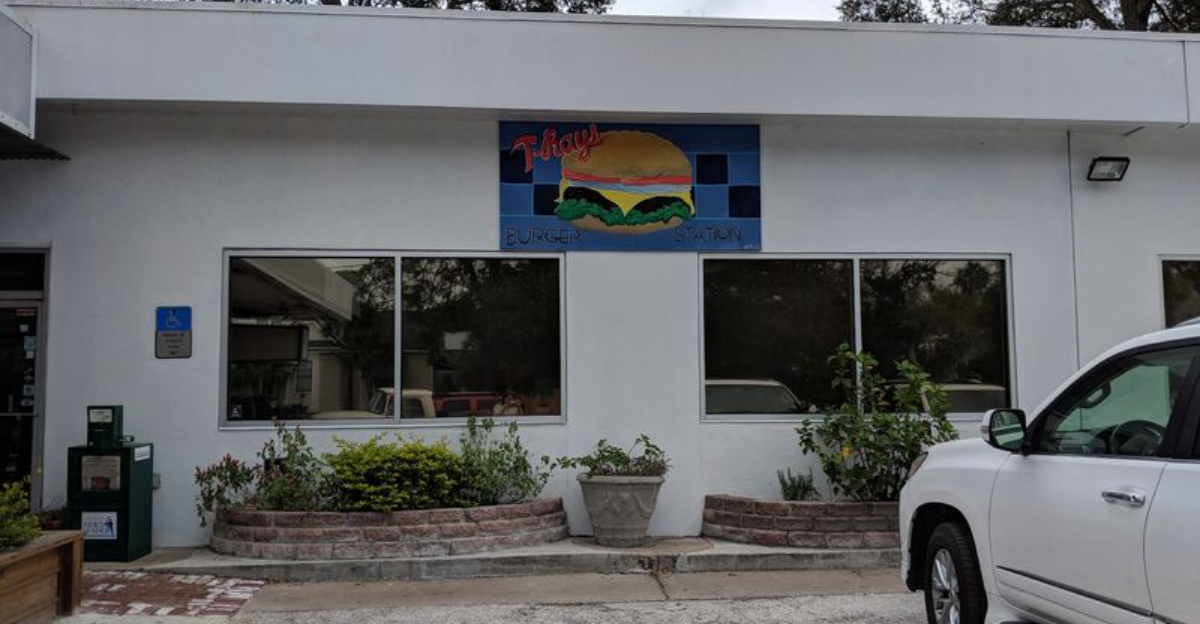
Pull up to this converted filling station and you might think you’ve taken a wrong turn. The building still wears its automotive past proudly, complete with the kind of vintage charm that makes newer drivers wonder if it’s actually open for business.
What started as a fuel stop decades ago now fuels hungry locals and smart travelers with breakfast plates that could feed two people and burgers that drip with exactly the right amount of grease. The menu doesn’t try to impress anyone with fancy descriptions or Instagram-worthy plating.
Fried shrimp comes piled high and golden. Southern sides taste like someone’s grandmother made them that morning. The whole operation runs on the principle that good food doesn’t need good looks to win people over.
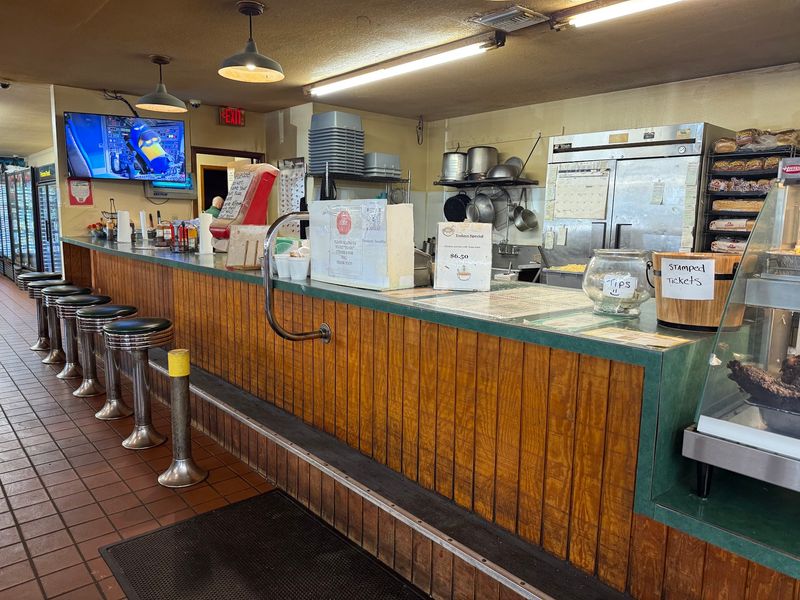
Regulars have been coming here long enough to remember when gas cost less than a dollar, and they keep coming back because T-Ray’s understands something important: comfort food should actually comfort you. The atmosphere feels lived-in rather than designed, with counter seating that encourages conversation and zero pretension about what kind of place this is. You won’t find farm-to-table buzzwords here, just straightforward cooking done right every single day.
2. Pearl Country Store & Barbecue (Micanopy)
Highway 441 stretches through some of Florida’s least glamorous scenery, and Pearl Country Store sits right in the middle of that ordinariness, sharing space with a gas station like it’s no big deal. Most people drive past without a second glance, which means more brisket for those who know better.
The setup couldn’t be simpler or more authentically Old Florida. Smoke rolls out from the back where meats spend hours getting tender and picking up that deep, woody flavor that can’t be rushed. Pulled pork falls apart at the touch of a fork.
Ribs come off the bone clean, leaving behind nothing but satisfied silence at the picnic tables.
Everything about Pearl feels like stepping back to when roadside barbecue meant a guy with a smoker and a reputation, not a corporate concept with matching napkins. The sides taste like someone actually cooked them rather than opened a bag, and the portions assume you’ve been working hard enough to deserve a real meal.
Micanopy itself barely registers as a town, which somehow makes Pearl fit even better into the landscape. This isn’t destination dining in the Michelin sense, but it absolutely deserves to be a destination for anyone who takes their smoked meat seriously.
3. Ted Peters Famous Smoked Fish (St. Petersburg)
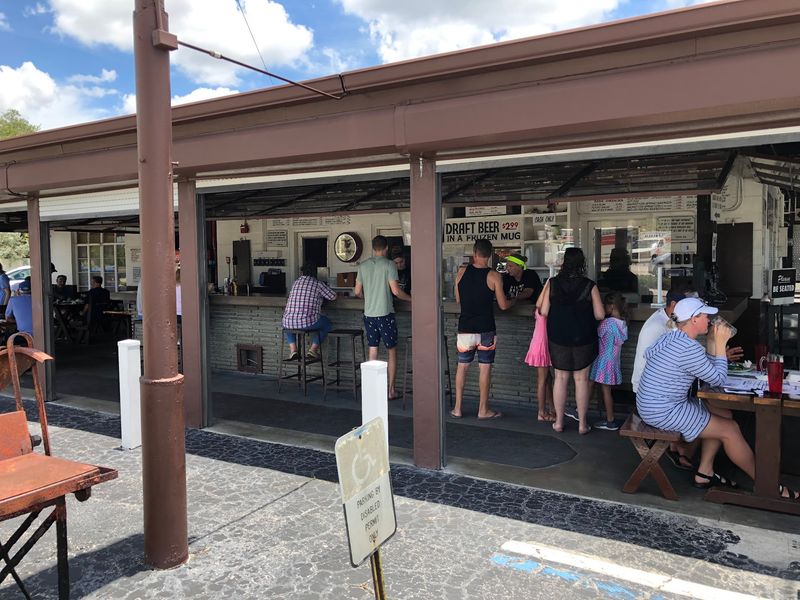
Since 1951, this roadside institution has been doing exactly one thing and doing it so well that generations of families plan their St. Petersburg visits around it. The building looks like it could use some attention, which is precisely the point. Ted Peters doesn’t waste money on curb appeal when that money could go toward buying better fish.
Smoked mullet might sound like an acquired taste to outsiders, but one bite explains why people drive across the state for it. The fish comes out with skin that crackles and meat that flakes into buttery, smoky perfection. Mahi-mahi, salmon, and mackerel all get the same careful treatment over the smokers that have been running for decades.
Then there’s the smoked fish spread, which has achieved near-mythical status among regulars. Creamy, smoky, and dangerously easy to eat by the spoonful, it’s the kind of thing people try to recreate at home and never quite nail. The outdoor picnic tables fill up fast during peak hours, creating an atmosphere that’s part fish camp, part family reunion.
Nothing here has changed much in seventy-plus years because nothing needed to change. The same recipes, the same smoking methods, the same commitment to letting the fish speak for itself without a bunch of unnecessary fuss getting in the way.
4. Singleton’s Seafood Shack (Mayport/Jacksonville)
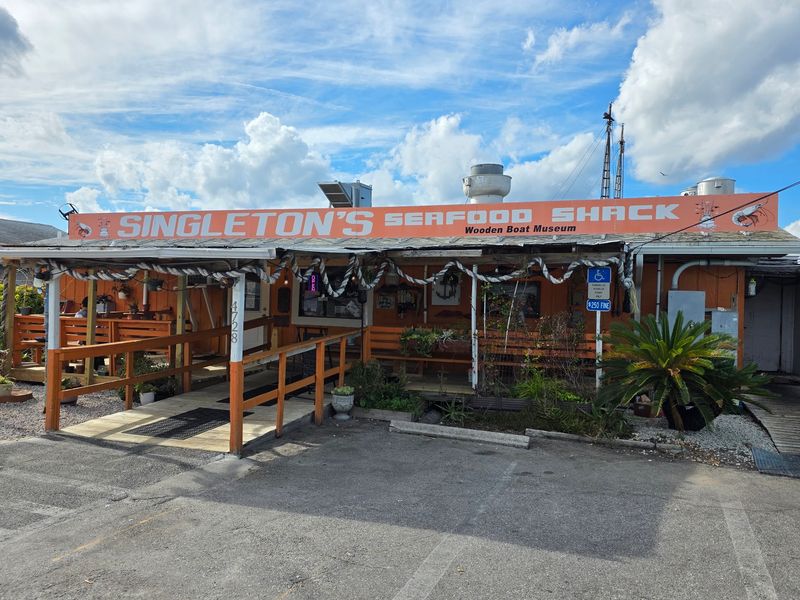
Weathered doesn’t begin to describe Singleton’s. The building looks like a strong wind might take it down, which somehow adds to its credibility as a place that’s been serving seafood since 1969 without worrying about what anyone thinks of the paint job.
Location matters here more than most restaurants because Singleton’s sits right where the fishing boats come in. That means the shrimp on your plate probably came off a boat you can see from your table, and the fish was swimming in the Atlantic more recently than seems possible for something already fried and plated. Locally sourced isn’t a marketing term at Singleton’s, it’s just how things work when you’re this close to the source.
The menu stays straightforward because the seafood does the talking. Fresh catch gets prepared simply, letting the quality of what came out of the water shine through without a bunch of fancy sauces or complicated preparations obscuring it. The atmosphere leans hard into authentic fishing village vibes, complete with the kind of casual service that assumes you’re smart enough to know what you want.
Mayport itself feels like a place time forgot, in the best possible way. Singleton’s fits perfectly into that landscape, serving as both restaurant and reminder of what Florida’s coast looked like before the high-rises moved in.
5. Lynn’s Quality Oysters (Eastpoint)
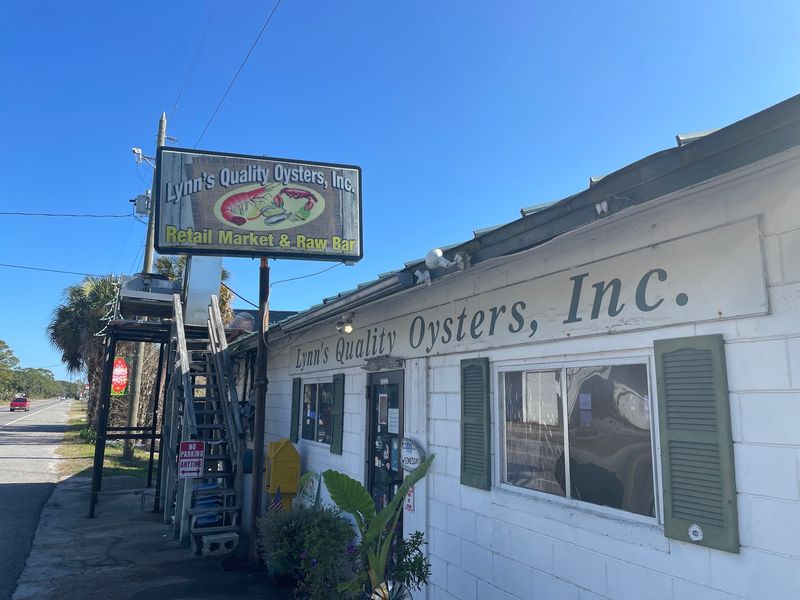
From Highway 98, Lynn’s looks exactly like what it is: a working oyster packinghouse and seafood market that happens to also serve food. The building prioritizes function over form, which makes sense when you’re running an actual seafood operation rather than just playing at the aesthetic.
What sets Lynn’s apart is that you’re eating at the source. The oysters come from the same facility that processes and ships them to restaurants across the region, which means they’re as fresh as physically possible. Raw bar service happens alongside the regular business of moving seafood, creating an atmosphere that feels more like you’ve stumbled into a working operation than sat down at a traditional restaurant.
Steamed shrimp arrives hot and perfectly seasoned. Seafood gumbo tastes like someone’s been making it the same way for thirty years because they probably have. Everything on the menu reflects Gulf Coast straightforwardness, the kind of cooking that doesn’t need to prove anything because the ingredients speak loudly enough on their own.
Eastpoint isn’t exactly a tourist destination, which keeps Lynn’s firmly in local territory. The crowd knows what they’re getting and appreciates that Lynn’s hasn’t tried to pretty itself up or chase trends. This is real Florida seafood eaten in a real Florida seafood facility, and that authenticity can’t be faked or franchised.
6. Hole In The Wall Oyster Bar (Apalachicola)
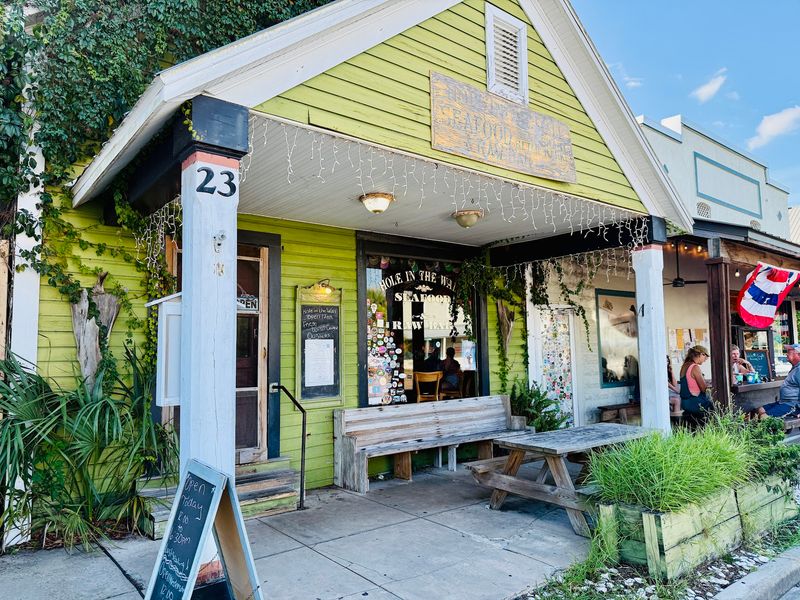
The little green building sits so modestly in Apalachicola that first-timers often circle the block wondering if they’ve got the right address. It genuinely looks like a hole in the wall, which turns out to be truth in advertising rather than false modesty.
Family ownership shows in every detail, from the way regulars get greeted by name to the consistency of preparation that only comes from doing the same thing the same way for years. Fresh local seafood dominates a menu that refuses to overcomplicate things. Oysters come raw and perfect, shrimp gets served without unnecessary fuss, and the whole operation runs on the understanding that Apalachicola seafood doesn’t need much help to taste incredible.
The unfussy setting actually enhances the experience rather than detracting from it. When you’re sitting in a place this unpretentious, eating food this good, it drives home the point that fancy dining rooms and elaborate presentations often mask mediocre ingredients. Here, there’s nowhere to hide and nothing to hide behind, just straight-up Gulf seafood prepared by people who know what they’re doing.
Apalachicola has managed to hold onto its fishing village character better than most Florida coastal towns, and Hole In The Wall fits perfectly into that preserved authenticity. This is what eating oysters in a Florida fishing town should feel like, complete with the modest surroundings and the exceptional quality.
7. Alabama Jack’s (Key Largo)
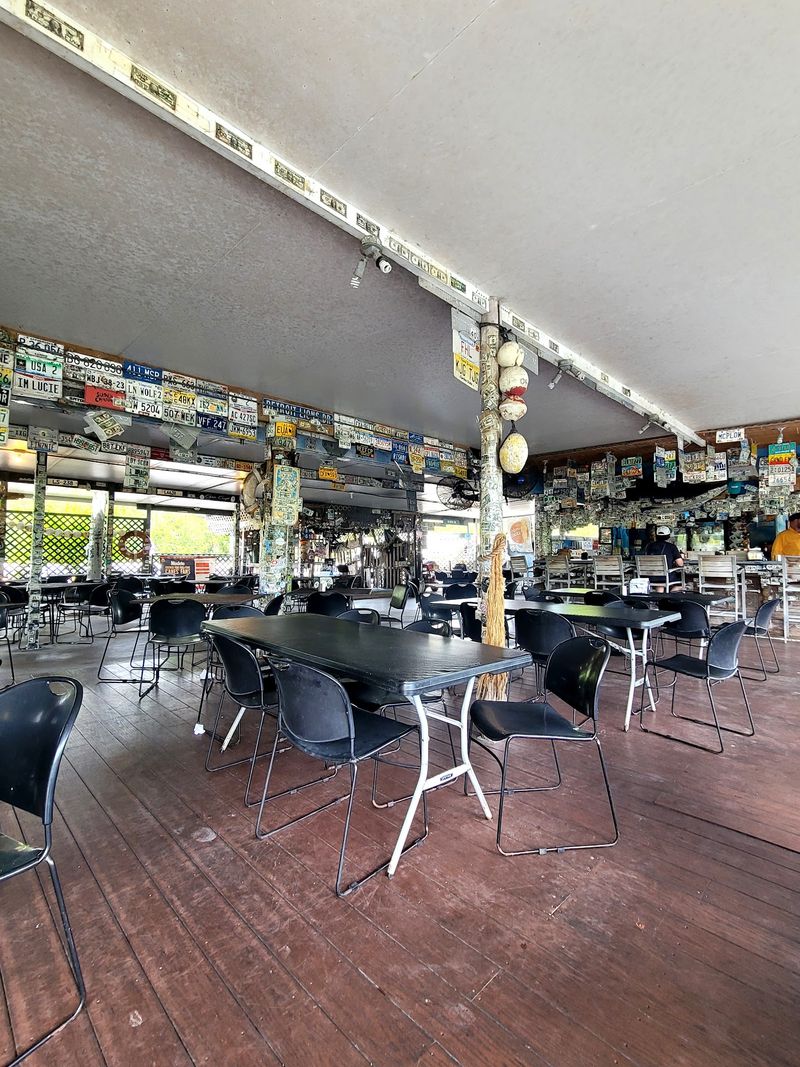
Card Sound Road isn’t the main route to the Keys, which means Alabama Jack’s attracts people who either know exactly where they’re going or have gotten wonderfully lost. The collection of open-air structures looks like it was assembled over decades by people more concerned with shade and waterfront access than architectural coherence.
That ramshackle appearance is pure Old Florida charm, the kind of place that existed before air conditioning made indoor dining the default. Conch fritters here have achieved legendary status among Keys regulars, crispy outside and tender inside with just enough conch to justify the name. Crab cakes come packed with actual crab rather than filler, and the whole menu reflects a commitment to seafood done right in the most casual setting imaginable.
The waterfront atmosphere does as much work as the food. Sitting at a picnic table with the breeze coming off the water, watching boats drift past while you eat fresh seafood, feels like stepping into the Florida that existed before the development boom. Live music adds to the laid-back vibe on weekends, creating the kind of afternoon that stretches into evening without anyone noticing or caring.
First-timers often arrive skeptical and leave as converts, already planning their return trip. Alabama Jack’s proves that the best restaurants sometimes look like places you’d normally keep driving past, and that ramshackle charm beats polished presentation every single time.
8. Terra Sur Cafe (Tampa)
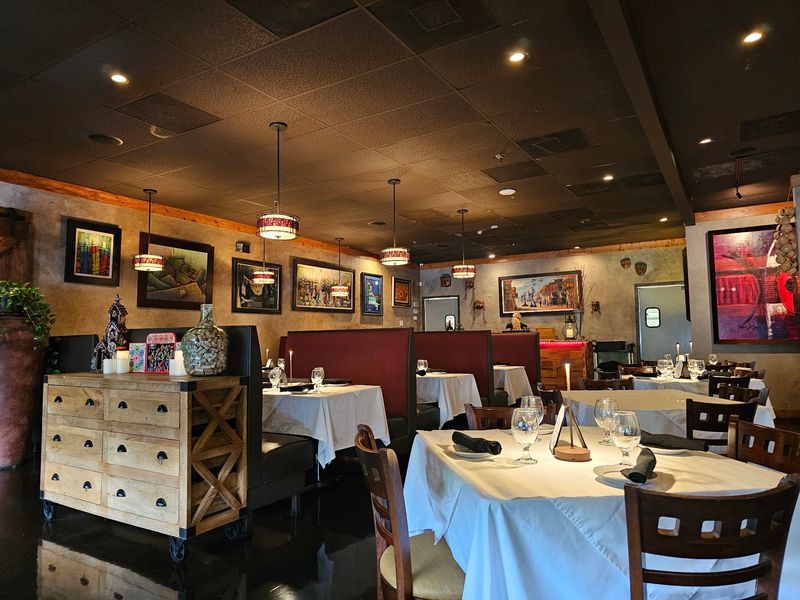
Strip malls rarely hide culinary treasures, which makes Terra Sur Cafe an exception worth celebrating. Tucked between ordinary retail spaces in suburban Tampa, this restaurant specializes in traditional Peruvian cooking that has nothing to do with its unremarkable surroundings and everything to do with family recipes passed down through generations.
Ceviche stands out as a signature dish, bright and acidic and fresh in ways that make you forget you’re eating in a shopping plaza. The fish gets cured perfectly, the citrus hits just right, and the whole dish tastes like it came from a coastal Peruvian kitchen rather than landlocked Tampa. Everything on the menu reflects that same commitment to authenticity, with flavors and techniques that don’t compromise for American palates or cut corners for convenience.
VISIT FLORIDA has described Terra Sur as a well-kept secret hiding in a suburban strip mall, which captures both the surprise of finding it and the quality of what you find. The cooking here competes with restaurants in far fancier settings, proving that great food cares nothing about zip codes or curb appeal.
Regulars guard this place like a secret, though word has spread enough that weekends can get busy. The modest setting keeps it from becoming a scene, which seems exactly right for a restaurant focused on cooking rather than being seen. Sometimes the best meals happen in the most unexpected places.
9. Boia De (Miami)
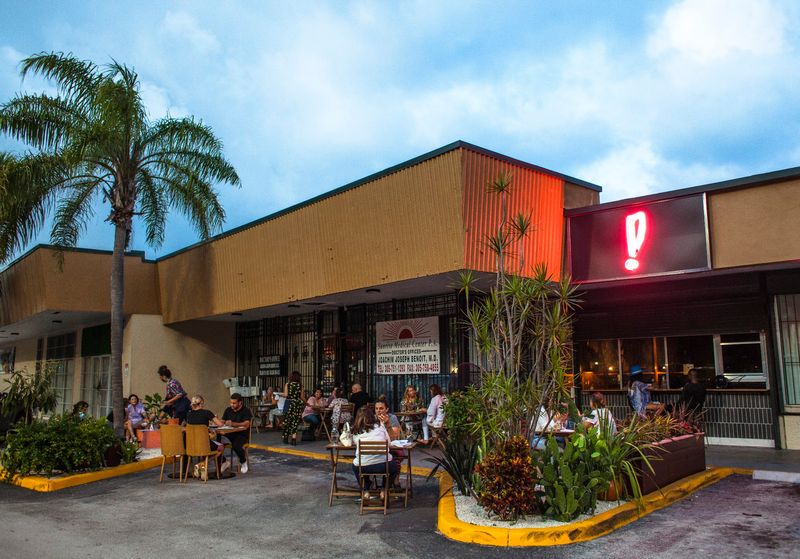
Sandwiched between a laundromat and a medical center in an unassuming Miami shopping plaza, Boia De represents the ultimate argument against judging restaurants by their surroundings. The little neon exclamation point outside serves as the only hint that something special happens behind this unlikely storefront.
That something special earned a Michelin star in the 2026 guide, making Boia De proof that world-class cooking can happen anywhere. The Italian-leaning menu showcases creative preparations and house-made pastas that would stand out in any setting, but somehow taste even better knowing they’re coming from a kitchen tucked into a strip mall. Each dish reflects serious technique and thoughtful sourcing, the kind of cooking that announces ambition without needing to announce itself.
The tiny space creates an intimate atmosphere that high-end restaurants spend fortunes trying to achieve. Limited seating means reservations book up fast, and the close quarters put diners practically in the kitchen, watching the team work with precision and passion. Nothing about the experience feels accidental or casual despite the casual surroundings.
Boia De has become the restaurant people mention when they want to prove that Miami’s food scene goes deeper than South Beach glitz. It represents a particular kind of Florida dining experience: exceptional quality hiding in plain sight, waiting for people smart enough to look past the strip mall exterior and trust that great cooking can happen anywhere.